
Roma will build its new stadium in Pietralata The goal is to open in 2031
Roma will be able to build its new stadium. The services conference has given the green light to the feasibility of the new venue, which the club plans to build in Pietralata. According to the plans drawn up by the club and the Municipality of Rome, construction should begin by March 2027 and be completed in 2031. The goal is to include the Pietralata stadium among the venues that will host Euro 2032, jointly organised by Italy and Turkey.
With James Pallotta’s old dream of building a privately owned stadium in Tor di Valle now shelved, the ownership led by Dan Friedkin has chosen the eastern part of the Italian capital as the new home for the Giallorossi. The area can be reached from Tiburtina railway station and the two nearby metro stations, Monti Tiburtini and Quintiliani, while road access is provided by the Tangenziale Est, the urban section of the Rome–L’Aquila motorway and the recently widened Tiburtina. It will be a major investment, reaching around €500 million, and one that will significantly reshape the area.
The next formal step will see Roma submit the executive project, detailing every aspect of the stadium. At the same time, public tenders for the infrastructure and works surrounding the stadium will be drawn up and launched. According to Sky Sport and Calcio&Finanza, the new stadium will have a capacity of 60,605 seats, while the total cost of the wider project is expected to exceed €1 billion.
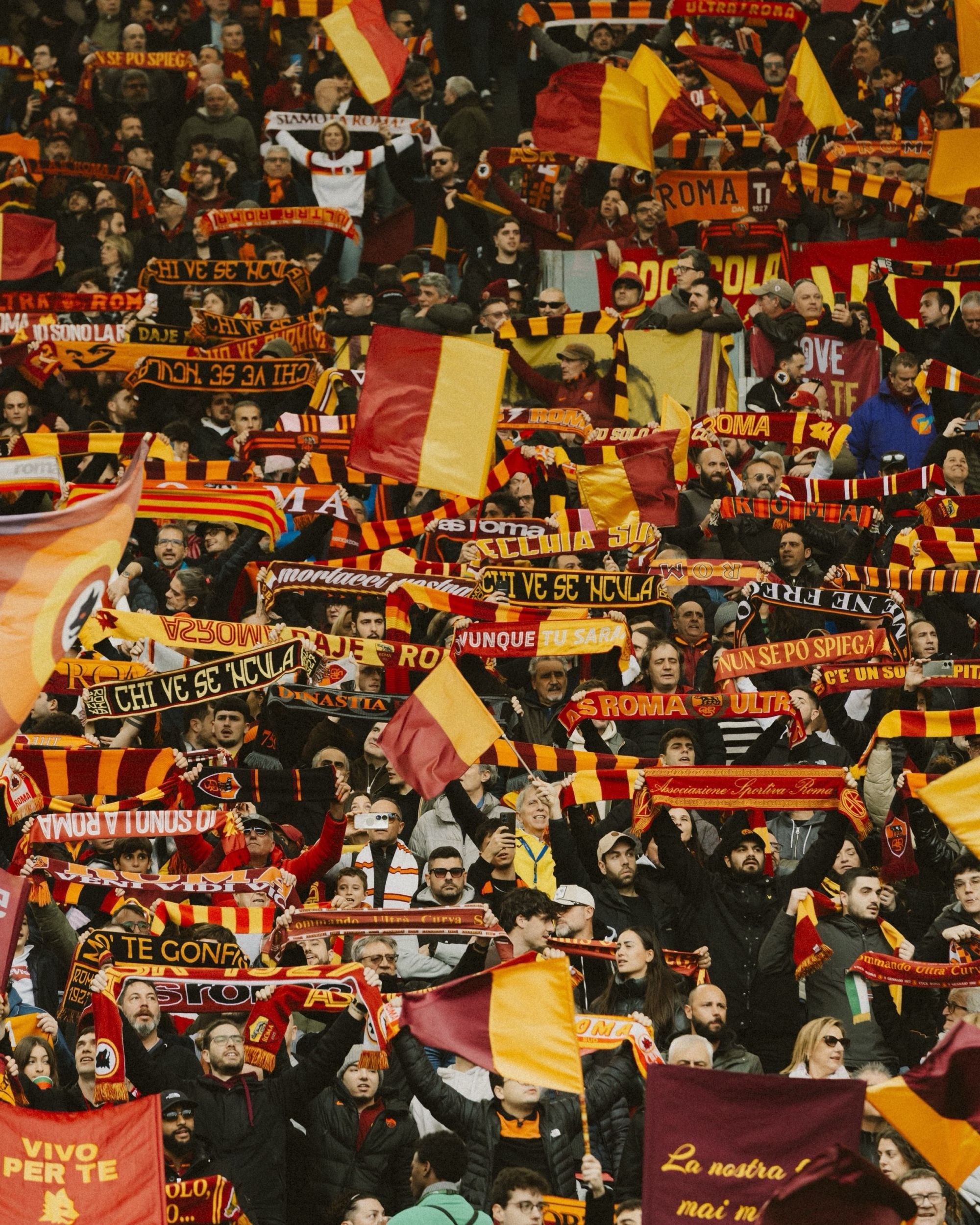
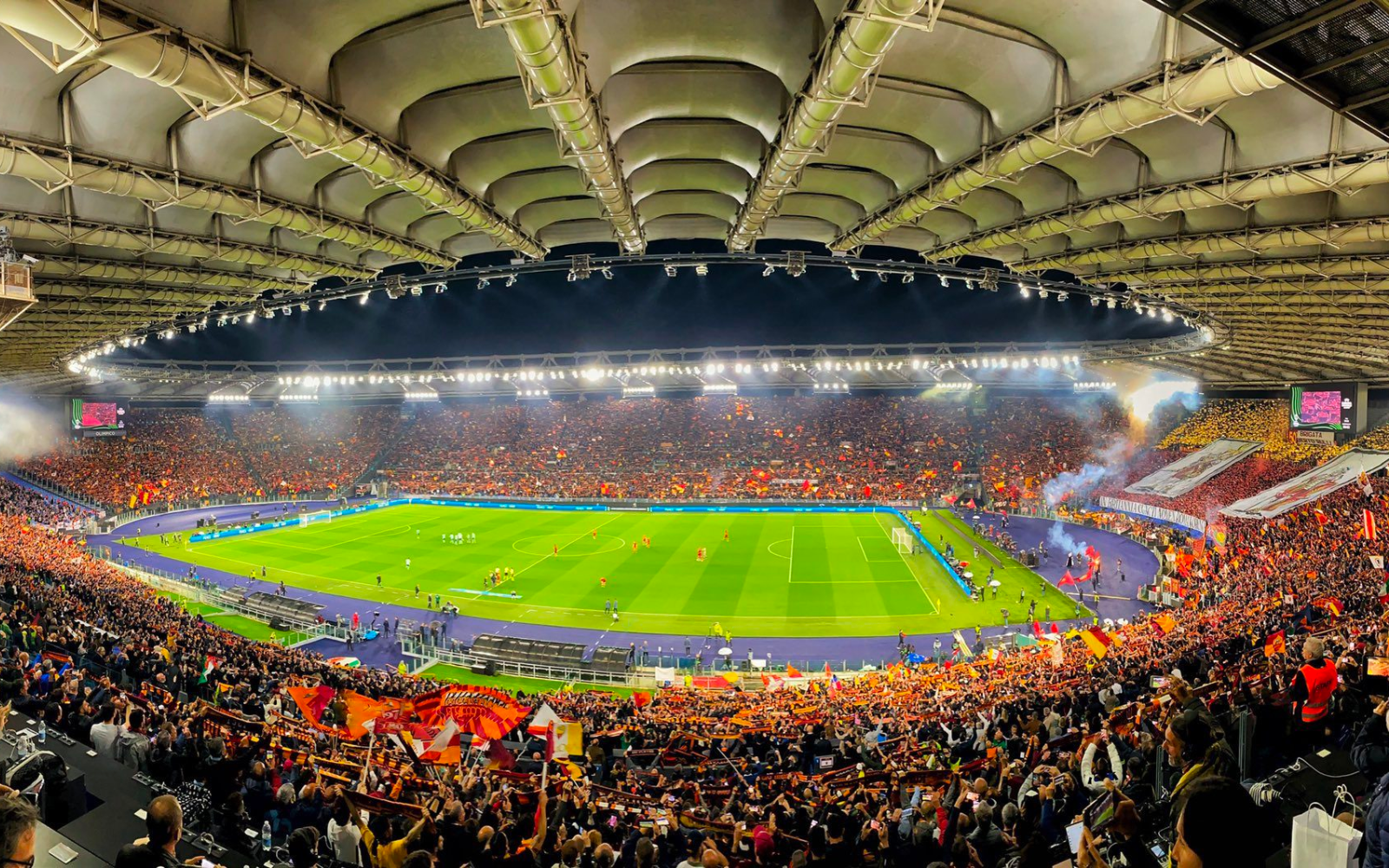
The heart of the project will be the Curva Sud, with almost 23,000 seats on a single tier, making it the largest stand of its kind in Europe. Nine metres higher than the Curva Nord, it will feature 22 entrances inspired by Rome’s historic districts. On the opposite side of the stadium, more than 7,000 fans will be accommodated, with over 3,000 additional seats reserved for away supporters. Hospitality will also play a major role, with around 5,500 premium seats across skyboxes, terraces, field boxes and stands, as well as more than 21,000 square metres dedicated to events and business activities. The stadium will also include an AS Roma museum, an official club store, restaurants and commercial spaces. Around the stadium, the project will ultimately transform approximately 20 hectares of Pietralata, introducing green areas, cycling and pedestrian routes, and new mobility infrastructure.