
































Why UEFA is threatening to boycott future FIFA World Cups A $20 billion deal is on the table involving Gianni Infantino and Donald Trump
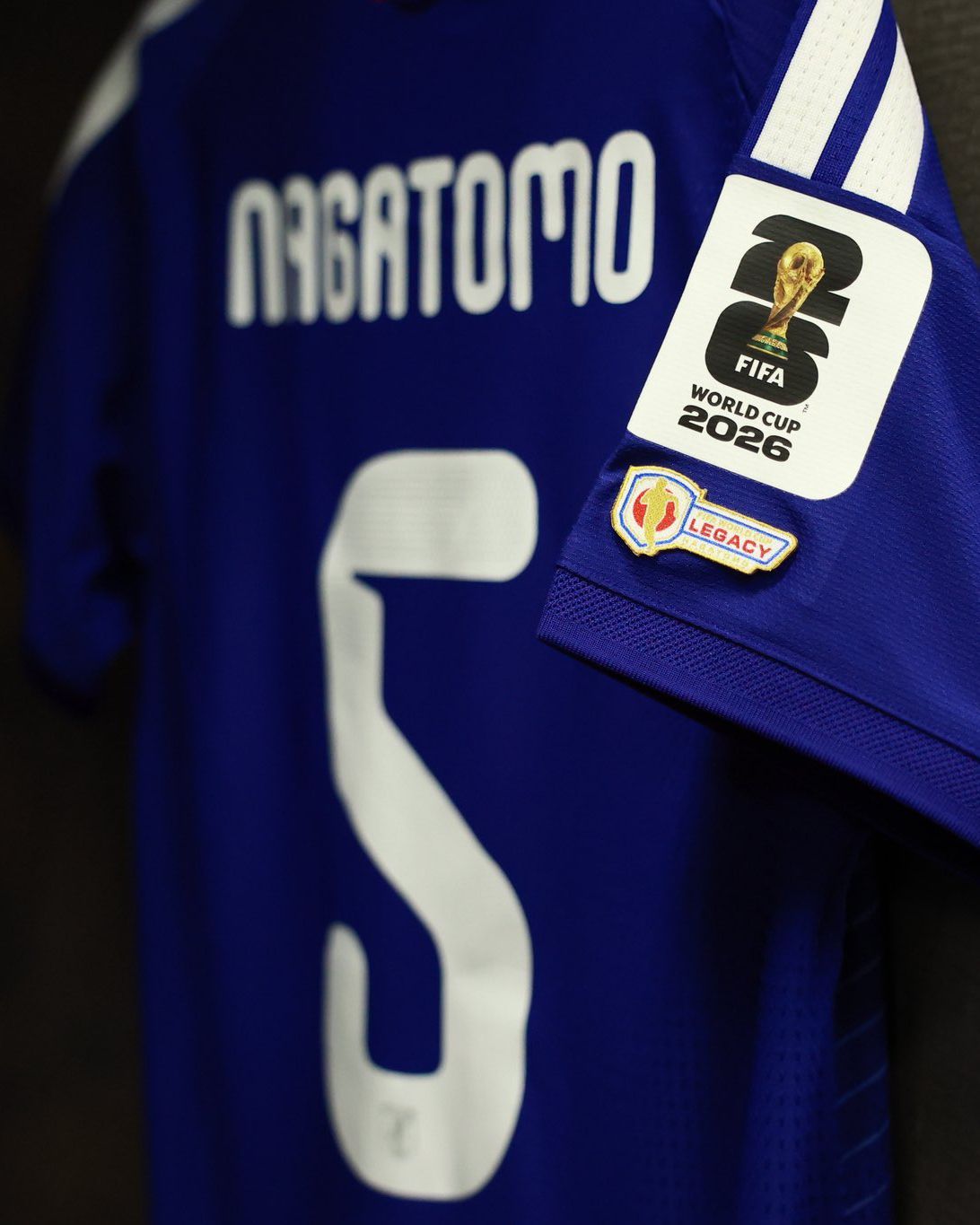
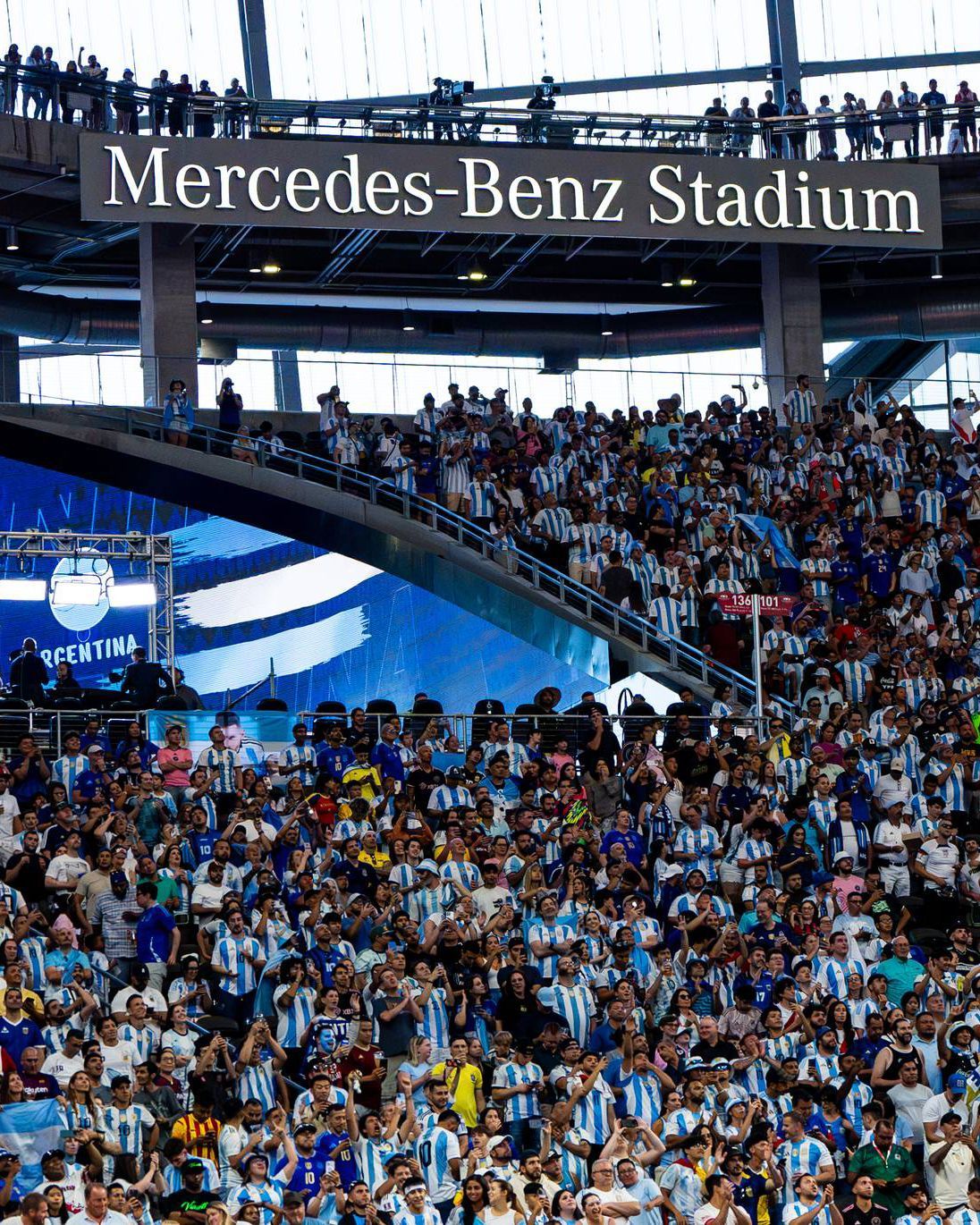
UEFA, with the unanimous backing of all 55 member associations, has announced that it will boycott future editions of both the men's and women's FIFA World Cup should FIFA move forward with its plan to establish a new company responsible for managing the commercial rights and operational organization of its competitions, most notably the men's and women's World Cup and the Club World Cup.
What is FIFA Forward Enterprise and how will it work?
The news had first been reported by The Times and the Financial Times on Tuesday morning before FIFA officially confirmed it just a few hours later. The goal is to establish FIFA Forward Enterprise (FFE), a company that will manage FIFA's commercial operations, ranging from sponsorships and licensing to the sale of match tickets and broadcast rights. FFE will also be responsible for the operational management of FIFA competitions, including the men's and women's World Cups as well as the Club World Cup.
According to FIFA's estimates, the company is expected to raise $4.2 billion by the end of the year, based on an initial equity valuation of $20 billion. The funds will come from outside investors, which is where the controversy begins. The group responsible for attracting those investors will be led by Joshua Kushner, the younger brother of Jared Kushner, husband of Ivanka Trump and son-in-law of U.S. President Donald Trump.
The relationship between Gianni Infantino and Donald Trump
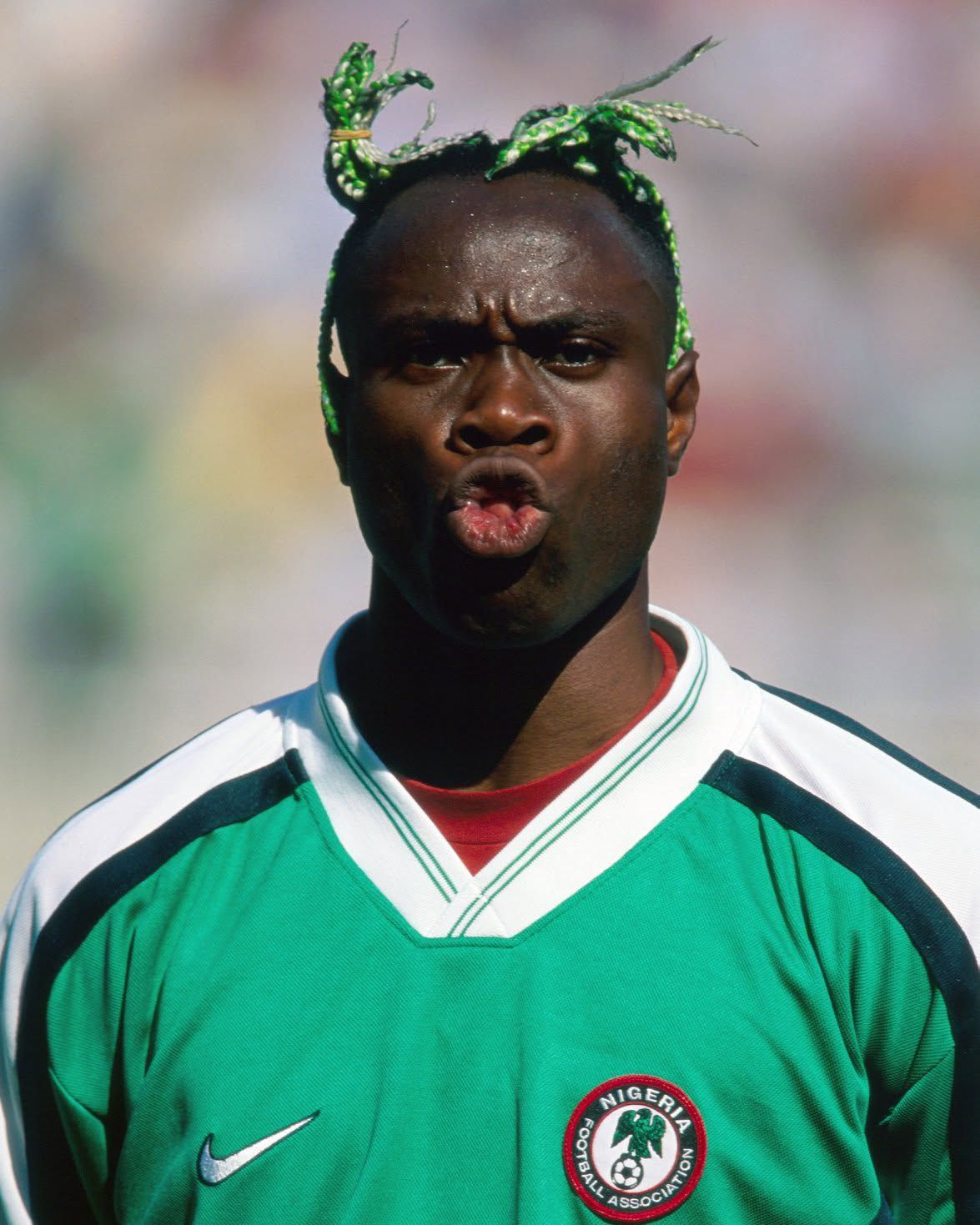
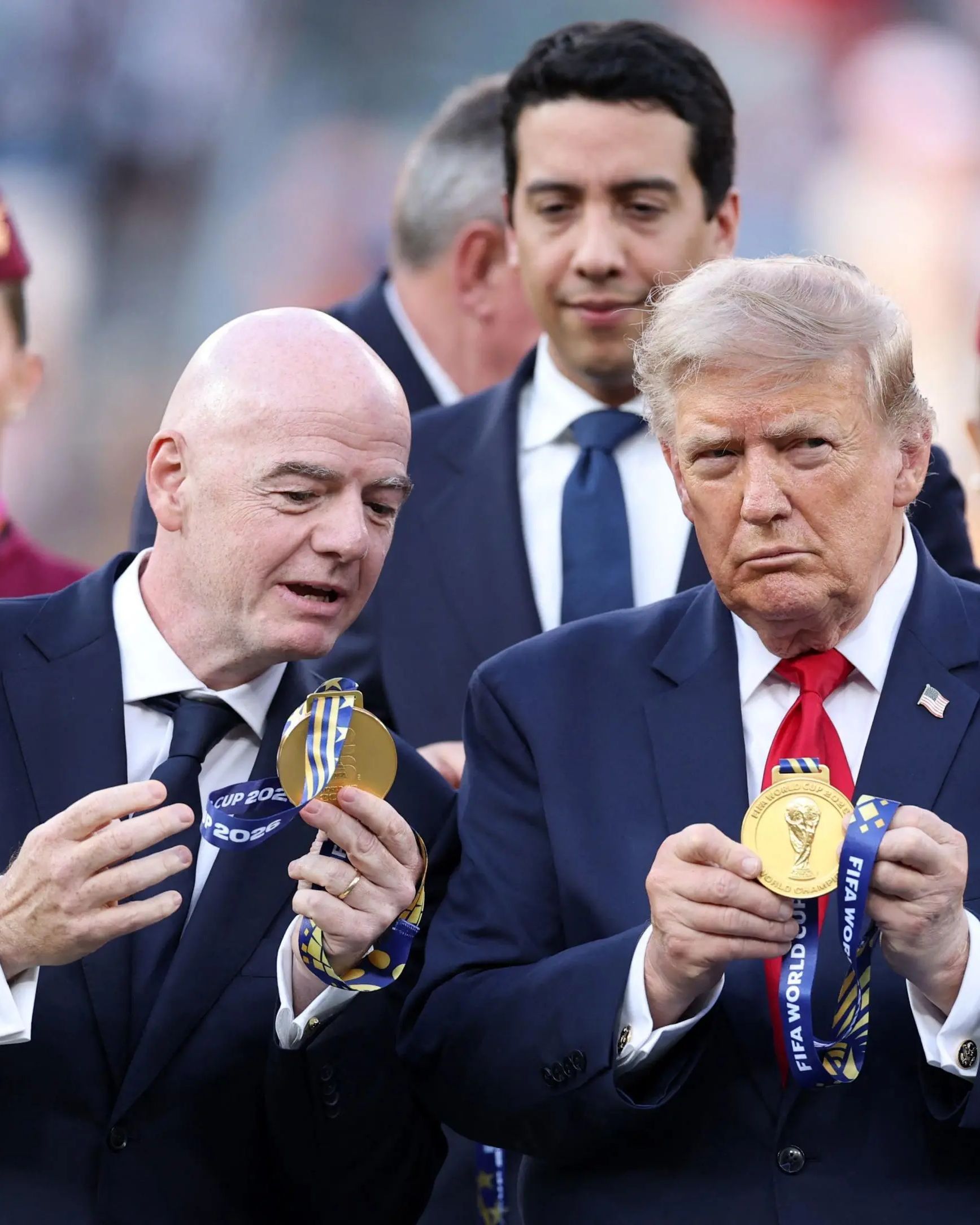
The relationship between Gianni Infantino and Donald Trump has faced criticism since their very first meeting, largely due to Infantino's apparent devotion to Trump. That relationship culminated in two particularly controversial episodes: awarding Trump the FIFA Peace Prize in December 2025—a sort of substitute for the Nobel Peace Prize—and the political pressure Trump allegedly exerted on Infantino to overturn Folarin Balogun's suspension so he could play against Belgium in the World Cup quarter-finals.
Now that the 2026 FIFA World Cup has come to an end, the real reason behind this bromance appears much clearer. Infantino needed Trump's support—through his family connections—to bring this project to life and effectively remain at the helm of FIFA indefinitely. In March 2027, barring any major surprises, Infantino is expected to be re-elected for what should be his fourth and final term as FIFA president. Under the current rules, his mandate would expire in 2031. However, if the FFE project is approved, he would become its CEO. Unlike the presidency, that position would have no term limit, allowing him to retain political and financial control over FIFA for as long as he wishes.
What happens next?
Formally, the proposal still requires approval from FIFA's Council. However, in an apparent effort to remove any lingering doubts, FIFA also announced that "its flagship development programme aims to increase funding for each FIFA Member Association (MA) from $8 million to $20 million for the 2027-2030 cycle, with funding continuing to grow in future cycles. These investments will support infrastructure, coach education, national teams, competitions, grassroots football and women's football." A financial promise that is likely to persuade the Council to approve Infantino's proposal, effectively putting the World Cup up for sale.
FIFA president Gianni Infantino has presented the 211 affiliated federations with a plan that would significantly reshape the economic model of the World Cup: by allowing private investors to acquire stakes in the tournament, each federation could receive up to $40 million, supported by a total funding package worth $10 billion. However, federations will have only until September 19 to accept the proposal, with FIFA highlighting a substantial financial gap between approving the plan and rejecting it: without the agreement, projected revenues would fall to $2.7 billion, almost 75% less.