In 1998 at Nagano, snowboarding shook the aesthetic paradigm of the Winter Olympic Games: pirates in baggy pants and colorful windbreakers spun through the air, astonishing an audience that had until then been used to skiers, figure skaters, and hockey players. It has been 28 years since that moment, and snowboarding, meanwhile, has evolved from a niche phenomenon driven by a punk philosophy into a global movement that has developed a new aesthetic. More elegant, yet still aligned with its original identity. Thanks to new brands, like TRC, capable of combining the technical demands of this sport with fashion standards. Also thanks to a new generation of athletes who have captured the identity of this sport and molded it around their own tastes. Among them is Ian Matteoli, a 2005-born snowboarder whom we met on the eve of his debut at the 2026 Milano Cortina Winter Olympic Games.
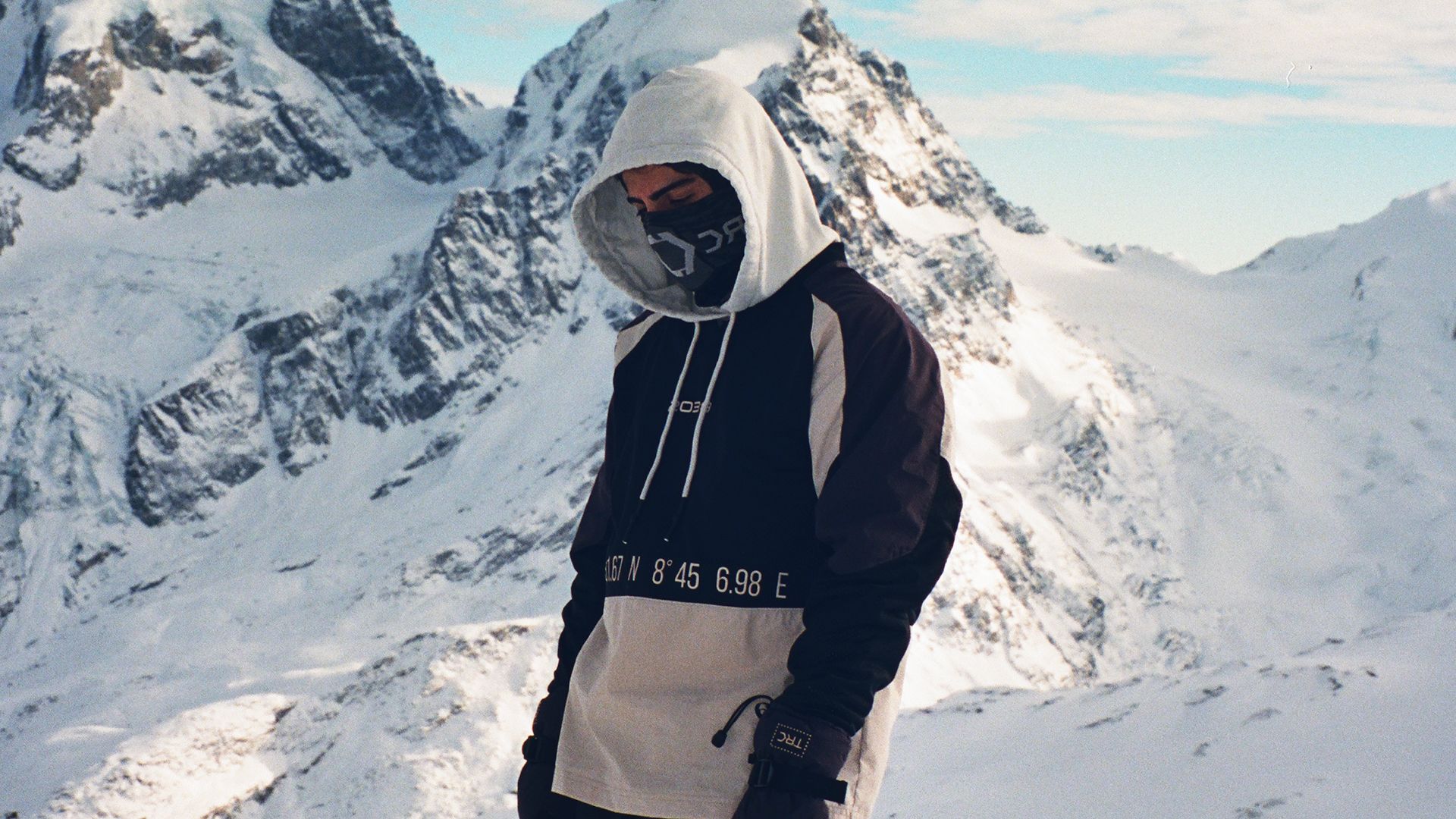
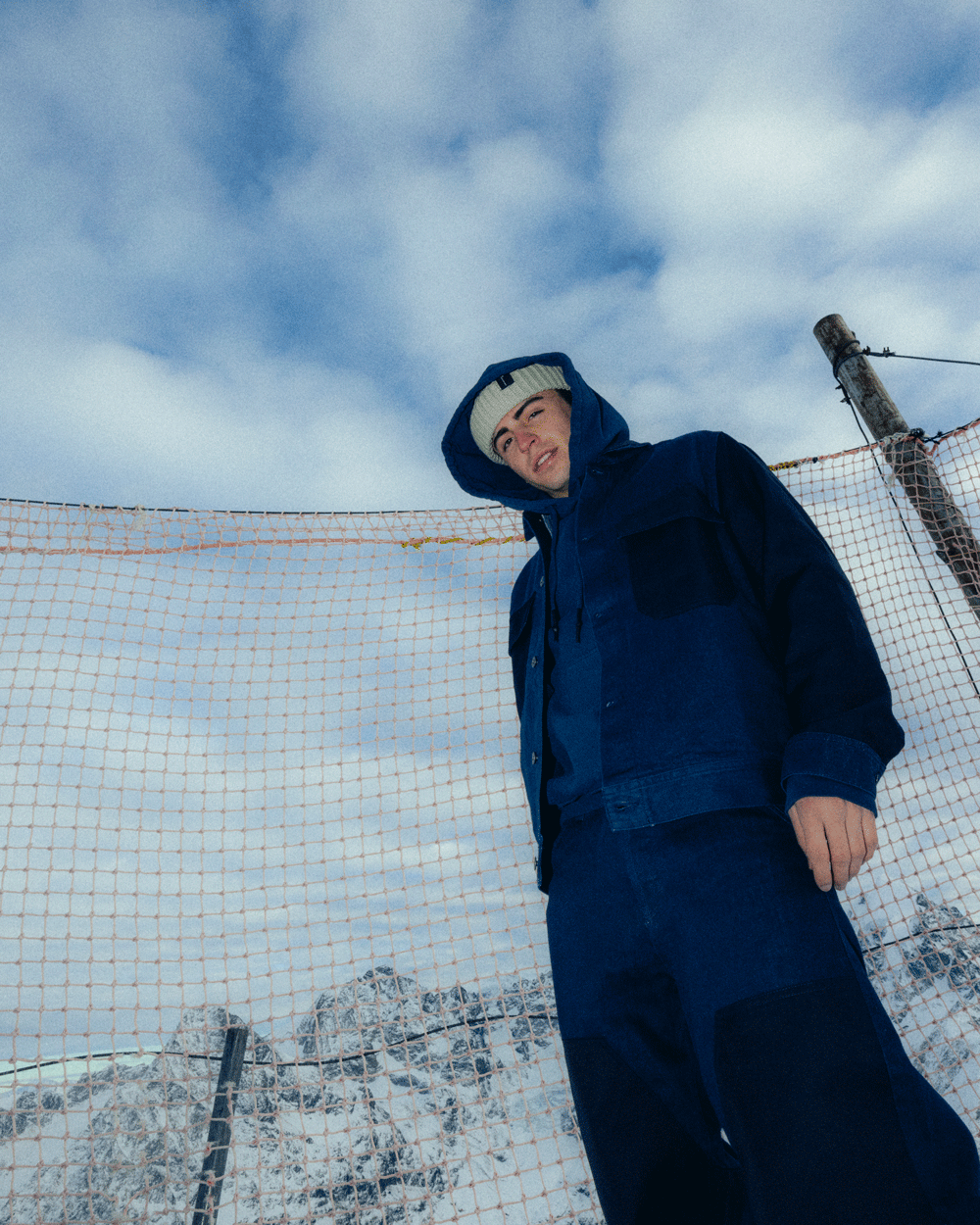
TRC GLACIER EDITION
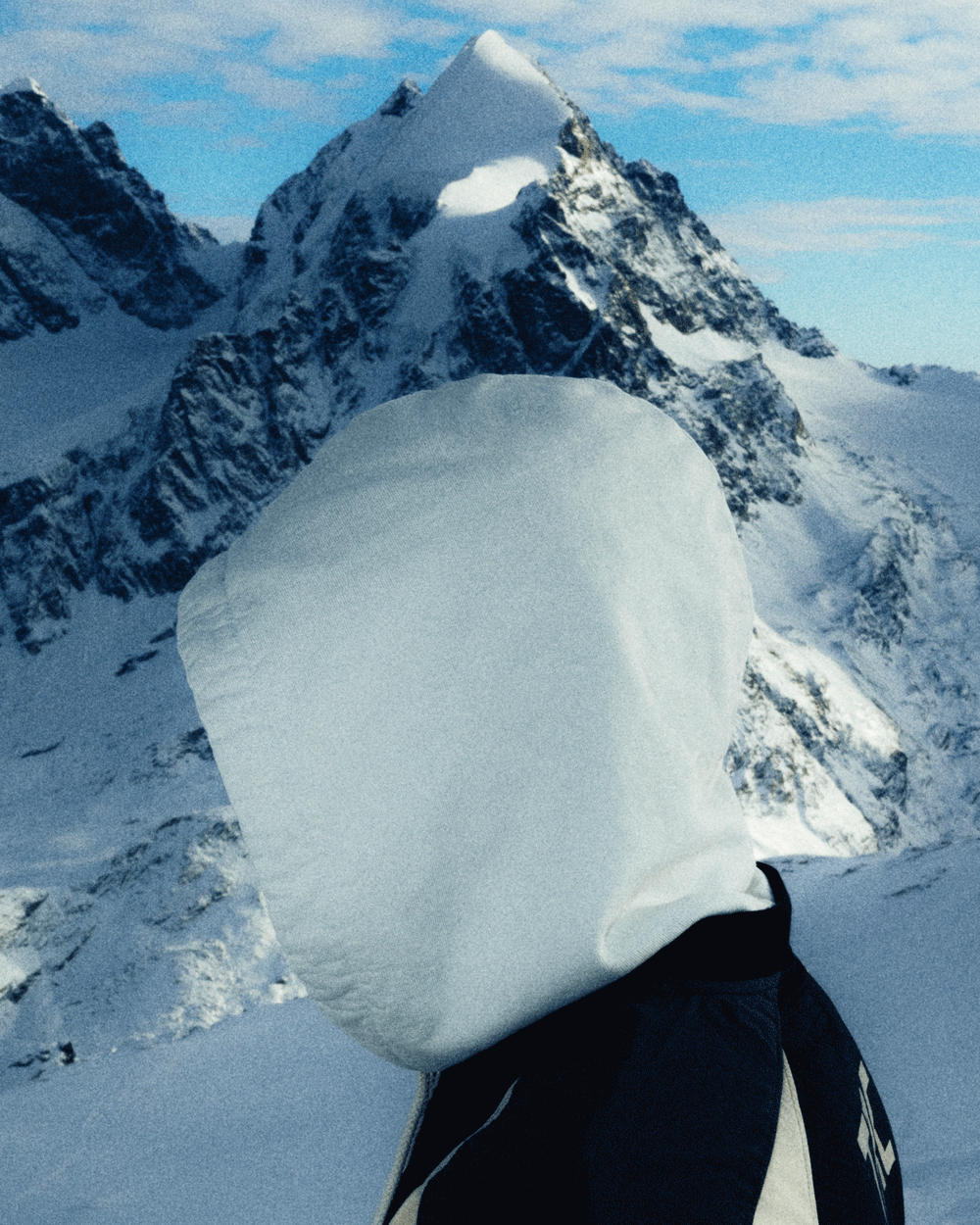
Full look TRC
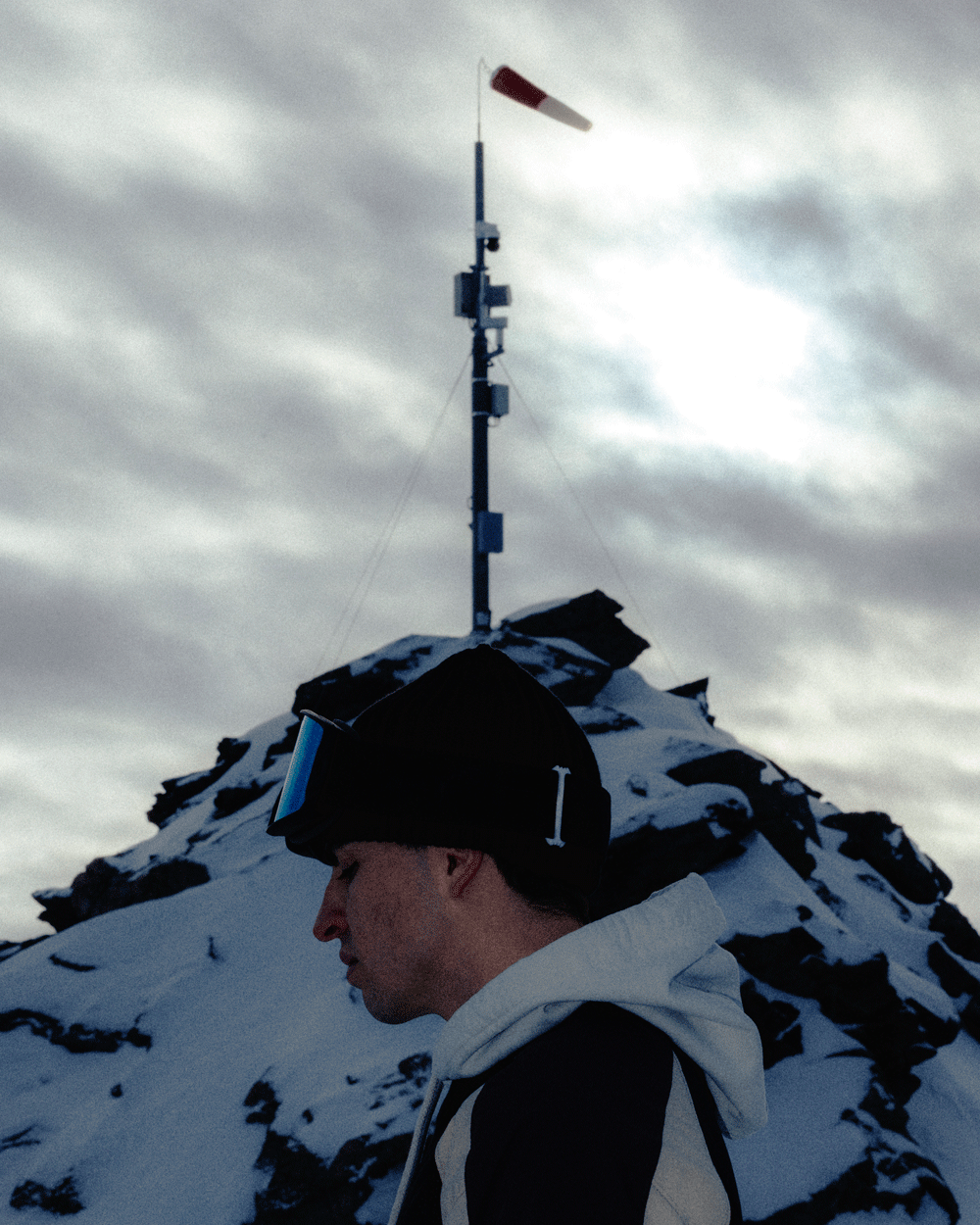
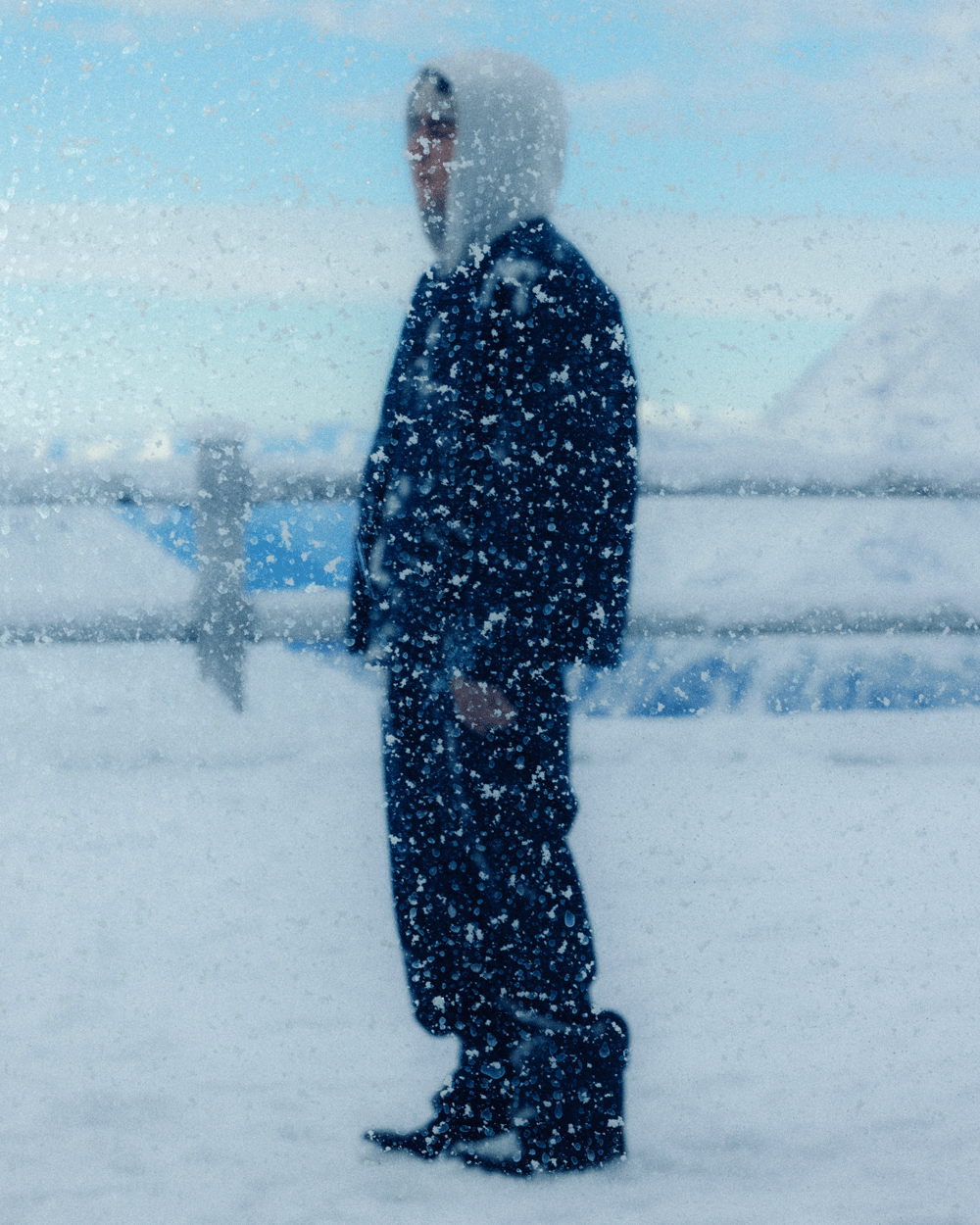
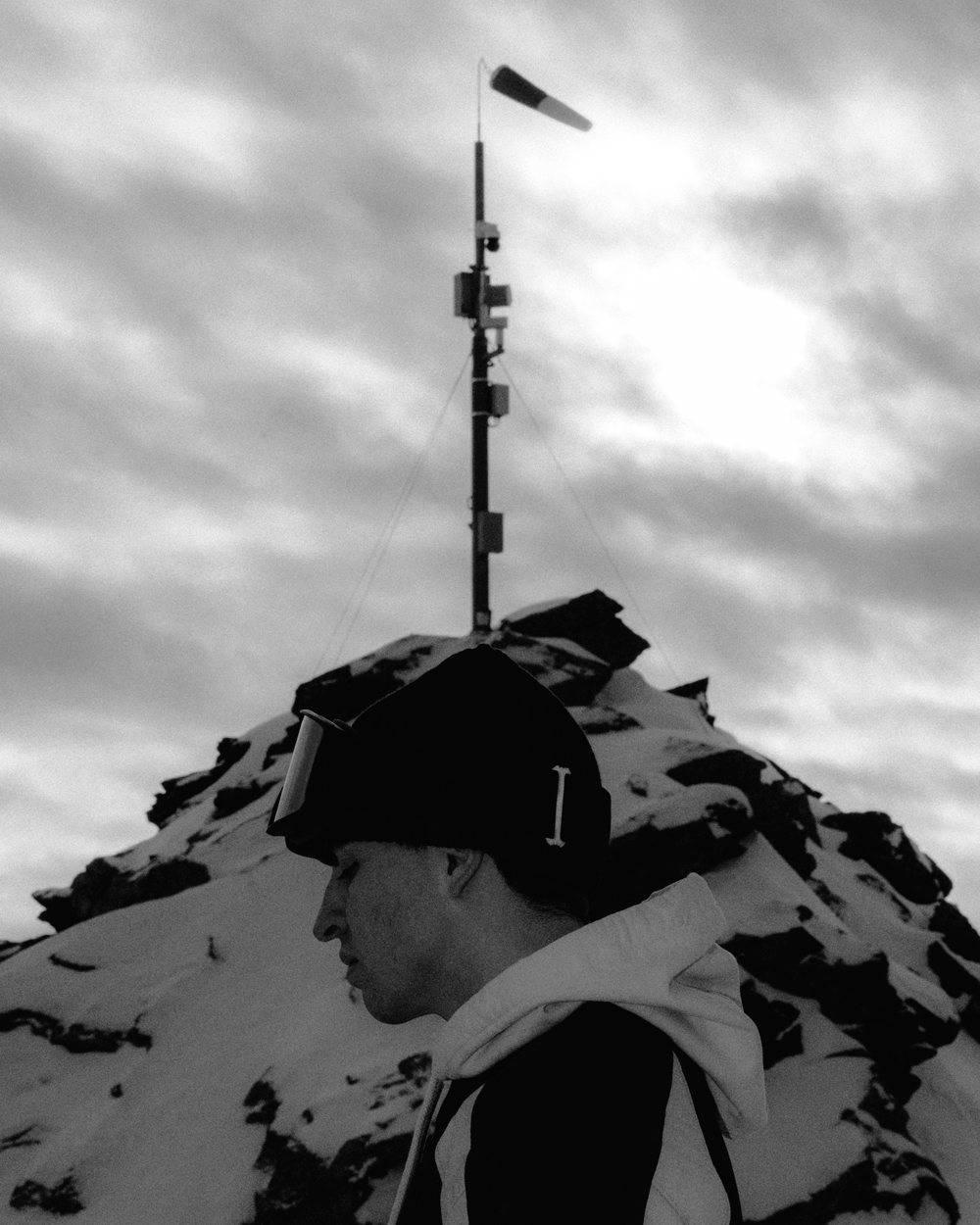
Full look TRC
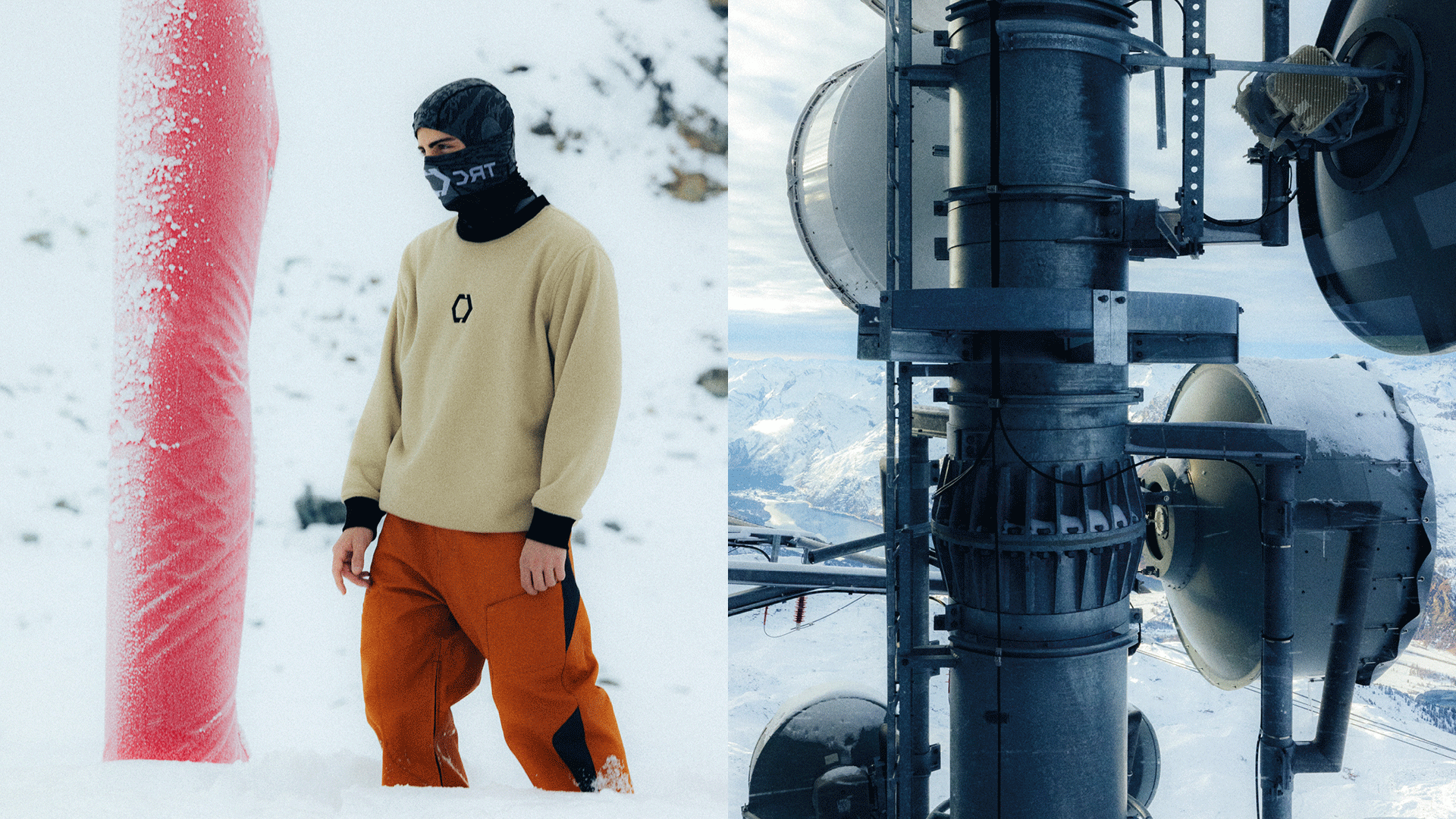
«I try to bring my everyday aesthetic into snowboarding more than bringing snowboarding’s aesthetic into my life,” Ian tells us, introducing us to the world of contemporary snowboarding. «It’s a very particular idea to bring snowboarding into the extra-sport sector, and it’s an aspect we are seeing a lot with streetwear brands that are now starting to involve snowboarding in their aesthetic. The collaboration with TRC came about thanks to the intuition of Alberto Candiani founder of TRC and Nicola Padrone, global sales manager, after they got in touch with one of my coaches. I’m very happy with this collaboration. It’s a new brand that is growing a lot, with a team of young people and generally very pleasant people to work with. The pieces I wear the most are definitely the jeans. They offer a wide variety of models, cuts, and fabrics. One piece I’ve been wearing a lot lately is the windbreaker, very special because it’s inspired by denim fabric. Very thin but still warm. Workwear is a type of clothing you can wear on any occasion, every day. And TRC has several pieces that you can wear anytime or pair with different styles. It’s definitely a brand that fits my aesthetic.»
Ian is a second-generation athlete: Andrea “Matiu” Matteoli, his father, was an alpine snowboarder in the 1990s. A time light-years away from today in this constantly evolving sport: «My parents introduced me to snowboarding when I was two years old, and from there I continued because I enjoyed it. Moreover, my parents never forced me into other sports; they allowed me to do what I liked. The first time I tried skiing I was eight years old, and I had fun, but I never considered doing that instead of snowboarding. I’ve always stayed true to it. Snowboarding of the past was an alternative sport and wasn’t always welcomed in many resorts. Today, it’s practiced alongside skiing. Even aesthetically, it’s a sport that is changing a lot. It has gone through many phases. Now we’re seeing the return of baggy clothing; there’s a competition for who has the widest outfit, whereas once it was almost the opposite, closer to skinny fits. There have been many eras: outfits used to be very colorful, while today the focus is on a cleaner, more monochromatic look.»
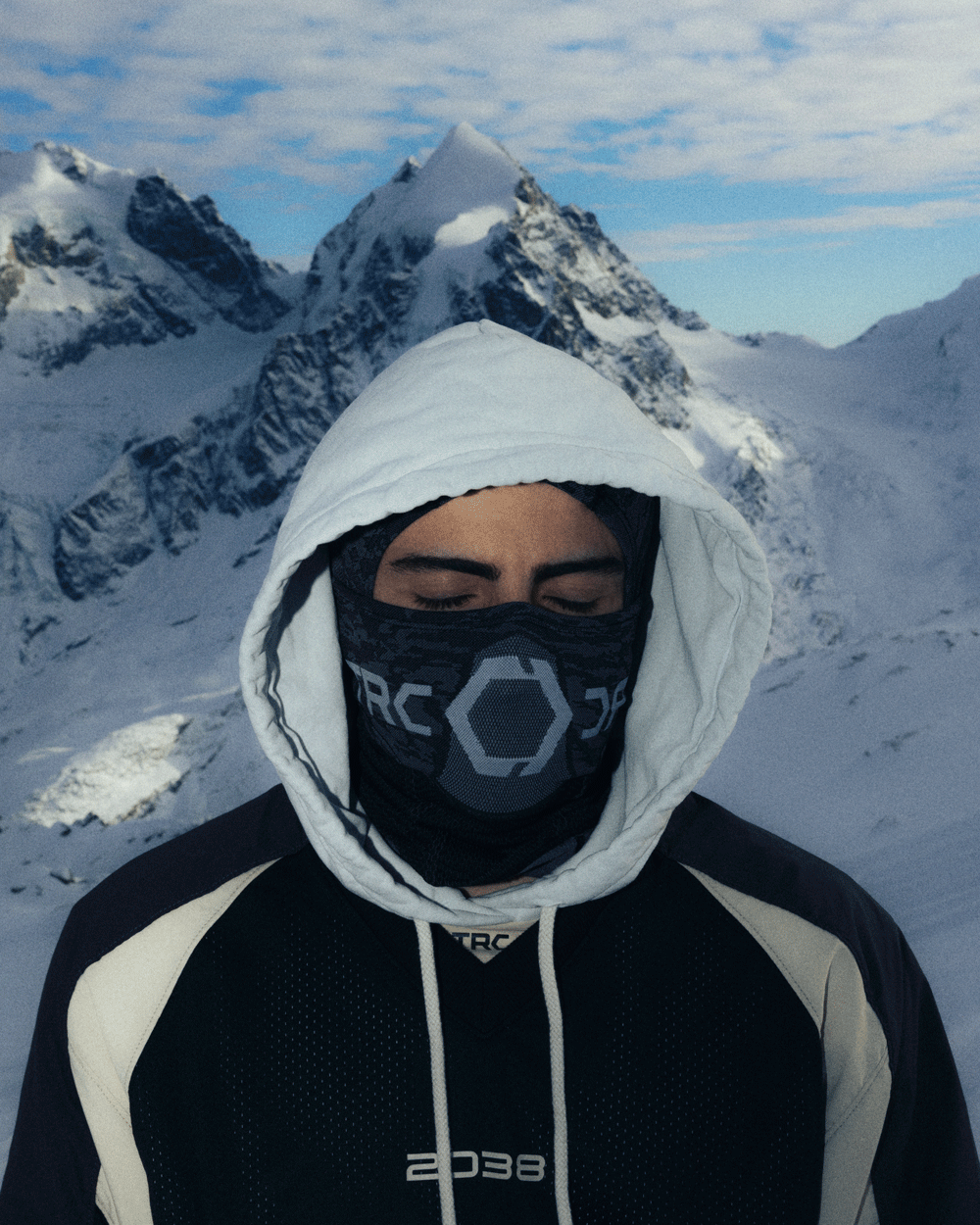
Full look TRC
TRC GLACIER EDITION
Full look TRC
The turning point in modern snowboarding history was the appearance of Shaun White: «He’s probably the figure who has influenced snowboarding the most and brought it out of its original dimension,” Ian continues. “He’s still doing it: he has launched his own competition circuit, he has his own snowboard brand, and continues to appear even if he’s no longer an active athlete. I believe he has inspired more people than anyone else. He introduced this sport to people who had no idea what snowboarding was. I, too, was inspired by Shaun, having collaborated with him. But there have also been other figures in the snowboarding world who have inspired me greatly and will continue to do so. People less known to the general public but appreciated in the snowboarding community. I also take inspiration from the athletes I compete against; some are my peers and manage to convey something valuable for the evolution of my career.»
Like skateboarding, snowboarding has often been associated with a certain type of music, pop punk, thanks to video game culture: «Sometimes I skateboard just for fun, but regarding music, snowboarding hasn’t influenced me that much. I listen to any genre. I like to explore: discover new artists, new tracks, new genres. I’ve never been tied to a single genre because of snowboard culture. If I could choose a song for a run, I’d pick something energetic. Maybe a an Italian trap’s song, one by Sfera Ebbasta like XDVR. Music will always be an important part of snowboarding, but during the competition, you’re so focused that you don’t really hear what’s happening around you.»
Ian’s next challenge will be the 2026 Milan Cortina Olympic Games, where he will be one of the youngest athletes competing. Naturally, curiosity arises about how one prepares mentally, physically, and technically: «Participating in an event of this scale in Italy, of course, brings extra pressure. There’s a lot of promotion around Italian athletes. Preparing mentally and technically is difficult and demanding. There are many unknowns. You can’t read a crystal ball to see what will happen. You need to manage your energy, both physical and mental, to arrive at the event in peak form. The only thing you can do is give your best, express yourself fully, and see how it goes. Once the Games will be over, I will definitely go on vacation. I’ll step away from the mountains. When I’m on break, I like to disconnect and change scenery.»
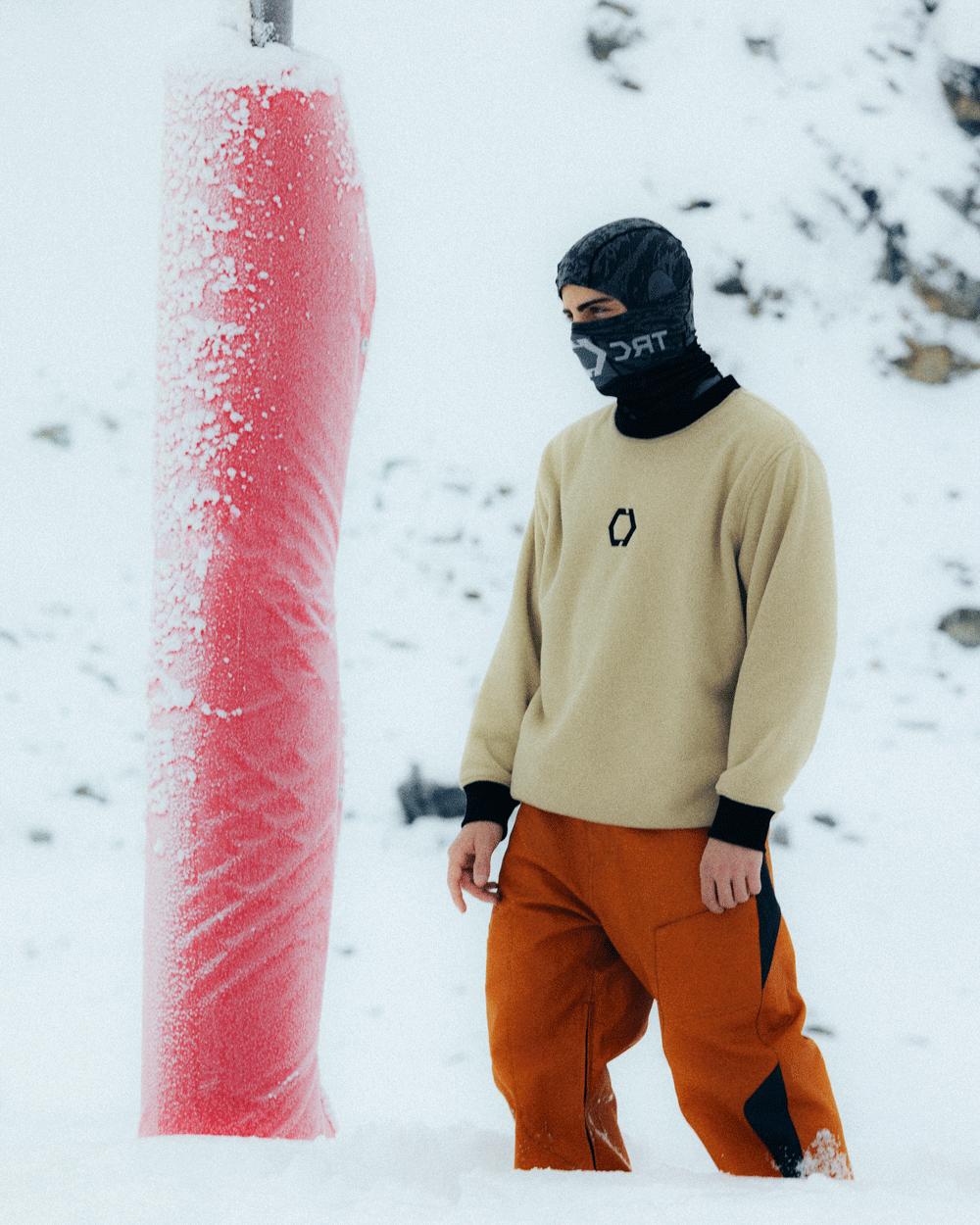
Full look TRC
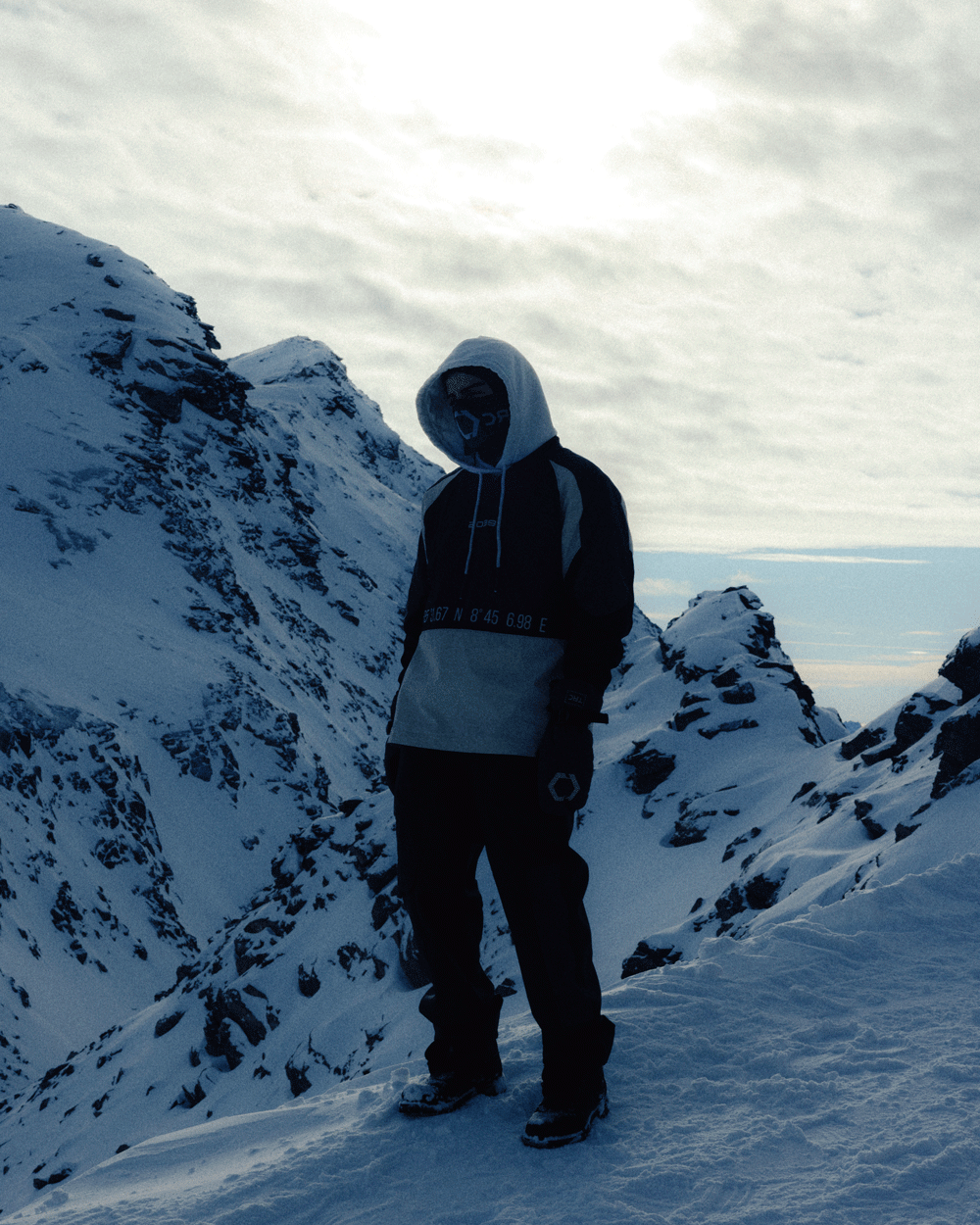
Full look TRC
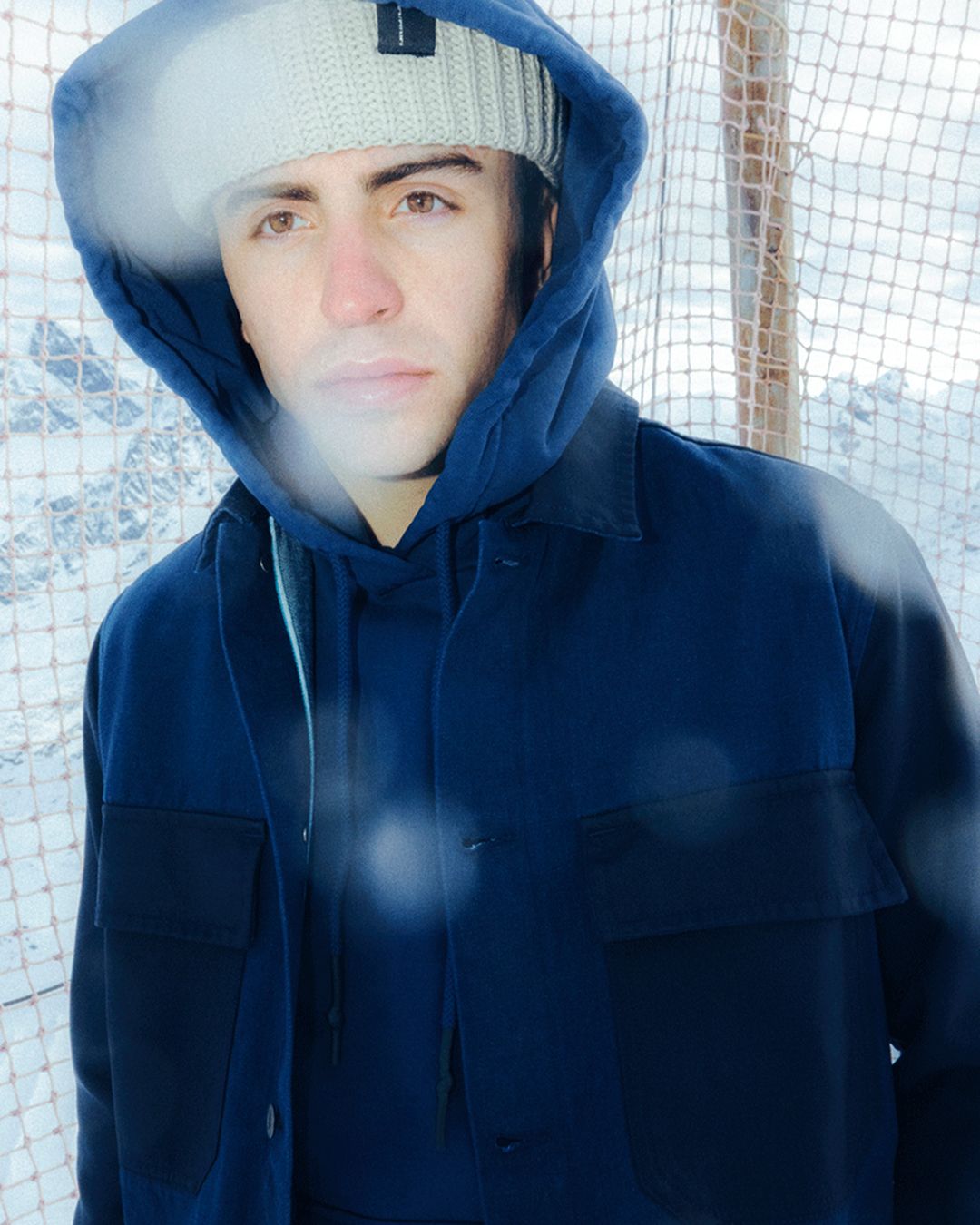
TRC GLACIER EDITION