


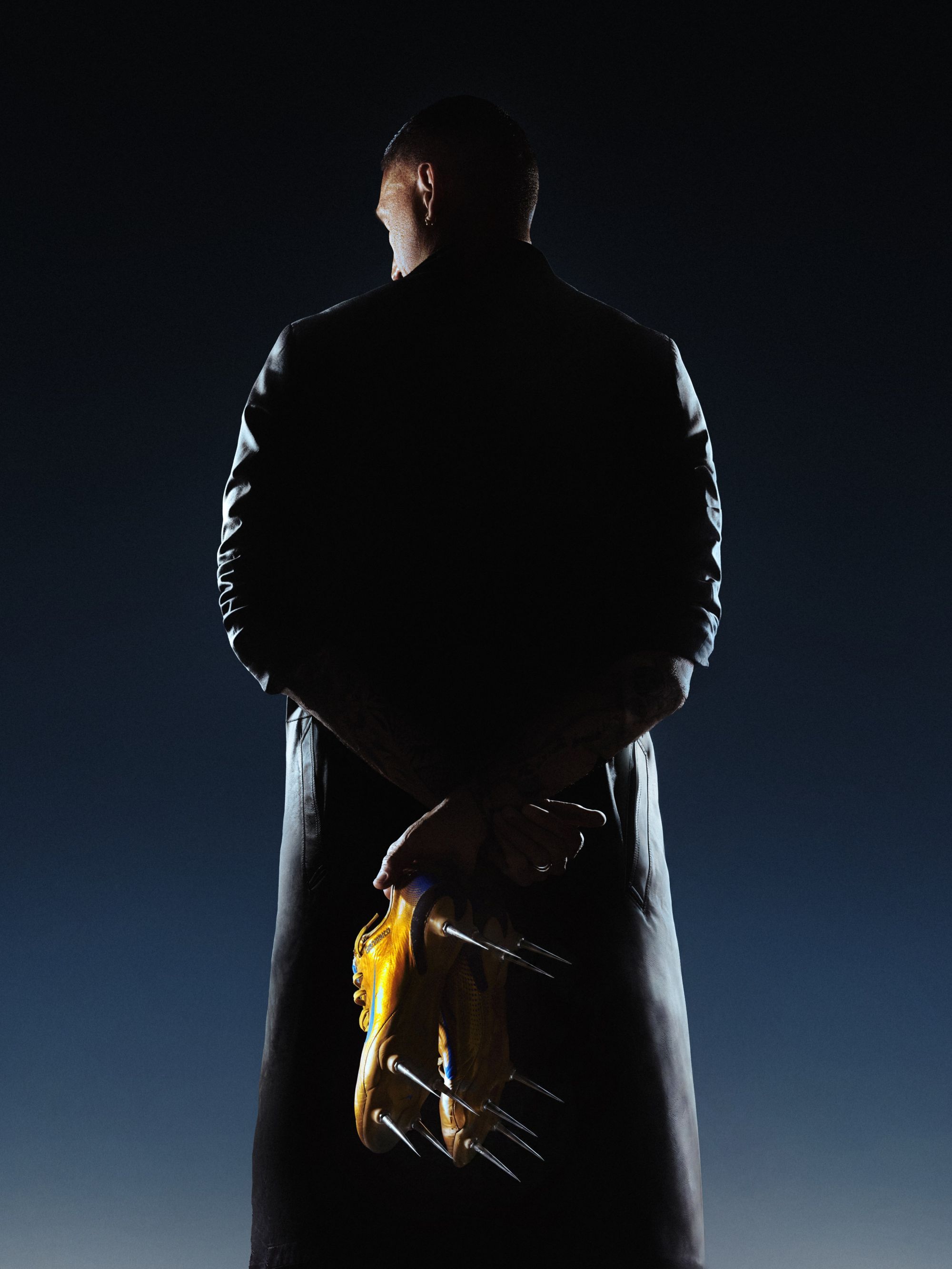
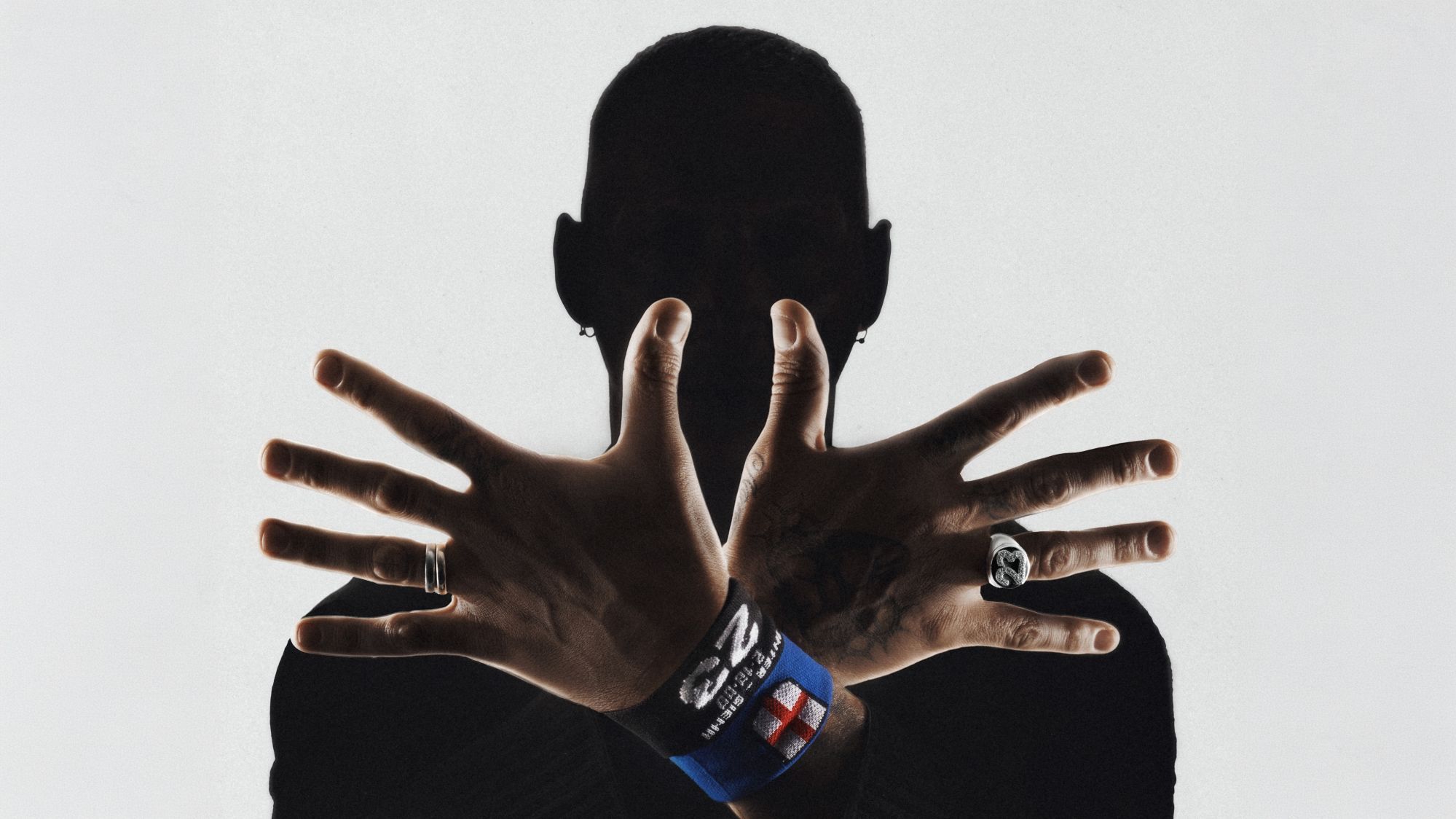
«I missed a penalty here, though,» Marco Materazzi says, spotting the collector’s wristband on the table before anything else and pointing at a 2006 Siena–Inter match printed across the fabric. He arrives with his wife in a Smart car, hauling out a duffel bag that he promises is full of “surprises.” The first is MM23 (Times Like These), the new book we leaf through in draft form. It tells the story of Materazzi’s life through borrowed voices and personal artifacts. Some of those artifacts - fittingly enough - emerge straight from the duffel bag. His 2010 Champions League medal. His World Cup medal. The boots he wore to win Madrid, and the pair he wore to win Berlin. The latter are literally falling apart in his hands as he passes them over for photos, which seems to worry him more than anything else. Inside one shoe, silver confetti from the July 9, 2006 trophy ceremony still clings to the sole. Twenty years sealed inside a football boot that now feels more like a museum piece.
The collector’s instinct predates the career itself. On the opening page of the book there’s a photograph of Materazzi at four years old at Bari’s Stadio della Vittoria, carrying two footballs under his arms. «That’s the symbolic image,» he says. As a kid, he would beg his father Giuseppe - a Serie A and Serie B manager - to bring home Marco van Basten shirts whenever work put him in the Dutchman’s orbit. «I’d beg him out for a month leading up to the game.»
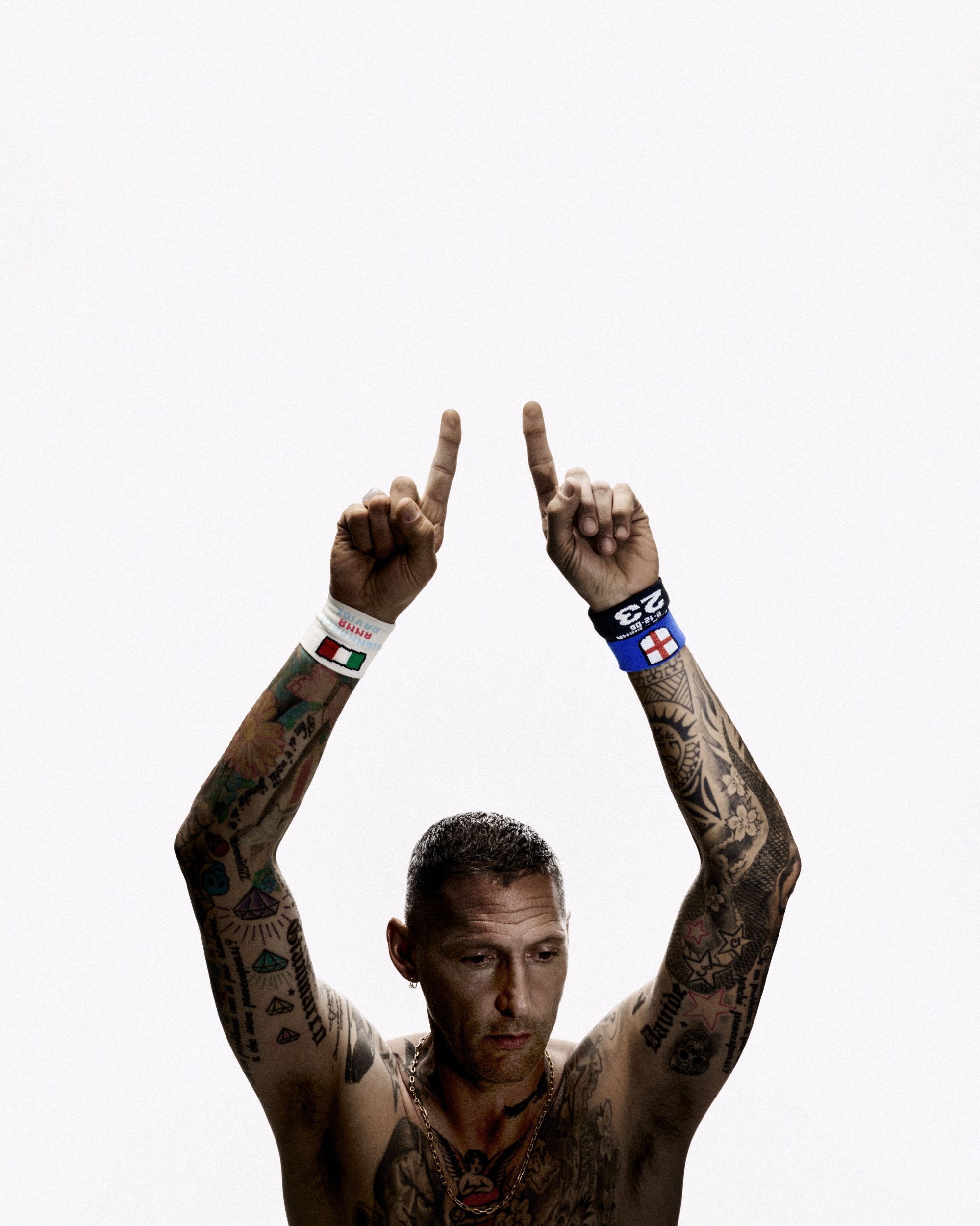
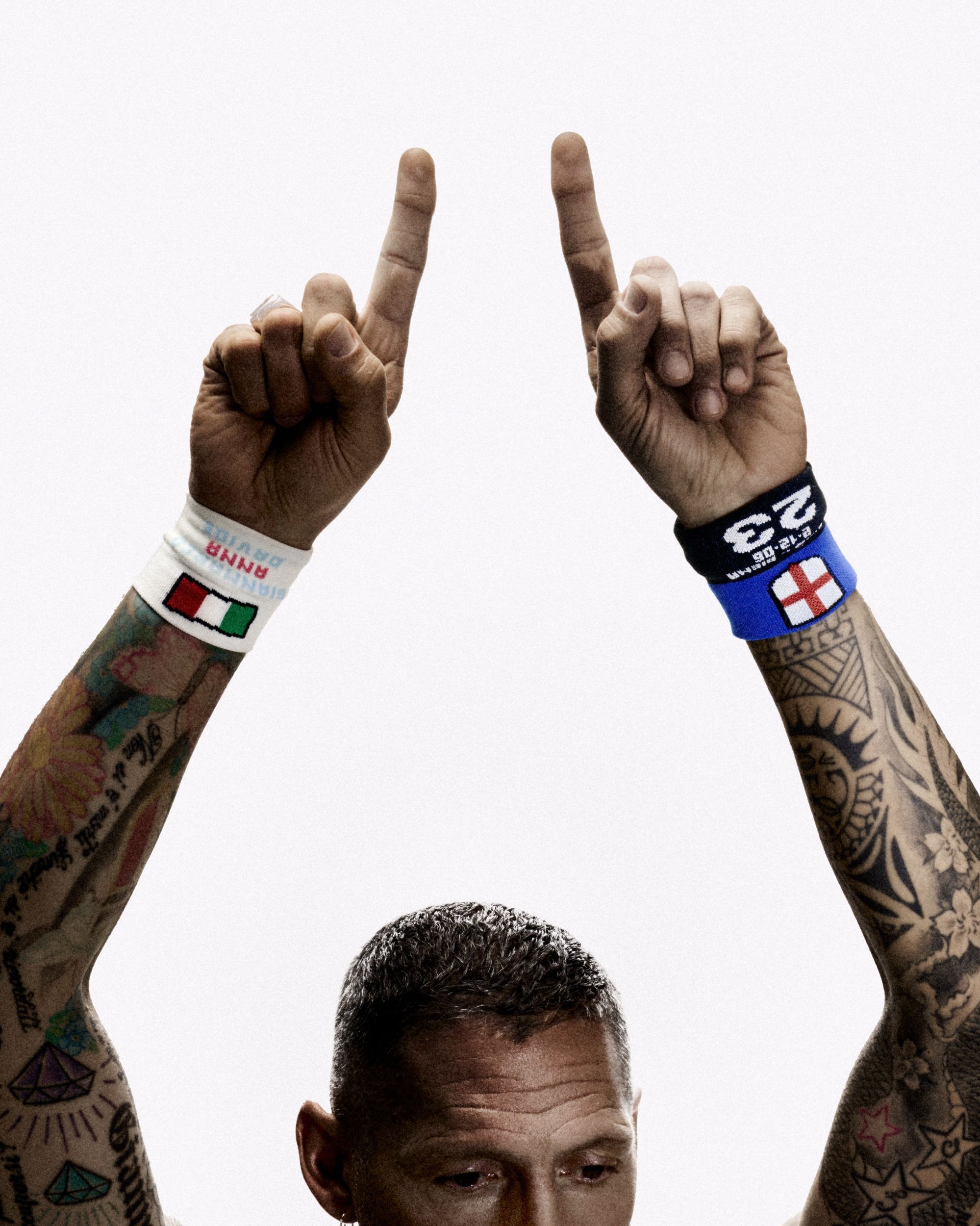
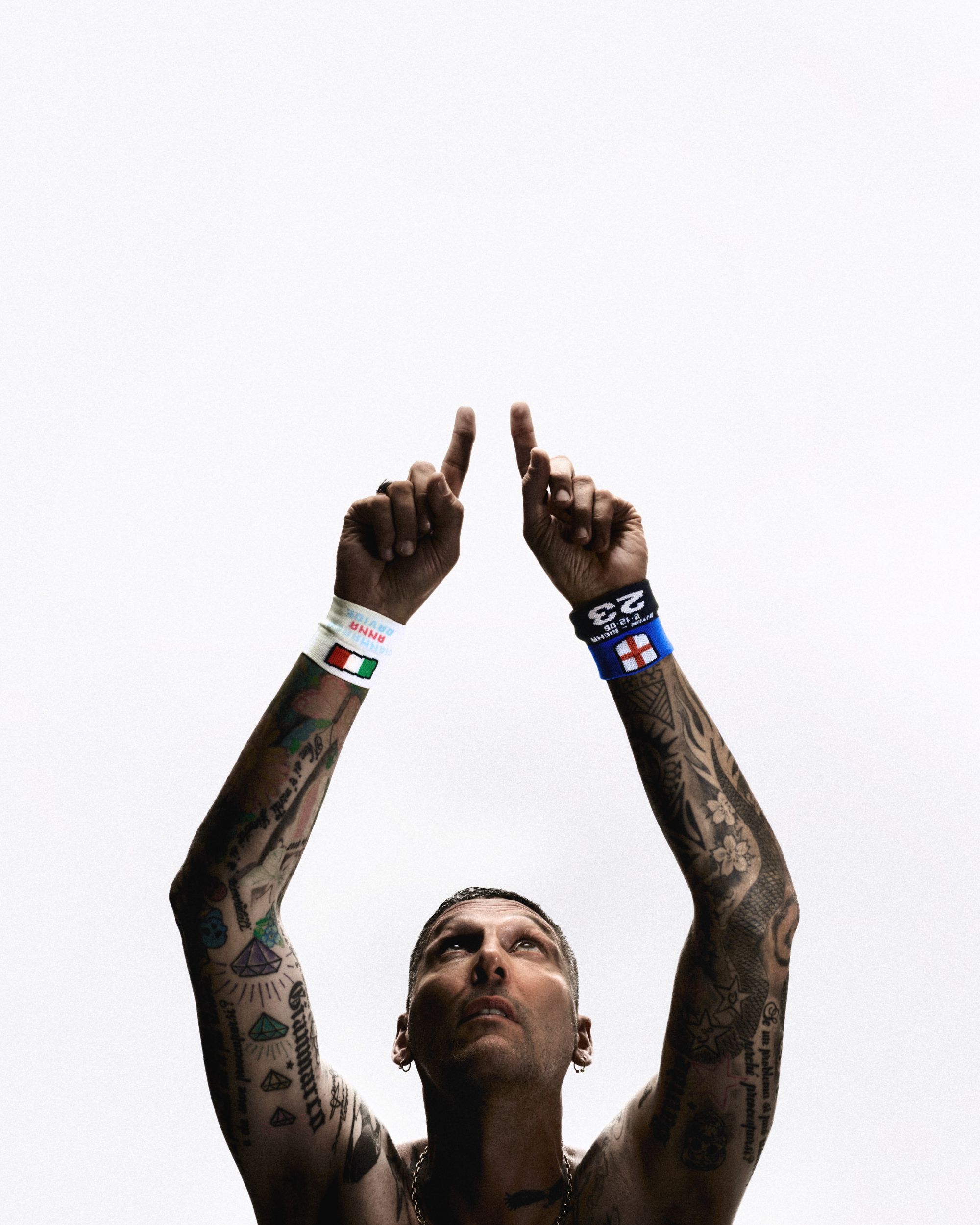
Materazzi writes in the introduction: «Don’t expect an autobiography. I already wrote one.» And he means it. Flipping through the book feels like discovering a completely different way to tell the story of a footballer. Materazzi rarely speaks about himself directly; instead, he lets other people define him. Every chapter introduces another voice - teammates, opponents, coaches, his wife Daniela. The format works precisely because it feels unexpected. Someone with Materazzi’s reputation choosing to be narrated by others - by Gennaro Gattuso, for example - carries a certain irony.
«Rino was living alone in Perugia at fifteen,» he says. «That’s where this godfather-godson relationship started. I supported him emotionally and financially too,» he laughs. When I point out how unusual that is for a player with his image, Materazzi immediately draws a line between life and the pitch: «When we stepped onto the field at twenty-five for a Milan derby, we didn’t even look at each other’s faces. But before and after the game? We were still the same guys driving around Perugia together.»
The book also gives Materazzi an excuse to revisit the places that shaped him both as a footballer and as a man: Berlin, Perugia, Liverpool. His season at Everton is the chapter he returns to most often when I ask which memories resurfaced while making the book. «I went back into the Goodison Park dressing room. It’s such a historic stadium. So many things came back to me.»
From there, he slips naturally into stories about discovering late-’90s English football culture - worlds apart from the hyper-curated Premier League image of today: «In Italy you arrived at the stadium in silence. You isolated yourself. You focused. I remember my first day there: music blasting everywhere at full volume. I thought, okay, they’ll turn it off now. The manager gives the lineup, finishes speaking, and the music comes right back on. Meanwhile two kit men are playing football tennis in the corridor. To me it was completely insane.» Everything about the atmosphere felt foreign: «This trip also reminded me of a story about Don Hutchinson. It must’ve been January. We lose a match, we walk into the dressing room, and I’ve got my head under a towel when I hear shouting. Don kicks a table and I’m thinking: where the hell am I? I’m laughing under the towel. Then I hear the manager tell him he’ll never play another minute all season. The next Sunday he was captain.»
At one point I tell Materazzi it’s strange hearing him talk this much at all. His reputation has always painted him as difficult with the press, withdrawn, almost hostile. «When I was playing, I was suspicious of everything. You live inside a dressing room - there are things you just can’t say. But the people who really knew me always said the same thing: you’re not an asshole like you are on the pitch. You’re not actually gruff. That’s the biggest compliment, because you need to know people before you judge them.»
One of those people, he says, is Alessandro Del Piero. Last year, while both were in Monterrey for FIFA’s Match for Friendship ahead of the 2026 World Cup, Materazzi interviewed Del Piero for the book. «I didn’t want that interview to end. It was too beautiful to listen to. Honest, intelligent, profound. It shows you the depth and stature of the man.» Then he pauses. «I’ve never understood whether Alex was greater as a player or smarter as a person. And honestly, that’s one of the greatest compliments anyone could receive.» After the interview they ended up playing ping pong for a dinner bet. «We looked like two fourteen-year-olds with dreams in our pockets. Instead, we were two world champions who had already built lives outside football. Friends.» He tells a similar story about Andriy Shevchenko. «Every time I see him, it feels like we played together. Unfortunately, I could never stop him. Sometimes I had to use stronger methods.»
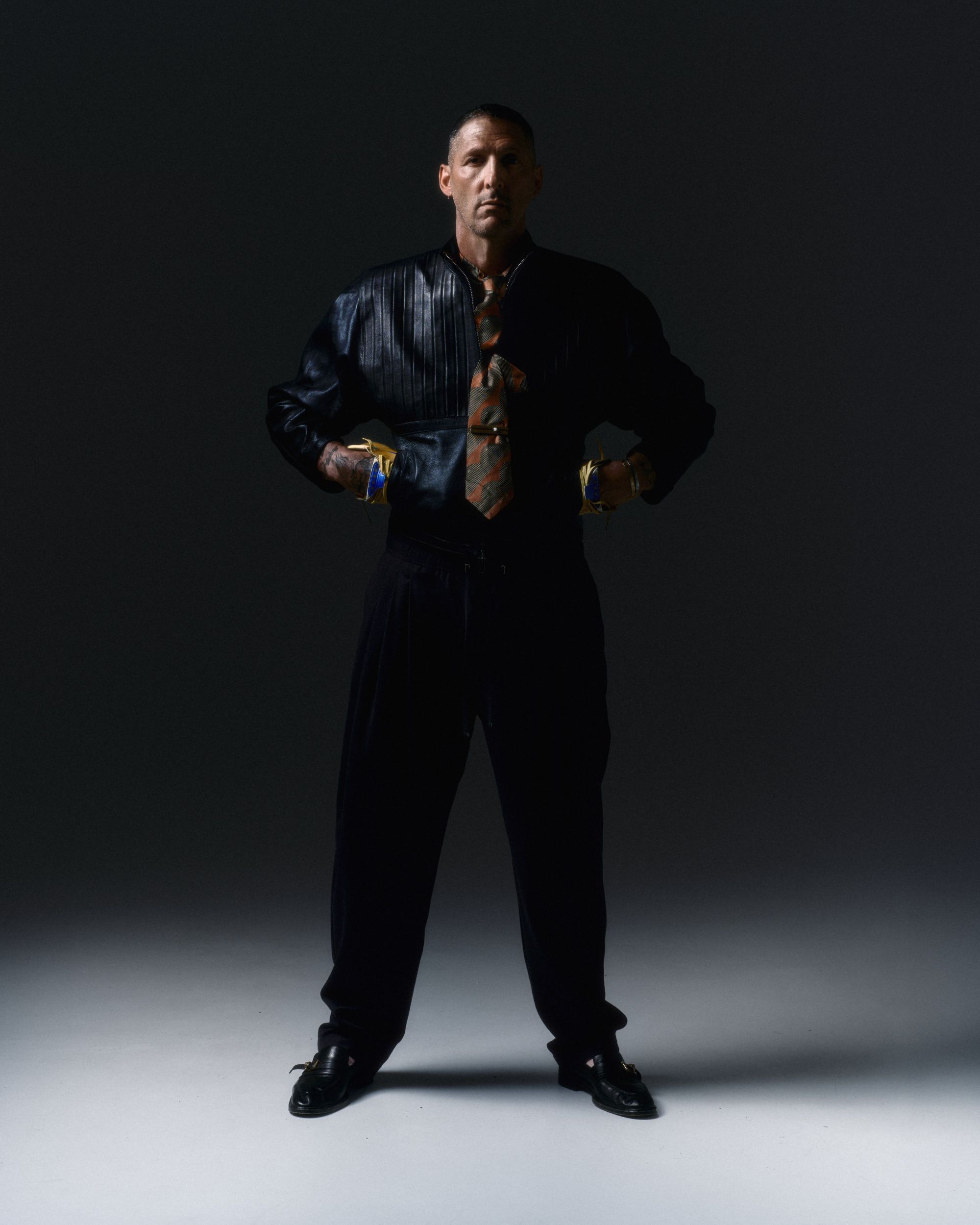
Full look GUCCI
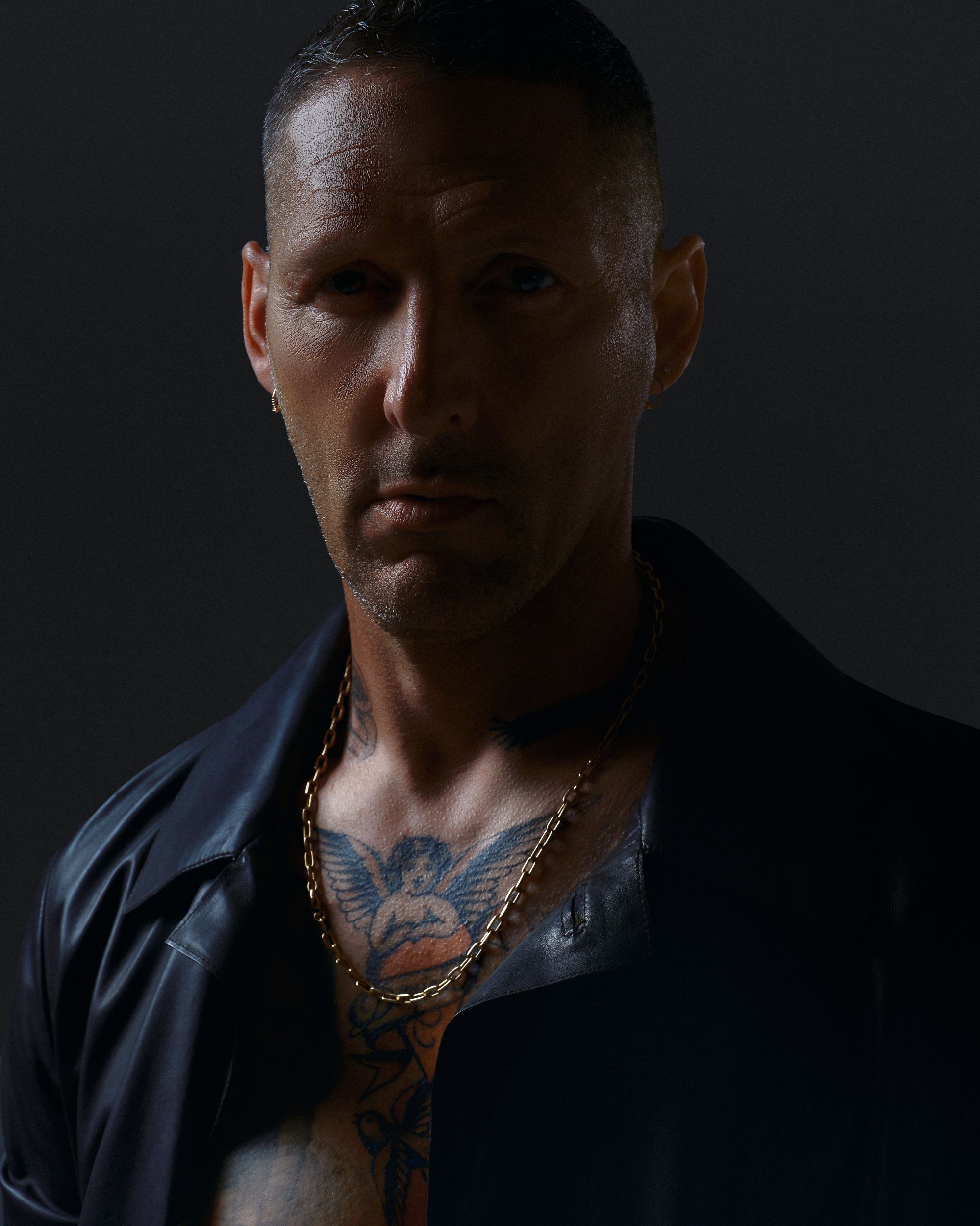
Jacket BRIONI
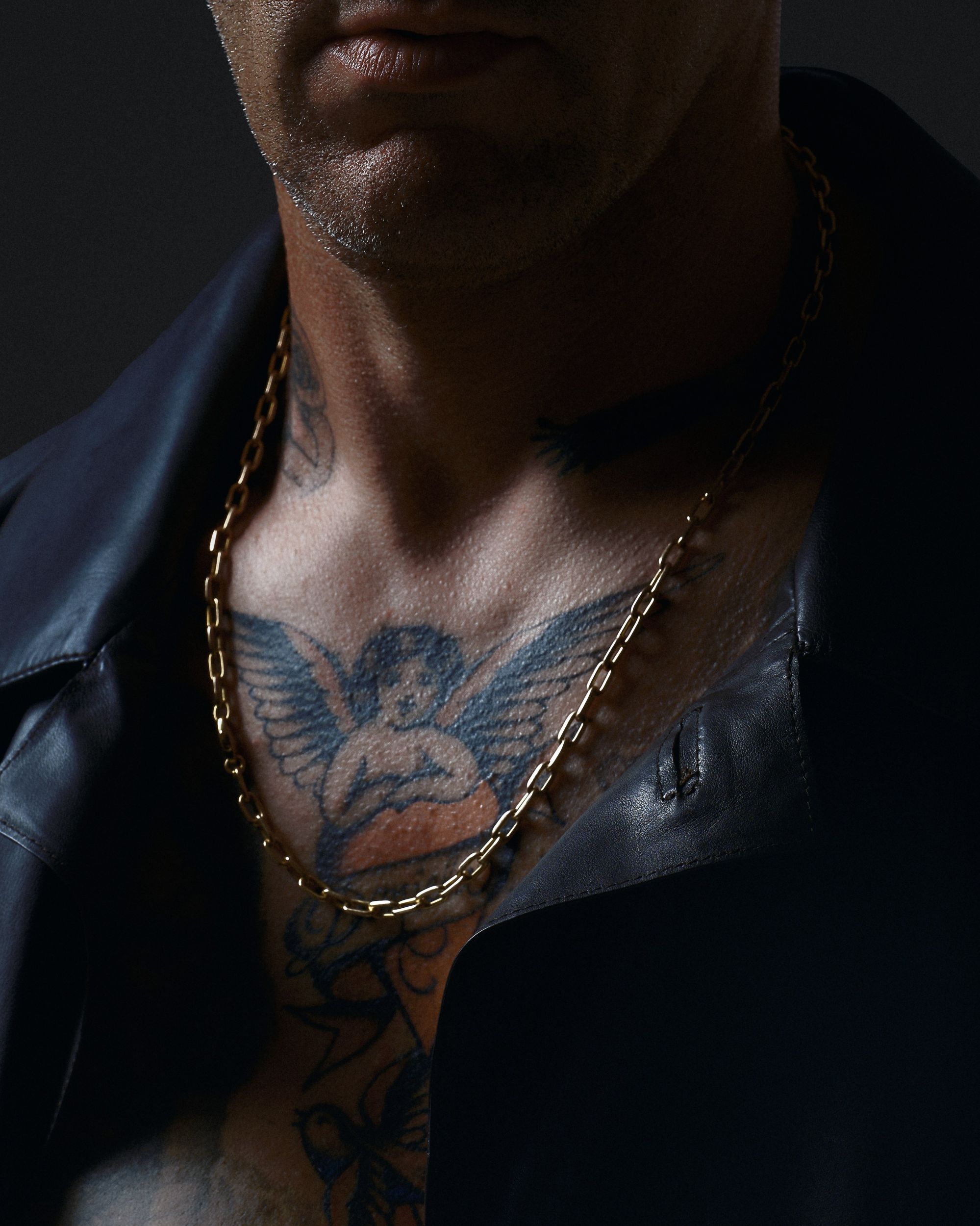
Jacket BRIONI
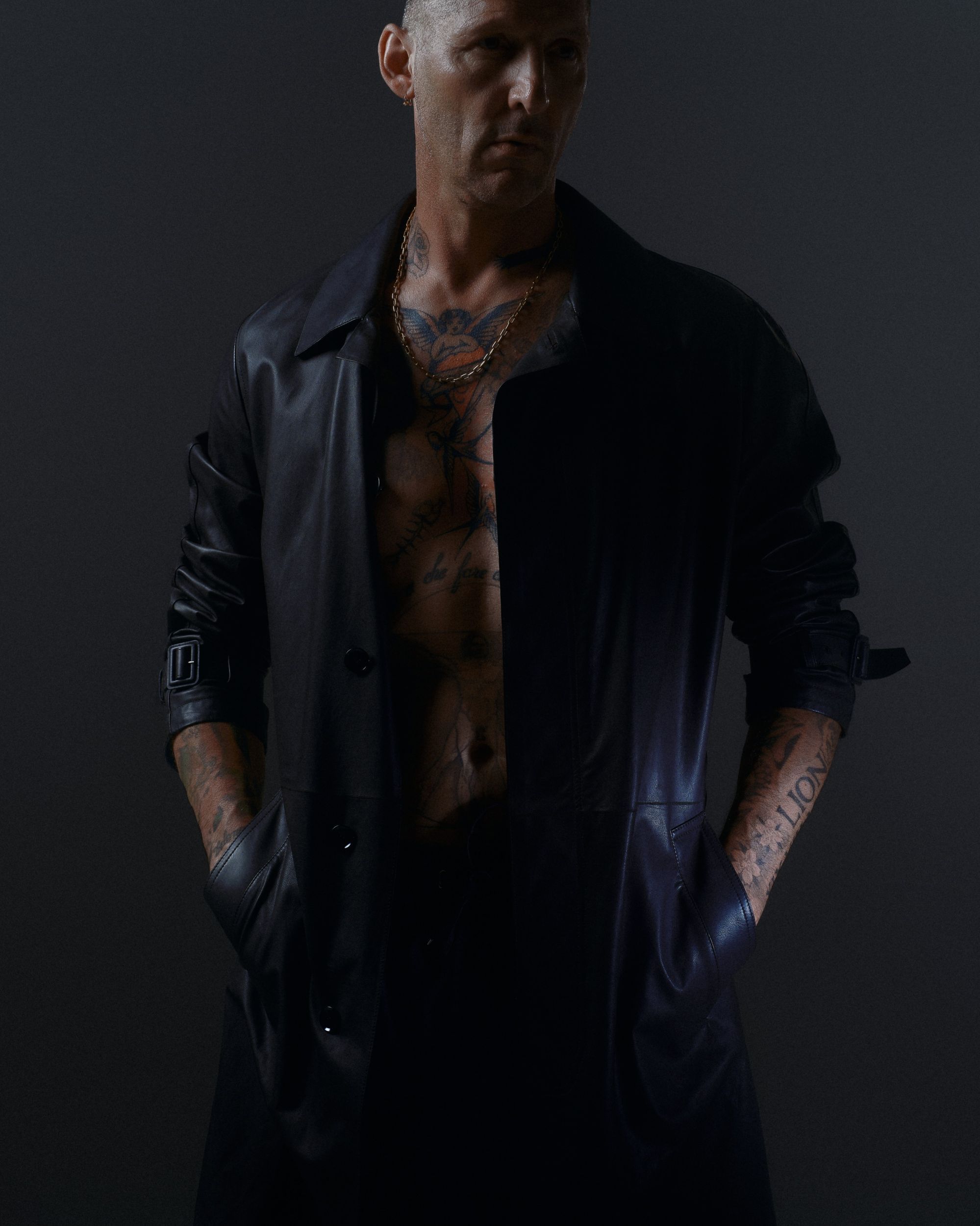
Jacket BRIONI
Jacket BRIONI
Next July 9 marks exactly twenty years since Berlin. Materazzi still talks about that World Cup as a dividing line in his life. «I changed for one evening. One day. One week. During the World Cup, people stopped caring about club colors and only cared about Italy. Even the people insulting me the week before woke up the next morning telling me I’d done well. Then they started insulting me again seven days later.»
Talking about the World Cup with an Italian today inevitably carries a trace of bitterness: «After winning a World Cup, people dreamed about chasing Brazil, winning a fifth star. But I’ll tell you this: I remember beating Germany in the semifinal. They knew they were playing at home. They felt all the pressure. But they also knew they weren’t ready to win a World Cup yet. Even back then they were saying, we’re building to win it in eight years. At the time I thought: how can you say that after losing a World Cup semifinal at home? Then you look at what they built structurally, and who won the World Cup in 2014, and you understand what really wins: planning.»
What was that tournament actually like from the inside? «The pressure was unreal. We were coming off Korea and Japan in 2002, and in my opinion that generation was science fiction. Up front we had Montella, Vieri, Inzaghi, Totti, Del Piero. Behind them Maldini, Cannavaro, Buffon - and Buffon was four years younger than he is in your memories now. Everyone expected us to go all the way. But because of our own mistakes - not technical mistakes, team mistakes - we didn’t do what we should have done. Beyond the refereeing and everything else, we restarted from there. In 2006, apart from Bobo Vieri, who deserved that World Cup more than anyone but got injured, the only giant missing was Maldini, who truly deserved to close the circle with a World Cup.
But besides that, we were relaxed. We knew each other. The only real addition was Pirlo, and maybe he was exactly the kind of player we’d lacked in 2002. And still today, when people tell me, we haven’t qualified for the World Cup in too long, I think back to that squad. Because if the so-called ‘ordinary players’ in 2006 were me, Grosso, Zaccardo, Toni… then you understand the level of talent Italy used to have compared to now. With all due respect to the guys who won the Euros. When you lined up those names - Buffon, Nesta, Cannavaro, Zambrotta, Gattuso, Pirlo, Del Piero, Totti, De Rossi even though he was still a kid - you remember them differently. But every generation says that.»
I mention an interview I recently watched between Luca Toni and Fabio Cannavaro, and Materazzi immediately lights up when talking about his former captain: «He was the one who told me Vieira was scared of me on set pieces. So when Pirlo walks over to take the corner, I’m thinking: let’s see if it’s true. Turns out it was.» That equalizer carried its own psychological weight: «There’s this little dressing-room superstition: if you score during the match, you’ll miss your penalty afterward. The magic of that World Cup is that when I walked up to the spot, I never thought about it once. And we all know how that ended.»
Still, there was never a sense that France would be easy. Ordinary as it is today, France always looks steps ahead of everyone else: «I’ll tell you honestly: before we walked out, it felt that way. Watching the stadium again for the book reminded me that I genuinely thought the only way to beat them was to make one of them fall down those tiny tunnel stairs before kickoff. But once you’re on the pitch, you realize they’re just human beings too. Two legs, two arms. That’s the key moment psychologically.
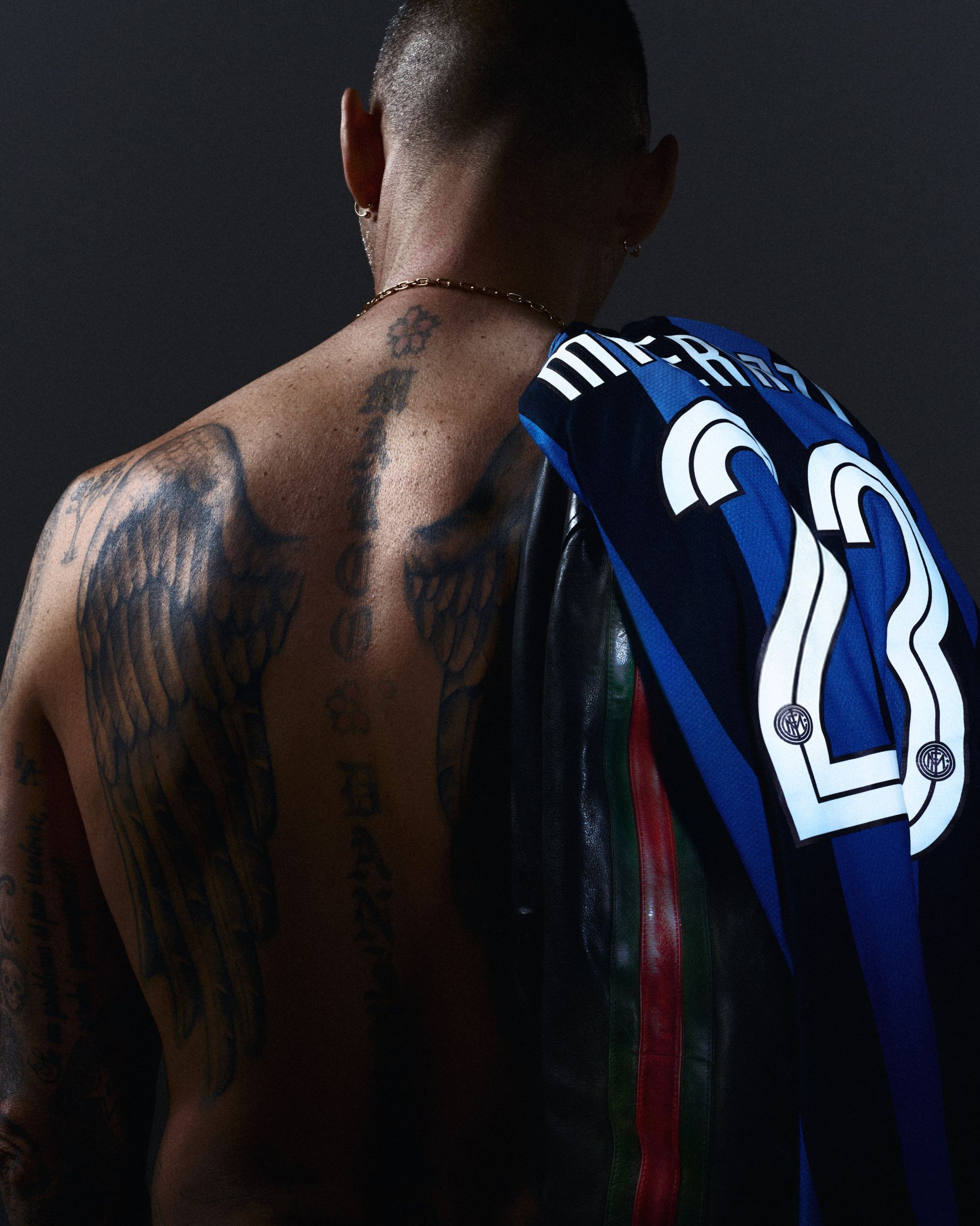
Jacket GUCCI
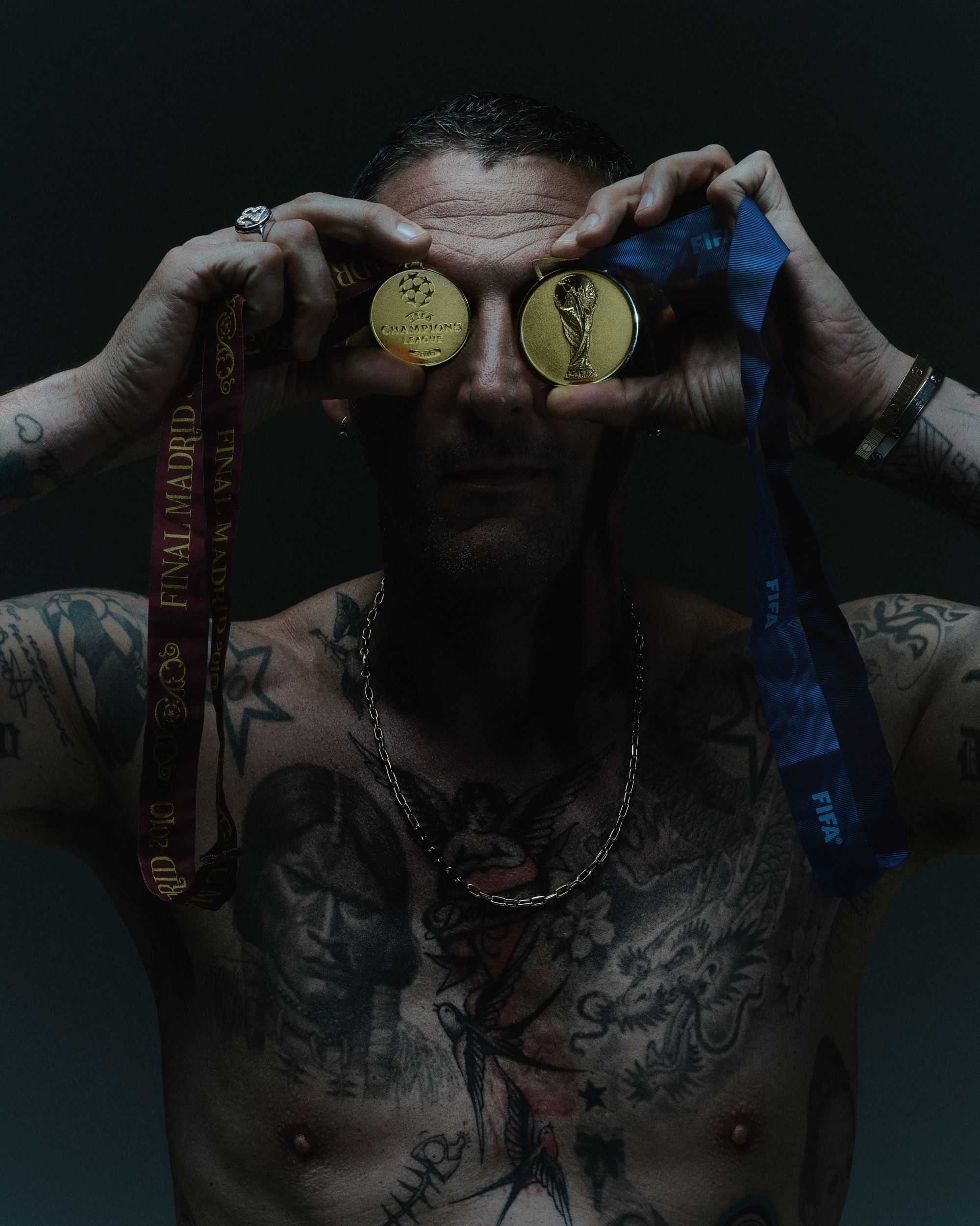
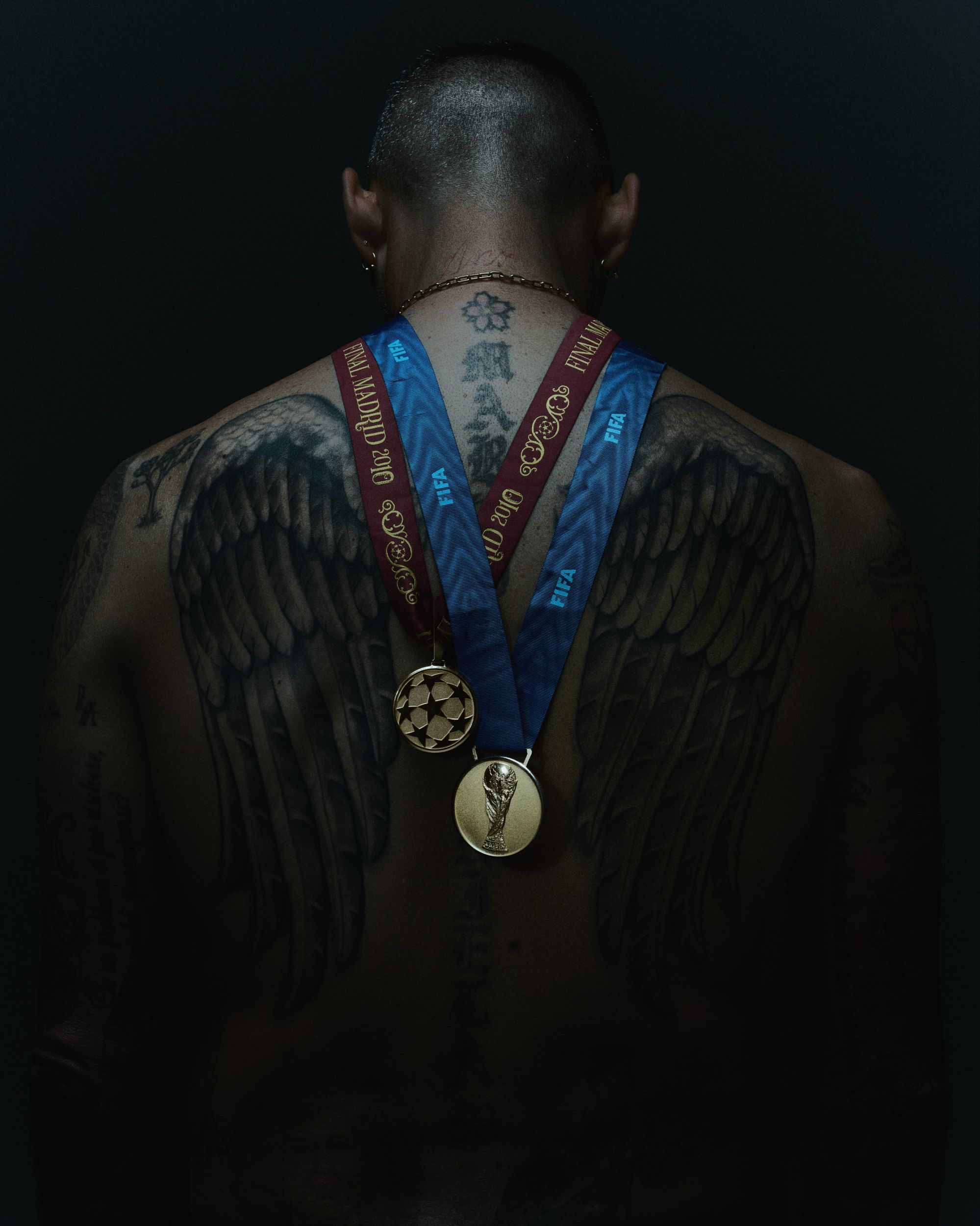
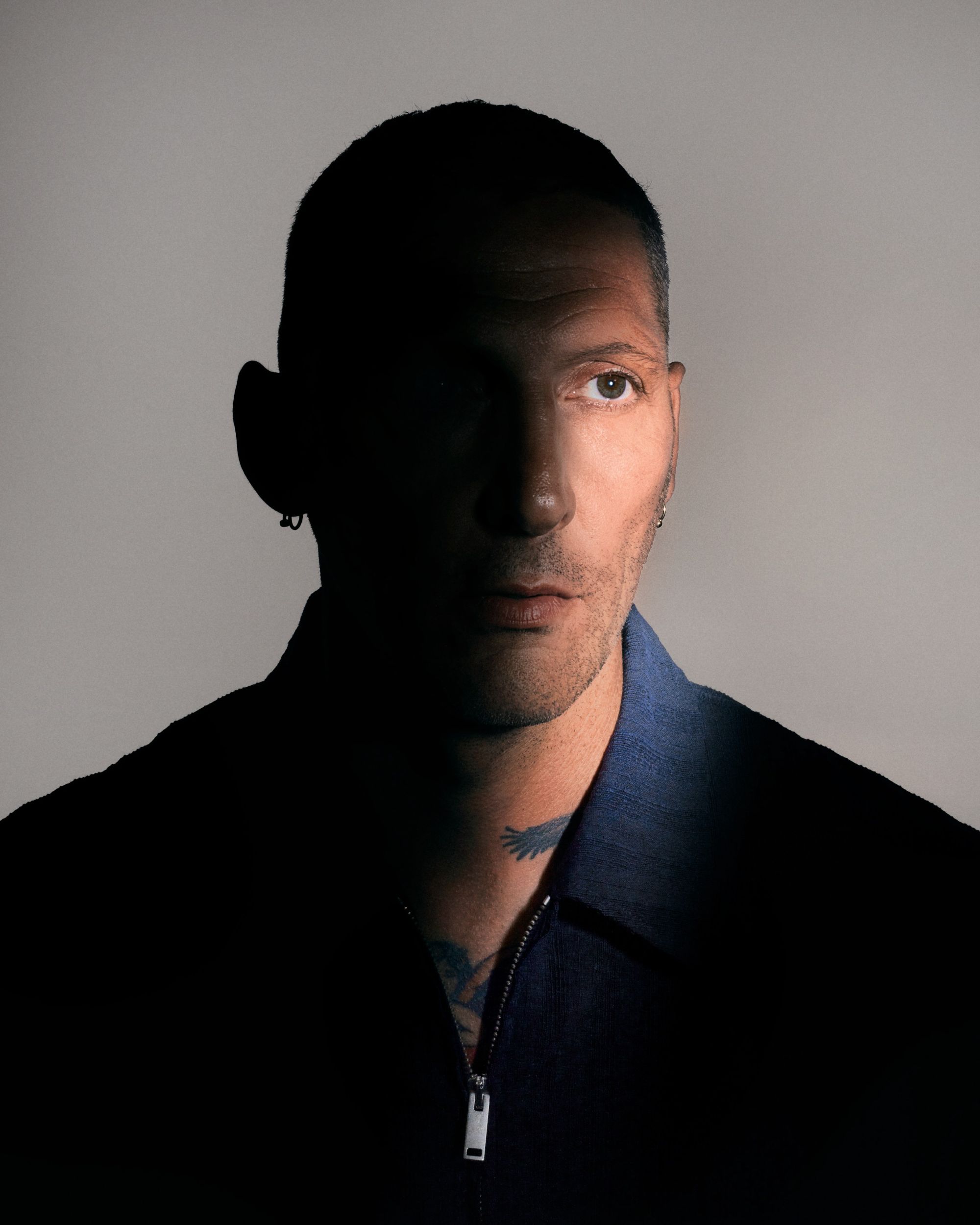
Jacket LC23
Then, inevitably, he arrives at the most famous moment of the final, even though I never ask him about it directly: «He - meaning Zidane - probably felt stronger than me, superior to me in that moment. But I don’t lower myself for anyone. I remember playing in Marsala, in Trapani, against guys with two legs and two arms exactly like mine. We were on the same pitch. Same weight. It all starts from a play where me and my godson - Gattuso - argue over who lost their man in the box. Zidane heads it and almost scores. We argue moderately,» he laughs, «because if we’d kept going, it wouldn’t have looked good with Rino involved. Then there’s another similar play. This time, with experience, I make sure Zidane can’t jump. That’s defensive cunning. It has nothing to do with reacting to provocation. I grew up playing street football in Bari against guys six or seven years older than me. There was always some local Cassano-type talent telling you: you’ll see the ball later, I’ll give you my shirt later. In that moment in Berlin, I saw myself back there again, in the street. So if you’re like me, I answer back. I didn’t provoke him. I answered a provocation. And for me, that was never a mistake.»
We finish by talking about his son Davide, now twenty-four, playing in the United States for the Cosmos - Pelé’s old club. He wears number 23 like his father but after the joy of 2006, when he was 4 years old, he has never even seen Italy play in a World Cup. «For me it’s unthinkable that someone born in 2006 would grow up living this kind of sporting injustice,» Materazzi says. «Of course that generation feels anger. But the reality is what I said before: there’s no planning. That’s what you need if you want today’s children to see tomorrow’s World Cups.»