
Why Andrea Pirlo's Italy appointment has already become a political controversy How a betting sponsorship became Italy's latest football controversy
Sports
July 27th, 2026
July 27th, 2026
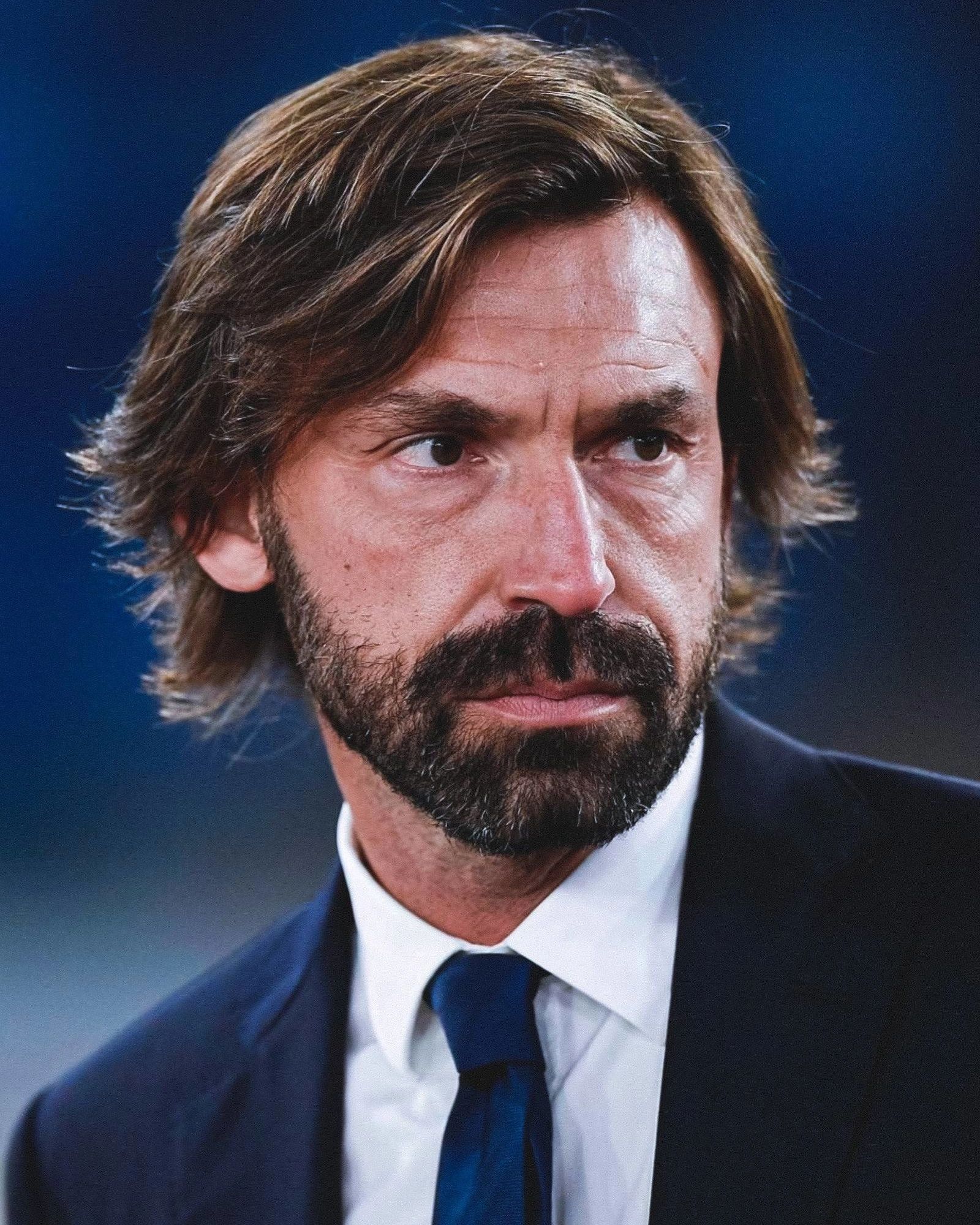
The new era of the Italy national team is already in crisis, even before the appointment of a new head coach and the restart on the pitch. What was supposed to mark the beginning of the FIGC's new chapter under Giovanni Malagò, with Paolo Maldini and Leonardo overseeing the rebuilding project, has spiraled within just a few days from an inexplicably politicized trip to Barcelona and Pep Guardiola's refusal into an even more delicate—and equally avoidable—political and reputational controversy. At the center of it is Andrea Pirlo, who had been lined up as the next head coach but instead found himself caught in a media storm over his partnership with the Russian betting company Fonbet.
Pirlo's partnership with Fonbet has put the FIGC under pressure
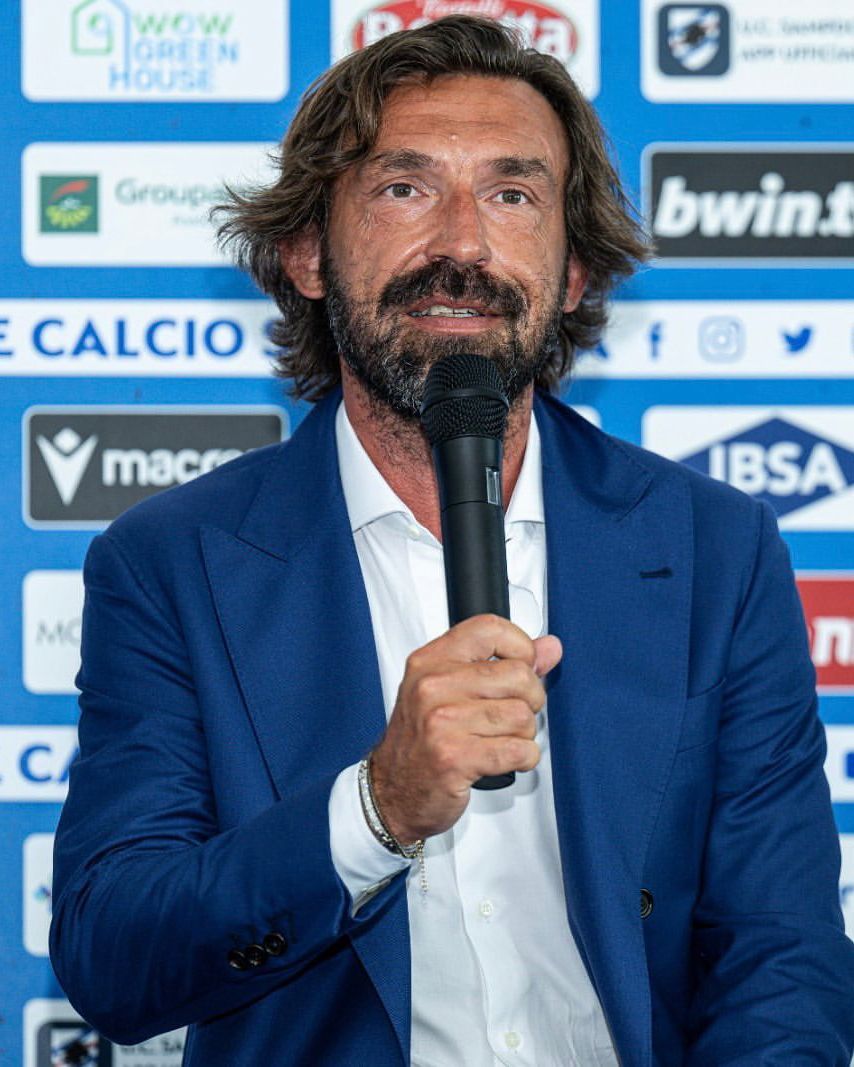
Even before the issue moved beyond football, Pirlo's candidacy as Italy's next head coach was already far from universally accepted. In recent days, La Gazzetta dello Sport described him as the "worst-received national team manager" and spoke of "a wave of skepticism, to put it mildly, unlike anything in recent memory." Although Pirlo remains one of the most recognizable global icons of Italian football, his managerial career—from a one-season spell at Juventus to experiences in Turkey with Karagümrük, Serie B with Sampdoria, and now the United Arab Emirates with United FC—has failed to establish him as a coach capable of inspiring widespread confidence. Nevertheless, the FIGC appeared ready to make the appointment official, with "Maldini prepared to publicly stand behind the decision." Then everything changed.
Reports quickly brought back into focus Pirlo's relationship with Fonbet, the Russian bookmaker he has worked with since 2025. Images from his trip to Moscow resurfaced, alongside criticism from several figures, including Andriy Shevchenko, Pirlo's former teammate—as well as Maldini's and Leonardo's—at AC Milan, who now serves as president of the Ukrainian Football Association. In a recent interview, Shevchenko referred to several former Italian footballers—including Pirlo, Francesco Totti and Marco Materazzi—and their decision to associate themselves with Russian bookmakers in the current geopolitical climate. "I spoke to them, but sometimes I didn't even get a response. I expressed my disappointment with what they are doing (...), so that they understand the situation, that the war is still ongoing and that Russia continues to kill Ukrainian children and civilians every day."
Within hours, the story had evolved into a political flashpoint. Among those who publicly commented was Carlo Calenda, leader of the Azione party, who left no room for ambiguity: "Anyone who has promoted Russia after 2022 should not hold national positions." Mauro Berruto, the Democratic Party's head of sport and former coach of Italy's men's volleyball team, highlighted the two sides of the issue: "I will never agree with any compromise regarding gambling and its advertising in sport," adding that "the fact that the company is Russian makes the situation even more serious." Meanwhile, European Parliament Vice-President Pina Picierno accused Pirlo of having "deliberately and repeatedly lent his prestige to an operation aimed at normalizing Putin's regime."
What is Fonbet and why is it so controversial?
To understand how a commercial partnership became an institutional controversy, it's necessary to take a step back. Founded in 1994, Fonbet is one of Russia's leading betting companies and a partner of several national sports federations, including the Russian Football Union. In October 2025, Pirlo became one of its global ambassadors, joining Materazzi as one of the international faces of the brand. The move allowed the company to associate itself with two iconic figures of European football at a time when Russian sport has become increasingly isolated from the Western world.
The episode that attracted the greatest attention took place on May 24, when Pirlo and Materazzi traveled to Moscow to attend promotional events organized by Fonbet ahead of the Kubok Rossii, the Russian Cup final. Images from the event quickly spread across social media, particularly because they were taken while Ukraine was reporting one of the heaviest waves of bombardments in recent months. The backlash that followed should have served as a warning.
Fonbet is also surrounded by several other factors that, if anything, make the controversy even more significant. Over the years, the company has become one of the main financial backers of Russian sport, maintaining active partnerships with several domestic competitions while also sponsoring tournaments for veterans of the so-called "special military operation," the term still used by the Russian government to describe its invasion of Ukraine. Some of these events have been organized together with the state-backed Defenders of the Fatherland Foundation, established by Vladimir Putin in 2023, and have included teams representing the occupied regions of Donetsk and Luhansk.
Even the company's ownership structure paints a murky picture. Among the figures linked to Fonbet is Sergey Aleksandrovich Lomakin, a Moscow-born oligarch based in Cyprus whom some football fans may remember from reports linking him to a potential takeover of Udinese. With a fortune exceeding one billion dollars, Lomakin built his wealth in the retail sector and, among his many investments, owns a football club in Dubai: United FC, the very club currently managed by Pirlo. The picture is completed by Umar Kremlev, president of the International Boxing Association (IBA) and a figure closely connected to the Kremlin. An investigation by independent media outlet Proekt claims that Kremlev exercises effective control over Fonbet through a network of proxies, describing him as someone who helps the Russian government build international relationships through sport.
Can the FIGC still appoint Pirlo as Italy head coach?
According to the latest reports, the FIGC was aware of Pirlo's relationship with Fonbet. What evidently caught everyone off guard, however, was the speed with which the issue turned into a national political controversy. While Malagò was following developments from Sabaudia, Pirlo spent the weekend at United FC's training camp in Geinberg, Austria. According to La Gazzetta dello Sport, he is "annoyed by what he considers politically motivated criticism". Through a lengthy Instagram post published yesterday evening, followed by a letter from his legal representatives, Pirlo clarified that his agreement with Fonbet is strictly linked to his coaching role in the United Arab Emirates and will therefore end once that experience concludes. He also stressed that the partnership "is exclusively commercial and sporting in nature," rejecting any political interpretation of the relationship. Malagò is reportedly waiting to review the contract before making a final decision, but according to Sky Sport, Pirlo's appointment is now seriously in doubt, while Maldini is said to be "considering stepping aside" should the federation ultimately abandon the project.
And so the new FIGC finds itself dealing with the first crisis of its new era almost before it has even begun. Beyond the terms of Pirlo's agreement with Fonbet, what raises the biggest questions is how the situation was handled. The commercial relationship was already public knowledge, and if it was considered incompatible with leading the national team, it should have been a decisive factor during the selection process. At the very least, it should have been addressed proactively from a communications standpoint. Instead, it only became a problem once the decision had effectively been made and politics and the media forced the federation to respond.
Since 2018, moreover, Italy's so-called Dignity Decree has formally prohibited gambling and sports betting advertising in Italian sport, although a series of exemptions and workarounds have largely reduced the legislation to a symbolic framework. Pirlo's contract with Fonbet would not violate the decree, since the activities covered by the agreement take place abroad. Nevertheless, the paradox remains: within this regulatory environment, the Italian Football Federation selected as its prospective head coach a public ambassador for a betting company. Add to that the geopolitical implications surrounding Russia, and it was entirely foreseeable that the appointment would become publicly controversial.
Whatever the final decision may be, one consequence is already clear. The FIGC had hoped to launch its new chapter by talking about a technical project, tactical principles and the revival of Italian football, presenting itself as united behind a clear vision. Instead, it publicly pursued the ambitious but unsuccessful attempt to convince Guardiola, automatically turning every other candidate into a second choice. Now it finds itself debating gambling, Russia, geopolitics and reputation, with a potential Plan C already looming and the risk of undermining internal stability before the new structure is even in place. It is exactly the kind of start that Italian football—already going through one of the deepest identity crises in its history—could least afford at a time when it desperately needs stability.