

































Premier League wants to introduce a new rule to stop goalkeeper time-wasting How it works and the exceptions
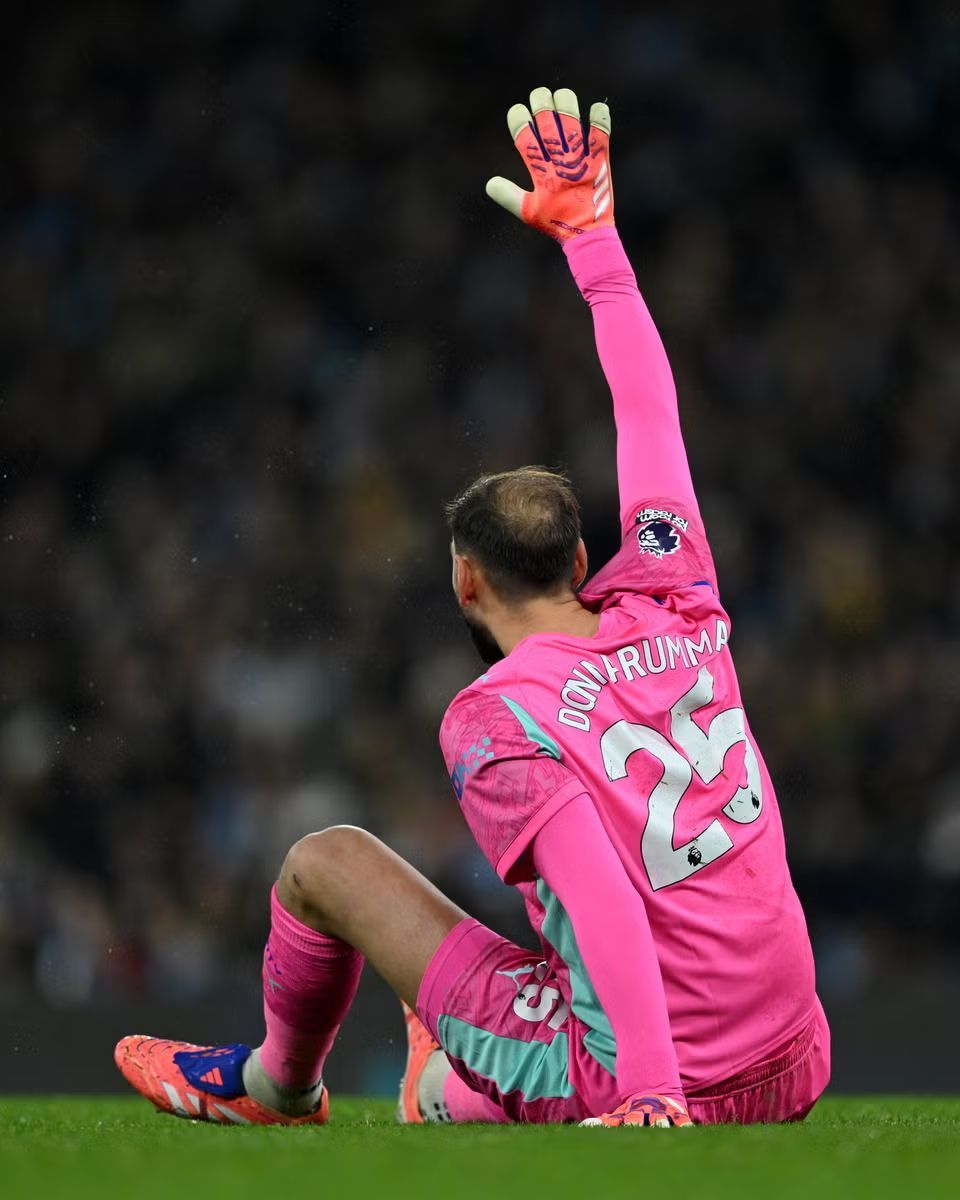
The Premier League is set to introduce a new rule for the 2026/27 season in an effort to reduce time-wasting. More specifically, the aim is to discourage situations in which a goalkeeper feigns an injury in order to bring the medical staff onto the pitch and halt play.
The news was first reported by BBC. The Football Association, Premier League, English Football League, National League and Women's Super League have all voted in favour of introducing the measure. The proposal is now awaiting final approval from the International Football Association Board (IFAB).
How the new rule will work
Once the referee signals for the medical staff to enter the pitch and treat the goalkeeper, that team's head coach will have 10 seconds to nominate an outfield player who will be required to leave the field for one minute after play resumes. The decision must be communicated to the fourth official. If no player is nominated within those 10 seconds, the captain will automatically be the one who has to leave the pitch.
Why the rule is being introduced
The rule has been designed to tackle an increasingly common trend in modern football, particularly during the closing stages of tightly contested matches. Because referees are required to stop play whenever a goalkeeper goes to ground, many have exploited this aspect of the Laws of the Game to benefit their team. These interruptions often give coaches the opportunity to deliver impromptu tactical instructions, much like the hydration breaks introduced at the 2026 World Cup. The prospect of having to play with ten men for one minute is expected to act as a strong deterrent. However, referees will not prevent players from gathering near the technical area to speak with their coach while the injured goalkeeper is receiving treatment on the touchline.
The exceptions to the rule
The new rule also includes a number of exceptions, meaning teams will not always have to play temporarily with ten men. A goalkeeper may receive treatment without an outfield player leaving the pitch if they inform the referee that medical assistance is not required and they were not responsible for stopping play, if the injury resulted from a collision with a teammate, or if they were injured following a foul. The exemption also applies if the goalkeeper is bleeding, has suffered a serious injury requiring a substitution, or is being assessed for a suspected concussion.