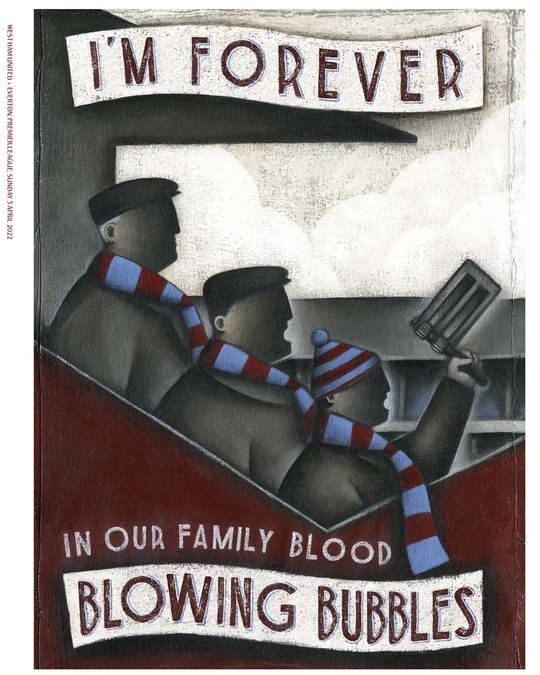
West Ham’s matchday programmes are in a league of their own Despite the struggles of both print and the team, "The Hammer" remains an outstanding publication
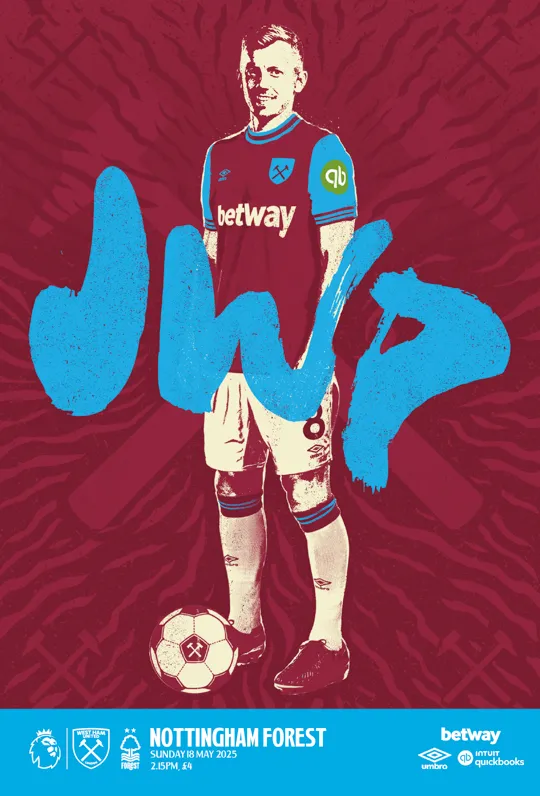
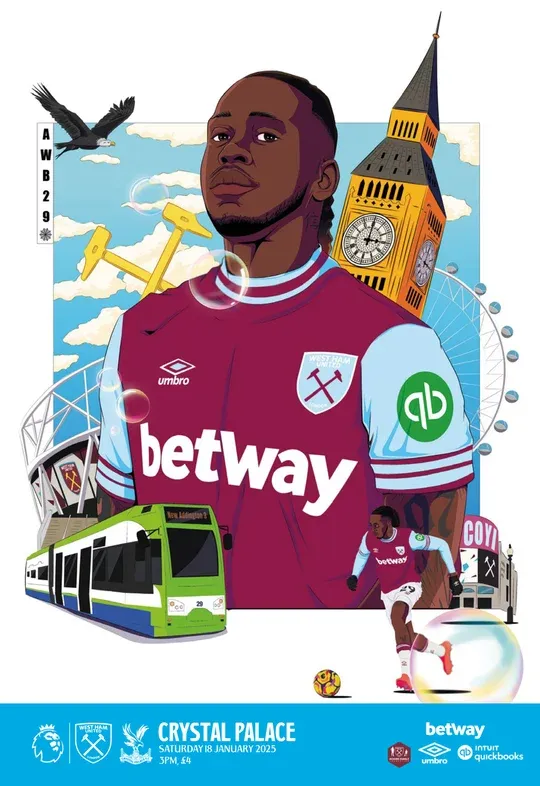
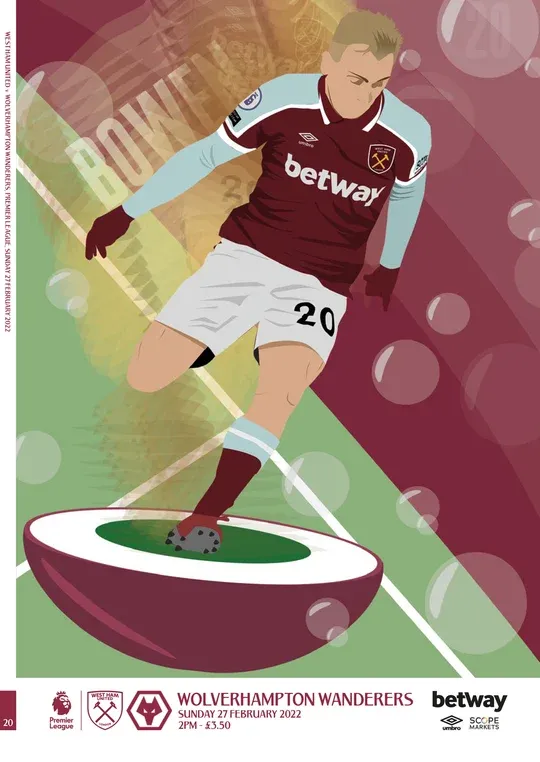
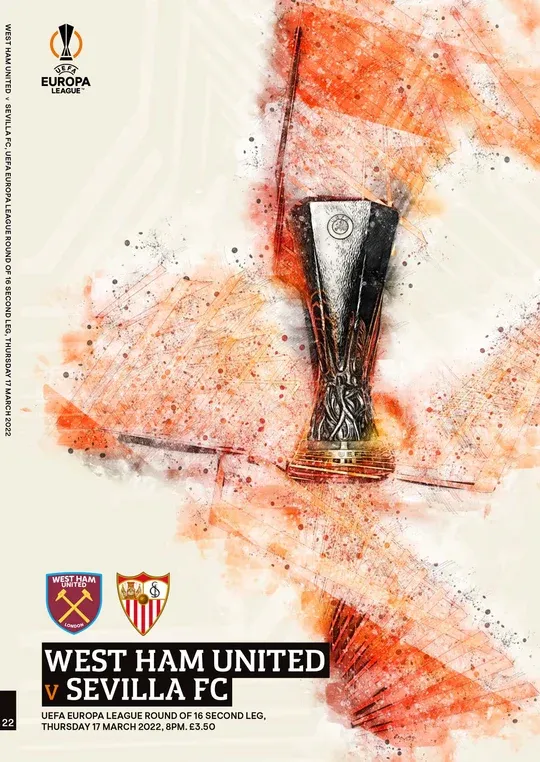
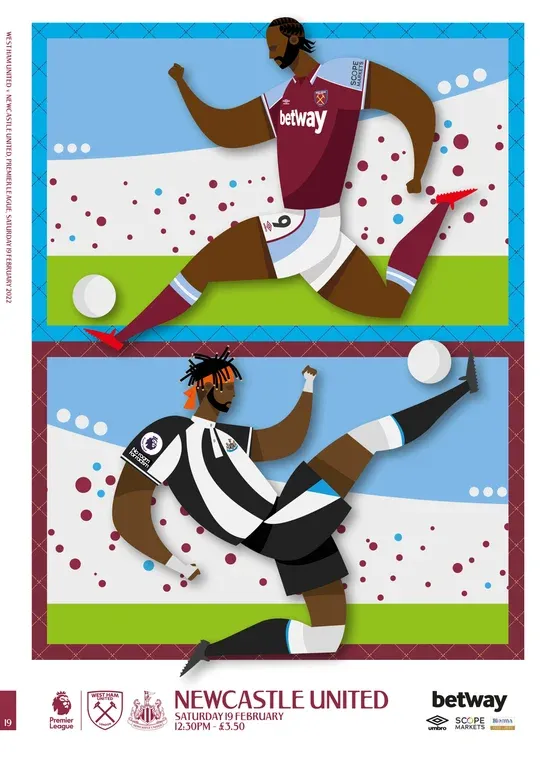
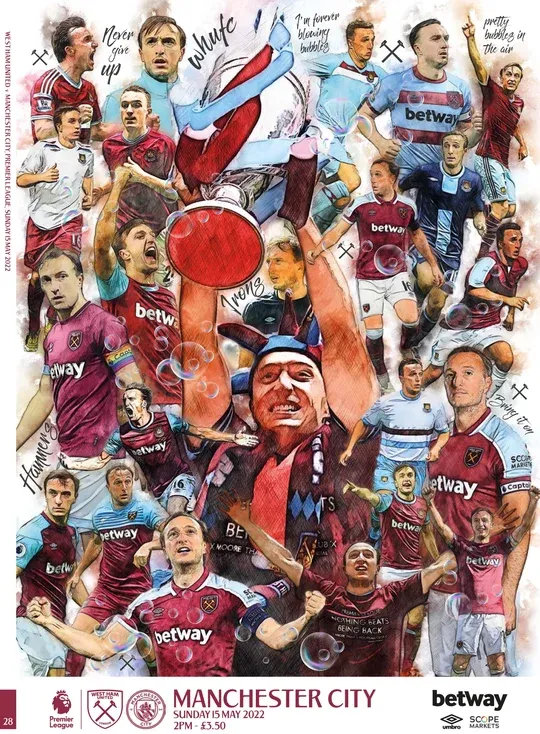
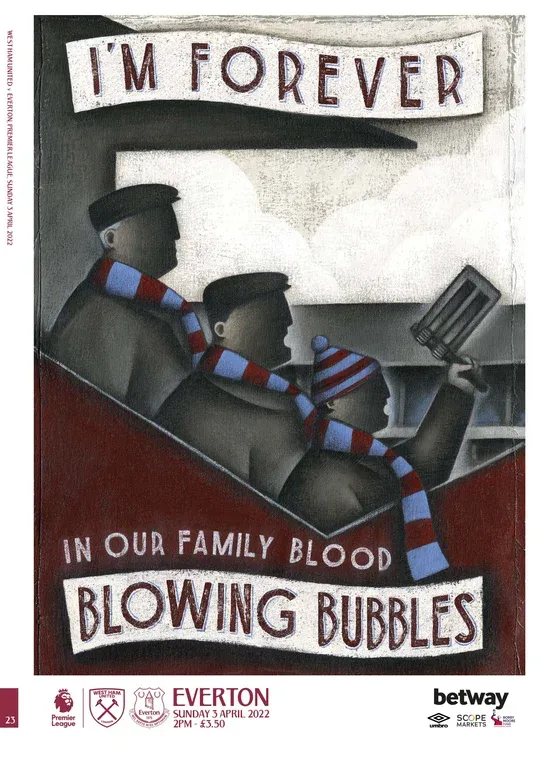
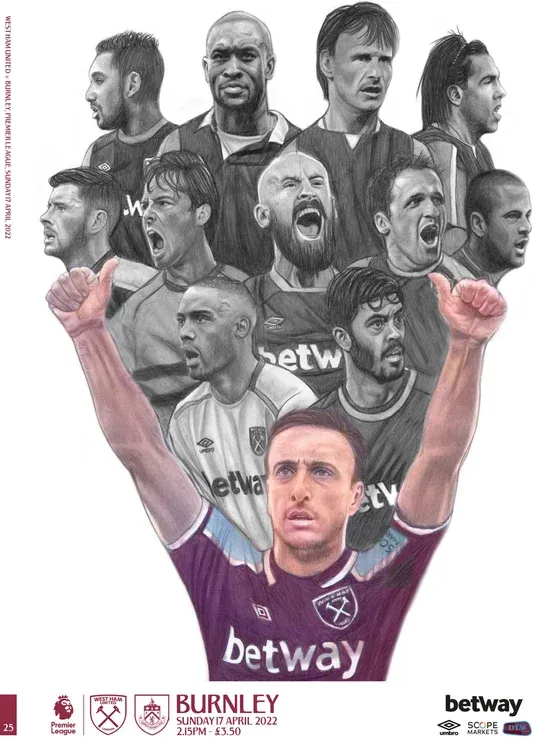
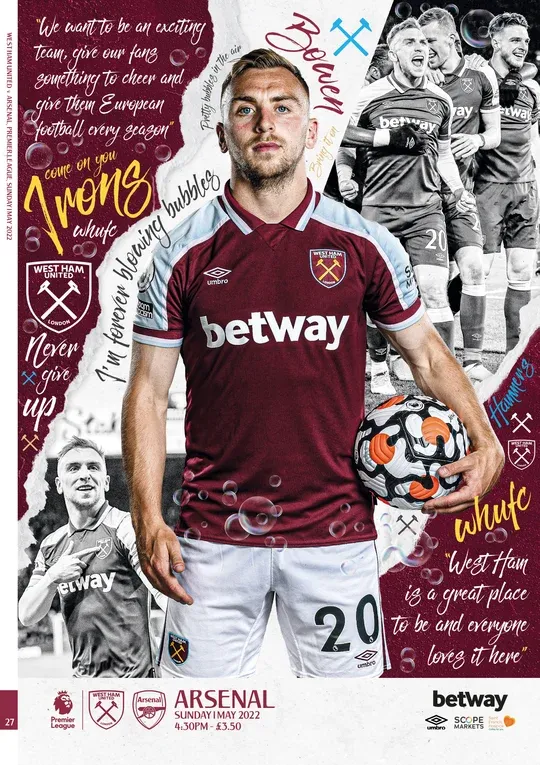
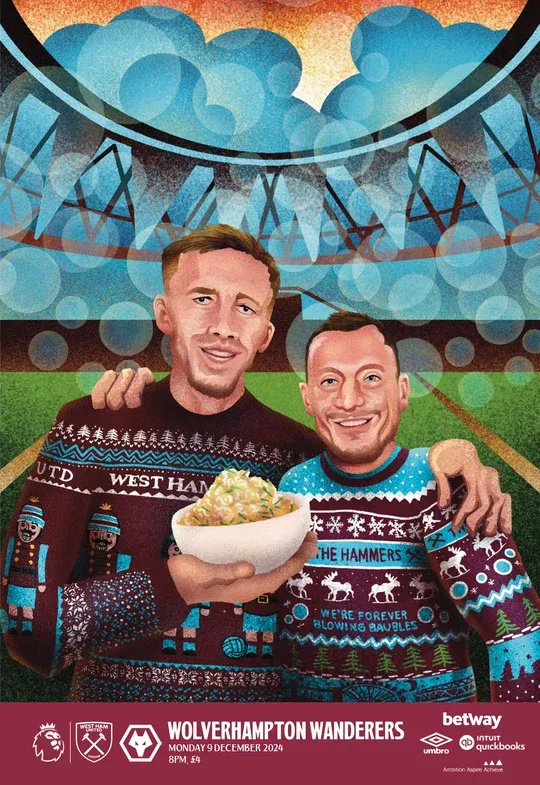
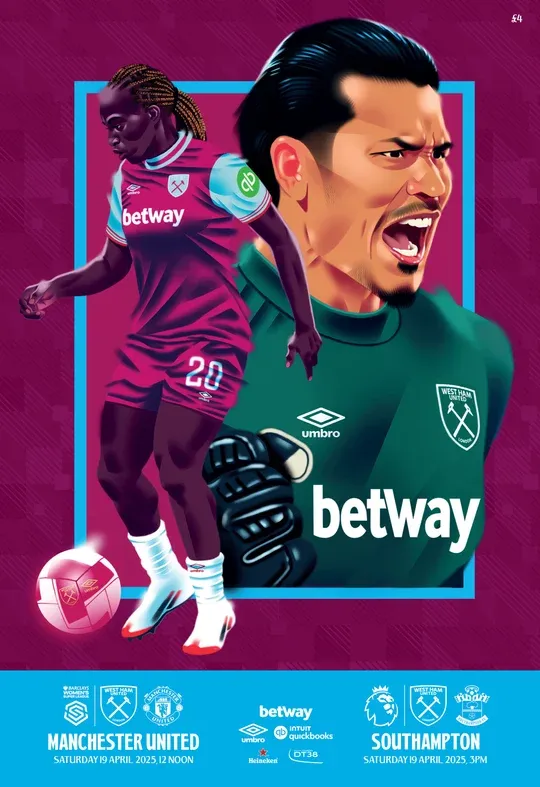
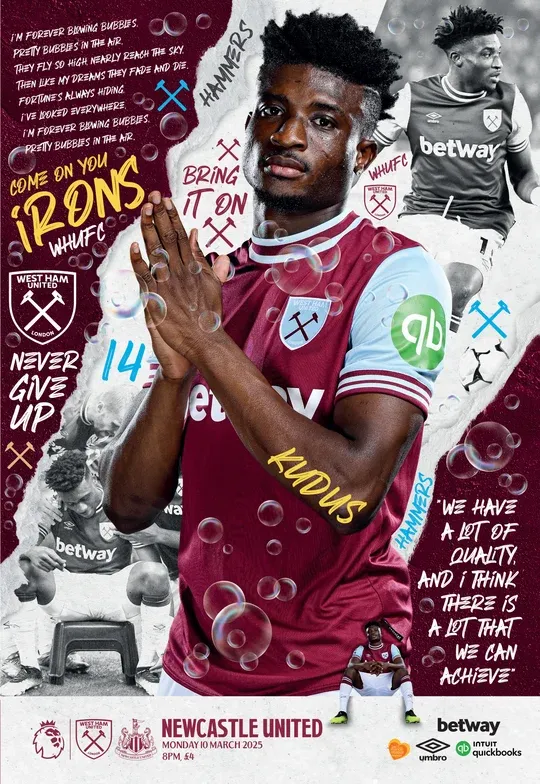
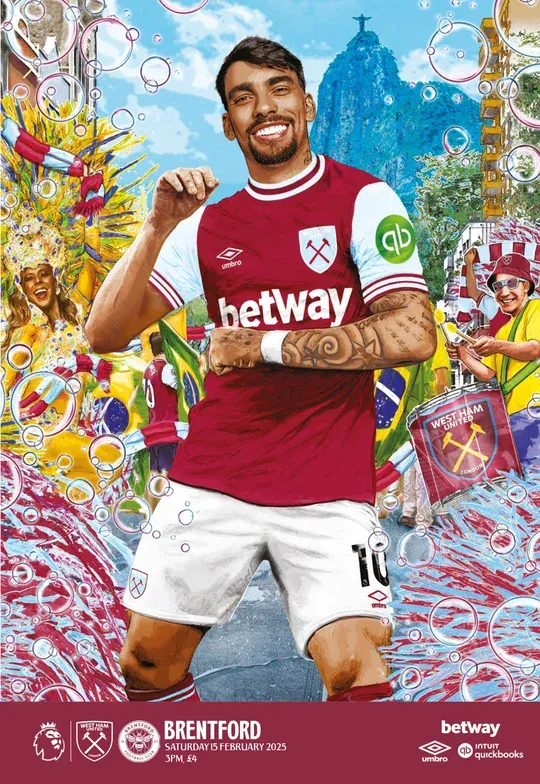
Before the illustrators, there were the printers. The connection between West Ham and its matchday programmes also runs through the Helliar family: the great-grandfather of John Helliar, the club’s official historian until 2021, worked as a brass founder at Thames Ironworks, the company from which the team originated. Around 1900, he established a printing business in London that began producing material for the club, later adding its official match programmes. After the Second World War, his grandson John Frederick was entrusted with editing a four-page programme, and was later joined by his son, who gathered statistics and reports on the reserve and youth teams. West Ham’s history was printed and passed down in this way too, as a family trade.
Decades later, the programmes have far more pages, their covers can become collectible illustrations, and West Ham’s matchday programme - bucking the decline of these publications - has become one of the benchmarks of English football publishing, winning four of the last six editions of the Premier Progs Programme of the Season award. Across decades in which the way clubs tell their stories has evolved, West Ham more than any other English club has preserved the value of accompanying a match with something to leaf through and take home: The Hammer.
Matchday programme excellence
The Programme of the Season roll of honour - an award decided by an independent panel that considers design, readability, editorial quality, coverage of club life and value for money - speaks for itself. Alongside four first-place finishes in the last six seasons (2021, 2023, 2024 and 2026), the Hammers also finished second in 2025: a remarkable level of consistency that has made them the benchmark among Premier League match programmes.
And all this despite the club’s ups and downs on the pitch since the pandemic. Last May, West Ham were relegated from the top flight for the first time in fifteen seasons, after reaching a Europa League semi-final and quarter-final in 2022 and 2024 respectively, with a Conference League triumph in between. At the same time, however, the programme was reaching its largest format yet: from the 100 pages of the issue reviewed by Premier Progs in 2018/19, it expanded to 116 in 2020/21, a length maintained over the following seasons, before reaching 132 pages in 2025/26. It is a commitment championed by Rob Pritchard, one of the project’s leading editorial figures, who has highlighted the club’s unique dedication to the format at a time when the future of these publications is being called into question by digital media.
Its size alone, however, is not enough, especially since some of those pages are taken up by advertising. Each programme usually includes an interview with the featured player, tactical analysis, statistics, coverage of the opposition, academy and women’s team, an update on the Foundation’s latest charitable initiatives and a section for younger readers. There is also plenty of room for illustrations - often featured on the cover or as pull-out posters - and visual creativity.
Then there is the club’s history, explored through features dedicated to its past. Some examples found in the archives include Steve Blowers’ “The Boys of 86”, which looked back through interviews and archive material at the side that finished third forty years ago; Sid Lambert’s “20 Years On”, which revisited the highs of 2006; and “Hammerabilia”, in which Steve Marsh reconstructed the connections between West Ham and rival clubs through programmes, trading cards and other collectibles.
Alongside Rob Pritchard, the publication is produced by Peter White, Senior Editorial Manager, and Mark Jardine, who oversees its graphic design. “In an increasingly digital world, I remain passionate about the value of printed content”, Pritchard said after receiving the latest Premier Progs award. During the 2026/27 season, he is continuing the project with 116-page issues sold for £4, or through a £130 postal subscription covering the entire campaign.
Aesthetics and special projects
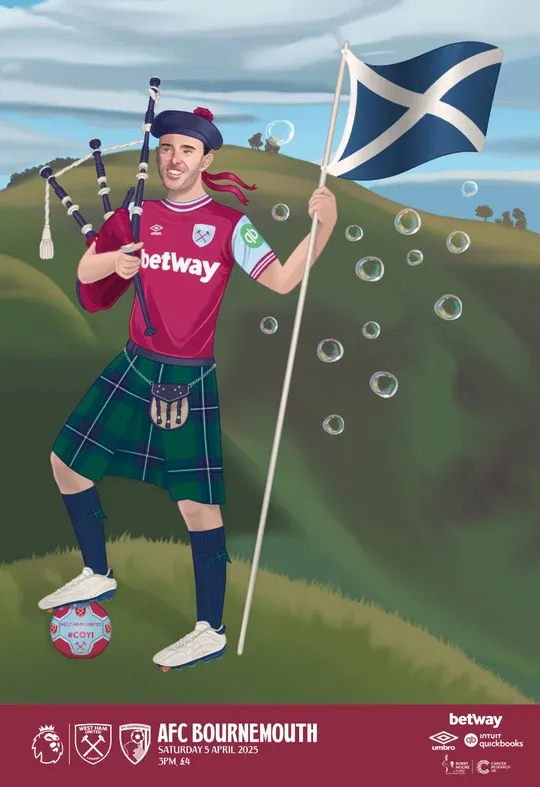
One cover found online was created by Ruby Hutchins - one of the emerging graphic designers who has collaborated with The Hammer - for West Ham-Bournemouth in 2025. Its subject is Andy Irving, the Scottish midfielder who has since joined Sparta Prague, portrayed wearing a traditional kilt alongside a bagpipe and the national flag; in the background are the Pentland Hills, where he used to walk and cycle as a child. A small visual biography.
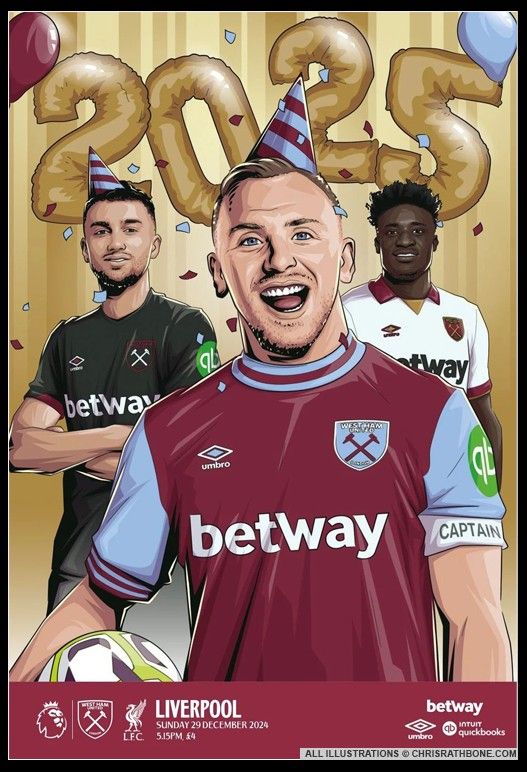
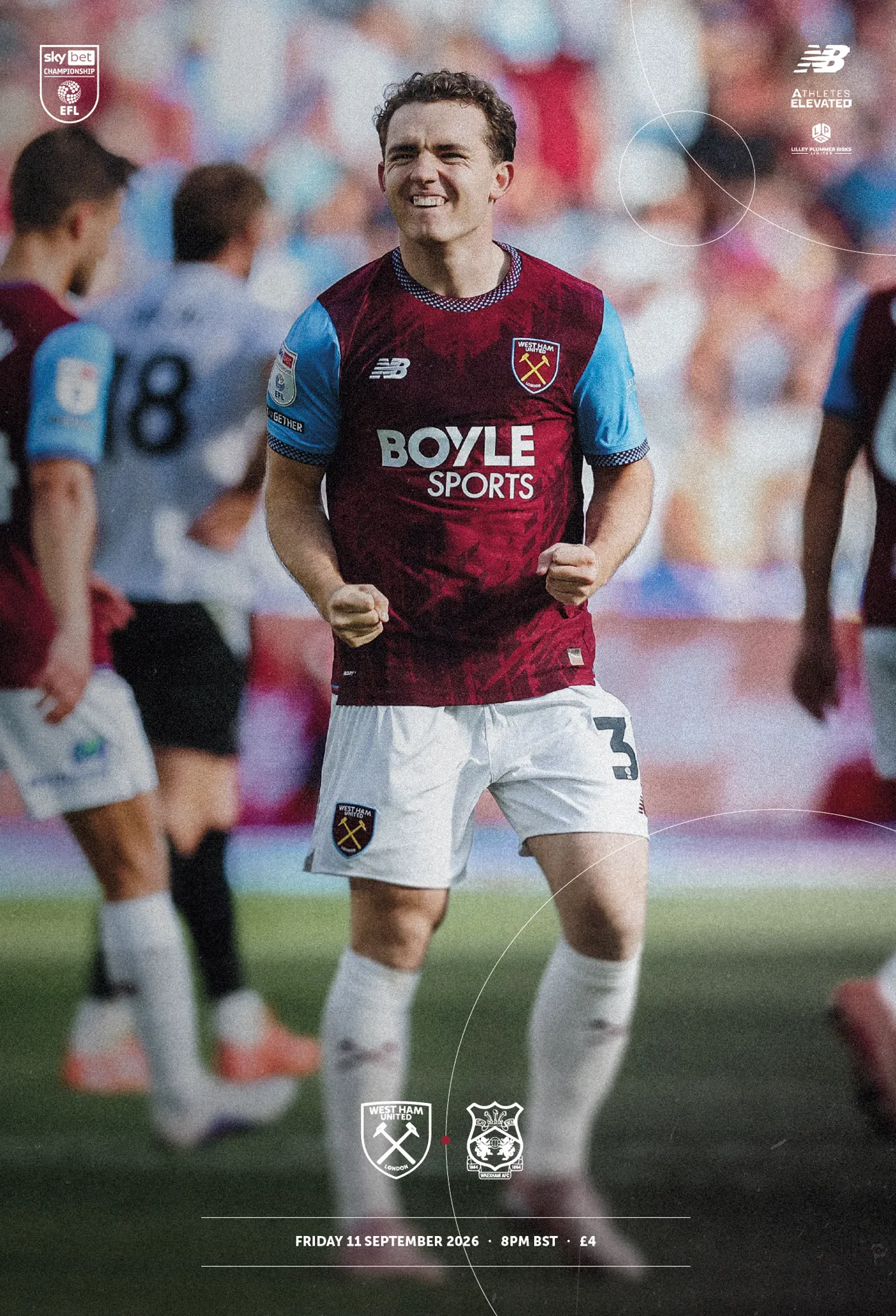
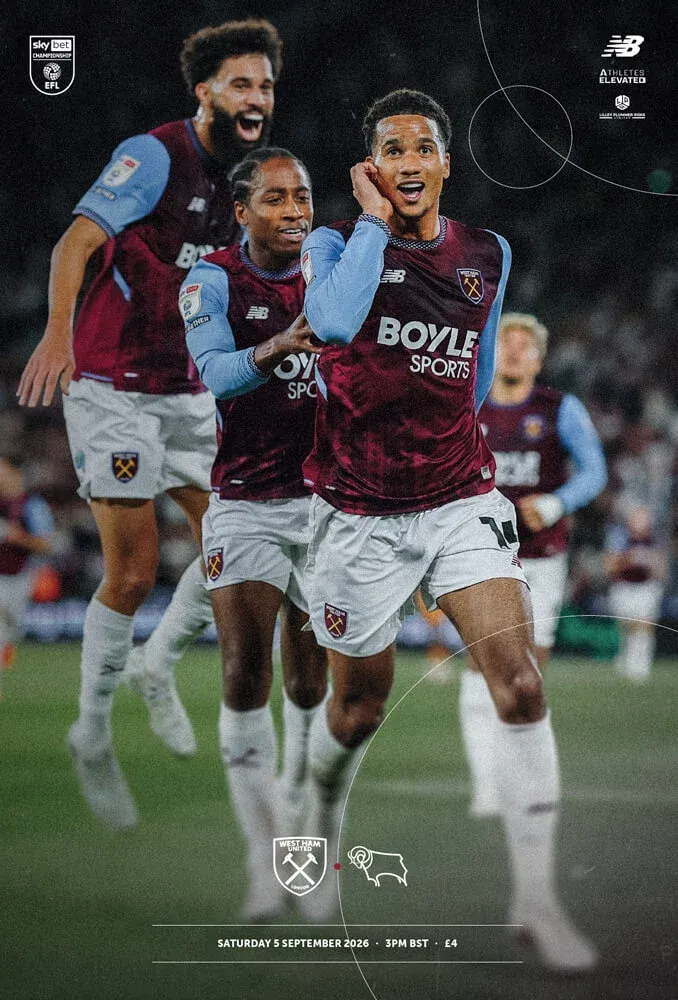
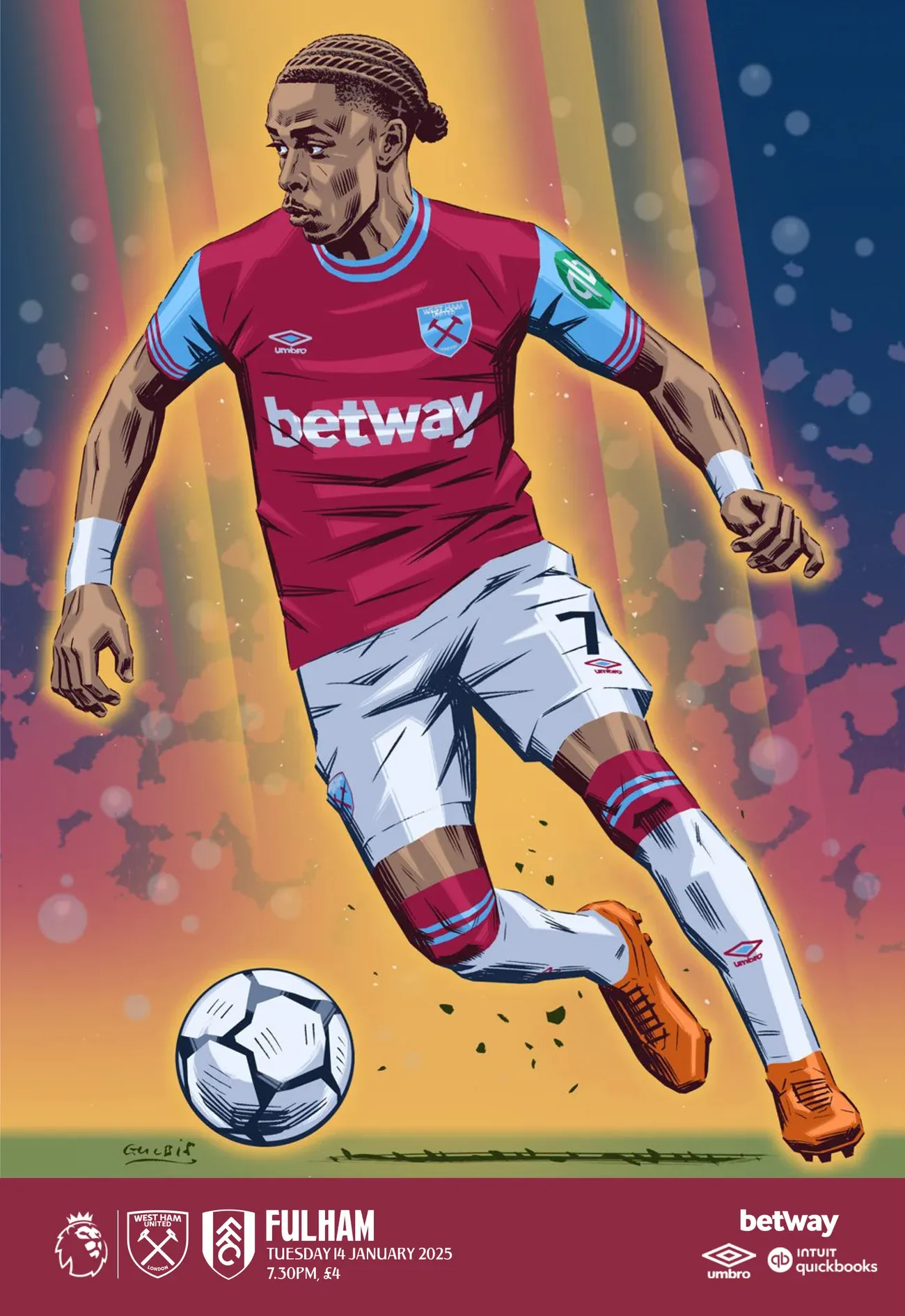
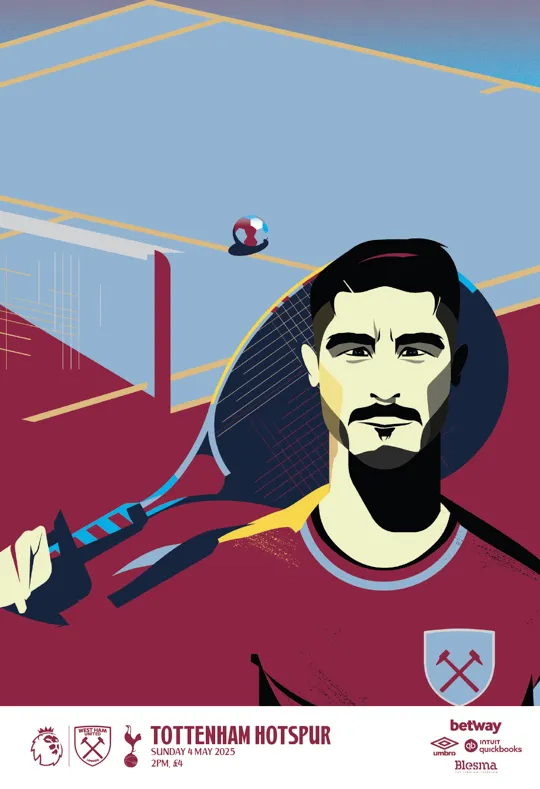
During the same season, Marcus Marritt designed a series of covers with a different visual language, built around geometric shapes and sharper contrasts. But the use of illustrators predates these projects, and a look through the archives reveals plenty of interesting examples: Chris Rathbone, for instance, created an impressive cover for the 2024 match against Liverpool, while a few weeks later The Football Artist portrayed Crysencio Summerville in action for the issue against Fulham, with the artwork appearing both on the cover and as a pull-out poster. Not every season, however, has adopted the same approach. Last month’s issues for the matches against Derby County and Wrexham, for example, featured photographic covers.
One of the most interesting projects dates back to 2015/16, the final season at Boleyn Ground, as the club prepared to move to a new home. The covers revived layouts from the past, intertwining the graphic history of the programmes with contemporary players, culminating in the special 120-page issue for the match against Manchester United on 10 May 2016, which featured the Boleyn gates on its cover.
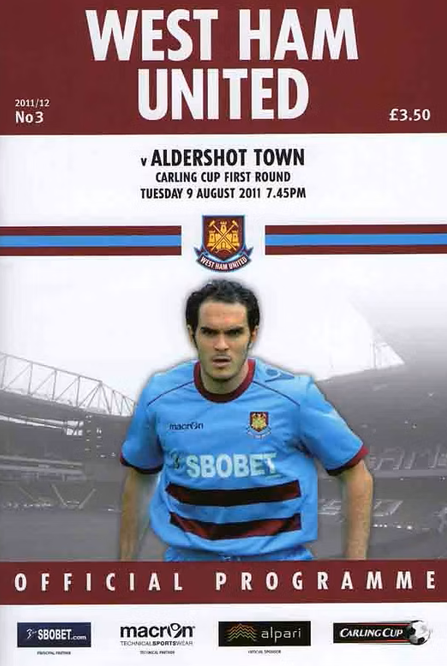
A unique place is reserved for the programme of a match that was never played: West Ham-Aldershot, scheduled for 9 August 2011 but postponed on police advice during the London riots. The club announced that the programmes would not be sold and that all copies would be destroyed, but some survived, inevitably becoming collectors’ items.
Are matchday programmes at risk of extinction?
West Ham is part of a long-standing tradition that originated in Victorian England. The earliest programmes were basic publications containing the line-ups, the information needed to follow the match and its wider context. Over time, they became an essential part of the ritual and imagery of attending a football match in England: something to buy before entering the stadium, leaf through while waiting for kick-off, keep and collect. The evolution of the media landscape gradually transformed their purpose, shifting from information towards deeper storytelling, with graphic and artistic projects taking on an increasingly central role.
“One Shilling”, by Matthew Caldwell and Alan Dein, reconstructs the graphic revolution that transformed programmes between 1965 and 1985, when a new generation of designers renewed their visual identities. Among the leading figures mentioned is John Elvin, best known for his work with West Bromwich Albion and Coventry City, who is credited with playing a fundamental role in taking these publications beyond their purely informational purpose.
Today, falling sales and rising production costs have placed printed programmes under pressure, prompting several clubs to reduce their output or replace it with digital content. In 2018, EFL clubs voted to remove the requirement to produce match programmes - a rule primarily linked to the league’s commercial agreements, as programmes provided advertising space guaranteed to its partners - across the Championship, League One and League Two. Publication therefore became optional, leading to several cases of full digitalisation or discontinuation. That recently happened at Shrewsbury, where the official supporters’ association protested against the decision, highlighting the risk of losing part of the club’s tradition and history. It responded by launching “Town Times”, a new independent programme produced by supporters, last August.
@shrewsburytown are back in action this weekend against Exeter, and the @STFCOSC's Town Times is BACK!
— Shrewsbury Town OSC (@STFCOSC) October 8, 2026
Pre-order online now to collect on the day, or visit participating pubs selling them.
Full details here
https://t.co/62RkSamEF2#Salop#SalopOSCProg pic.twitter.com/aGNNGqCcbZ
The instant availability of information on smartphones has undoubtedly removed one of the main reasons supporters once bought a programme before entering the stadium, irreversibly weakening these publications. For some clubs, however, it has created an opportunity to produce something different: magazines carefully curated in both content and design, covers that become seasonal collections, inserts and special editions, collaborations with local artists and emerging talents. And nobody has done it better than West Ham.
What to read next

How Italian football circumvents the betting advertising ban
Brazenly, by simply relabelling things