Not every Nike deal is the same From No Contract to Elite Partnerships
Inter and Monza are the only two Serie A clubs with Nike as their technical sponsor. Yet the two deals with the American sportswear giant could hardly be more different. In one case, the club has secured the brand through a third-party intermediary; in the other, it is an exclusive partnership that has been in place for more than three decades. An increasing number of clubs are turning to apparel distributors to gain access to the brands that dominate the technical sportswear market, rather than securing those partnerships directly. There is no definitive way to say whether this is the right or wrong approach: ultimately, it comes down to each club’s commercial priorities. Some would rather have the Swoosh or the Trefoil, even if that means a more standardized product, while others prefer a smaller brand capable of offering greater creative freedom and customization. What makes the landscape particularly interesting is the range of strategies emerging across the league.
The Deal Between Monza and Nike
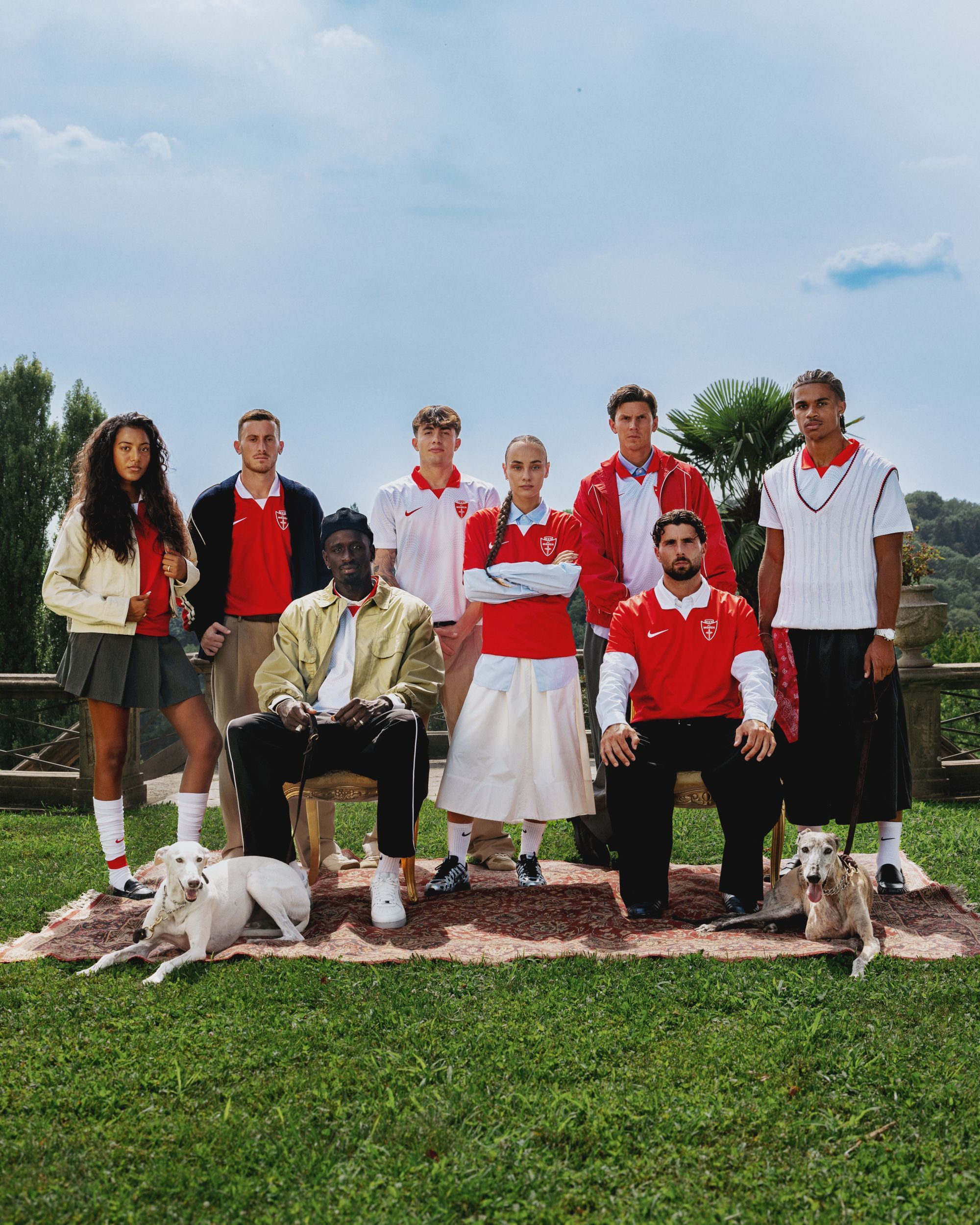
For the season that has just begun, Nike has become Monza’s technical sponsor through GTZ Distribution. Announced on June 12, 2026, the deal marks the end of the club’s Lotto era, which began in 2019 and came to an end after seven seasons. GTZ’s role, however, goes well beyond securing the commercial agreement. The company will oversee and help shape Monza’s technical identity and future partnerships with Nike, acting as the link between the two. But who exactly is this third player? GTZ is an official sportswear distributor that, in this case, acts as a bridge between the club and the US brand. GTZ became an official distribution partner for Nike in 2015, followed by adidas three years later and, subsequently, PUMA. The company’s distribution business in Italy dates back to 2011, when it built on the success of its previous medical supplies operation.
Today, GTZ supplies technical apparel to the academies of Sassuolo and the Italian section of Barcelona, as well as the first teams of Mestre and Velasca within football. In basketball, the two clubs working with the retailer are Aquila Trento and APU Udine, while GTZ’s portfolio also extends to rowing and rugby clubs. This kind of arrangement inevitably lengthens the dialogue between the two main parties, creating a largely indirect relationship, while at the same time bringing international brands within easier reach for a whole range of amateur clubs.
The Nike Contract Pyramid
In September 2020, footyheadlines.com theorized an interesting pyramid to map out Nike’s sponsorship agreements with different clubs. The five tiers differ in terms of the strength of the relationship between the two parties, the value of the commercial deal and the level of customization applied to the products. At the bottom sits the No Contract tier, made up of the countless clubs, mostly amateur sides, that have no formal relationship with Nike but purchase technical equipment directly for their teams. The next step is the 3rd Party tier, reserved for clubs that are connected to the brand through agreements negotiated by third parties. This is the case with Monza and the other clubs mentioned above, which work with retailers to access Nike products. In the middle sits the Standard tier, made up of mid-level clubs that receive match kits based on relatively uniform templates, with colors being one of the few variables. Then comes Premium, a far more closely managed relationship in which Nike customizes both home and away kits, alongside a dedicated sportswear line. Finally, there is Elite, the highest level of the pyramid, where the relationship between club and supplier reaches its peak: major financial agreements, highly exclusive kits, special editions and bespoke commercial campaigns. This is where Europe’s biggest clubs sit, including Inter.
The 30-Plus-Year Inter-Nike Partnership
The Nerazzurri renewed their agreement with Nike in July 2023, extending the partnership through 2032. It is one of the longest-running partnerships in football, having begun in 1998 and set to comfortably pass the 30-year mark. This is a technical sponsorship deal in which Nike oversees the global distribution of the products and promotes them in the market through campaigns where the club takes center stage. Six years after the pyramid was first conceived, however, some of its dynamics have shifted, with an increasing number of teams looking for greater exclusivity in order to build a truly distinctive identity.
This is also opening the door to partnerships with other technical sponsors, perhaps less influential globally but able to offer a greater degree of “customer focus”. This is not intended as a criticism of Nike, which simply cannot provide the same level of service to every club it sponsors or create entirely different designs for each of them. The trend towards a more selective approach to agreements between the US supplier and football clubs appears to be reflected in the numbers: in the 2026-27 season, around 240 teams worldwide are expected to wear the Swoosh on their kits, compared with 860 in the previous campaign and more than 1,000 in 2024-25.
What to read next
Michael Olise is set to become Nike's next Cristiano Ronaldo?
The right man at the right time