














The story of Nou Mestalla Valencia's new stadium A 20-year-old ground that has yet to open
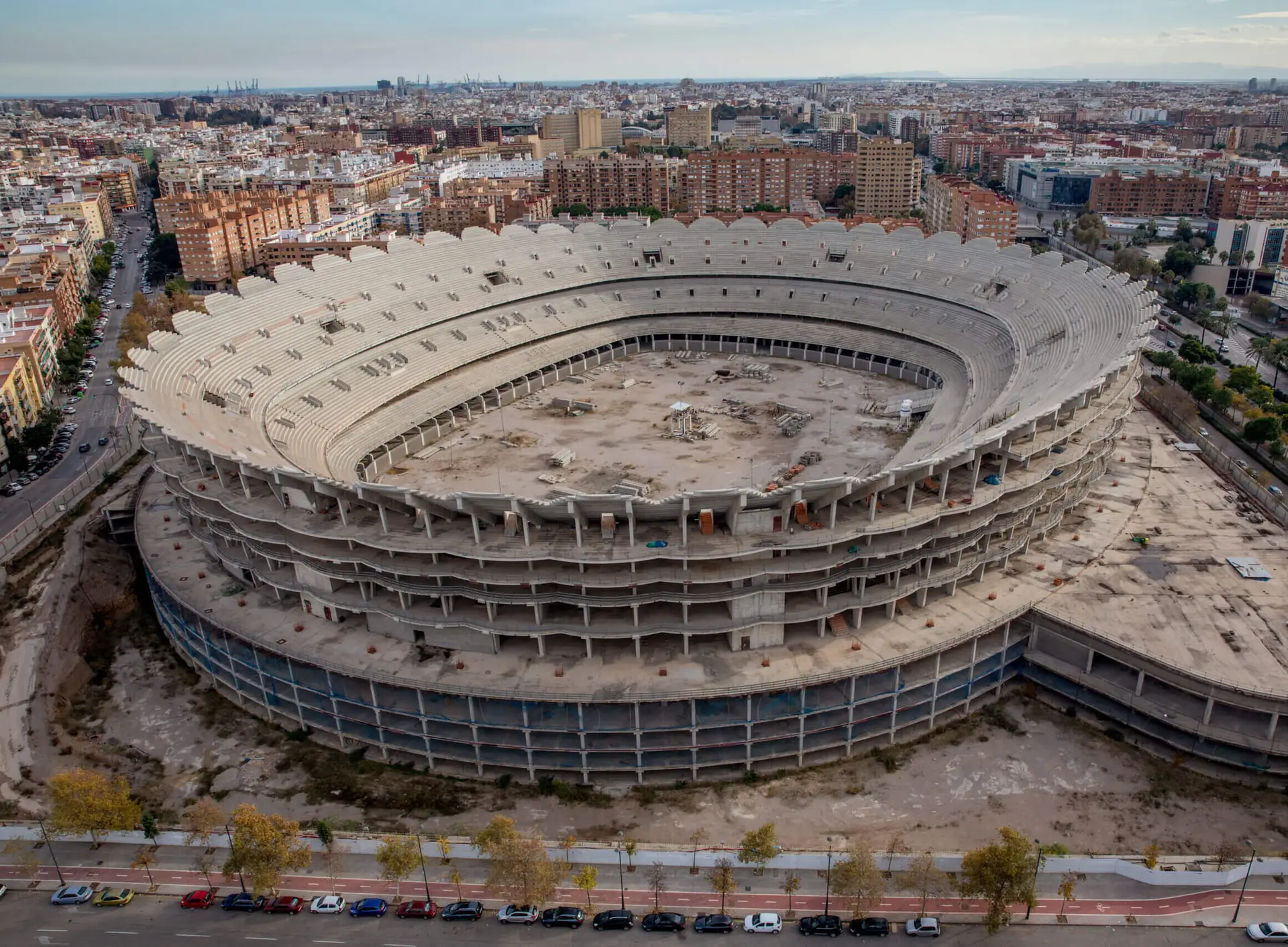
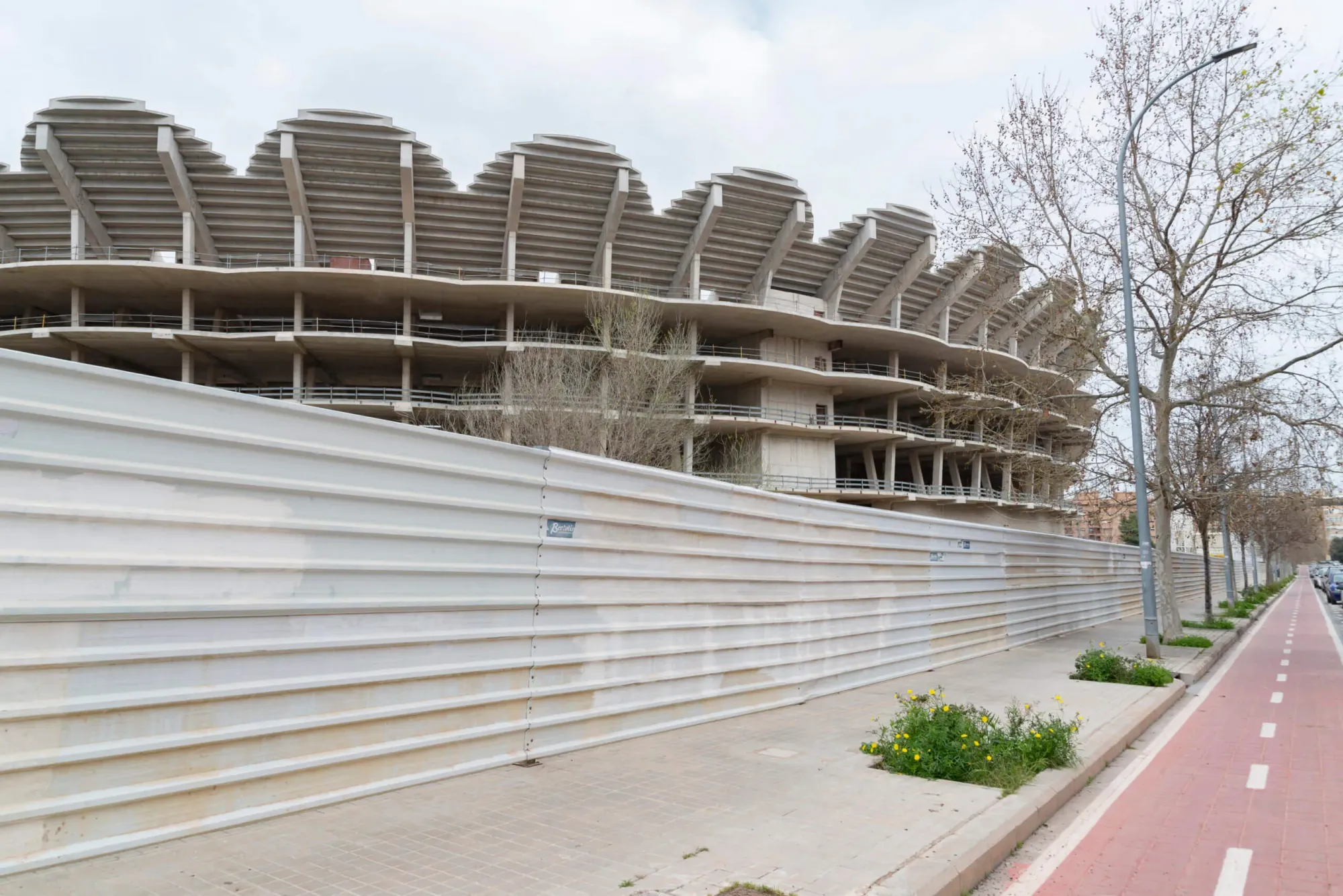
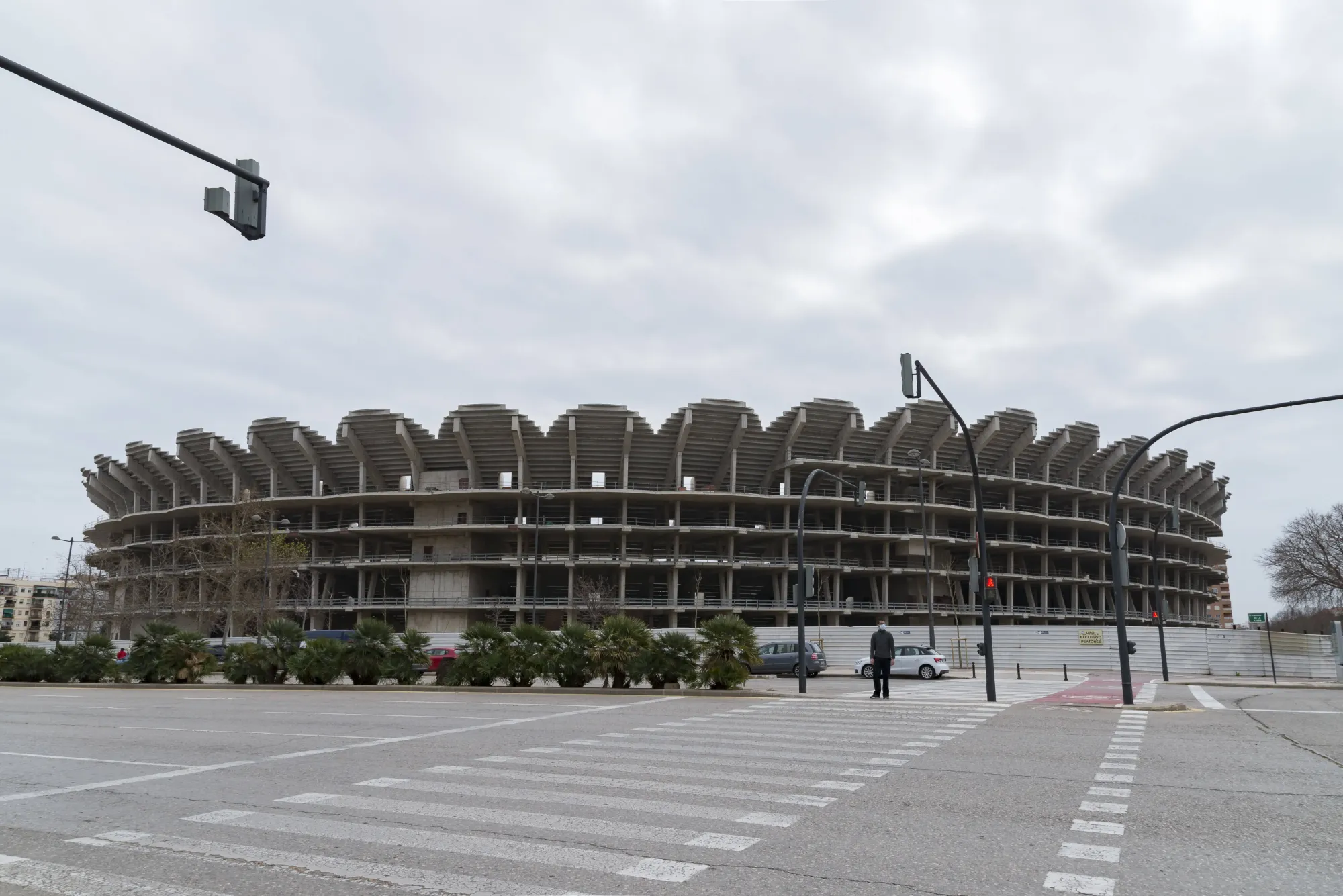
A stadium that has yet to be inaugurated and will soon turn 20 years old. We are talking about Valencia's Nou Mestalla, unveiled in 2006 at the immediate peak of the club's sporting success and left for years as a lifeless concrete giant. Between the start of construction, forced stoppages and several attempts to relaunch the project, as many as six different designs have emerged over the years.
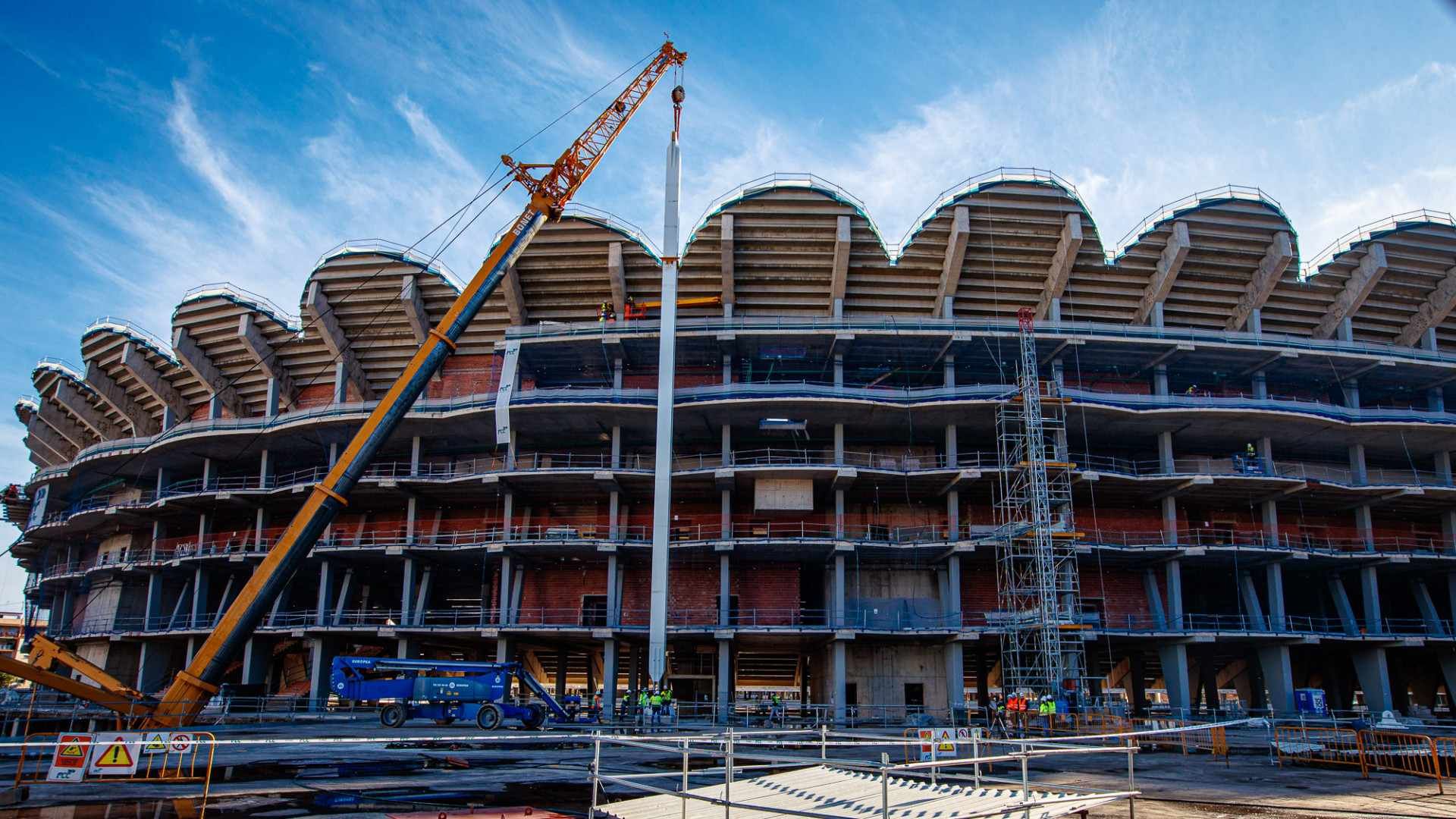
Today, the construction site, which remained dormant for 16 years, is finally in full swing and is about to give the city and the wider autonomous community a new landmark structure, a region already known for a ghost airport that remained unusable until recently. We remain optimistic but superstitious, so we will use the conditional when saying that work on the fascinating stadium, with its strong historical references, should be completed by next summer. The current campaign would therefore be the farewell season to the current Estadio de Mestalla for Valencia supporters, who had almost given up hope and have been in open conflict with Singaporean owner Peter Lim for years, partly because of the stadium saga.
The original project
The story of the Nou Mestalla officially began on 10 November 2006, when the project for a new stadium for Valencia was unveiled against the spectacular backdrop of the City of Arts and Sciences. The driving force behind the project was then-president Juan Bautista Soler, who championed a stadium capable of boosting the club's international competitiveness after a period of sporting success. The blanquinegres had enjoyed an impressive start to the new millennium, winning two La Liga titles, a UEFA Cup, a UEFA Super Cup and reaching two consecutive Champions League finals.
A state-of-the-art stadium would help the club take another step forward, replacing the historic Mestalla, Valencia's home since 1923. The year after the presentation, construction began, precisely on 1 August 2007. The site chosen was the dynamic and densely populated barrio of Benicalap, in the north-east of the city and around 5 km from the Estadio de Mestalla. The original design for the Nou Mestalla, commissioned from renowned architect Mark Fenwick, featured a spectacular external façade inspired by the city's neighbourhoods and the Turia river. Inside, it would accommodate 75,100 spectators, alongside VIP areas, extensive parking and the club museum, while the only request from the city council was to equip the stadium with an athletics track.
The beginning of the troubles
During the third week of preliminary excavations, a significant archaeological heritage was discovered, including a 15th-century bridge and medieval mills. Aside from that, however, there were no major setbacks and the first few months were marked by optimism and momentum. The story began to darken on 26 May 2008, when four workers died in a tragic accident at the construction site while assembling a metal formwork structure. The foundations and main reinforced-concrete skeleton were completed, but in February 2009 everything came to a halt: it emerged that Valencia Club de Fútbol's debt amounted to €547 million, most of it owed to Bancaja, the financial institution involved in funding the stadium.
The 2008 property crisis, which swept across the world, proved crucial to the suspension of construction, completely derailing the planned financing model, which relied on selling plots around the old Mestalla at a predetermined price that had since collapsed. In June, the club's shareholder structure changed and a capital increase was announced to stabilise the situation. Towards the end of 2011, an agreement with a new creditor, Bankia, was officially announced. The idea was to restart construction and complete the stadium by 2014, with the external façade redesigned in blue glass, although without consulting Mark Fenwick. Bankia was forced to terminate the agreement in September 2012 due to restrictions imposed by the ECB and a series of other complications.
Years of prolonged agony and the rebirth
A year later, in 2013, the project underwent a major revision aimed at significantly reducing costs. Capacity was reduced to 61,500 seats, the number of parking spaces was cut and a series of facilities and activities surrounding the stadium were removed. Negotiations over another change in ownership, which eventually brought Singaporean businessman Peter Lim to the helm, once again brought everything to a standstill. The new target was to open the Nou Mestalla in time for the club's centenary in 2019, but it soon became clear that this would be impossible. In the following years, the club's institutional paralysis deepened existing concerns among local authorities. Missed deadlines and unfulfilled commitments eventually escalated to the point where the club's obligations were terminated, placing the Nou Mestalla firmly on the sad list of unfinished projects.
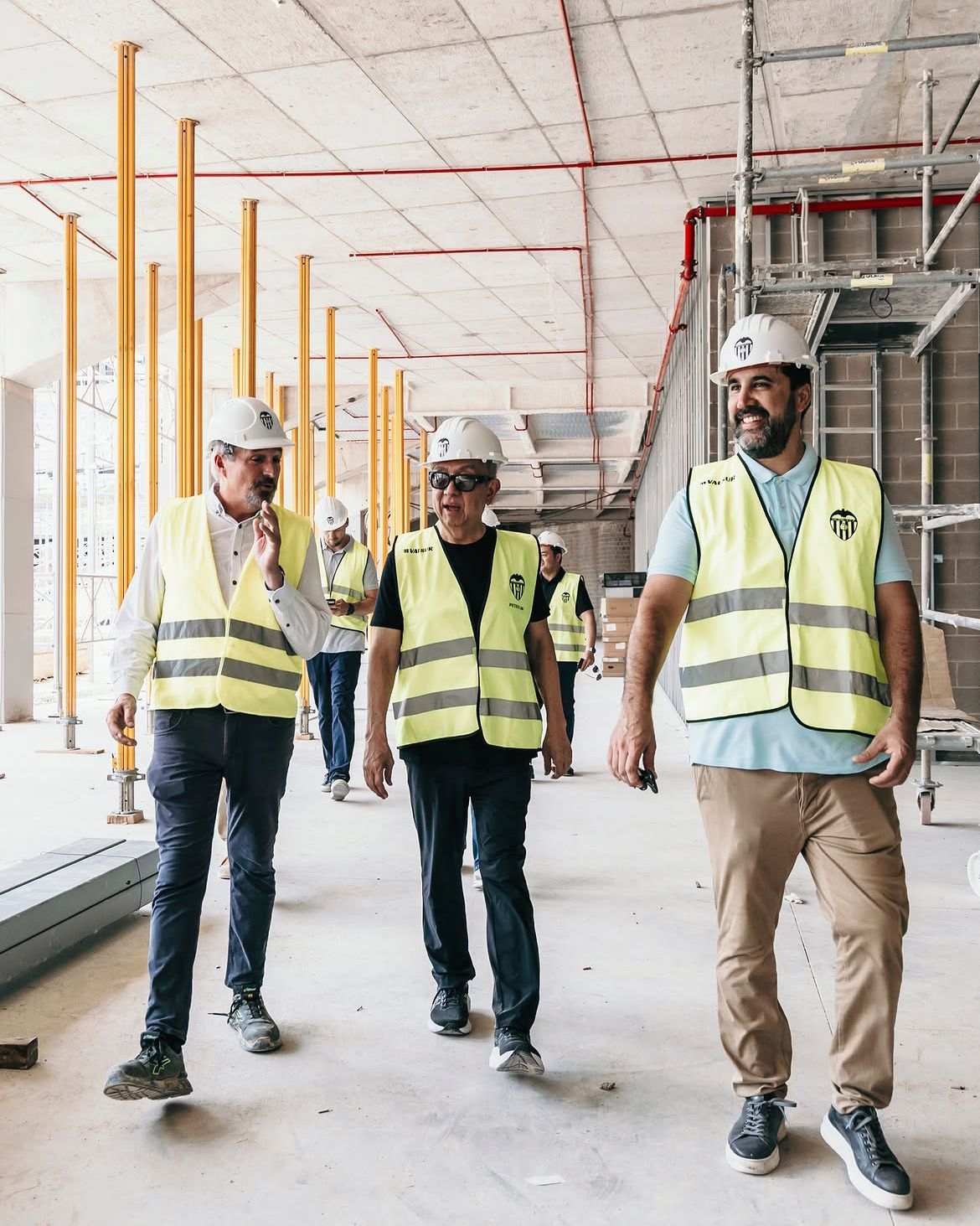
In 2023, a new glimmer of hope appeared with Spain's successful bid to host the 2030 World Cup, with Valencia eager to return to the list of host cities by putting forward the hypothetical future stadium. Bureaucratic procedures were accelerated to facilitate the club's return to construction, which had to begin by January 2025. The RFEF, however, ultimately left Valencia out of its initial selection. The club nevertheless received funding through the LALIGA Impulso investment project, in partnership with CVC Capital Partners, as well as from the sale of land surrounding the new stadium. Construction finally restarted on 10 January 2025, 16 years after the stoppage that had turned the entire saga into a meme. A key role in the process was also played by a major financial institution such as Goldman Sachs.
What will the Nou Mestalla look like?
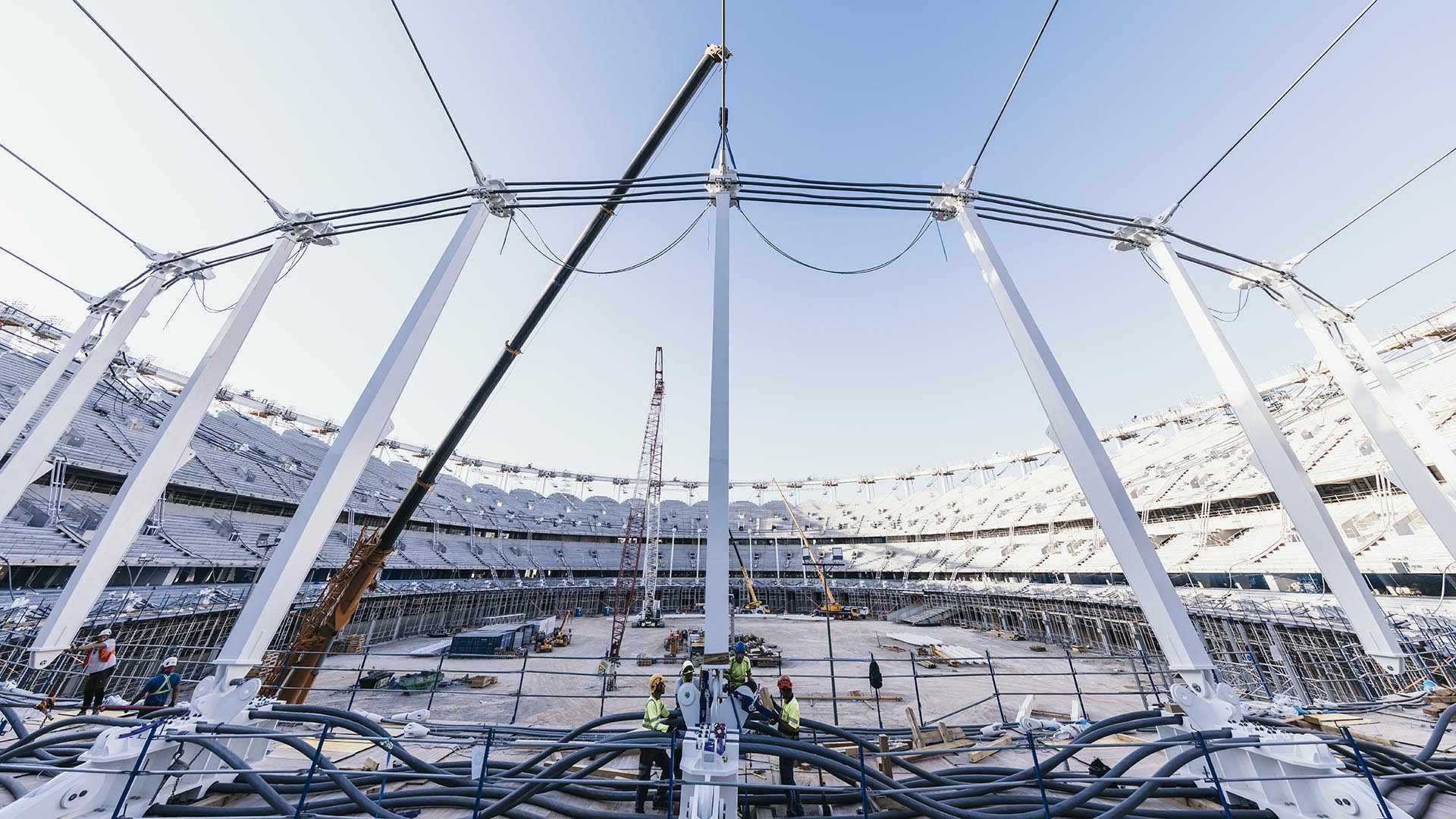
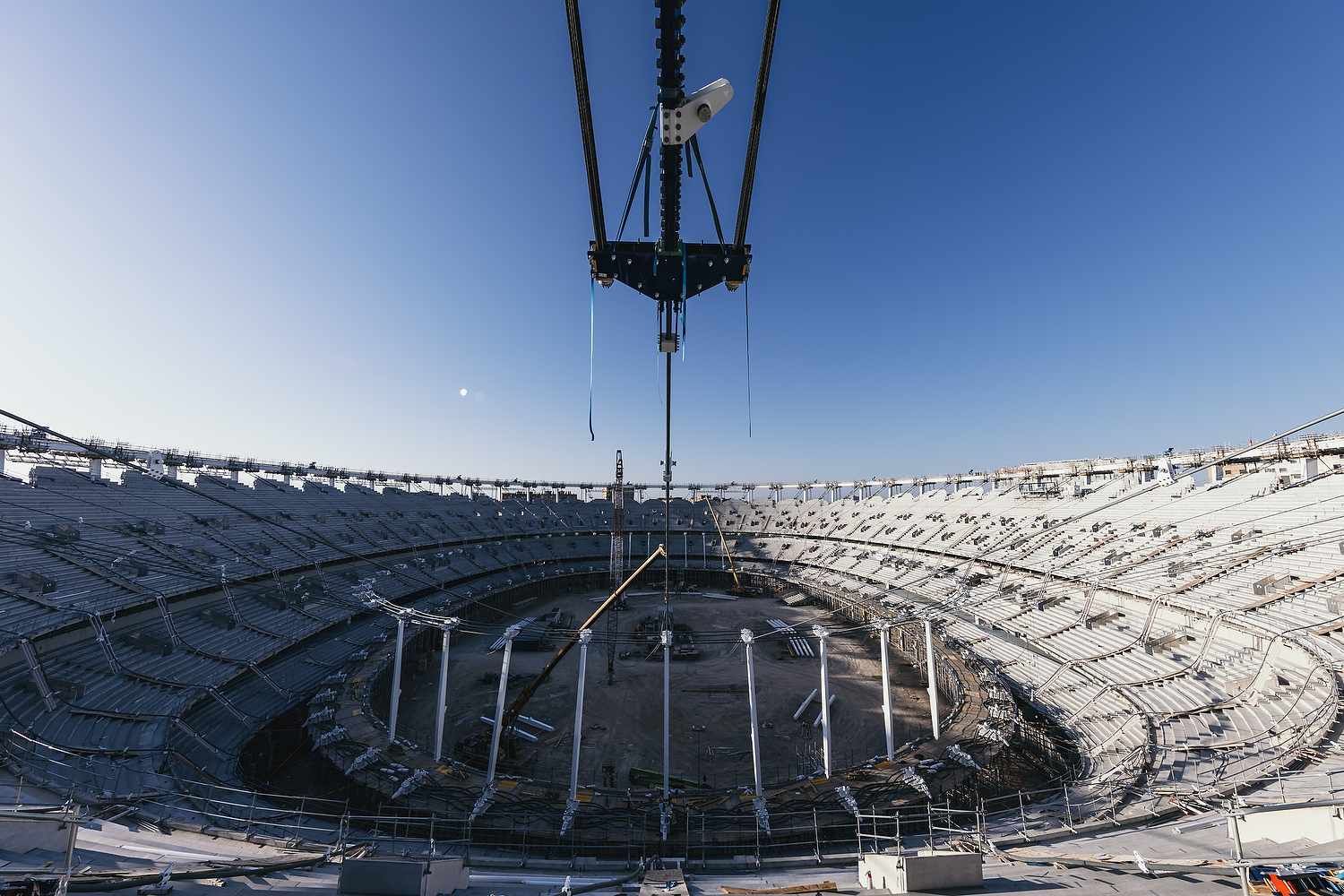
The final design, still developed by Fenwick Iribarren Architects, differs significantly from some of the original ideas, taking a bold and distinctive direction. The structure will draw inspiration from the Greek tholos, a circular building surrounded by columns, traditionally used for classical temples. The result is the feeling of a true arena spanning the centuries and creating a historical bridge between antiquity and the contemporary world, where the club's identity meets the Mediterranean spirit. A sequence of 50 steel columns will support the roof structure, which will be covered by a translucent membrane, providing a lightweight and efficient solution capable of covering large areas, alongside photovoltaic panels.
The new planned capacity is 70,044 seats, spread across three tiers. These will include 6,500 hospitality seats, including the Bronce Club, priced at €2,150 per season and offering access to a terrace of more than 1,000 square metres with outdoor balconies. Some of the seats, with a generous amount of space between them, will be bright orange, while the remaining black seats will create a giant black bat, the symbol of both the team and the city. The final rows of the upper tiers will have a semicircular shape, making them resemble giant petals when viewed from both inside and outside the stadium.
The name Nou Mestalla has never been called into question since 2006. However, negotiations over naming rights with major sponsors are still ongoing, with commercial partners set to join the original name. More broadly, the vision follows that of modern stadiums, conceived as multifunctional destinations active 365 days a year, hosting cultural, social and gastronomic activities. The stadium is expected to be delivered next summer, with a final deadline set for 11 July 2027. Time is running out, yet optimism has finally returned and is now backed by tangible progress: the stadium is currently considered 78% complete, according to specialist website Amunt Mestalla, which provides weekly updates on the construction and maintains an interesting photographic archive of the stadium. Furthermore, following the withdrawal of some of the venues initially selected by the federation, a sensational return of the Nou Mestalla to the running for the 2030 World Cup was suggested in July, which would represent the perfect finishing touch for the city and the stadium's rebirth.