
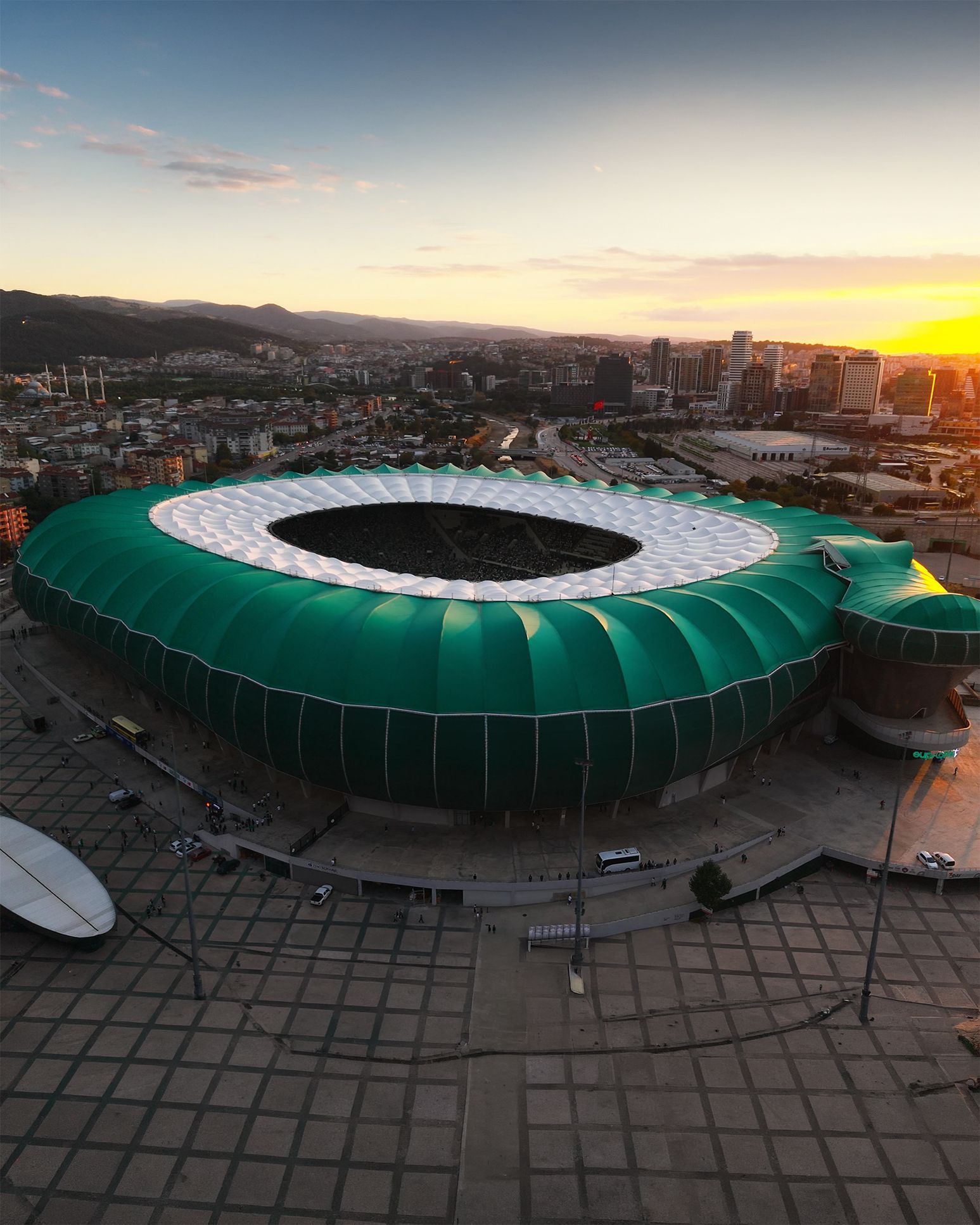
Why is Bursaspor's stadium shaped like a crocodile? Welcome to the Timsah Arena
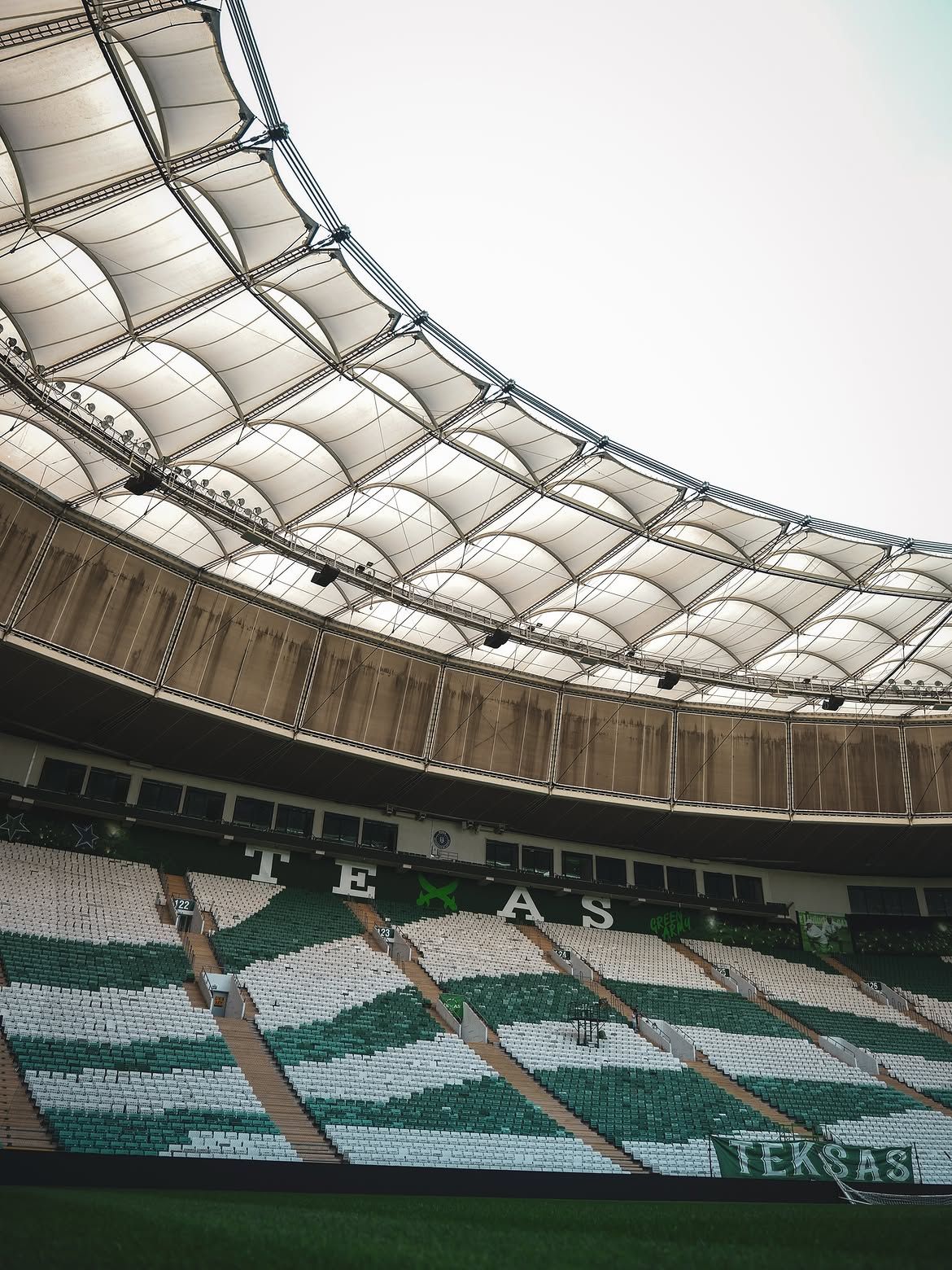
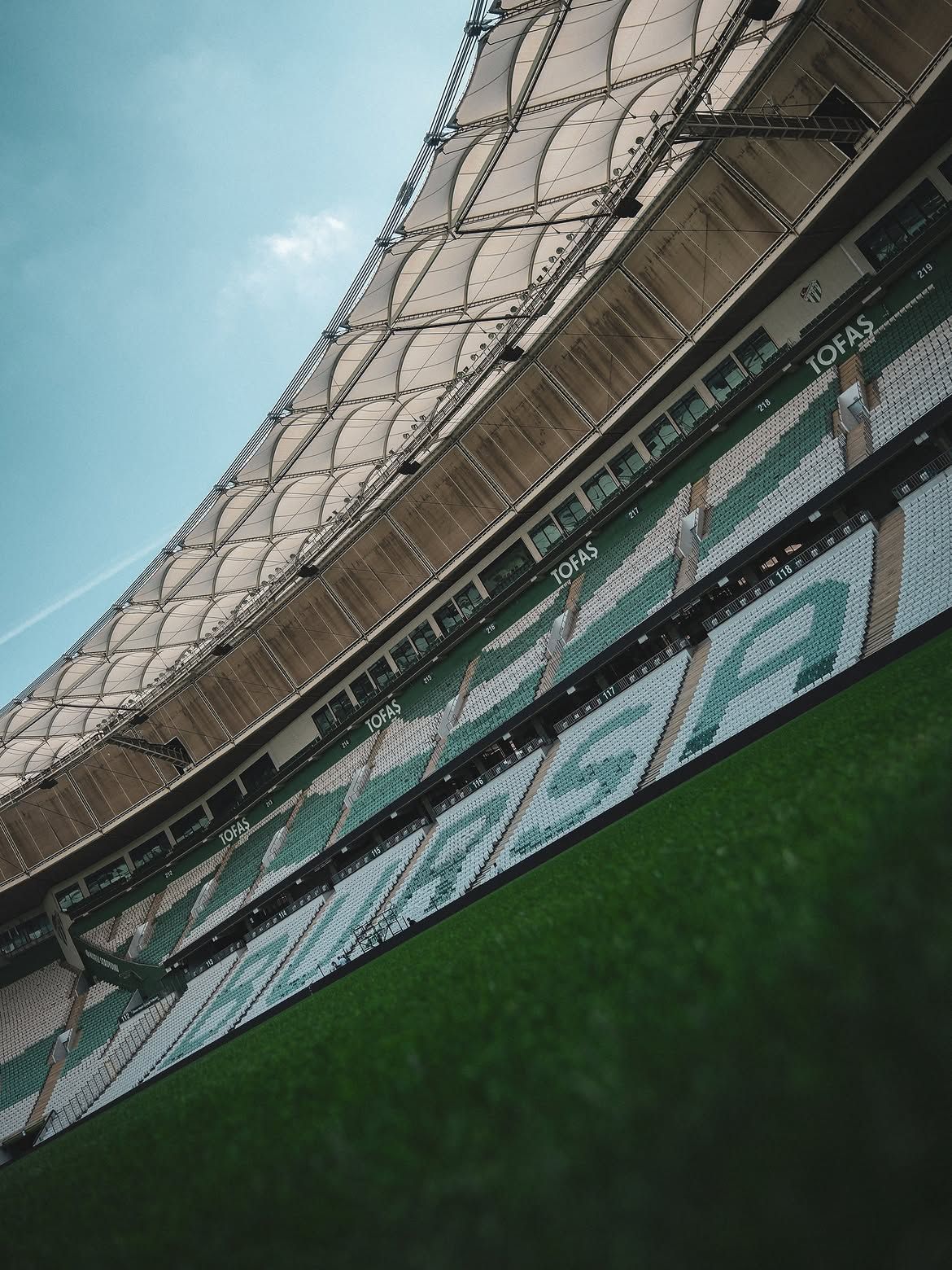
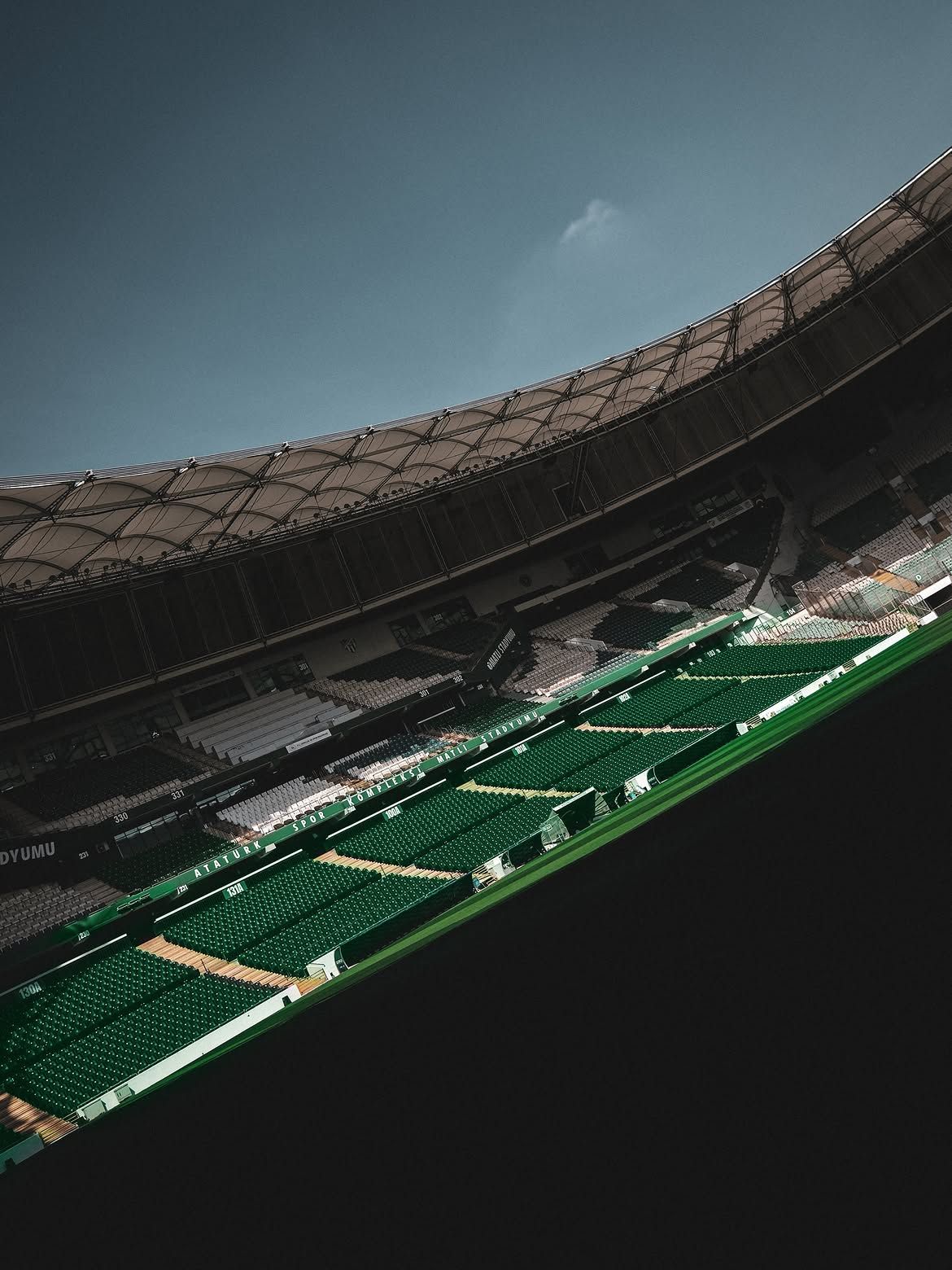
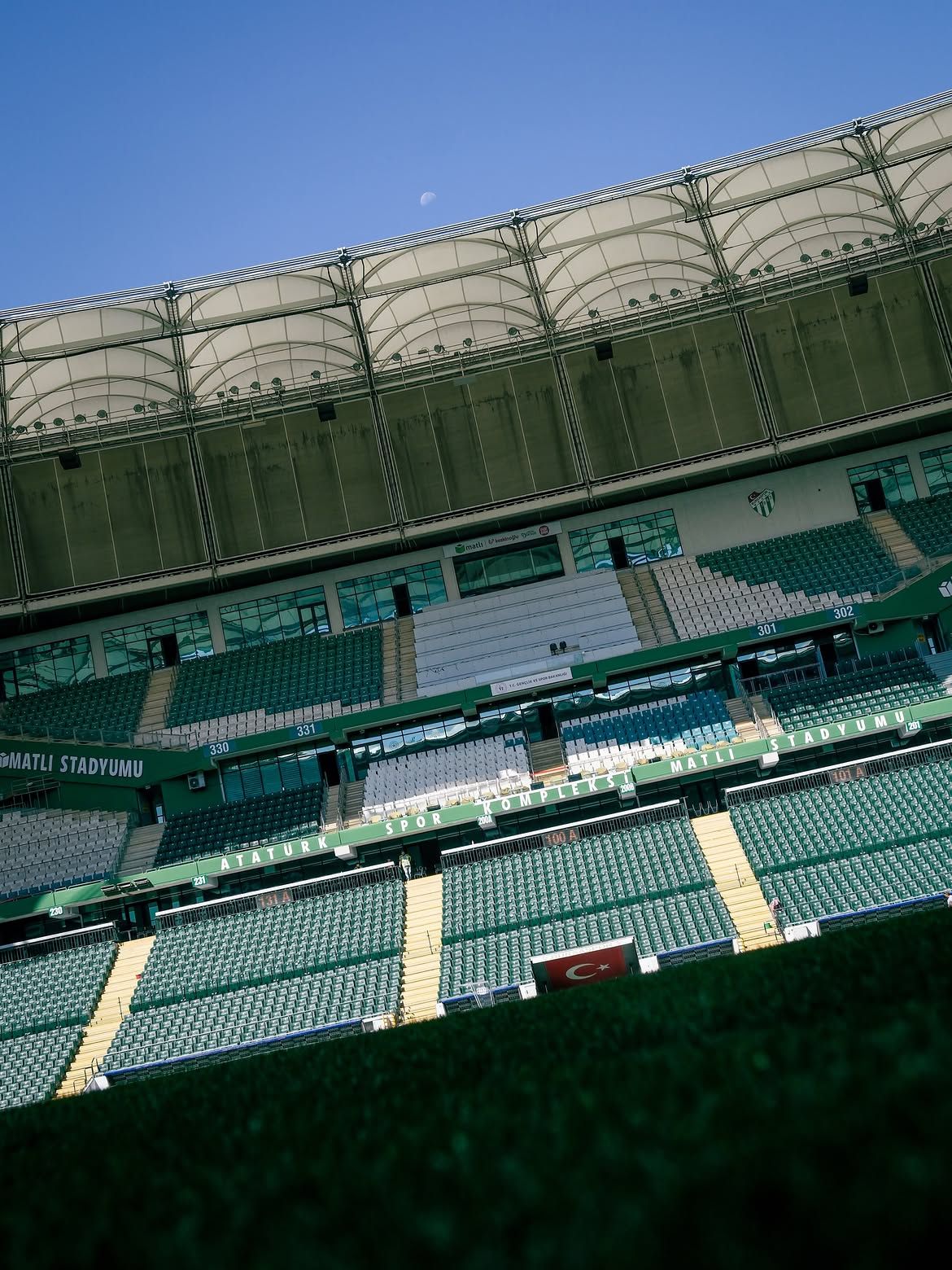
The Italy national team will face Turkey in their second Nations League fixture. After losing 2-0 against Belgium in their opening game of the competition, Roberto Mancini's Azzurri are set to travel to Bursa, to what UEFA officially refers to as the Atatürk Spor Kompleksi. However, this is neither the stadium's current name, which following the sale of its naming rights is officially the Atatürk Spor Kompleksi Matlı Stadyumu, nor its original name. The stadium was originally known as Timsah Arena, meaning Crocodile Arena.
Why Timsah Arena is shaped like a crocodile
The reference to the crocodile is anything but accidental. First of all, Bursaspor, the team that plays its home games at Timsah Arena, has a crocodile as its mascot and is nicknamed Yeşil Timsahlar, meaning The Green Crocodiles in Turkish. Green is one of the club's two club colours, alongside white, and beyond appearing on the team's kits, it can also be found on one of the stadium's most striking architectural features: a crocodile's head.
@stadiumdb This stadium is a GIANT CROCODILE This isn’t CGI — it’s real. In Bursa, Turkey, Timsah Arena was built to reflect Bursaspor’s identity as the “Green Crocodiles.” The entire structure mimics a reptile: a scaly green roof, a massive crocodile head, and even glowing eyes at night. Fans literally walk into the stadium through its mouth. Opened in 2015 with a capacity of over 43,000, it’s one of the boldest and most unique stadium designs in the world.
original sound - StadiumDB.com
This is no exaggeration. The stadium's exterior was designed to replicate the shape of a crocodile, with its head positioned above the north stand. It was designed as if the crocodile were holding its mouth open, with the pillars inside arranged to resemble its teeth. To make the structure even more lifelike, eyes were added in the form of two small white inserts on the light-green membrane that covers the entire exterior of the stadium, while a white section was added to the roof. The lower part of the external covering is also green, but in a darker shade.
The crocodile's head was completed in 2018, almost three years after the stadium officially opened in 2015. A bizarre detail, perhaps, but one that carries a strong emotional value for the fans and has become an integral part of what makes the stadium one of the most recognisable and unusual in the world.
Bursaspor's stadium
As mentioned, the stadium opened in 2015 after four years of construction, with the most widely accepted estimate putting the cost at just over €55 million. The stands follow a single-tier layout behind both goals, while the two central sections are arranged across two levels. All four stands are connected as one continuous structure.
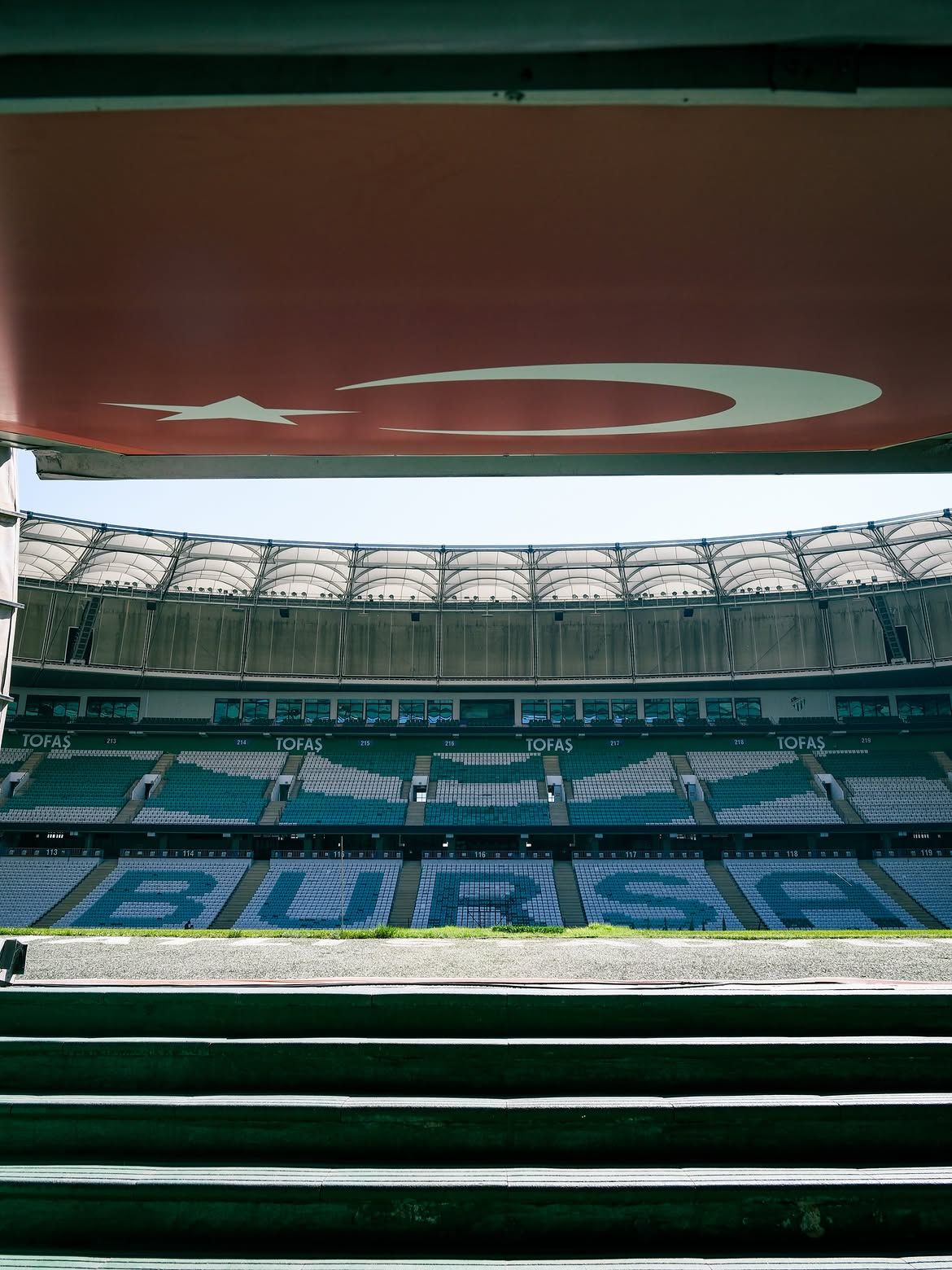
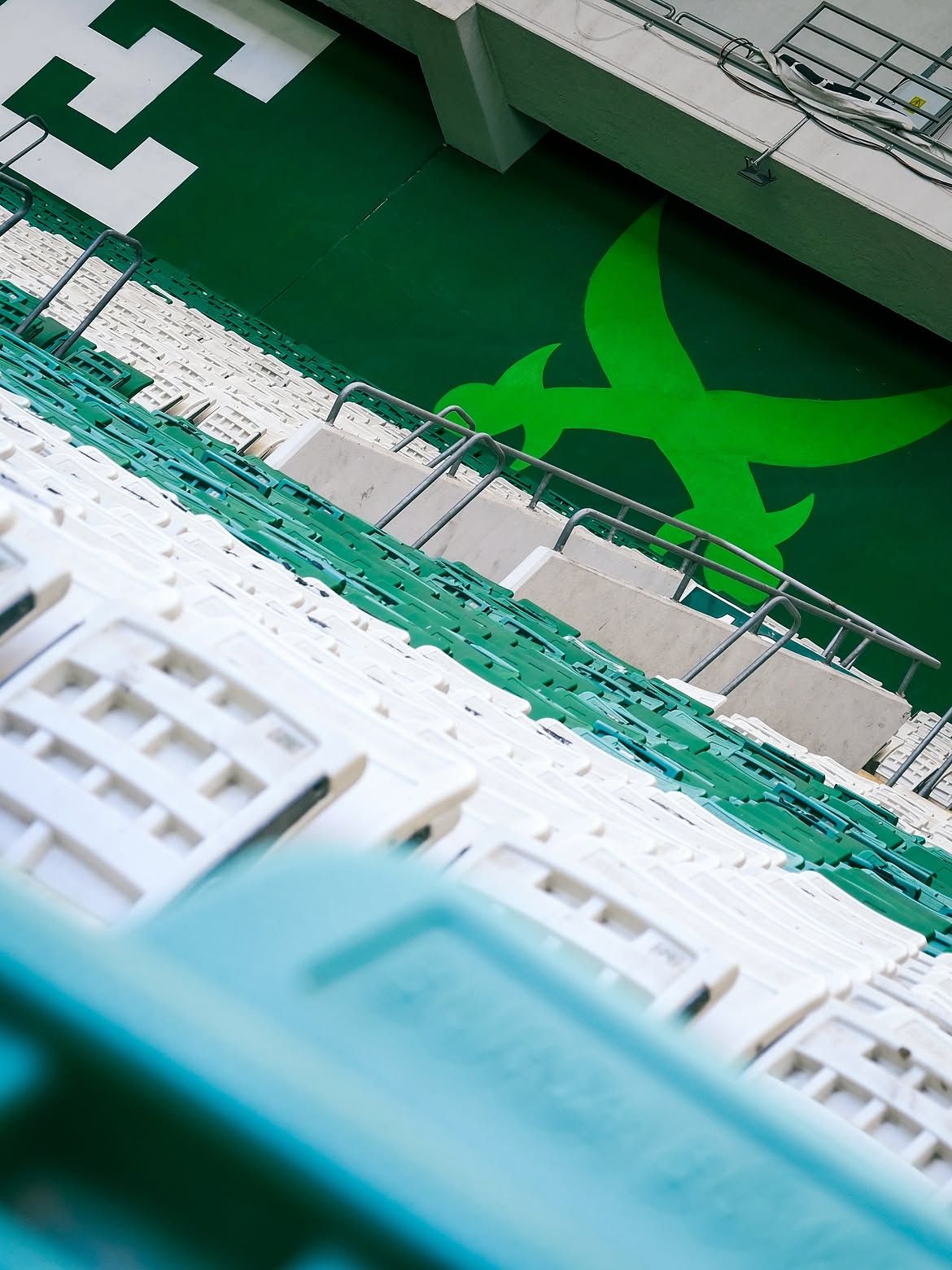
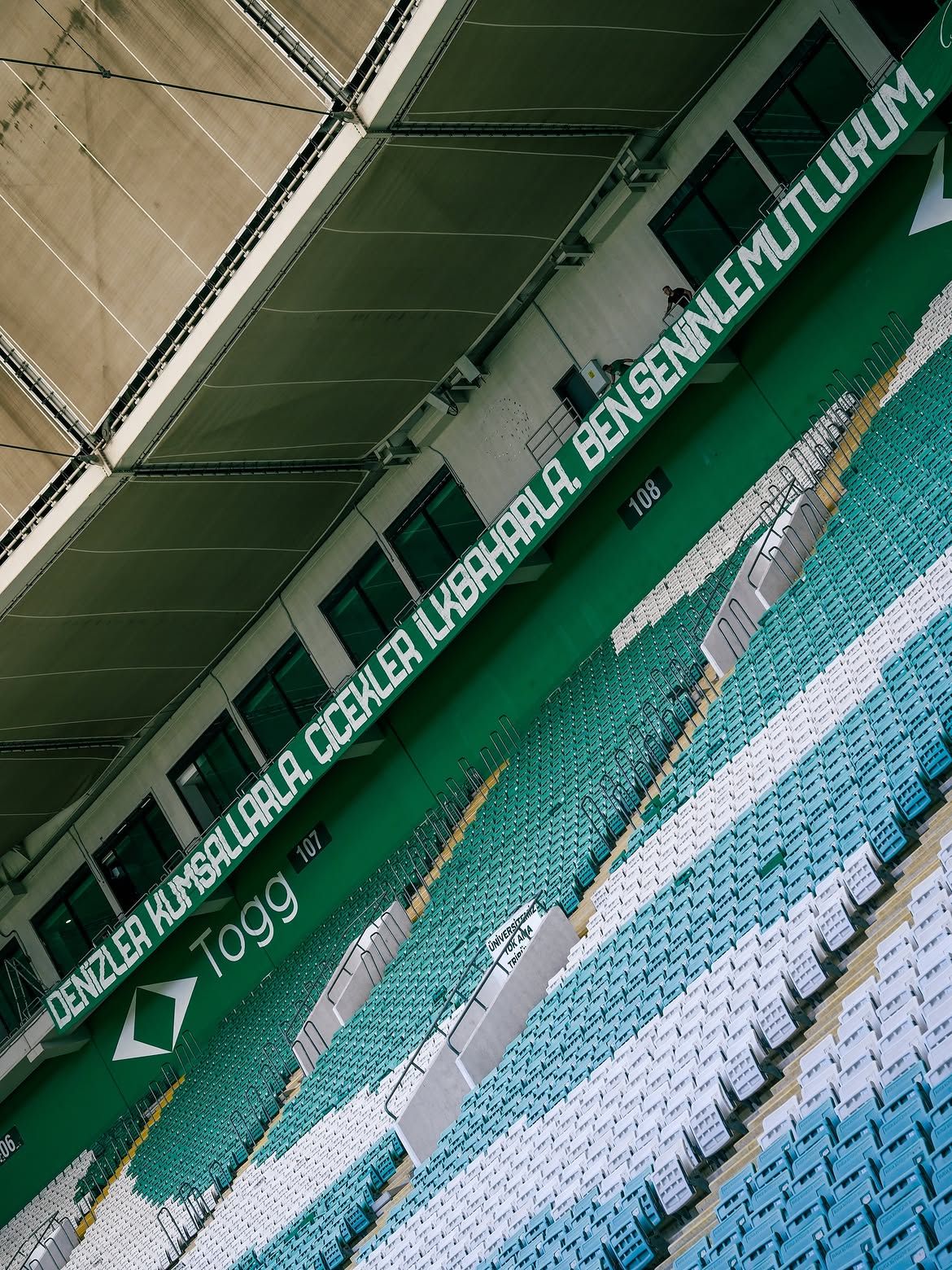
The seats are white and green, reflecting the club's colours. Aside from the word BURSA displayed along the lower section of one of the two central stands, the green seats are arranged in a wave-like pattern that creates a sense of movement and depth across the stands when they are not filled with fans. The stadium has a total capacity of just over 43,000 seats.