Prada Linea Rossa and Red Bull push the limits of skateboarding Diego Poncelet has become the fastest skateboarder ever
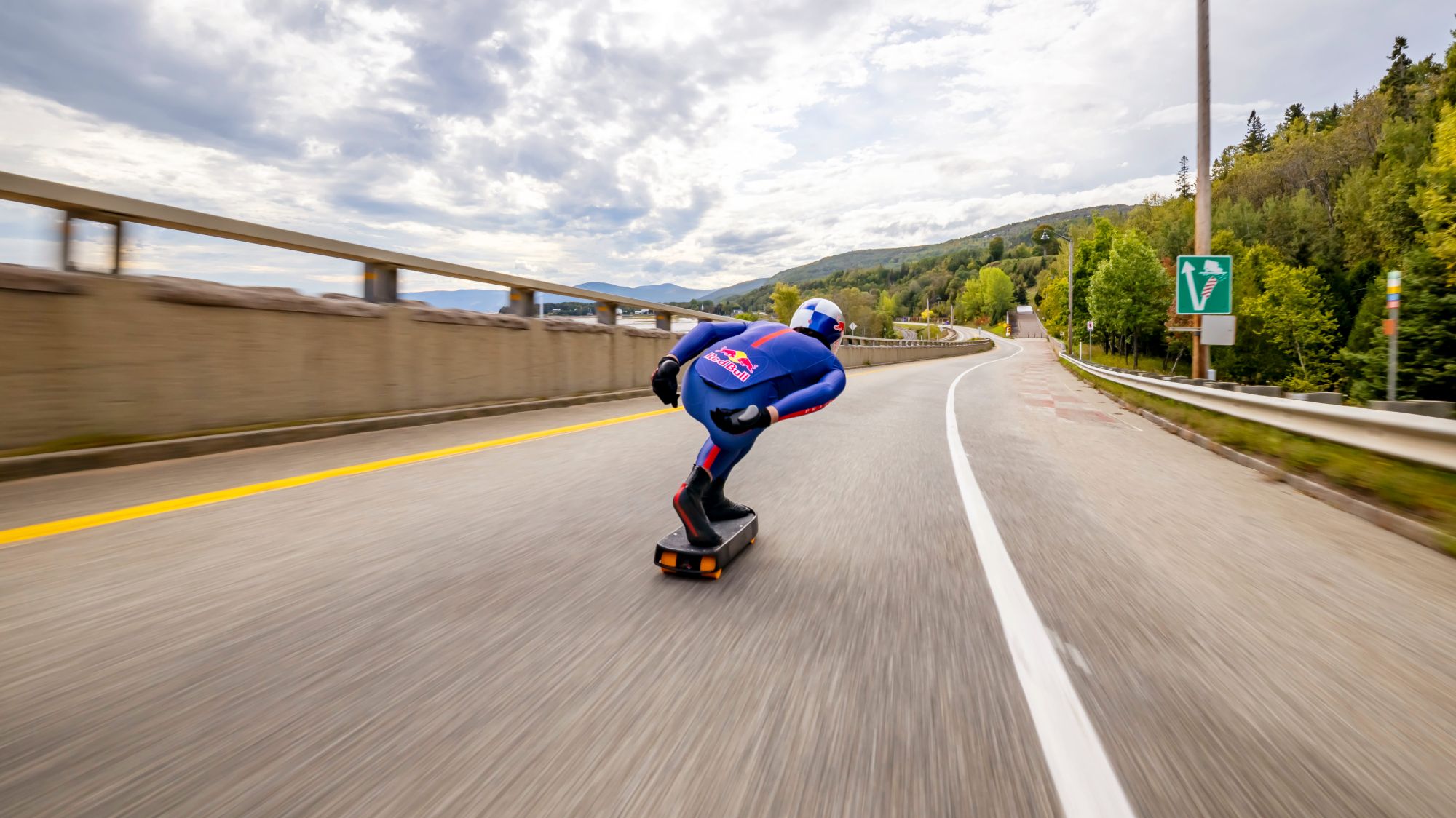
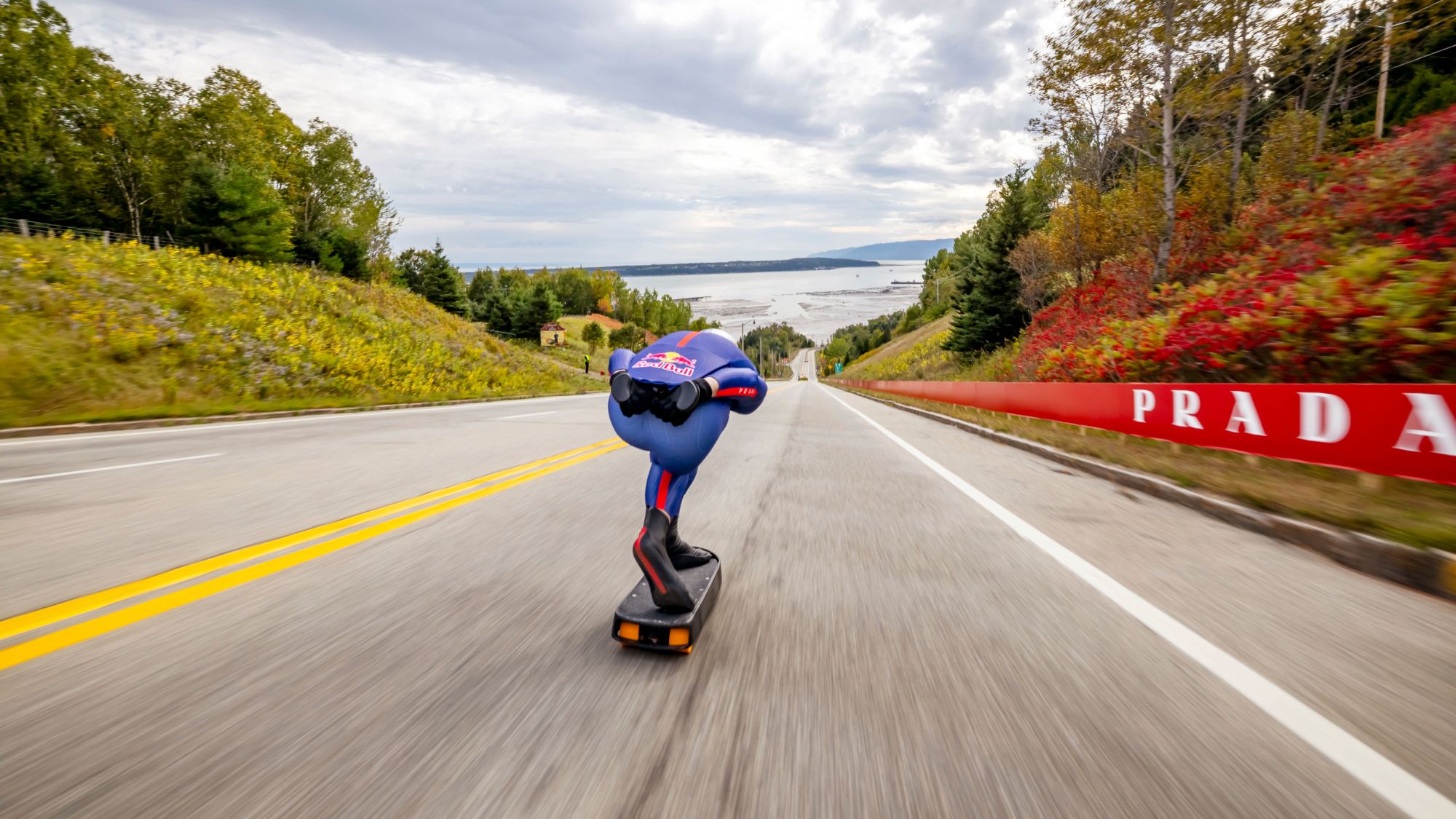
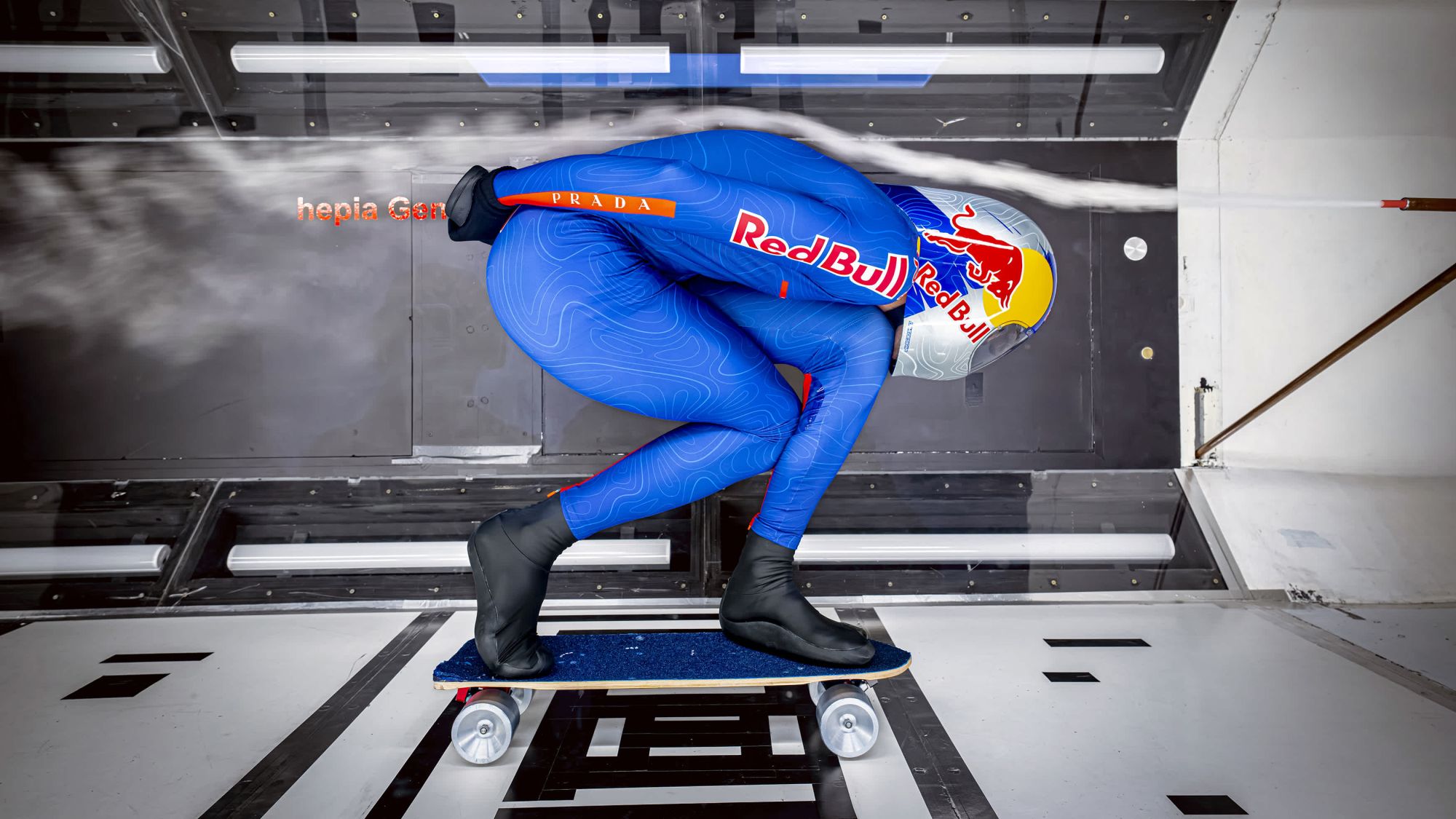
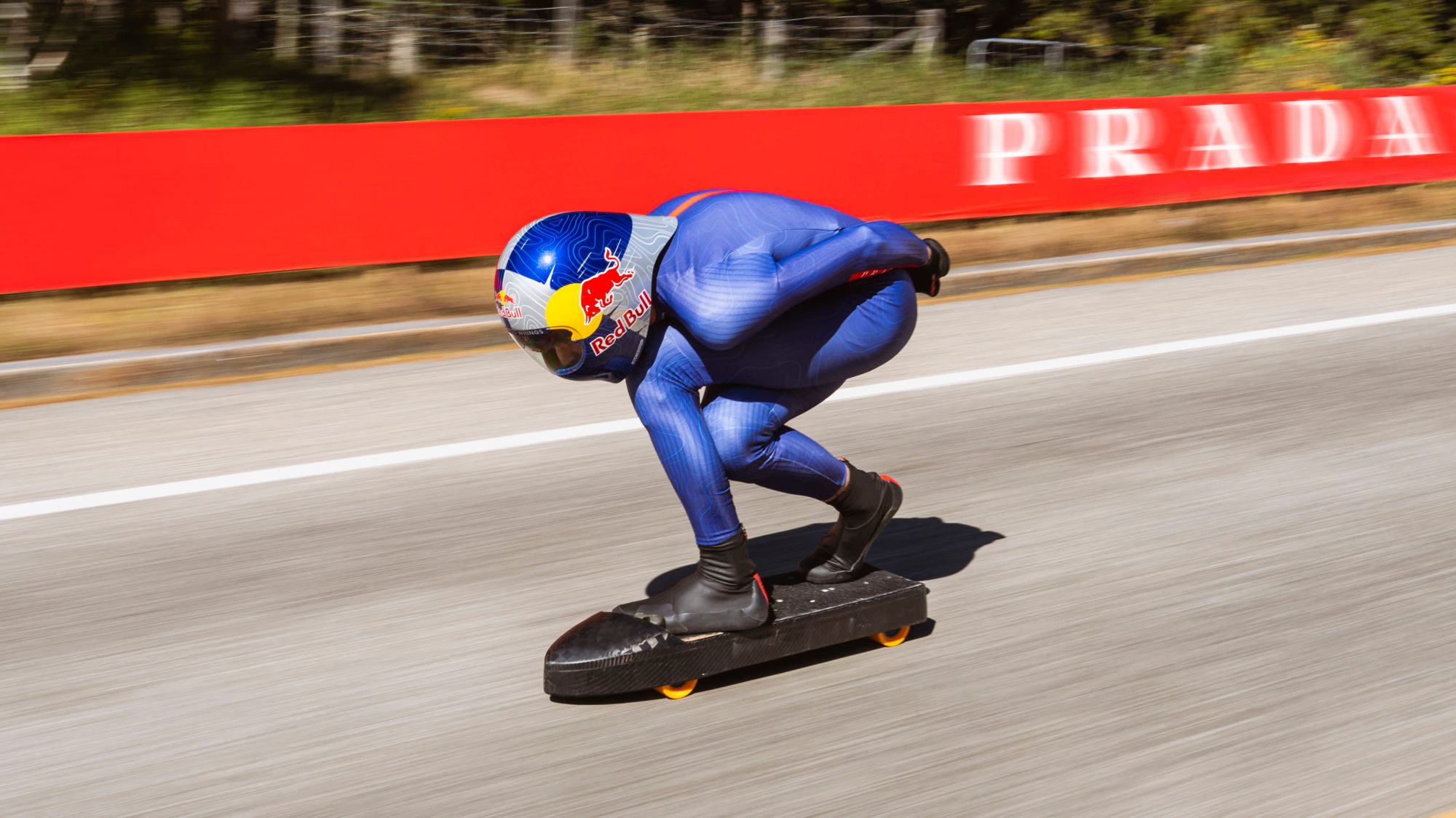
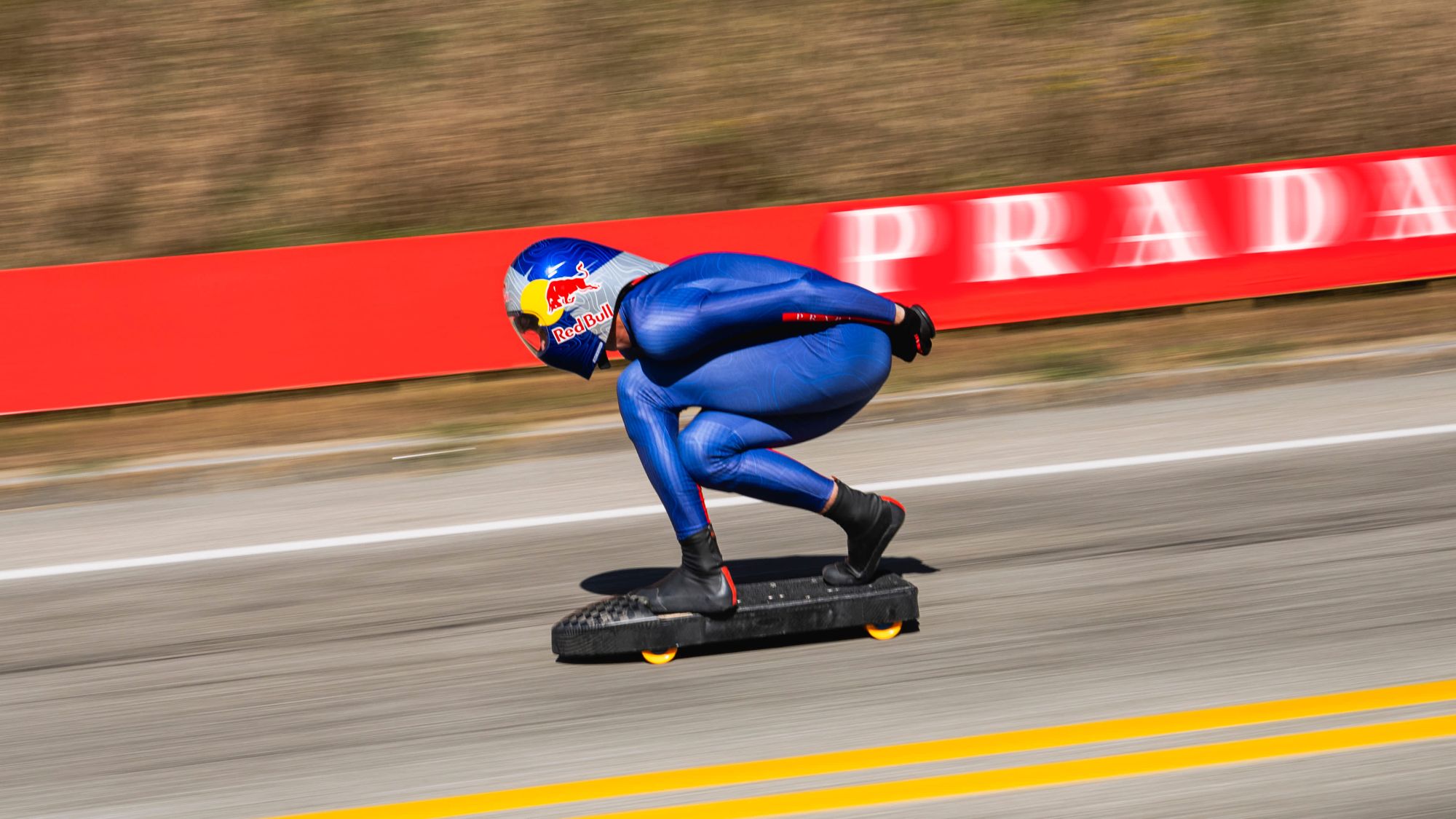
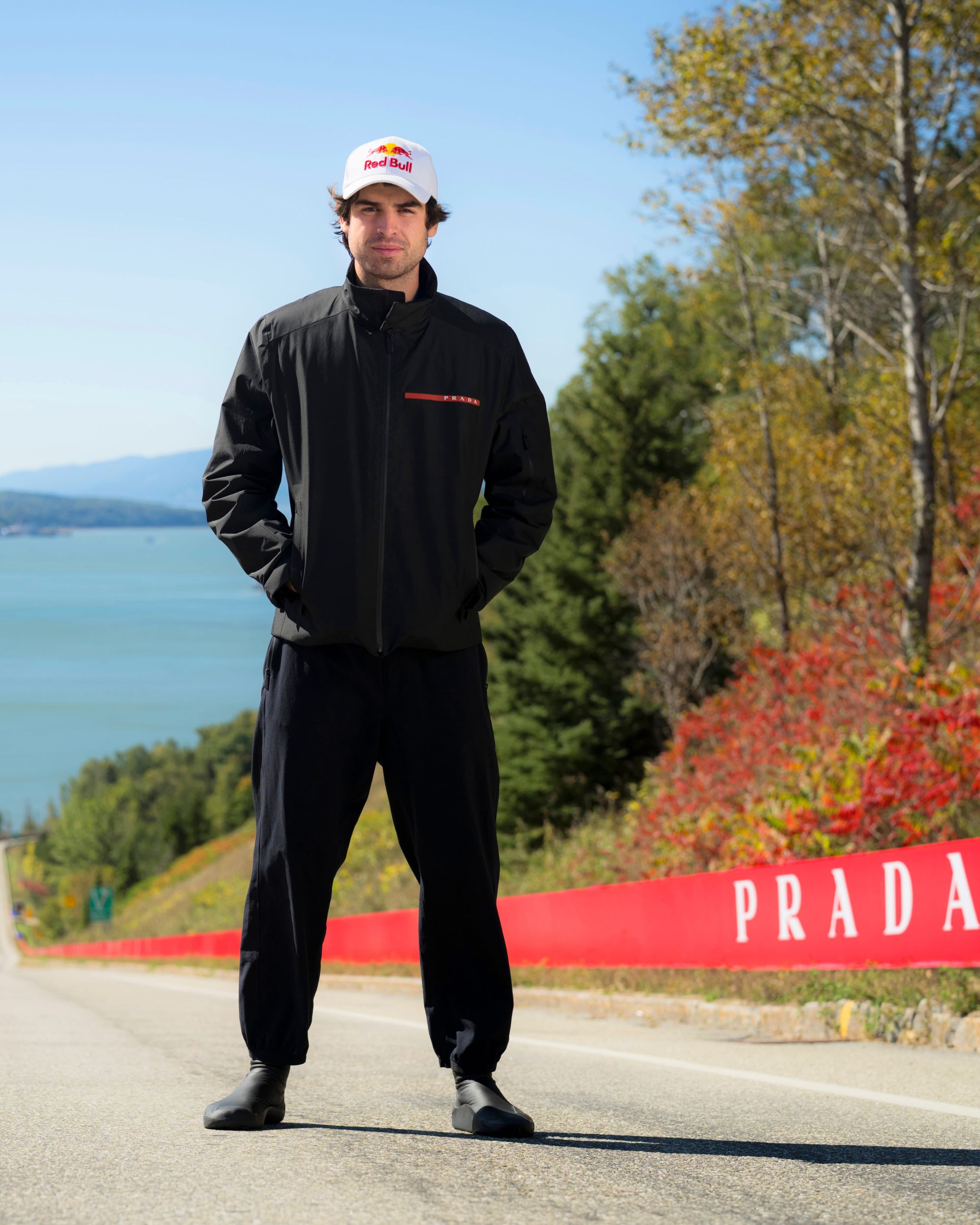
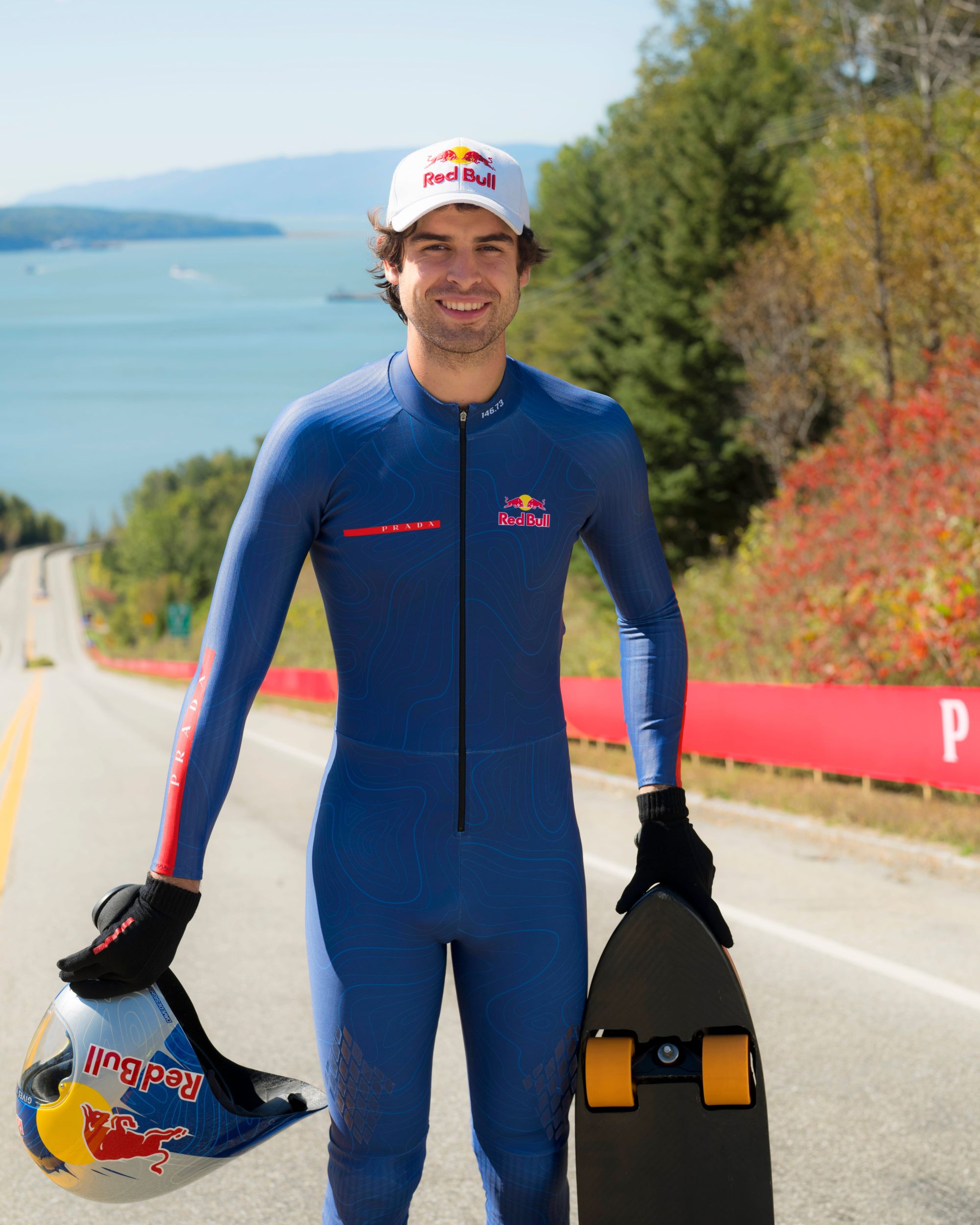
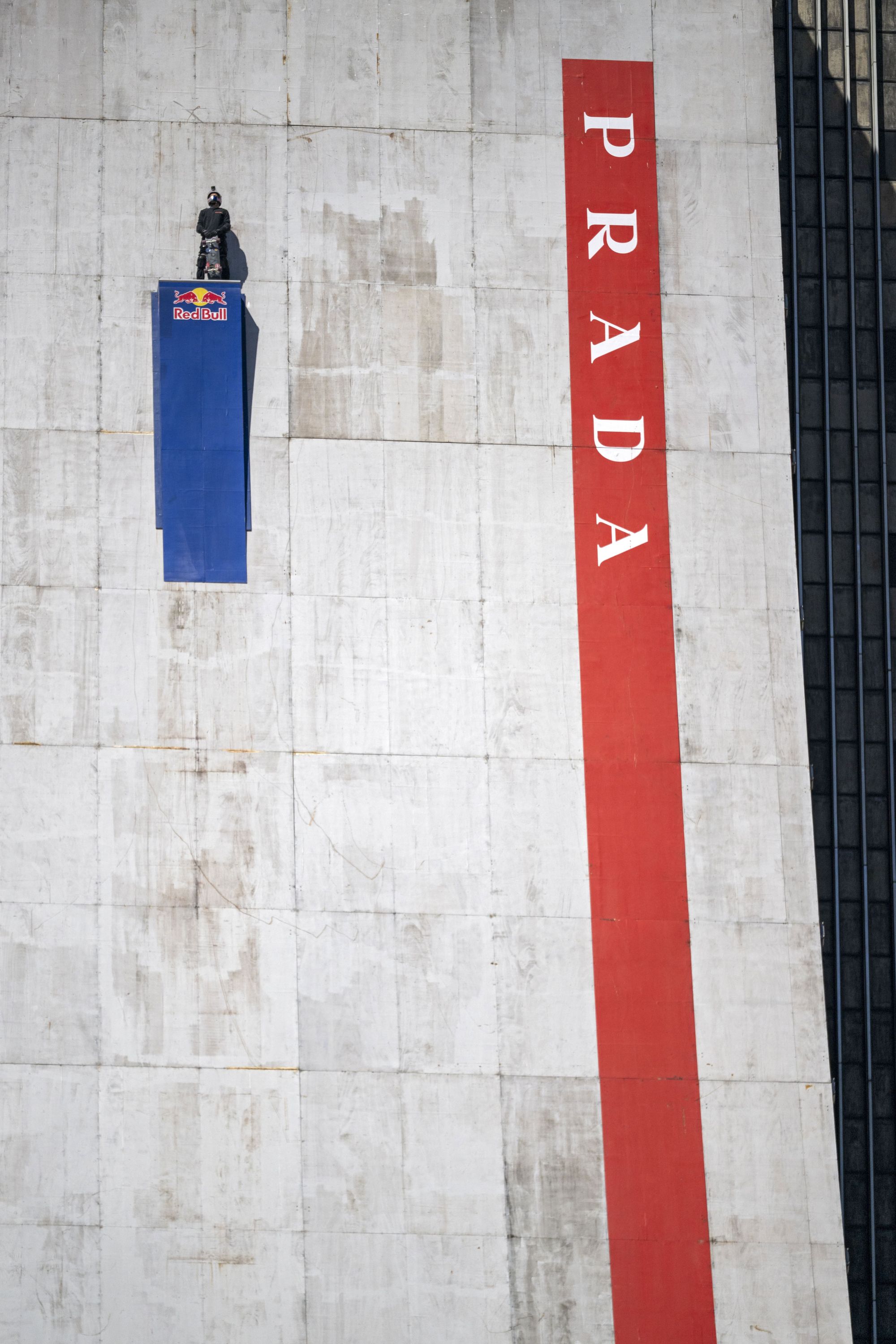
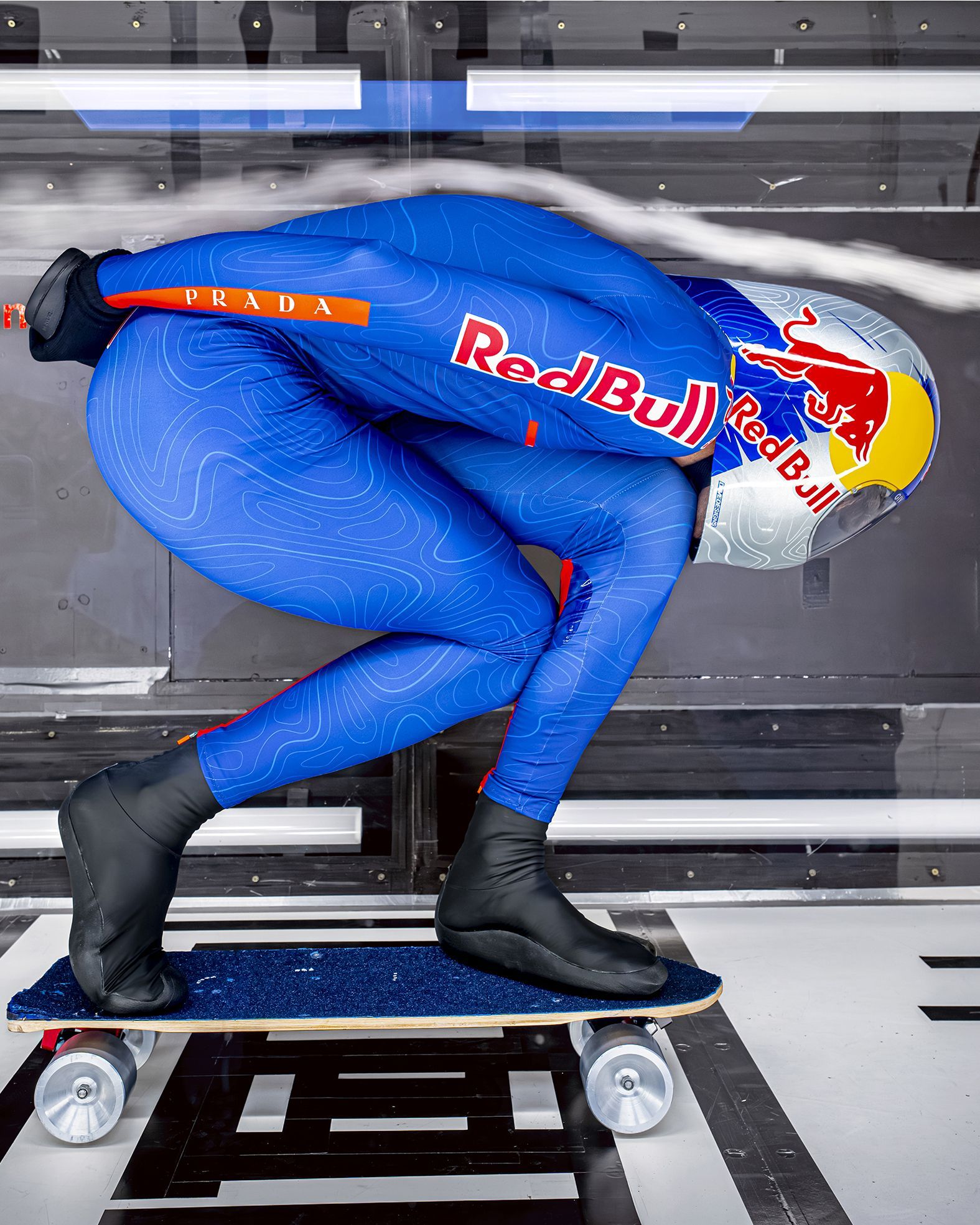
What does it take to become the fastest skateboarder ever existed? Well, first of all you need to be fast. And Red Bull’s Diego Poncelet nailed it when he reached a record speed of 151.83 km/h on a closed section of Route des Éboulements in the Charlevoix region of Québec, Canada. To do so he worked closely with Prada Linea Rossa in order to develop custom-made shoes and gloves for the record attempt. "Innovating with gear was crucial to break the 150 km/h barrier. Shoes are my point of contact with the board, which makes them crucial for feel, stability, and aero - explain us Diego - . The team at Prada Linea Rossa not only managed to adapt to the requirements of the challenge in a short amount of time, but most importantly, they made the best shoes I’ve ever tried.
Indeed, I broke my personal best speed on my first ever run with them, something unthinkable with any other pair. Their success can be attributed to the team’s out of the box thinking, which let them come up with solutions that had never been attempted in my sport. Through their asymmetric design, they built a front shoe that maximised stability and a rear shoe that minimised air resistance. A D30 sole dampened vibrations and increased my stability, while an integrated rubber sole lowered my center of gravity. In terms of the gloves, a puck moulded to the shape of my palm provided an brake in case of an emergency, while the minimal design let me adopt a better hand position."
Prada Linea Rossa and Red Bull: Pushing the Limits
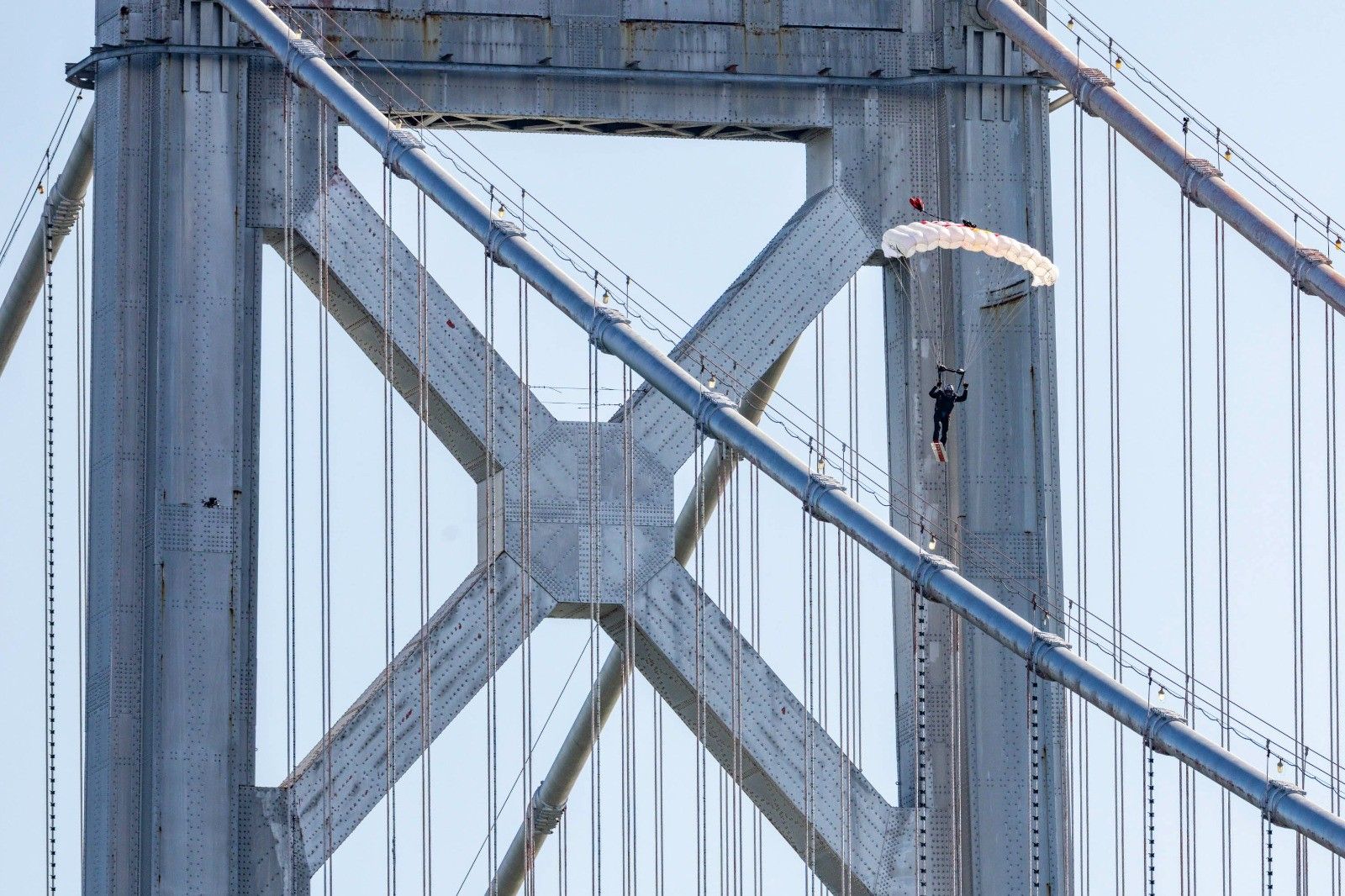
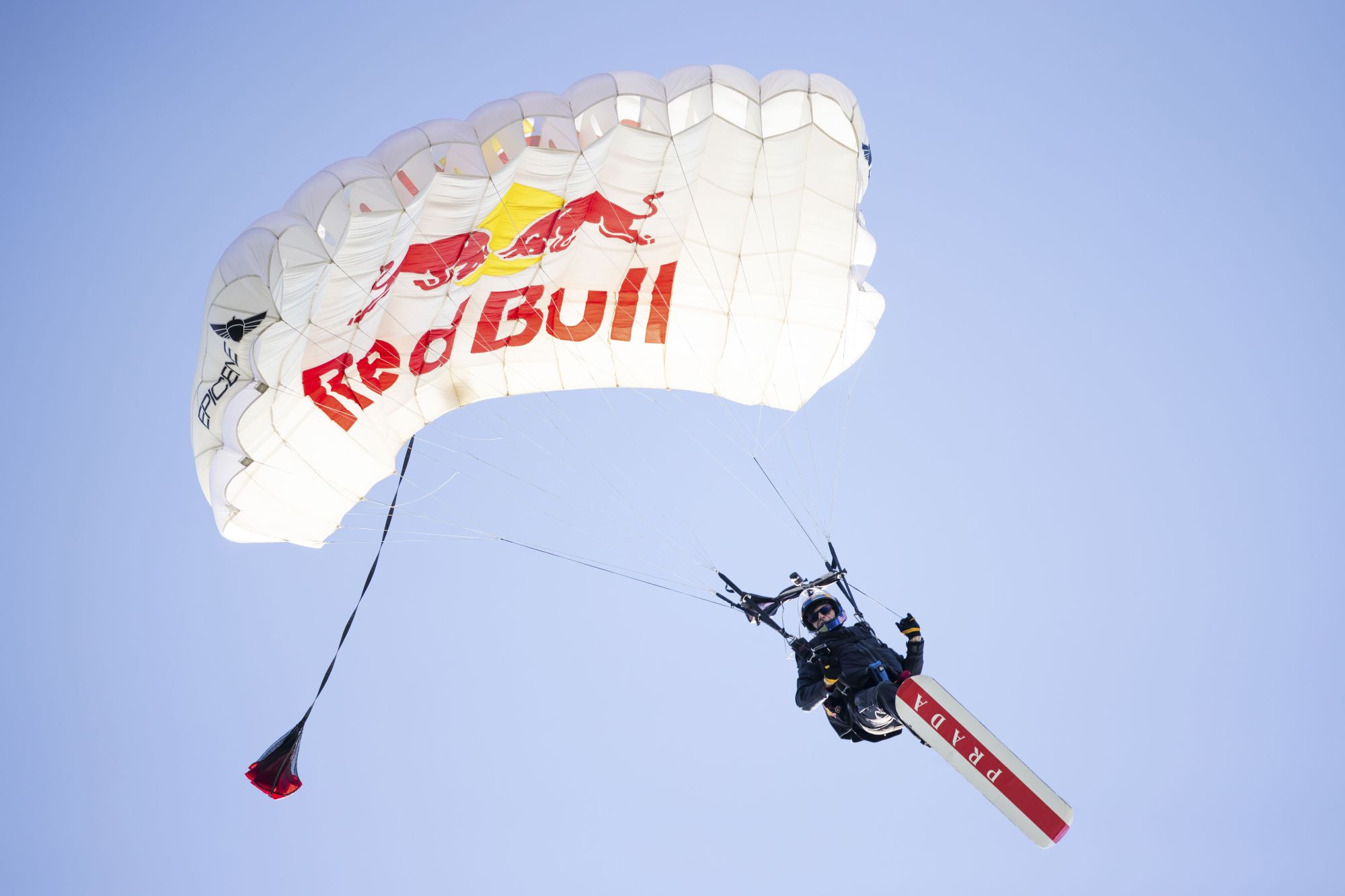
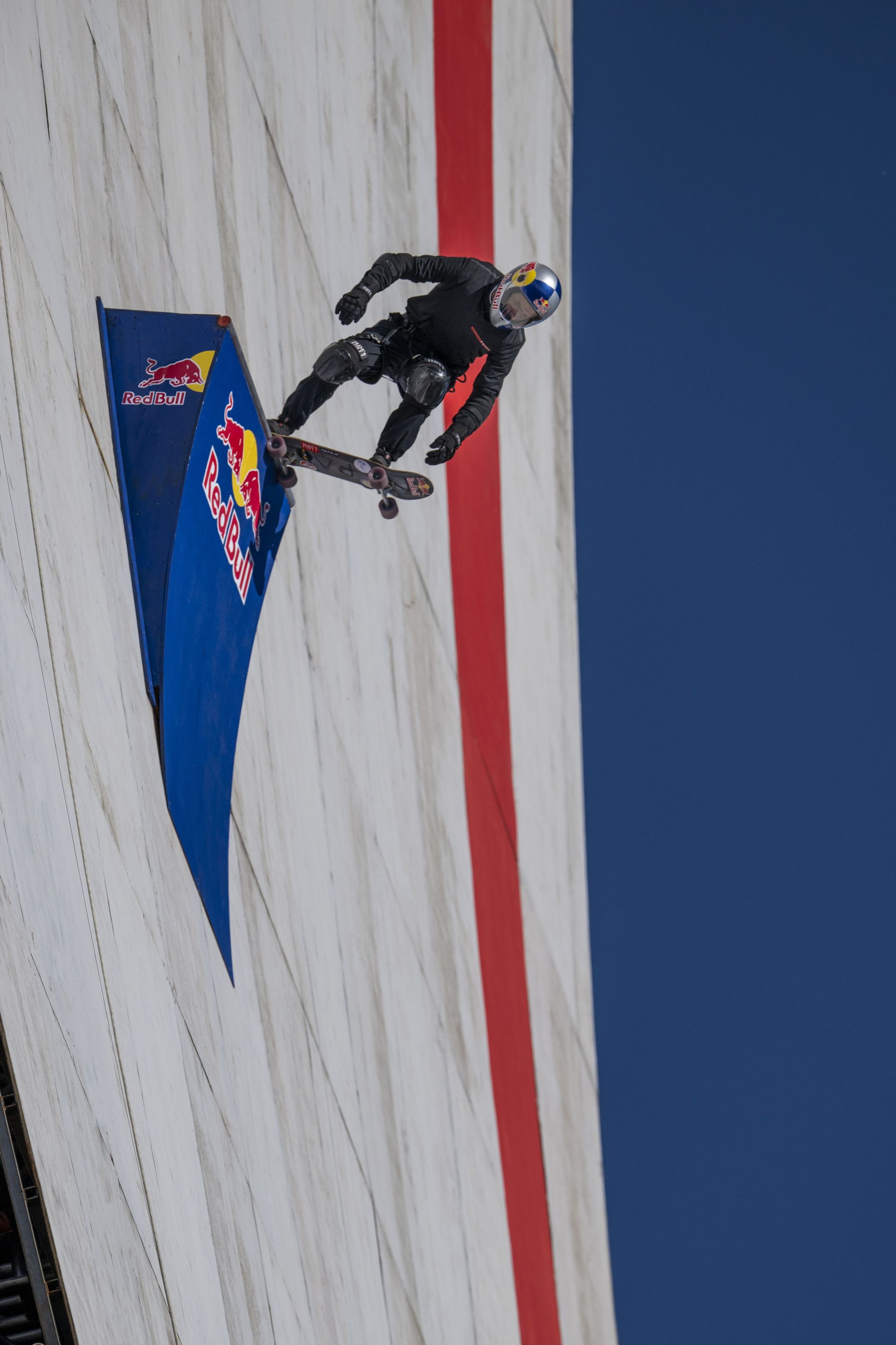
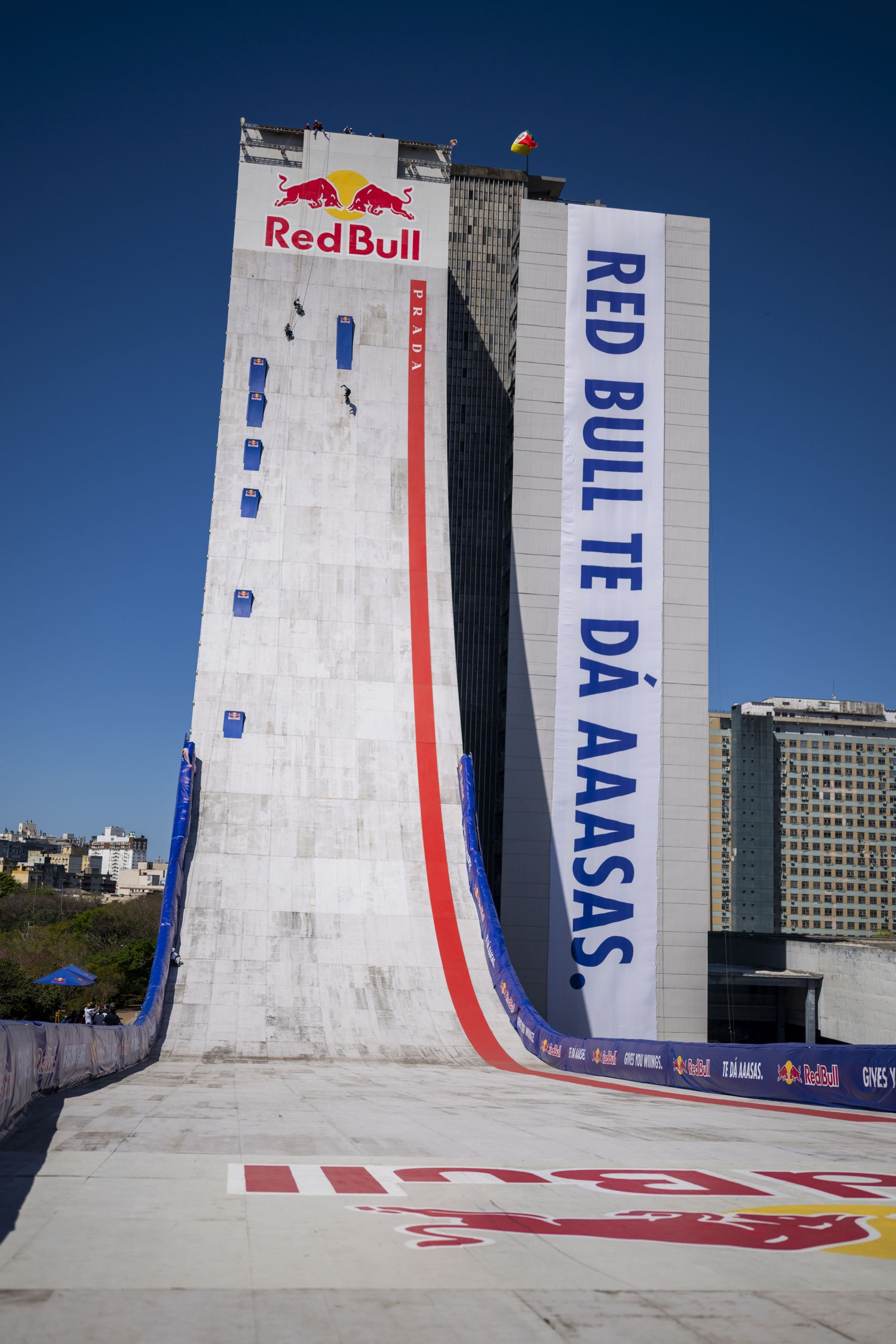
Poncelet’s record is not a fluke. It’s the latest example of how the collaboration between Prada Linea Ross and Red Bull, started in 2022, has rewritten the mere concept of pushing the boundaries. They worked alongside in order to let skysurfing pioneer, and two-time X Games medalist Sean MacCormac become the first person ever to skysurf onto the cables of the iconic San Francisco Bay Bridge, following a 1676.4 meter skydive. Another world record set thanks to this collaboration was the one involving skateboarding legend and six-time vert world champion Sandro Dias, who set new world records for height and speed by dropping in from a height of 70 metres on the world’s largest skate ramp.
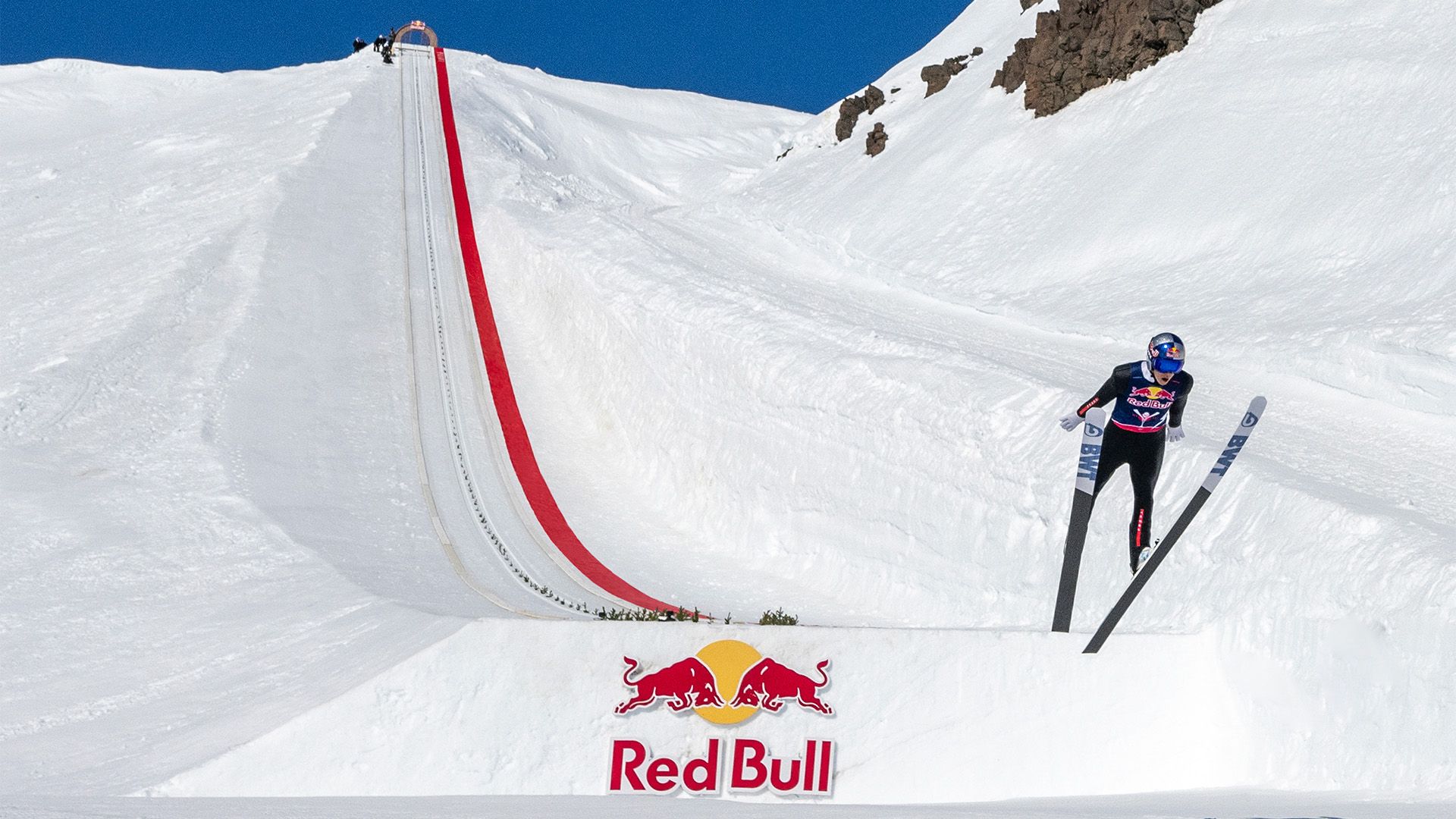
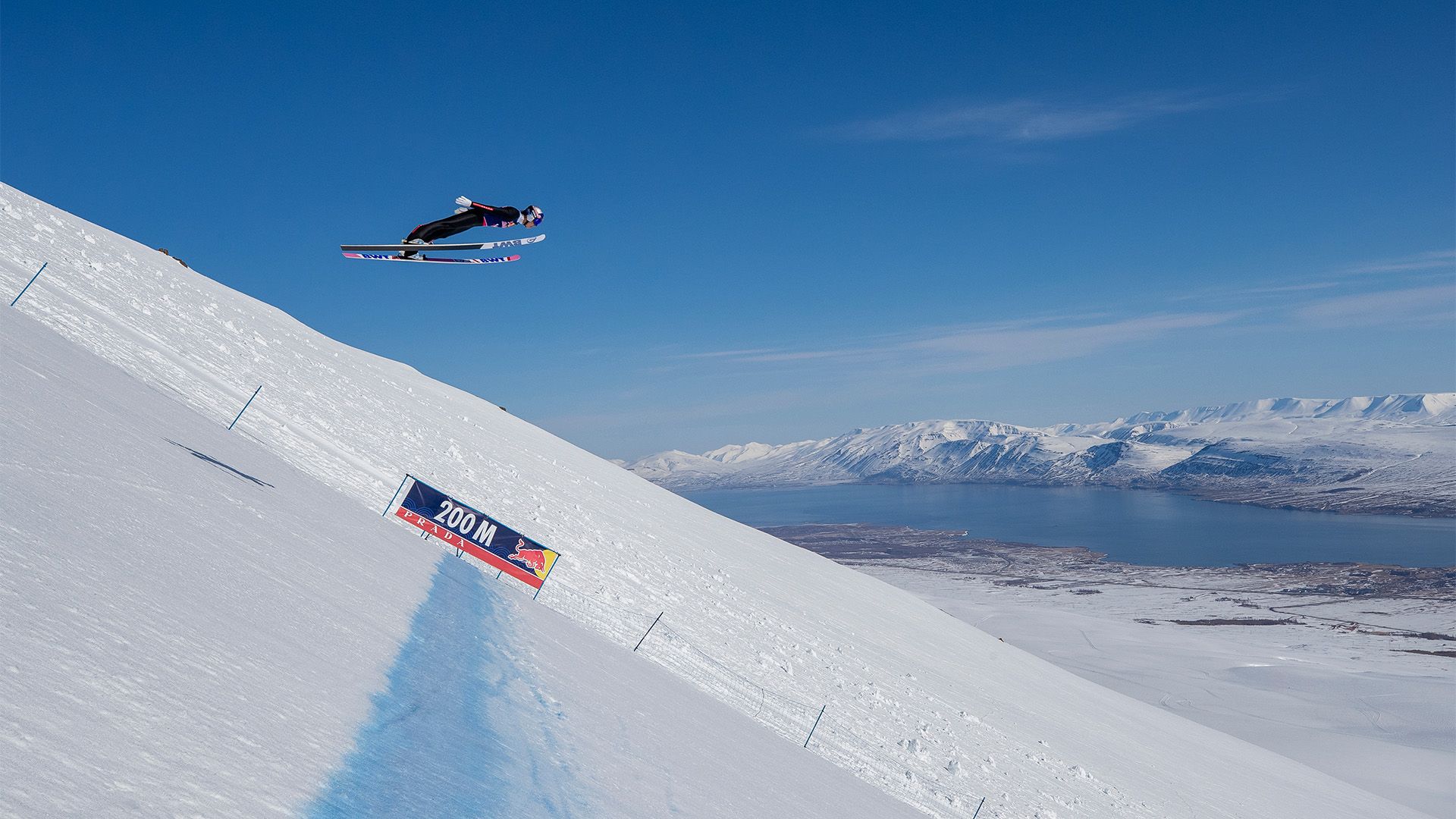
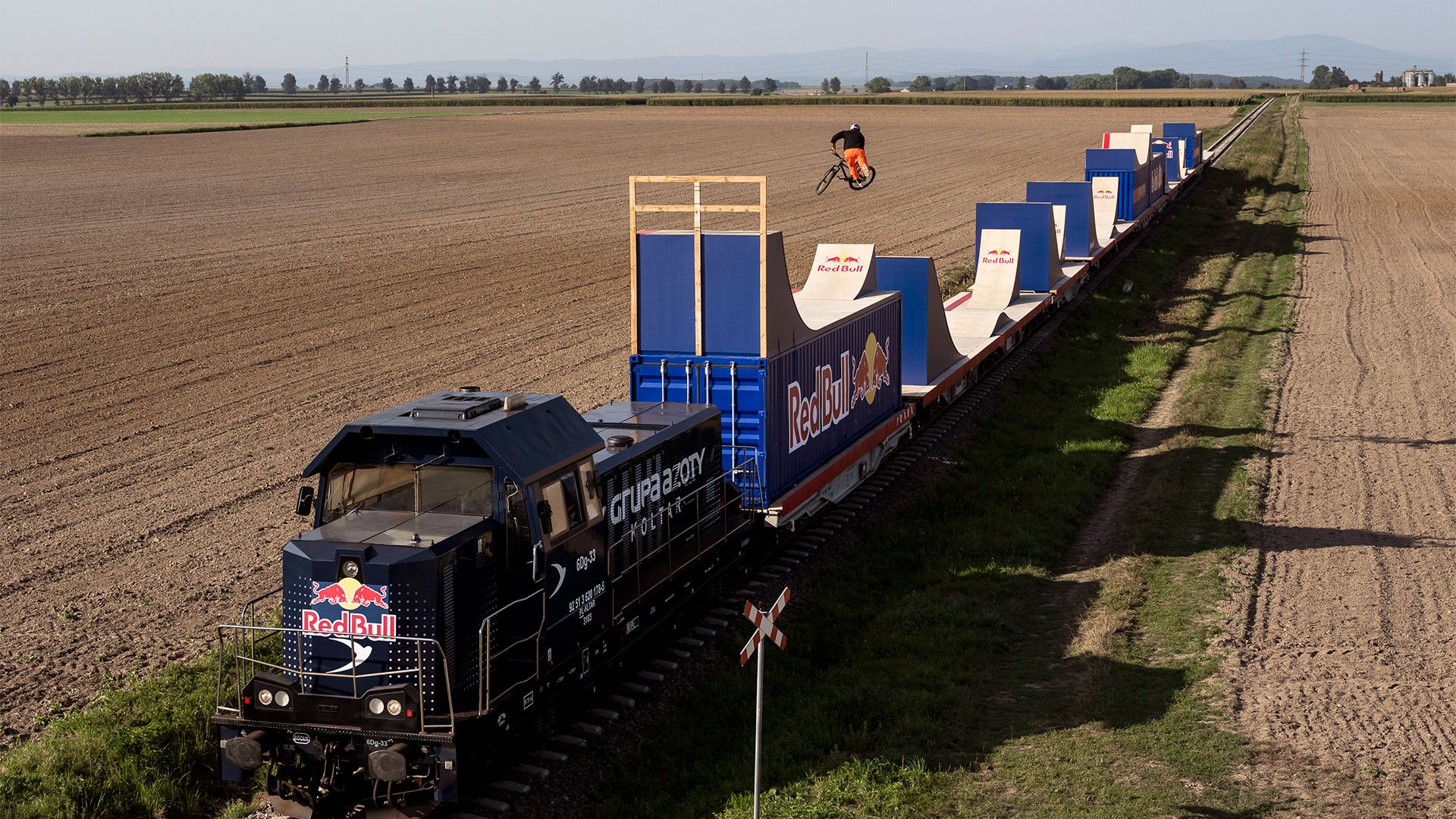
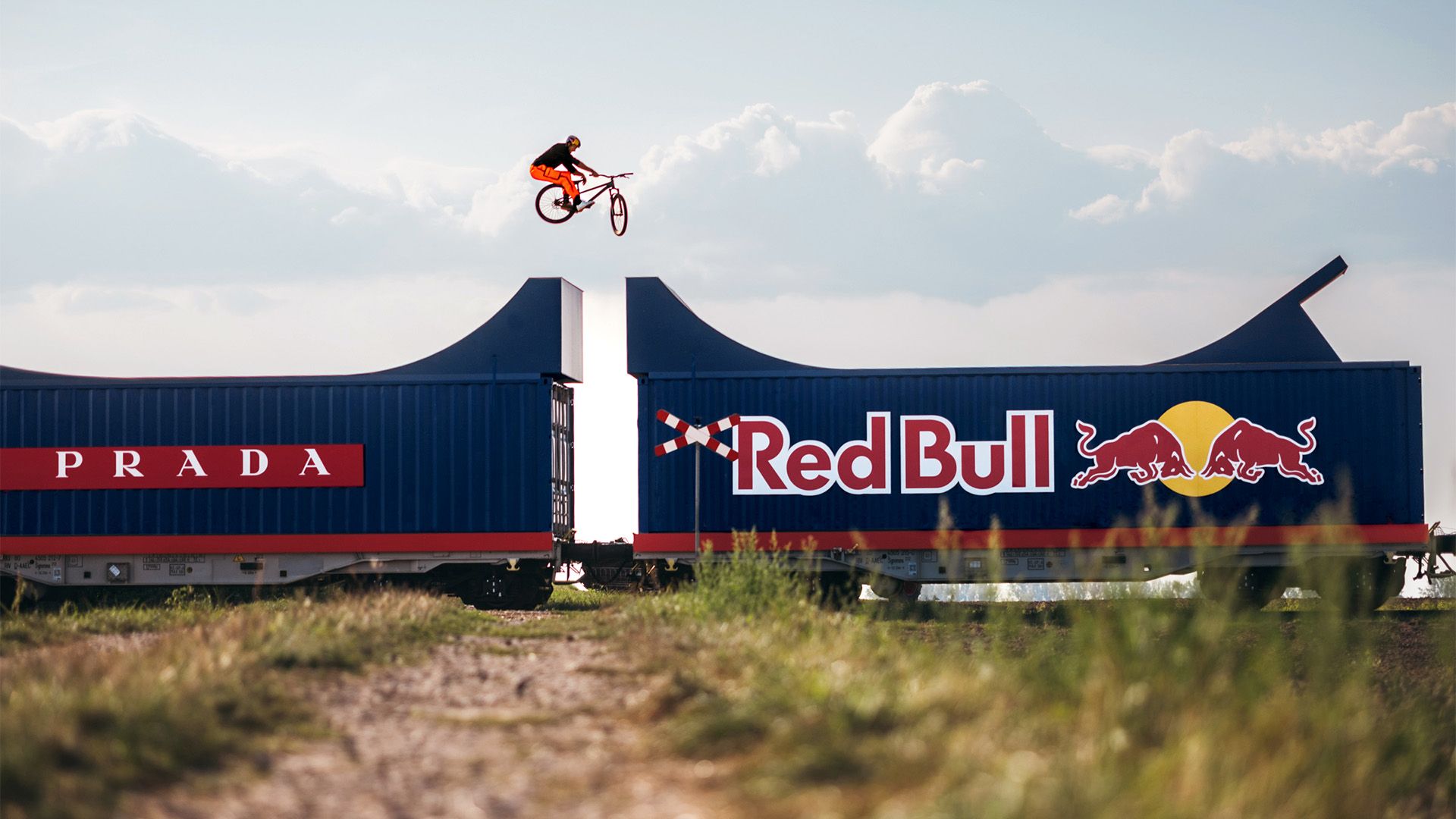
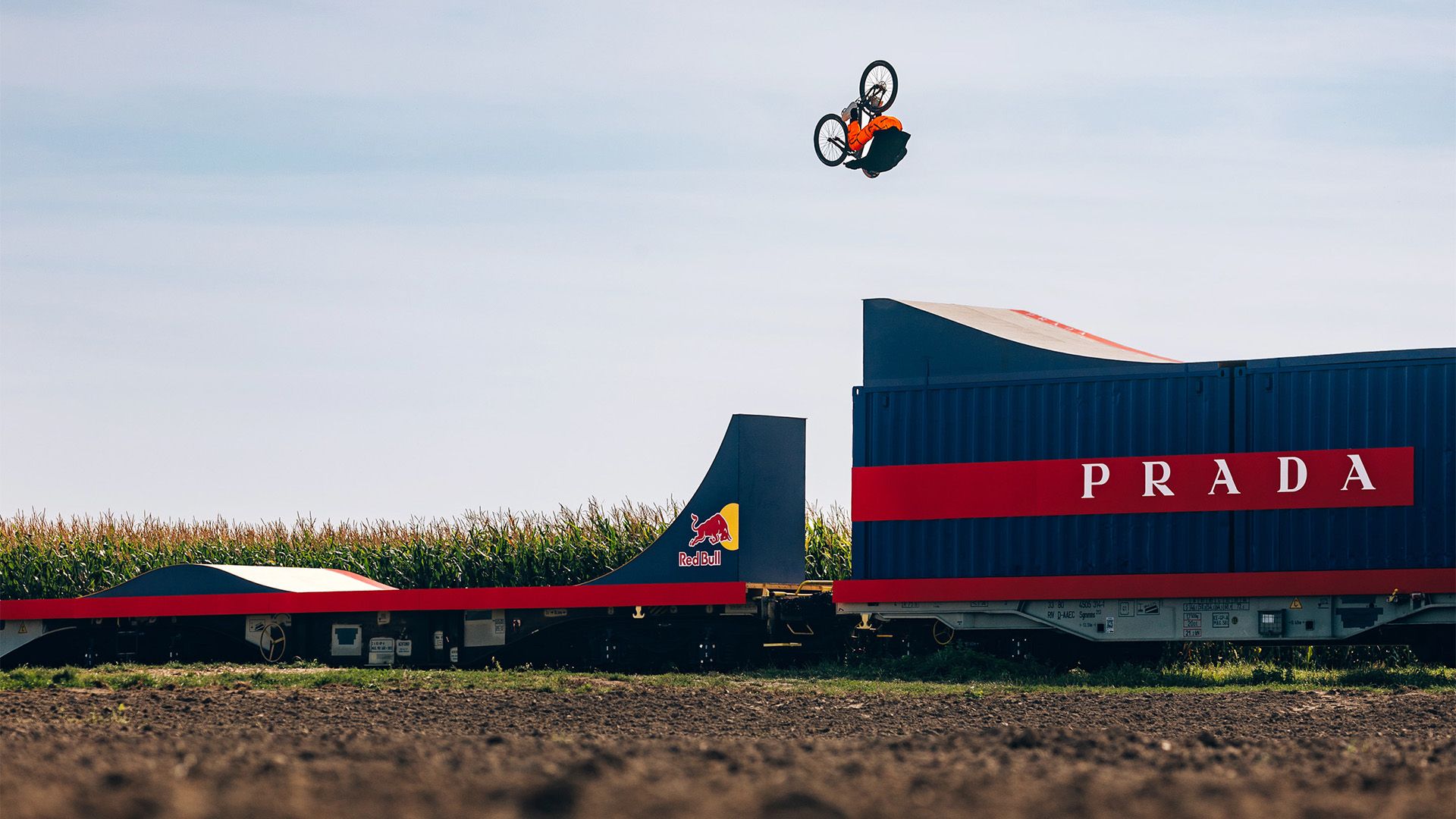
And the challenges get crazier the more the list goes on. In 2024 Prada Linea Rossa joined forces with professional BMX rider Dawid Godziek as he became the first rider to tackle a course built on a moving train. They also partnered with Japanese ski jumper Ryōyū Kobayashi in an extreme challenge in northern Iceland, where the Olympic and World Cup champion flew over 291 metres at a take-off speed of 107 km/h, breaking the previous world record by 37.5 metres. Prada Linea Rossa has increasingly been involved in projects that bring technical expertise into extreme sporting environments. And these collaborations between athletes, designers and engineers are becoming essential to breaking new ground.
Technical Innovation and Safety in Downhill Skateboarding
This concept is confirmed by Diego Poncelet himself: "Speaking directly from my experience working with Prada Linea Rossa, I’d say it absolutely is, because their out of the box thinking was crucial to push the boundaries of my sport. Bringing an external view into something that is so natural and common to me creates a fertile space for innovation. I love comparing downhill to motorsports in the early days when there were still a lot of great innovations to be discovered. In this project, we came up with four or five that could be crucial for the future of downhill skateboarding.
It’s indeed always difficult to balance that with safety, since some elements can technically be faster in a controlled environment but cause imbalances in real life. This actually happened with a leg fairing that I wanted to use during the record and which had worked in a wind tunnel, but that I did not end up using due to safety concerns. In general, and due to the intensity of the descent, I can never sacrifice comfort, which is probably also why the shoes worked so well. Not only did they reduce my air resistance, but they also increased my comfort".
These records are the ultimate fulfillment of years of years of preparation, with everything coming down to a few seconds. For instance Poncelet broke the record on a single, decisive run, after returning to the same road five days after his first tests. Nerves can play a bad trick there but he managed to stay cool and crushed it once again. "During the first test day - recalls Nico -, we broke the record straight away, reaching 146.88 with no tailwind. That gave us a far bigger margin than we had expected, and it meant that with a favourable wind, the elusive 150 barrier was within reach. So it was especially hard to accept, over the following days of mediocre conditions, that I might miss out on 150 because of something completely outside my control. Over all those years, we had refined every detail further than I could ever have imagined, and yet we were being let down by the one thing we couldn’t control. Then, on the afternoon of our final day, the wind suddenly turned for a brief window, and we were ready to seize it. Technically, it was meant to be my warm-up run, but the moment I felt the wind at the top, I knew this was it. There would be no warming up.
I like to say that we have an inner sage inside of us that is wiser, faster, more more intelligent than we are. In reality, that sage is our unconscious, which is able to process substantially more information than our conscious thoughts. Therefore, during one of those runs, the muscle memory and instincts developed over more then a decade is crucial to succeed. In other words, there are barely any thoughts and it often happens at the end of a run that I wonder what I even did."
What's Next for Diego Poncelet After the World Record?
The easiest thing to do after a world record is to relax. The worst is to lose motivation. The hardest is to look for what’s next. This last scenario does not bother Diego Poncelet as he finds new challenges in the smoothest way possible: "I always try to think of dreams not in terms of the objective itself but in terms of the person you become in the process. Otherwise, you reach it and become depressed, for you have lost your purpose. Therefore, I’m grateful to this project not only in terms of the record but also how I’ve grown through it. I’ll need a few weeks to come up with the next big one, but I’ll make sure it pushes me further than ever. About 15 seconds after breaking it, I found myself thinking: “I’ve been obsessed with this one idea for years. What do I think about now?” Hopefully I’ll find an answer soon. It may take a few weeks to settle on the next big challenge, but I’ll make sure it pushes me further than ever."
What to read next
A new life - interview with Dorothea Wierer
From biathlon to Hyrox, with nothing left to prove

Larissa Iapichino’s life beyond the spotlight
An interview with the world’s top-ranked women’s long jumper

The Conference League final heads to the most iconic stadium in former East Germany
Everything you need to know about the Red Bull Arena in Leipzig