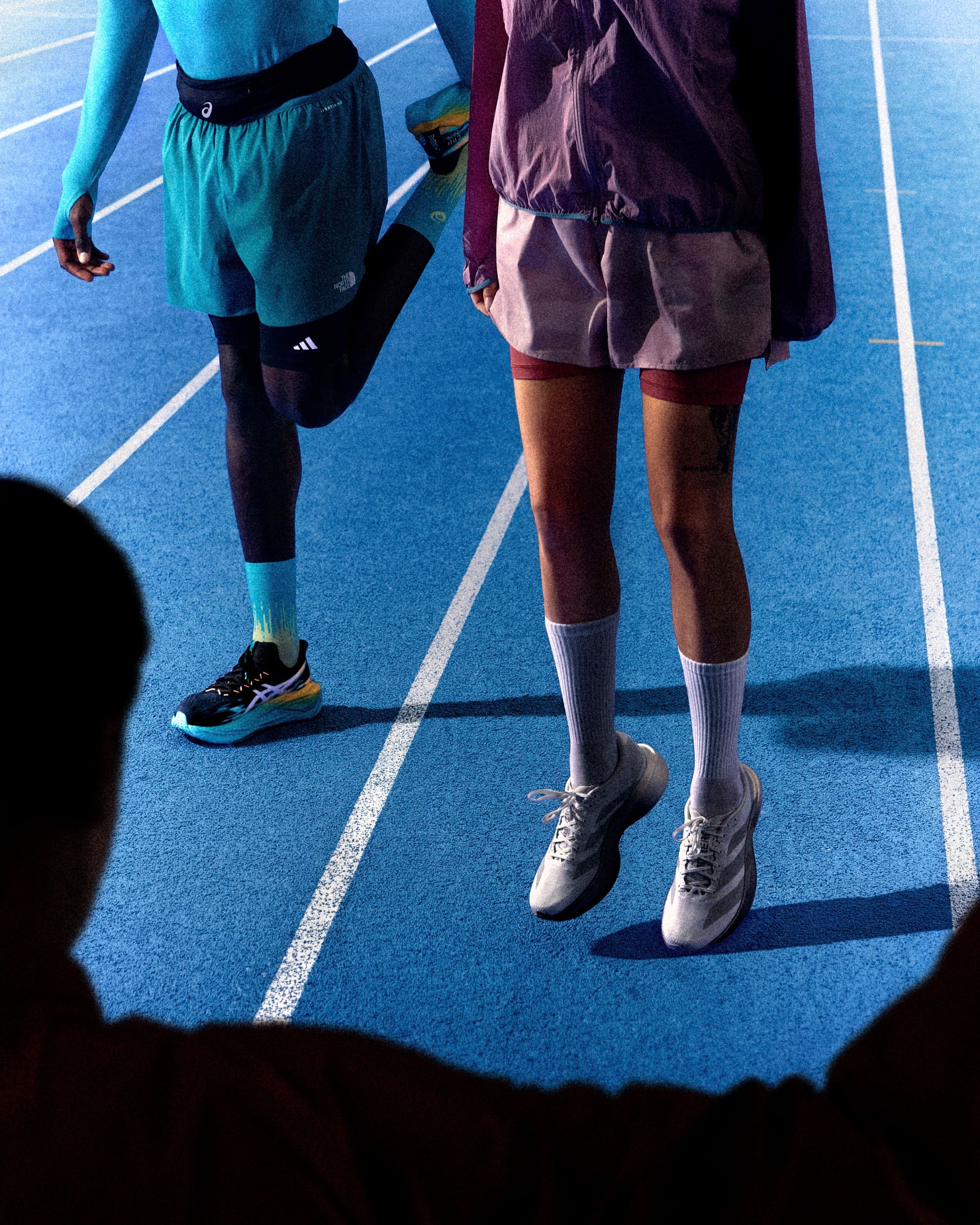
Running is carving out an increasingly prominent place in sportswear Zalando’s offering shows how running is attracting an increasingly diverse audience and driving demand for an ever wider range of products
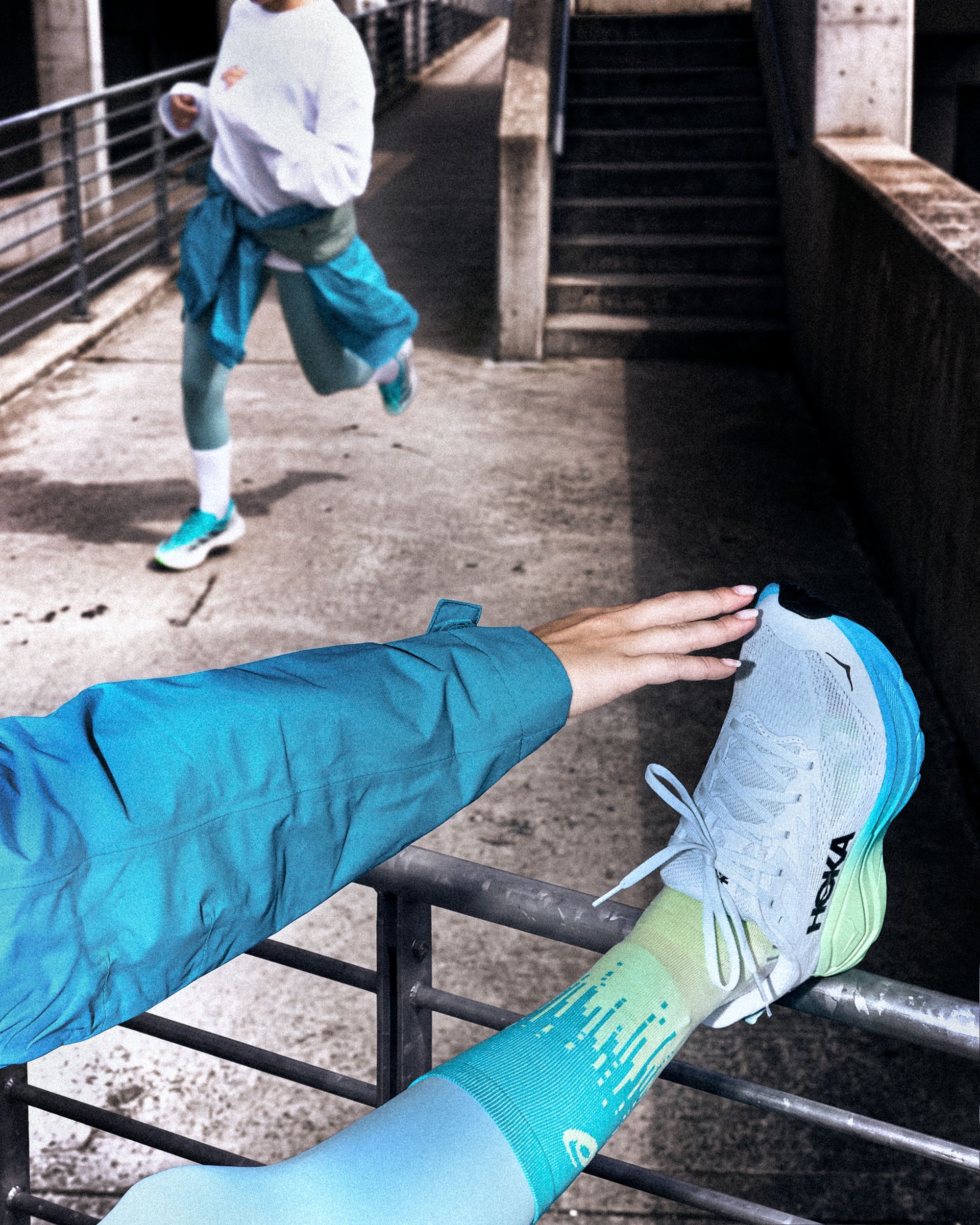
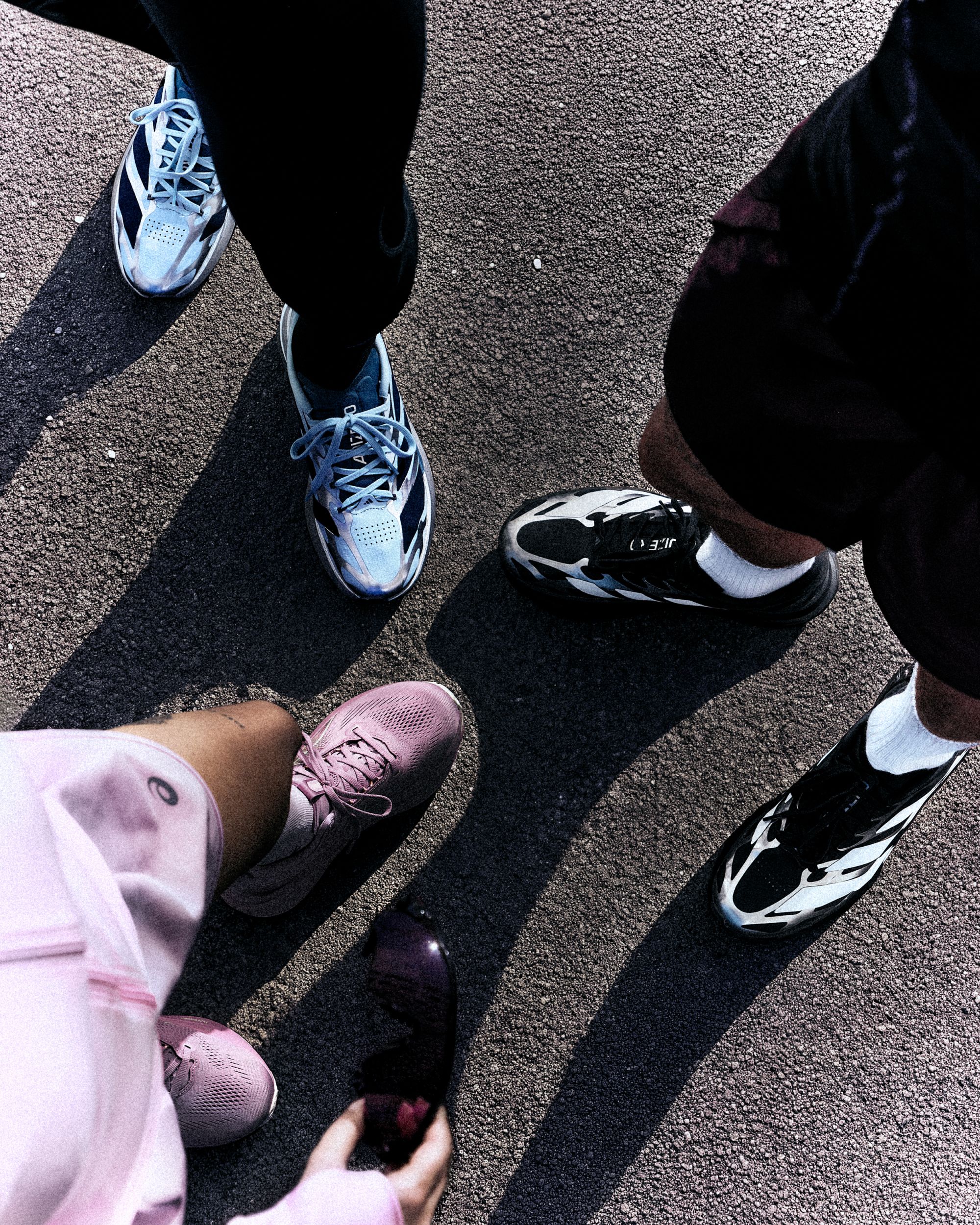
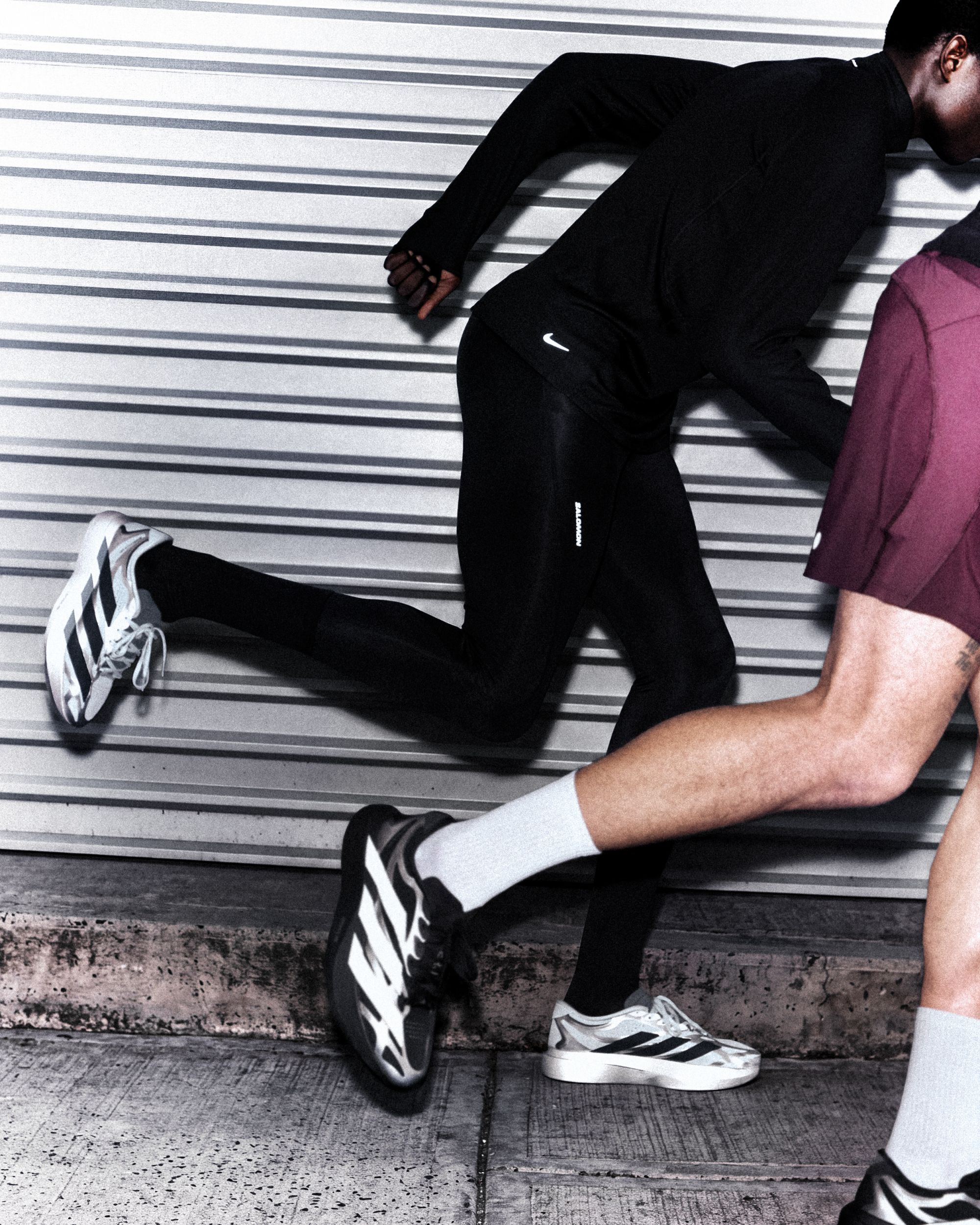
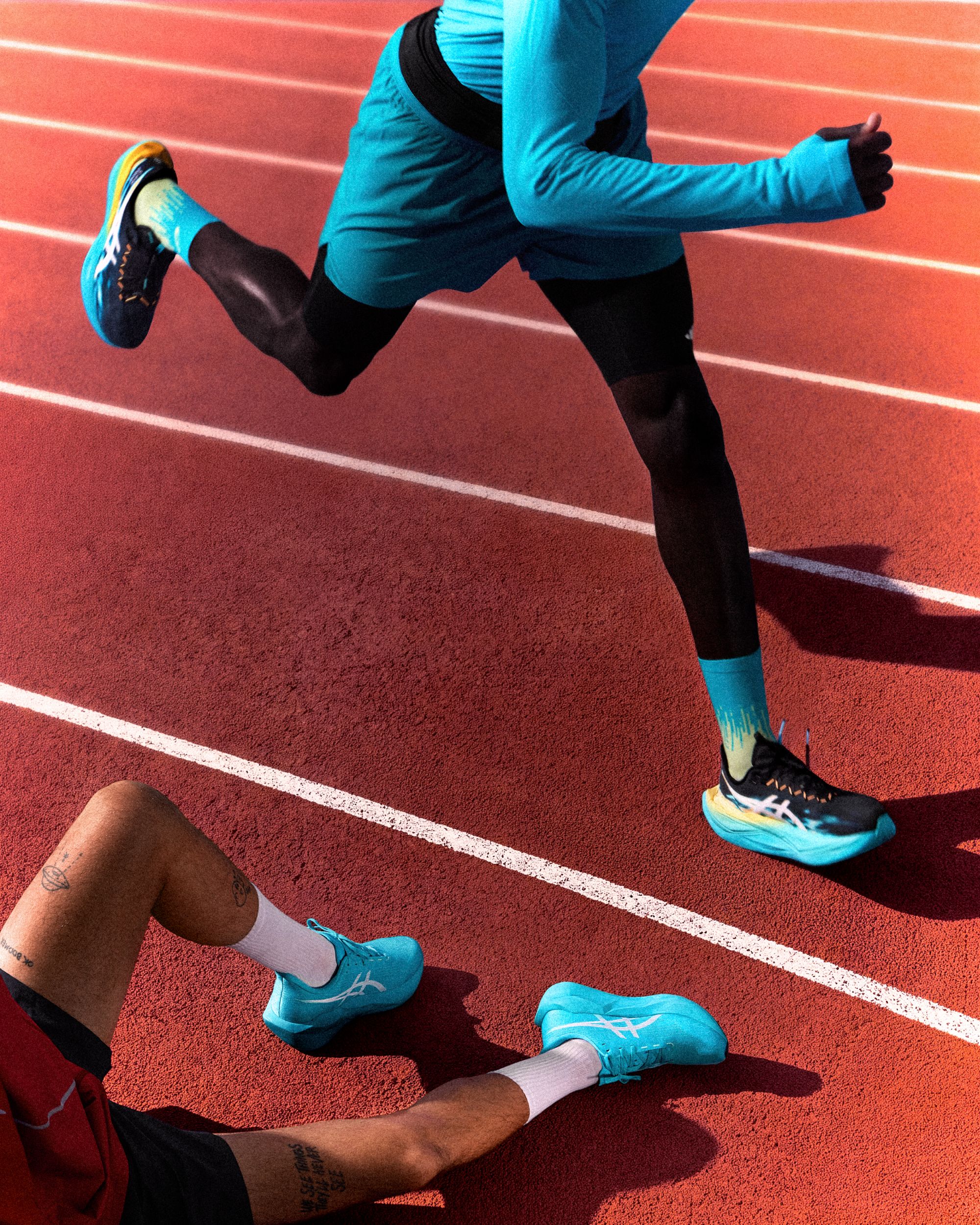
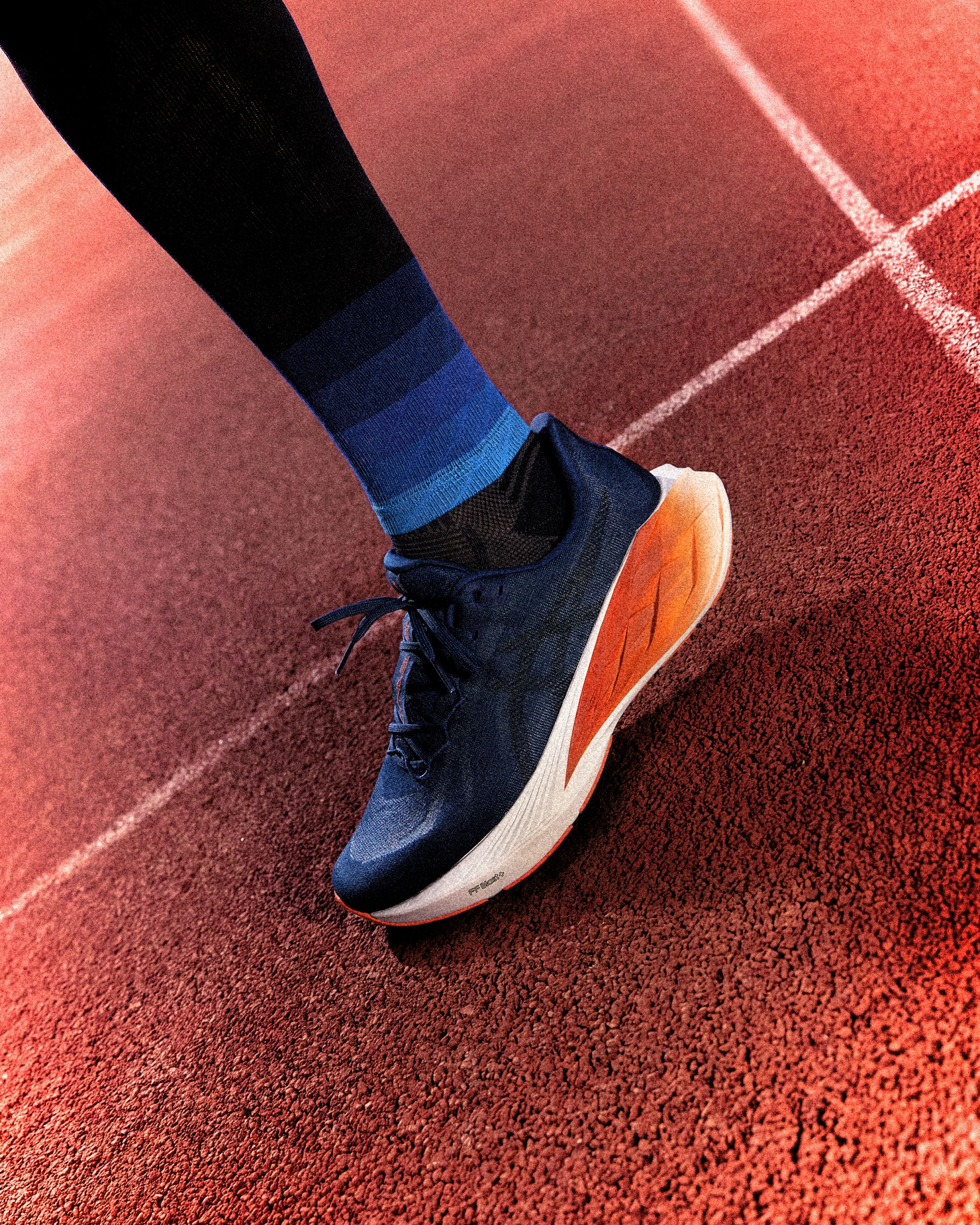
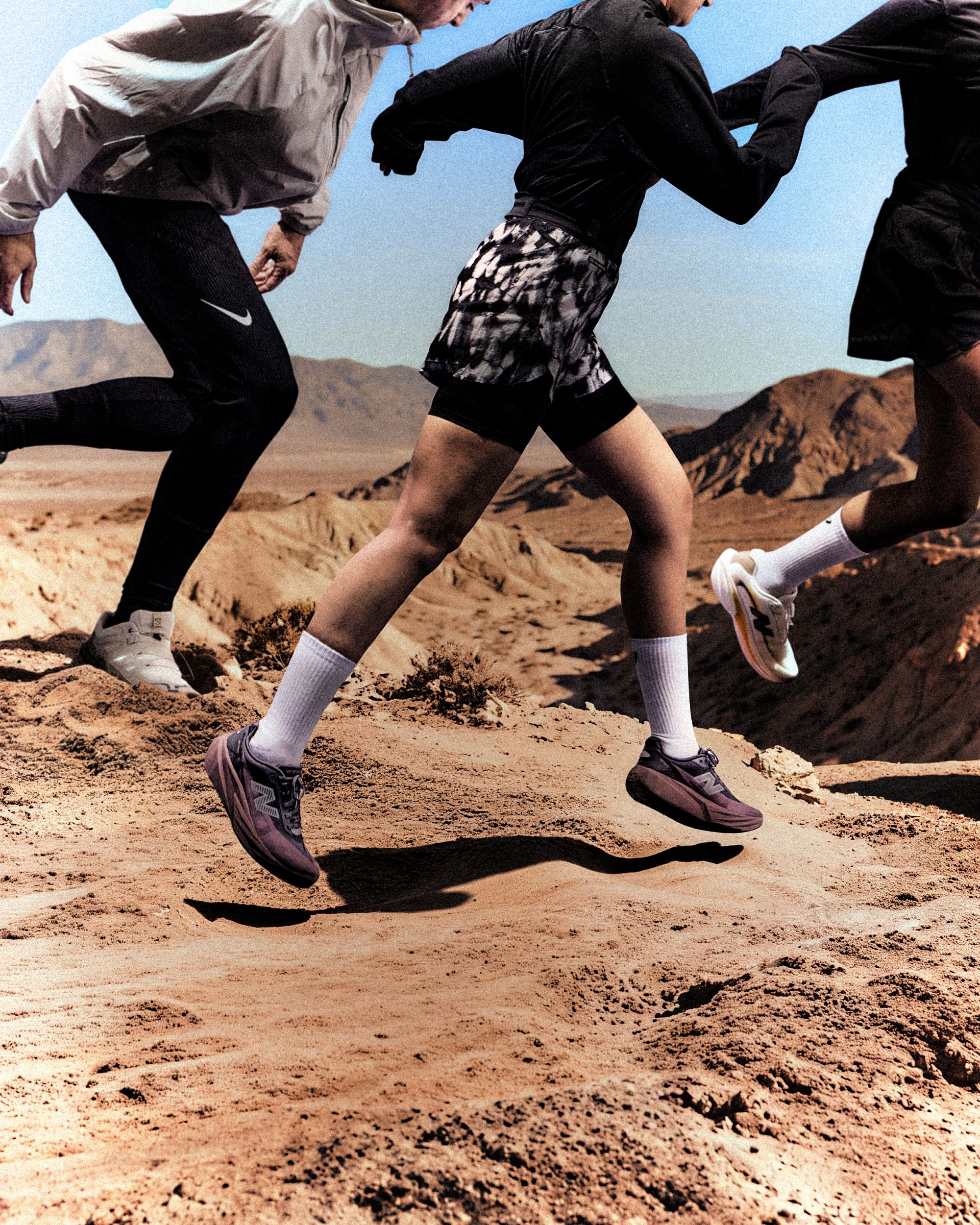
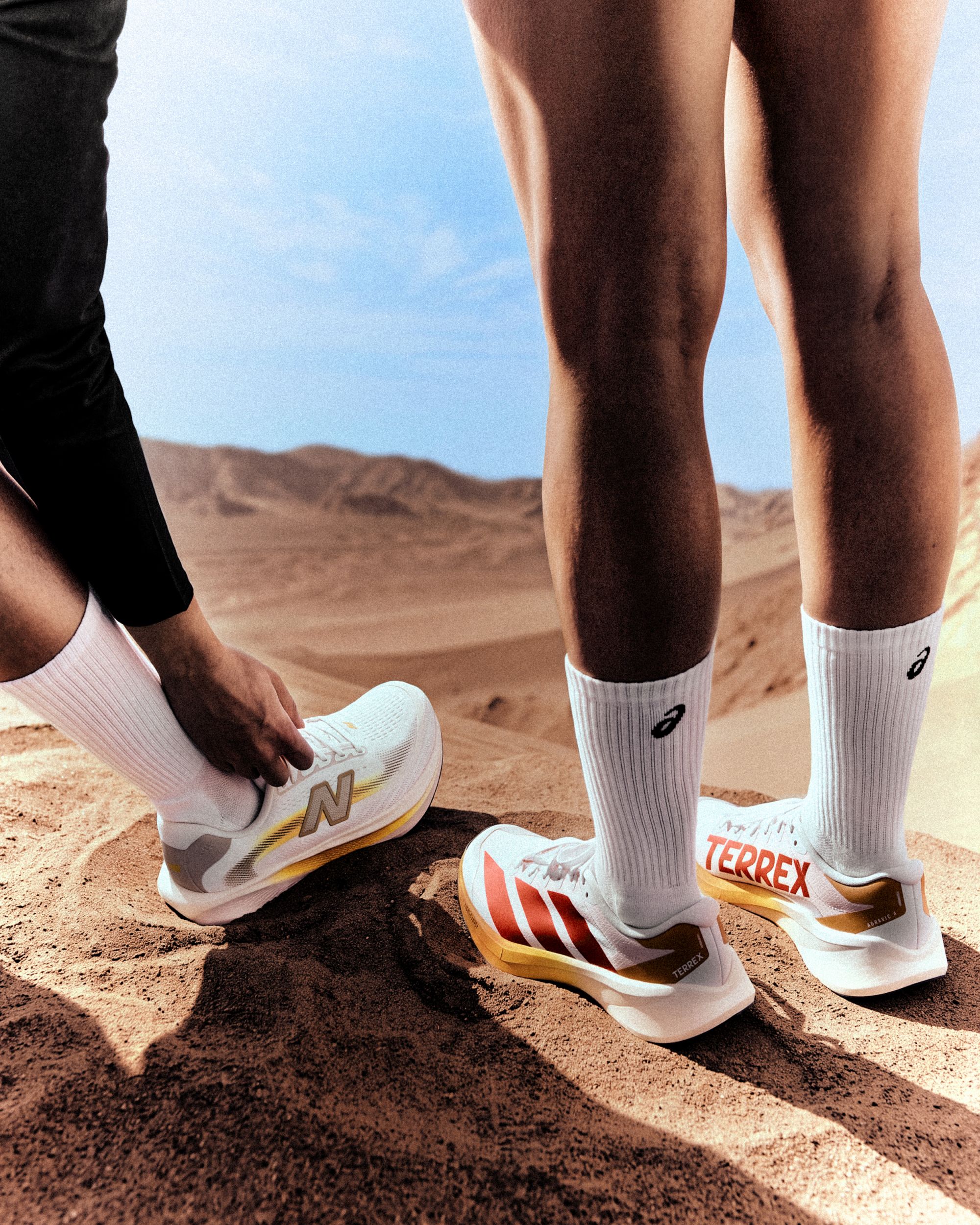
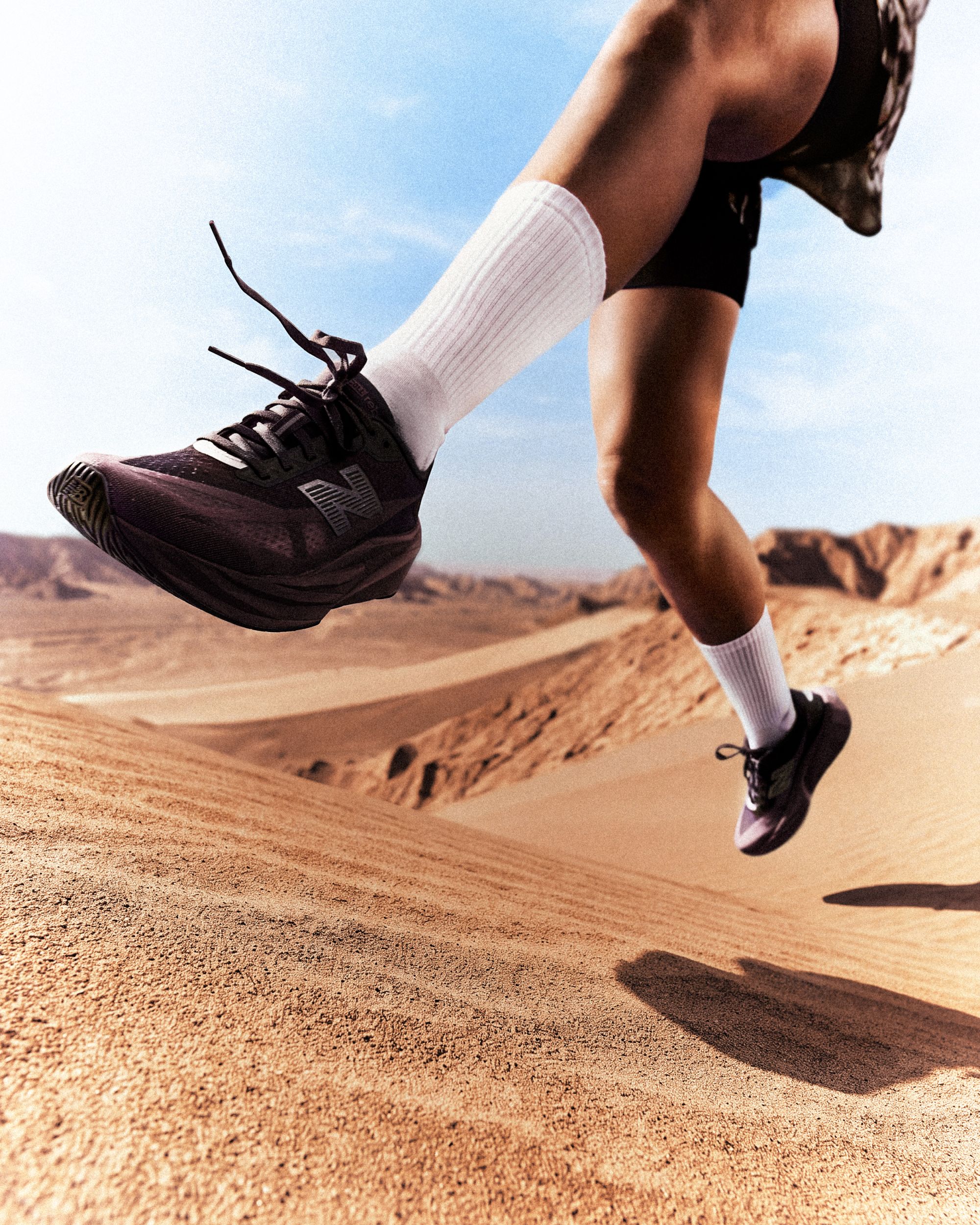
For the 2027 London Marathon, more than 1.33 million people applied for a place through the public ballot, almost 20% more than for the previous edition and over twice the number recorded for 2024. A similar increase was seen for the New York City Marathon, where ballot applications for the 2026 race exceeded 240,000, once again representing growth of nearly 20% compared with the previous year. In Chicago, meanwhile, applications for this year’s race surpassed 200,000, setting another record.
There are clear signs of this interest in Italy too. The 2026 Wizz Air Rome Half Marathon by Brooks, for which Zalando is Premium Partner, made 40,000 places available and sold out as early as July. Half of all registrations came from women, while 58% were submitted by people aged between 18 and 34. These figures show how much the desire to take part in the world’s leading running events has grown in recent years, but they are only the tip of an iceberg: the rapidly expanding world of running.
The numbers behind the running boom
This interest extends far beyond competitions and now involves an increasingly broad audience. In France, for example, the Observatoire du Running 2026 estimates that 13.2 million people ran in 2025, one million more than five years earlier. Among those who started running less than two years ago, women account for 63% and under-24s for 44%. Participation is also increasing in Italy: according to an Istat survey, the category comprising athletics, recreational running and jogging involved 18.3% of sports participants in 2024, compared with 16.8% in 2015. Out of almost 22 million Italians who practise sport, that percentage corresponds to around four million people.
The market gives a clear sense of this surge in interest. In its 2025 annual report, for example, adidas explained that growth in its running category accelerated throughout the year to more than 30%, driven by Adizero and its everyday running offering. According to the Observatoire du Running 2026, the French segment grew by 17% over the past year, while the market for “general” sporting goods recorded a slight decline of 0.3%. Two-thirds of the runners surveyed also said they planned to maintain or increase their spending on clothing and equipment in 2026.
But this is far from being an exclusively French trend: the same dynamic can be seen elsewhere. In the United States, according to research by Circana, sales of running shoes increased by 13% in both value and volume during the first half of 2026, compared with a 1% increase in value across the overall footwear market. But how can these figures be explained, and what do they tell us about the evolution of running?
A new ecosystem
An important starting point is that running today, much more than in the past, brings together a range of sporting and social needs and takes place in an ever-wider variety of settings. There is also greater public interest in technical clothing and equipment, a phenomenon that can be seen in other fields but is particularly evident in this sector. Brands have responded with new product ranges, investments in competitions and more structured attempts to build relationships with running communities. The offering has evolved accordingly, accompanying running’s expansion within sportswear and beyond.
In this scenario, Zalando aims to consolidate its role as a point of reference for runners, moving beyond simply offering products and supporting them throughout the different stages of their experience. Alongside a wide assortment combining technical performance and style, it provides specialised content and digital tools such as the World of Running Hub, Race Lab and the AI Running Assistant, designed to guide runners of every level and experience towards the products that best suit their needs. As Zalando’s General Manager Sports Nina Graf-Vlachy explained to us, "For advanced runners, our Race Lab series provides independent evaluations of carbon stiffness and foam mechanics, supported by our AI Running Assistant; for beginners, our At a Glance product summaries translate complex technical specs into plain, helpful language".
This approach also extends to Zalando’s participation in major European running events. These partnerships provide opportunities to bring services and activities directly to runners, engage with local communities, offer product trials and create spaces where participants can discuss their needs. The starting point is that relationships with runners are built first and foremost where the activity takes place, and where habits and requirements emerge. "For Zalando", Graf-Vlachy confirms, "major race partnerships across European capitals - like the BMW Berlin Marathon, the WRRC Copenhagen Half Marathon and the Wizz Air Rome Half Marathon by Brooks - serve as our real-world anchor. Showing up directly on the asphalt allows us to transition from being part of our customers’ closet to truly being part of their run, demonstrating our multi-specialist strategy in action".
The company hopes this relationship will continue to influence future purchasing decisions, as James Rothwell, Zalando’s Senior Vice President Marketing, explains: "When a runner trusts Zalando to support them on race day, we hope that emotional connection will translate into a willingness to choose us and long-term brand loyalty, including for their broader fashion and lifestyle purchases".
Running as a social experience
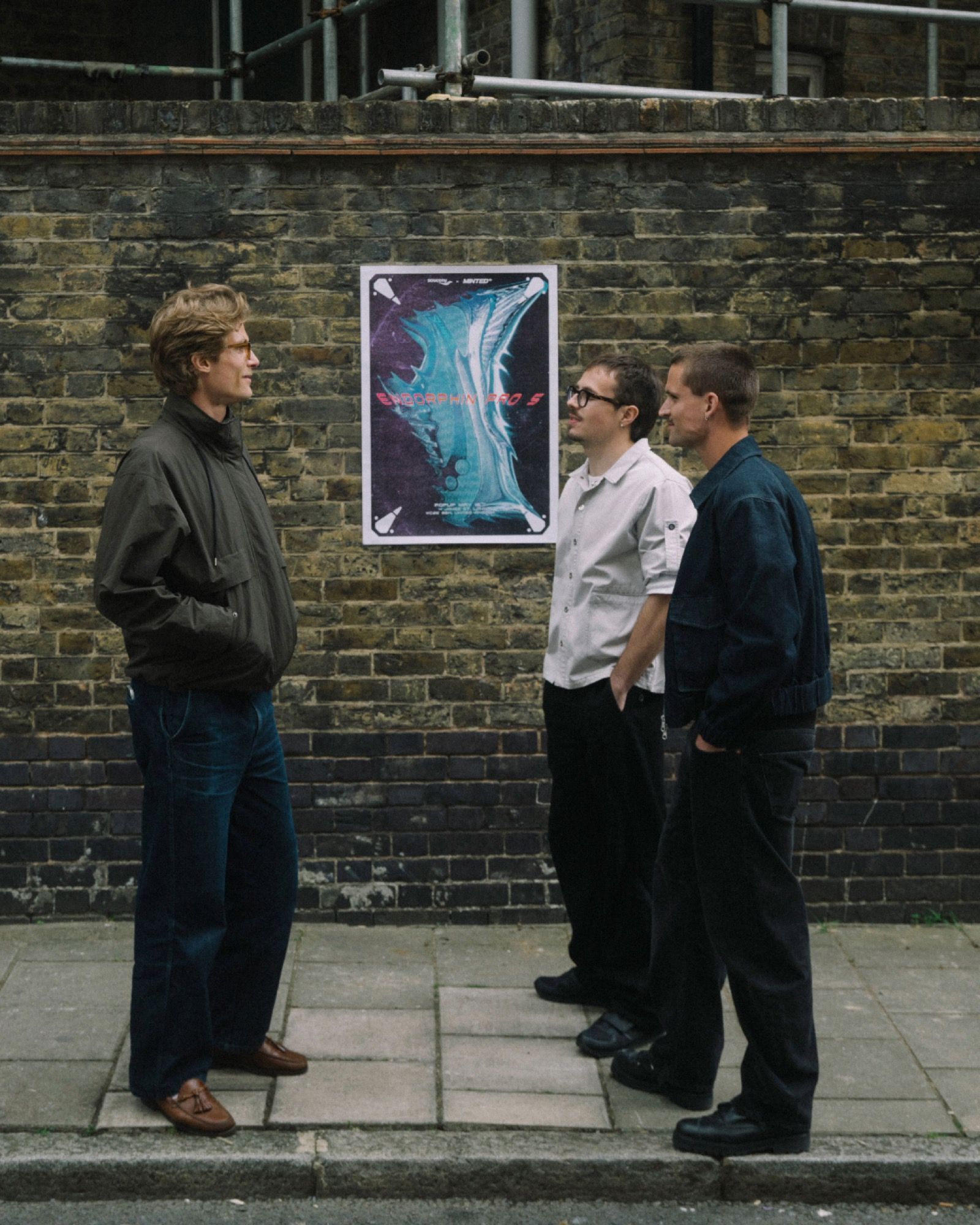
The growing number of participants has expanded the consumer base and helped develop a new, increasingly shared running culture. This evolution can also be seen in how people approach running and incorporate it into their daily lives. Many start simply to get moving, spend time outdoors or dedicate some time to themselves, but once the habit takes hold, they often discover new reasons to deepen their interest. One of these is the opportunity to share the experience. Even those who train independently, without joining a sports centre, can now easily find an opportunity to socialise through running. From a simple run with friends to meet-ups with run clubs, which have become central players in the urban running scene.
The spread of these groups has multiplied the opportunities to run together in recent years. These communities exist alongside traditional sports clubs and training groups, with a focus that is generally less performance-oriented and more centred on creating environments where people with different motivations and ability levels can meet. For beginners, having fixed schedules and company can be helpful and, in some cases, provide the motivation needed to turn an intention into a habit.
Strava’s Year in Sport 2025 report offers a measure of the phenomenon: last year, the number of these clubs on the platform more than tripled compared with 2024, while the events they organised across all disciplines increased by 50%. The social dimension has therefore also helped multiply the opportunities to practise sport together.
In Italy, this relationship between running and socialising has produced several collective events. In Milan, for example, Corro al Bar brought Crodino and Pizza Run Club together for a six-kilometre run followed by an event open to the public. A similar formula characterises the Zest Runclub events organised with Mizuno in Rome, Milan and Turin. There are also events such as the Italian Running Festival, which last week offered an extensive programme of group runs and related activities. Runs have therefore become the starting point for collective experiences, meet-ups and exchanges that continue even after training has finished, bringing running into conversations and leisure time and turning it into a way to meet people and experience the city.
A growing focus on the running wardrobe
The growth in participation is creating an ever-expanding universe of footwear, clothing and equipment. Shoes designed for different types of running — more on that later — alongside shorts, tank tops, socks, caps and lightweight jackets have helped shape a renewed image of the runner, both functional and aesthetic: a wardrobe in which technical elements coexist with personal taste. This ranges from fit and pockets to materials and protection against different weather conditions, as well as affinity with and identification with particular brands. Once again, the market reflects this growing variety.
The relationship between functionality and personal taste also emerges from recent research commissioned by Zalando from YouGov on sportswear in Italy. Comfort is the main factor when choosing an outfit for 46% of respondents, while 62% say that wearing clothes that reflect their tastes helps them express themselves and feel more confident. Both considerations shape what people choose to wear when training. For the sportswear industry, running has therefore become a space in which brands focus much more than in the past on the intersection of performance and recognisability. A product must meet the demands of training, but it also expresses how runners choose to engage with the culture.
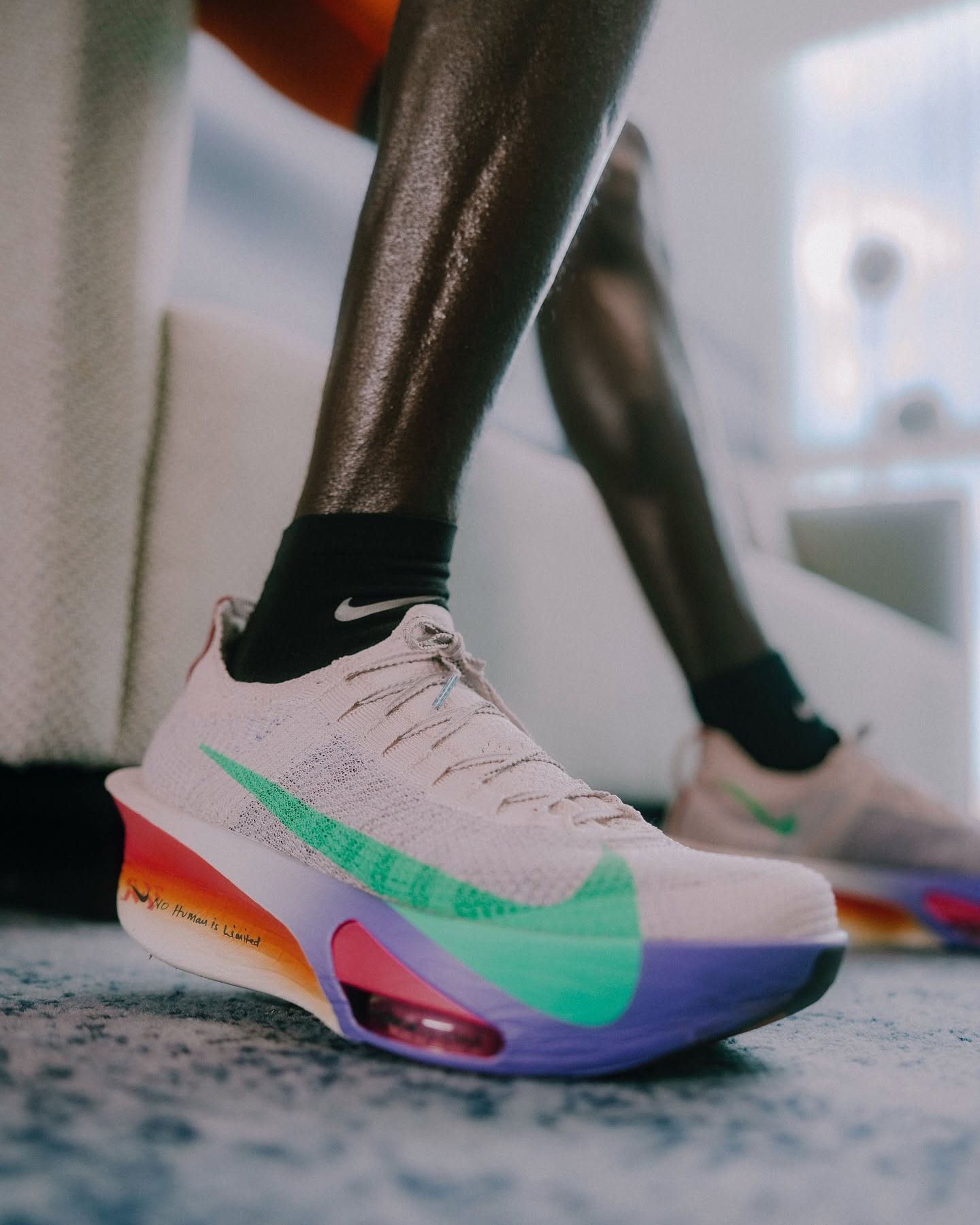
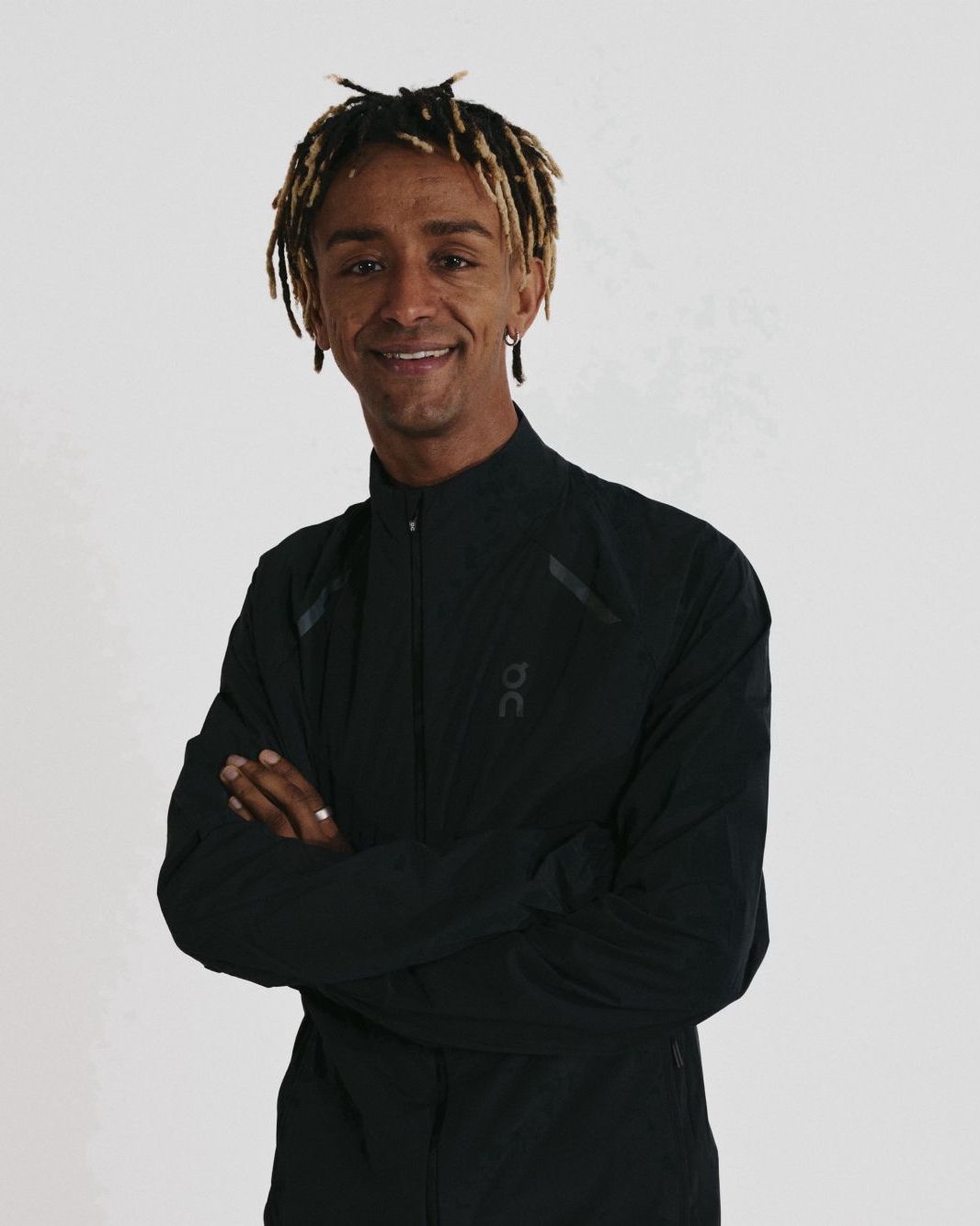
Brands are paying close attention to these dynamics and responding in different ways. Zalando’s running selection includes multi-sport giants such as Nike, adidas and PUMA, alongside brands whose DNA is rooted in running, including ASICS, Brooks, New Balance, Saucony and Mizuno. They are joined by HOKA and On, which have recently helped renew the sector’s aesthetic, more design-oriented names such as District Vision and NNormal, and many other established and emerging brands. "We have expanded our portfolio of technical brands to include major global names and specialist niche players", Rothwell says of Zalando’s selection. This variety reflects the coexistence of technical needs and aesthetic preferences, as the boundary between performance and lifestyle becomes increasingly blurred. "We don’t see them as two separate worlds", Graf-Vlachy stresses, "because today’s runners refuse to be put into boxes".
Running beyond the pavement
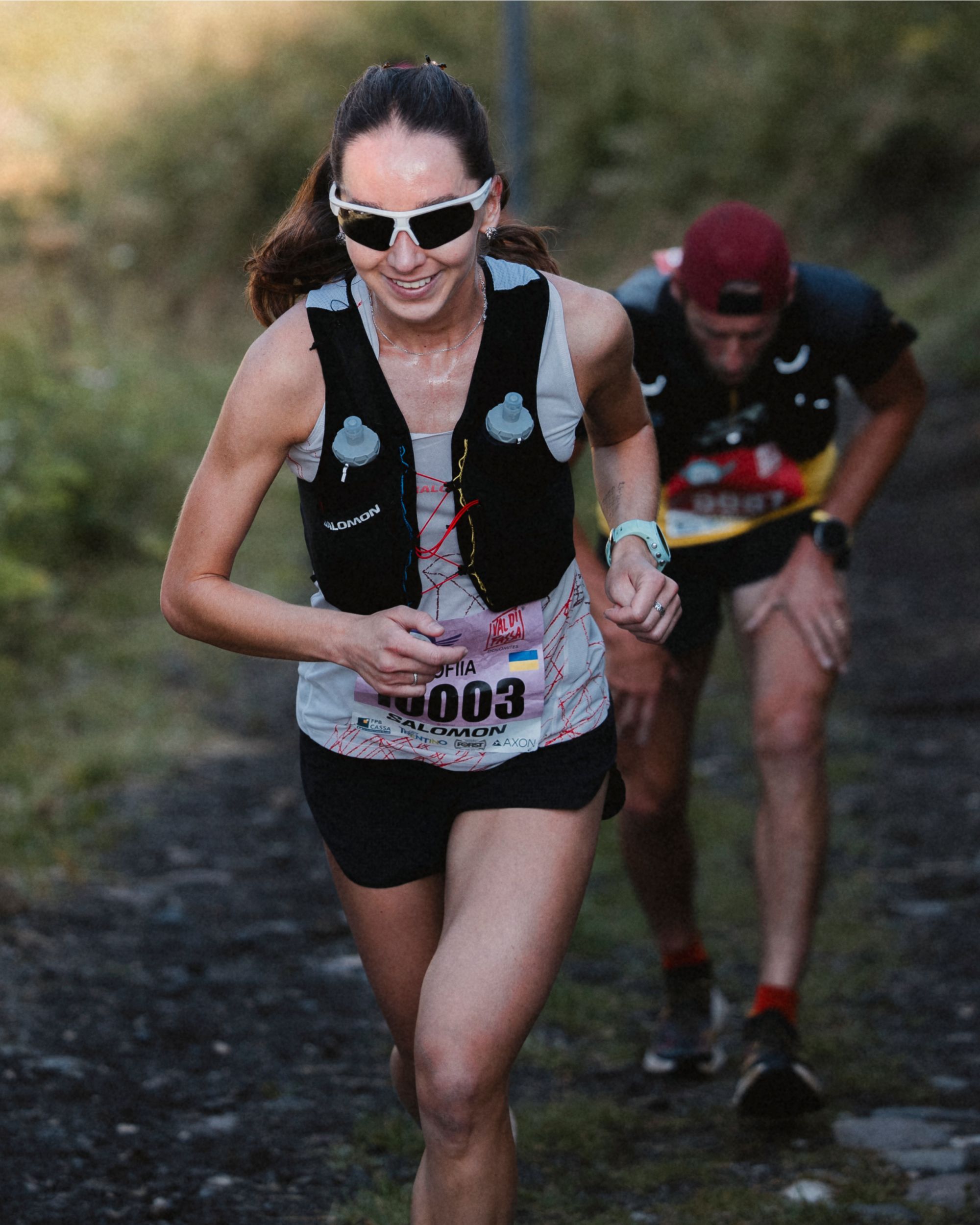
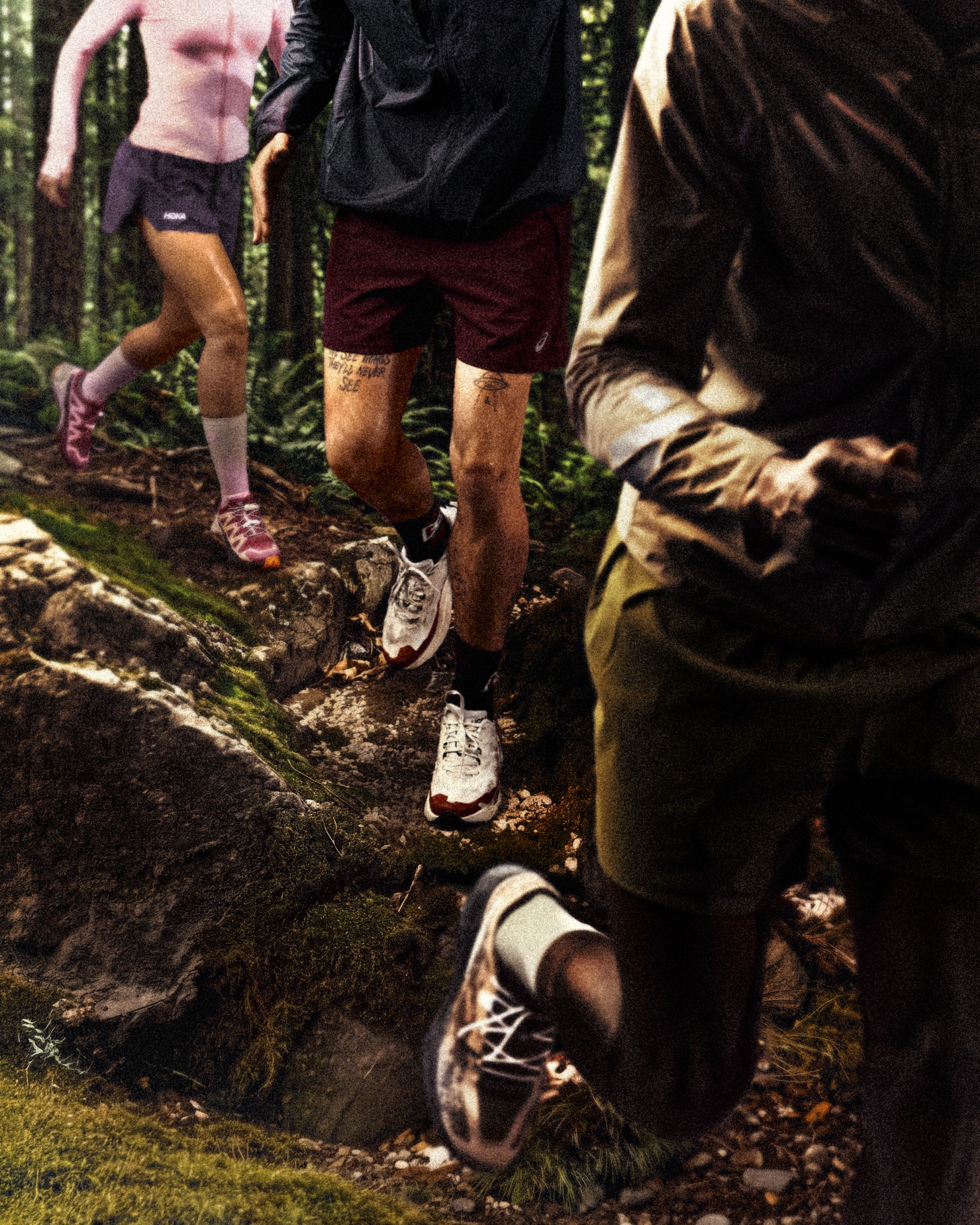
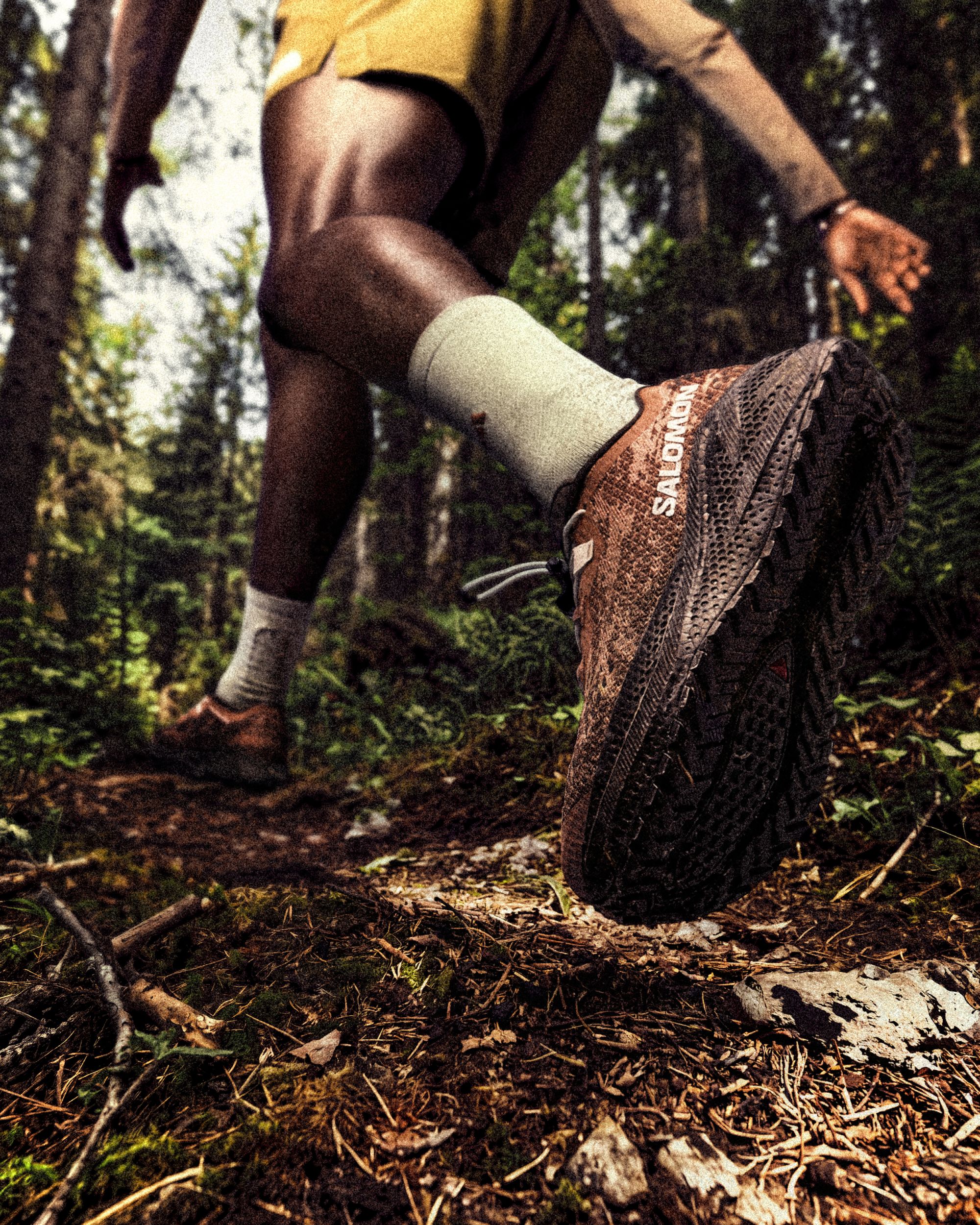
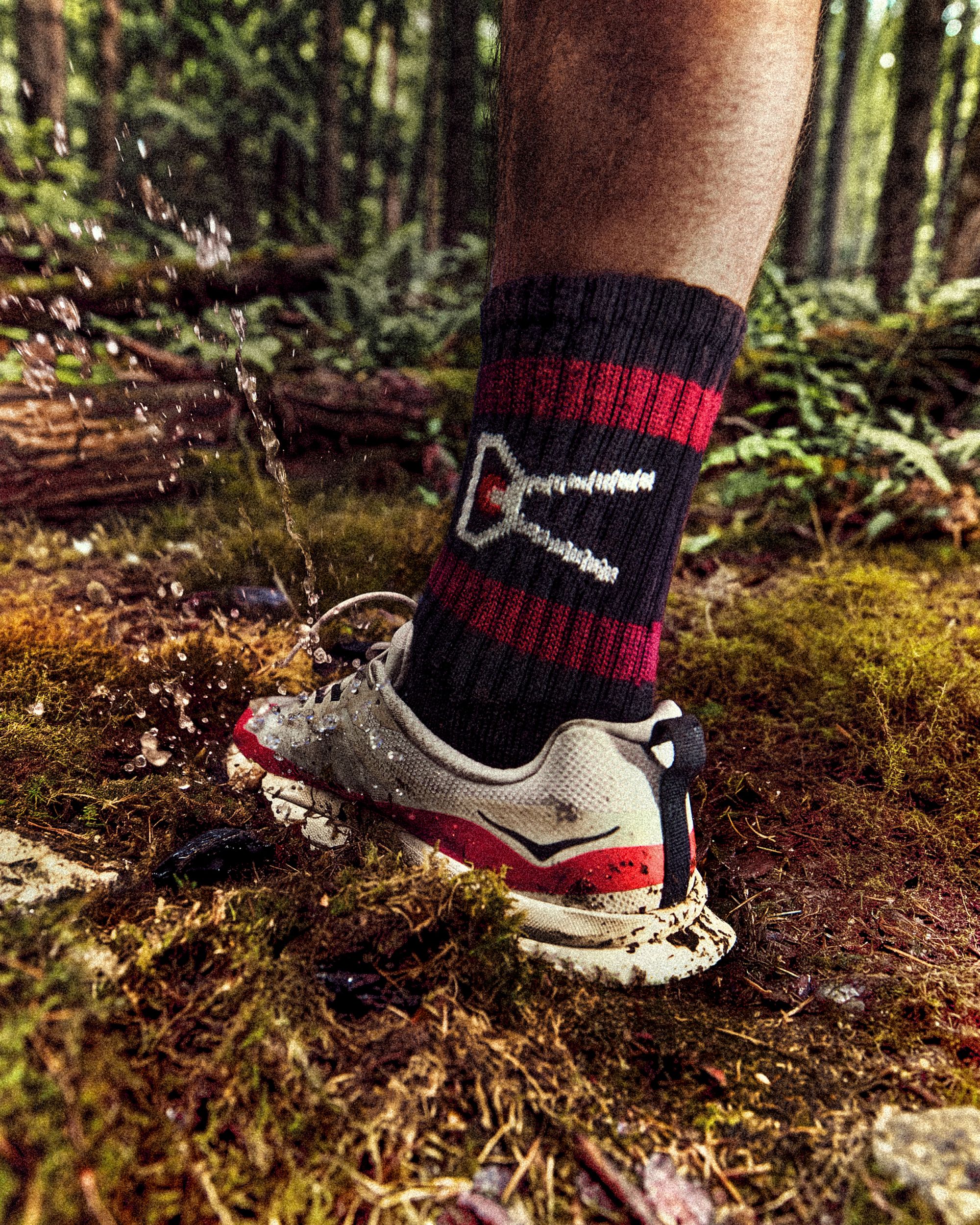
As mentioned, this variety also concerns the places where people run. Alongside roads and tracks, trails, dirt paths and hilly or mountainous routes have become increasingly popular, across both short and long distances and with levels of difficulty that vary according to the terrain and elevation gain.
Trail running is undoubtedly one of the clearest expressions of this expansion. According to the Outdoor Industry Association’s 2026 Running Report, 17.2 million people took part in the discipline in the United States in 2025, an increase of 6.6% from the previous year and 57% compared with 2019. Growth is also evident in France: the Finishers barometer, produced by the Union des Entreprises Sport & Cycle for the French Athletics Federation, recorded 1.44 million trail race results in 2025, an increase of 150% over ten years, compared with 40% for road races. This interest is also reflected in company reports and sales figures for dedicated products. Brooks, for example, reported a 71% increase in sales of trail footwear in the second quarter of 2026 compared with the same period a year earlier.
The growing popularity of trail running is also reflected in applications for major events. In Italy, races such as the DoloMyths Run and the Lavaredo Ultra Trail are increasingly established benchmarks within the scene. For its 2026 edition, the latter received more than 20,000 pre-registrations, compared with almost 15,000 the previous year, despite only around 6,000 race places being available. At events like these, the natural landscape becomes an integral part of the experience alongside the activity itself, and one of the reasons for choosing one race over another.
The expansion into these environments has helped make the market even more diverse. Running on uneven surfaces, tackling climbs and descents or spending more time away from urban areas creates specific requirements, particularly when it comes to footwear: from outsole grip and foot protection to stability and cushioning. Clothing and accessories must also adapt to changing weather conditions and the need to carry water, food and additional layers. In short, different ways of experiencing and practising running are matched by an increasingly specialised range of products.
Zalando: a guide through such a varied offering
With such a specific and extensive offering, being able to compare categories, brands and price ranges has become a fundamental part of both the decision-making process and the shopping experience. On Zalando, the running selection includes footwear for everyday training, racing and trail running, as well as clothing and accessories, with products aimed at beginners, occasional runners and, of course, those who run more regularly. The assortment has become a point of reference for runners, allowing them to search for products according to the activity, personal preferences and desired performance level.
This is confirmed by data on the platform’s users. More than 85% of Zalando’s European customers say they exercise at least once a week, while running-related searches have increased by 83% overall, with rises of up to 400% for specialised technical products, such as carbon-plated racing shoes. Purchasing patterns have also changed: the share of running shoes sold for more than €100 rose from around 35% in 2021 to over 70% in 2026.
As mentioned, this is a new form of demand, to which Zalando is responding by expanding its selection and adding content and tools to help guide purchasing decisions. These developments were designed around the public’s growing willingness to use this type of technology. According to the same YouGov research, 35% of respondents said they were interested in using artificial intelligence and virtual try-on tools to choose sportswear. That figure is likely to increase over time, alongside our growing habit of relying on similar technological compasses in everyday life.
Rothwell identifies both the driving force and the objective guiding this journey. "What is driving us towards our next milestone - our ambition to become Europe’s leading multi-specialist sports destination by 2028 - is the incredible energy of our active community, the expansion of our digital guidance tools and the strengthening of our specialised offering". To describe both the progress already made and the road still ahead, Rothwell once again turns to running. "If Zalando were a marathon runner, we’d have cleared the opening miles, settled into a strong, confident stride, and would now be hitting that crucial midway mark - around kilometre 20 to 25 - where momentum really kicks into gear".
What to read next
Under Armour's biggest ambassador in Italy is a trapper
He's Tony Effe but you can call him tonycocazero
ASICS and ©DISTANCE Explore Iten’s Running Culture Through a New Collection
Inspired by Kenya’s landscapes and running community