The highs and lows of Ronaldinho Day in Ravenna What worked - and what didn’t - about the huge operation behind the Brazilian’s return
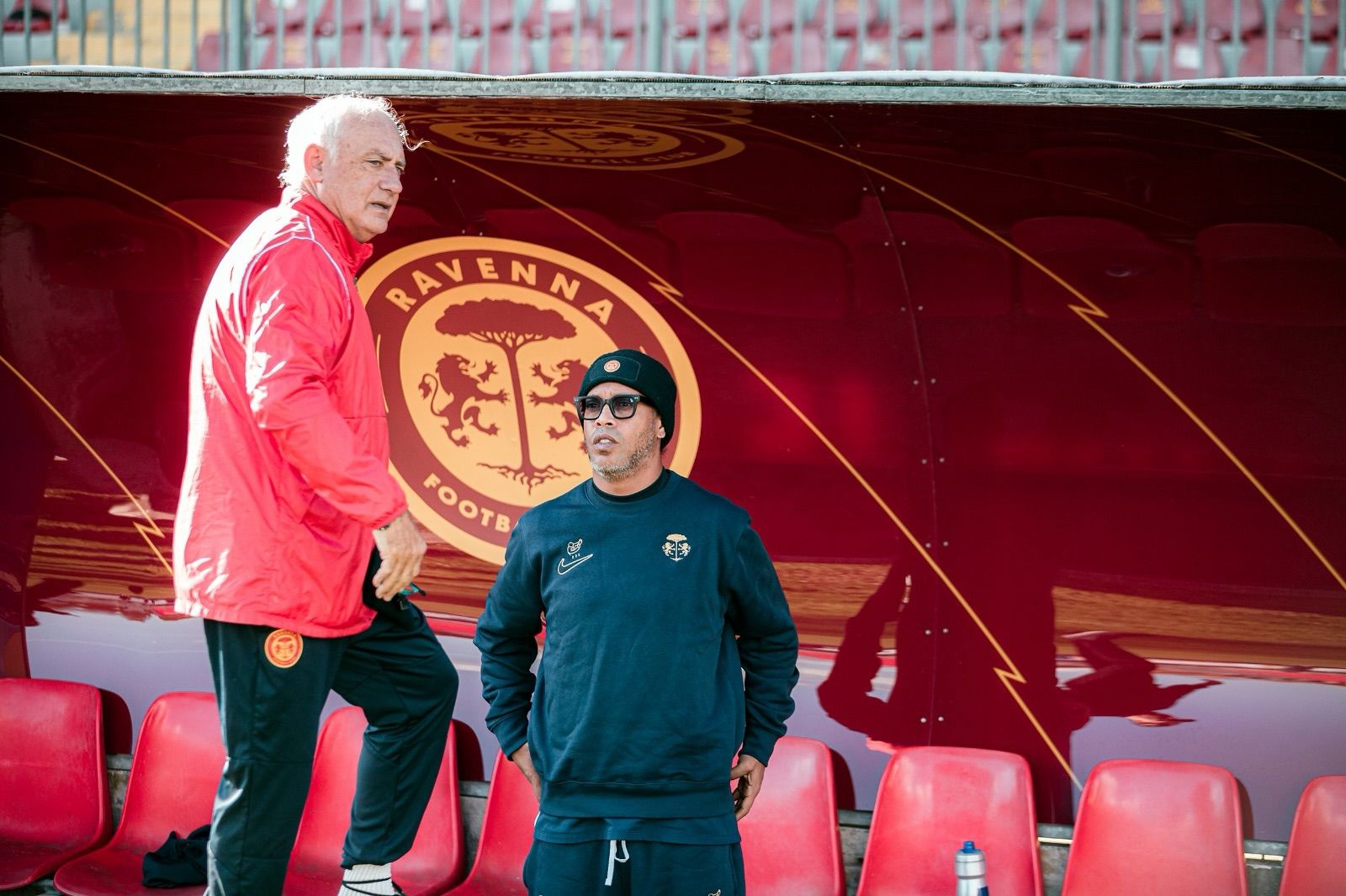
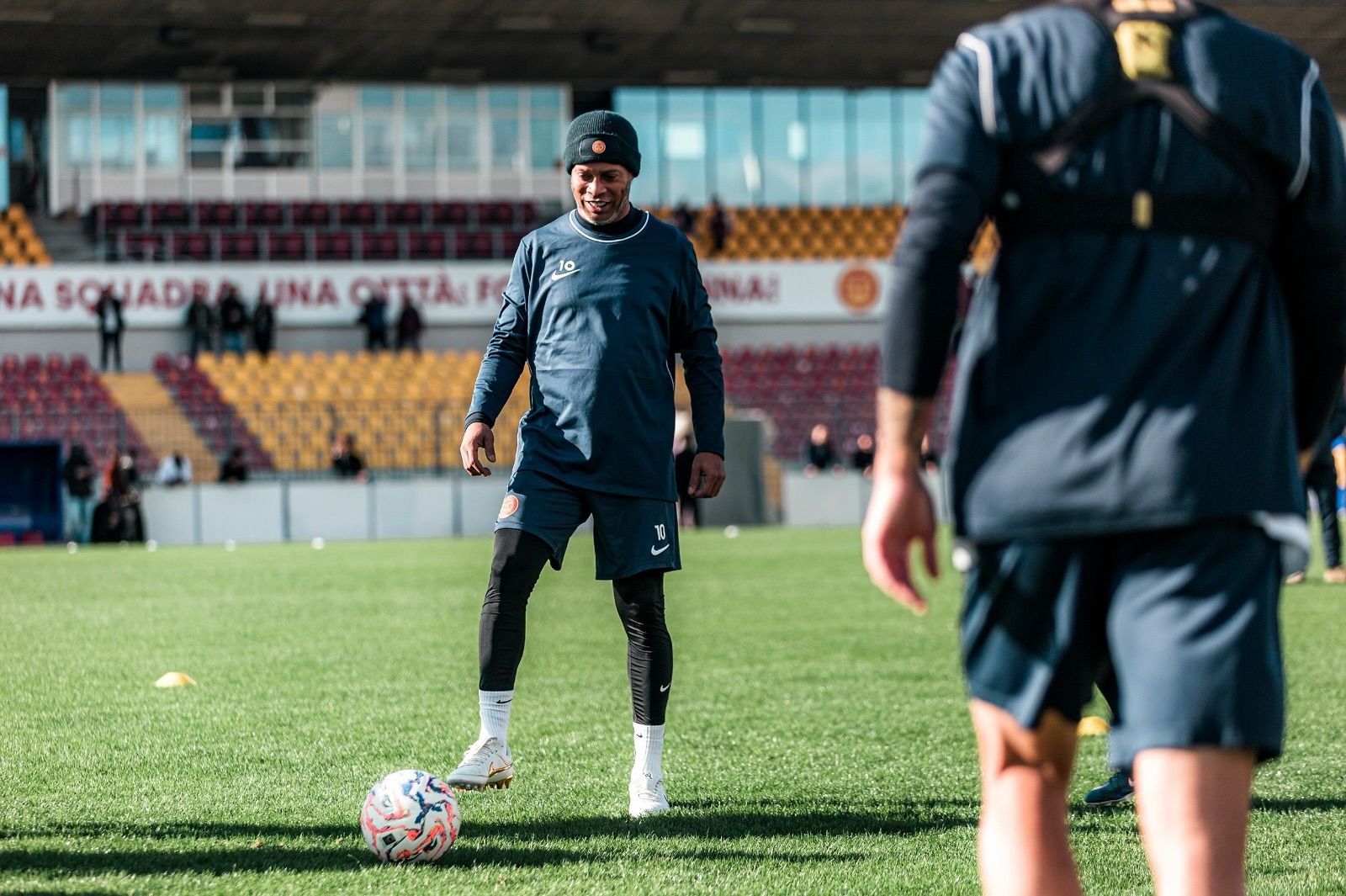
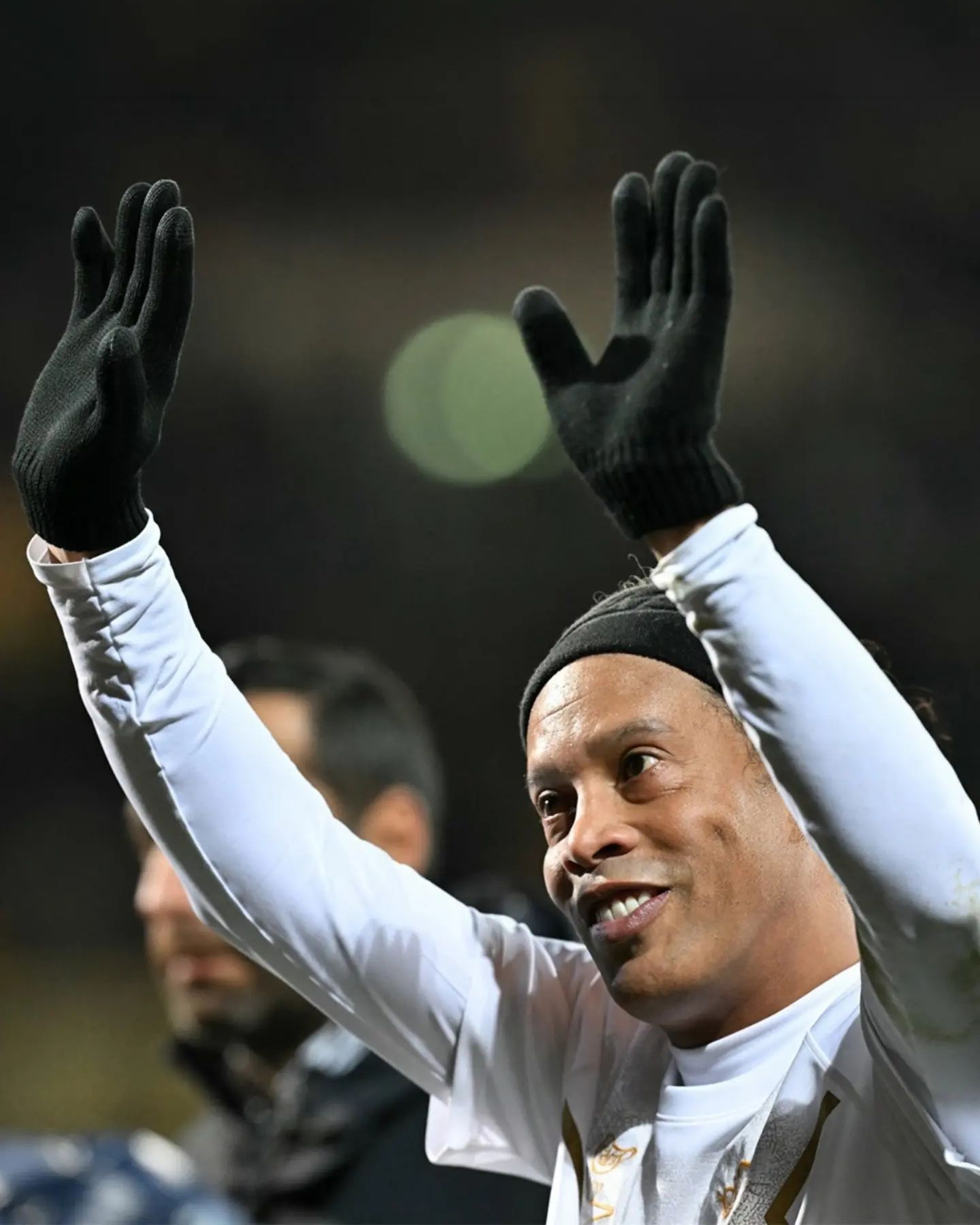
Yesterday we travelled to Ravenna to watch Ronaldinho play in the “piadina derby” against Forlì, on matchday fourteen of Serie C’s Group B. It is a sentence that still feels strange to write, even the following day. At the Stadio Bruno Benelli, the Brazilian started wearing the number 10 shirt and played the entire first half, eleven years after his last official appearance. Ravenna won the derby 2-0 - but the sporting result was, for better or worse, a fairly marginal part of the event.
The idea of a “Ronaldinho Day” in Ravenna grew out of his friendship with club president Ignazio Cipriani and took shape through an agreement unveiled with great fanfare last June. It announced the former PSG, Barcelona and Milan player’s arrival at the club, including as a minority shareholder, with the prospect of him returning to the pitch. The official figures have not been made public, but according to reports from Messaggero and Corriere dello Sport, the fixed component of the agreement is believed to be around half a million euros, linked to his appearance on the pitch and promotional commitments. This is in addition, of course, to revenue from the commercial use of his image rights and merchandise sales.
At the heart of everything, therefore, was a huge commercial operation built around Ronaldinho’s name and image, and consequently the R10 brand, which also became the name of a temporary stand for the occasion. Yes, to welcome Ronaldinho’s return, the stadium even had to be expanded. The two teams’ Red Bull-branded benches were also clearly brand new.
At 46, Ronaldinho is set to play his first official match in 11 years this Sunday, for Ravenna in the Serie C derby against Forlì. The club has even added a temporary R10 stand for the occasion, with hospitality tickets at €150. The Ronaldinho effect never retired. https://t.co/TLCsndMyQX
— nss sports (@nss_sports_) November 13, 2026
It was obvious that Ronaldinho’s return was a marketing operation even before experiencing yesterday afternoon at the Bruno Benelli in person. What was more interesting was understanding what form it would take within a normal - in theory - Serie C matchday, and what impression the former Brazilian footballer - after watching him play, we still feel comfortable calling him that - would leave on an occasion so far removed from the usual experience of Ravenna, Serie C and Italian sport.
What emerged was certainly a unique Sunday, capable of generating curiosity, unusual numbers, viral content and extraordinary attention from the sporting world. But the event also attracted criticism and questions over the way it was conceived and organised. The following day, we gathered our thoughts and considered the highlights and shortcomings of Ronaldinho Day, looking more closely at what we believe worked and what left us less convinced.
What worked
If the objective was to bring Ravenna into spaces where the club is rarely discussed, the experiment undoubtedly succeeded. Images of his arrival, the training session the previous day, his entrance onto the pitch and the warm-up travelled far beyond the Serie C audience. Before the match had even begun, there was already enough material to fill social media feeds around the world - and even the screens of Times Square, at a distance from the Benelli, both geographical and otherwise, that alone suggests the scale of the operation.
The images appeared on the Instagram profiles of Fabrizio Romano, The Athletic, L’Équipe and 433, to name a few. And, needless to say, impossible to ignore was the explosion of Ravenna’s Instagram profile, with more than 200,000 new followers arriving around the time of the match. The club’s account surpassed 340,000 followers today, while data from Not Just Analytics captures the speed of its growth: 39,355 new followers on Saturday, 138,768 on Sunday and around another 35,000 (and counting) today.
The difficult part now, of course, will be giving those followers a reason to stay even without Ronaldinho, while waiting to see whether yesterday’s event will have a sequel. The Brazilian did not rule out the possibility, but recreating the conditions for a second appearance will be difficult. In the meantime, Ravenna has introduced itself to the world, both on social media and across the web, as confirmed by the dramatic spike in searches for the club from Romagna recorded by Google Trends.
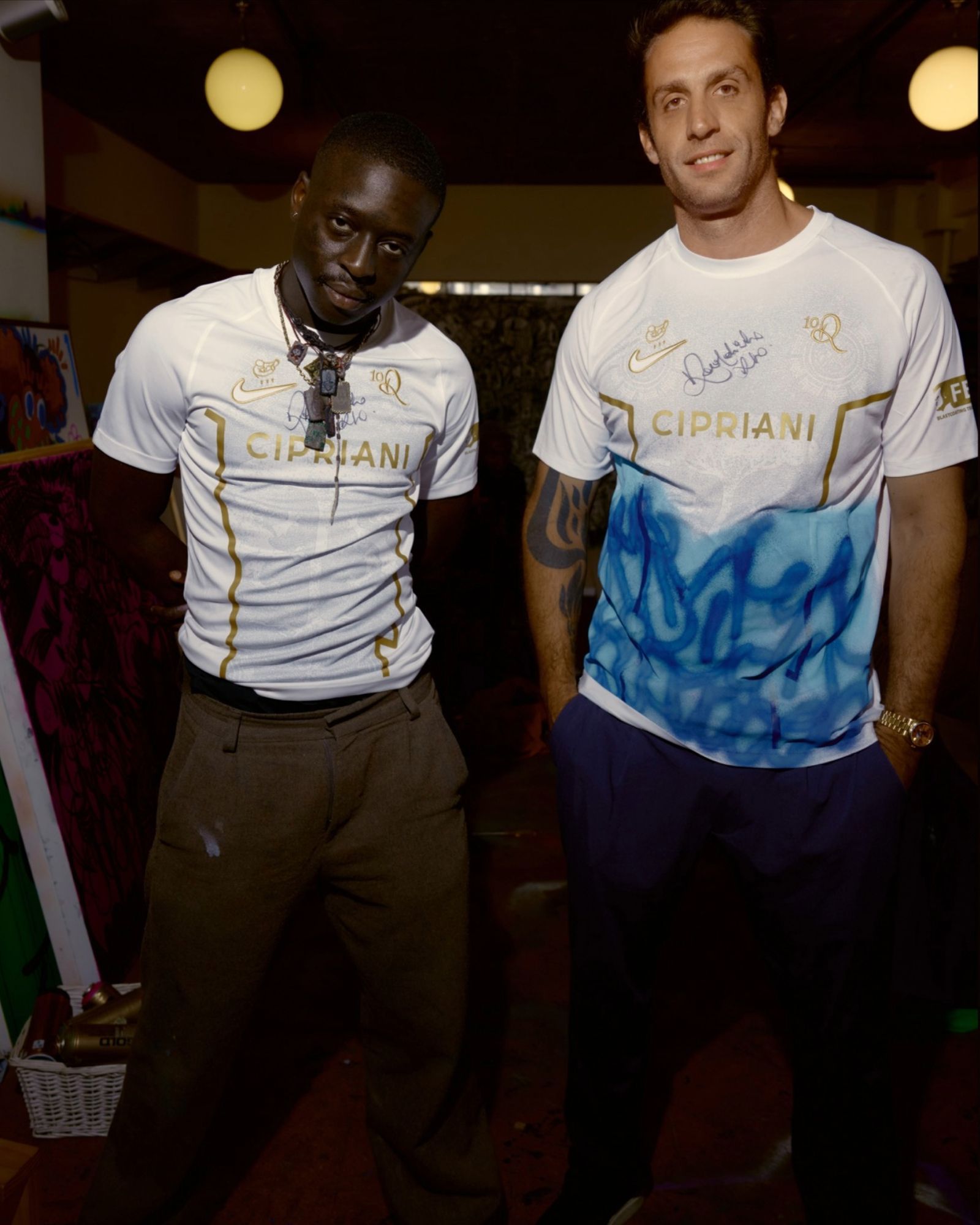
Then there were the 7,000 spectators inside the stadium, the involvement of brands such as Motorola, Red Bull and Panini, the tickets that sold out within minutes despite prices that would have been unthinkable for a normal Serie C Sunday, the shirts sold and all the merchandise surrounding the event, including the Limited Edition T-shirts produced for the occasion. Ticket sales are believed to have generated almost €200,000, although that figure only partially reflects the overall matchday revenue. Without knowing the total costs and income, it would make little sense to draw up a balance sheet, but the ability to transform attention into a commercial offering was clear, as were the imagination and ambition required simply to conceive a day like this.
What didn’t work
The most complicated transition was the one from the name to the footballer. Watching videos of Andrea Mandorlini giving tactical instructions to Ronaldinho was a fairly surreal sight, as was seeing El Gaucho in the starting eleven at the expense of someone who would undoubtedly have deserved that starting shirt. Once the match began, the distance between the sporting context and its special guest became all too evident. Ronaldinho, ça va sans dire, barely moved, called for the ball at his feet and played almost entirely from a standing position, while those around him appeared rather cautious, so to speak, when marking and challenging him.
Some even analysed the data from his performance. One successful cross from three attempts, an 81% pass-completion rate (17 out of 21, including 15 out of 19 in the opposition half) and one completed long ball: figures that would make sense if yesterday’s match had been a normal competitive fixture - but that could not be the case. This is not a criticism of Ronaldinho, of course. At 46 years old, after eleven seasons away from professional football, it would have been impossible to imagine anything different. The issue, however, is how difficult it was to reconcile these elements with a match that carried genuine stakes for every professional involved.
Forlì, sitting fifteenth, were looking for points to improve their position, while Ravenna are second and chasing promotion. This was neither a friendly nor a match without competitive consequences - yet space still had to be made within it for a “Ronaldinho Day”. This is where Ravenna’s commercial and communications success took on a different meaning for Serie C. Michele Criscitiello, the director of Sportitalia, described it as “damaging to the league’s image”, arguing that the Brazilian’s presence gave the impression of a level at which someone could play at 46, without physical preparation and essentially as a stranger to the team.
Beyond his opinion, which was hardly an unpopular one, yesterday afternoon also left us with another question. How much of all the attention generated actually reached the league, its players and the match itself? Serie C provided the pitch, the opponents and the official nature of the occasion, but remained in the background of the day’s narrative. Apparently by the choice of Lega Serie C itself, or at least that is what the extremely limited involvement of its official channels would suggest. They did not join the celebration of “Ronaldinho Day” as might reasonably have been expected. This is a division that, from 1986 to the present day, has recorded 200 cases of clubs failing to gain admission, withdrawing their registrations or being excluded during a season. For this reason too, it would have been good to see such exceptional attention tell us something more about the league that made the event possible.
Another decision that could have been handled better concerns those who follow Ravenna even on the less glamorous Sundays: the club’s supporters. An official statement published on the club’s website at the beginning of November spoke of its “intention to give maximum priority to season-ticket holders, recognising and rewarding those who, by purchasing a season ticket, have demonstrated their attachment to the Giallorossi colours and their confidence in the club’s project”. The problem was that season tickets were not valid for yesterday’s match: “Season-ticket holders will be guaranteed an initial exclusive sales window, with reserved prices and the right to retain their seat”. In other words, they had to buy another ticket. The economic logic is clear, but including season-ticket holders in the celebration would have been a positive gesture - perhaps even an obligation? - towards those who chose to support the team throughout the entire season.
Finally, we would have liked to see Ronaldinho sit on the bench during the second half instead of leaving the stadium at half-time, followed by a swarm of camera operators, photographers and journalists. And then to see him with the team again after the final whistle, joining the players as they greeted the supporters. He did, of course, say goodbye to the crowd, receiving a standing ovation and bowing in front of the home end, but staying longer would have at least partly reduced the impression of a purely commercial initiative and returned some of the dignity borrowed from the sporting context and those who inhabit it every week.
Given the circumstances, it must be said that making the event feel more like a football occasion than the one we experienced yesterday at the Benelli would have been extremely difficult. First and foremost because of its protagonist’s physical condition, which inevitably created a degree of artificiality, but also because of agreements between the parties and contractual limitations. Despite everything, however, we watched Ronaldinho play in Serie C in 2026, with the whole world tuning in for a Ravenna-Forlì derby in the middle of November. Continuing to write that sentence will not help us get used to or normalise a day that, almost inevitably, polarised opinion by creating a stark contrast between the initiative’s highlights and shortcomings.
What to read next
Ravenna builds special stand for Ronaldinho's return to football
Everything is ready for his comeback
Treviso FBC and Lenovo turn the club’s history into a new fan jersey
Designed by Creative Director Marco Oggian