The ultimate 2026 World Cup Glossary In ten years' time, we'll still be talking about the hydration break and the Viking row
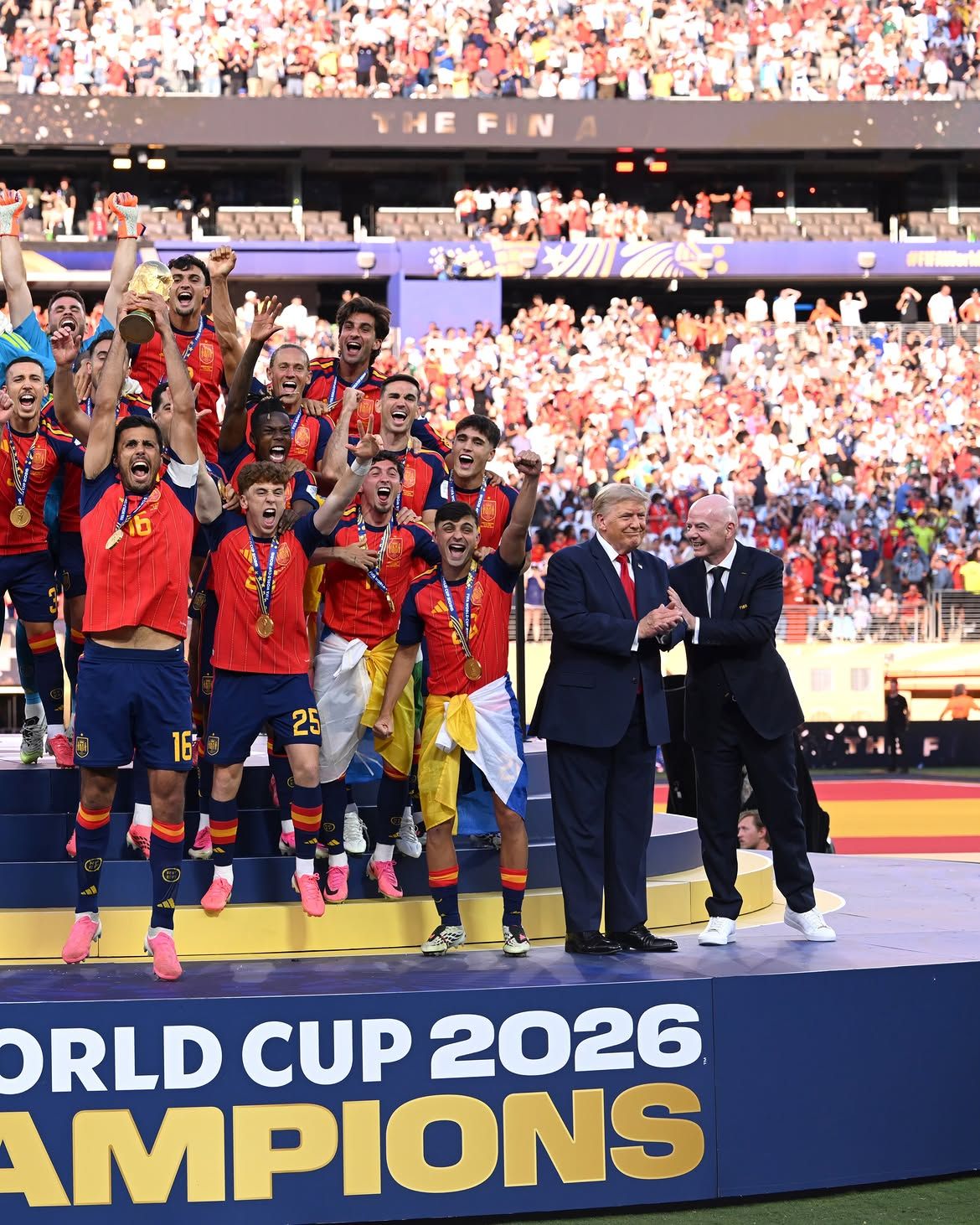
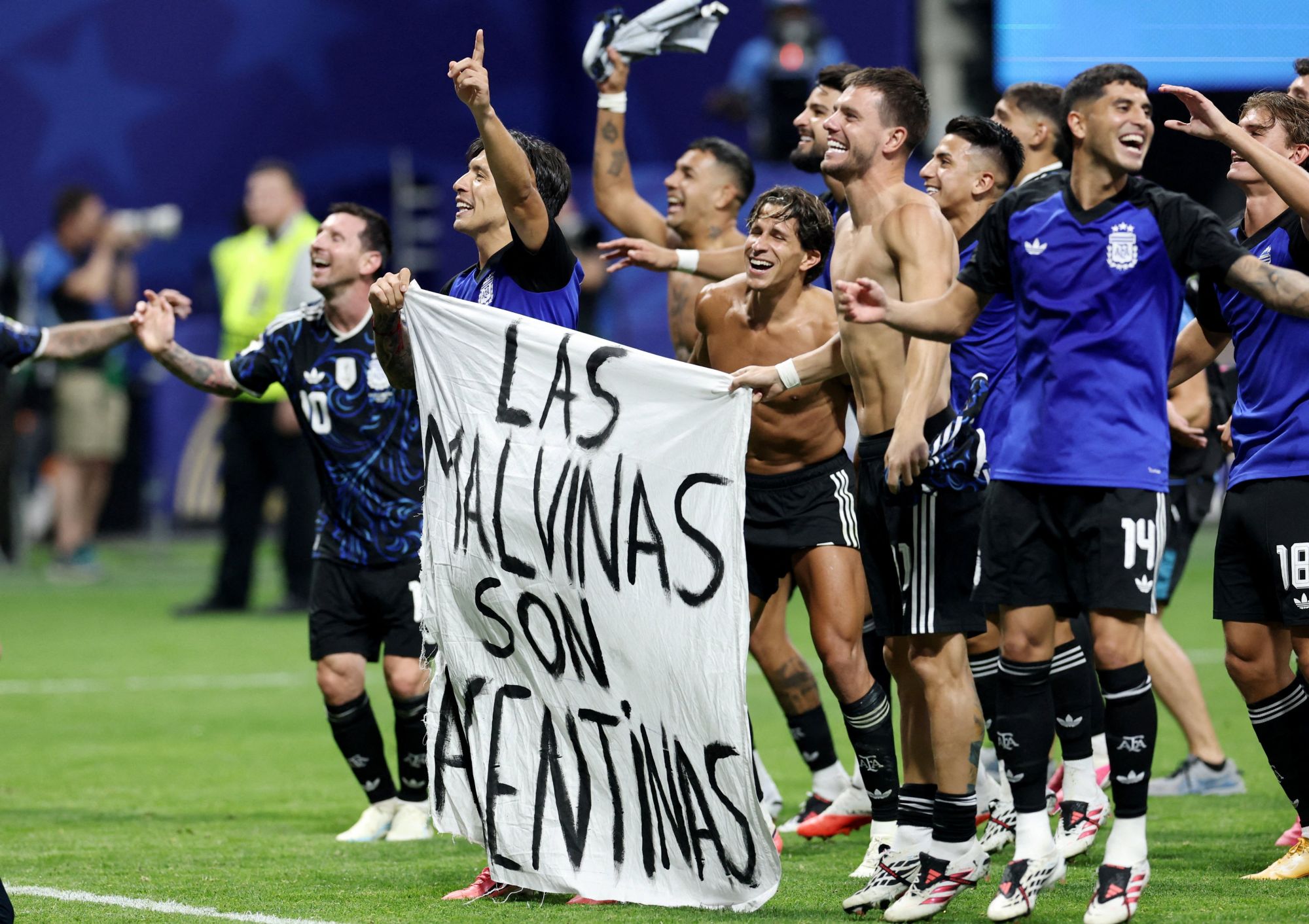
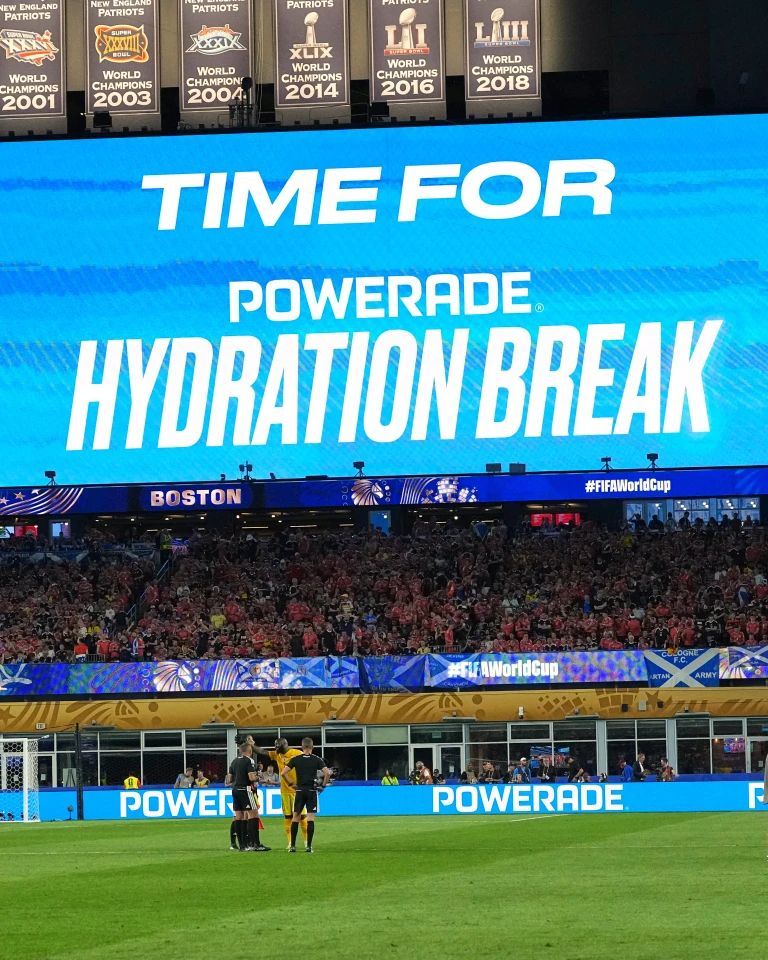
The FIFA World Cup 2026 came to an end with Spain lifting the trophy. It was an intense journey, spanning 104 matches across 37 consecutive days. Throughout the tournament, we're sure you came across—perhaps for the very first time—a number of names and expressions that became part of the World Cup's shared vocabulary, leaving a lasting mark on the story of the competition. Below is a selection of the recurring terms that either gained new meaning or reached an unprecedented level of exposure.
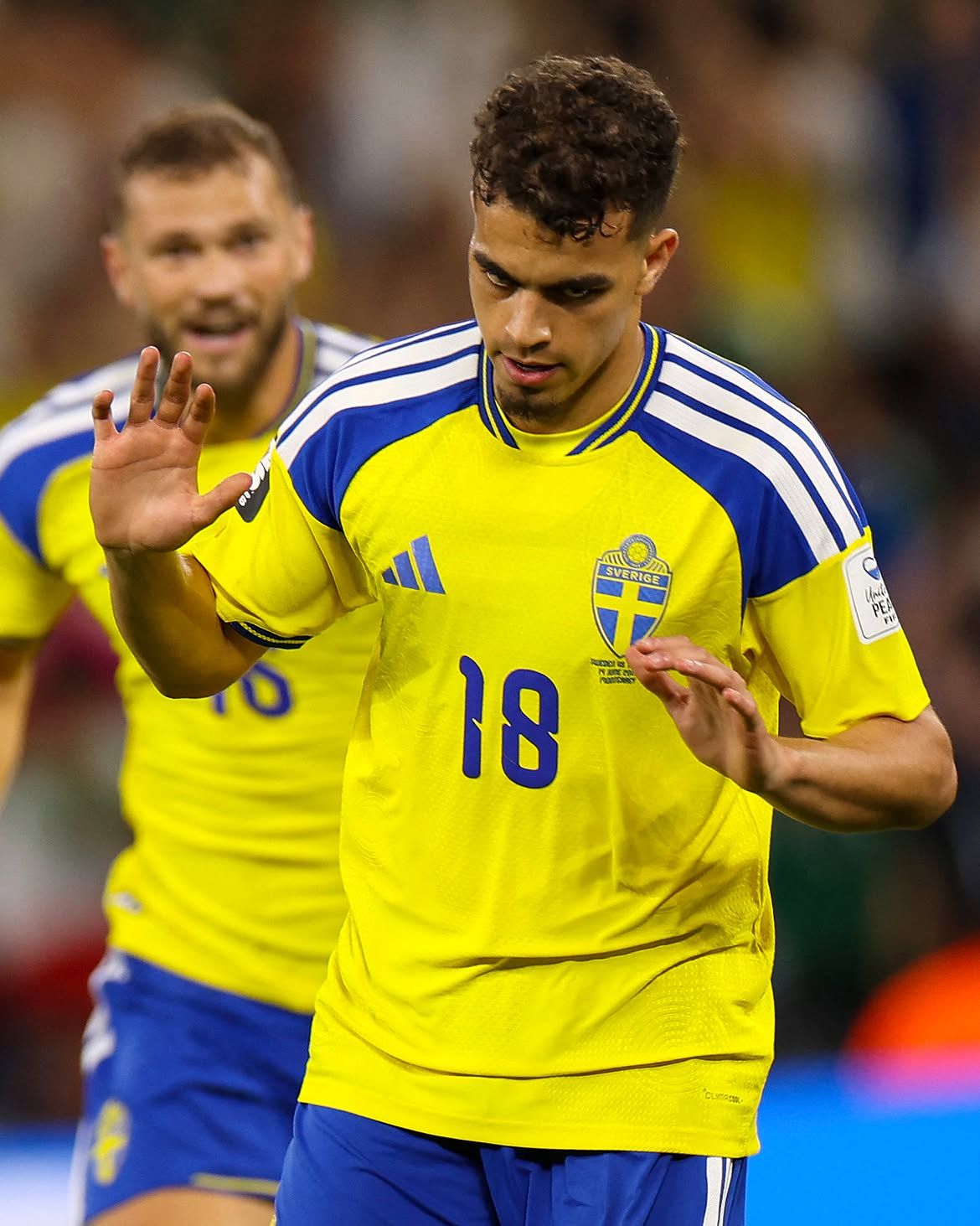
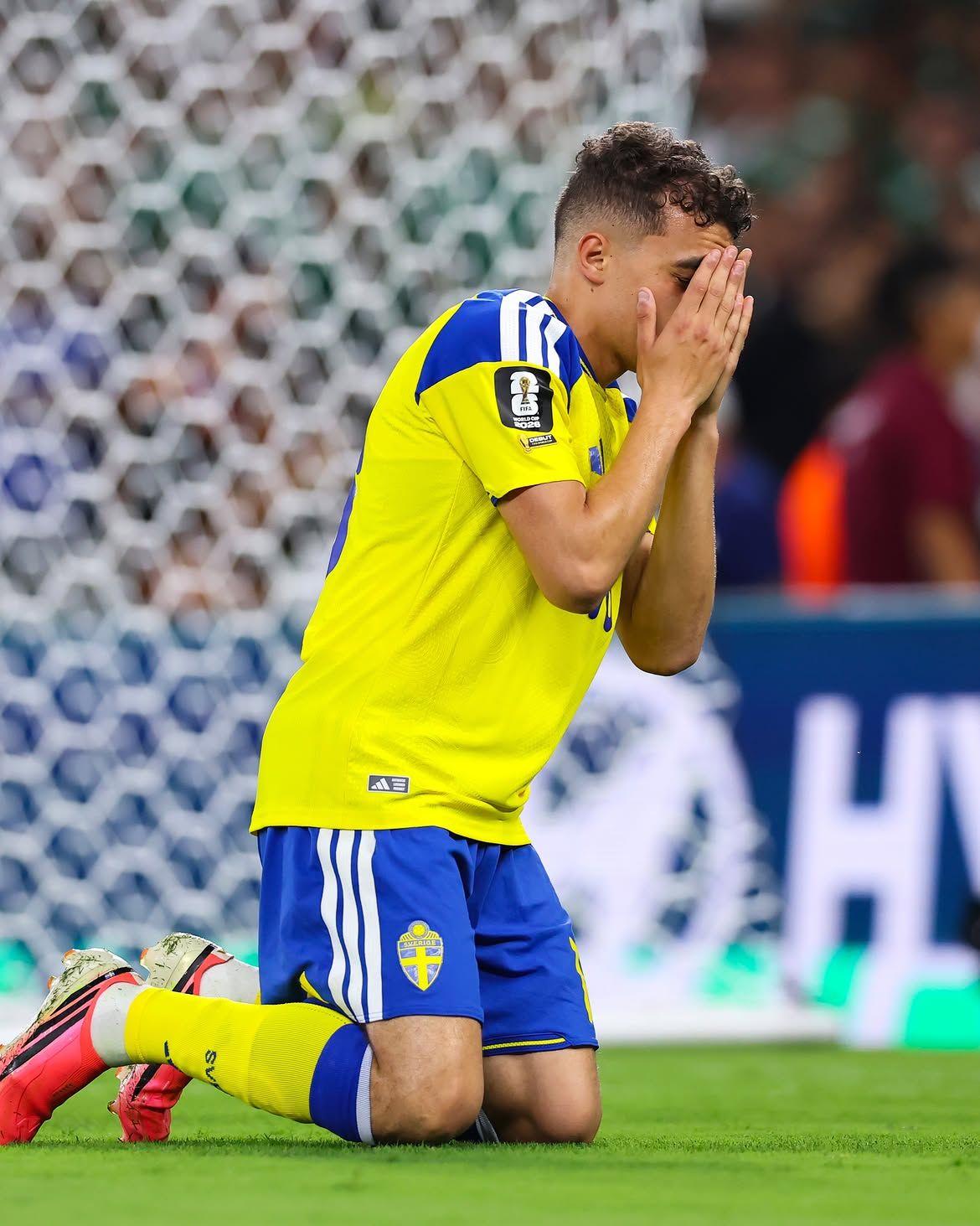
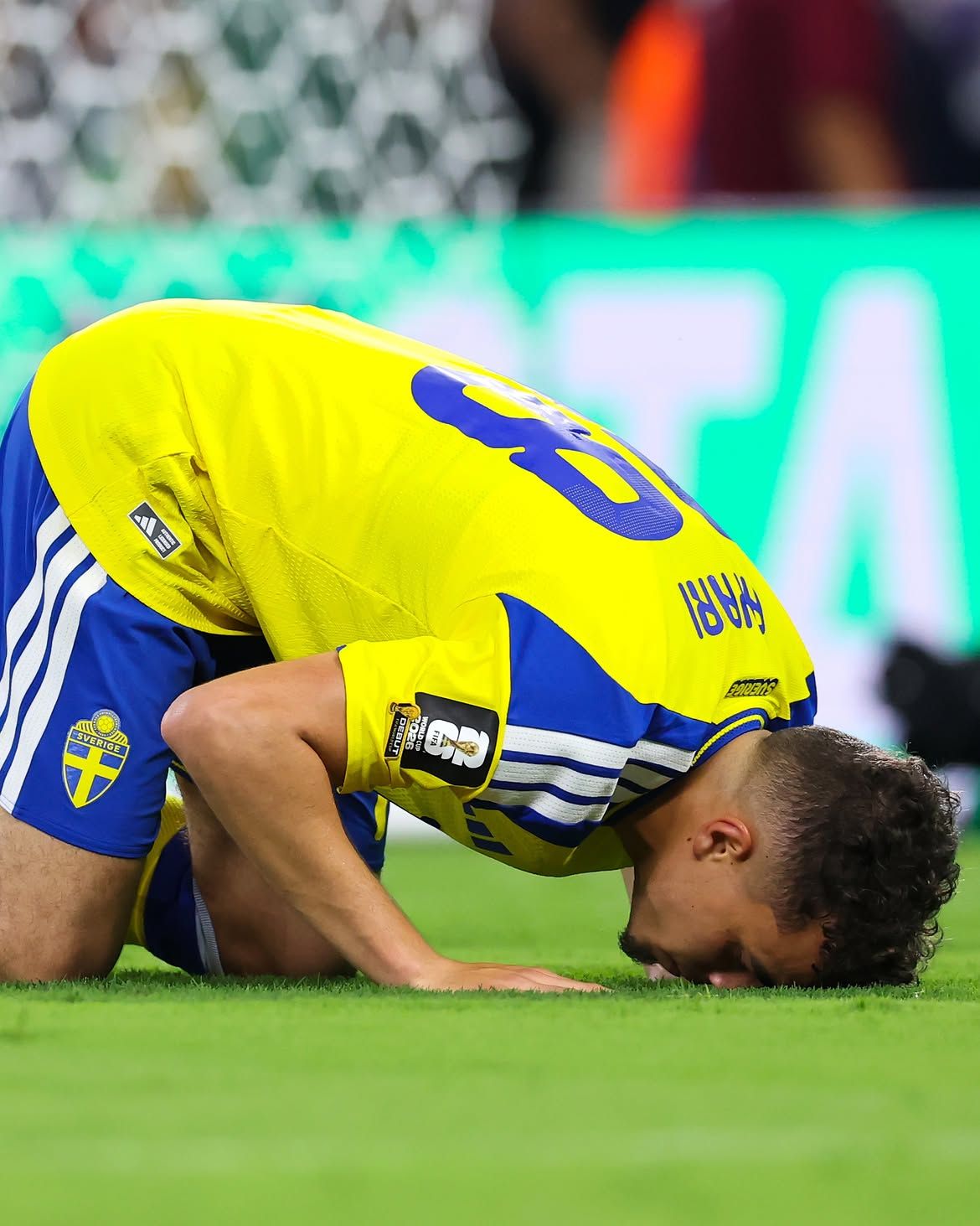
Ayari, Yasin
The Sweden international, born in 2005, marked his World Cup debut with a brace against Tunisia. After scoring his first goal, however, he chose not to celebrate as a sign of respect for his father's Tunisian roots. His father, Azzouz, emigrated to Solna from Tunisia. In doing so, Ayari introduced a new chapter in the history of respectful goal celebrations: as far as anyone can remember, no player had ever made such a gesture during a senior international match.
Banderazo
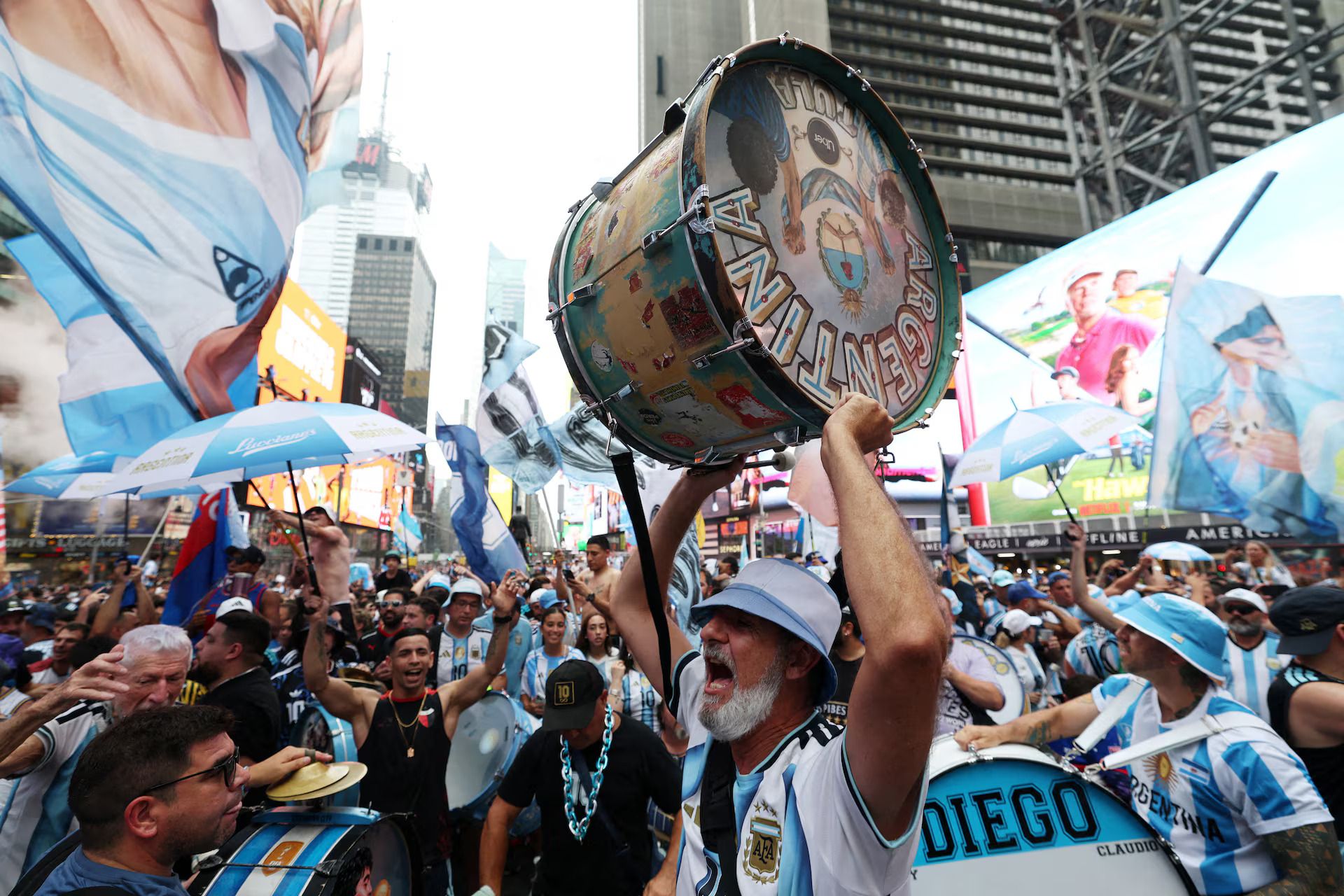
The name of the iconic pre-match gathering of Argentina supporters, who turned out in huge numbers in every host city where La Albiceleste played. Dressed in jerseys and waving flags, while creating an unforgettable soundtrack with trumpets, drums and cymbals, they brought an unmatched sense of joy wherever they went. A way of experiencing football that simply has no equal.
Balogun case
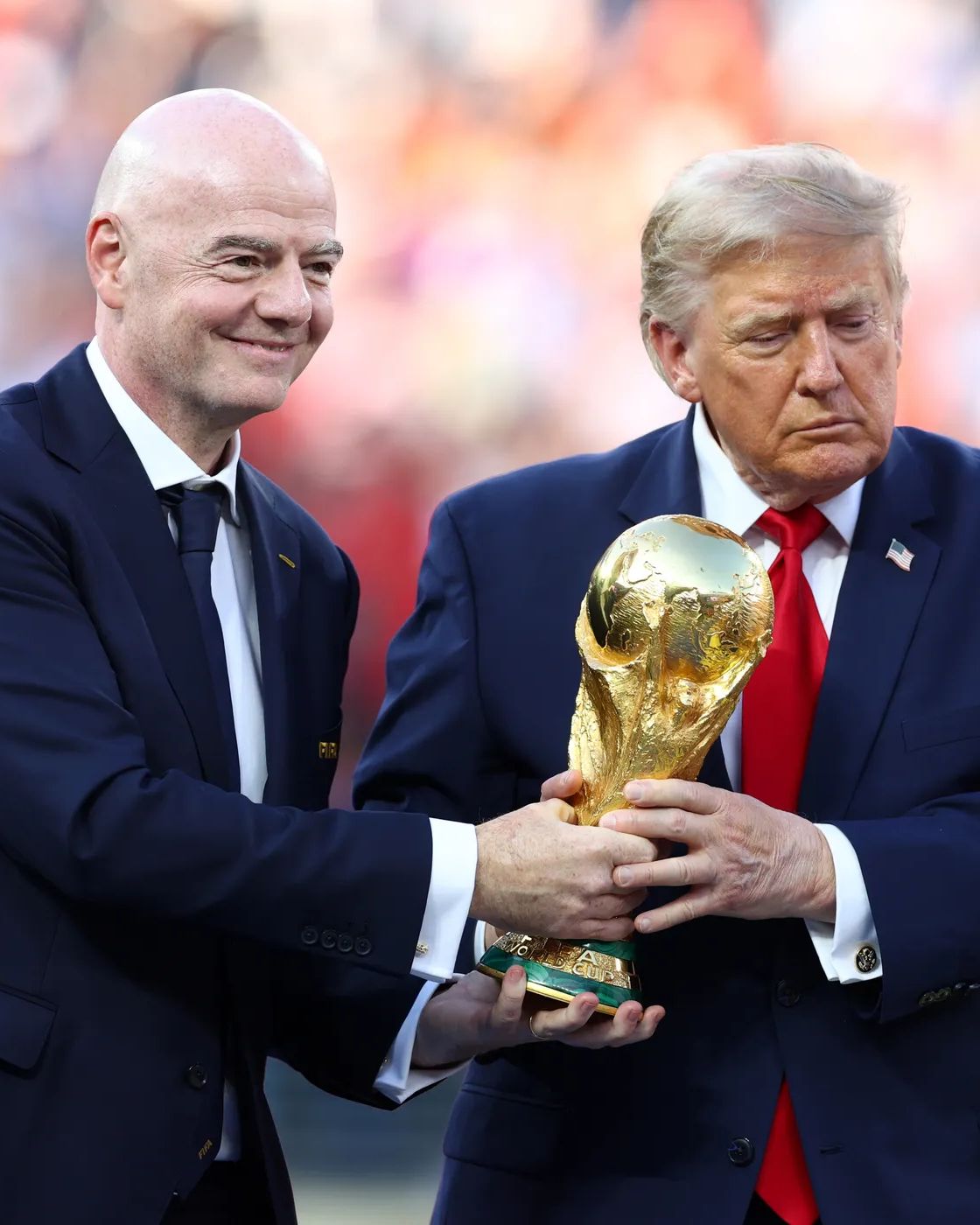
One of the most surreal episodes of the tournament: Folarin Balogun's suspension, following his red card in the Round of 32 against Bosnia and Herzegovina, was overturned by FIFA through a regulatory loophole. The decision allowed the USA's top scorer to feature in the following match against Belgium, setting an unprecedented precedent and triggering protests from the U.S. Soccer Federation, UEFA and the wider football community. Public outrage only intensified after Donald Trump openly admitted that he had personally called Gianni Infantino to ensure Balogun would be eligible to play.
Dutch Orange Bus
The iconic double-decker orange bus that leads the massive processions of Dutch supporters. Once again at this World Cup, the legendary vehicle—dating back to 1980—was at the heart of the Oranje celebrations. Watching the sea of orange bounce in perfect synchrony to the songs blasted from the bus created one of the tournament's most striking visual spectacles.
Azteca Effect
The atmosphere inside Mexico City's stadium helped the Mexican national team remain unbeaten for ten consecutive matches, a streak that lasted until the Round of 16 against England. Up to that point, Mexico's campaign had been flawless, with four victories and no goals conceded, before ending in heartbreaking fashion. What remained, however, was the enduring magic of a stadium that has been part of football history since 1966 and continues to intimidate opponents thanks in part to its 2,200-metre altitude.
Fantastic Four
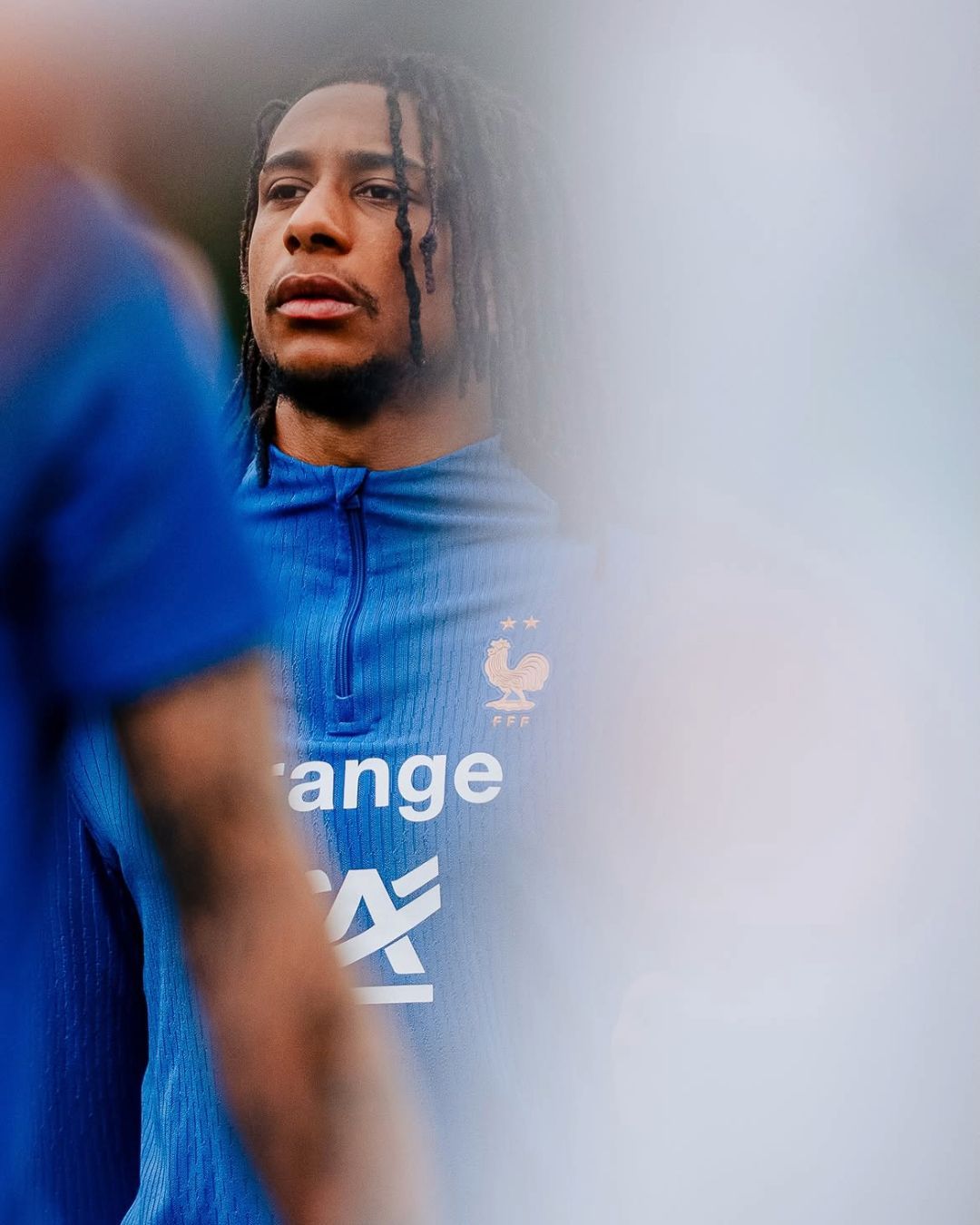
The attacking quartet responsible for all 20 goals scored by France across their eight World Cup matches. Their brilliance faded only in the semifinal against Spain, where Deschamps' star-studded frontline was completely neutralised. Kylian Mbappé led the line, Michael Olise operated behind him, Ousmane Dembélé played on the right, while either Désiré Doué or Bradley Barcola occupied the opposite flank. As long as it worked, France looked virtually unstoppable.
Golden Generation
The label attached to Belgium's national team, whose disappointing World Cup marked the end of a golden era that lasted well over a decade, during which some of the game's finest talents wore the Red Devils shirt. De Bruyne, Lukaku, Courtois and, before them, Hazard and Mertens formed the core of one of the most talented squads the country has ever produced. Now, largely because of age, Belgium must finally bid farewell to that generation. Despite finishing third at the 2018 World Cup, the greatest regret remains never having converted that extraordinary talent into a major international trophy.
Halftime Show
A full-blown American-style spectacle staged during the halftime break of the World Cup final. Never before had anything like this taken place in the tournament's history, dividing public opinion between those who embraced the idea and those who felt it had no place in football, arguing that it interrupted the flow of the match for far too long. The decision to create something reminiscent of the Super Bowl was unmistakable and strongly promoted by FIFA, with a star-studded lineup of performers taking turns on stage for more than 27 minutes.
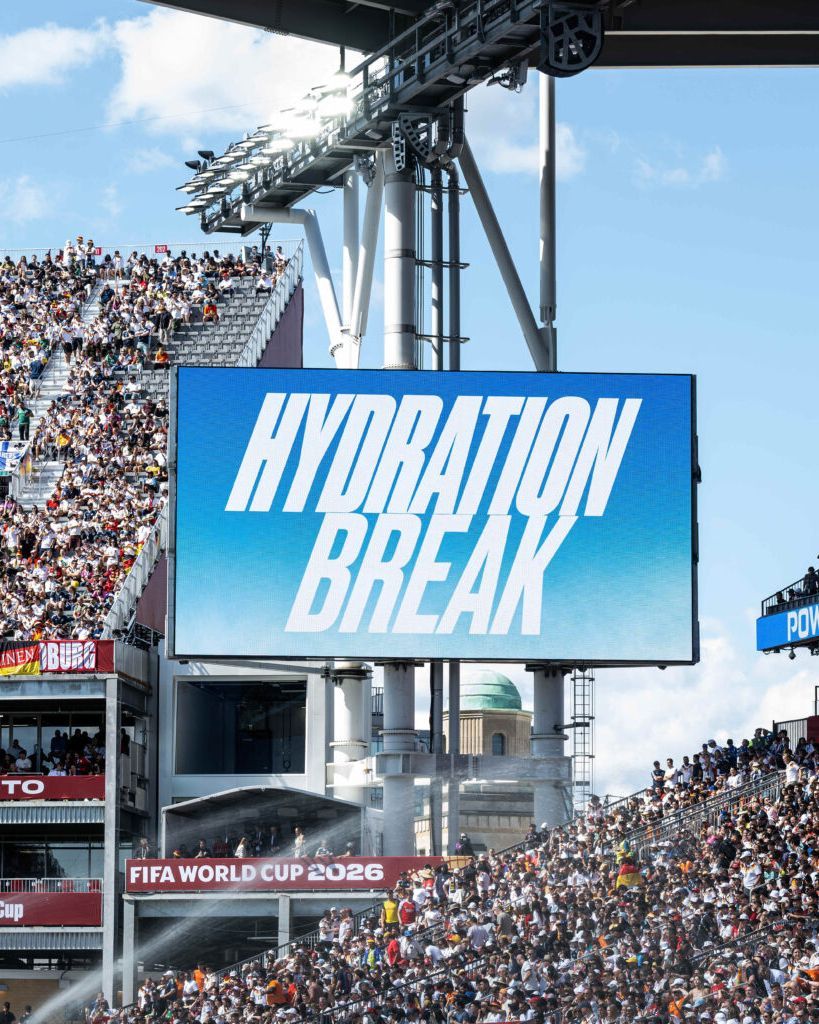
Hydration break
The name given to the five-minute break introduced midway through each half, primarily allowing players to rehydrate and recover their energy. It also became a source of debate, with critics arguing that it disrupted the rhythm of the game, effectively splitting matches into four quarters. For many coaches, however, it proved to be a valuable tactical window, offering the chance to reorganise their teams and make adjustments that often changed the course of the match.
Infantino, Gianni
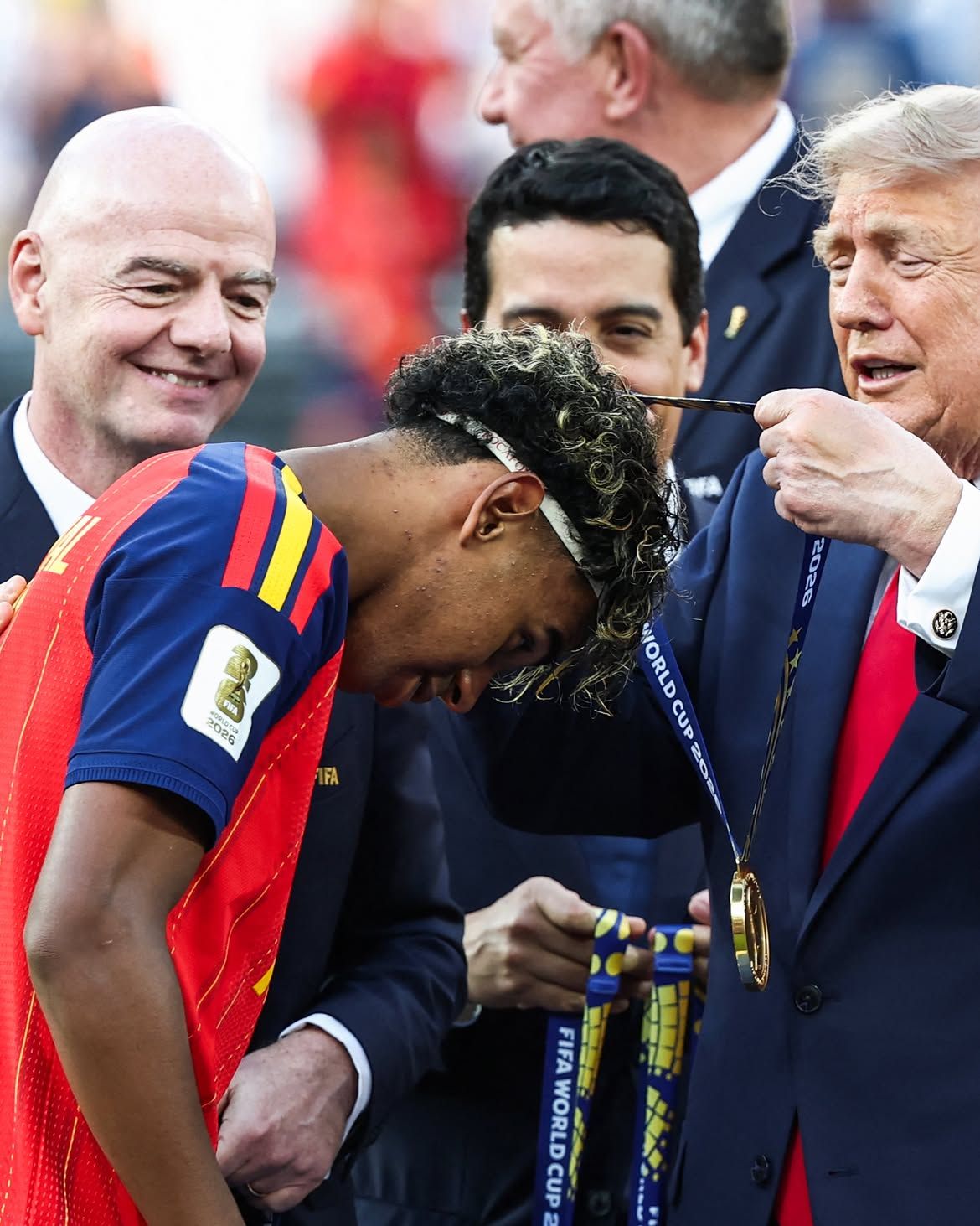
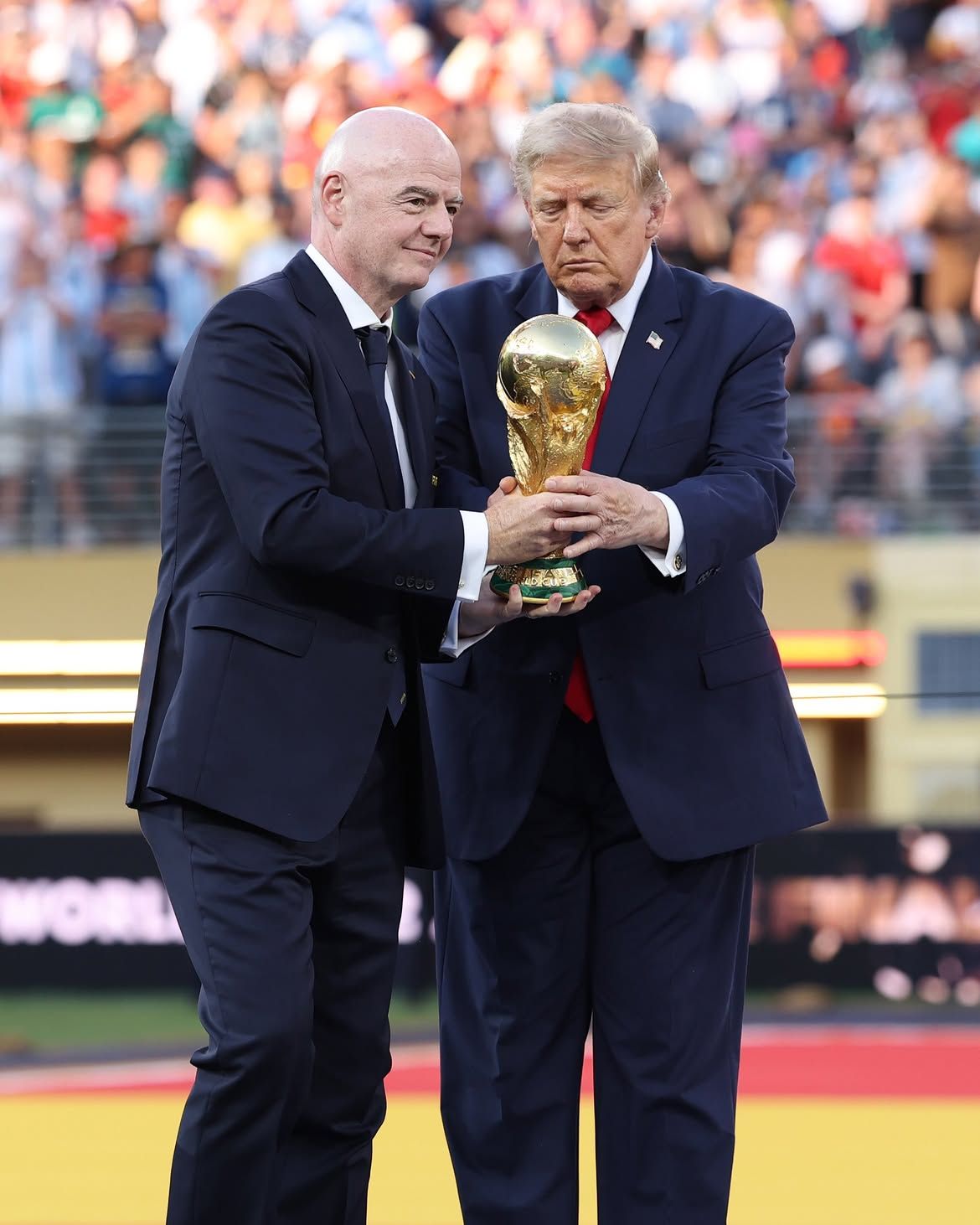
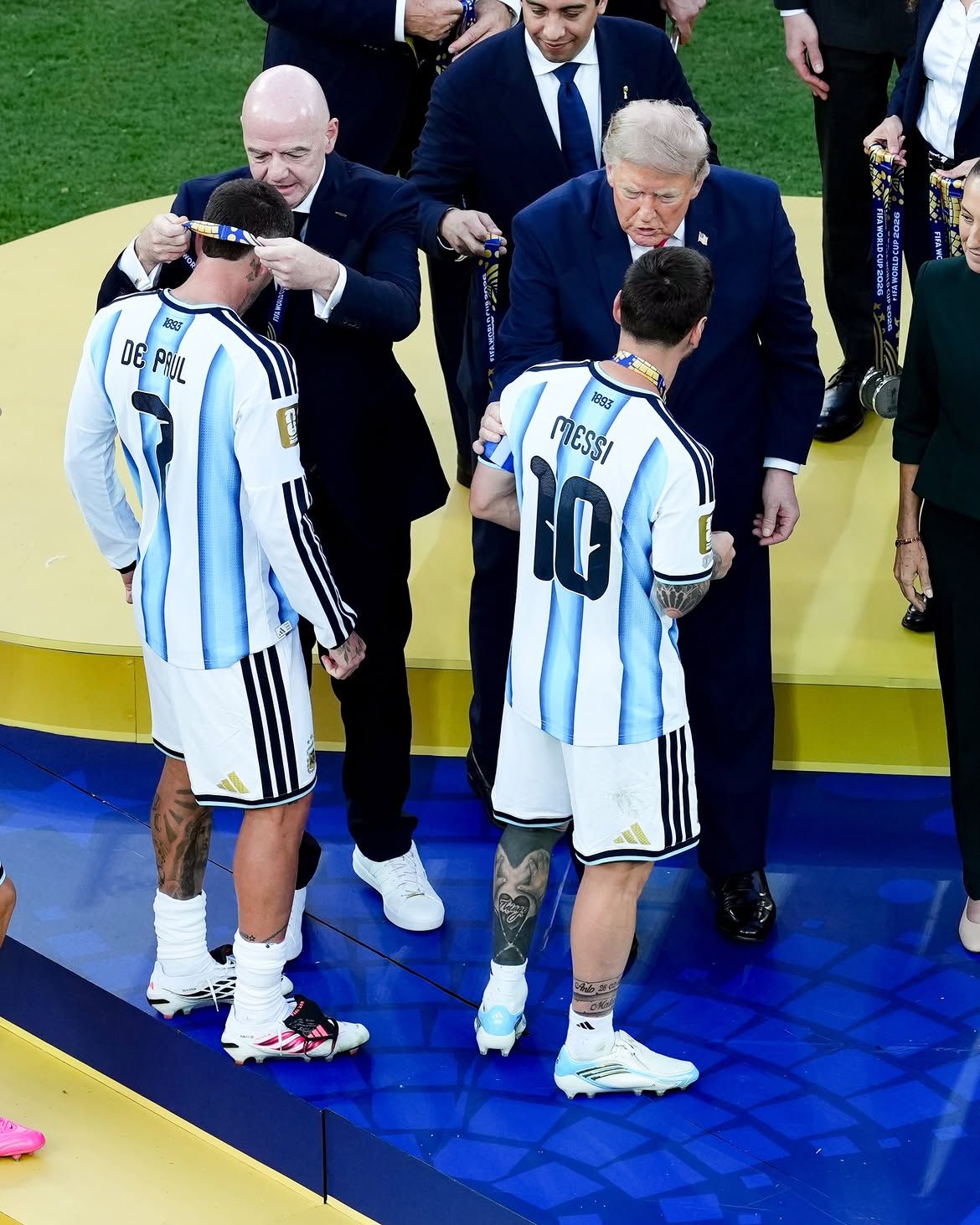
The FIFA president, and one of the most divisive figures the organisation has ever had. He presented the 2026 World Cup as the biggest tournament in football history, constantly celebrating its entertainment-driven approach throughout the competition. His relationship with the President of the United States, widely seen as excessively accommodating, along with a series of ethically questionable decisions, severely damaged his reputation—perhaps beyond repair.
Last dance
The final World Cup appearance—or, if you prefer, the last dance—for many of football's greatest players representing their national teams. When something so emotionally significant comes to an end, the tears shed by players speak louder than any words. Their emotion reminds us that time moves on not only for those on the pitch, but also for those of us who have had the privilege of watching them over the years. This World Cup likely marked the end of the international careers of Leo Messi, Cristiano Ronaldo, the Belgian stars mentioned earlier, Neymar Jr., Luka Modrić, James Rodríguez and Guillermo Ochoa, among others.
Malvinas/Falklands
An archipelago in the South Atlantic Ocean, off the coast of Patagonia, where Argentina and the United Kingdom fought a bloody war over sovereignty. More than forty years later, the wound remains deeply felt across Argentina, which emerged defeated from the conflict. That geopolitical history is why every meeting between the two nations—especially on a football pitch—carries a unique emotional weight. To Argentinians they are the Malvinas; to the British, the Falklands.
Payne, Tim
The New Zealand international unexpectedly became a star on social media thanks to an Argentine content creator known as Elscarso, who encouraged his followers to flood the defender's Instagram profile with support. Payne's following exploded from just 4,000 to an astonishing 5.6 million, a surge in popularity that also helped him secure a move to Paraguayan side Olimpia Asunción.
Record
Few words were used more frequently throughout this edition of the World Cup. Football's biggest stars lived up to expectations, rewriting statistics and reshuffling the history books. Among the records to fall was the all-time World Cup goalscoring record, previously held by Klose and now belonging to Messi.
San Fermín
The annual festival held in Pamplona from July 6 to July 14 in honour of the city's patron saint, internationally famous for the Running of the Bulls. Mikel Merino, the Spain midfielder born in the Navarrese city, shouted "San Fermín!" live on television after scoring the dramatic late winner against Portugal, turning a local celebration into one of the tournament's most memorable spontaneous moments.
Scaloneta
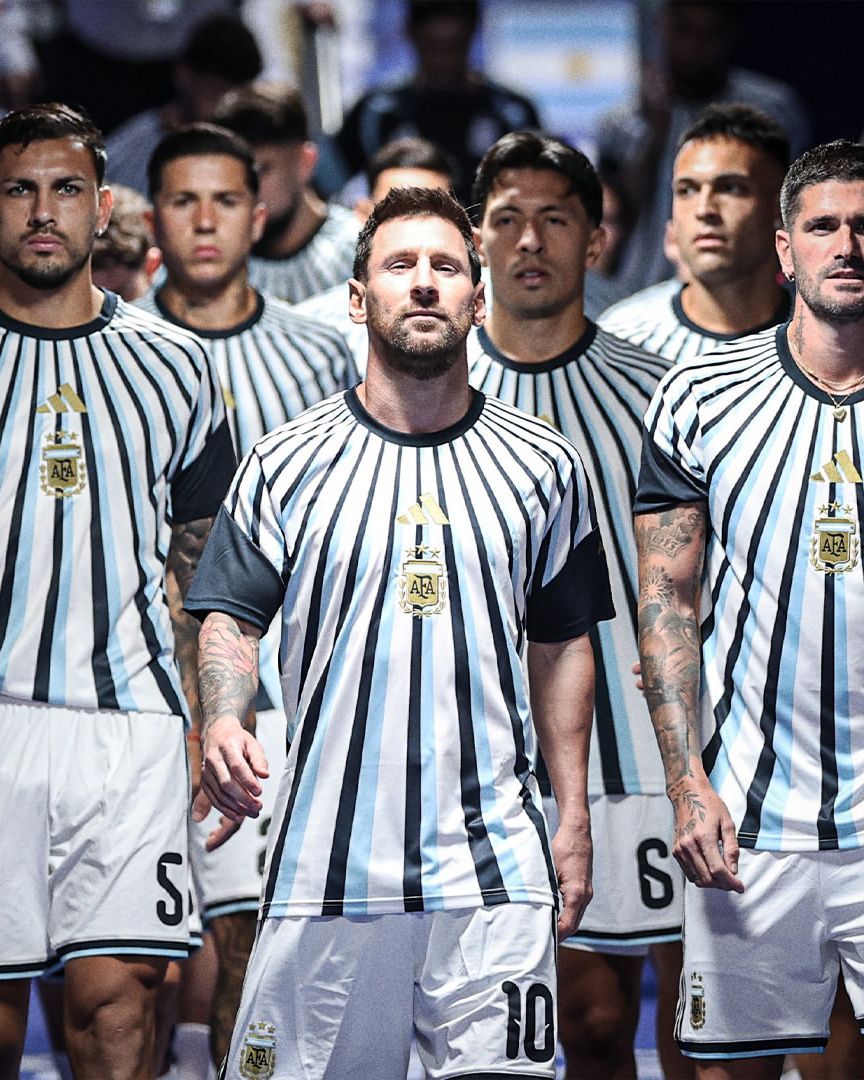
The nickname given to the Argentina national team coached by Lionel Scaloni. World champions in 2022, back-to-back Copa América winners and runners-up at this World Cup, Scaloni and his squad built something that went beyond results. They created a unique bond within the group, one that repeatedly moved their coach to tears. Regardless of the final outcome, this band of heroes will forever hold a special place in Argentine football history.
Viking Row
The Norwegian national team's signature post-match celebration brought players and supporters together after victories and fan gatherings across the various host cities. The ritual is simple: one player sets the rhythm with a drum while teammates and supporters sit shoulder to shoulder, mimicking the rowing motion of Viking ships. It quickly became one of the World Cup's most recognisable celebrations, spreading across the globe and winning over millions of fans.
Vozinha
The Cape Verde goalkeeper lived what can only be described as a waking dream, experiencing the most extraordinary month of his life. Thanks in large part to his saves, Cape Verde reached a historic Round of 32 clash against Argentina, eventually losing 3-2 after extra time. His remarkable story captured the imagination of football fans everywhere, propelling the 40-year-old cult hero to an astonishing 29.4 million Instagram followers.
Wonderwall
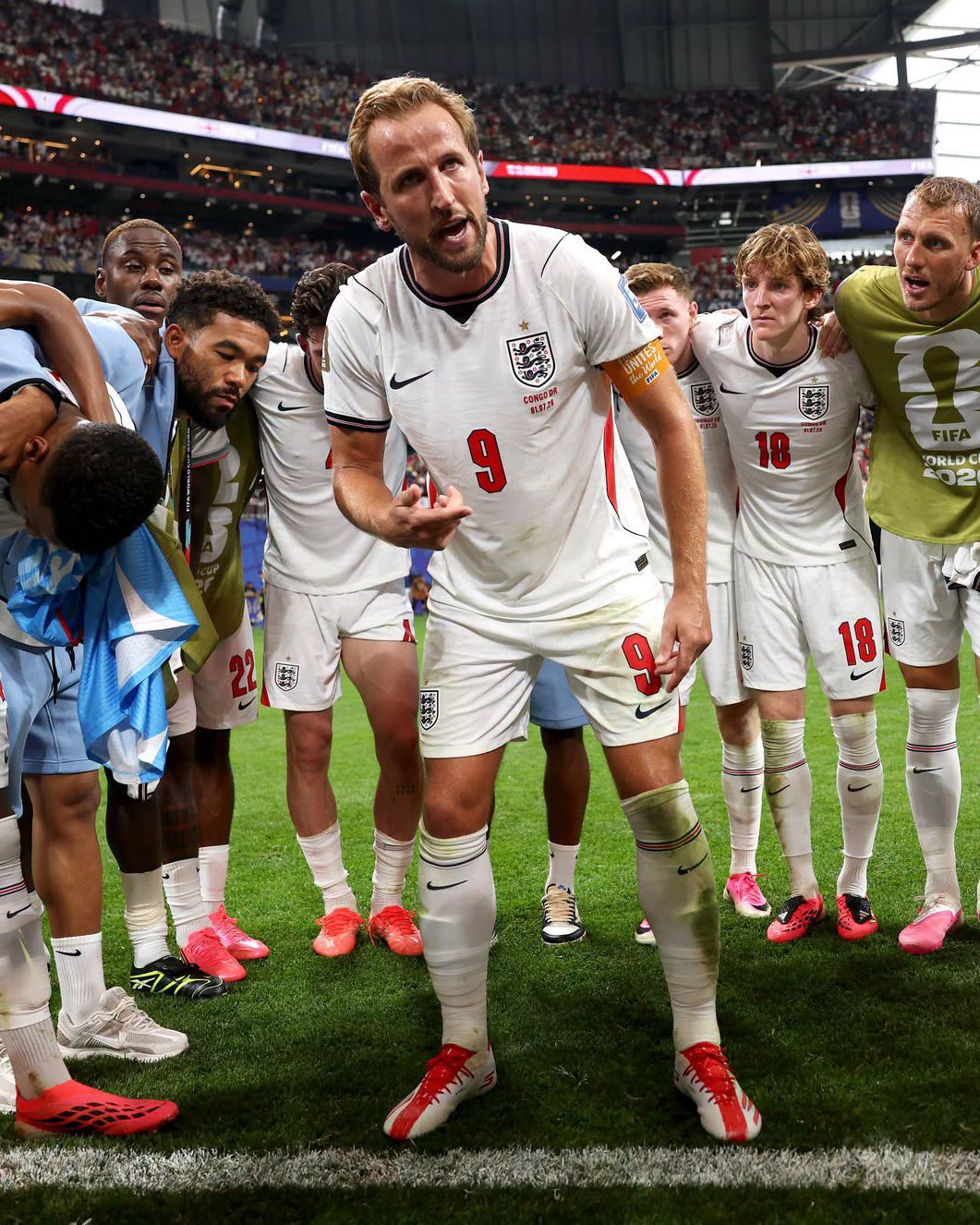
Oasis' classic became the unofficial anthem of England's World Cup campaign. Sung at the top of their lungs by Harry Kane, Bellingham and the rest of the Three Lions after every victory, it symbolised the bond between the squad and their supporters. England's dream, however, came to an end in the semifinal against Argentina, bringing the singalongs to an abrupt stop. Following the defeat, British newspaper The Sun seized the moment with the headline Wonderbawl—a play on Wonderwall, using the slang verb to bawl, meaning "to cry uncontrollably."
What to read next
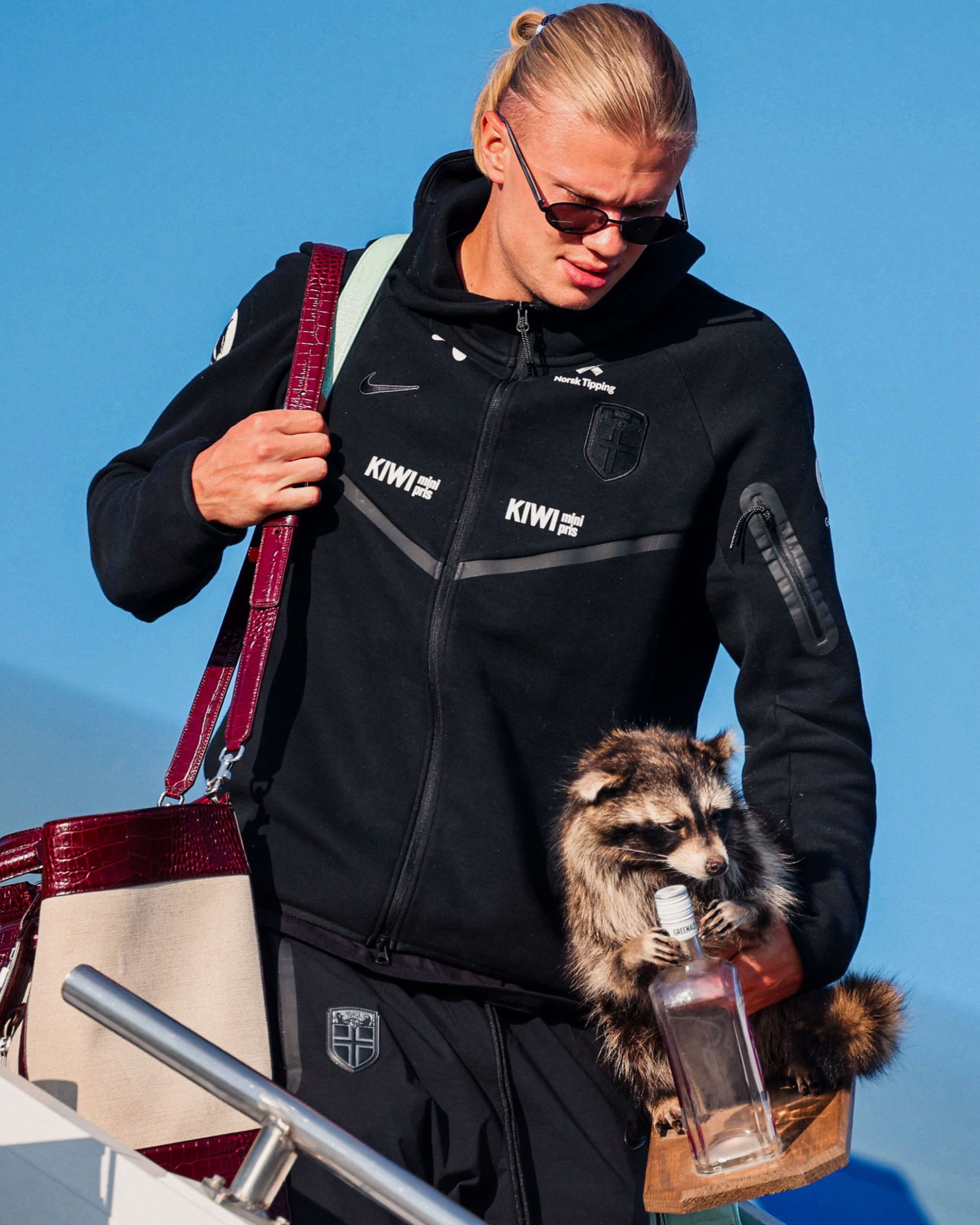
Erling Haaland gained almost 30 million Instagram followers during the 2026 World Cup
It's all about goals, viking row and memes
It’s still called football
The 2026 FIFA World Cup exposed the structural weaknesses of American soccer