



The complete timeline of Italian football's collapse How did we end up here?
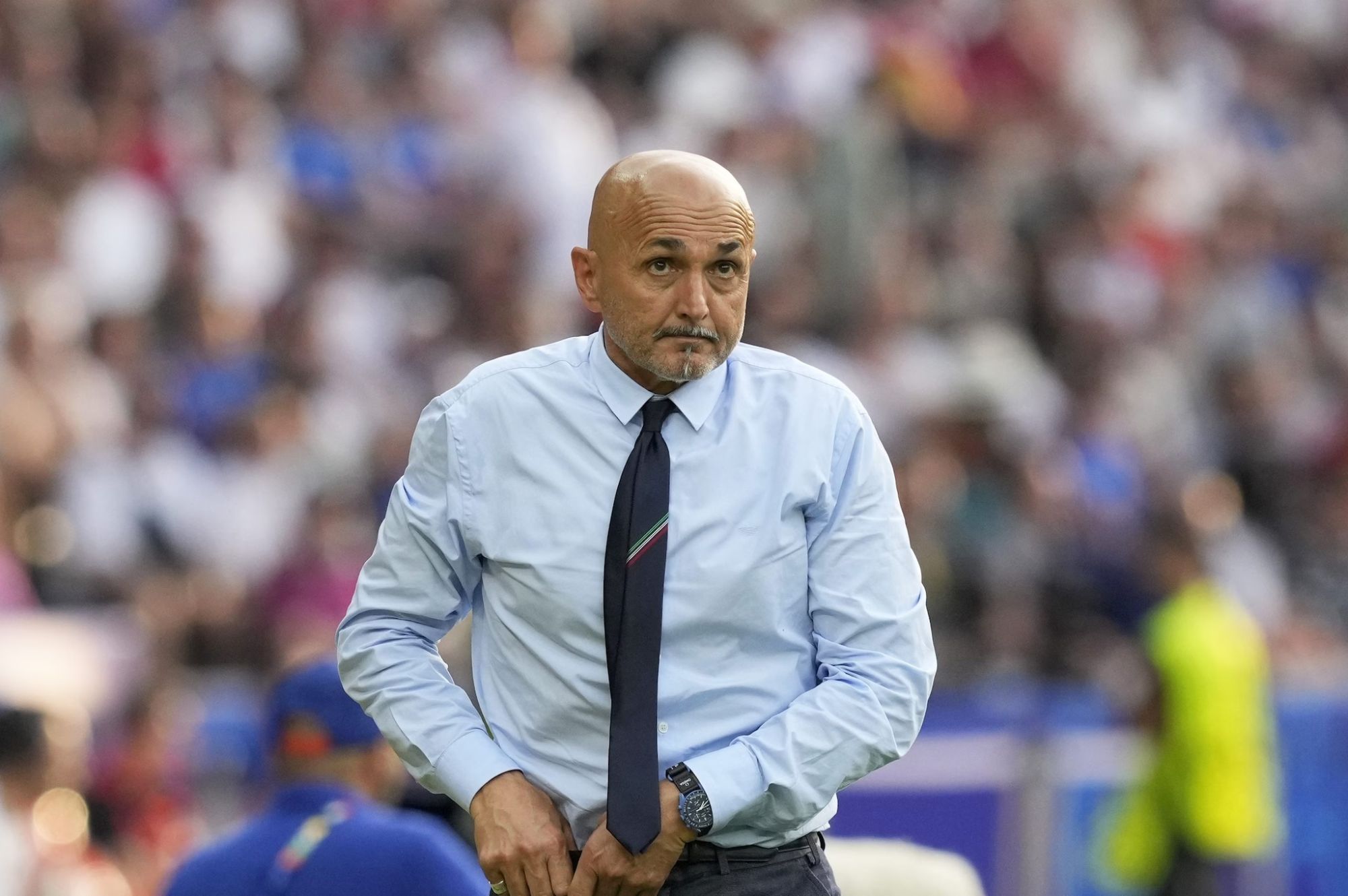
The resignations of Paolo Maldini from his role as technical director of the Italy national team, alongside Leonardo, who served as his advisor, following the failed appointment of Andrea Pirlo as the new head coach, mark yet another chapter in a crisis that seems to have no end. Italian football continues to sink to new lows: it has now been 115 days since the national team last had a manager, and 4,427 days have passed since Italy last played at a FIFA World Cup. More and more, it feels impossible to ignore the sense that every new attempt somehow manages to be worse than the one before.
From the 2014 World Cup to Tavecchio's resignation
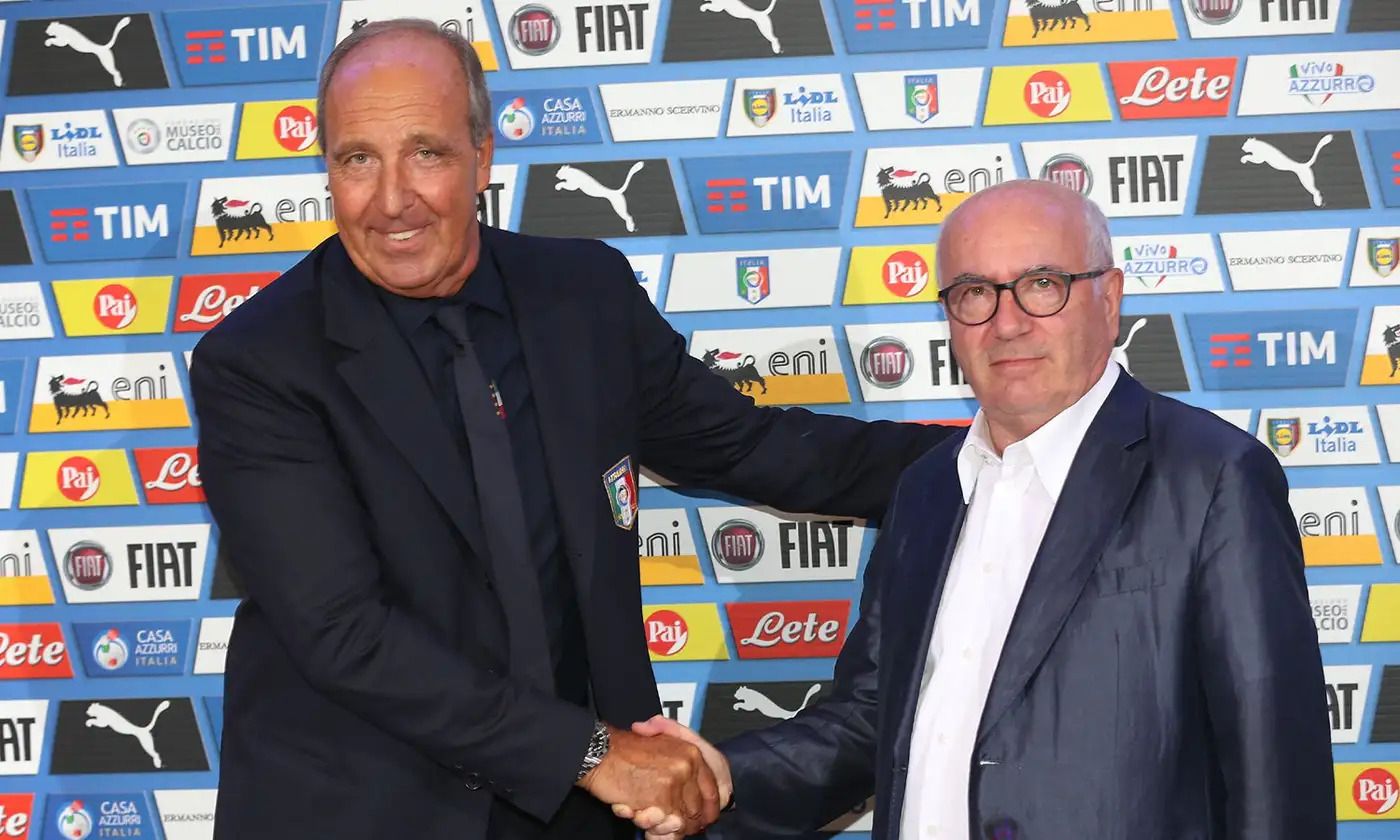
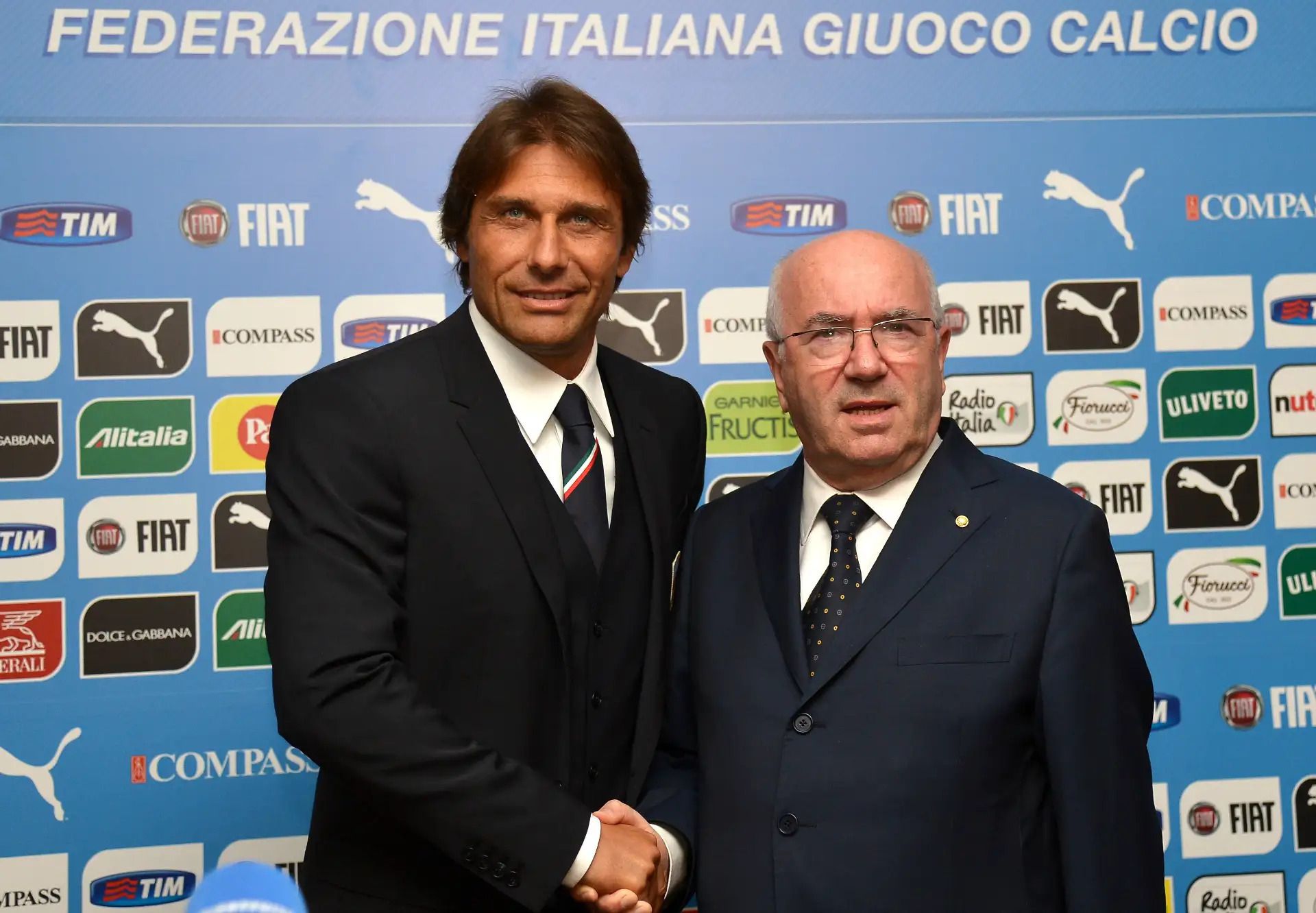
Carlo Tavecchio's tenure as FIGC president began on August 10, 2014, when he defeated Demetrio Albertini with 63.63% of the vote. He replaced Giancarlo Abete, who had resigned on June 23, 2014, minutes after Italy's second consecutive group-stage elimination at the World Cup. Standing alongside head coach Cesare Prandelli at the post-match press conference, the two announced their resignations together. Tavecchio's first move was as bold as it could be: appointing Antonio Conte, fresh off three consecutive Serie A titles with Juventus, as the new manager. The deal, made possible thanks to PUMA covering part of his salary, was officially announced on August 14, 2014. The partnership lasted two years before Conte left to join Chelsea after UEFA Euro 2016. He was replaced on June 7, 2016 by Gian Piero Ventura, considered the ideal successor because of his tactical philosophy and footballing principles, which were seen as similar to Conte's. In reality, the relationship between Ventura and the Azzurri never truly took off.
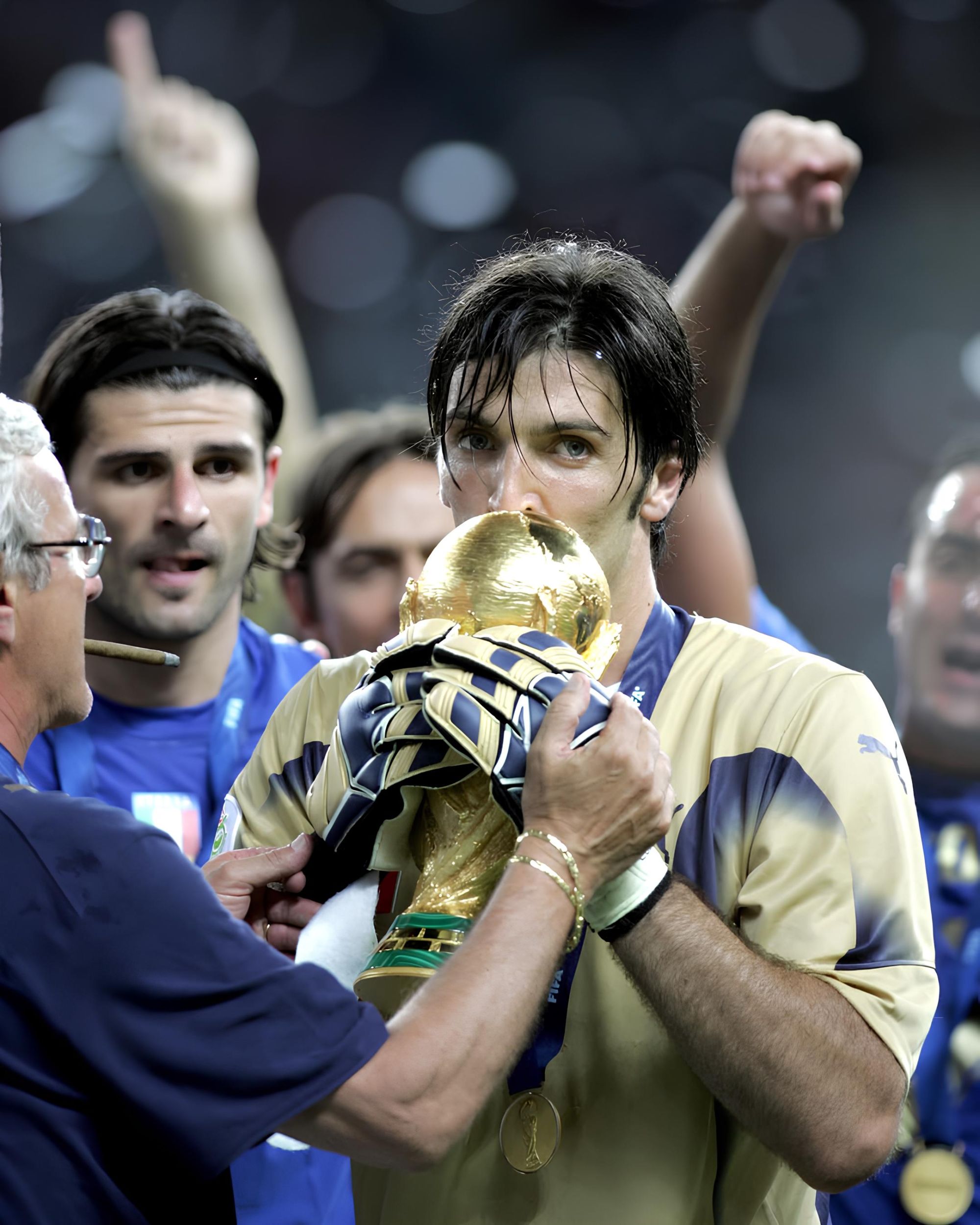
The first crack appeared on September 2, 2017, when Italy suffered a 3-0 defeat away to Spain, confirming they would have to go through the playoffs to qualify for the World Cup in Russia. His relationship with the players deteriorated, and although the federation considered dismissing him, Ventura ultimately remained in charge for the two-legged playoff against Sweden. Then came the night of November 13: a goalless draw following the 1-0 defeat in Stockholm, the boos at San Siro during the Swedish national anthem, Daniele De Rossi furiously refusing to warm up after Ventura asked him instead of Lorenzo Insigne, Alessandro Florenzi kissing the ball before taking Italy's final corner, and the tears of Gianluigi Buffon, watching his dream of playing in a fifth World Cup disappear before announcing his retirement from international football.
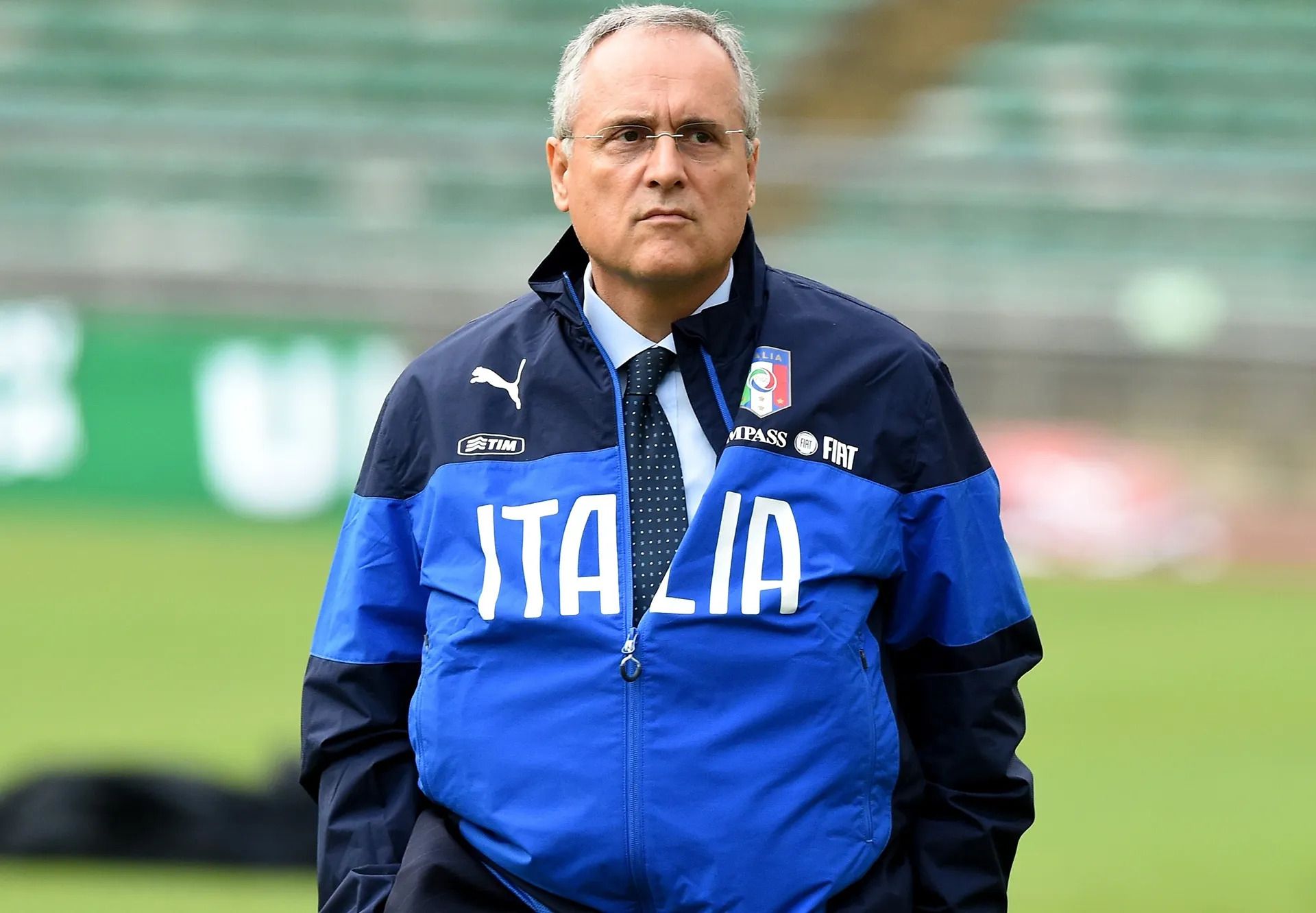
Ventura did not resign after the match and was officially dismissed on November 15, 2017. Tavecchio tried to hold on for a few more days, but mounting media pressure eventually became impossible to withstand. On November 20, after losing the backing of the National Amateur League, he too was forced to step down. Beyond the failure to qualify for the World Cup, Tavecchio paid the price for his close ties to Lazio president Claudio Lotito, who at the time was engaged in a personal battle to overturn Serie A's television rights system while simultaneously serving as a federal councillor—a role that allowed him to travel with the national team while wearing official federation apparel.
Mancini, the Euros and the second World Cup failure
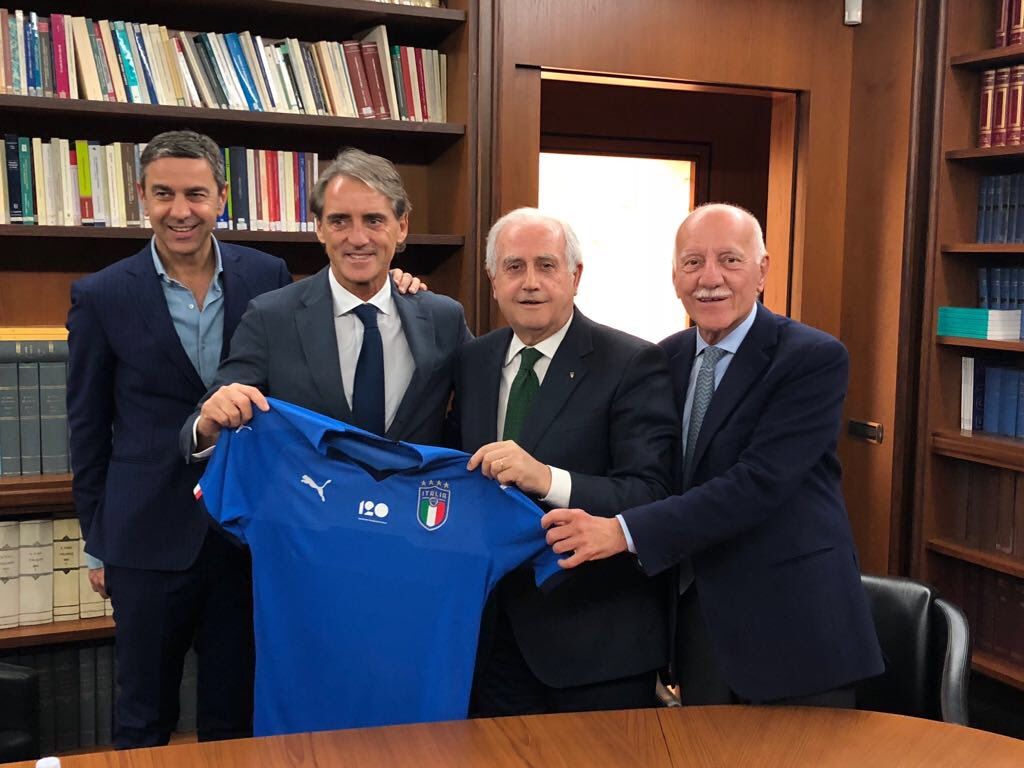
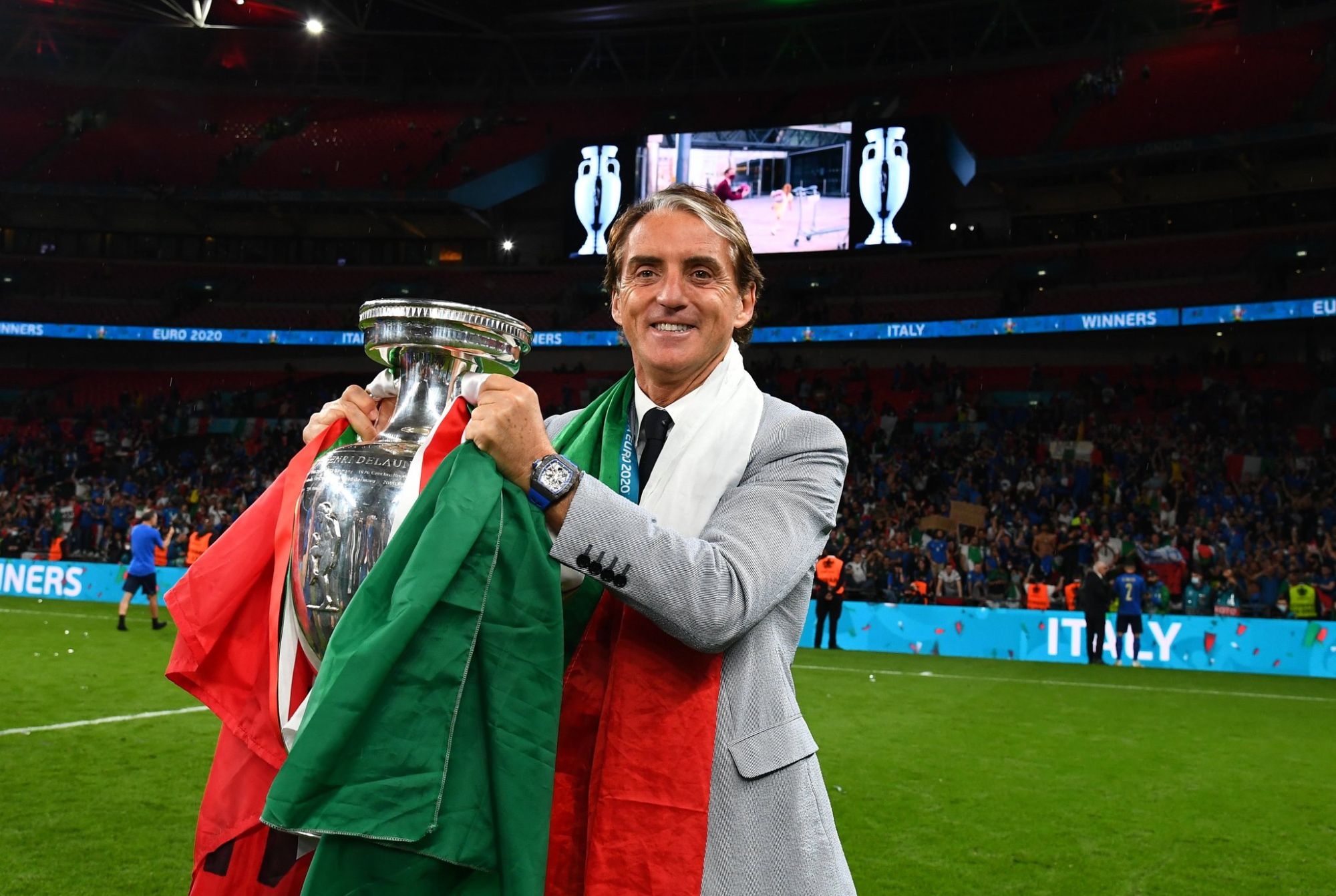
The FIGC was placed under extraordinary administration, with Roberto Fabbricini appointed as commissioner on February 1, 2018. His deputy was Alessandro Costacurta, who strongly advocated for the introduction of reserve teams—considered an essential step in rebuilding Italian football—and, above all, pushed for the appointment of Roberto Mancini as the new head coach, a decision officially confirmed on May 14, 2018. The appointment proved to be the right one: Italy won UEFA Euro 2021 and put together a remarkable unbeaten run of 37 consecutive matches. Meanwhile, on October 22, 2019, Gabriele Gravina was elected FIGC president. Their partnership surprisingly survived the night of March 24, 2022, when Italy suffered a stunning defeat to North Macedonia in the World Cup playoff semifinal in Palermo, missing out on qualification for the World Cup for the second consecutive edition.
The Italian press called for both men to resign, but the credit earned by winning the European Championship allowed them to remain in office. More than that, on August 4, 2023, the Federal Council ratified Roberto Mancini's appointment as head of the Club Italia project, effectively placing him in charge of the entire national team structure through to the Under-20s. Then came the bombshell: on Sunday, August 13, Mancini unexpectedly resigned. According to reports at the time, his decision was prompted by the federation's choice to part ways with several members of his coaching staff, as well as growing disagreements over how Club Italia should be managed. To make matters even more controversial, on August 27, 2023, Mancini was officially unveiled as the new head coach of Saudi Arabia.
Spalletti, Gattuso and the third missed World Cup
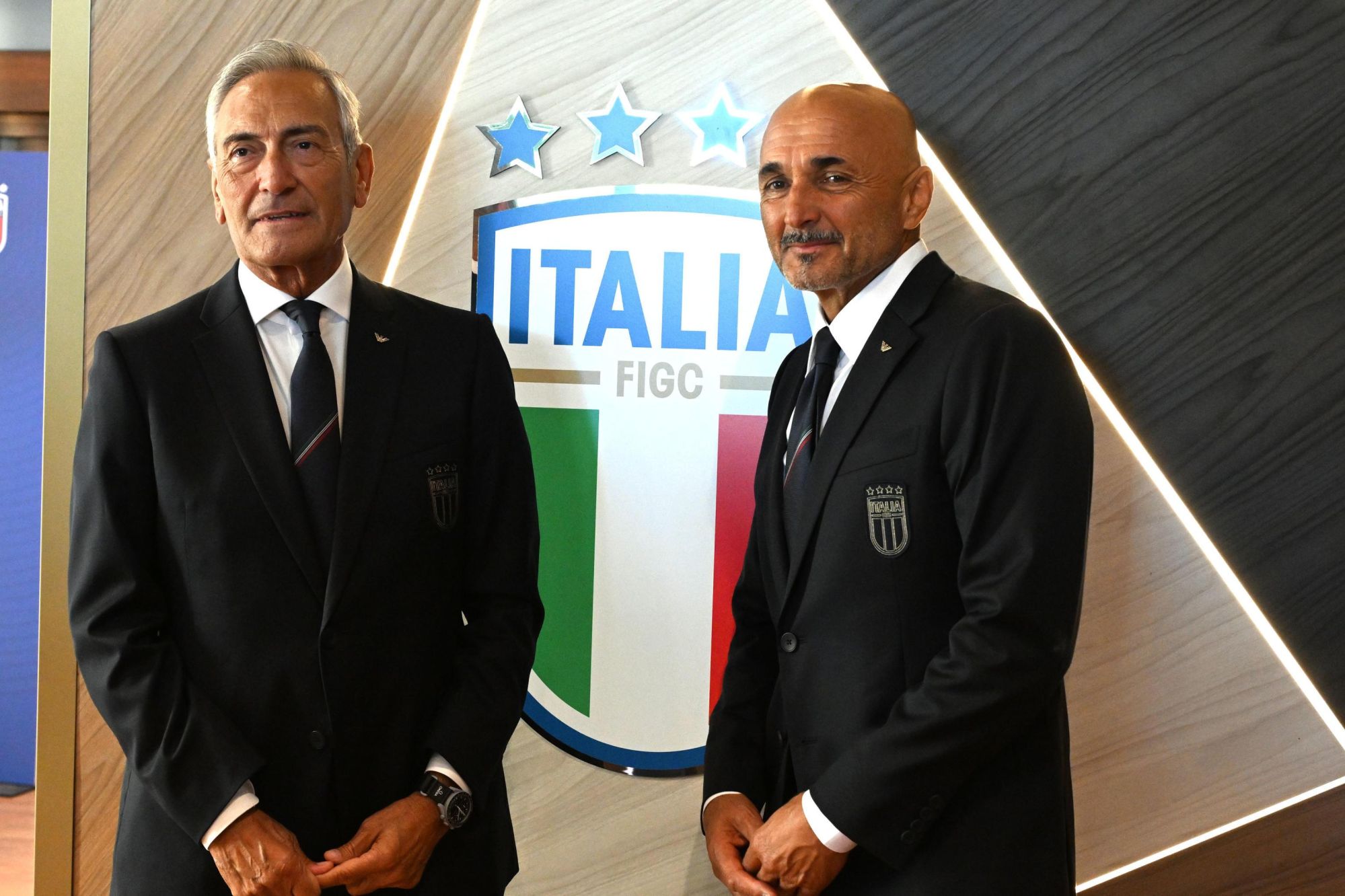
Luciano Spalletti was quickly chosen as Mancini's successor. After a couple of days of controversy surrounding a clause included in the termination of his contract with Napoli, the coach from Certaldo officially took charge of the national team on August 18, 2023. His immediate objectives were clear: restore enthusiasm around the Azzurri and, above all, secure qualification for the European Championship. Spalletti achieved both goals, but Italy's disappointing Round of 16 exit against Switzerland at Euro 2024 wiped away any goodwill he had built, leaving him on the brink of dismissal by June 29, 2024. A convincing Nations League victory away to France on September 7, 2024, temporarily eased the pressure, while reports at the time suggested the federation had already made contact with Massimiliano Allegri. In the end, however, the inevitable had merely been postponed.
Italy's 2026 World Cup qualifying campaign began on June 6, 2025, away to Norway in Oslo, and immediately turned into a nightmare. Italy were beaten 3-0, effectively ending their hopes of automatic qualification after just 90 minutes. The situation became even more surreal two days later, when Spalletti himself announced his dismissal during a press conference, while FIGC president Gabriele Gravina—re-elected on February 3, 2025 with 98.68% of the vote—travelled to Parma to attend the Festival della Serie A.
On June 15, 2025, the FIGC appointed Gennaro Gattuso as the new Italy head coach. It was, in many ways, a forced decision, with president Gabriele Gravina left with very few realistic alternatives. Just five days earlier, on June 10, Claudio Ranieri—the federation's first choice—had officially turned down the role in order to become Senior Advisor at Roma. Massimiliano Allegri had already been unveiled as the new Milan manager on May 29, while on the very same day Napoli confirmed Antonio Conte would remain in charge. Two weeks earlier, on May 12, Carlo Ancelotti had been announced as the new head coach of Brazil.
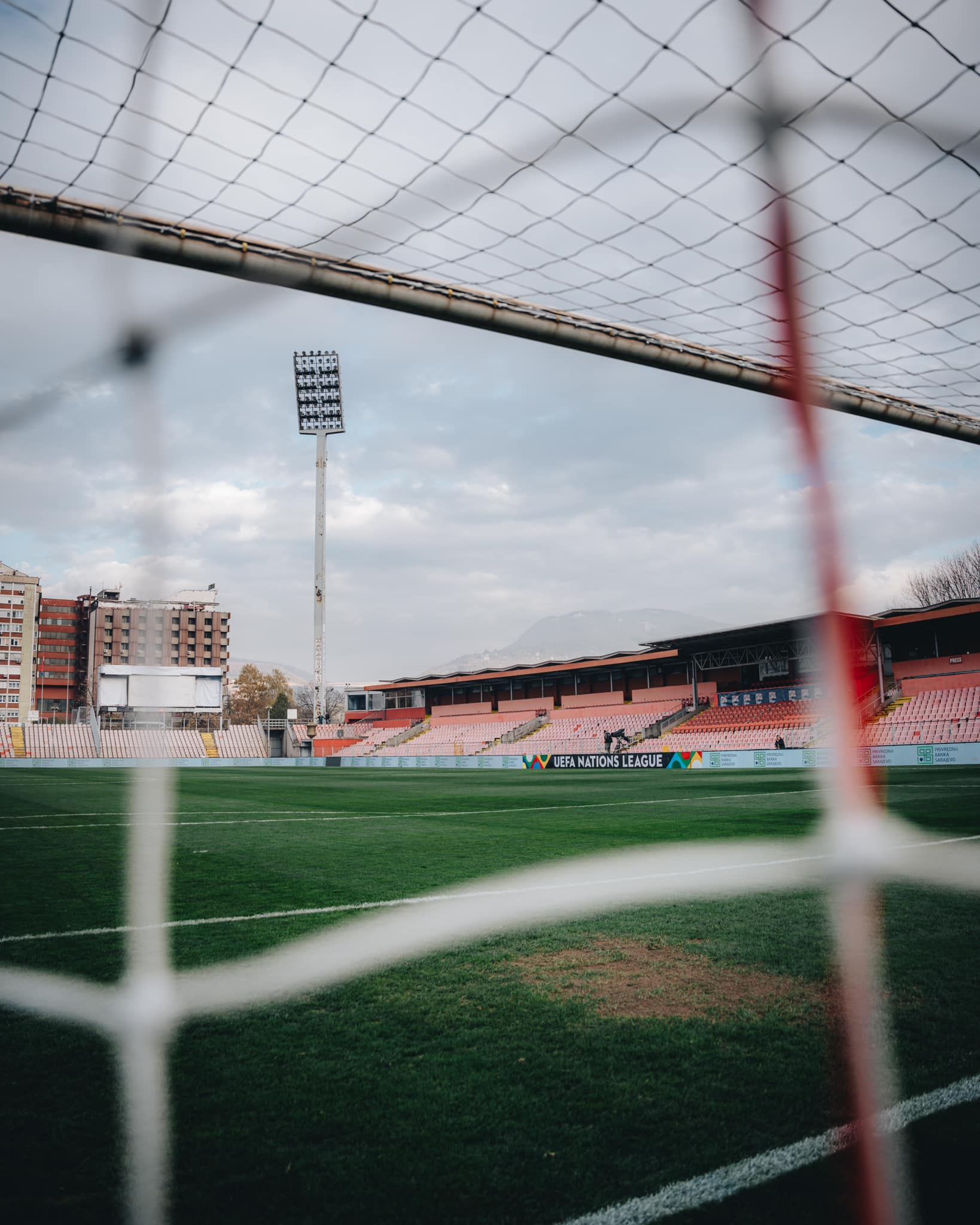
Gattuso's mission was straightforward: qualify Italy for the 2026 FIFA World Cup. He would not succeed. After five deceptive victories against Estonia, Israel and Moldova, Italy were thrashed 4-1 by Norway at San Siro on November 16, 2025. That defeat convinced Gattuso to ask the FIGC to move the World Cup playoff semifinal from Milan to Bergamo. On the evening of March 26, 2026, Italy defeated Northern Ireland 2-0 at the New Balance Arena, but five days later, on March 31, 2026, another sporting tragedy unfolded. In Zenica, Italy lost on penalties to Bosnia and Herzegovina, failing to qualify for the World Cup for the third consecutive edition.
Following Gravina's advice, neither Gattuso nor Gianluigi Buffon, the national team's delegation chief, resigned immediately, instead waiting until they had returned to Italy. Both formally stepped down on April 4, 2026. Gravina, on the other hand, initially intended to remain in office, but the pressure from both the media and the Italian government became overwhelming. On April 2, 2026, he announced his resignation in an official statement, calling new elections for June 22.
The arrival of Malagò, Maldini and Leonardo
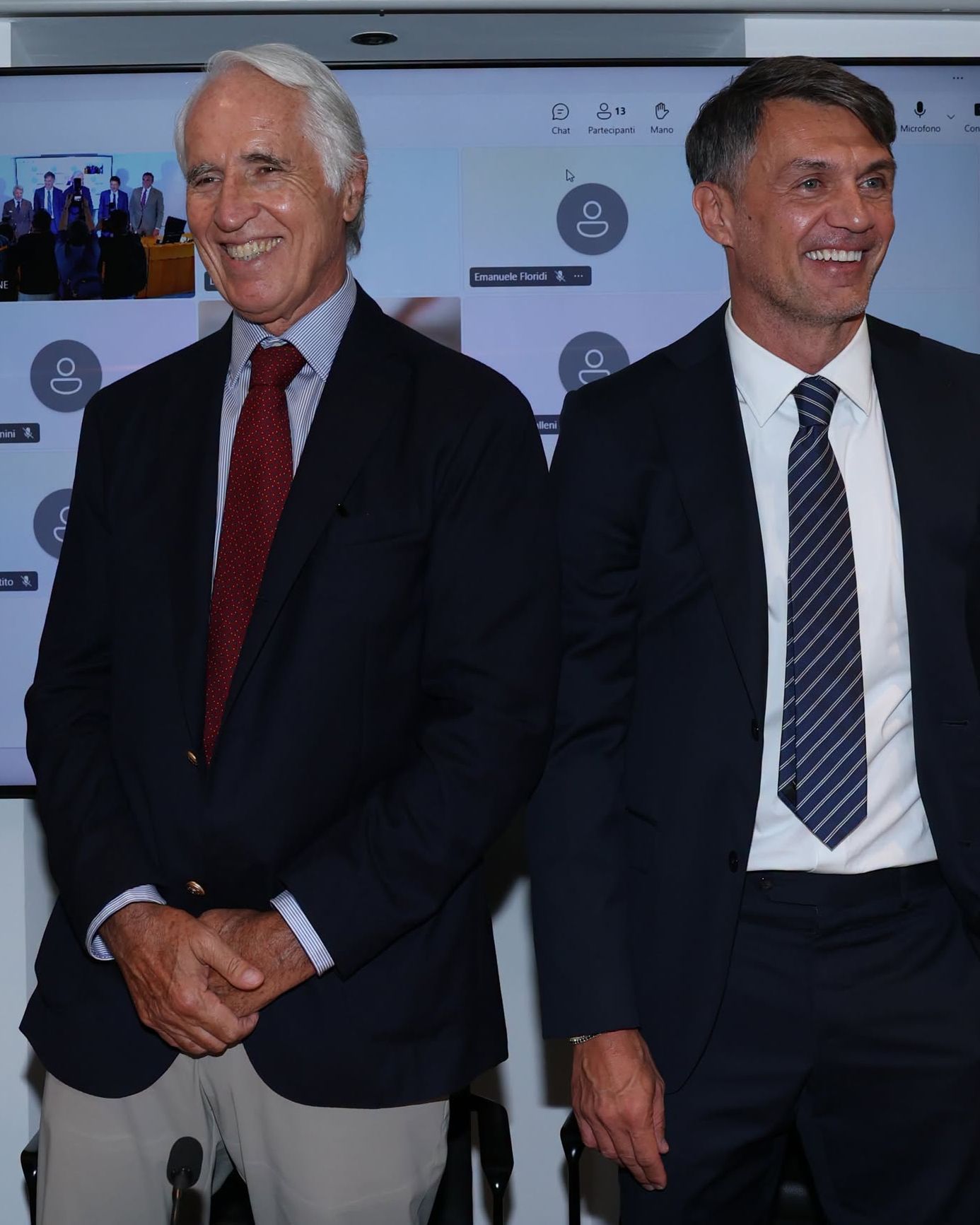
On June 22, 2026, Giovanni Malagò was elected FIGC president, defeating Giancarlo Abete—the very same Abete from 2014, not a namesake—in the first round of voting with 68.58% of the vote. In the meantime, the national team was still without a head coach, with Italy Under-21 manager Silvio Baldini taking charge of the friendlies against Luxembourg (June 3) and Greece (June 7).
Malagò's first major decision came on July 11, 2026, when he appointed Paolo Maldini as the new technical director of the Italy national team and president of Club Italia. Alongside Maldini, Leonardo also joined the federation as an advisor. On July 21, 2026, Sky Sport reported that Maldini and Leonardo had travelled to Barcelona after meeting Pep Guardiola on July 17 to offer him the role of Italy head coach. Speaking to reporters on the sidelines of the Serie A League Assembly in Milan on July 21, Maldini confirmed he had spoken not only with Guardiola but also with Carlo Ancelotti.
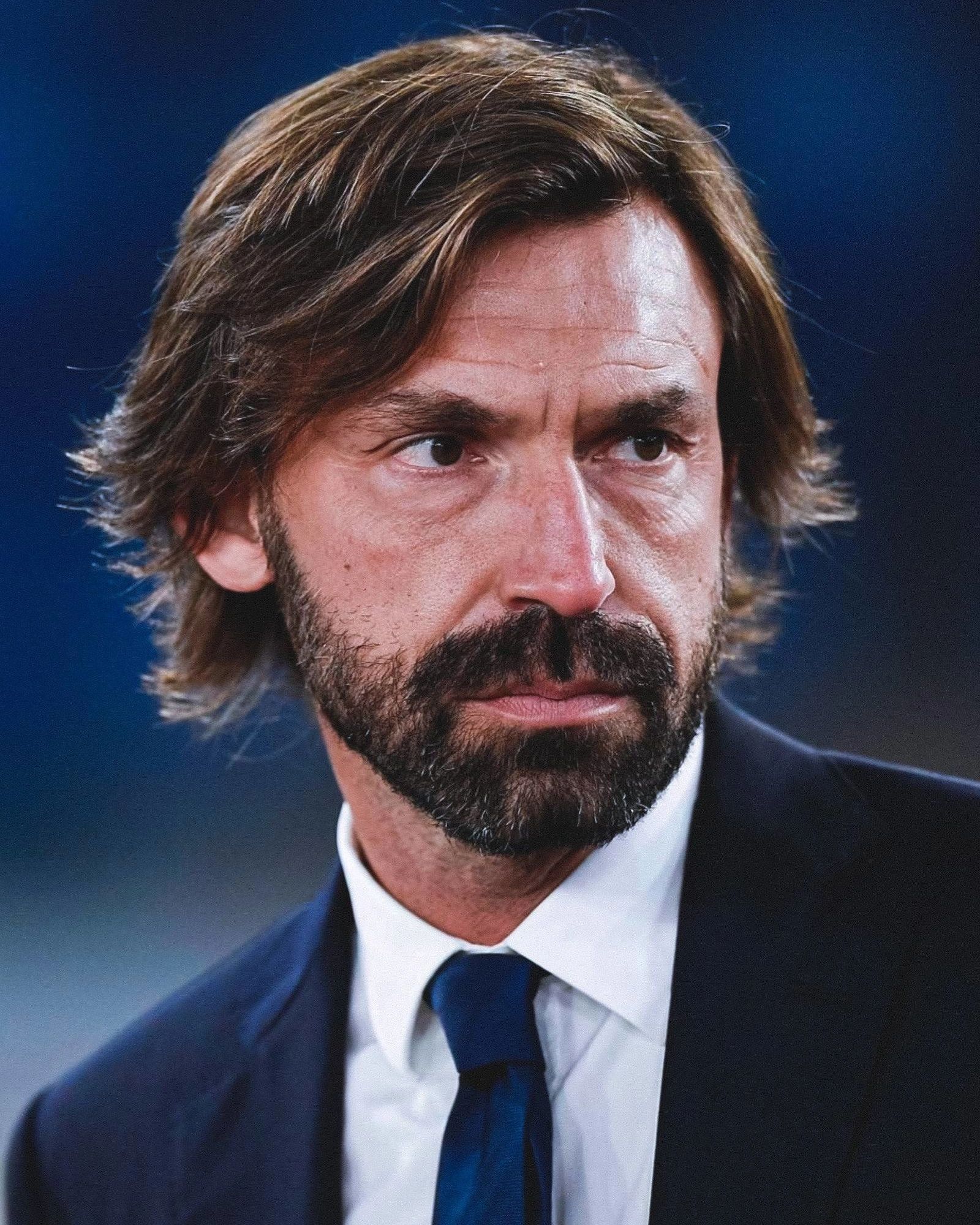
On July 24, 2026, Pep Guardiola officially turned down the FIGC's offer. In the hours that followed, Andrea Pirlo emerged as the overwhelming favourite, and by that evening the deal was widely considered done. On Sunday, July 26, however, Pirlo released an official statement announcing that he would not become Italy's next head coach because of the intense media scrutiny surrounding his sponsorship agreement with Russian betting company Fonbet. On July 27, 2026, Paolo Maldini and Leonardo both tendered their resignations. To be continued.