








































No Premier League club has a pitch like Newcastle’s St James’ Park’s new playing surface is a first in the UK
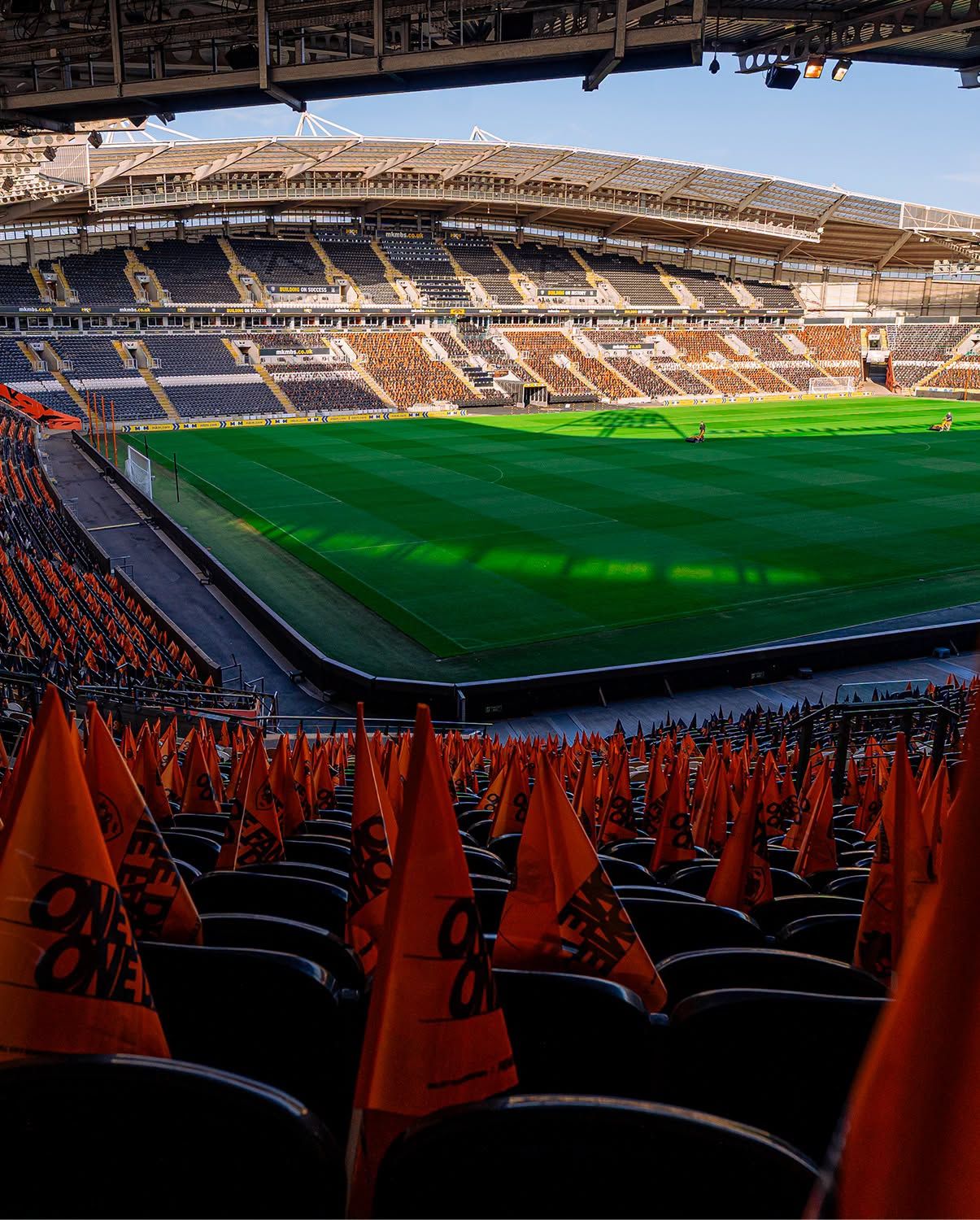

Newcastle United have refreshed the look of St James’ Park ahead of the start of the 2026/27 season. Alongside upgrades to several areas of the stadium, the Magpies have renewed the pitch and become the first club in the United Kingdom to fully adopt a SubAir ventilation system. Completed in record time, the work has delivered a new playing surface for the home side, addressing some structural issues such as the long-standing slope affecting one half of the pitch. On Sunday, in the draw against Liverpool, the new hybrid pitch made its official Premier League debut after several pre-season tests, opening a new chapter for St James’ Park, which can now add another distinction to its place among England’s historic stadiums.
The technology behind the new hybrid pitch
Newcastle have spent £10 million on the refurbishment of St James’ Park. The hospitality areas and fan facilities have been renovated and upgraded, although the most significant work has focused on the pitch itself. The surface introduced is called SIS Grass Hybrid and was launched in 2016, quickly establishing itself as a global market leader. It is an advanced hybrid football pitch system developed by SIS Pitches, made up of 95% natural grass and the remaining 5% of high-performance polyethylene synthetic fibres. The latter are injected using laser-guided machinery and, with extreme precision, stitched into the root zone to provide greater stability and durability to the reinforced surface.
The natural grass grows virtually at surface level between the stitched fibres, while deeper down, the natural root system intertwines with the same artificial component, helping the pitch withstand the impact and stress generated from above. Air and surface water are also able to circulate more effectively through channels created by the fibres, developing a healthy, aerobic environment that promotes stronger root growth within the porous spaces, as well as optimising the underground heating system. Compared to a conventional pitch, the system can provide up to three times more playing hours and a faster recovery after intensive use, whether for sporting events or concerts. Barcelona, Aston Villa, Fenerbahçe and Galatasaray are among the clubs to have adopted the system, as are Inter and Milan for San Siro.
Full SubAir system: a first in the UK
The SIS Grass system is complemented by what is, as mentioned at the beginning, a genuine first for the United Kingdom. Newcastle are in fact the first club to fully adopt SubAir ventilation and suction technology, designed to improve root health and water drainage. The system is both simple and fundamental: in pressure mode, it pushes air into the root zone to regulate underground temperatures, while in suction mode, it removes excess moisture. The technology’s responsiveness is ensured by a network of underground sensors that provide constant monitoring and make it easier to carry out targeted interventions in specific areas of the pitch. The installation work was carried out by MJ Abbott Ltd, specialists in the field who have already worked on the pitches of Hull City, Birmingham City, Brighton, Nottingham Forest, Millwall and Chelsea at Stamford Bridge. The project was also carried out with Euro 2028 in mind, with St James’ Park set to host four group-stage matches and one round-of-32 fixture.
The same pitch renovation was also carried out by the club across all the fields at Darsley Park, Newcastle’s historic training centre. The aim was to familiarise the team with the new playing surface through their everyday training routine. Despite these upgrades, the Magpies are already looking ahead. The club has just confirmed that its Saudi ownership has purchased 260 acres of land for the construction of a new £190 million training complex, considerably larger than the current facility. The project, which had been discussed for several months, will be located at Woolsington Hall, five miles northwest of the city. Newcastle plan to move there from the 2029/30 season onwards, in an area that is home to the local airport and is also chosen by numerous footballers as the location for their residences.
Saying goodbye to the historic pitch slope
@benfcyclinggk Did you know this about the pitch at St James’ Park?! #Football #PremierLeague #NUFC #Newcastle #Fozcast #NickPope original sound - Ben Foster The Cycling GK
Not everyone knows that the St James’ Park pitch on the Gallowgate End side, in the southern section of the stadium, has historically had a slope of around 2%, equivalent to a difference in elevation of between one and two metres. Because of this, Newcastle have always tried to win the coin toss so they could choose which half to attack, allowing them to play towards the Gallowgate End, with the pitch slightly sloping downhill, in the second half. The work carried out over the summer has not completely eliminated the slope, but has significantly reduced it. The club first removed 200 mm of depth from the existing profile, down to the original fibre surface. The pitch was then remodelled with 100 mm of rootzone substrate and a further 100 mm of sand.
The new irrigation system, the installation of soil amendments and the preparation and seeding of the playing surface completed the work. The club and stadium facilities manager expressed his great satisfaction and enthusiasm for the project, especially considering it was completed in just four weeks. The first test of the new pitch took place on August 15 in a friendly against Bayer Leverkusen, followed by a match against Strasbourg the following day. On both occasions, the pitch appeared to be in excellent condition, a conclusion further confirmed by the cheeky 2-2 draw against the Reds. Still, perhaps out of superstition, the home side once again attacked towards the downhill end in the second half.
The other Premier League pitches
The renowned tradition of English lawns lives on, although its form has evolved. The myth of the 18th-century English Lawn, in fact, referred to a dense, short and uniform grass surface that required large amounts of water and frequent mowing. Due to drought and rising temperatures, not only during the summer, these lawns, which resembled football pitches, have come under pressure, with the cool-season grass varieties used in the past becoming increasingly difficult to maintain. Today, the legacy of perfectly manicured grass surfaces lives on in Premier League stadiums, all of which feature hybrid pitches. The percentage of natural grass now ranges from 95% to 97%, with the remainder made up of polypropylene or polyethylene fibres. SIS Grass and GrassMaster are the two dominant systems, with virtually identical characteristics, joined by Grass Max at Portman Road, home of Ipswich Town, and XtraGrass at Coventry’s CBS Arena.
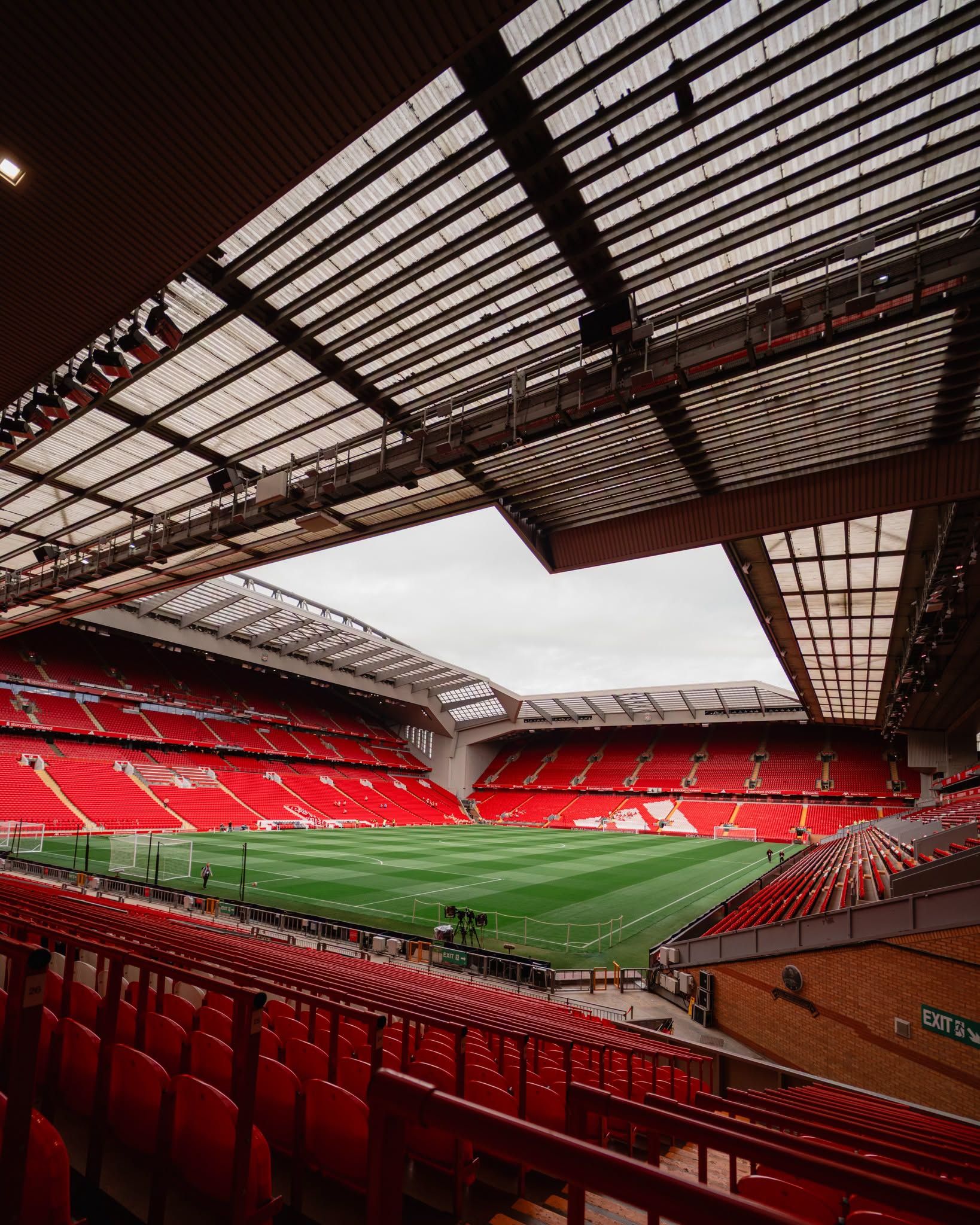
Craven Cottage, meanwhile, uses a Fibrelastic hybrid surface which combines elastic material with the usual mix of natural grass and synthetic fibres, giving Fulham’s pitch a distinctive character. Hatko hybrid is used at Liverpool’s home ground, where four different varieties of perennial ryegrass make up the natural grass component of Anfield Road. The common thread running through all these pitches is the adoption of systems that eliminate the need for clubs to constantly replace the turf, which only needs to be renewed once a year, at the end of the season. The injected synthetic fibres rise just 2 cm above the surface, remaining firmly in place. The natural grass, meanwhile, is the component that grows the most and can be maintained and adjusted as required, remaining the only surface actually felt by the players underfoot. Once again, this is another area in which the Premier League proves itself to be the leading football league in the world.