The Monza Grand Prix is Milan’s new Fashion Week Formula 1 has become a language
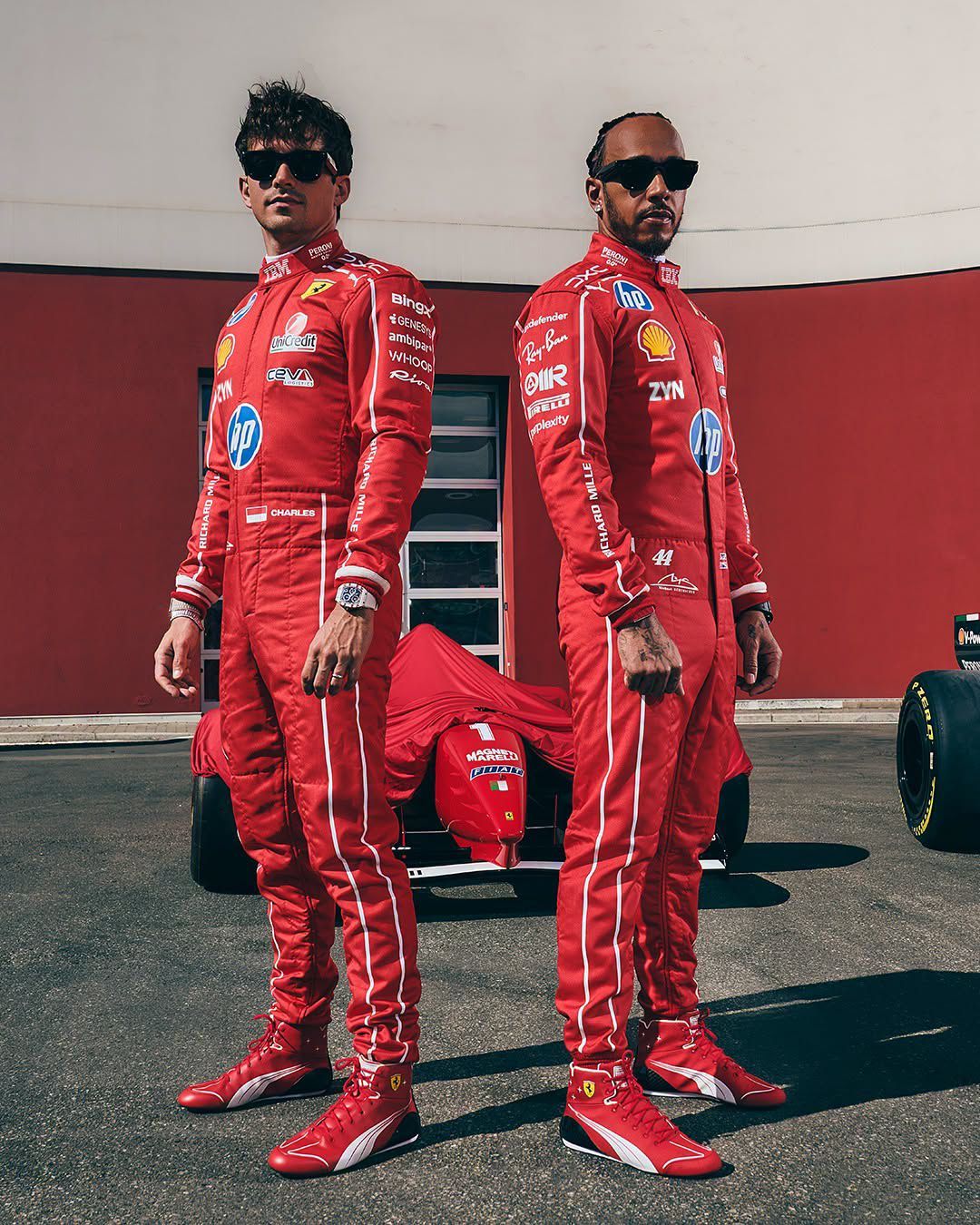
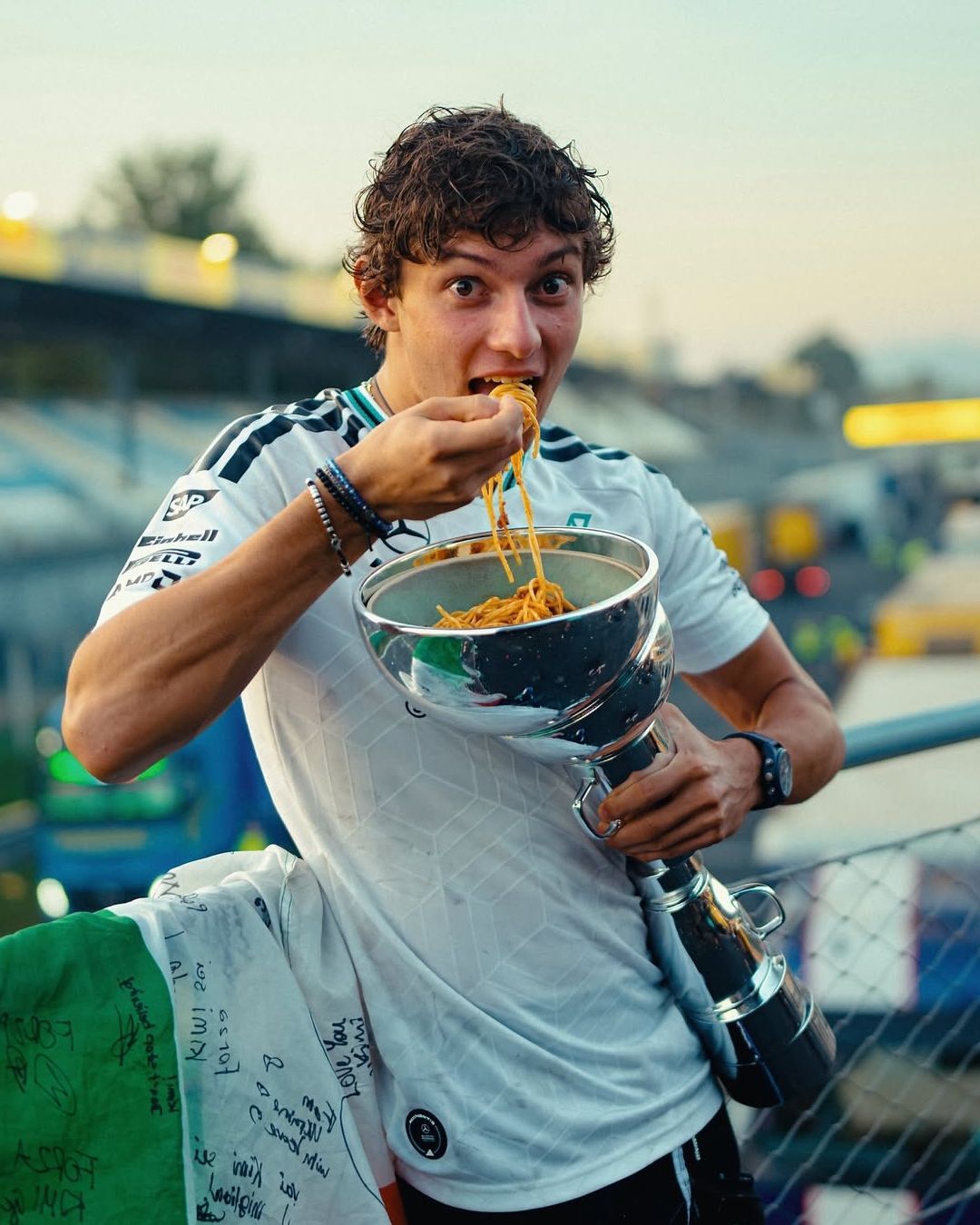
The perception of Formula 1 has changed. At the risk of repeating ourselves endlessly, the Netflix series Drive to Survive has broken down the boundaries within which the sport had been confined for decades. If it was once a subject for die-hard enthusiasts, reserved for those able to explain the difference between a V10 and a V8, or a kind of religion — at least in Italy — for those who dress in red from head to toe, Formula 1 has now become common ground. From family tradition to mass phenomenon, also thanks to the victories of Kimi Antonelli, who could give Italy its first World Champion driver since Alberto Ascari in 1953.
The work carried out by Liberty Media since acquiring Formula 1 in 2017 has completely transformed the landscape, expanding its audience but, above all, making the sport increasingly appealing to brands from worlds that, until just a few years ago, seemed a long way from the paddock. Fashion, luxury, cinema, streetwear, design: Formula 1 has become a cultural space to enter, rather than simply a sport to sponsor. So much so that, from 2027, we will even have a Gucci-branded Formula 1 car.
Being part of the Formula 1 universe is now a powerful statement. And the Italian Grand Prix weekend, taking place from September 4 to 6, is perhaps the clearest demonstration of this transformation. Three days during which Formula 1 follows an almost Fashion Week-like rhythm: it begins on Friday, September 4, with free practice at 12:30 and 16:00, moves into Saturday, September 5, with FP3 at 12:30 and qualifying at 16:00, before reaching its climax on Sunday, September 6, when the Grand Prix gets underway at 15:00.
But, just as happens during Fashion Week, the main event is only the centre of a much broader constellation of events, parties, collaborations and activations that take advantage of Monza’s proximity to Milan to fuel the excitement and, above all, take it beyond the circuit.
A continuous flow that nss sports will capture through Formula Caffé: the digital hub dedicated to the most stylish week in motorsport. Exclusive content, driver interviews, behind-the-scenes moments, images from the circuit and everything happening on and off the track.
This is probably the most important shift. For years, brands approached Formula 1 primarily through sponsorship. A logo on the car, a presence at the circuits, hospitality for clients. Today, the relationship is far more complex. Brands no longer simply want to be seen by Formula 1. They want to be part of its culture.
What to read next
The history and future of the relationship between the America’s Cup and Formula 1
Two worlds with much in common, from engineering to their commercial and organisational models