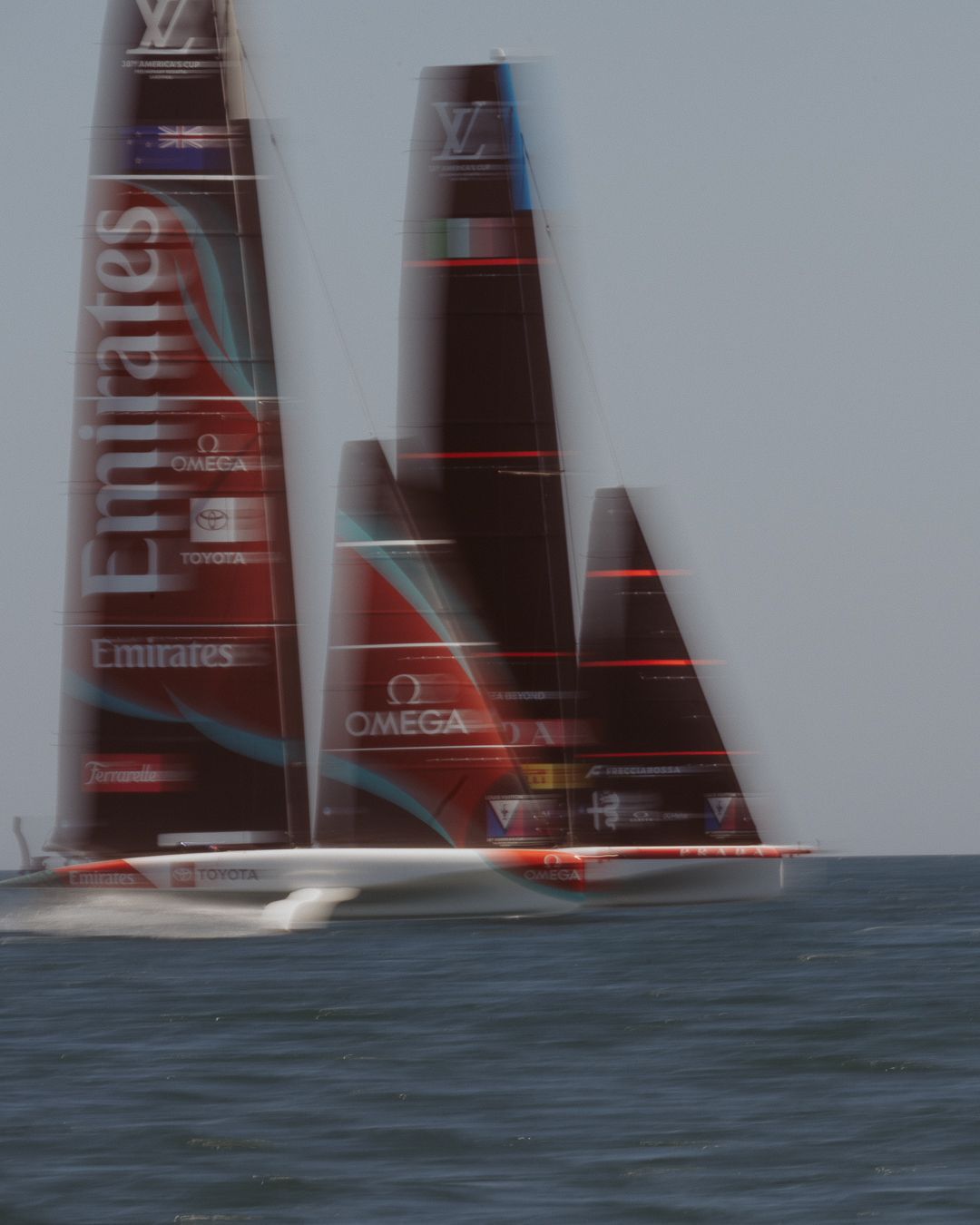
The history and future of the relationship between the America’s Cup and Formula 1 Two worlds with much in common, from engineering to their commercial and organisational models
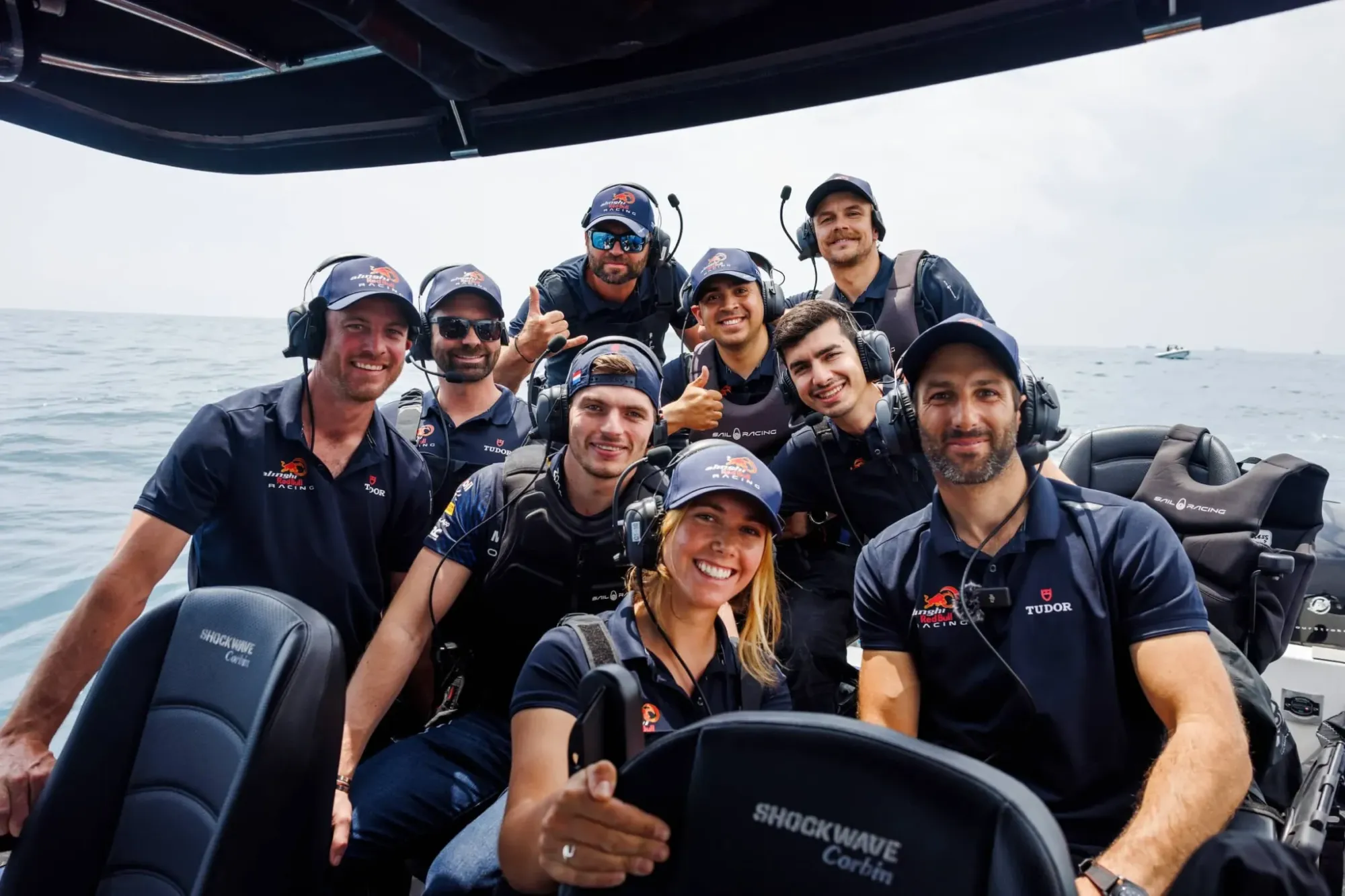
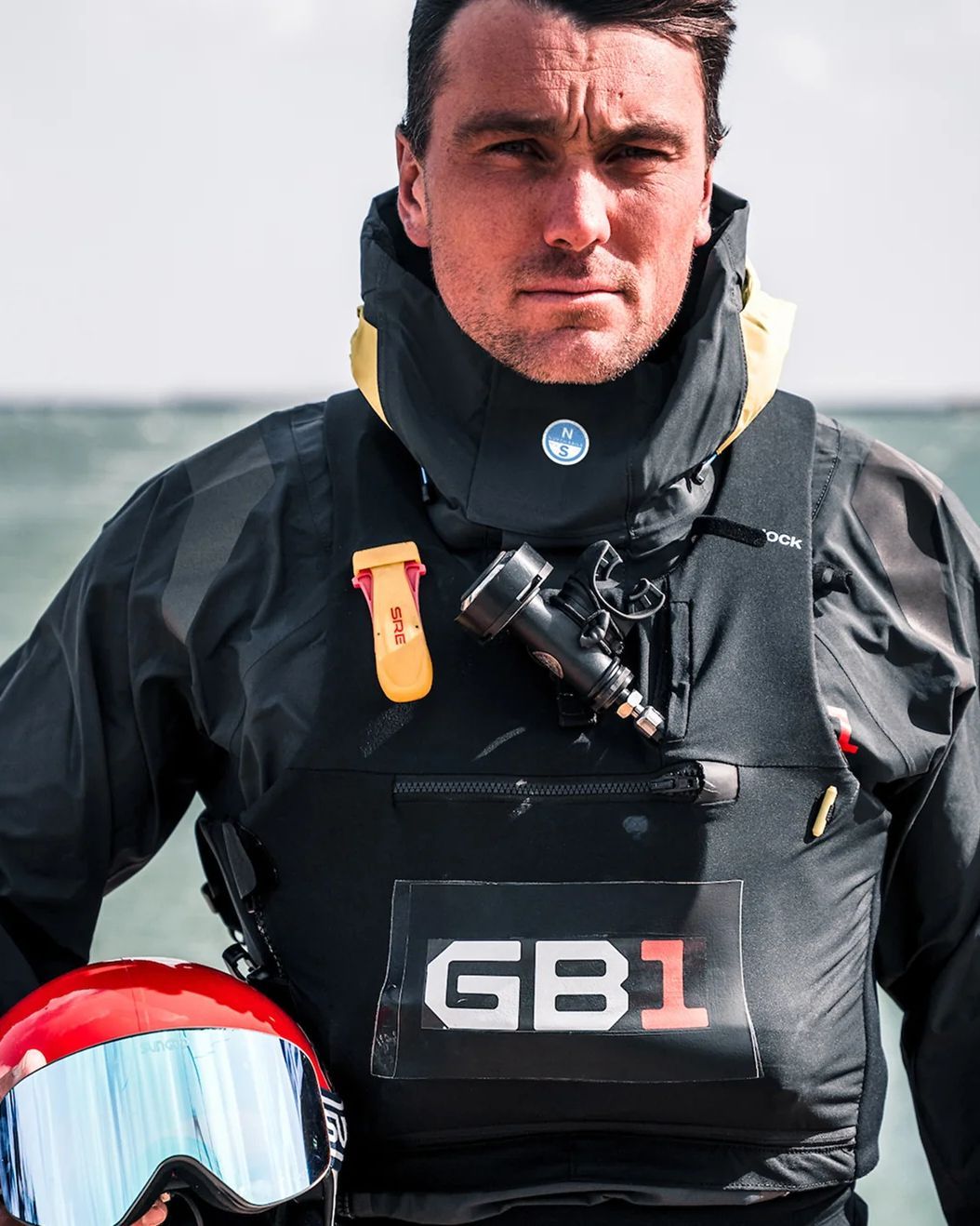
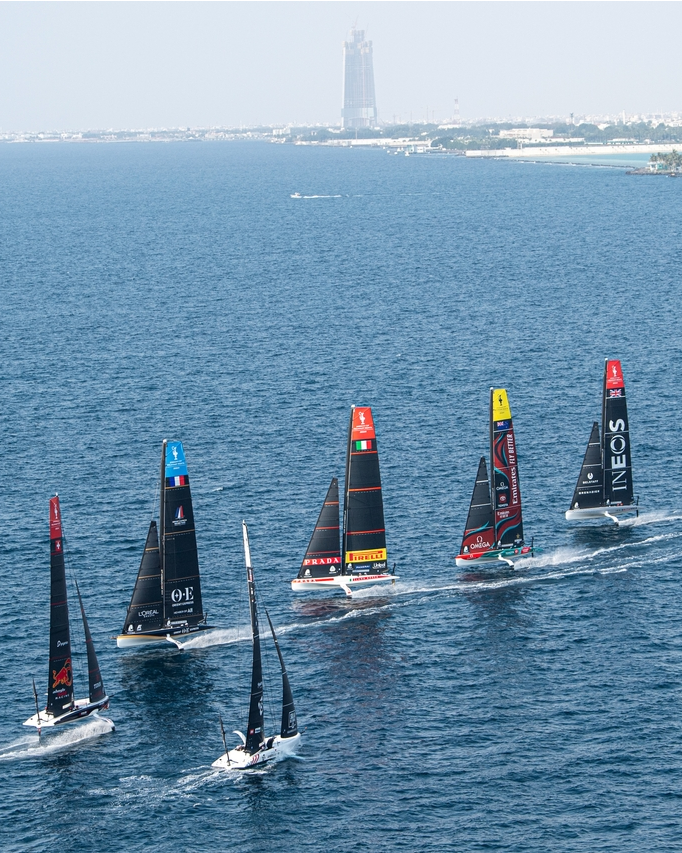
In the long run, the America’s Cup could be “a better commercial bet than Formula 1”. That is the view of Christian Horner, who spent twenty years as Team Principal of Red Bull Racing and sees the creation of the America’s Cup Partnership as the foundation for rapid growth. Horner is now an adviser to Oakley Capital, the majority shareholder in GB1, Sir Ben Ainslie’s British sailing team, whose boat will be one of seven competing in Naples in 2027.
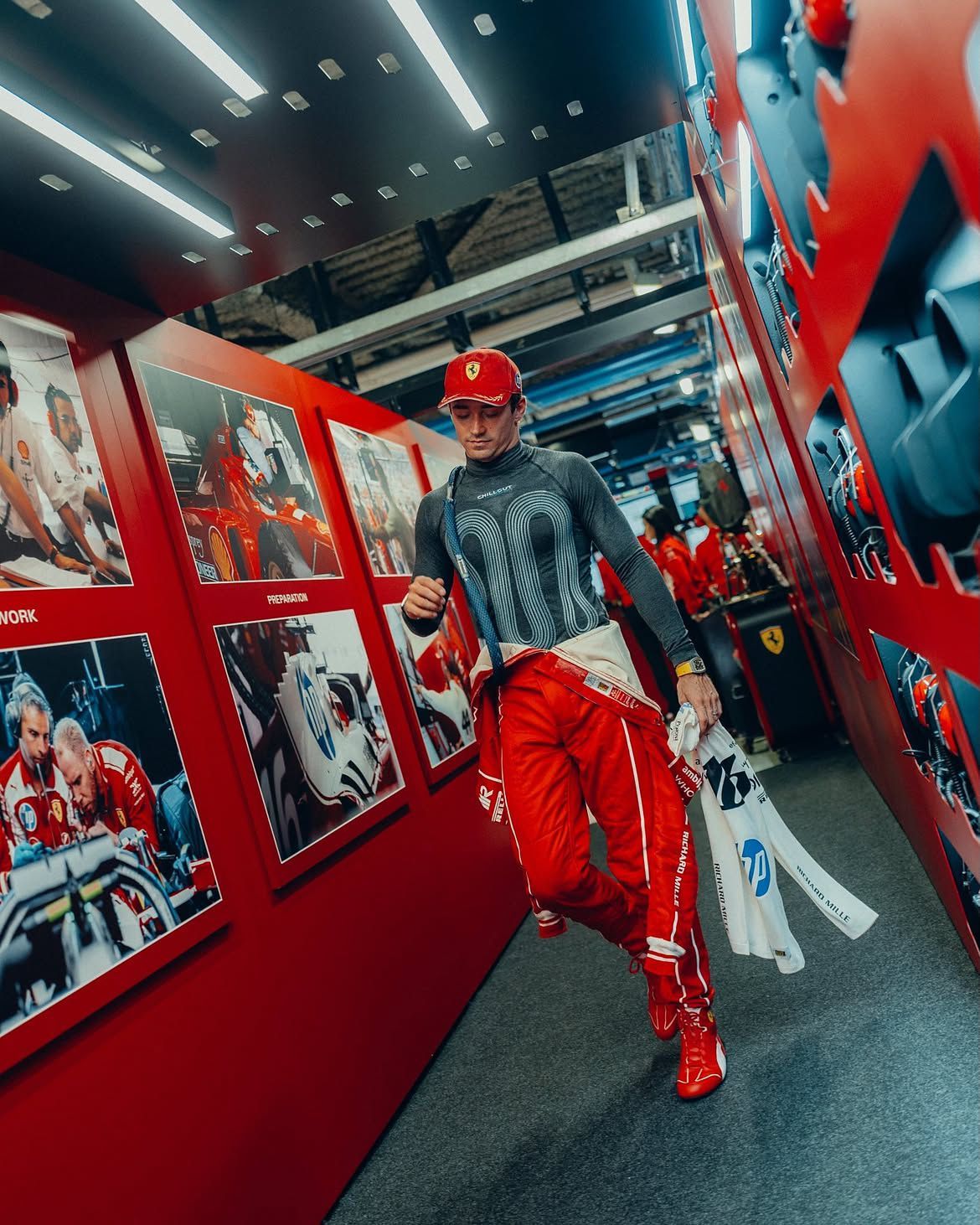
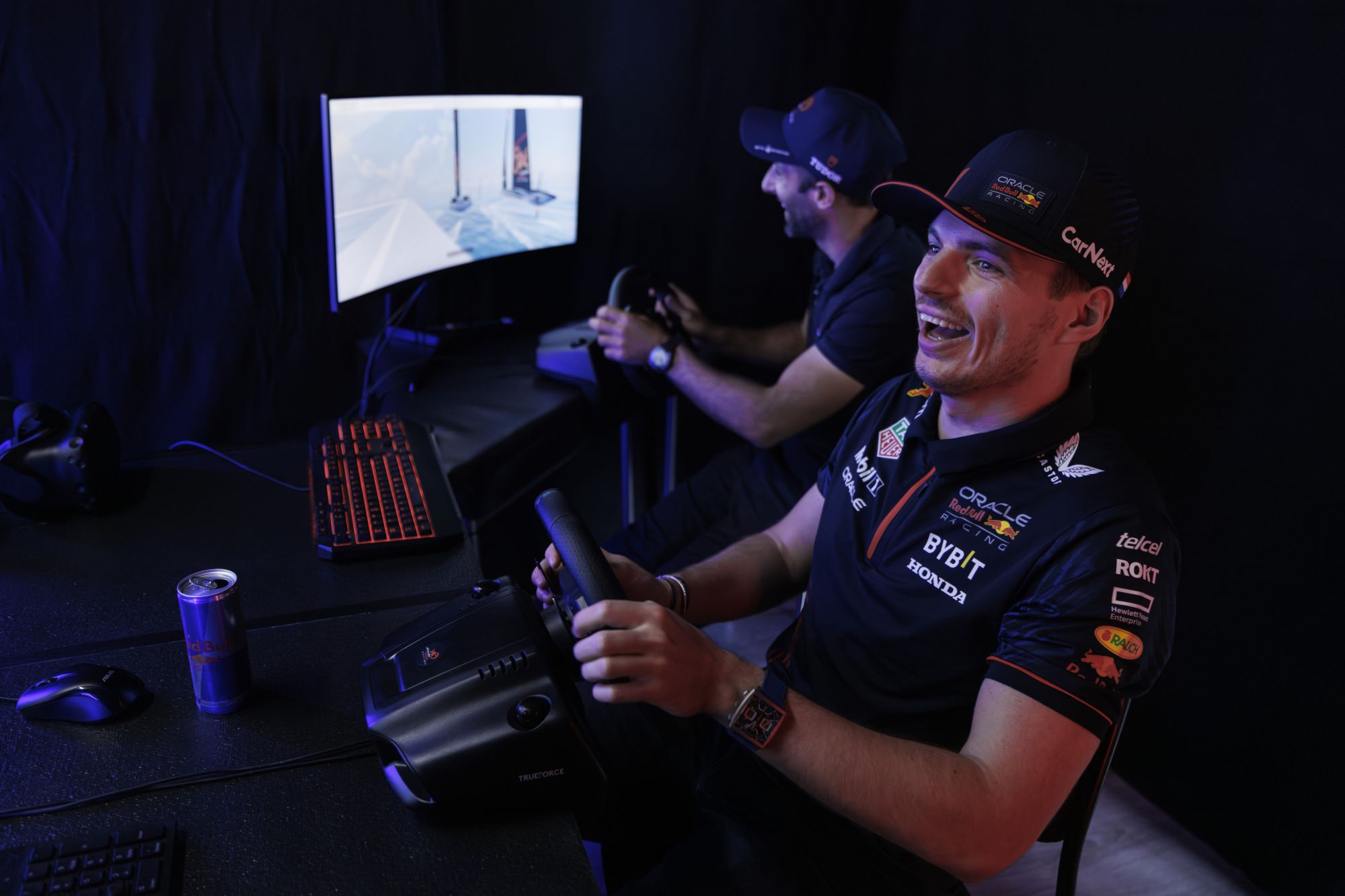
As Horner and Ainslie themselves confirmed when they discussed the subject with The Telegraph during last month’s Preliminary Regatta, the relationship between the America’s Cup and Formula 1 runs deep. For years, teams from these two worlds have shared engineers, simulation tools, control systems and expertise in material development - and if America’s Cup boats are known as the “Formula 1 of the seas”, it is partly because of the work that racing teams have brought onto the water.
But this is not only about technology and innovation, or their similarities in the public imagination. The relationship is now broadening at a strategic level. Sailing is also looking to Formula 1 as a structural and commercial blueprint, as demonstrated by the recent introduction of a spending cap and a more regular schedule of events, alongside the pursuit of continuity in partnerships. There is one difference, however, that Horner considers decisive: in the America’s Cup, the teams are jointly building the structure that will manage and grow the event, becoming shareholders in it; in Formula 1, by contrast, the teams do not own the competition and, instead of collaborating, are “trying to take each other out”.
The engineering connection between F1 and the America’s Cup
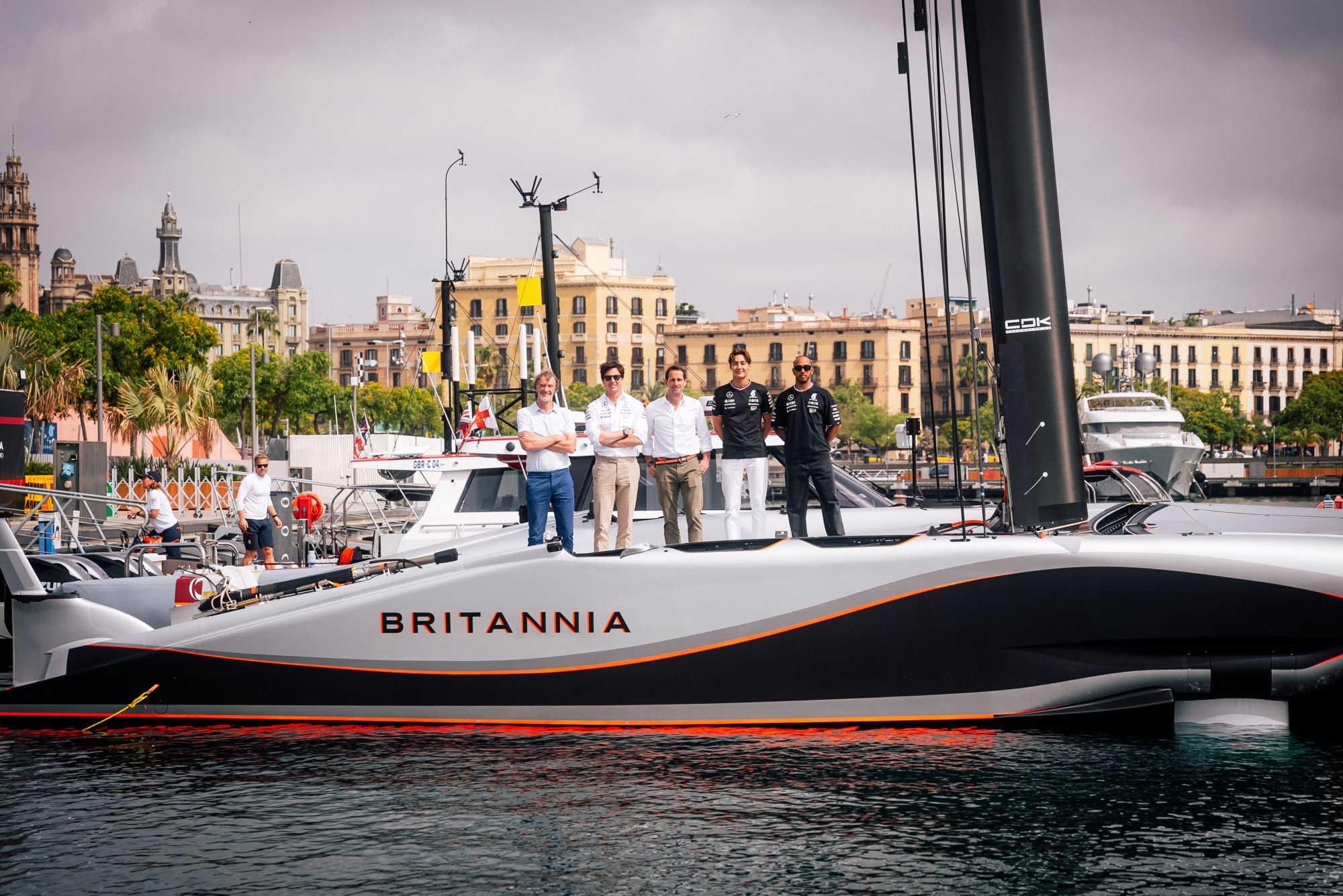
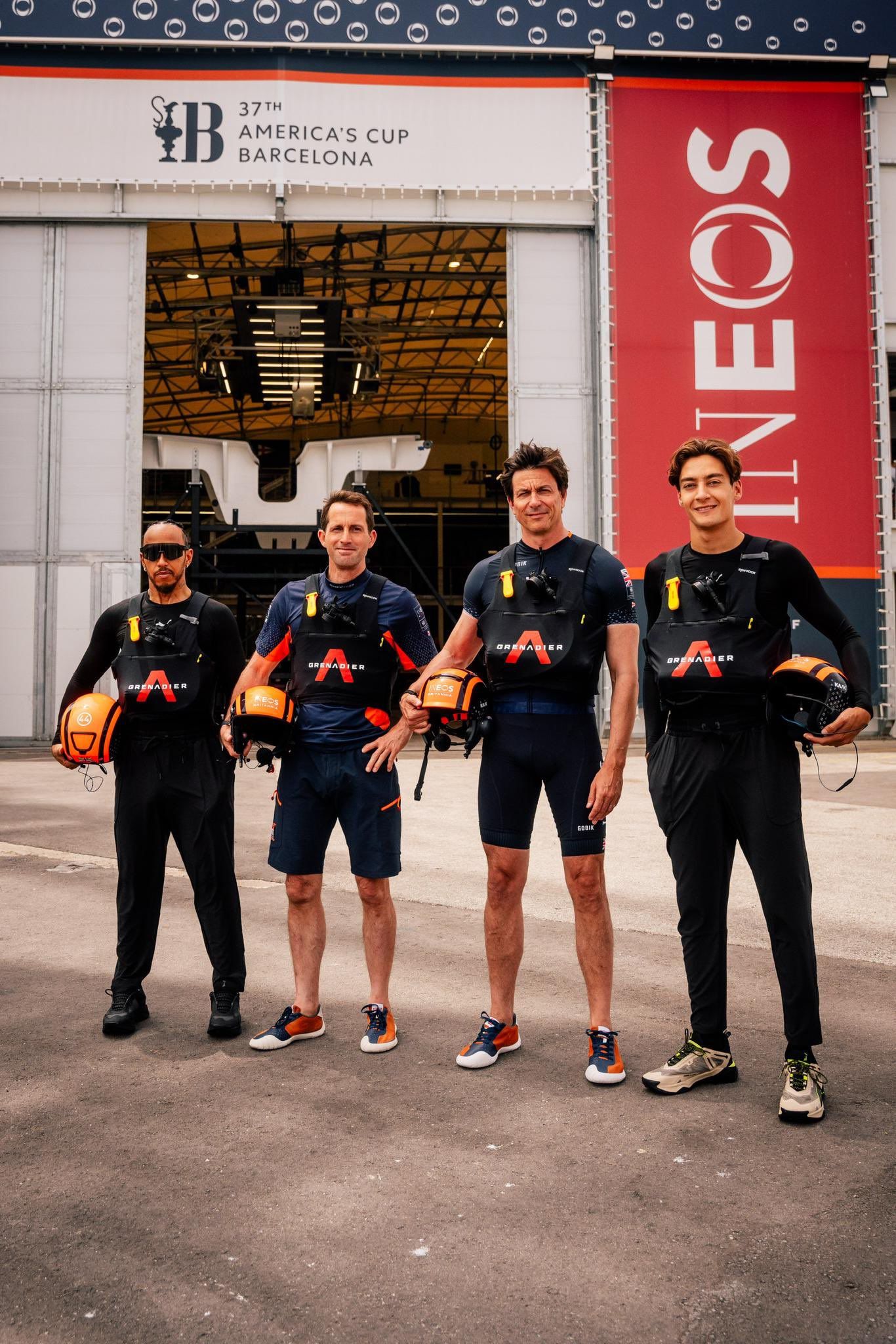
As Horner explained, the first contract secured by Red Bull Advanced Technologies in 2014 was with Ben Ainslie Racing - partly for engineering reasons and partly to offer new professional challenges and retain designer Adrian Newey, who at the time was frustrated with the Renault engine and tempted by a move to Ferrari. Looking at the bigger picture, however, there are several connections between the elite levels of the two worlds: Mercedes supported INEOS during its last two campaigns in Auckland and Barcelona, working on simulation and control systems; Red Bull joined forces with Alinghi in 2021, contributing to the development of BoatZero and BoatOne; while Pirelli works with Luna Rossa to predict how materials behave under stress, using simulators refined through Formula 1.
Then there are the individual career paths. Dan Bernasconi, Technical Director of Team New Zealand, previously worked at McLaren, where he focused on vehicle modelling. Geoffrey Willis returned to sailing and INEOS Britannia through Mercedes-AMG F1 Applied Science, following a long career in Formula 1. James Allison, meanwhile, took technical leadership of the British project in his role as Chief Technical Officer of Mercedes and INEOS Britannia. “We are one team”, he said in 2024, “with the design base inside our Formula 1 headquarters”.
According to Horner, these activities were also encouraged by the cost cap introduced in Formula 1 in 2021. The requirement for teams to limit their spending made it worthwhile to allocate resources to other projects, taking advantage of “a grey area in the regulations governing the use of engineers and resources”. At the time, teams could “split staff working time, and it was a convenient project line to use for creative accounting”, Horner admitted. That approach, he clarified, “is no longer possible: the FIA goes through everything with a fine-tooth comb”.
Formula 1 as a blueprint
With the launch of the America’s Cup Partnership, the teams are now entering a new era. It is a genuine structural revolution, beginning with the shared management of organisational and commercial matters and the introduction of a biennial cycle. These changes aim to make costs and events more predictable, allowing sponsors, broadcasters and host venues to plan agreements across multiple editions. Formula 1 is the reference point, as CEO Marzio Perrelli has also made clear. “You cannot disappear for too long”, he explained, arguing that the America’s Cup must establish a permanent place in the sporting calendar. Knowing the date of the next edition “should be as normal as knowing when the next Grand Prix, Olympic Games or World Cup will take place”.
The comparison also extends to what happens away from the racing itself. Perrelli cited the Monaco Grand Prix, where the attraction includes everything surrounding the circuit, “a place to go, a place to be, and something that lasts not one day, but three months”. In the Roman executive’s view, the America’s Cup must also aim for this kind of all-encompassing appeal. It is partly because of this ability to enhance the value of the product that “the average Formula 1 team is now valued at $2.5-3 billion”, Horner explained, “whereas six or seven years ago they were insolvent, and 50% of the grid was more of a liability than an asset”.
The former Red Bull Team Principal also recognises Formula 1 as the North Star guiding these changes, not least because of the resistance to cost controls among some insiders. “Whenever changes are introduced, traditionalists complain. It was the same in F1, where there was enormous opposition. It is simply in the nature of competitive people, and people do not like change, but sometimes it is necessary”. It was part of Formula 1’s process, just as it will be for the America’s Cup.
The potential of the America’s Cup
The similarity with Formula 1, however, ends when it comes to ownership of the event. “In many ways, you have copied the Formula 1 model, with the budget cap, cost reduction and so on”, Horner continued, addressing Ainslie. “But unlike F1, you act as partners and owners”. Each founding team has a representative on the ACP board, while operational management is entrusted to an independent executive team. For Horner, this is the ideal structure for the contemporary sports ecosystem: “You compete against each other on the water, but away from the racing you are partners trying to grow the whole thing together”. It is an American-style model, “similar to the NBA”, and one “Formula 1 should have adopted too, but it is too late now”.
By contrast, Horner describes the America’s Cup as “a blank canvas”, still waiting to be shaped and offering enormous room for growth. “It is fascinating to start learning more about this world: I genuinely feel that it is about to explode”. The opportunity has already begun to attract capital interested in that growth potential. Peter Dubens, co-founder and managing partner of Oakley Capital, explained that the America’s Cup gives his fund access to “rare assets that remain commercially underexploited, with significant untapped potential”.
What to read next
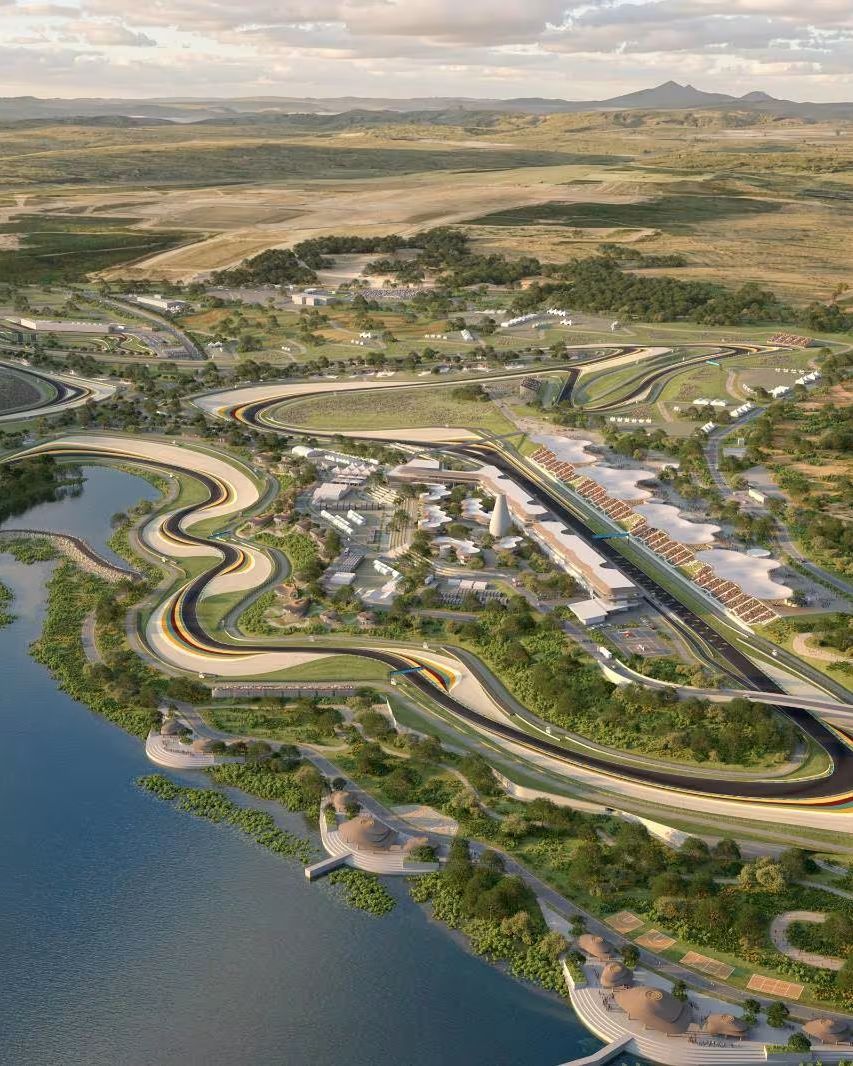
Formula 1 is set to return to Africa for the first time since 1993
There will be a race in Rwanda