
Ferrari turns the sketch into a three-dimensional canvas When a line becomes form
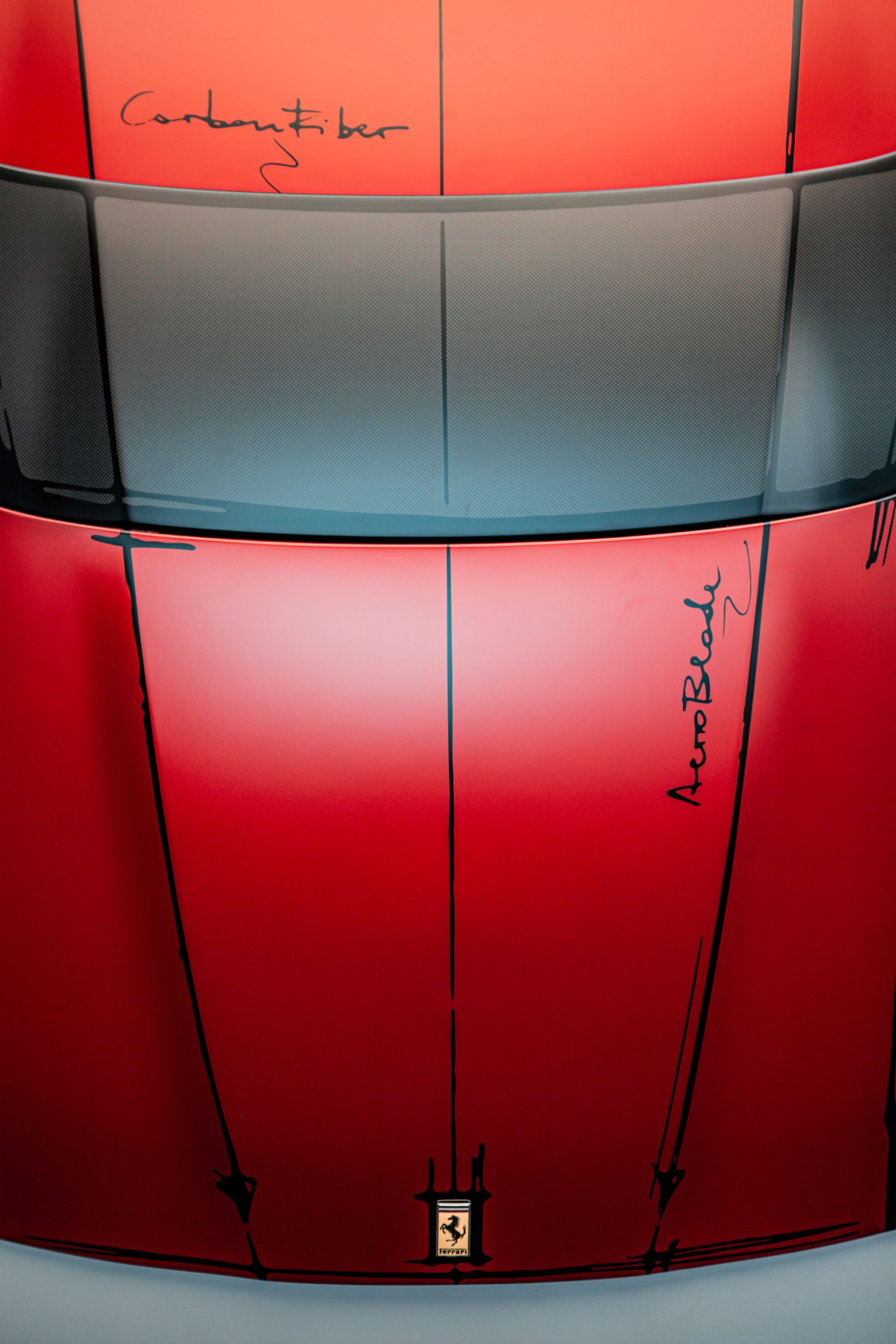
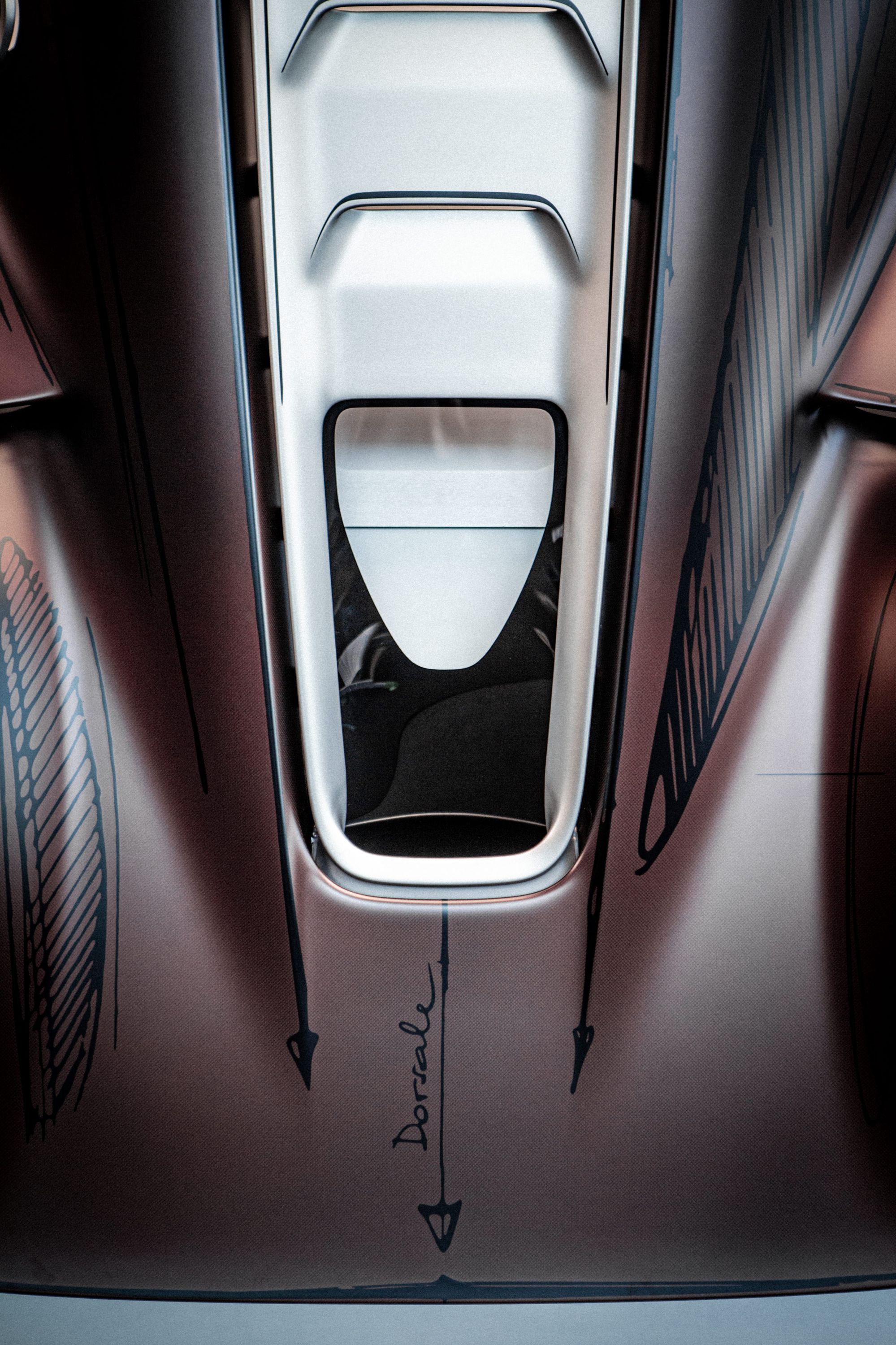
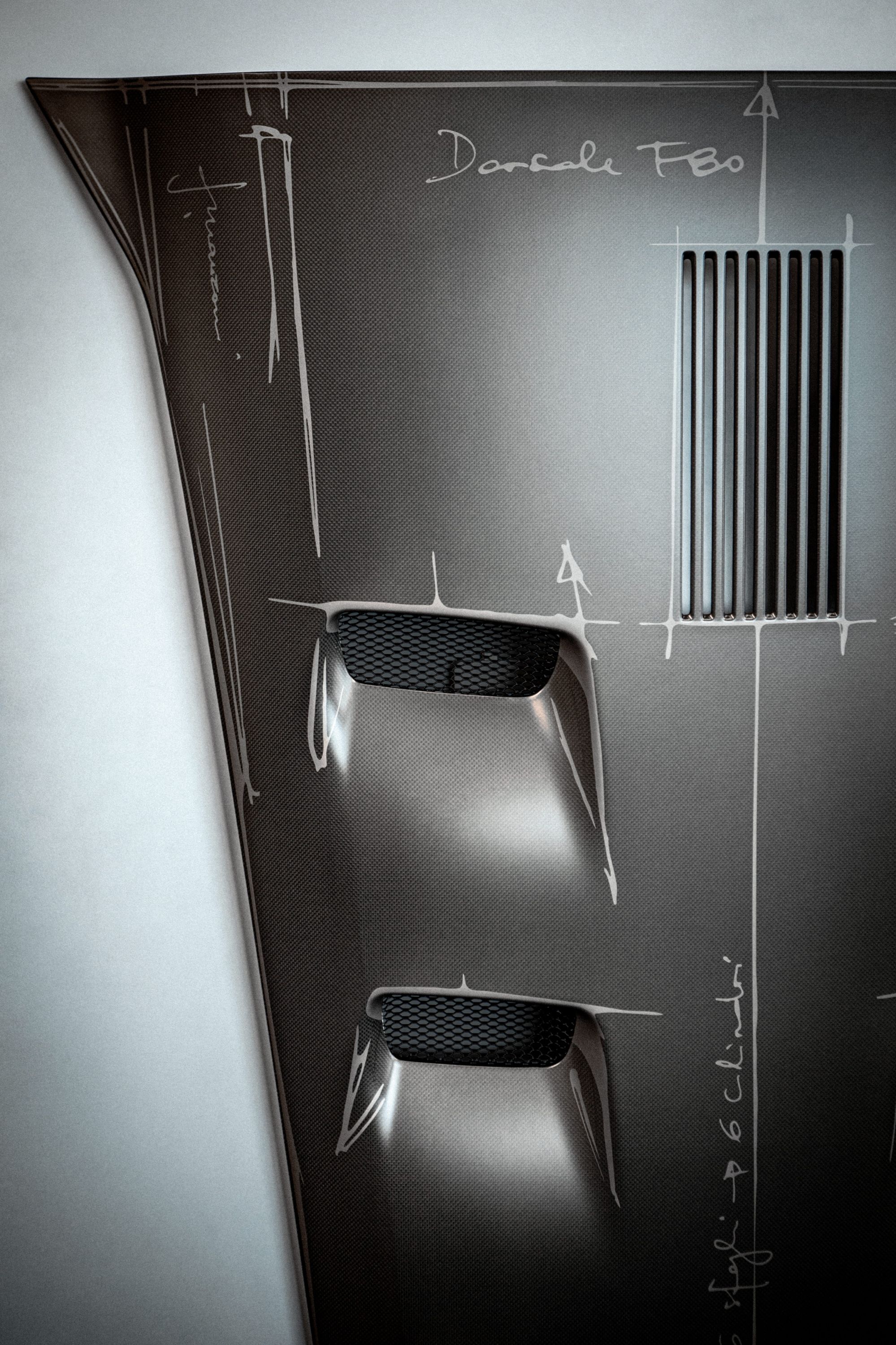
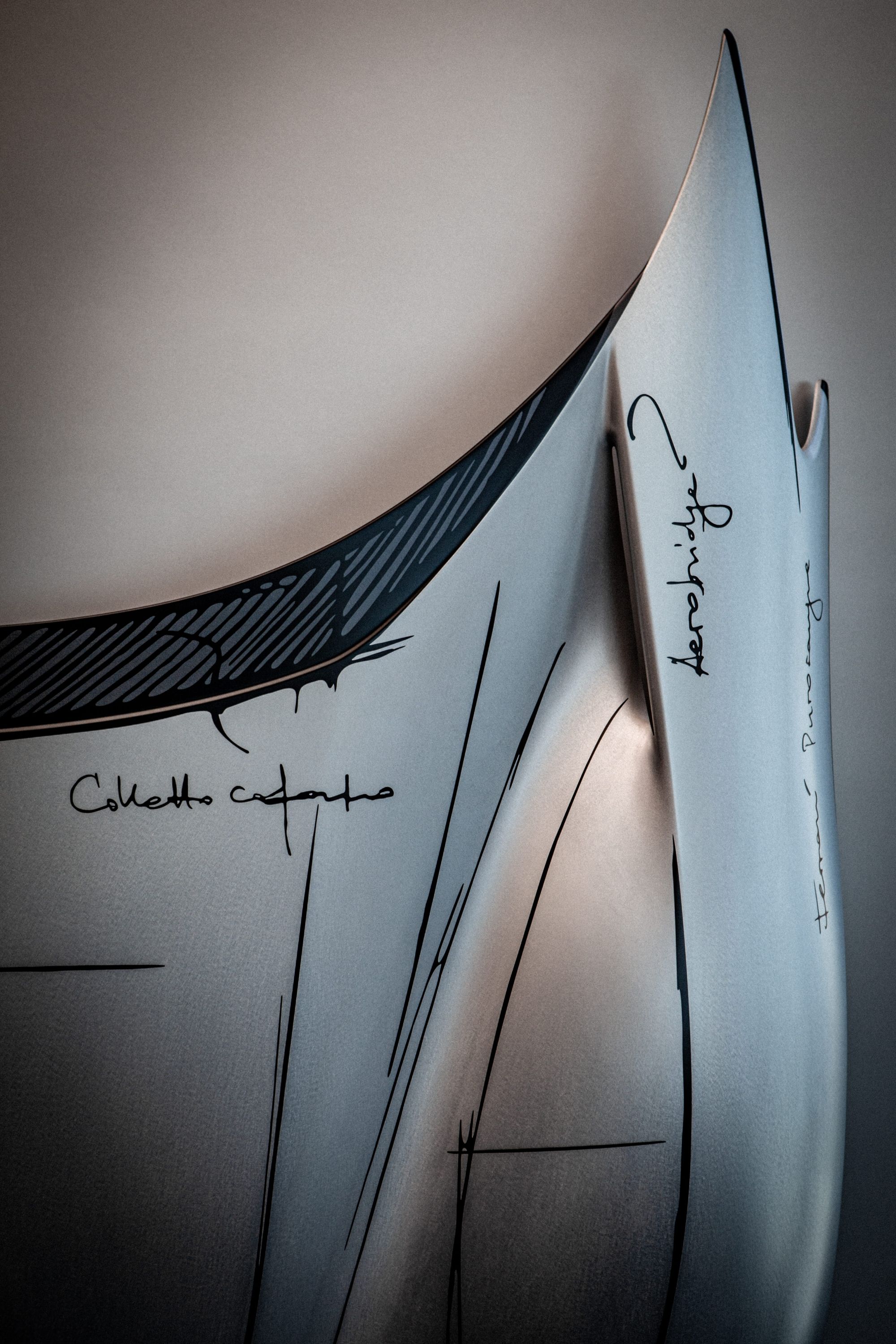
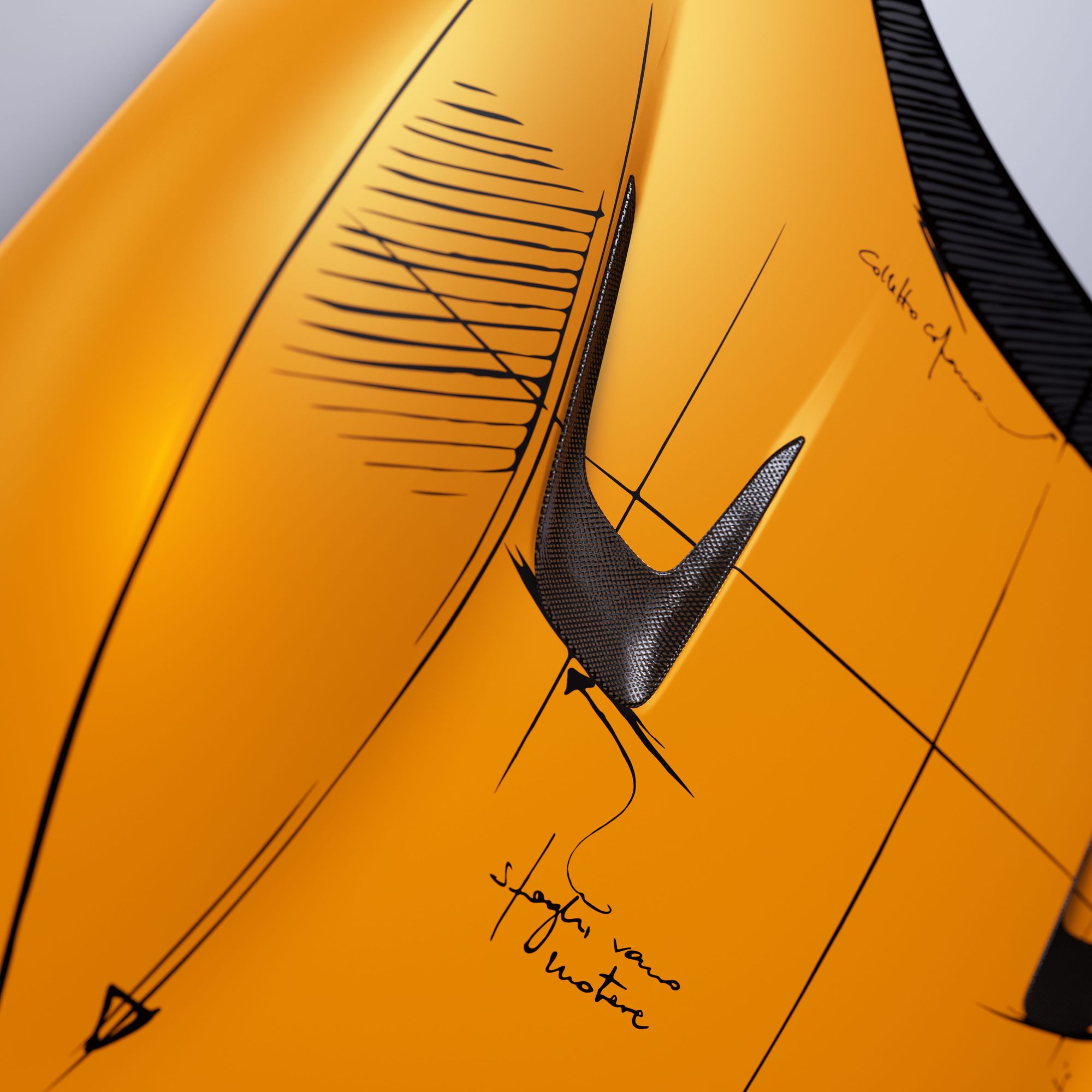
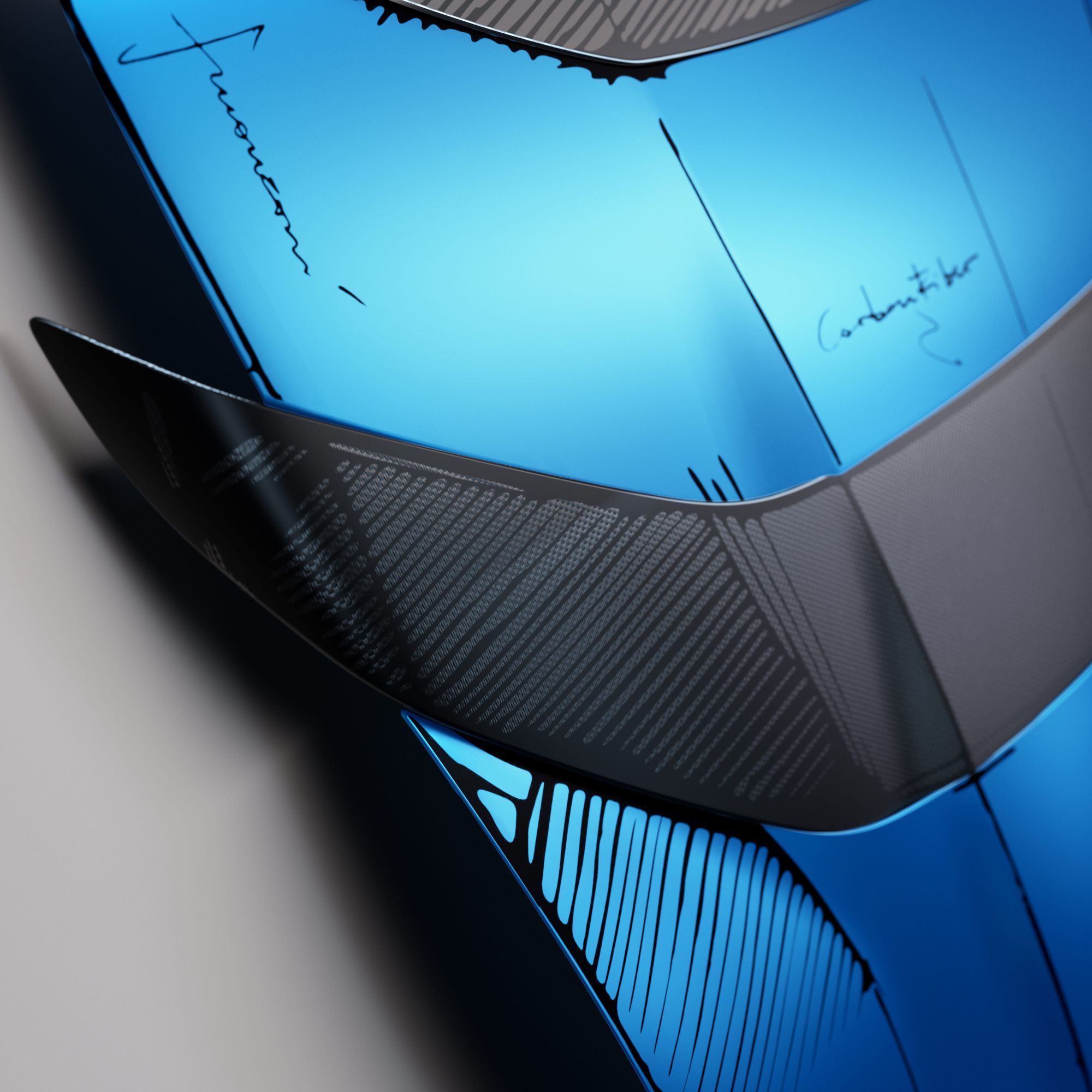
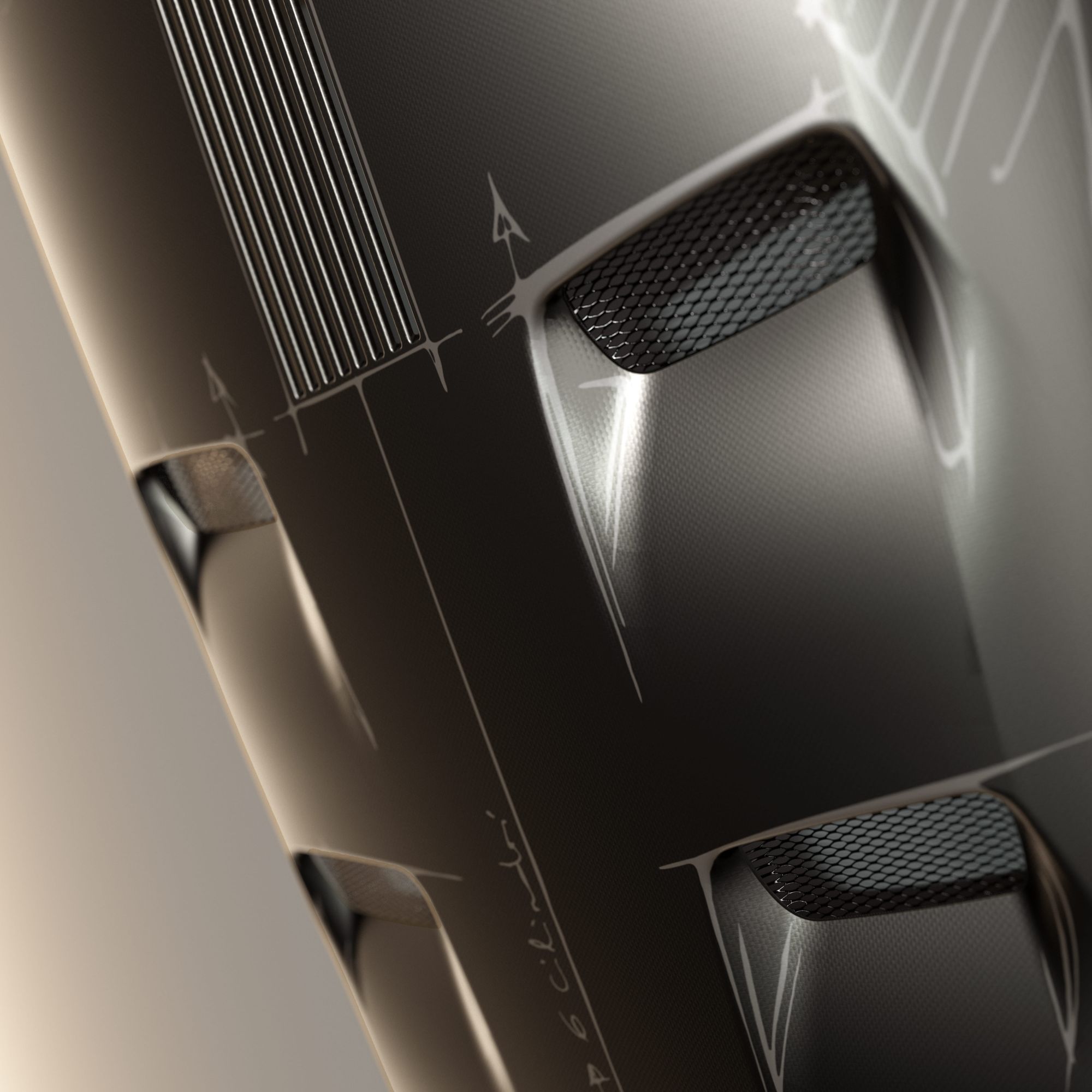
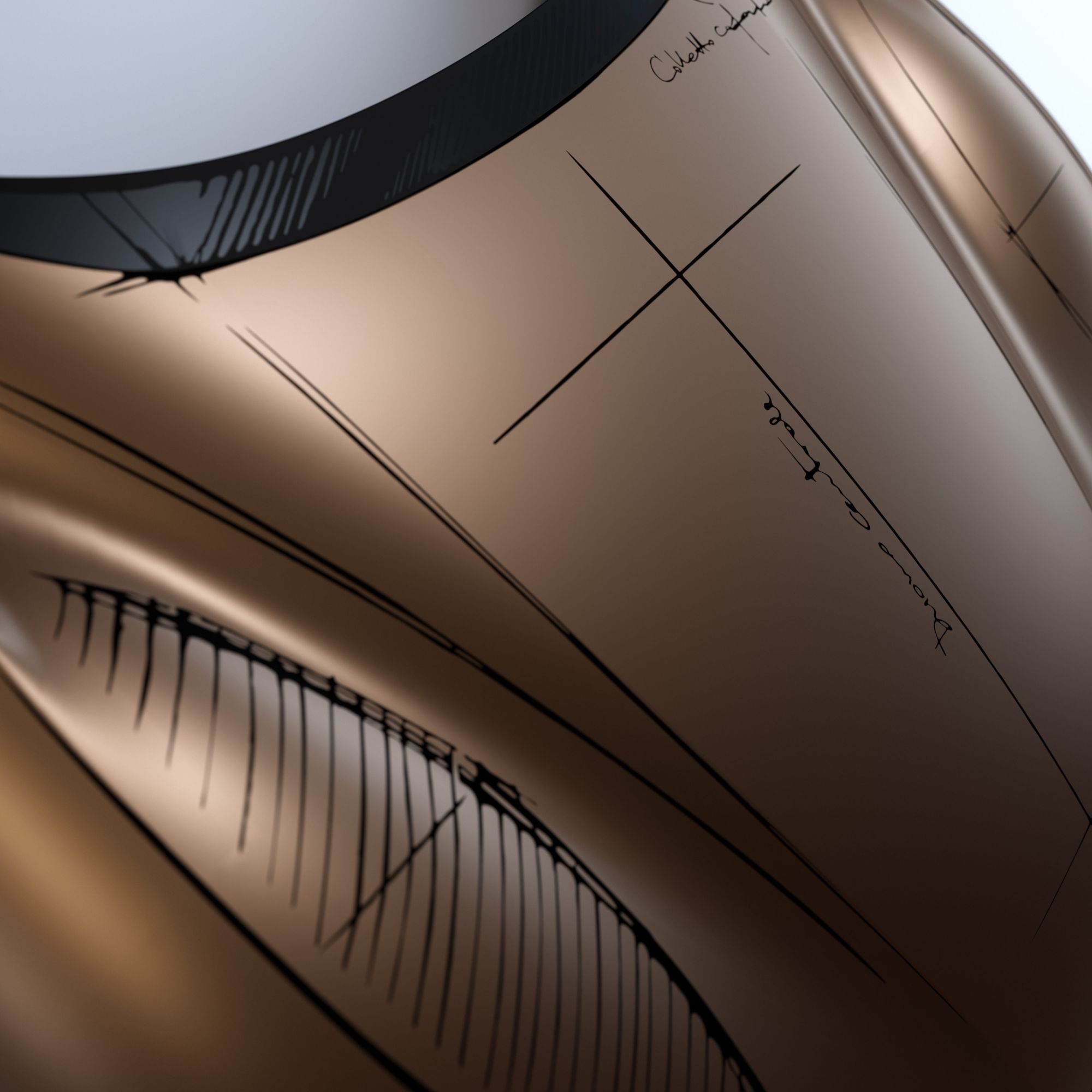
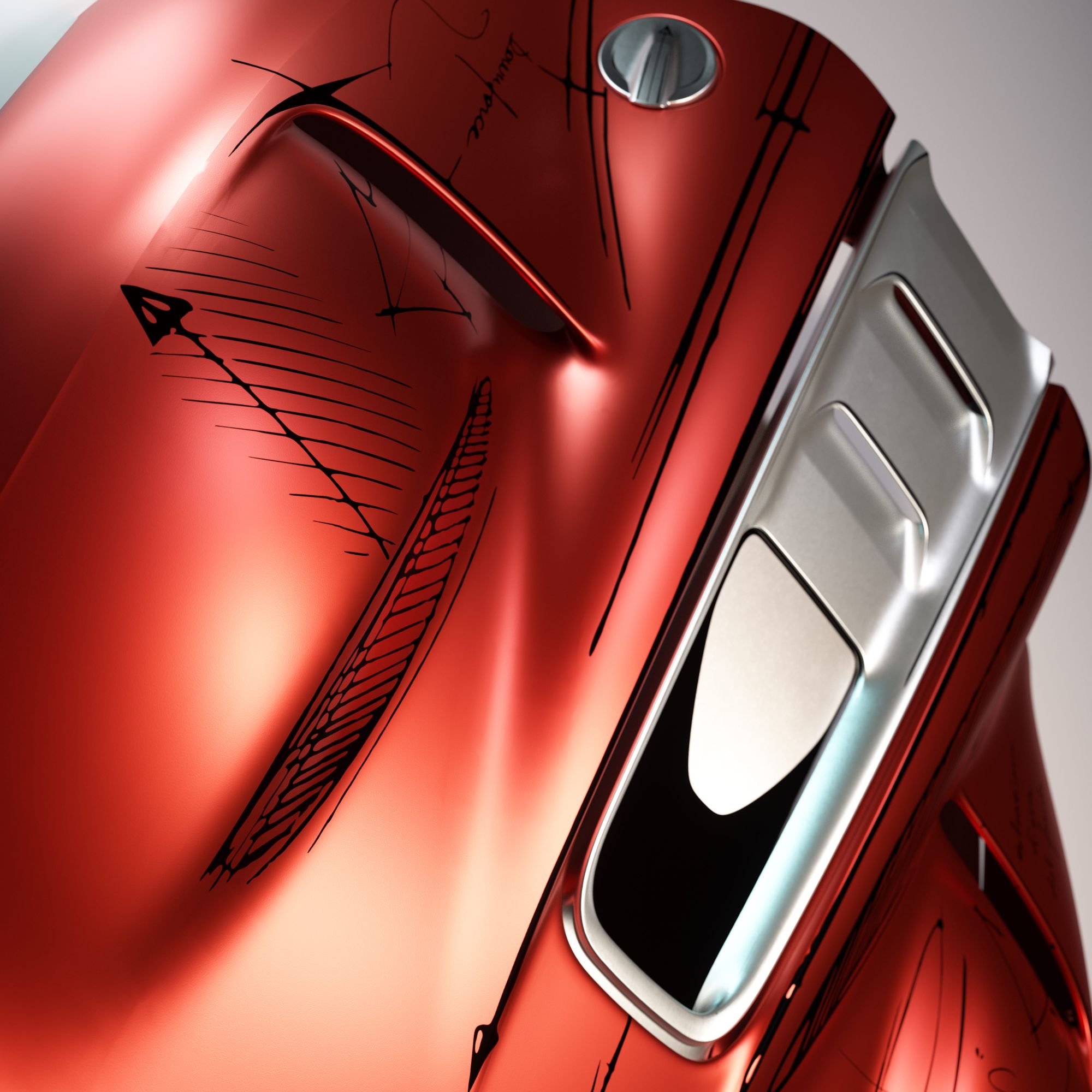
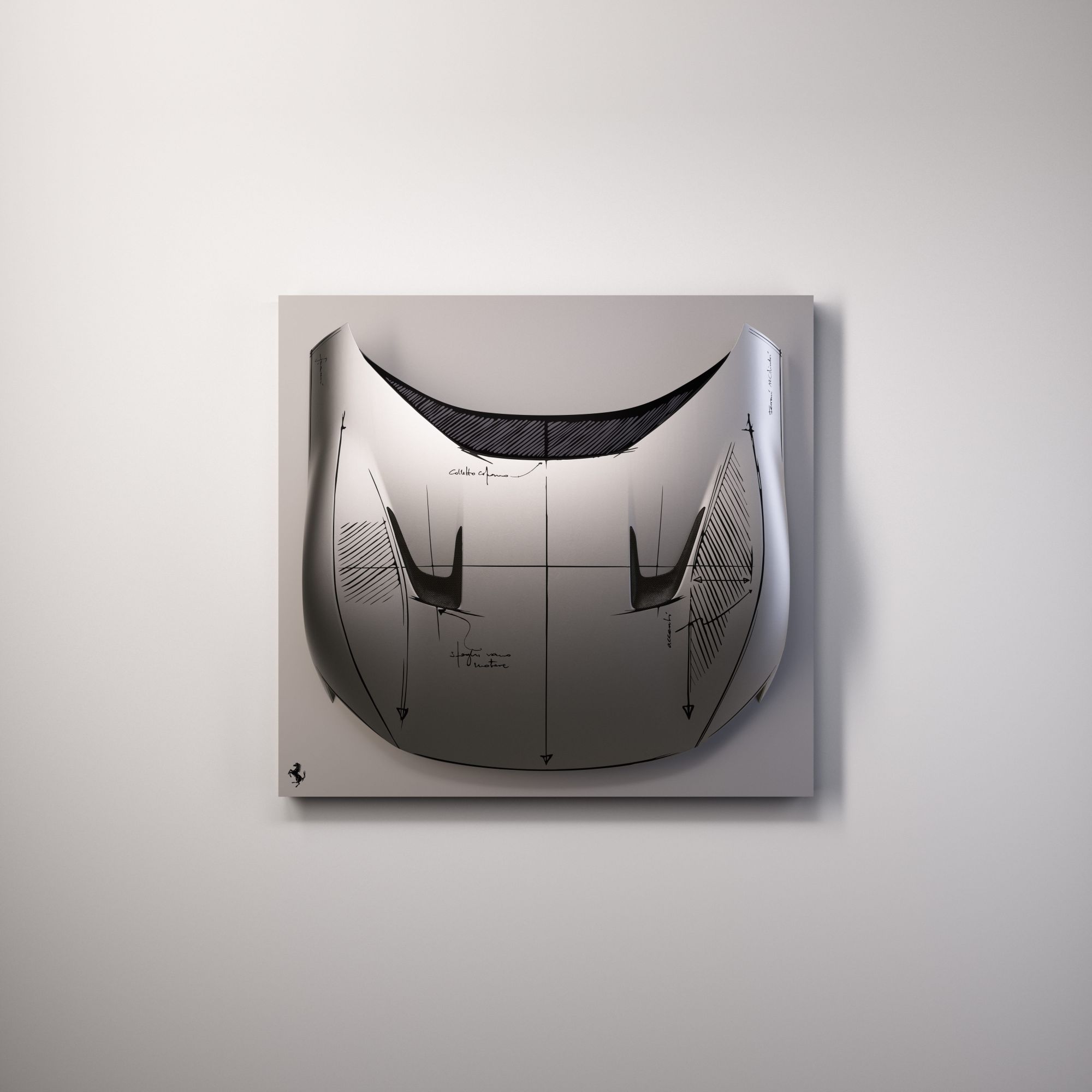
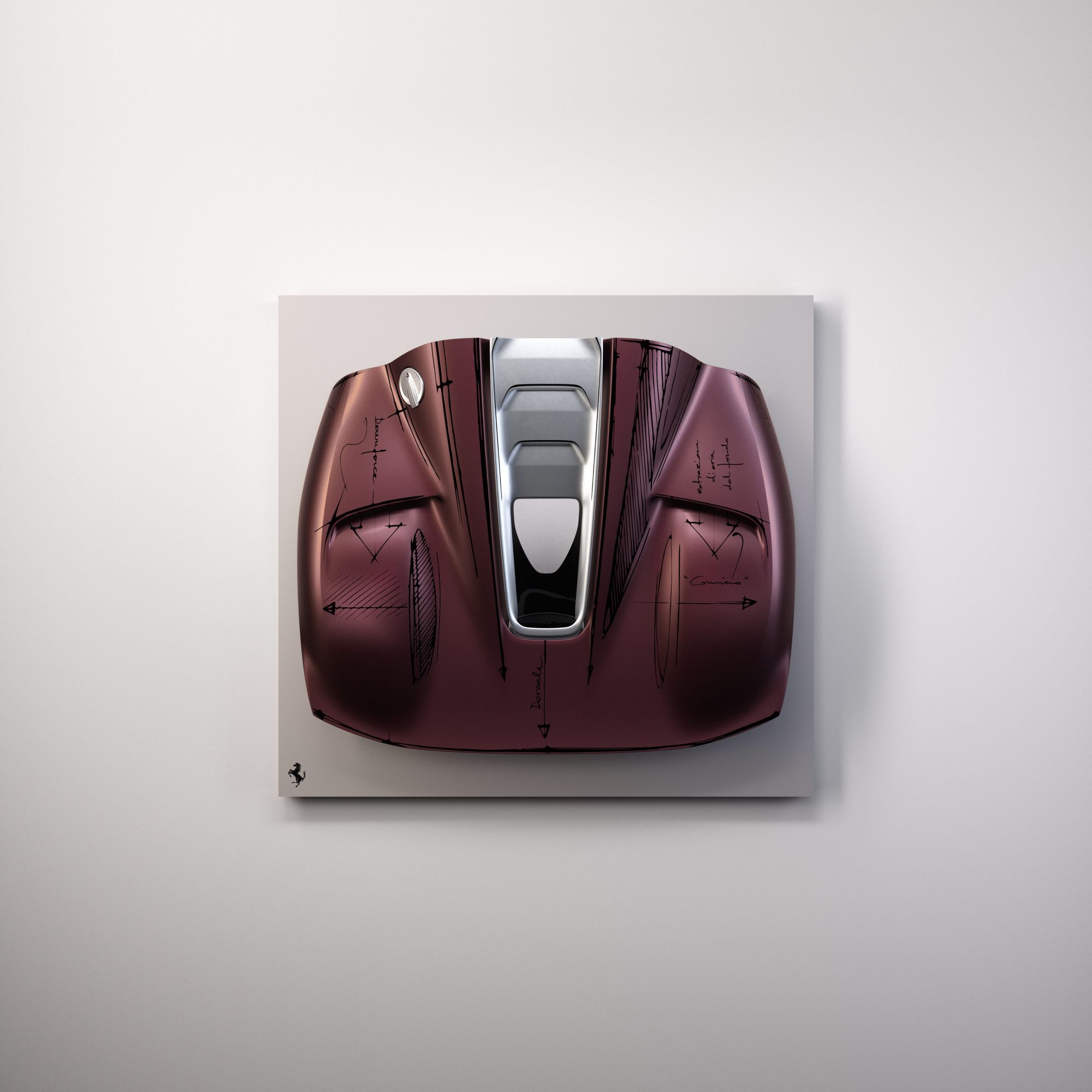
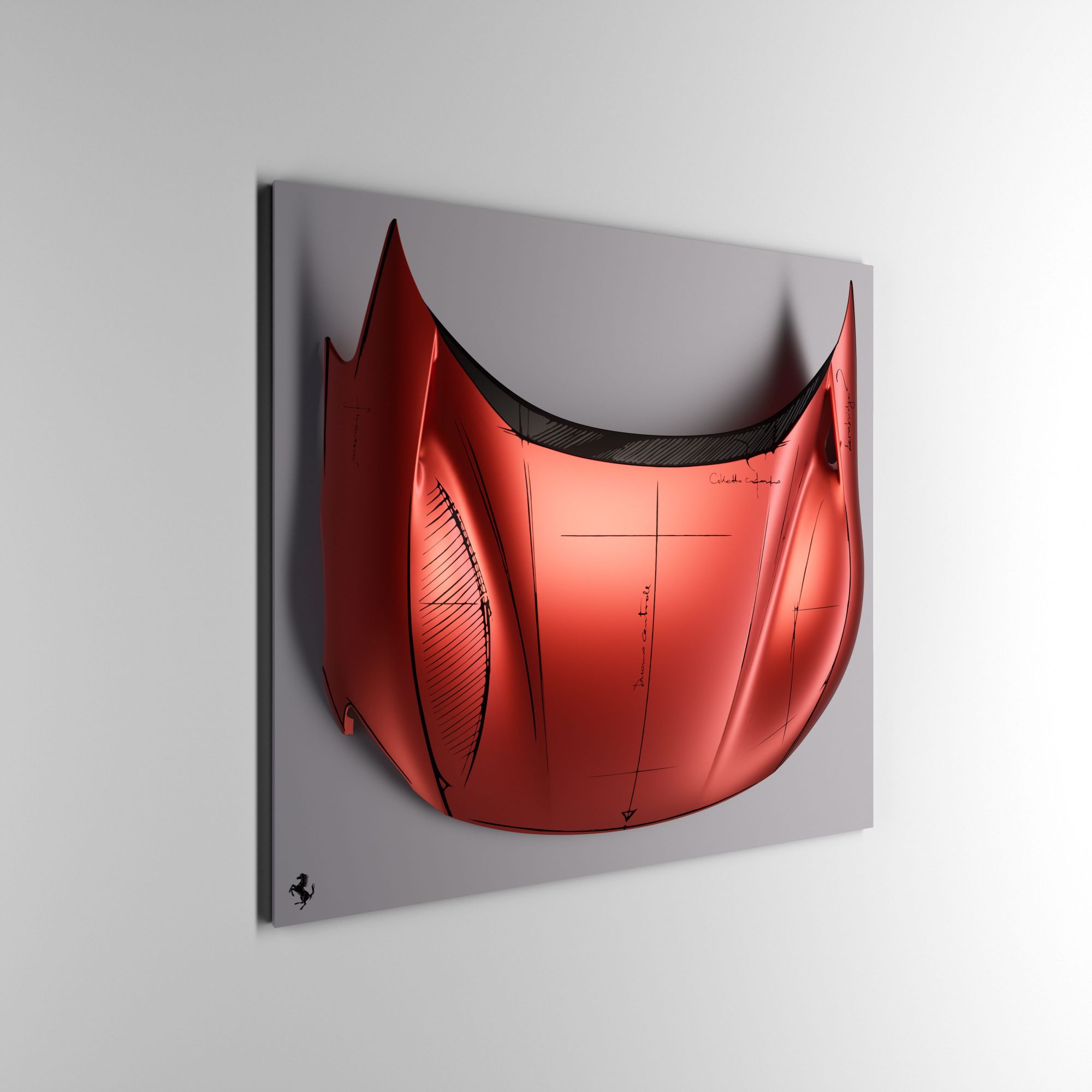
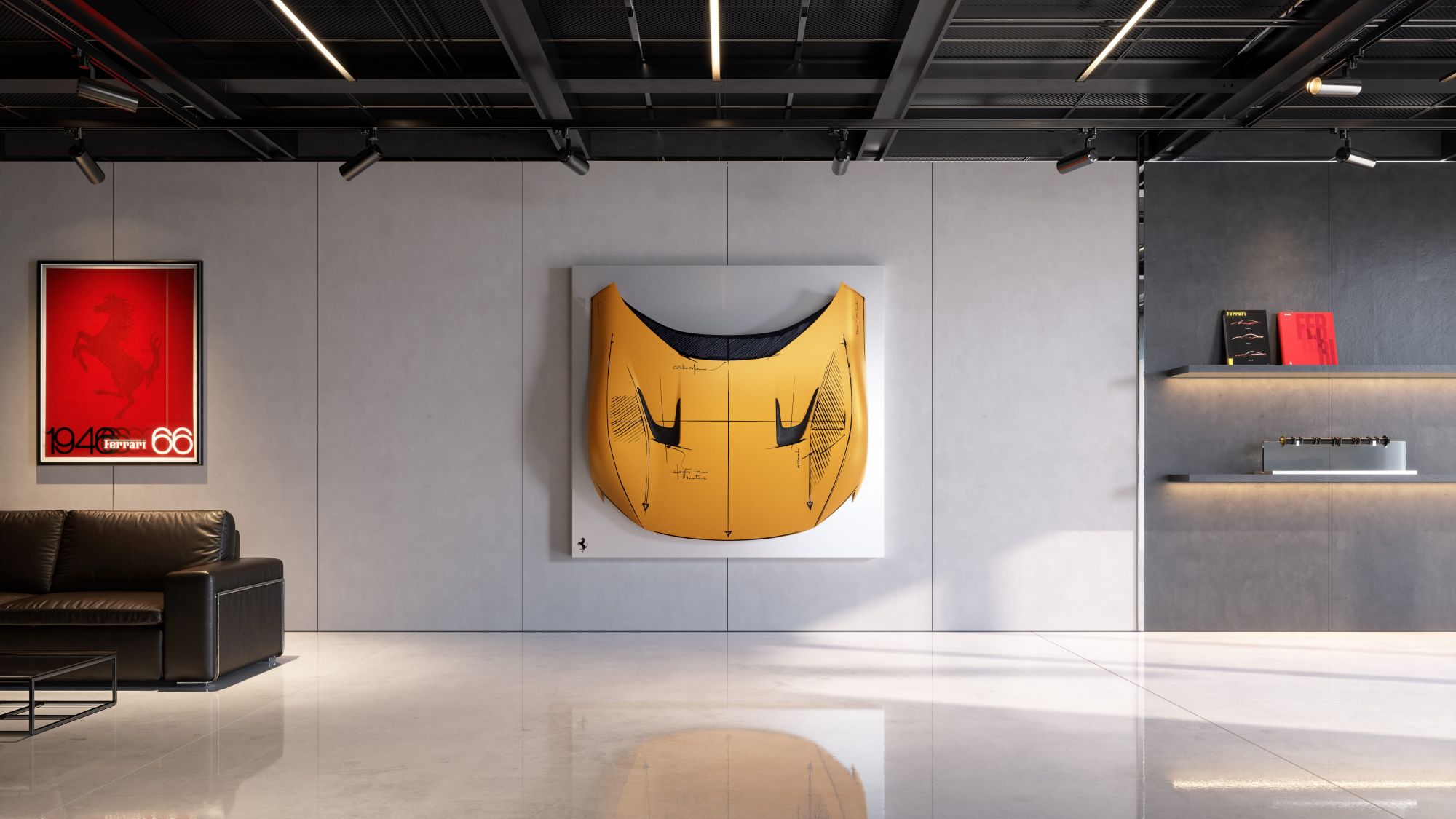
Between the first line drawn on a sheet of paper and the final form of a Ferrari lies a space shaped by intuition, design, engineering and craftsmanship. It is precisely within this space that Sketch Body, the new Ferrari Collectibles project presented on September 9 at the Ferrari Flagship Store in Milan, takes shape. At its centre is an apparently simple gesture: that of a designer drawing a line and, in a matter of seconds, defining the idea of something that does not yet exist. In Ferrari’s case, that line bears the signature of Flavio Manzoni, Chief Design Officer of the Prancing Horse, and becomes the starting point of a journey that leads from paper to material.
A sketch is not yet a car. It is an intuition, a possibility, a form still free from the constraints of material. But it is also the moment when a project begins to become recognisable. Sketch Body was created precisely to make this transition visible, bringing the designer’s original line back onto the surface that, at the end of the creative and production process, becomes part of the car itself. Inspired by the Ferrari 812 Competizione Tailor Made, the project takes elements of the bodywork and removes them from their original function, transforming them into a kind of three-dimensional canvas. Bonnet panels and rear sections thus become surfaces on which the sketch that guided the birth of the car can come to life again, following the curves and tensions of the bodywork.
The drawing is therefore not simply reproduced. It enters the material, follows its geometries, interacts with light and shifts perspective depending on the point of view. The surface of the car becomes a narrative space, capable of telling not only what the automobile is, but also the process that brought it into being. With Sketch Body, Ferrari Collectibles expands its visual language. Following Components, Red Pieces and Drivers’ Pieces, projects more directly connected to the history of the car and the world of racing, this new collection moves towards a more explicitly artistic dimension.
It is no longer simply about preserving a fragment of the automobile. The object is reinterpreted as a testament to the creative process, becoming something that exists between design, art and automotive culture. The component loses part of its original function to take on a new one: telling the story of the idea from which it originated. It is a significant shift in perspective. Ferrari is no longer viewed solely as a finished product, but as the result of a sequence of gestures, decisions and expertise. The collectible thus becomes a physical trace of that journey, a point of contact between the most abstract moment of design and the highly tangible reality of production.
Flavio Manzoni’s line is the element that connects these two dimensions. A fast, precise and recognisable line that exists before the automobile and, through Sketch Body, comes back into contact with it. The creative gesture is therefore no longer confined to the page. It expands across the bodywork, follows its curves and takes on a physical dimension. The drawing becomes a surface, the surface becomes an object, and the object preserves the memory of where it came from. It is in this relationship between imagination and execution that Sketch Body finds its meaning. On one side is intuition; on the other, the precision required to turn it into reality. In between lies everything that makes the transition possible: design, engineering, manufacturing and savoir-faire.
What to read next

You can root for Kimi Antonelli and still love Ferrari
How the Mercedes driver is challenging the Prancing Horse's grip on Italian F1 fans