



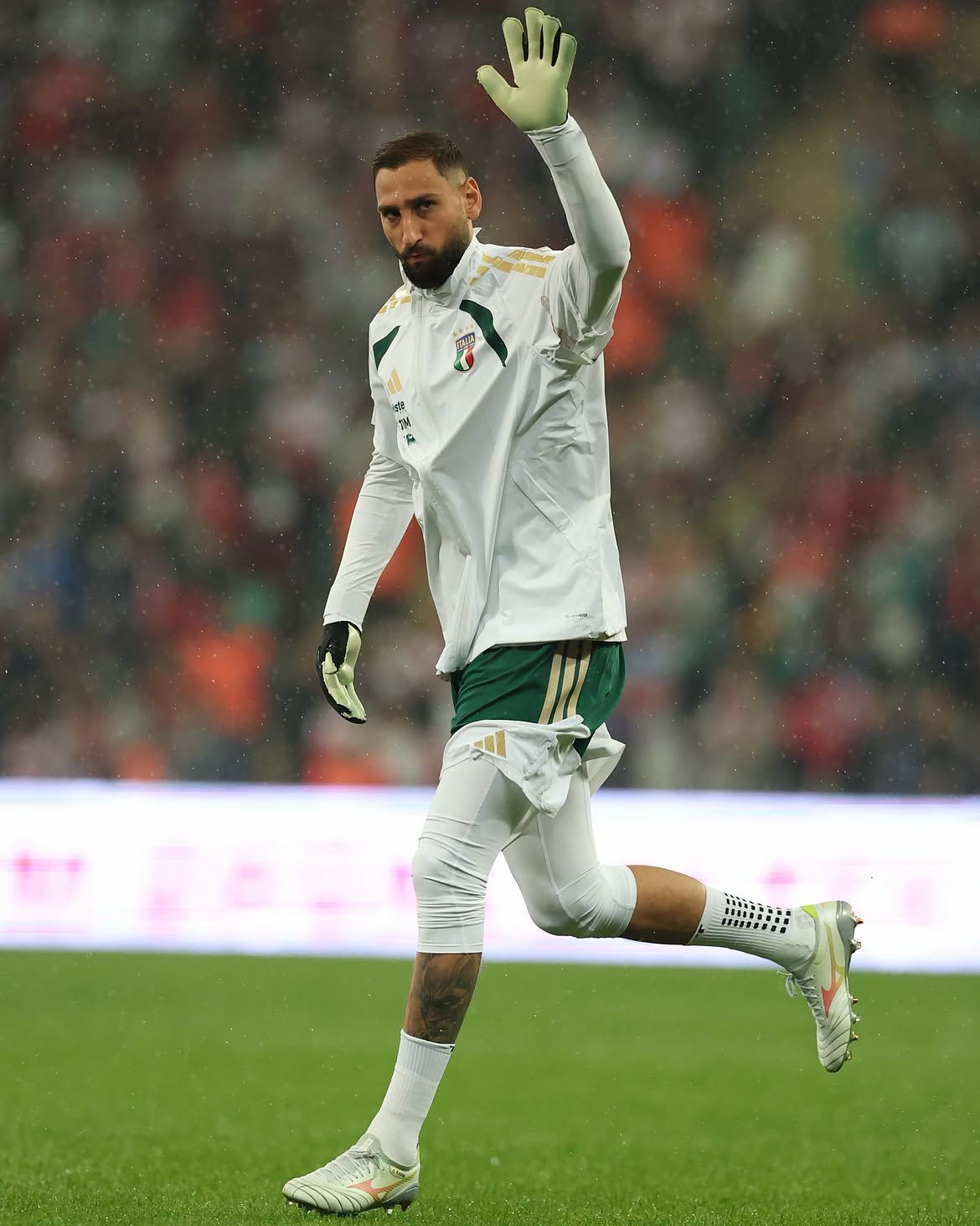


Cristiano Ronaldo, Leo Messi and two different ways to end an era What the contrasting scenes of these days tell us
Cristiano Ronaldo has left the Portugal camp in Copenhagen, probably bringing his long journey with the national team to an end. Media reports have chronicled several days of tension with head coach Jorge Jesus: first the benching in the win over Norway, then training separately from the squad, Portuguese Football Federation president Pedro Proença’s attempt to mediate and, finally, his departure, accompanied by a message on Instagram. “Goodbye, it was great: when the time is right, I will tell all Portuguese people the truth.” While it was not quite an explicit announcement of his international retirement, it came very close. It is a rupture that, given his age - he will turn 42 in February - makes it difficult to imagine the continuation of a story that lasted two decades and has now reached such an abrupt conclusion.
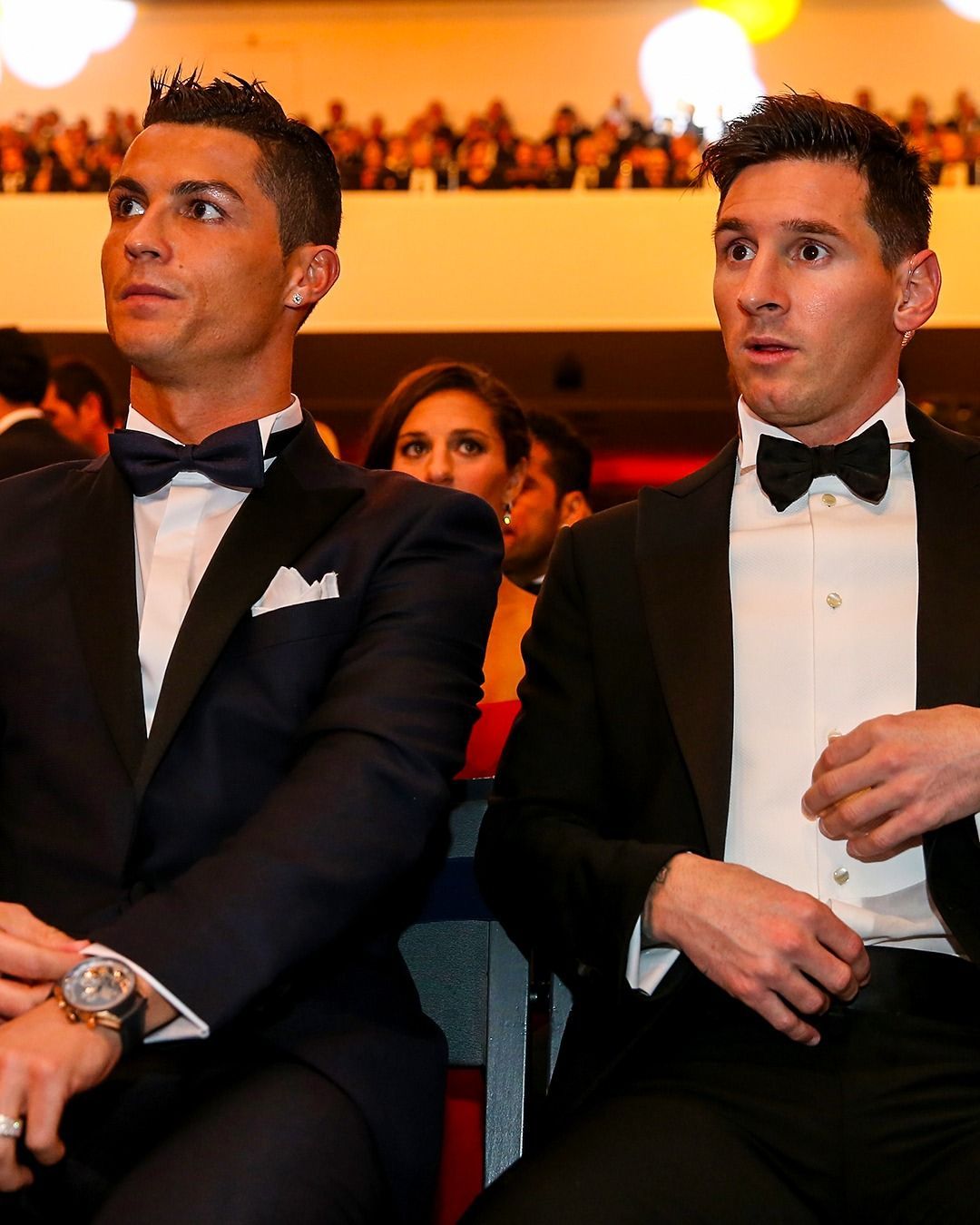
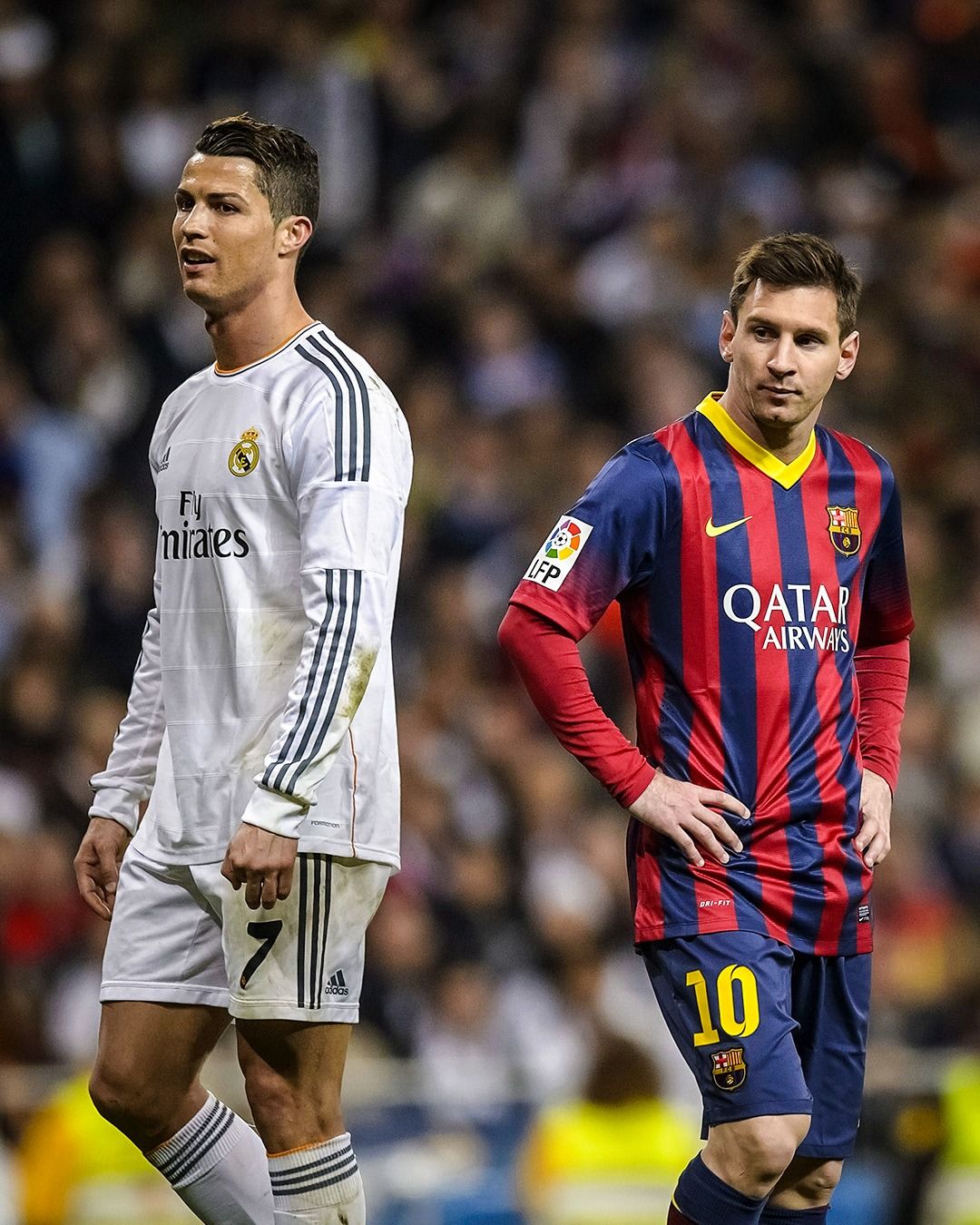
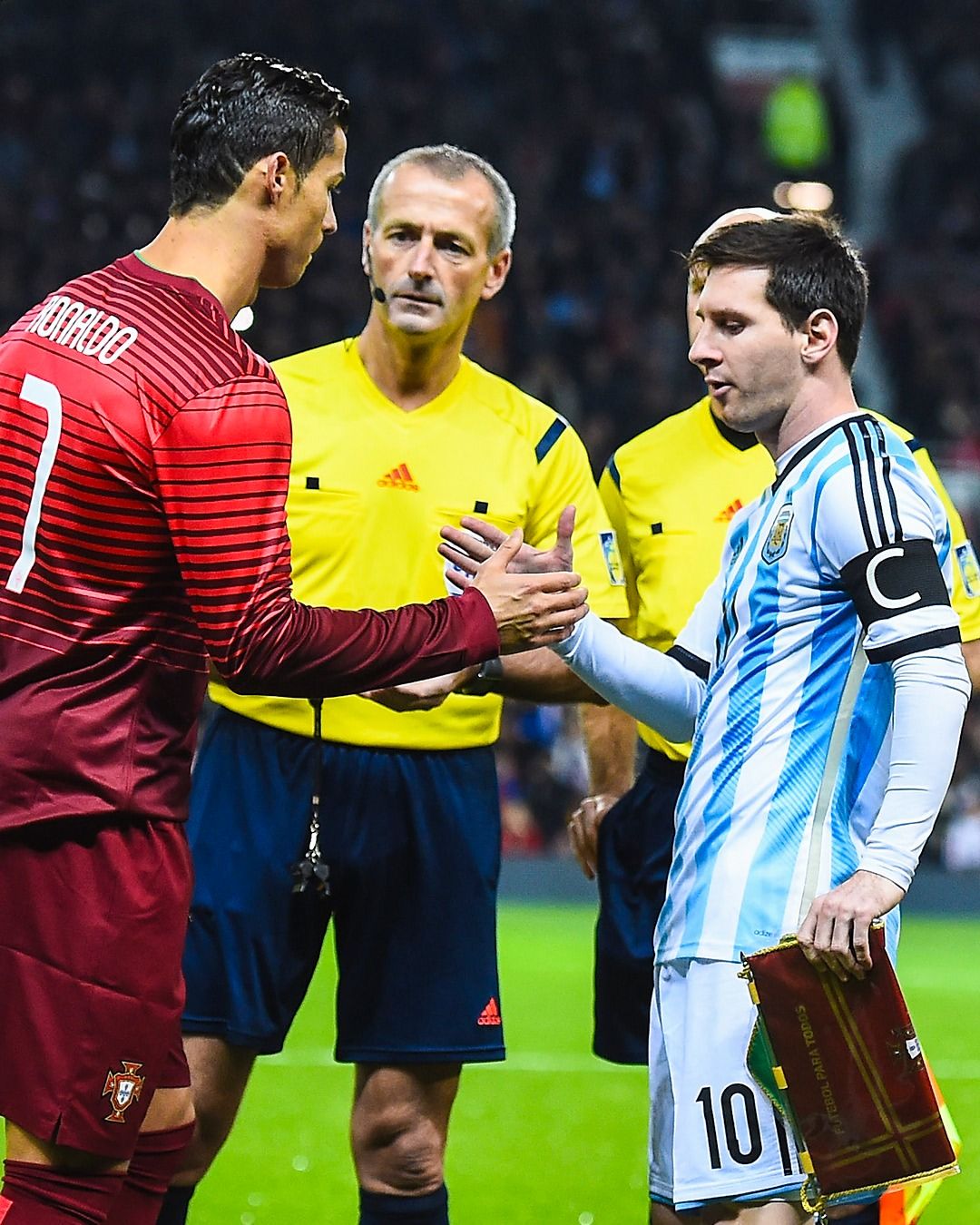
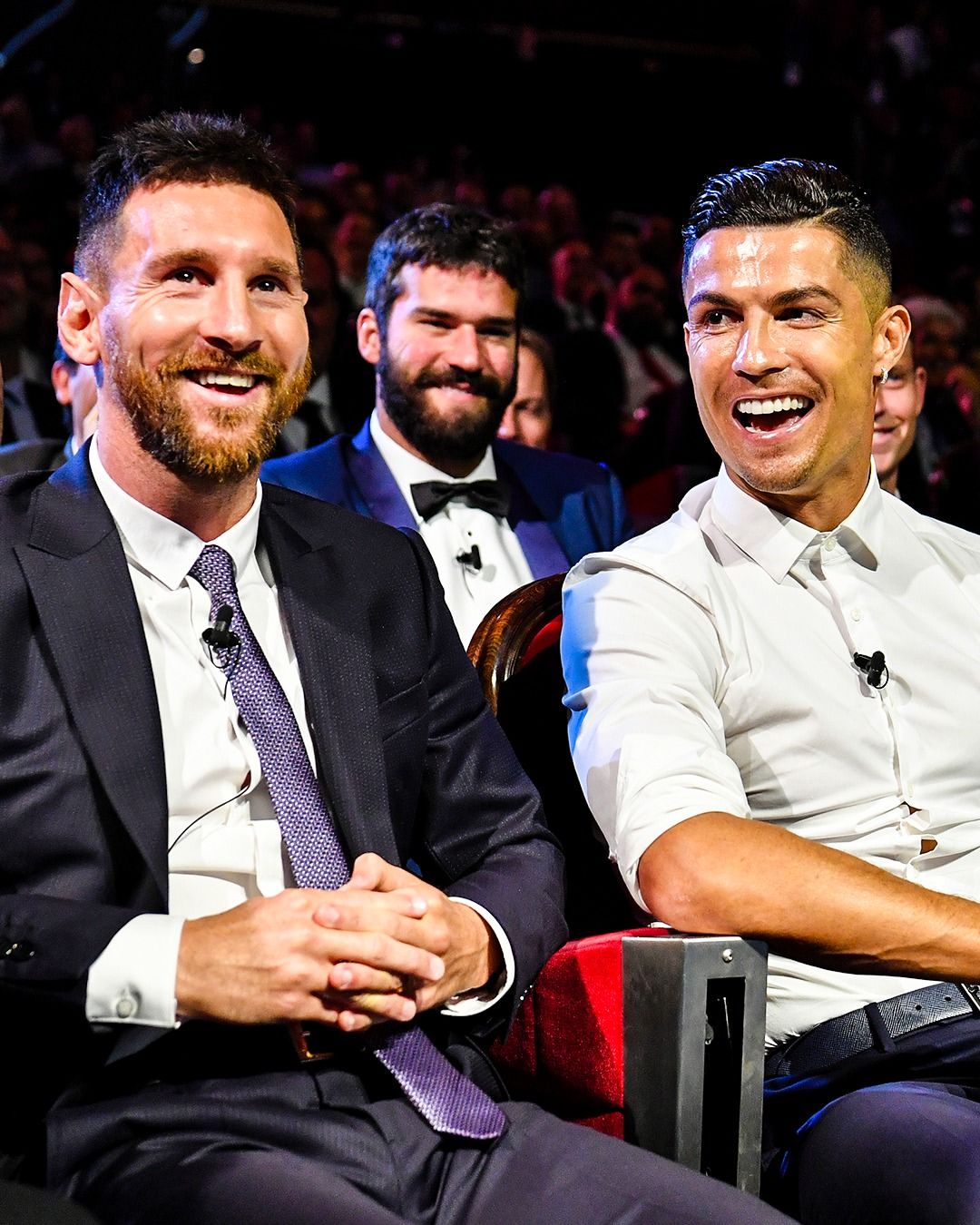
The rift between CR7 and Portugal has emerged at a particular moment for international football, just days before Lionel Messi plays his final match for Argentina. The comparison is inevitable. After all, for almost two decades we have compared everything about Messi and Ronaldo: goals, trophies, Ballon d’Or awards and performances in the biggest matches, but also their personalities and relationships with teammates, coaches, opponents, fans and the media. We have been obsessed with this rivalry at least as much as the two players themselves, if not more. We extended the rivalry between Barcelona and Real Madrid to their national teams, their records and any other subject capable of fuelling the debate over the best player in the world. An entire generation grew up having to choose a side.
Now, as football prepares to come to terms with their absence once and for all, the comparison also extends to what they are leaving behind for their respective national teams - and countries. Messi is preparing to bid farewell at the centre of a collective celebration, while Ronaldo walks away amid the gloomy circumstances of the past few hours. Two vastly different images that also seem to encapsulate something about their public personas: the relationship they built with their country, the weight of ego and, ultimately, the ability to accept that even their role eventually has to change.
Messi’s final match for Argentina
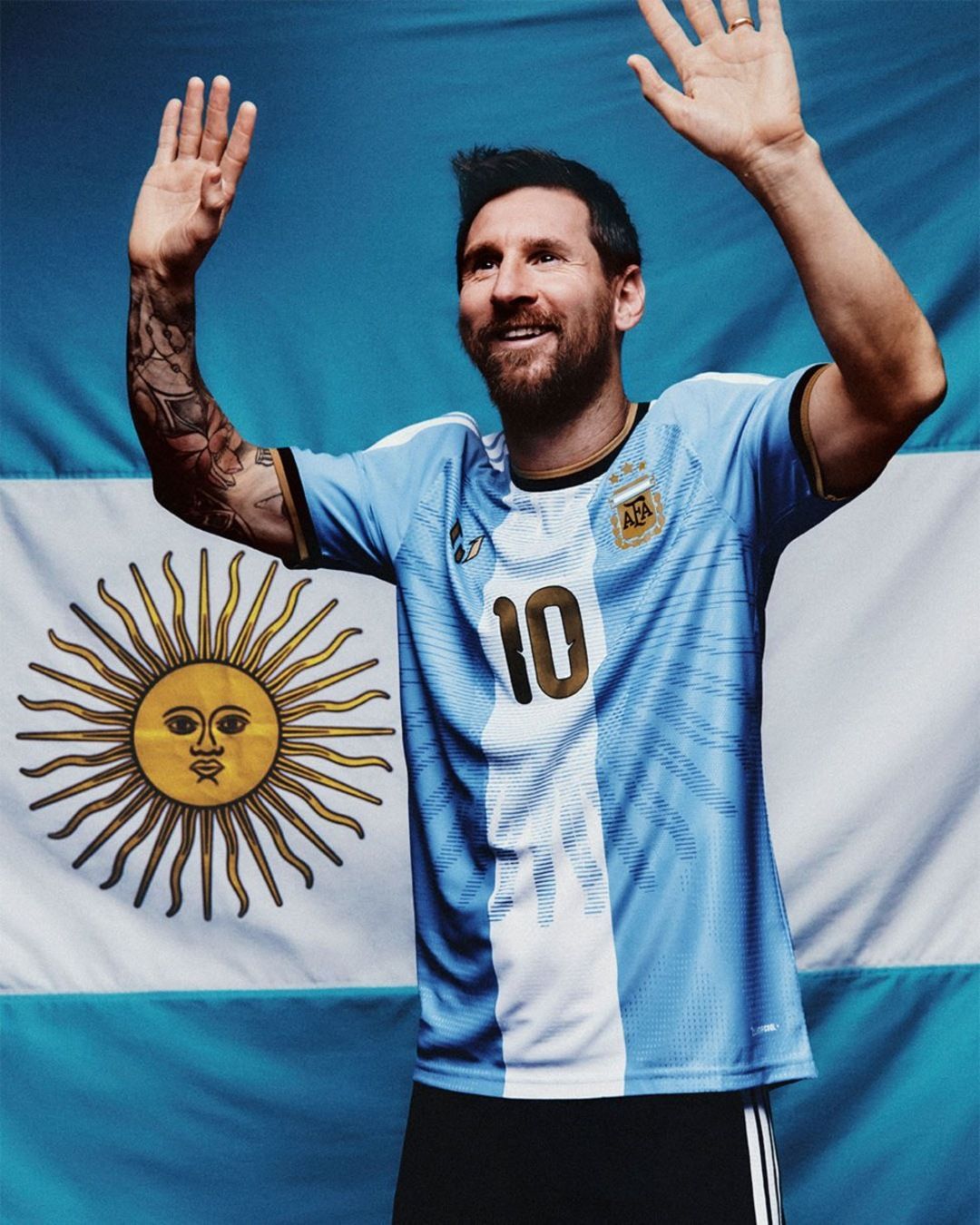
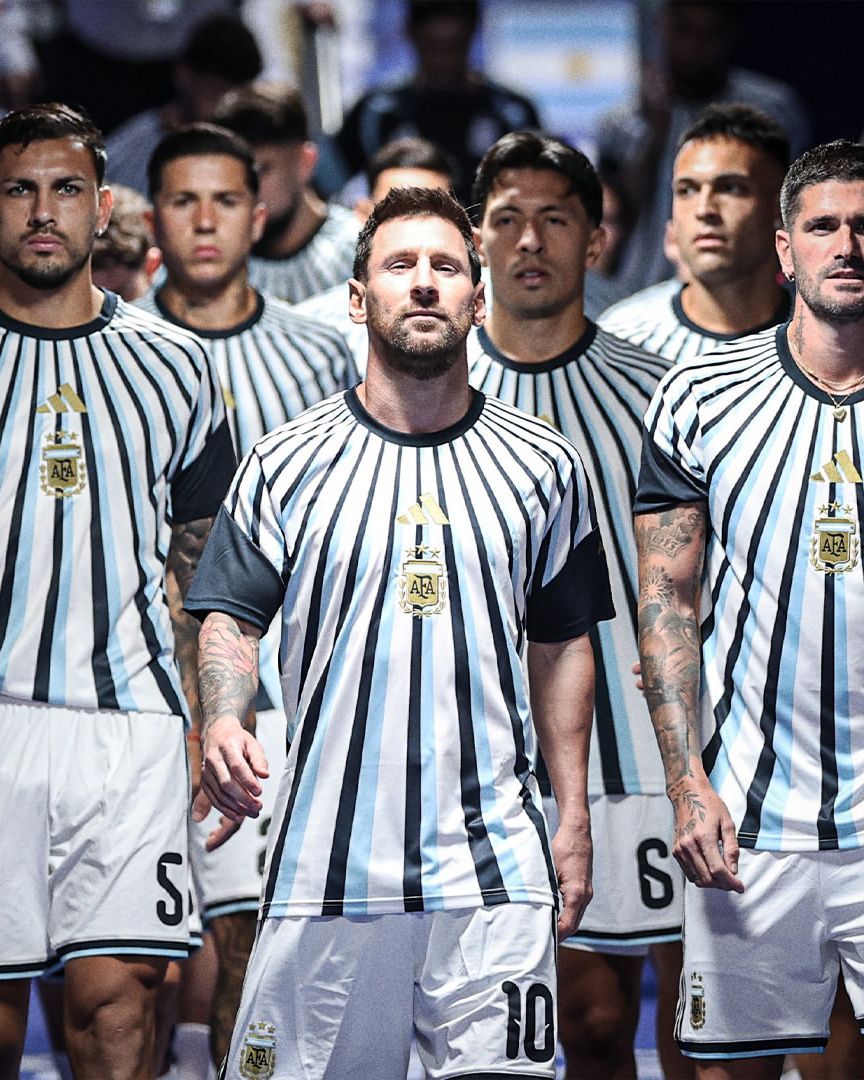
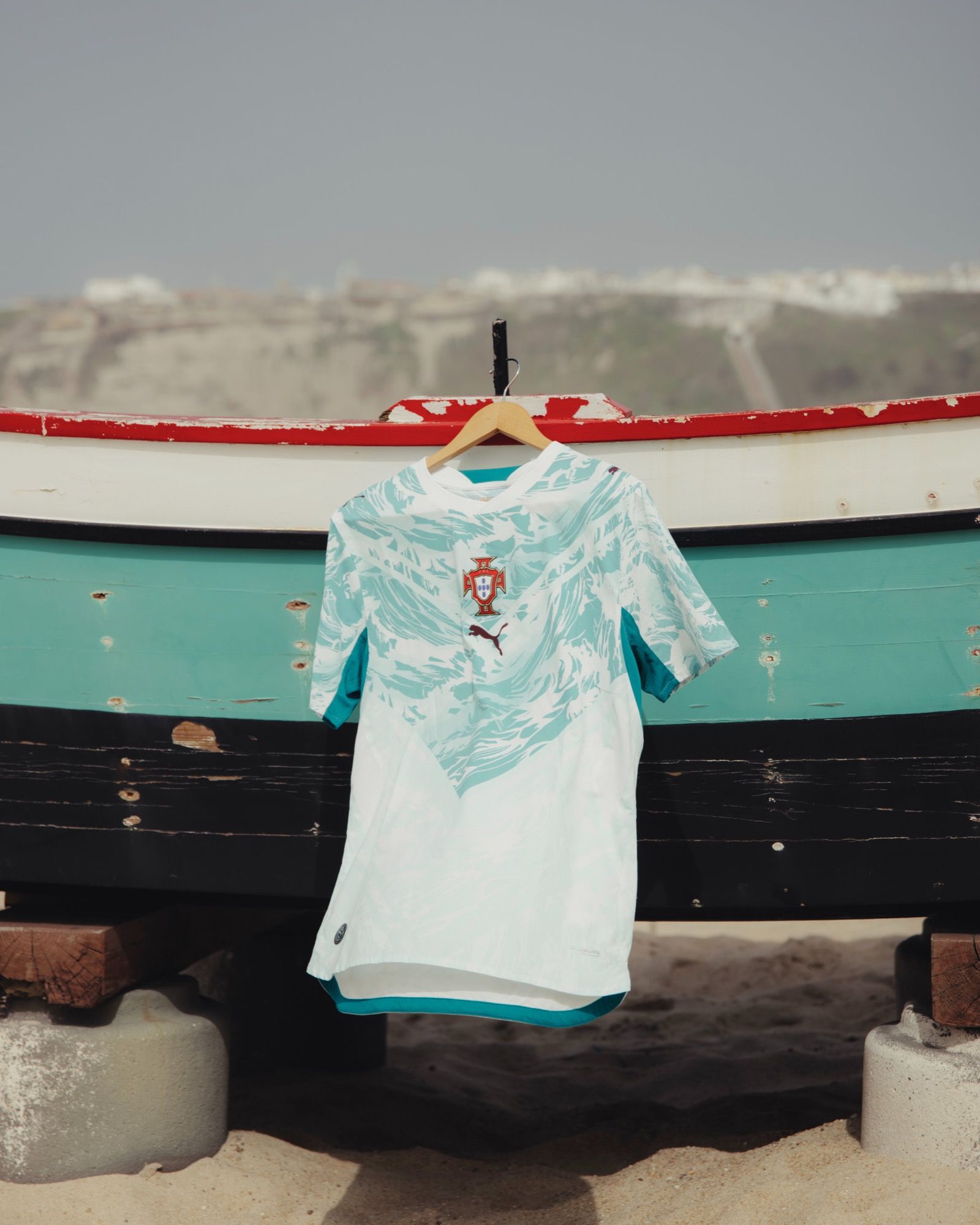
On October 6, Argentina will play a match at the Monumental Stadium in Buenos Aires to thank Messi. Benin will be the opponent, while adidas has created a special jersey for the occasion, featuring the number 10’s personal logo in place of the brand’s. The AFA has also organised a Fan Fest called “Gracias, Leo”, allowing supporters to come together for the end of an era and experience the day as one. Everything, from the shirts to the programme, is designed to give public expression to the feelings of an entire country.
This was by no means an inevitable ending for Messi and Argentina. For a long time, in fact, it had seemed almost impossible. The relationship between Leo and the Selección endured years of defeats and disappointments, turned into personal trials by the media and experienced as such by Leo himself. The 2014 World Cup final defeat, the lost Copa América finals, the tears and the retirement he announced in 2016 had made that bond a source of pain before it became one of pride. The player who had won everything with Barcelona seemed destined to remain incomplete, with the shadow of Maradona and his success with the national team looming in the background.
Messi returned, however, continued to expose himself to the possibility of failure and rewrote the ending of his story with the Albiceleste: the 2021 Copa América, the 2022 World Cup, another Copa América in 2024 and a further final reached this year. When he announced his farewell, La Pulce said he had “emptied himself” and had “nothing left to give”. He did so with the feeling that he had finally received all the affection and devotion he had pursued for years, culminating in the wave of love that accompanied him throughout his final World Cup. In the end, Messi leaves after transforming a troubled relationship into a legendary journey, one in which his people learned to love him despite — or rather, through — the defeats.
What happened between Ronaldo and Portugal?
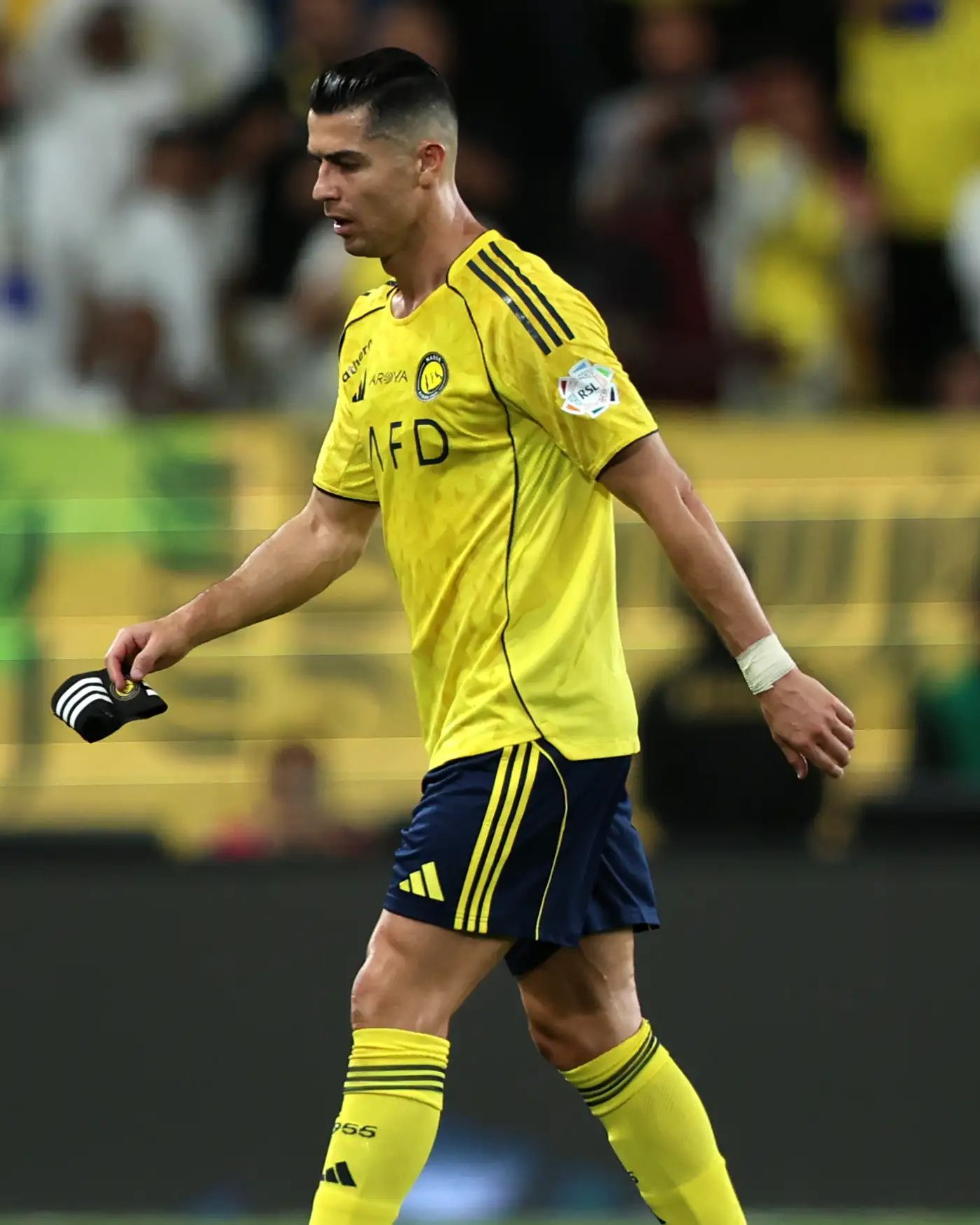
In Copenhagen, the separation between Ronaldo and Portugal took a completely different path. Last Sunday in Oslo, Cristiano remained on the bench for the entirety of Portugal’s 2-1 win over Norway. At the final whistle, he headed straight down the tunnel with a grim expression while his teammates celebrated and acknowledged the fans. In the following days, he did not train with the squad, and the federation explained that he would follow an individual programme in the hotel gym, where specific equipment was available. As the hours passed, however, it became impossible to attribute the situation solely to the management of the player’s fitness.
Pedro Proença then joined the team in an attempt to mend the rift, and the mediation seemed to have worked, at least until Jorge Jesus held his latest press conference. The head coach played down the controversy but reiterated a principle that should have been obvious and had, by that point, become necessary to clarify: he would be the one to decide whether and when Ronaldo played. “Nobody will make me change my mind,” he said, asserting his authority over both CR7 and his overwhelming status, as well as over the federation president. Shortly afterwards, Ronaldo left the stadium without taking part in training, confirming the split on social media and postponing an explanation of his reasons until another time. He then flew home on a private jet.
A matter of ego
The distance between the two scenes could hardly be greater. On one side is Messi, enjoying the love of his country as he is gently accompanied towards the exit; on the other, a captain struggling to accept the passing of time and his own physical decline, plunging the national team into a media storm and leaving the squad with a crisis to manage. The saddest, yet most consistent, aspect is that Ronaldo’s difficulty in letting go appears to stem from the very qualities that made him unique: the unshakeable conviction that he could be the best and remain at the centre of everything. More than that, the belief that he always had to be. Cristiano’s ego has been an extraordinary driving force: it fuelled his discipline, work ethic, ambition and obsessive dedication to his physical condition. His obsession with performance - beginning with the numbers - and constant improvement rewrote records and pushed boundaries, but it also came at a cost, both for him and those around him. We have seen it in his difficulty accepting substitutions, for example, or in the persistent impression that a team victory could matter less than his personal tally.
The signs were already clear when Ronaldo was still playing at the highest level. In Italy, we remember the day in November 2019 when Maurizio Sarri substituted him in the 55th minute of Juventus-Milan to bring on Paulo Dybala. CR7 walked off visibly annoyed, headed straight to the dressing room and left the stadium before the final whistle, sparking a media storm. Meanwhile, Dybala scored the winning goal and Sarri tried to defuse Cristiano’s reaction by telling the media that he had been dealing with a physical issue. From those same years, there was also the debate over free kicks in a team featuring specialists such as Pjanić and Dybala himself: another example of how difficult it was to separate technical hierarchies from the weight of his status.
In recent years, this difficulty has become a structural problem for Portugal. The national team has continued to produce high-quality attacking players, but the debate has remained centred on the need to guarantee Ronaldo a leading role. The most recent World Cup offered a clear example. Against Croatia in the round of 32, Cristiano scored the equaliser from the penalty spot but was later substituted, reacting with disbelieving expressions and glances towards the coach. Gonçalo Ramos, who had already come on, decided the match in the 94th minute with the goal that made it 2-1. In the following match, when Portugal were eliminated by Spain, Ronaldo stayed on the pitch until the end and Ramos never left the bench.
The sad end of CR7’s Portugal career
These are individual episodes, and a long list could be drawn up, stretching from his years at Real Madrid to the more recent incidents in Saudi Arabia. The point is that reducing Cristiano Ronaldo’s role has always been difficult, both on and off the pitch. When his physical decline and the twilight of his career made it necessary, that process turned into a confrontation. Portugal granted him space, trust and respect well beyond the point at which his superiority over the team’s other forwards could be considered unquestionable — but now that Jorge Jesus has tried to separate the value of his career from the needs of the team, the response has been what we have witnessed over the past few hours.
This is the final transition Ronaldo seems to have been unable to make in his career: accepting that giving everything to Portugal could also mean playing less and contributing without being the protagonist. Other champions of his generation, such as Luka Modrić, appear to have found a more peaceful way of living with that change. But perhaps a humbler farewell was too much to ask of CR7. Ultimately, it is also up to us to accept the light and shade of a personality that allowed him to shine for so long, but now risks giving us a sad ending. No rupture can erase what Ronaldo has represented for football and for Portugal, but the manner of his departure inevitably becomes part of the legacy of a generational phenomenon — and a career like his deserved a different farewell.