







Messi's final World Cup has become the defining story of the tournament From records to raw emotion
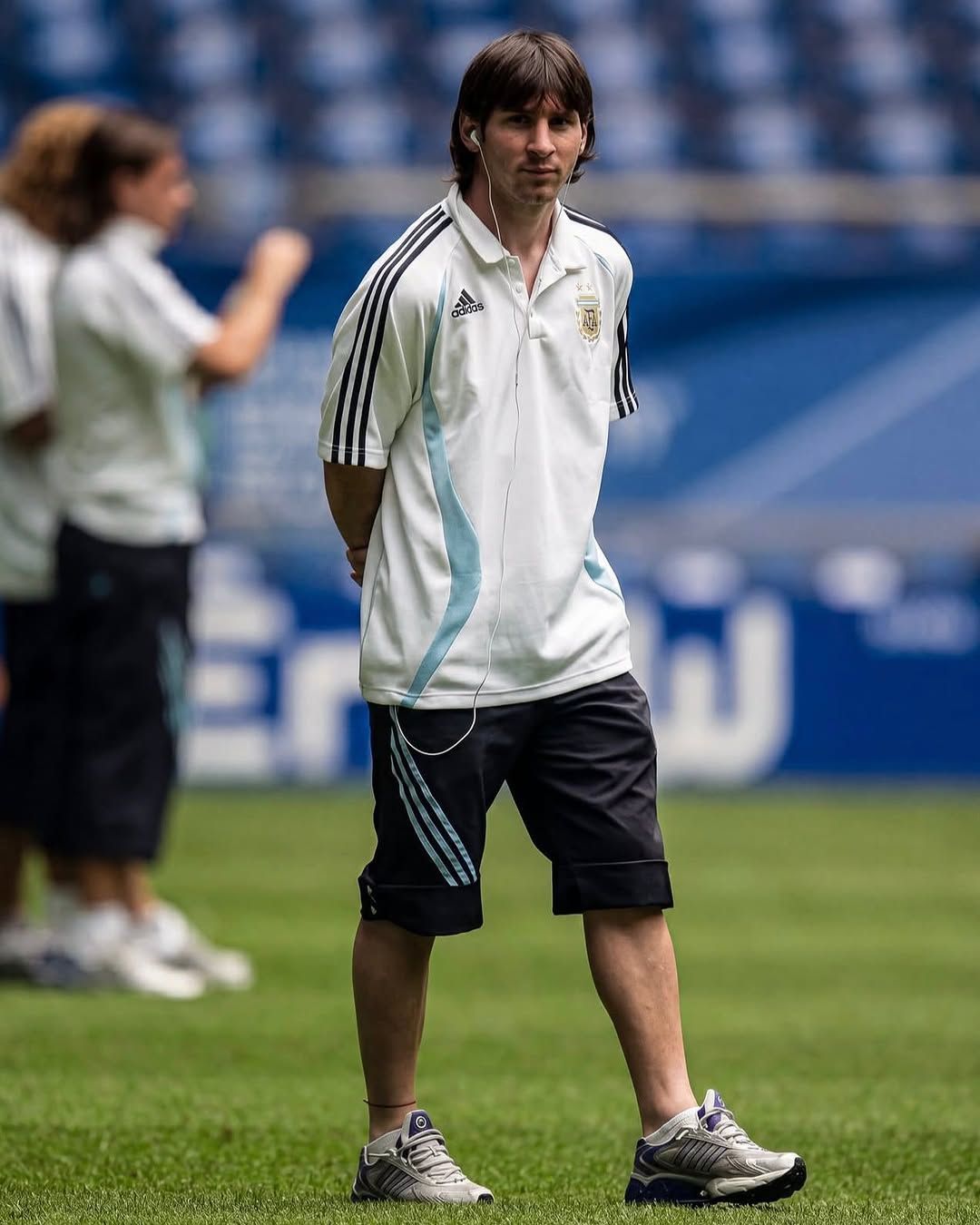
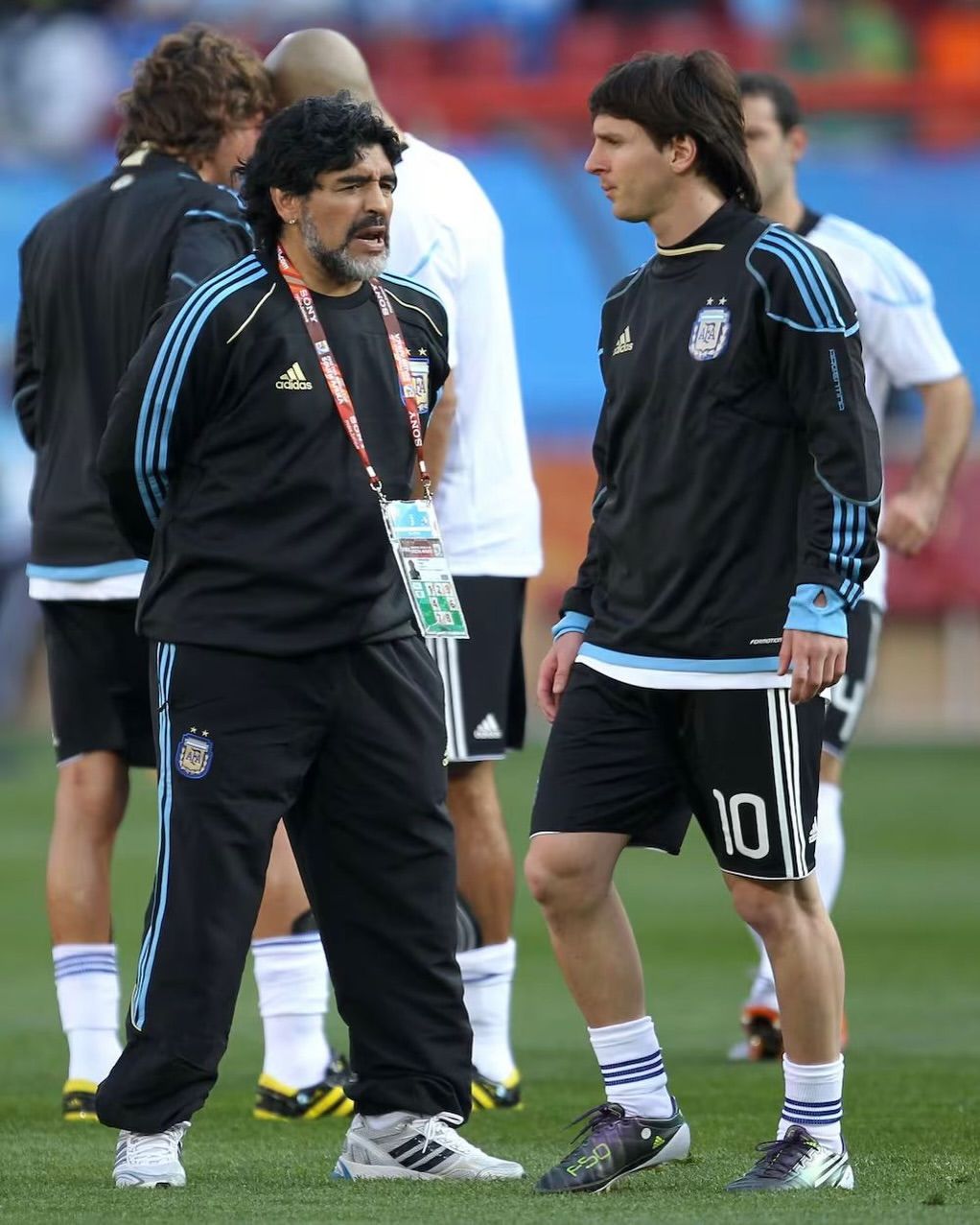
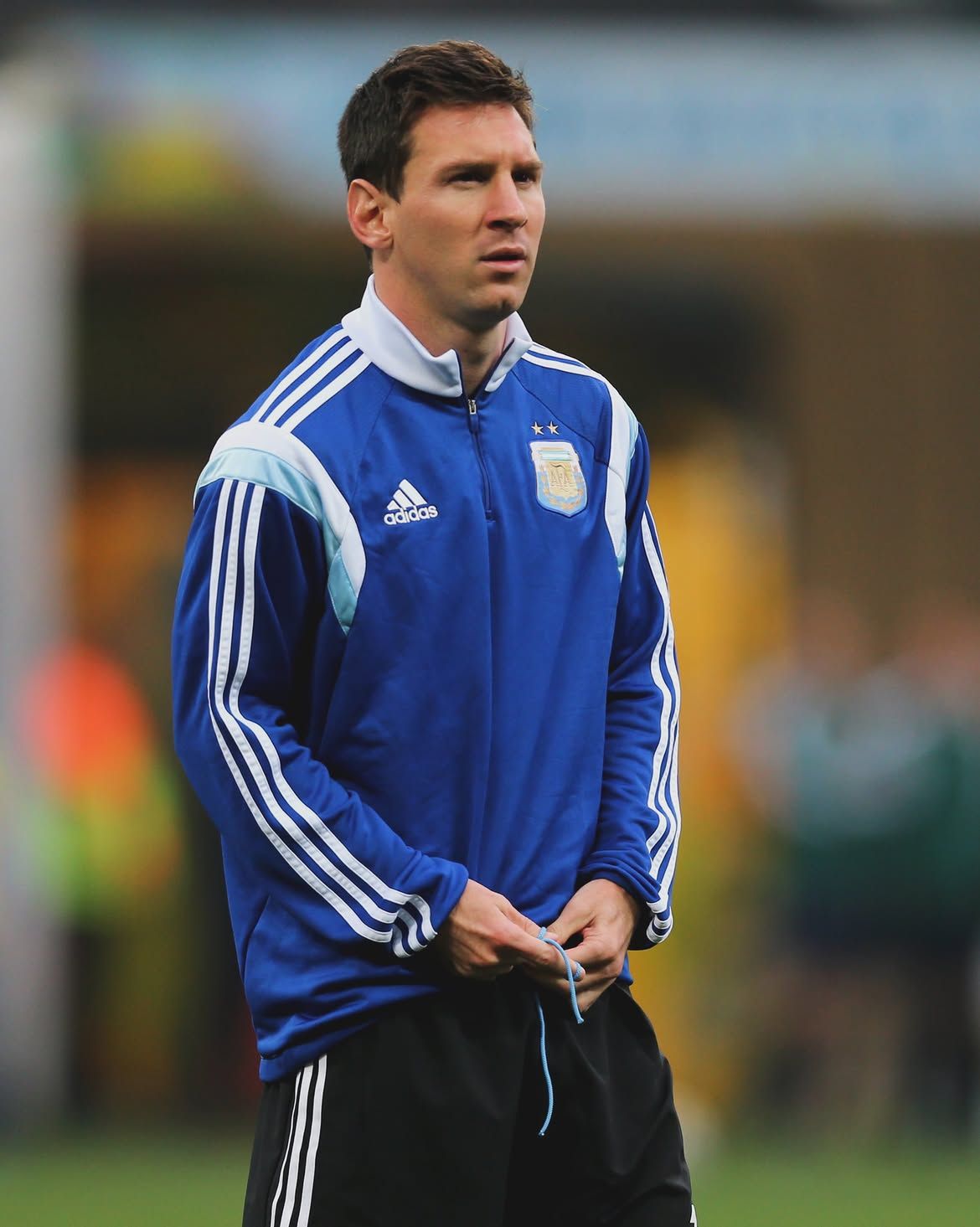
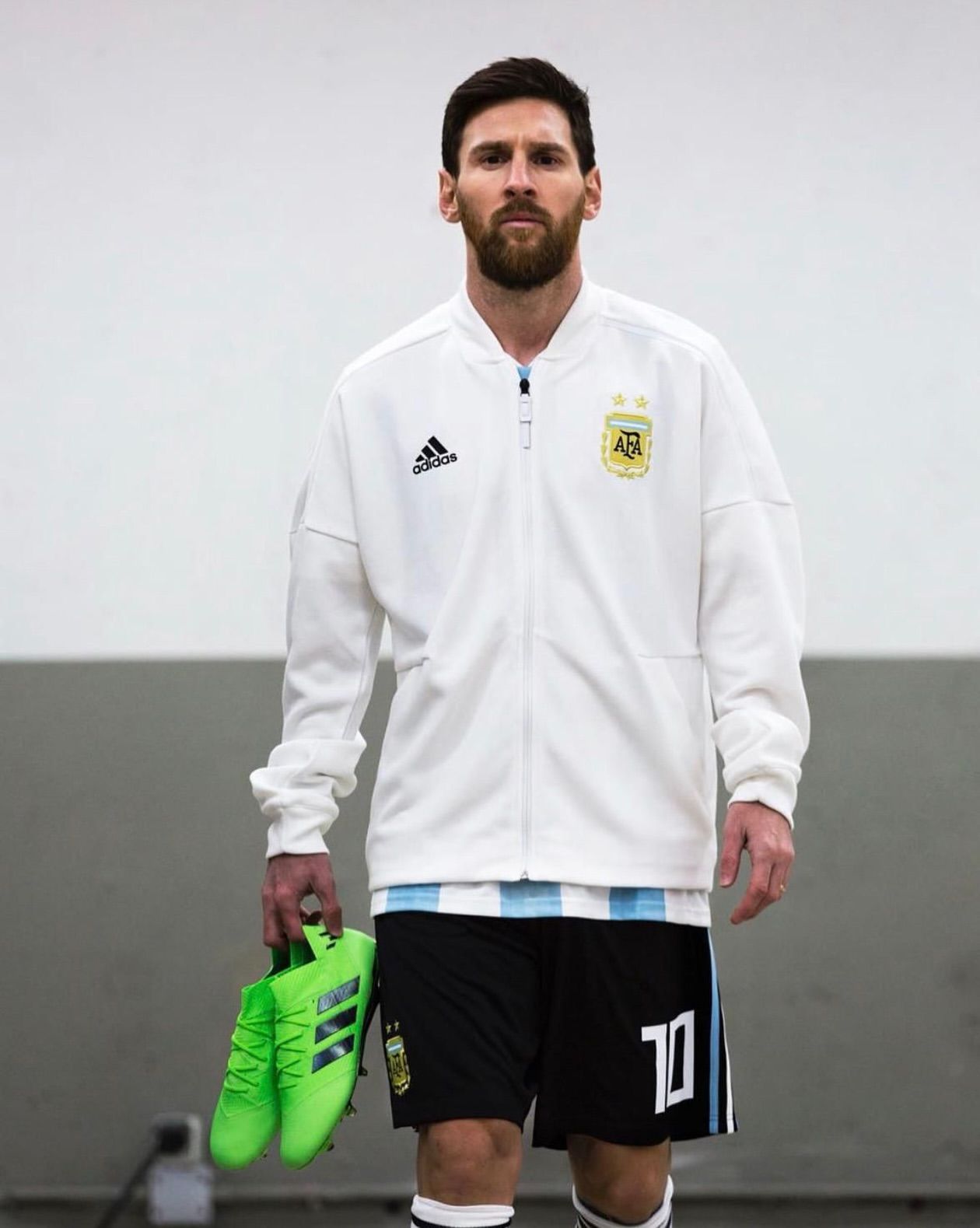
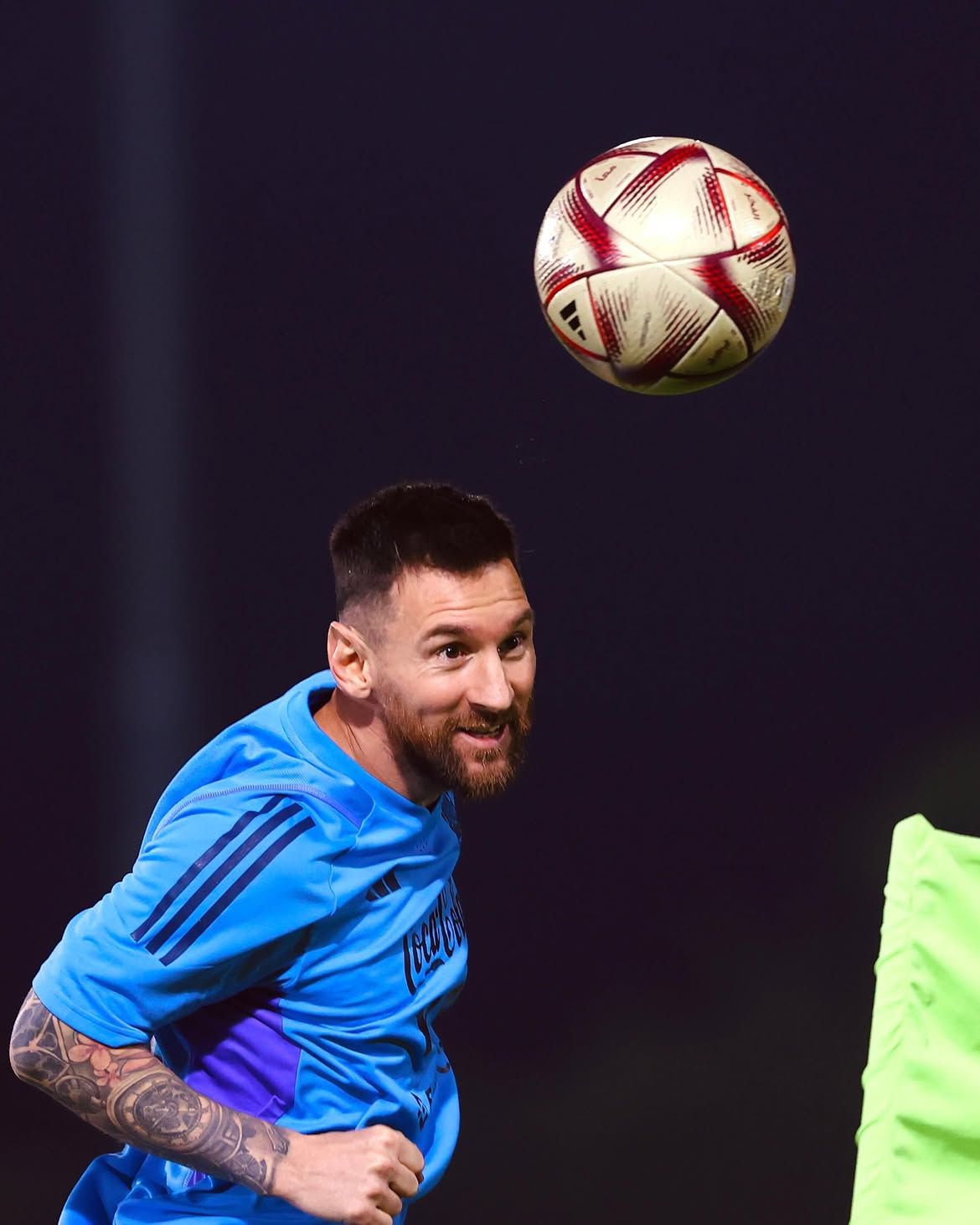
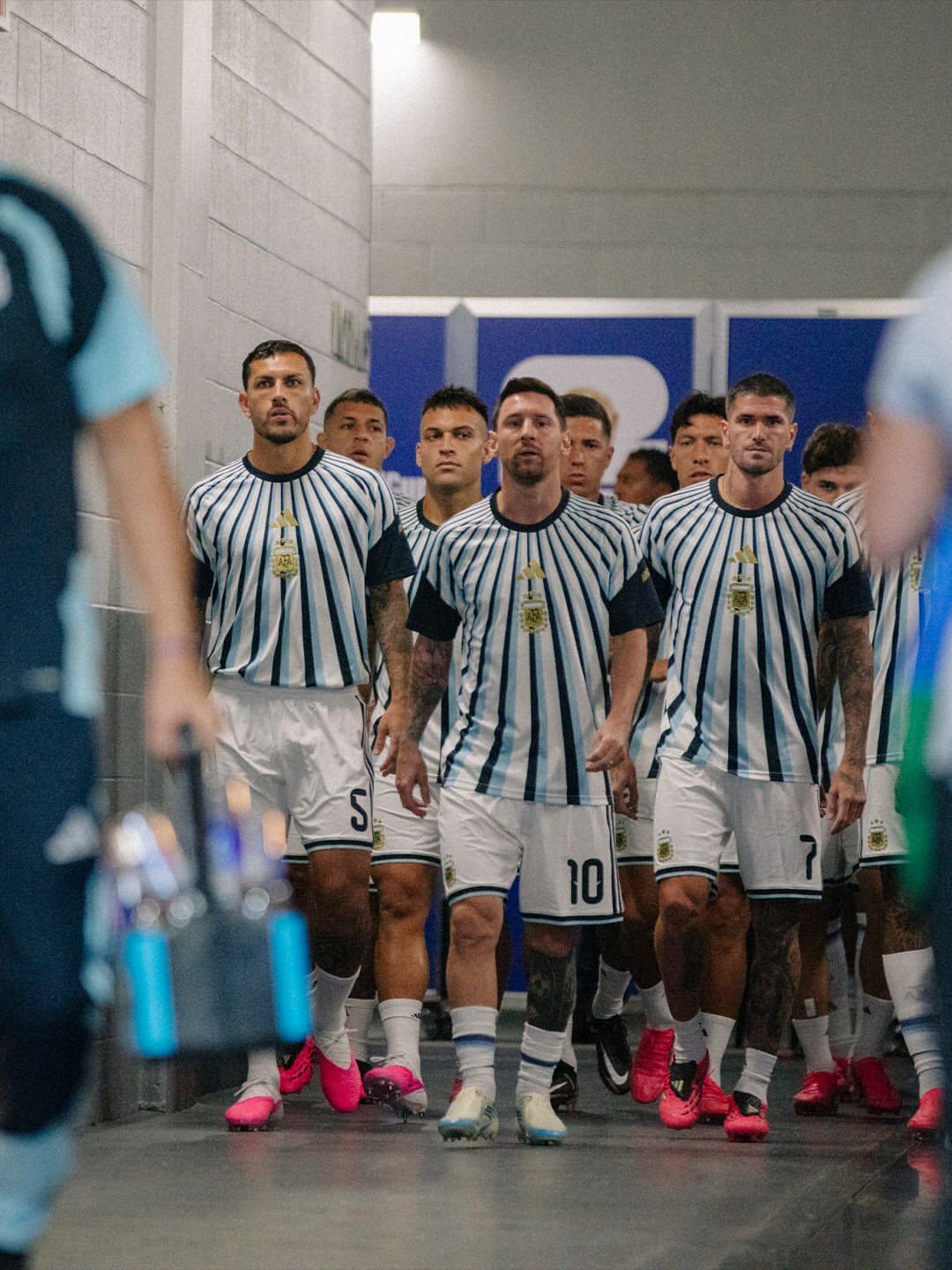
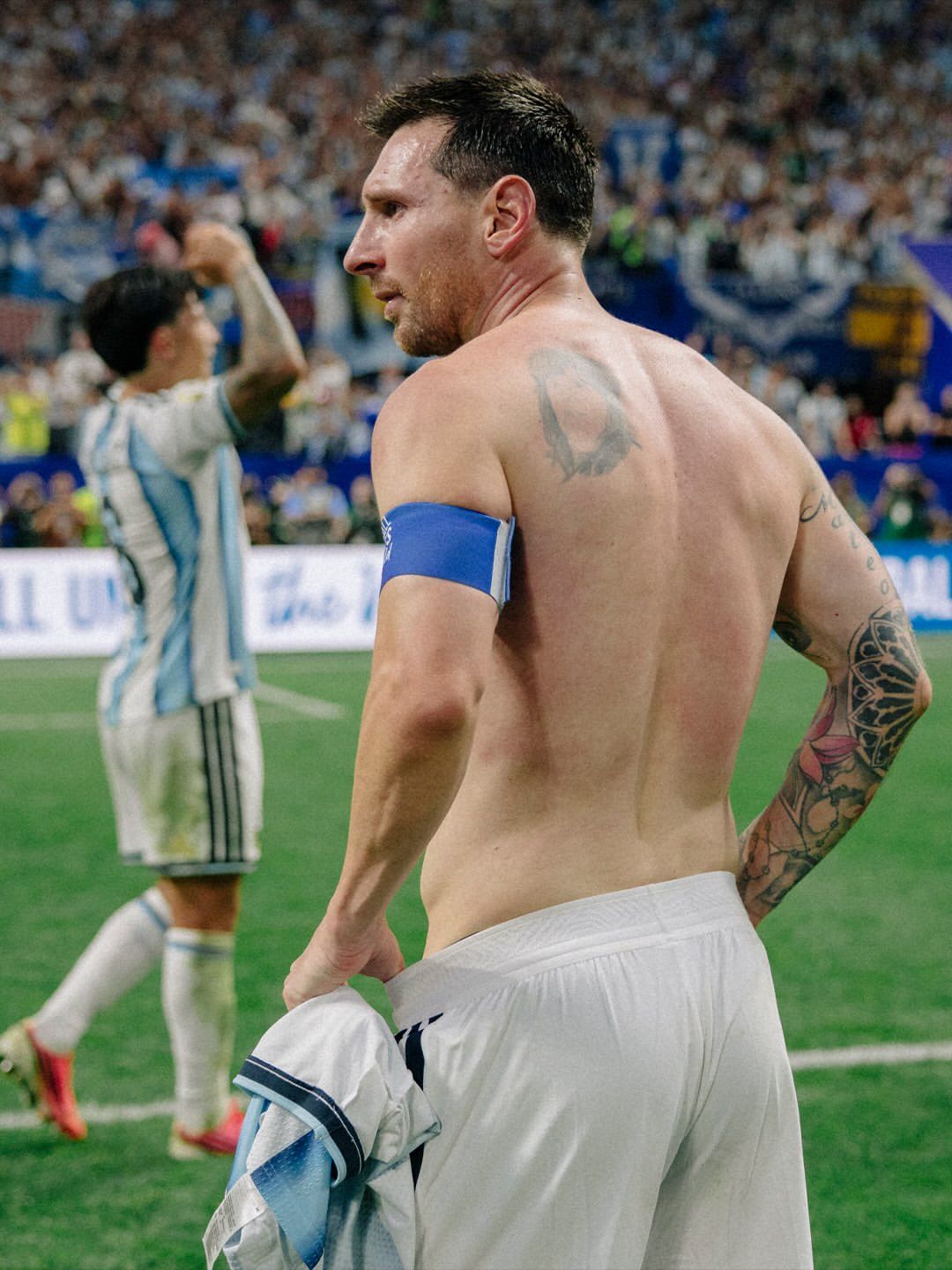
What Lionel Messi is doing at the World Cup is there for everyone to see. Literally, at every latitude. Just turn on the TV, walk into a bar, scroll through social media or open the homepage of any newspaper. Messi is everywhere. And it couldn't be otherwise: eight goals in six matches, a long list of records broken or extended, and Argentina through to the semifinals, where England await. At 39 years old, in his sixth World Cup.
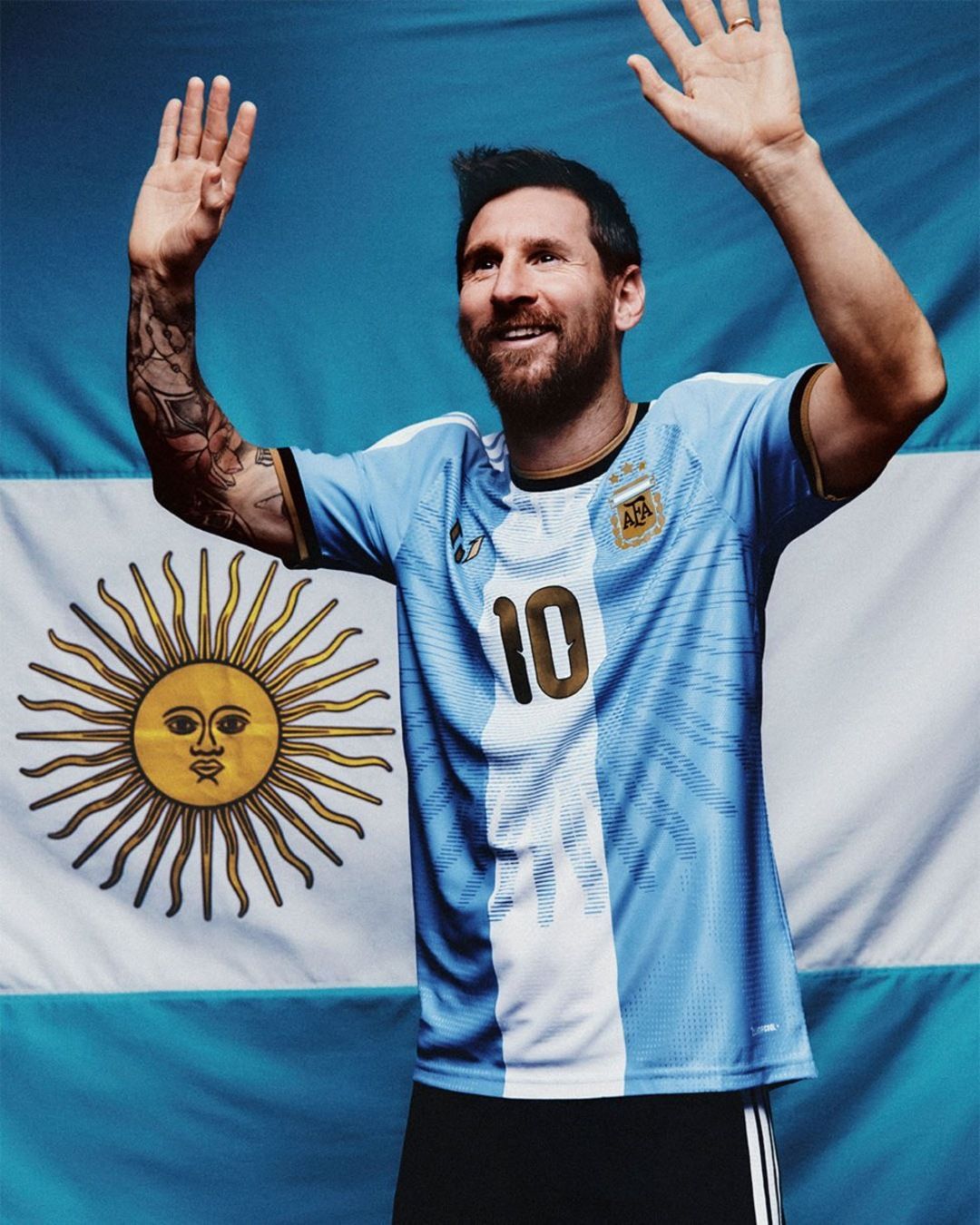
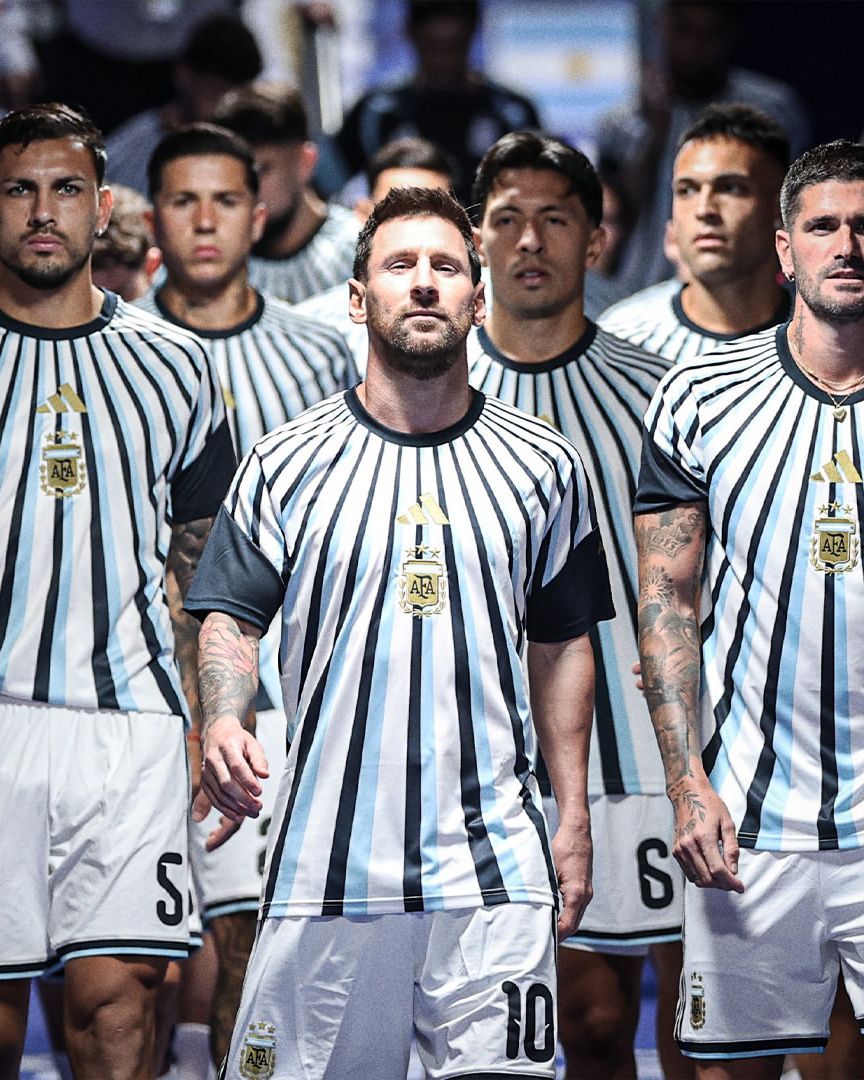
The entire world is watching him, celebrating him, flipping through a gallery of images that already feels like a collection. Some tell the story of a footballer who continues to decide games as if time had never passed. Or rather, as if he were making fun of the very concept of time. He spends seventy minutes per match almost soft hiking across the pitch, saving his energy for a handful of moments that, inevitably, turn out to be the decisive ones.
Other snapshots show a man who perhaps has never displayed such a wide range of emotions. If Qatar gave him a new sense of peace with the national team, and this World Cup has brought tears of joy and enormous smiles, his eyes have also revealed something else: frustration after missed penalties, despair after falling 0-2 behind against Egypt, the fear of seeing the end approaching.
Then there are the images of a world that watches, experiences and uses Messi. The mission of those who play with him and for him. The way he is portrayed, approached by opponents and people working around the game, by an army of followers stretching across continents.
Why Lionel Messi has become the defining figure of the 2026 World Cup
Argentina have reached the semifinals, yet the story feels above all like Messi's journey. The media suggest it, the fans reinforce it, and even the Albiceleste dressing room sings about it: "for Leo's last World Cup." It has always been like this, for better or worse, in the triumph of four years ago as well as in the country's most disappointing campaigns. The feeling has always been that Argentina completes Messi's story, rather than the other way around.
Messi himself does little to encourage this narrative. It has always been his football, rather than his words, that demanded the spotlight. His latest interviews almost seem like an attempt to normalize the mythology surrounding him, but it is a futile effort, usually ending with him simply limiting the time and number of broadcasters he speaks to after matches.
Given the context and the sporting epic, the overwhelming attention he is receiving feels inevitable. Before and after every match we see journalists chasing him obsessively, while during the ninety minutes the cameras capture every reaction—or lack of reaction—to the moments shaping Argentina's tournament. Every time he ties his boots could be the last at a World Cup, and on top of that he continues rewriting the record books for goals, assists and appearances. Every celebration becomes a piece of history, every touch generates millions of views, every glance and every grimace is psychoanalyzed. It is essentially a 31-day, eight-match reality show, waiting to discover whether the final episode will be played for gold or bronze.
If someone arrived from another planet without ever having heard of Lionel Messi, a few frames from these past weeks would be enough to understand what he has represented for football over the last twenty years—and what he still represents today. In a World Cup dominated both on the pitch and in the media by the star system, as they would say across the Atlantic, Messi is the brightest superstar, on and off the field. The gravitational center of the entire narrative. We saw it on social media after the Round of 16 against Cape Verde. It had just been the most important match in the football history of the small African nation, yet the Instagram profiles of its players seemed to tell another story: that they had shared the pitch with Messi, and for many of them that felt just as meaningful as playing in a World Cup. "Yes, after the match everyone wanted a photo with me or my shirt," Leo joked. "But during the game they kicked me for 120 minutes." It was a scene reminiscent of the Dream Team at Barcelona '92.
The story of Messi's final journey with Argentina
For years, wearing Argentina's shirt meant seeing the most vulnerable version of Messi. So much frustration, and at times resignation. The World Cup eliminations, the lost Copa América finals, what long felt like a curse to the point that he even announced his retirement before changing his mind. Until Qatar 2022, his memories with the Selección were largely nightmares. Today, however, the anxiety of finally having to win no longer overwhelms every other emotion. It has made room for everything else. And so, across these first six matches, we have seen Messi experience every possible feeling. Smiling in amazement, almost disbelief, looking at his supporters after scoring a hat-trick in the opening game. Celebrating with clenched fists and the hunger of his younger years after equalizing against Egypt. But also nervously walking to the penalty spot before staring into the void after missing from twelve yards. Those two missed penalties have become a negative record in World Cup history, in the very same tournament where Messi is rewriting virtually every other record imaginable.
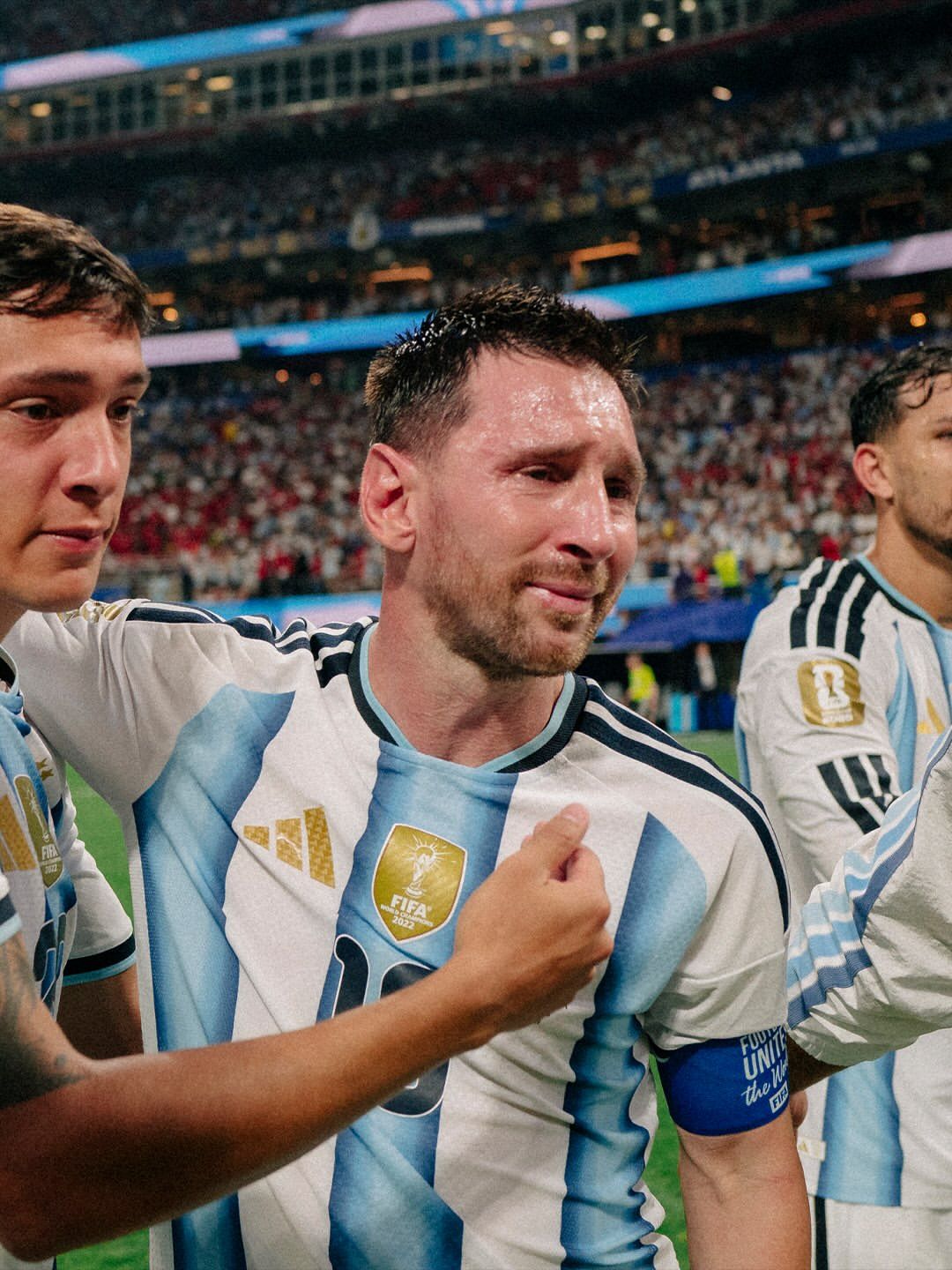
There is one photograph that captures the emotional weight of it all better than any other. The image of Messi in tears after Argentina's comeback in the Round of 16, one of the greatest turnarounds in World Cup history. It is a rare sight for someone who has won 46 trophies, eight Ballons d'Or, and virtually everything there was to win. For a few minutes, trailing by two goals, with Opta giving Argentina just a 0.6% chance of victory, none of that mattered anymore. He had seen the end of his international career drawing near, and he—as well as millions of us watching from home—was confronting the emotional unpreparedness for that moment. Then, within minutes, came the assist for Romero, the equalizer, Enzo Fernández's winner, followed by celebration and tears of joy. A cathartic release that revealed the humanity behind the superhero, but also the determination to achieve what once seemed impossible for someone who reached the age of 35 having experienced the World Cup as an obsession. Do you remember him kneeling in Doha after Montiel's decisive penalty? The tears from last week carried much the same feeling.
Records, emotion and devotion
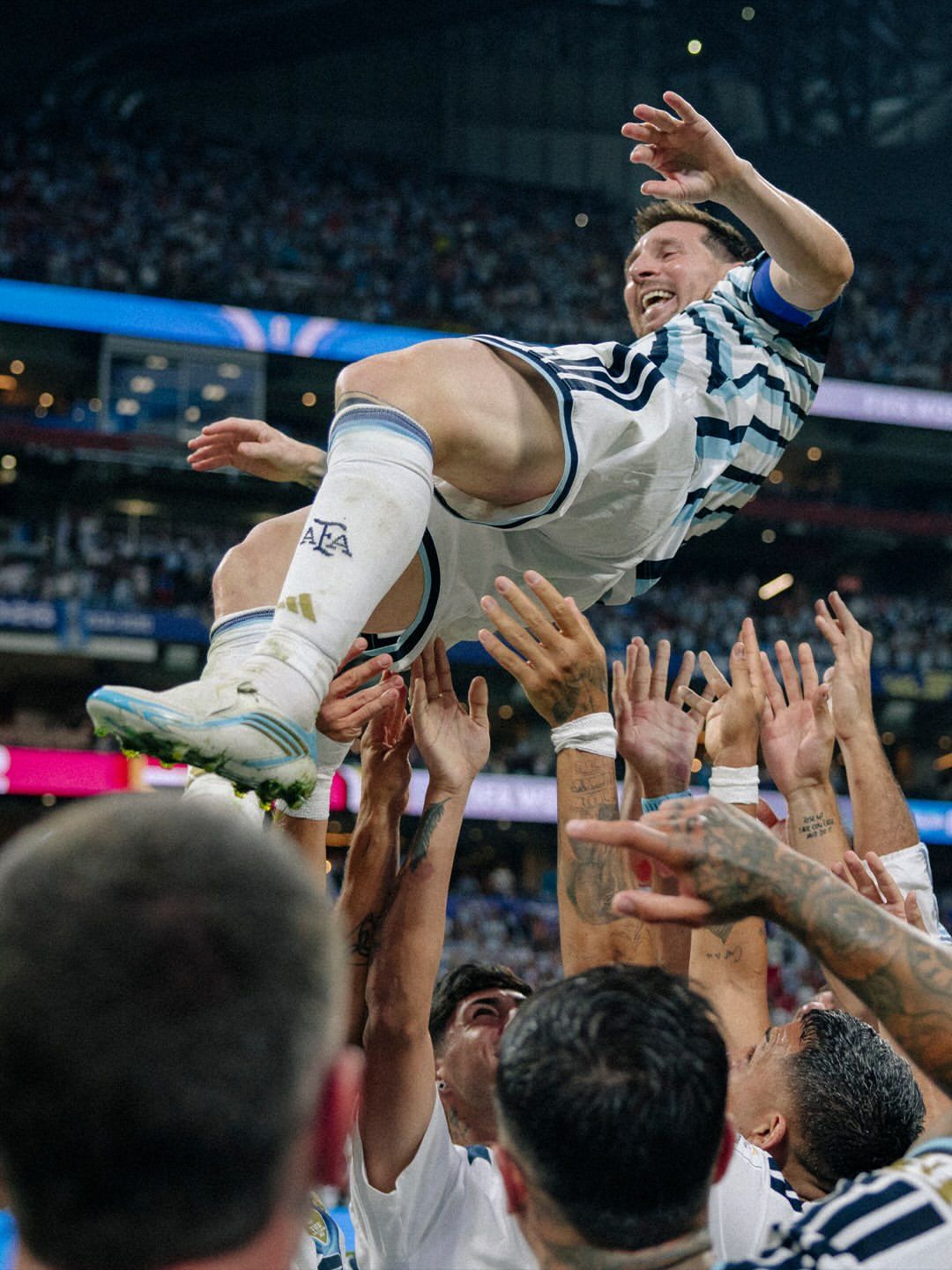
"We play and give everything so that his last match never comes," said Leandro Paredes. Extending a tango that Argentina knows can never be repeated, an almost sacred mission. The signs were already there before the tournament, when for Messi's birthday every teammate arrived wearing a different T-shirt, each featuring a photograph of themselves with the number 10. And we saw it again after the comeback against Egypt, when his teammates tossed him into the air as the crowd chanted olé.
The images that emerged in the hours afterward from Kansas City—and even more so from Buenos Aires and cities across Argentina—showed packed squares, chants, flags, shirts bearing the number 10 and Messi's face everywhere. The same scenes unfolded on the other side of the world, in Bangladesh, where thousands of supporters have long followed the Albiceleste as if it were their own national team, and where Messi has become the face of a true secular faith.
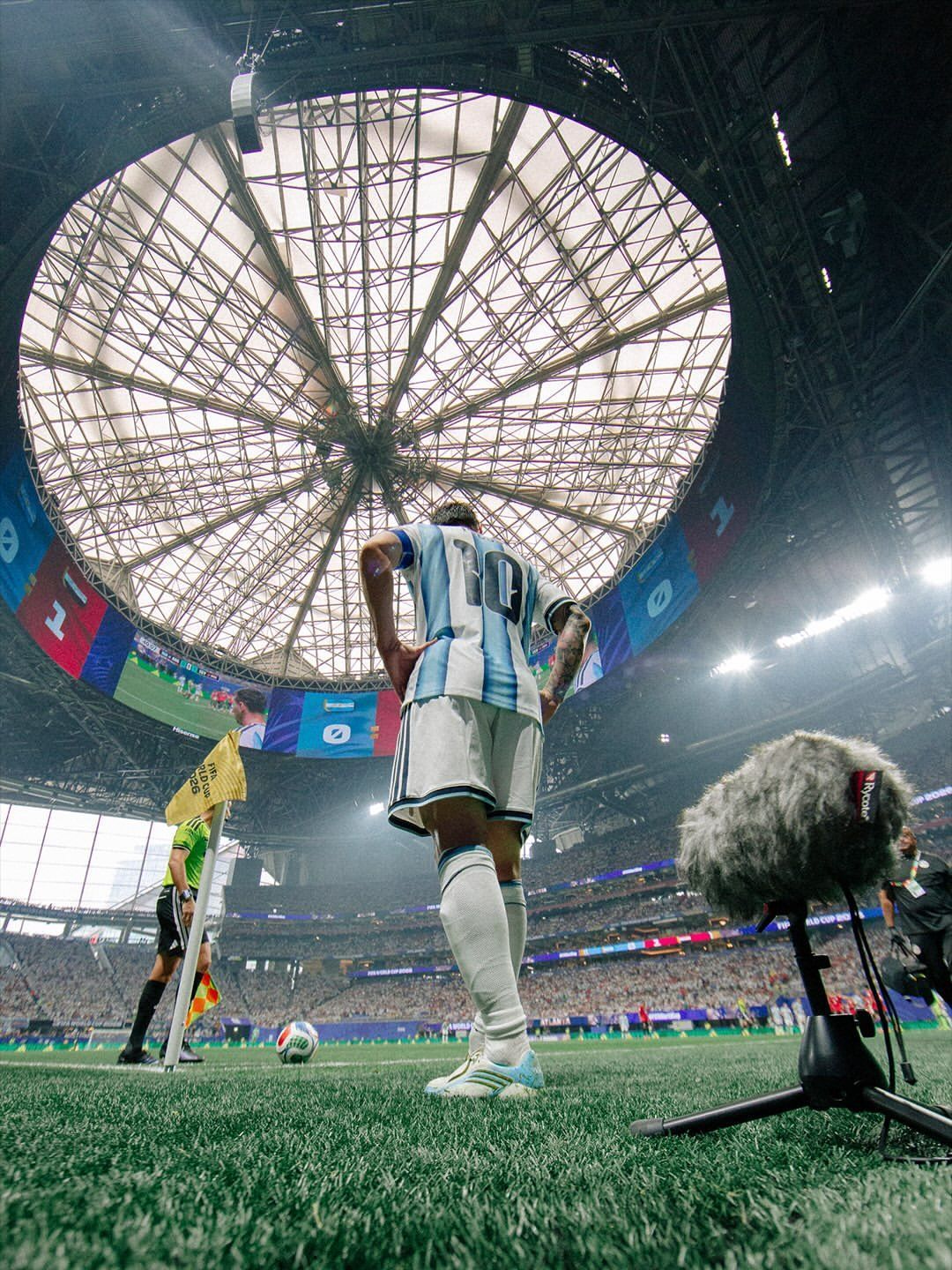
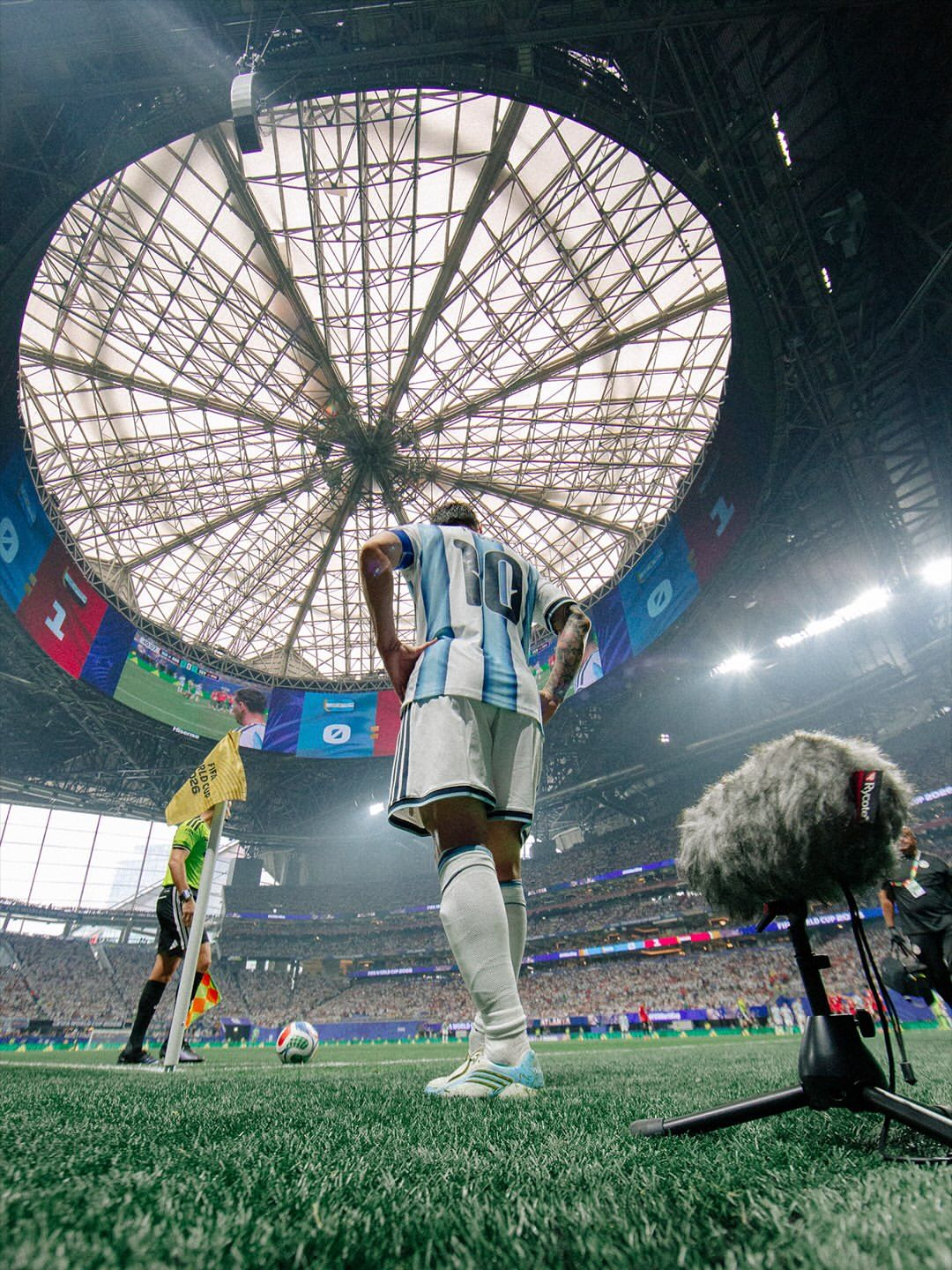
Then there is one photograph that encapsulates all of this. It shows Messi walking towards the corner flag, preparing to take a corner kick. Around him, in the stands, thousands of Argentine fans lean over one another to applaud him, photograph him or simply watch him. It is the portrait of a bond that goes far beyond football, of a cult that in Argentina, for decades, seemed reserved exclusively for Maradona. It took Messi longer to reach that status. He needed defeats, disappointments, and finally a World Cup that changed his story forever. Today, that dimension belongs to him. El más grande.