























Can On’s LightSpray work in football too? An almost invisible upper designed to bring the foot closer to the ball
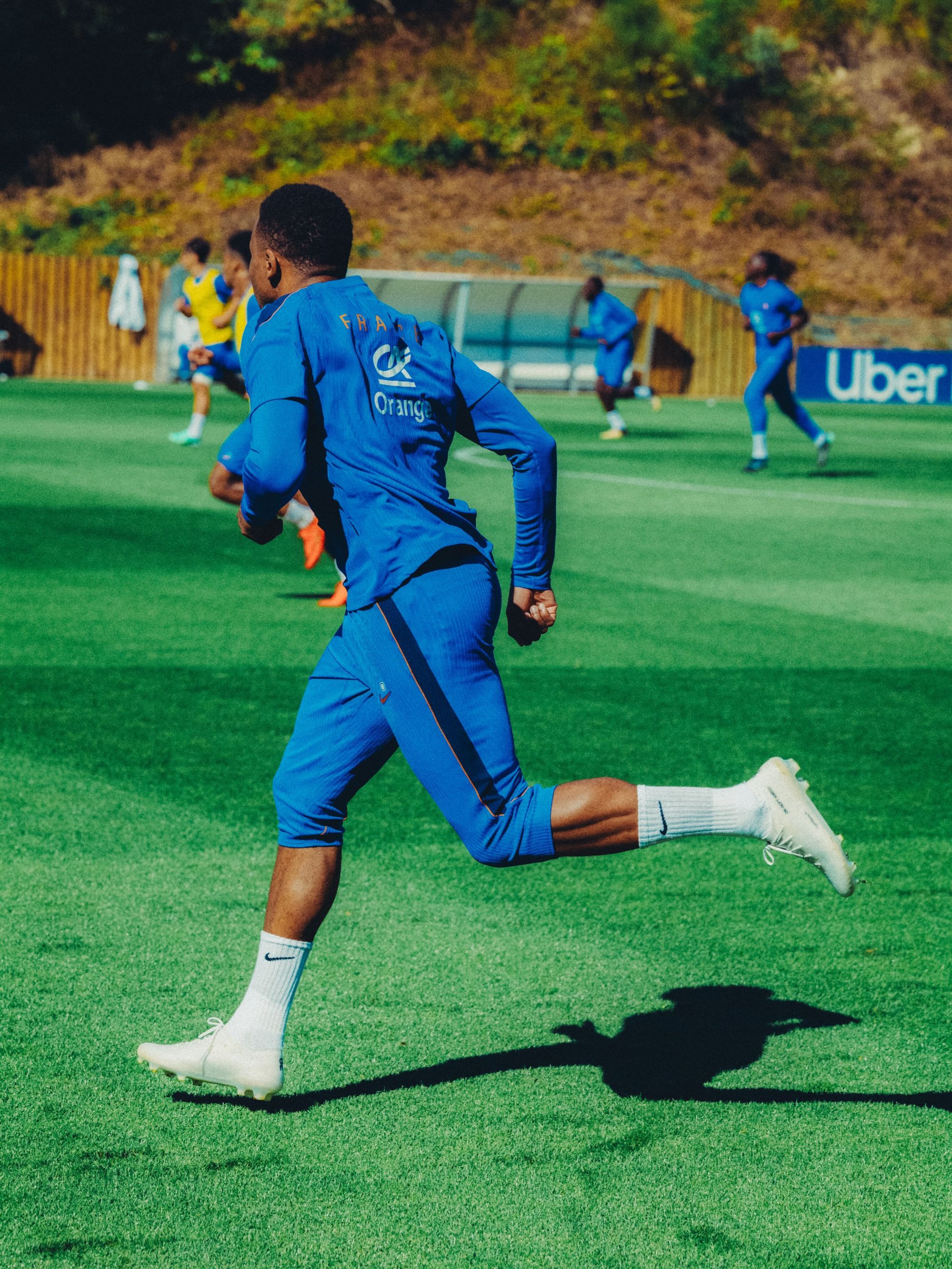
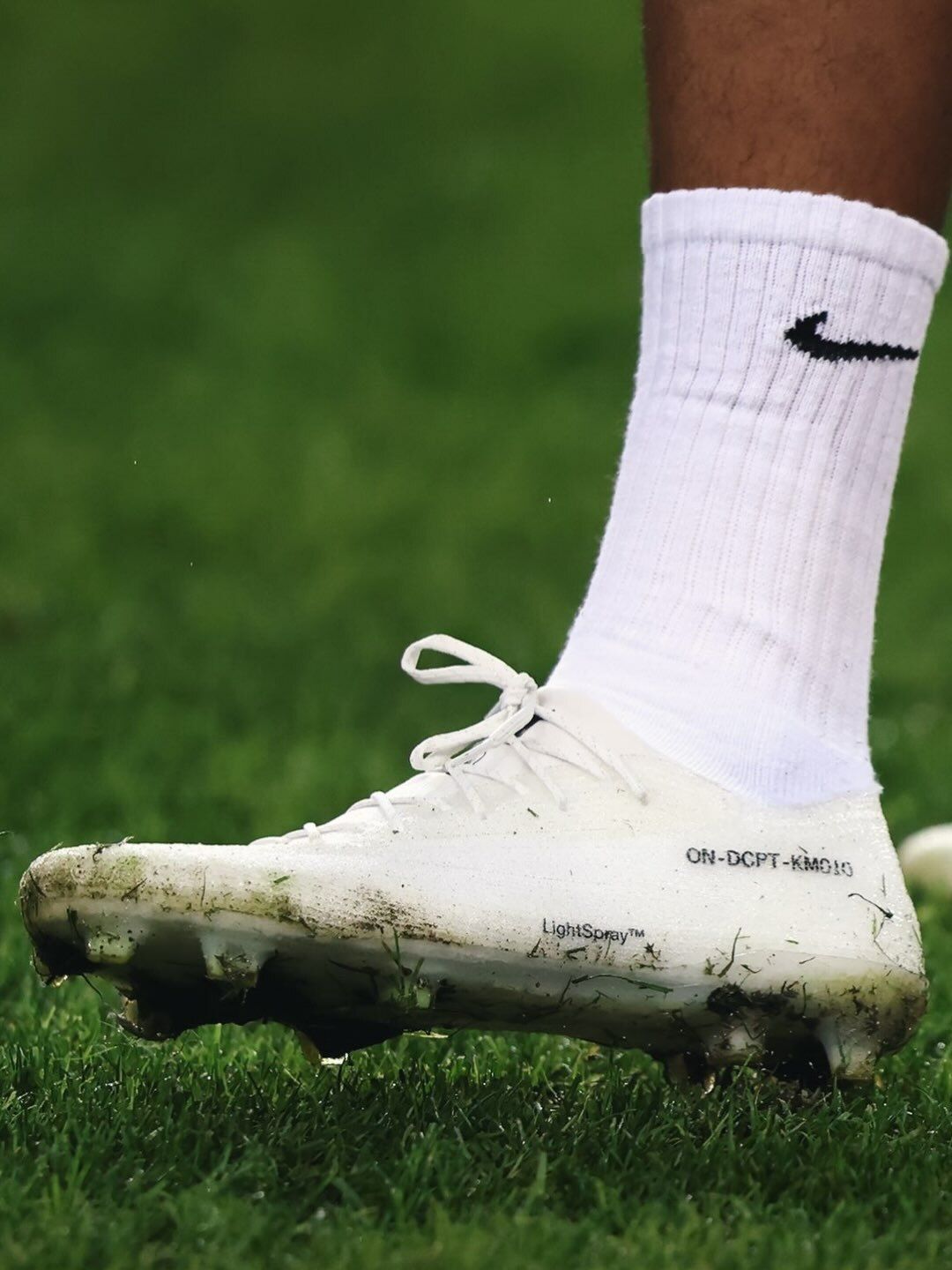
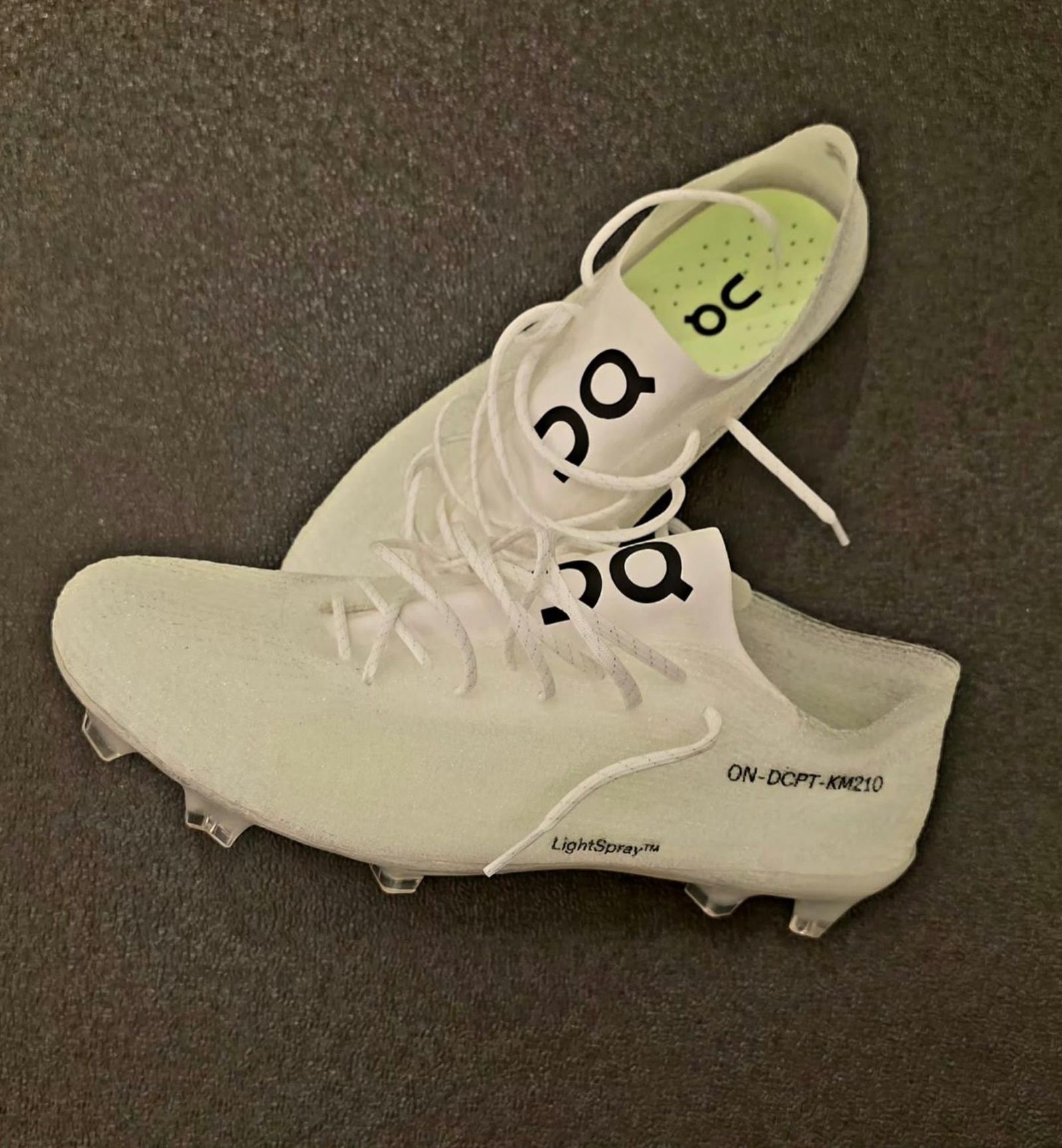
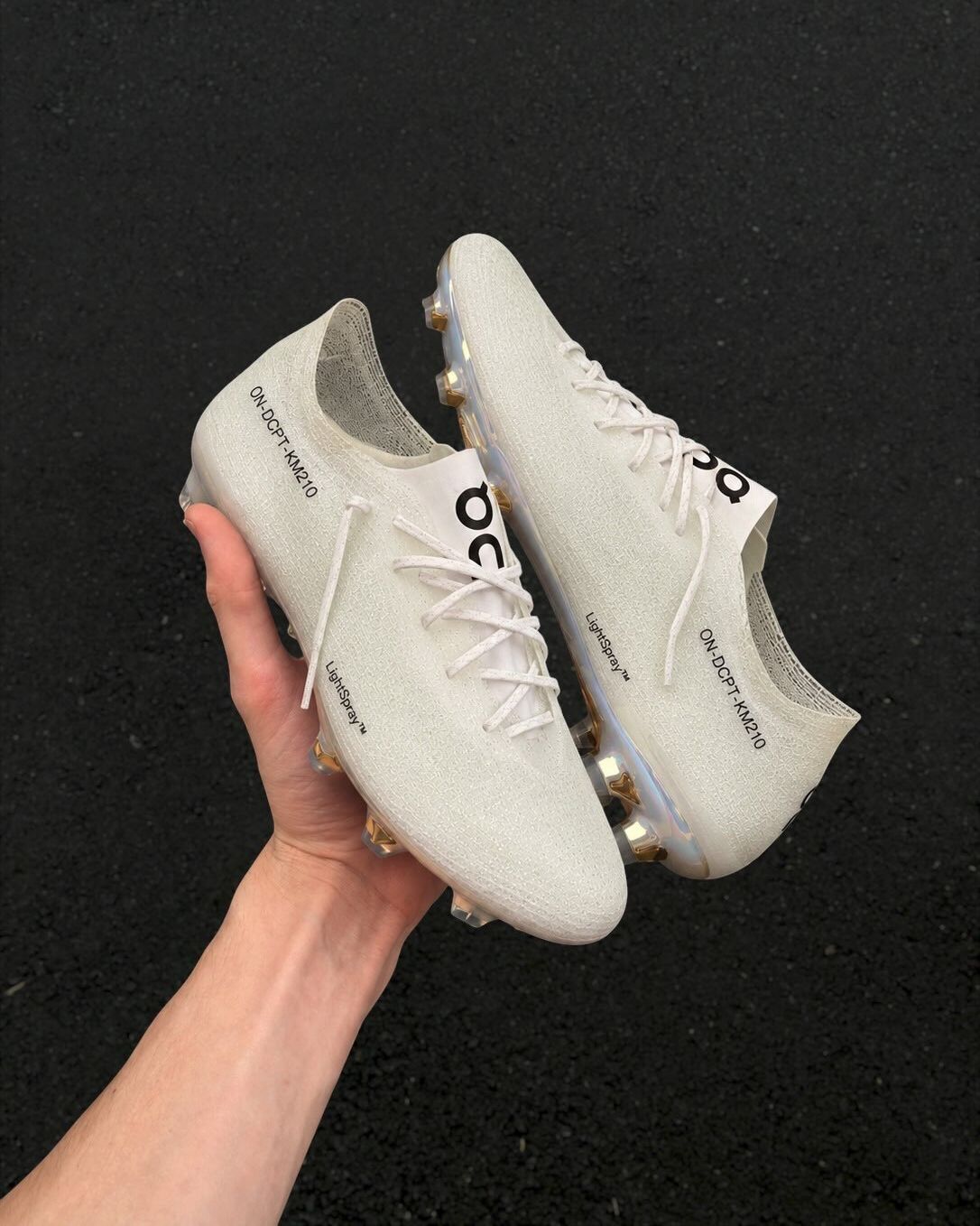
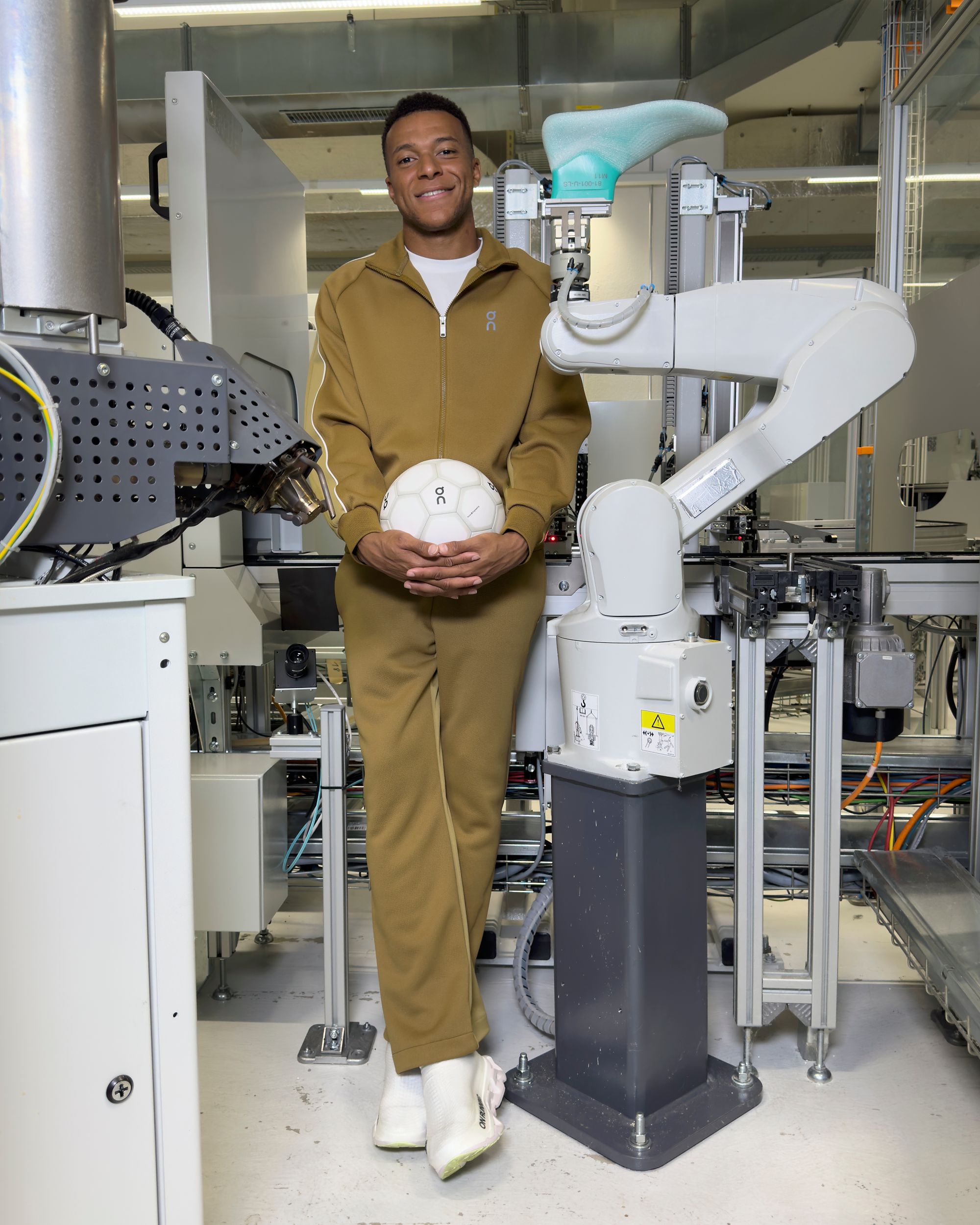
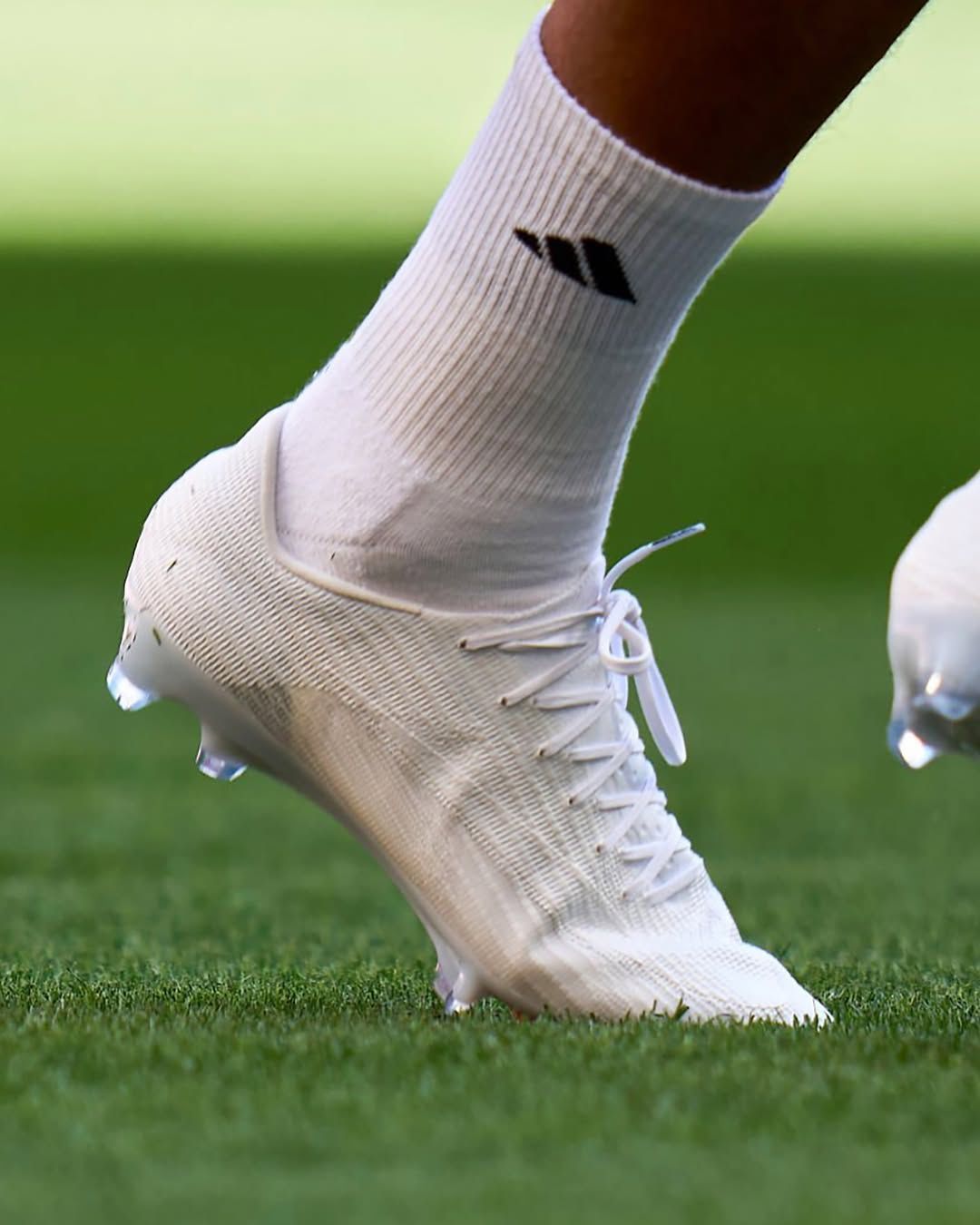
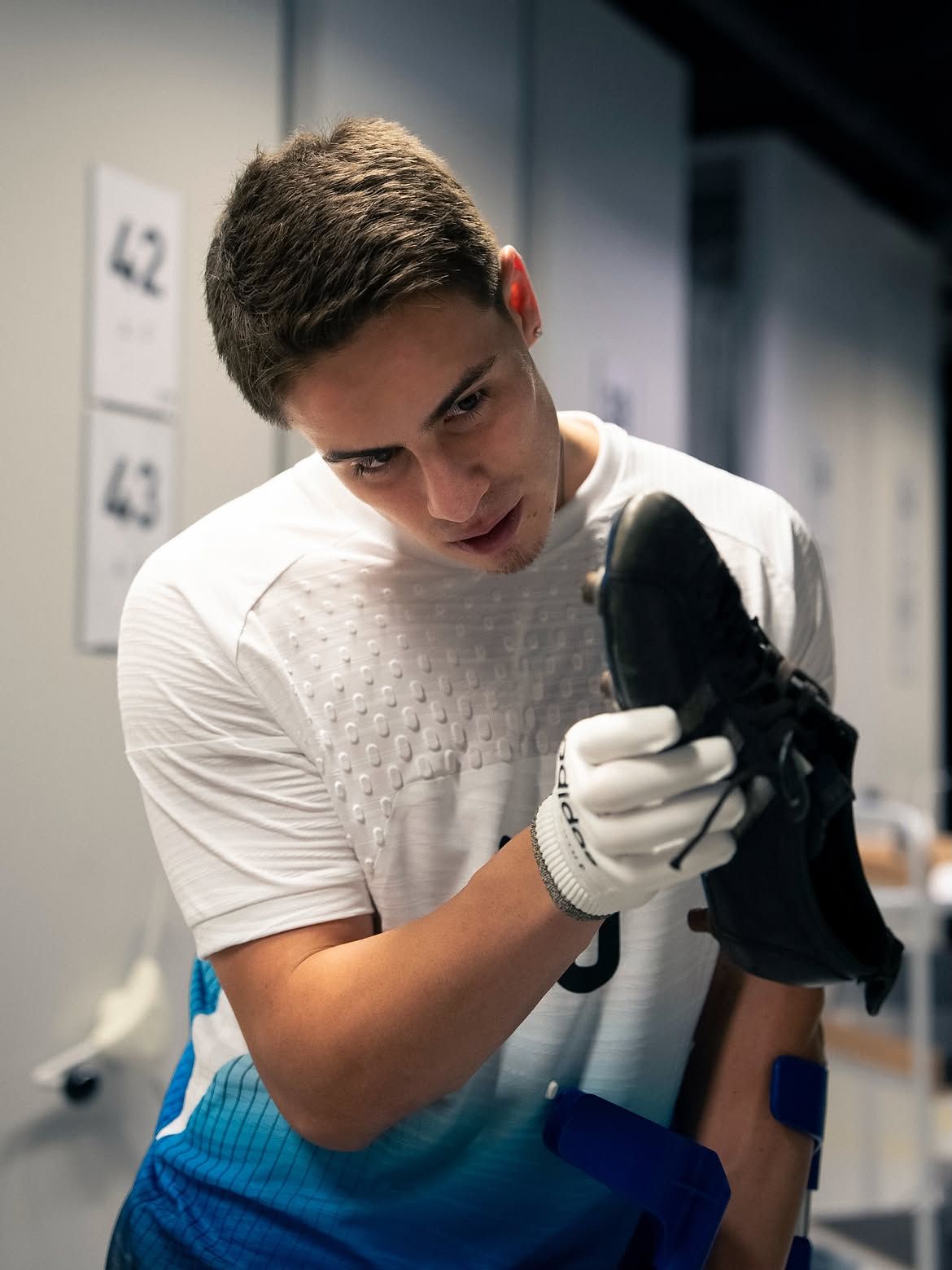
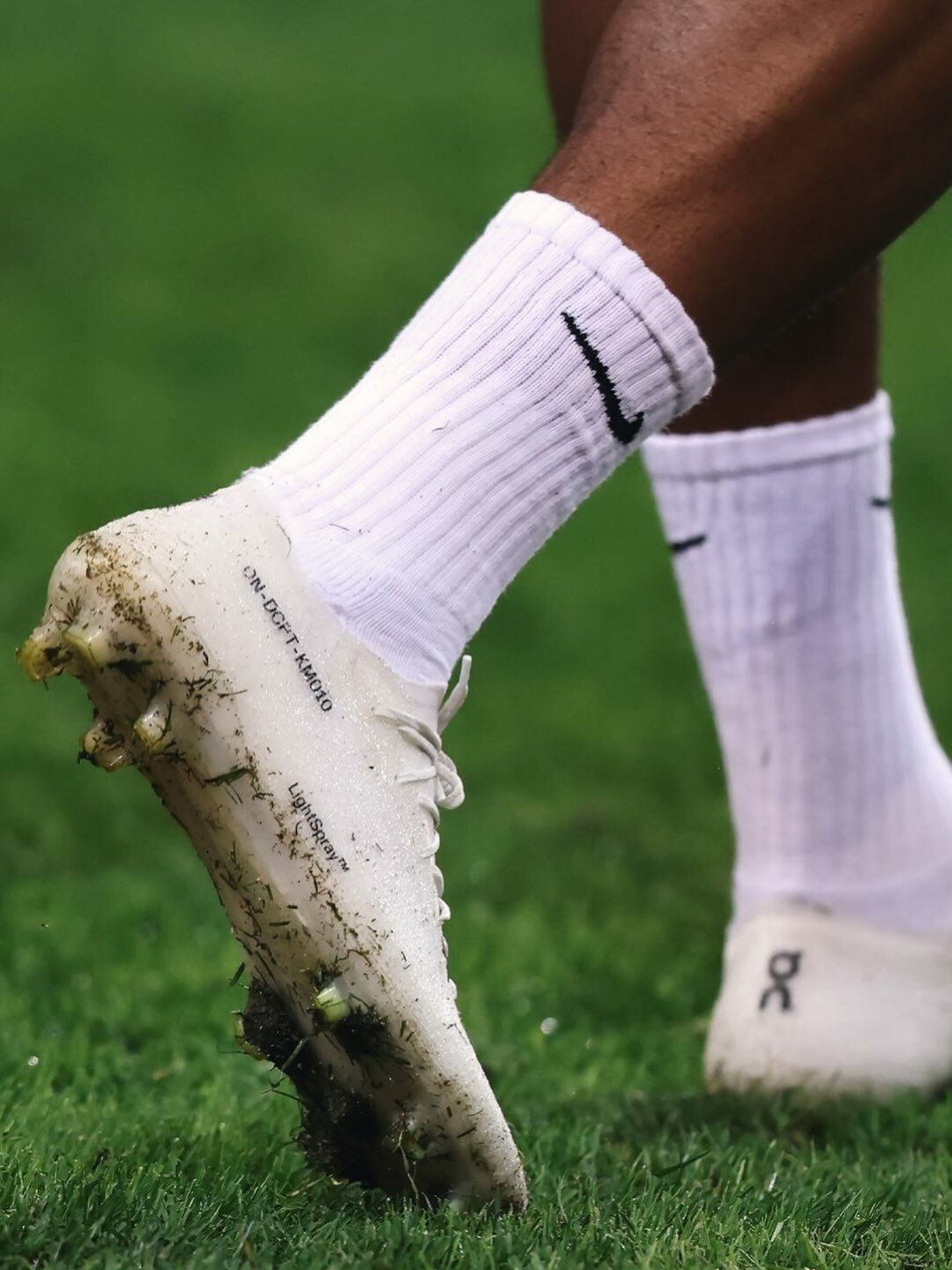
Two codes, two prototypes, two legends of French football. ON-DCPT-KM010 is the model that appeared on Kylian Mbappé’s feet during the Nations League match between France and Turkey on September 25, while ON-DCPT-KM210 was worn by Thierry Henry at Robert Pirès’ jubilé on Tuesday, October 6, at the Stade Saint-Symphorien in Metz. Both are destined to go down in history as the first football boots ever made by On.
Judging by their codes, Henry’s prototype appears to be a later iteration of the one worn by Mbappé, although On has not yet officially explained the meaning behind the numbering. In both cases, however, the debut came with a goal: Mbappé scored the winner against Turkey, while Henry found the net during the tribute match for Pirès. Two matches with completely different levels of competitive significance - virtually none in the latter case - but enough to make it clear that the On Football project has moved from the laboratory to the pitch. One question remains in the background: can a technology created for running also work in football?
How does LightSpray work?
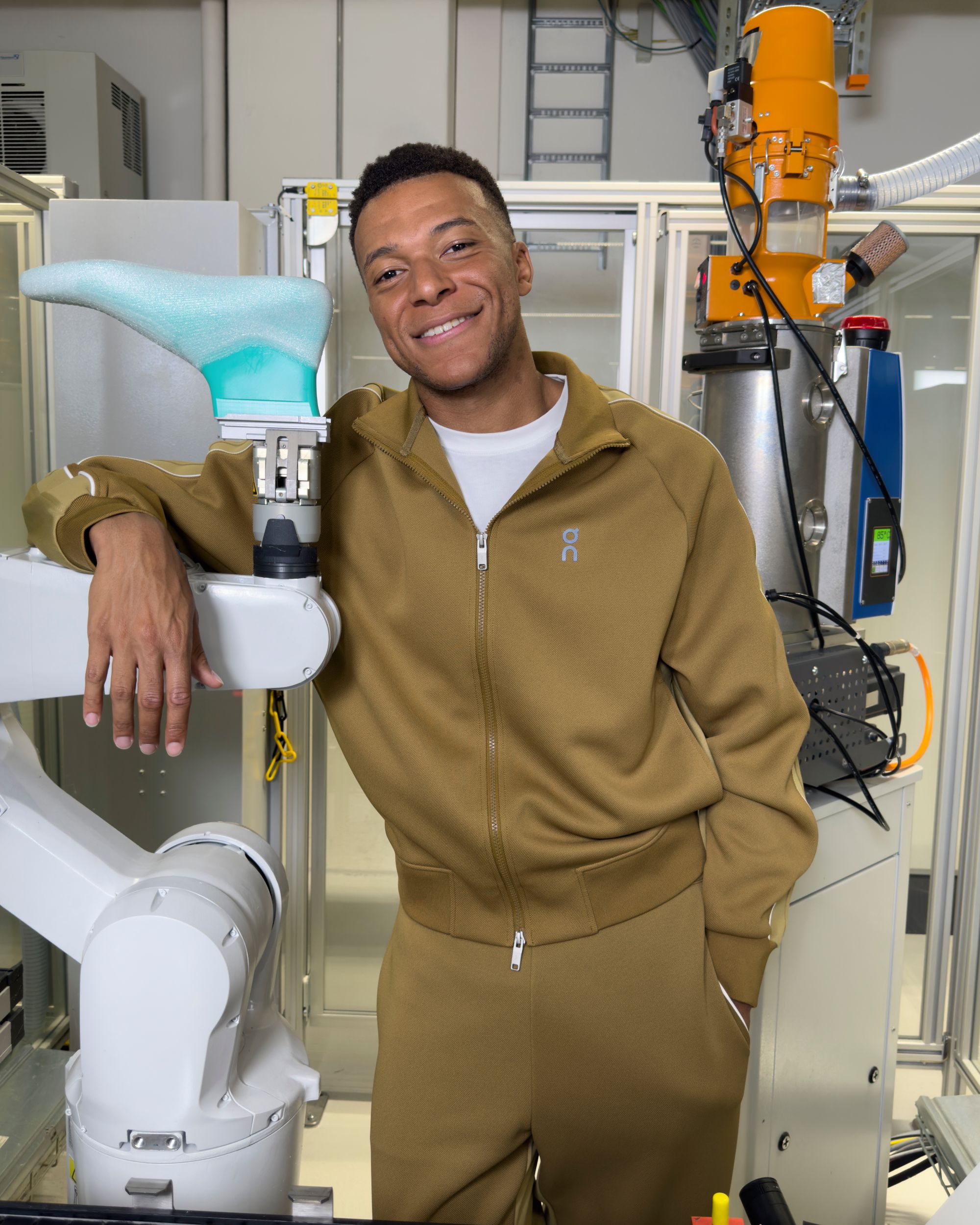
To find an answer, we have to start with LightSpray. On’s technology completely changes the way the upper is constructed: a robotic arm sprays a single filament directly onto the shoe last, creating a one-piece structure in around three minutes, without stitching or glue. In running, the result is an extremely thin, lightweight and close-fitting upper designed to minimise everything that can separate the foot from the shoe.
It is not merely an aesthetic matter. The process uses only the necessary amount of material, limiting waste and - according to an independent LCA cited by On - reducing CO₂ emissions linked to the production of the upper by 75% compared with the brand’s other racing models. Its running shoes have gone from an average of 30 components to just seven. In football, however, there is an additional factor to consider during testing. In fact, there are several.
In running, movement is relatively predictable: athletes run forwards through a sequence of foot strikes that, despite varying from one person to another, follows a fairly consistent pattern. The shoe must therefore support the stride, absorb impacts and provide stability and responsiveness throughout the run. Football makes all of this more unpredictable. The foot can land in completely different ways, change direction suddenly, stop, accelerate again or come under pressure during a challenge. There are constant accelerations and decelerations, tackles, players stepping on one another’s feet, contact with opponents and situations in which landing at a slightly different angle is enough to subject the boot to a completely different type of stress. There is no regular sequence of movements: every action can change what happens to the foot a moment later.
Then there is the central element of the game: the ball. The boot must not only support the body’s movement but also become the surface through which the player makes contact with the ball. The lightness and thinness of the upper can become an advantage here, increasing touch and sensitivity, but they also make it even more important to understand how well the structure can withstand the impacts and stresses of a real match.
How thin can a football boot be?
The recent evolution of football footwear has followed a fairly clear direction: transforming a heavy, protective shoe into an increasingly lightweight, thin and close-fitting second skin. From the thick, rigid leather of the 1950s, the industry has moved towards today’s synthetic materials and knit constructions, with the aim of giving the foot greater freedom and increasing sensitivity. On appears determined to push this logic even further.
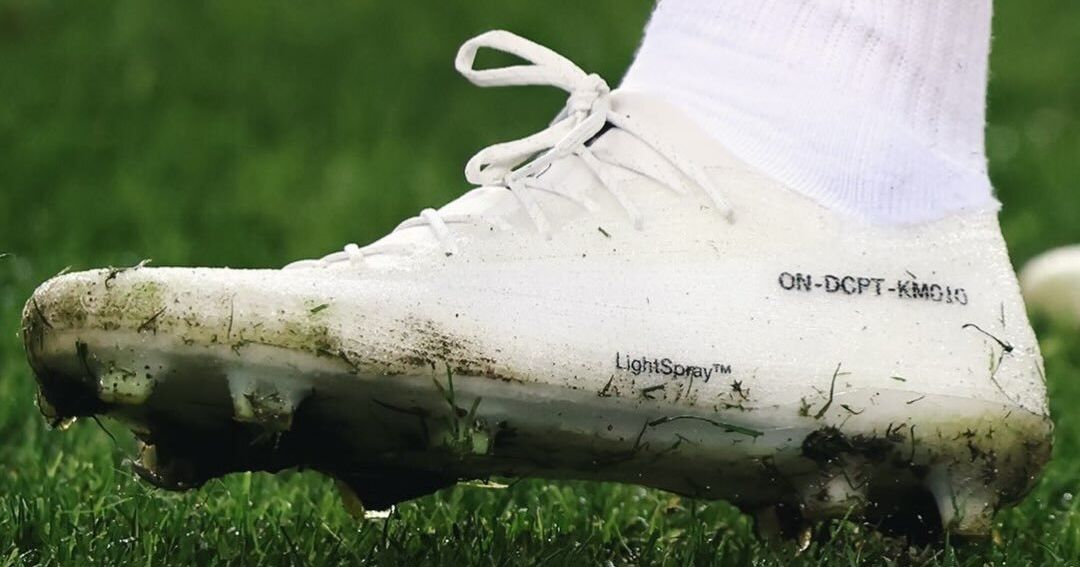
In running, LightSpray has already drastically reduced the number of components required to construct a shoe, producing an upper made from a single filament, without stitching or laces. The laces remain on the football boot, but their profile disappears beneath the rest of the structure: the upper is so thin that it almost blends into the sock. The appearance of the boot reflects the same idea: the robotic process eliminates traditional stitching and most structural reinforcements, leaving an extremely minimal silhouette stripped of almost everything we normally associate with a football boot.
The question is: how much further can the pursuit of lightness go? A thinner upper potentially means greater sensitivity, but also less material between the foot and everything that happens on the pitch. In football, it is a particularly delicate balance.
The product takes a back seat
Within the On Football project, the focus appears to be primarily on technology. Branding, at least for now, comes later. The first prototypes make that clear: the On logo is almost a minor detail, while LightSpray and the development code are far more interesting from a storytelling perspective.
The Swiss brand has no football tradition or archive to respect, so its first product must build the brand’s credibility directly through what it can deliver on the pitch. It is an approach consistent with the way On has entered football: technology first, then the product and, eventually, everything else.
Like playing barefoot
Taken to its extreme, however, On’s pursuit of lightness leads towards an almost primal sensation: bringing the foot as close to the ball as possible. Although the concept might appear far removed from such advanced technology, it leads directly back to the origins of football. The sensation of having an almost bare foot inside the boot evokes the way football was played for much of its history. Many great players began playing barefoot in the streets, developing a sensitivity on the ball that is difficult to reproduce with a rigid and heavily structured boot. The principle is simple: the less material there is between the foot and the ball, the more direct the contact can be.
On is trying to recreate that feeling through extremely sophisticated technology, eliminating unnecessary stitching, layers and structures. We do not know whether Pelé would have appreciated these boots - but if the objective is to bring the player as close as possible to direct contact with the ball, they could be among the closest models to that sensation ever produced. It remains to be seen whether athletes will share and appreciate that vision.