










































Bochum bans fans from jumping at the stadium This is not a joke
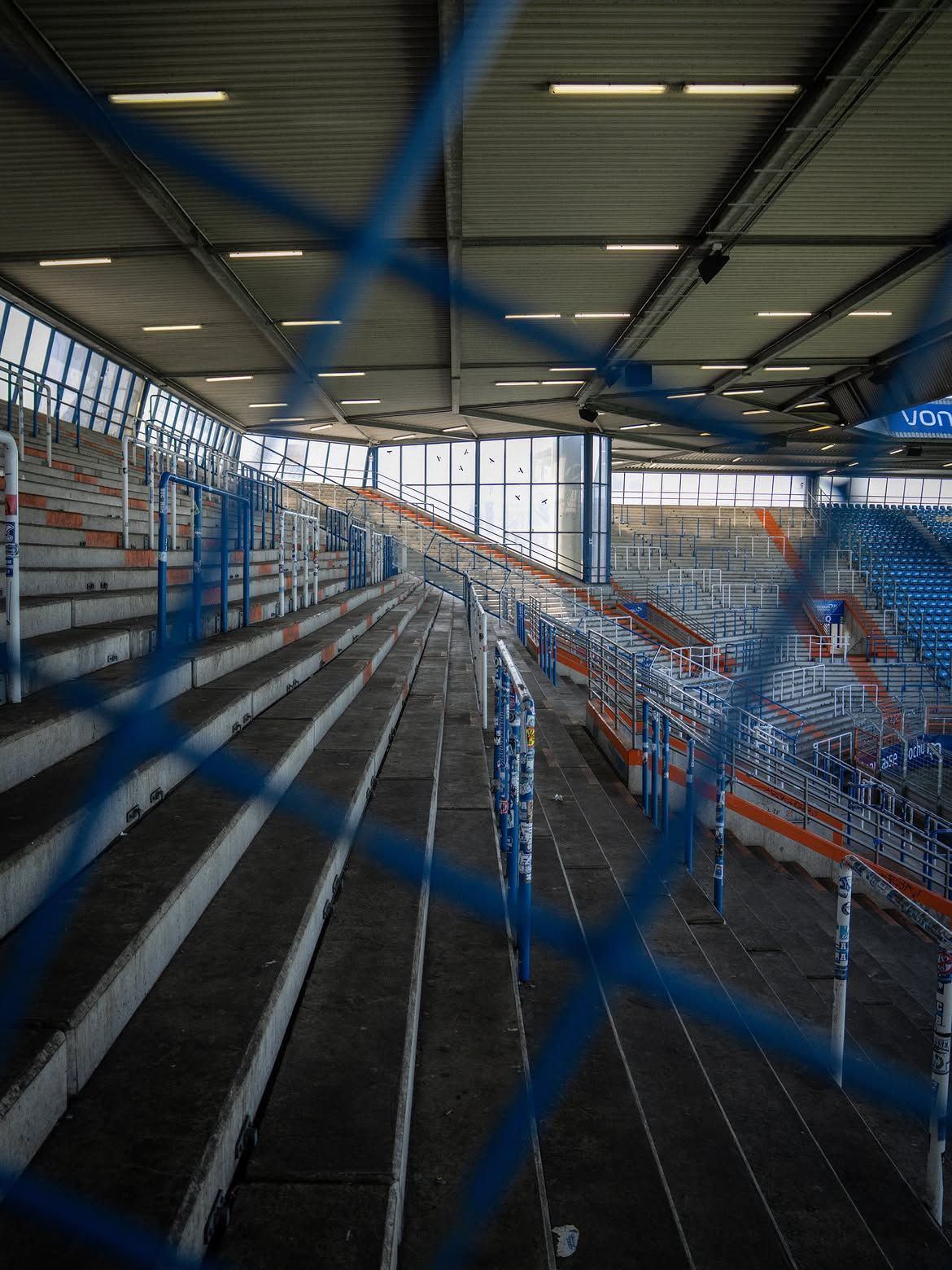
In an official statement, Bochum, the 2. Bundesliga side, Germany's second tier of professional football, announced that its fans will no longer be allowed to jump simultaneously inside their stadium, the Vonovia Ruhrstadion. The ban applies to the East Stand, the area of the stadium where the standing terrace is located and where the ultras gather for home matches. The ban will come into effect as early as the next game, scheduled for October 11 against Arminia Bielefeld.
Why has Bochum banned fans from jumping?
As the club explained in its official statement, a structural study carried out ahead of the stadium's renovation works found that when fans jump in unison, they create what is known as the trampoline effect. Essentially, when thousands of fans jump simultaneously, they generate vibrations in the structure that are mainly perceived by those who are not jumping, creating the sensation that the ground is briefly disappearing beneath their feet. This can cause discomfort for people who are not accustomed to it.
In the same statement, Bochum also pointed out that this solution will allow the club to maintain the East Stand's full capacity and that, barring further complications, the ban will be lifted in 2028, when the stadium renovation works are expected to be completed. The stadium has a total capacity of 26,000, including 11,600 standing places.
Magdeburg already introduced the same ban
This is undoubtedly an unusual story in the world of football, but it is not the first case. The official statement also mentions a precedent dating back to 2016, when Magdeburg introduced the same ban for its fans, later lifting it in 2019 once renovation works had been completed. Bochum is asking its fans to follow that example closely, as failure to comply with the ban could result in the complete closure of the stand.
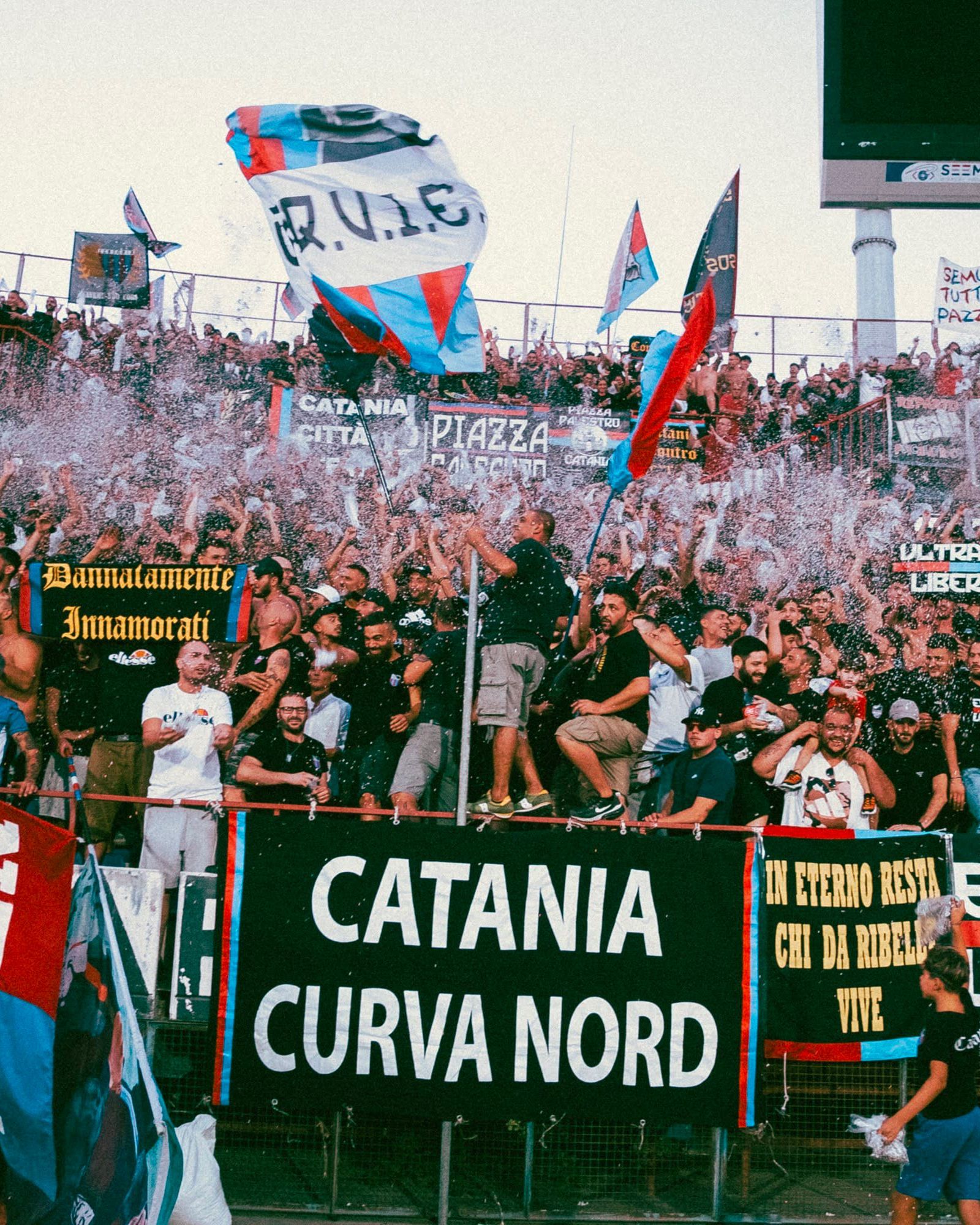
Fan culture is one of the most important elements of the aesthetics of German football, which is precisely why Bochum's case is particularly intriguing. On the one hand, it will be difficult for fans to completely avoid moving in unison, especially during spontaneous moments such as celebrating a goal. On the other, German fanbases have long been known for turning protests into elaborate performances, often with an ironic and creative twist. It would therefore come as no surprise if, as early as the next home game, Bochum fans found an original way to circumvent the ban, or at least challenge it.