New football stadiums in Italy: the ultimate guide A complete city-by-city map of stadium projects and renovations
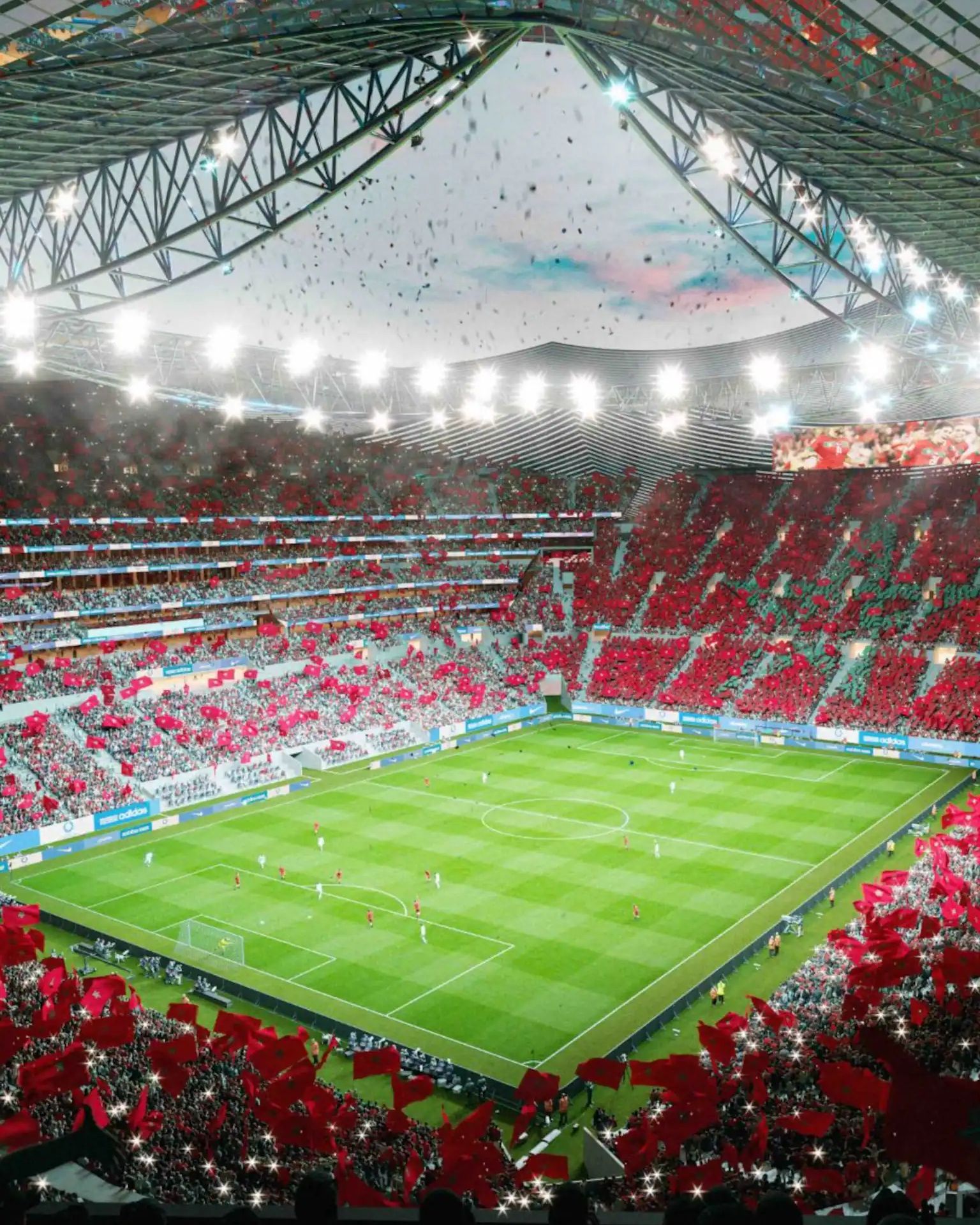
Italian cities and their football clubs are at the heart of a major sports infrastructure wave. Many urban stadiums are poised to transform—or, at the very least, revamp their faces—in the coming years. This momentum is driven by two key forces. First, the race to host Euro 2032, which Italy and Turkey will jointly stage. Italy will provide five venues, to be selected by October following formal applications to the FIGC. Second, the introduction in January 2023 of the so-called Stadium Law, which provides funding for renovating existing facilities and streamlines the approval process for building new stadiums. Below is a comprehensive look at the major stadium projects across Italy, from north to south, each at a different stage of development.
Lombardy: From San Siro to the provinces
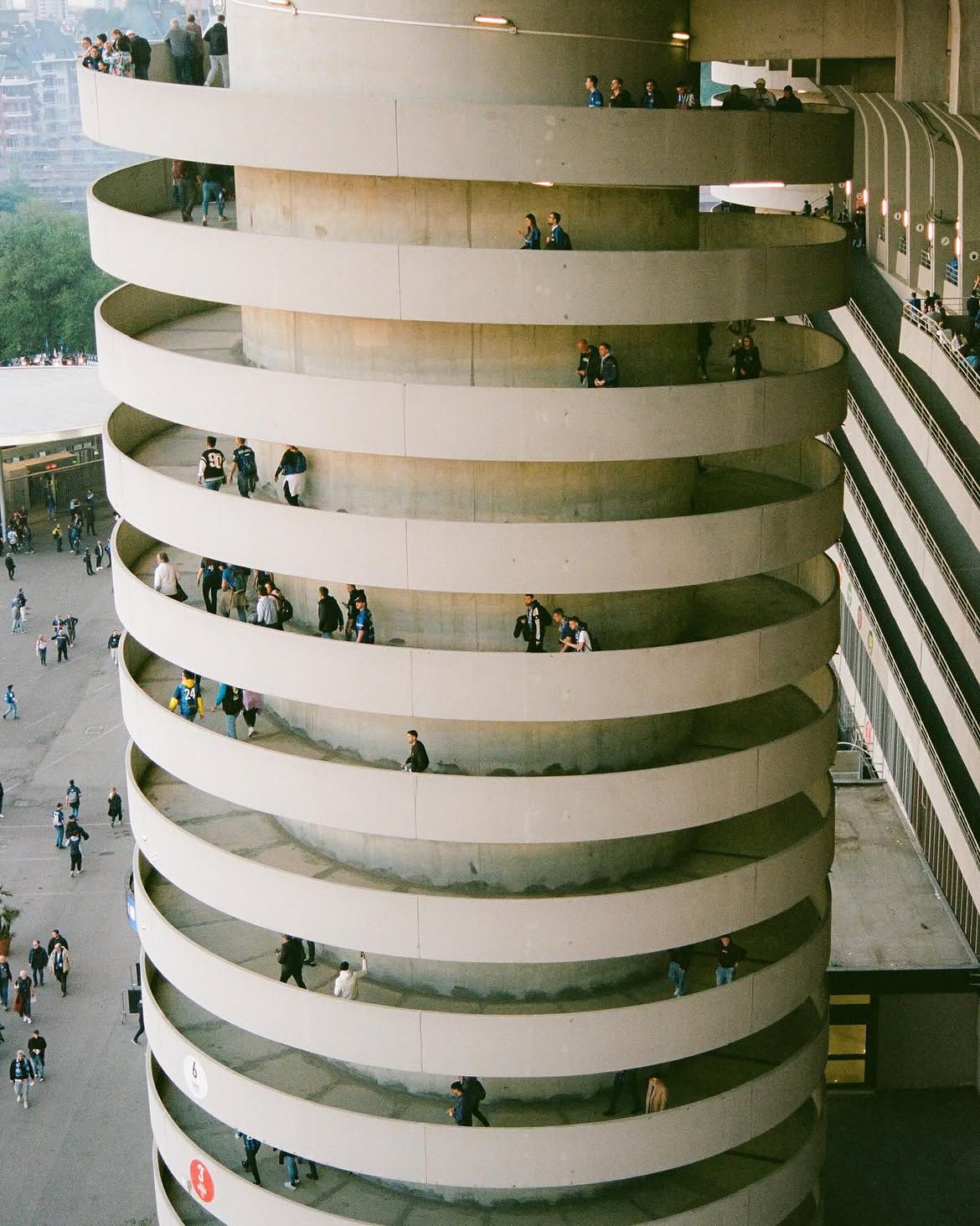
Lombardy is buzzing with stadium projects. Leading the charge is Milan, where Inter and AC Milan now officially own the Meazza stadium and surrounding area. The new San Siro will be designed by Manica and Foster + Partners. Details are still largely speculative, ranging from a glass players’ tunnel allowing fans to watch teams enter, to a more oval-shaped stadium seating 71,500 across two tiers. The final design is expected later this year, with construction set to start in 2027.
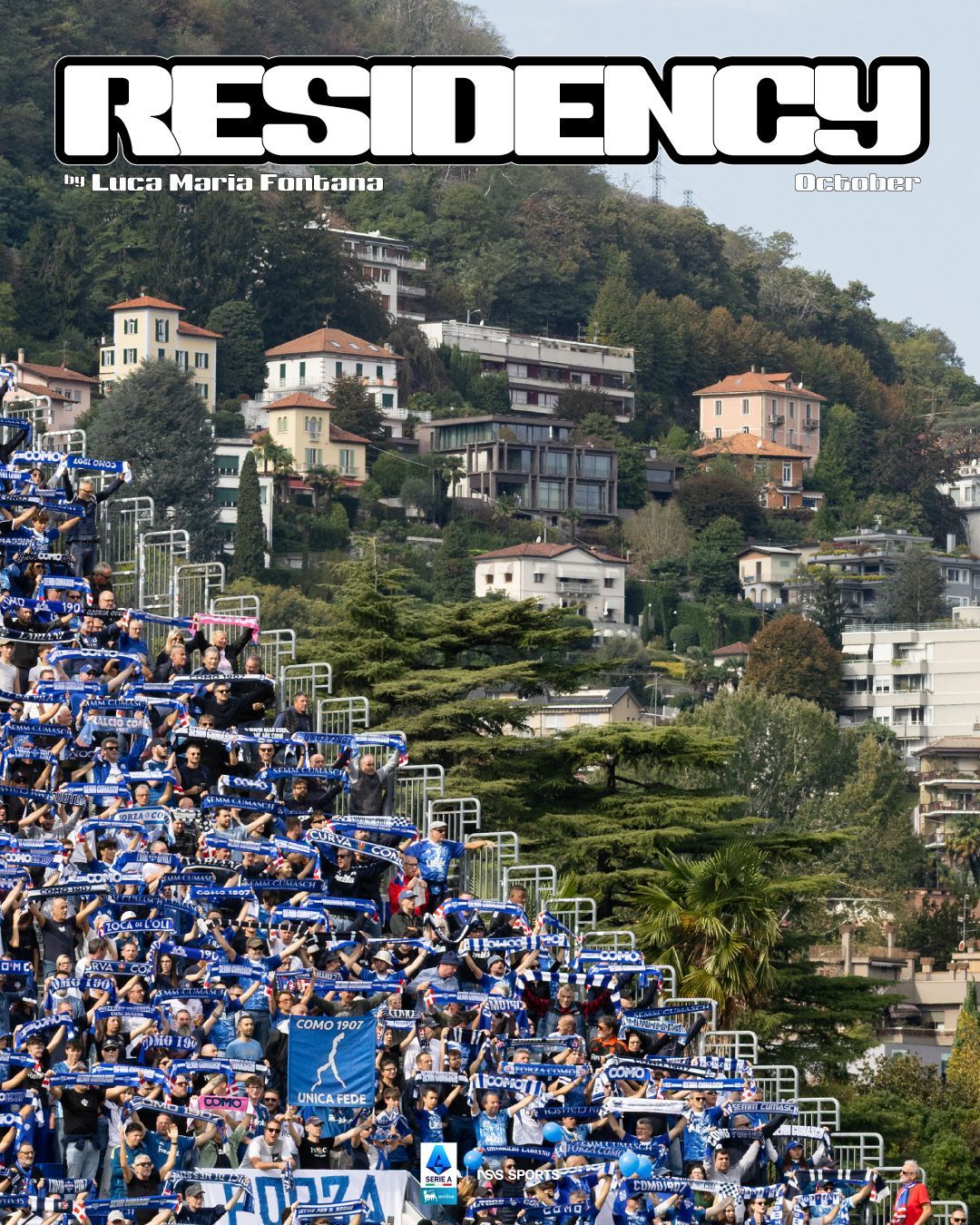
In the surrounding metropolitan area, Alcione Milano is set to debut its own stadium in Settimo Milanese by season’s end. Among the most ambitious clubs is Como, whose rapid growth has prompted plans for a new city stadium. Initial renderings were unveiled last February, but the project has since been scaled back. Plans for an on-site hotel were scrapped, while five lake-view restaurants remain. The feasibility study has been approved, collaboration with the municipality is strong, and attention now turns to financing and final project approval, expected by year’s end.
Across the lake in Lecco, an architect has presented the One for All Stadium concept for a new Rigamonti-Ceppi, with a minimum capacity of 7,500. For now, it remains largely aspirational, with costs likely to fall on private investors. Meanwhile, Brescia has a long history of failed stadium projects. Giuseppe Pasini, owner of Union Brescia—a club formed from the merger of Feralpi Salò and Brescia—has expressed interest in a new Rigamonti, though the priority is currently the training center. A 2017 plan exists, proposing 16,000–20,000 seats, full roofing, and mixed-use development around the stadium. Time, however, is a key constraint: by 2029, Rigamonti may gain heritage status, severely limiting any major renovations.
Veneto and Trentino: From Bentegodi to futuristic stadiums
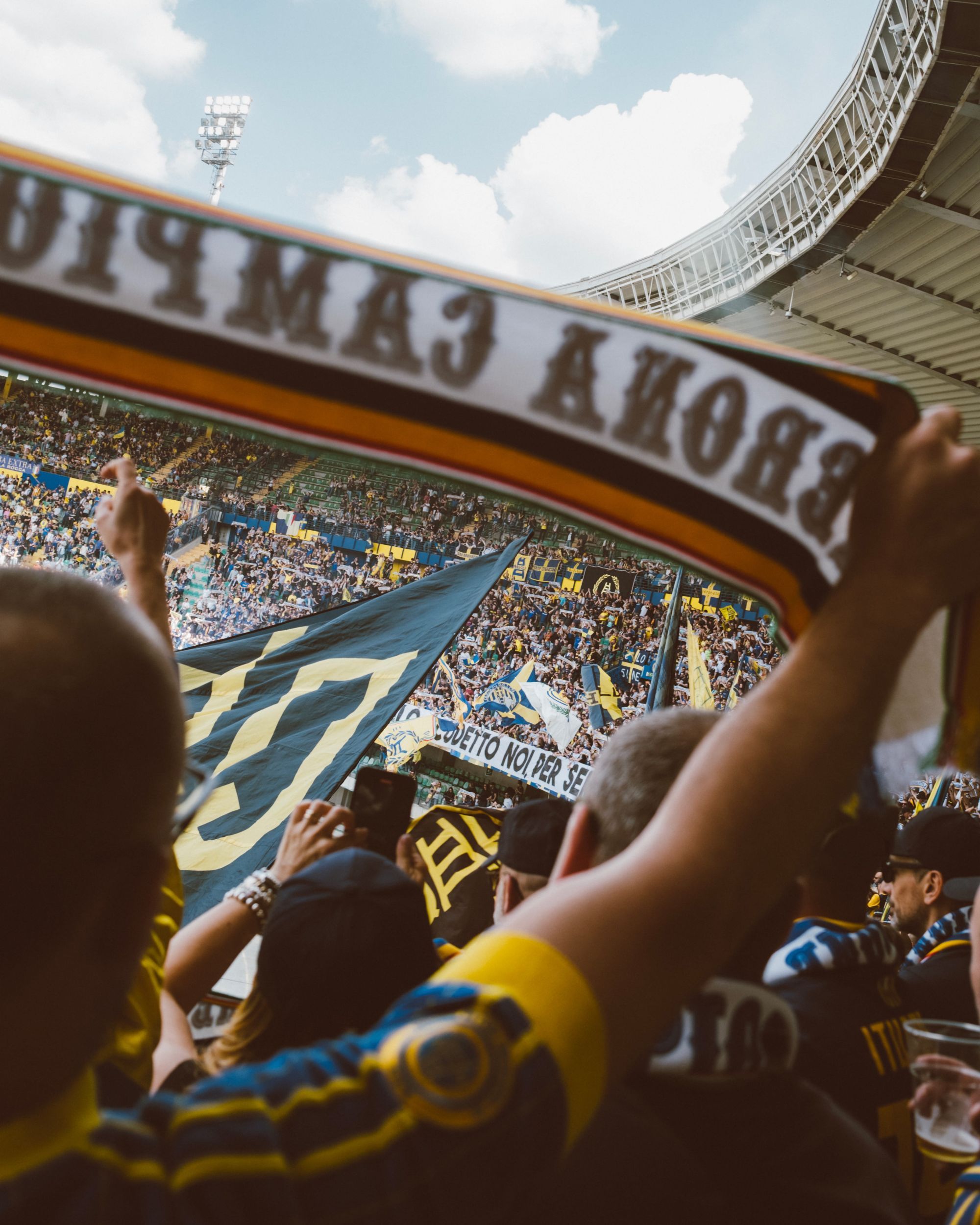
Veneto is actively involved in stadium projects across almost every province. In Verona, Hellas sees the stadium as central to the club’s future. Last November, the new ownership submitted a feasibility study for a revamped Bentegodi to the municipality, officially kickstarting the bureaucratic process. The proposed multifunctional stadium is estimated at around €300 million, with ambitions to host Euro 2032 matches. In Padua, renovations at the Euganeo Stadium continue. Removing the athletics track and extending the south stand will increase capacity to 8,660. The project, which began in January 2021, has faced delays, site seizures, and rising costs. Work resumed last April, with the first major phase expected to conclude this spring.
On 21 October, construction began on the new Venezia stadium, set within the Bosco dello Sport—a futuristic sports campus surrounded by greenery. The stadium will host 18,500 spectators, expandable to 24,400 for non-football events, marking a new era for both club and city. Completion is targeted for spring 2027, with sustainability at the core. Smaller-scale works include Vicenza’s Menti, where the Curva Azzurra—a 600-seat side section closed since 2010—is set to reopen in February, marking the first step toward a broader modernization.
At Cittadella’s Tombolato, renovations are reshaping the stadium: both existing stands are being upgraded, a new south terrace added, and the north stand moved closer to the pitch. Meanwhile, on 18 January, Dolomiti Bellunesi returned to their home stadium in Feltre. Newly promoted to Serie C, the club upgraded the Zugni Tauro to professional standards, expanding capacity to 1,776 with two new uncovered side stands. In Trentino, Trento unveiled an ambitious new stadium plan last November for the city’s southern area. The club envisions a 5,500-seat modular venue across three stands, with completion targeted for 2031. The stadium will be built primarily from wood and porphyry and set within a multi-sport green complex.
Liguria, Emilia-Romagna and Marche: Plans and uncertainties
In Genoa, the city’s two clubs, Genoa and Sampdoria, have formed a joint company driving a potential Ferraris Stadium renovation. The proposal submitted to the municipality is stalled over cost discrepancies, but regional intervention could unlock the project, with Euro 2032 in mind. In Emilia, Bologna faces similar challenges: the Dall’Ara renovation project, dating back to 2018, has seen rising costs, leading the club to consider a completely new stadium elsewhere without private investors.
In Parma, a 5-year-old New Tardini project proved too costly and has stalled. Parma Calcio is still expected to submit a phased plan, but progress remains slow. In Ravenna, the municipal council approved two €1 million projects to upgrade the Benelli Stadium, preparing for a hoped-for promotion to Serie C under ambitious ownership. Along the Adriatic coast in Ascoli, work is ongoing to rebuild the long-awaited south stand of Del Duca Stadium, closed since 2016 due to earthquake damage. The new 4,000-seat stand will sit close to the pitch, with completion expected by August, followed by the renovation of other sections.
Tuscany: The region of ambitious projects
Tuscany is perhaps the most active region in stadium development, though challenges remain. In Firenze, the full-scale renovation of the Franchi has faced significant delays, with work now scheduled to resume seriously in 2026. The Curva Fiesole, home of organized fans, may not reopen until May 2027, while funding for the second phase is still being negotiated, aiming for a complete stadium by 2029. The €265 million project could make Florence a strong Euro 2032 candidate. In the province, 2026 should mark the start of works for Empoli’s new Castellani, a modern stadium with an estimated cost of €55–60 million and a three-year construction timeline. The athletics track will be removed, stands brought closer to the pitch, with 18,000 seats across three renovated sectors. Pisa is exploring the purchase—or at least a long-term lease—of the Arena Garibaldi, with early rumors pointing to a 16,800-seat English-style renovation.
One of Tuscany’s most striking projects comes from Arezzo: on 6 November, the city unveiled the final plan for a new 40-million-euro stadium, coordinated by the club, municipality, and architect Fayer. After fast-tracking bureaucracy in less than a year, the last approval is pending, with work expected to start in March. In Carrara, the north stand of the Marmi Stadium has been completed, with renovations to the straight under the main stand planned next. In Piancastagnaio, Pianese is upgrading its home ground for Serie C. In Maremma, Lamioni Holding, owners of Grosseto, presented plans in March 2025 for a new €35 million municipal stadium, though progress has stalled since.
Rome, Umbria and Abruzzo
In the capital, activity is intense. AS Roma recently submitted the PFTE (technical-economic feasibility study) for a new stadium in Pietralata, a crucial step toward realizing a sustainable stadium with what could be Europe’s largest south stand. After municipal council approval, construction could start within a year. Lazio also dreams of a new home. On 17 February 2026, president Claudio Lotito publicly presented a project for the redevelopment of the Flaminio stadium, creating a new two-ring stadium with a total capacity of 50,000 seats. Work is scheduled to begin in the first half of 2027 and be completed by 2031.
In Perugia, on the club’s 50th anniversary, renovation work on Renato Curi Stadium includes a rebuilt stand and a covered north curve. By contrast, Terni faces turbulence with the stadium-clinic project proposed by mayor Stefano Bandecchi, with the region appealing to the courts over design concerns. In Abruzzo, Pescara is pursuing a new stadium to replace the aging Adriatico, with meetings held with the architect of Juventus’ Allianz Stadium to assess feasibility.
Molise, Puglia and Basilicata
In Molise, Campobasso’s Stadio Molinari will be expanded to nearly 13,000 seats, with the PFTE approved to revive the partially closed stadium. In Puglia, Foggia is finalizing the new away section at Zaccheria Stadium. In Monopoli, work at the Veneziani Stadium is expected to start in summer, bringing stands closer to the pitch. Lecce is focused on the biggest project: preparing Via del Mare for the Mediterranean Games in late August, including a full new roof and structural renovation during off-season periods. In Basilicata, Potenza dreams of a new stadium, while works paused for months at Matera’s XXI Settembre are scheduled to finish by December 2027.
Campania: Between ambition and reality
Campania is fully engaged in the stadium overhaul, though progress is uneven. In Naples, the municipality is pushing for a major renovation for the Diego Armando Maradona stadium because of Euro 2032, while owner Aurelio De Laurentiis hopes for a new stadium in Bagnoli, contingent on a credible proposal. Sorrento faces a sad situation, with the team playing away from its home stadium for two years due to stalled renovation works at Campo Italia.
In Salerno, work on the Arechi Stadium began two months ago, including partial demolition of the north stand. The €100+ million project, featuring full roofing, could make Salerno a serious contender over Naples for Euro 2032 venues. Preliminary talks for a restyling of Cava de’ Tirreni Stadium took place last July, though little progress has been made. A new stadium for Avellino was discussed as far back as 2021, but the project stalled; the club still hopes for a new Partenio. In Benevento, improvements to Stadio Vigorito are planned, while in Caserta, construction of the new Stadio Pinto is moving forward. After delays, the €51 million project is expected to provide a 12,000-seat fully covered stadium for Casertana by mid-spring.
Calabria, Sicily and Sardinia
In Calabria, Catanzaro is set to renovate the Capraro stand, bringing it closer to the pitch and adding a new roof. In Cosenza, the concept for a 20,100-seat new San Vito–Gigi Marulla Stadium was unveiled last November, with curves just six meters from the pitch—a national record. Messina plans major maintenance on Stadio Scoglio after previous restyling projects fell through; meanwhile, Stadio Celeste has been recently refurbished. Palermo has ambitious plans for a new Barbera, with Populous—the architects behind Wembley and Etihad Stadium—on board. To remain in contention for Euro 2032, the redevelopment plan must be submitted by July, with work expected to start in 2027.
Although Catania has no plans to build a new stadium, renovation work is set to begin shortly at Torre del Grifo. Purchased by the club for €5,500,000 at the end of October, the multi-purpose sports centre will become the club's new training centre according to the owners' plans. On Sardinia, Cagliari unveiled its financial and economic plan last December for the new Gigi Riva Stadium, to be built on the site of the long-abandoned Sant’Elia. The 30,000-seat venue, at a projected cost of €200 million, could also enter the running for Euro 2032 matches.
What to read next

Como's fans unveil the new Third kit for the 2026/27 season
A black jersey with white details and a pixelated design