What was trending the last time GTA was released From football and fashion to music, social media and gaming
On Thursday 19 September 2026, the world will seemingly come to a standstill for the release of GTA VI, one of the most anticipated video games of all time. This is because its development, accompanied by seemingly endless hype, has lasted more than 13 years. Its predecessor, GTA V, was released back in September 2013. With 235 million copies sold worldwide, an extensive promotional campaign and an additional online gaming mode that generated one billion dollars in its first three days, GTA V became a global phenomenon, earning numerous accolades along the way. That was also a year of major transitions in the way people consumed music and TV series, with streaming on the rise, hipster culture and streetwear at their peak, iconic football transfers, social networks and gaming consoles gaining momentum, and major historical events shaping the world. A very different world from the one we know today, and one that many fans look back on with nostalgia as they eagerly await the next instalment of the Grand Theft Auto saga.
Transfer coups, football boots and other sports
In football, September 2013 marked the beginning of a new season, with squads finalised and the summer transfer window closed after a series of major moves. Real Madrid signed Gareth Bale from Tottenham for €91 million, while selling Mesut Özil to Arsenal and Gonzalo Higuaín to Napoli, who had just received a major financial boost from Edinson Cavani's move to PSG. In France, Monaco, backed by its new Russian owners, made two major signings, bringing in Colombian forwards Radamel Falcao and James Rodríguez from Atlético Madrid and Porto respectively.
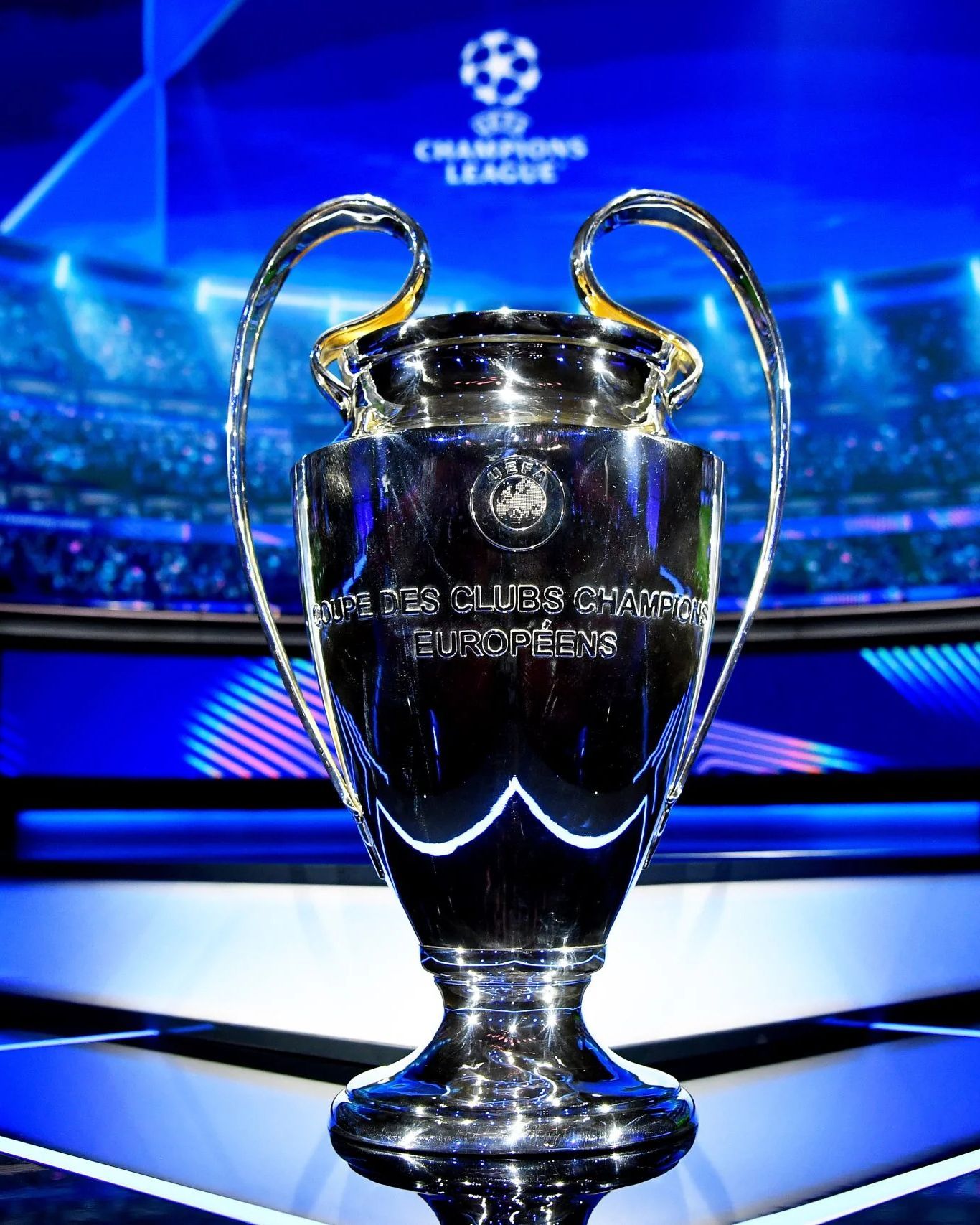
Barcelona, meanwhile, completed one of the most high-profile signings of the decade: Brazilian star Neymar Jr arrived from Santos for €57 million, eventually forming a legendary attacking trio alongside Messi and Suárez. Bayern Munich, on the other hand, dealt Borussia Dortmund a double blow. Having beaten them in the Champions League final in May, they then signed Mario Götze from their rivals. In Serie A, Roma, under new manager Rudi Garcia, made a flying start with ten consecutive wins, but it was Antonio Conte's Juventus who eventually claimed their third consecutive league title, finishing the season with a record-breaking 102 points.
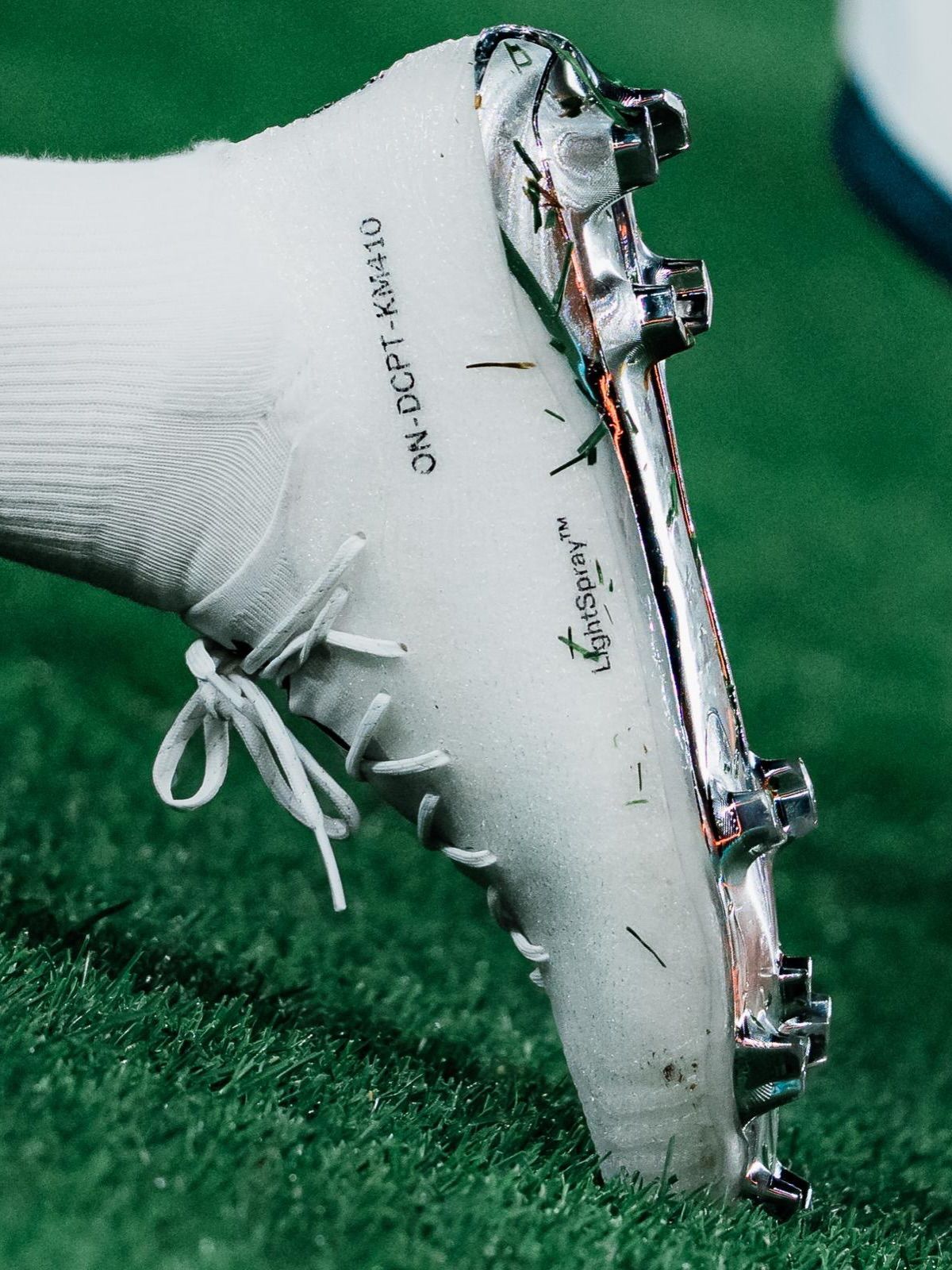
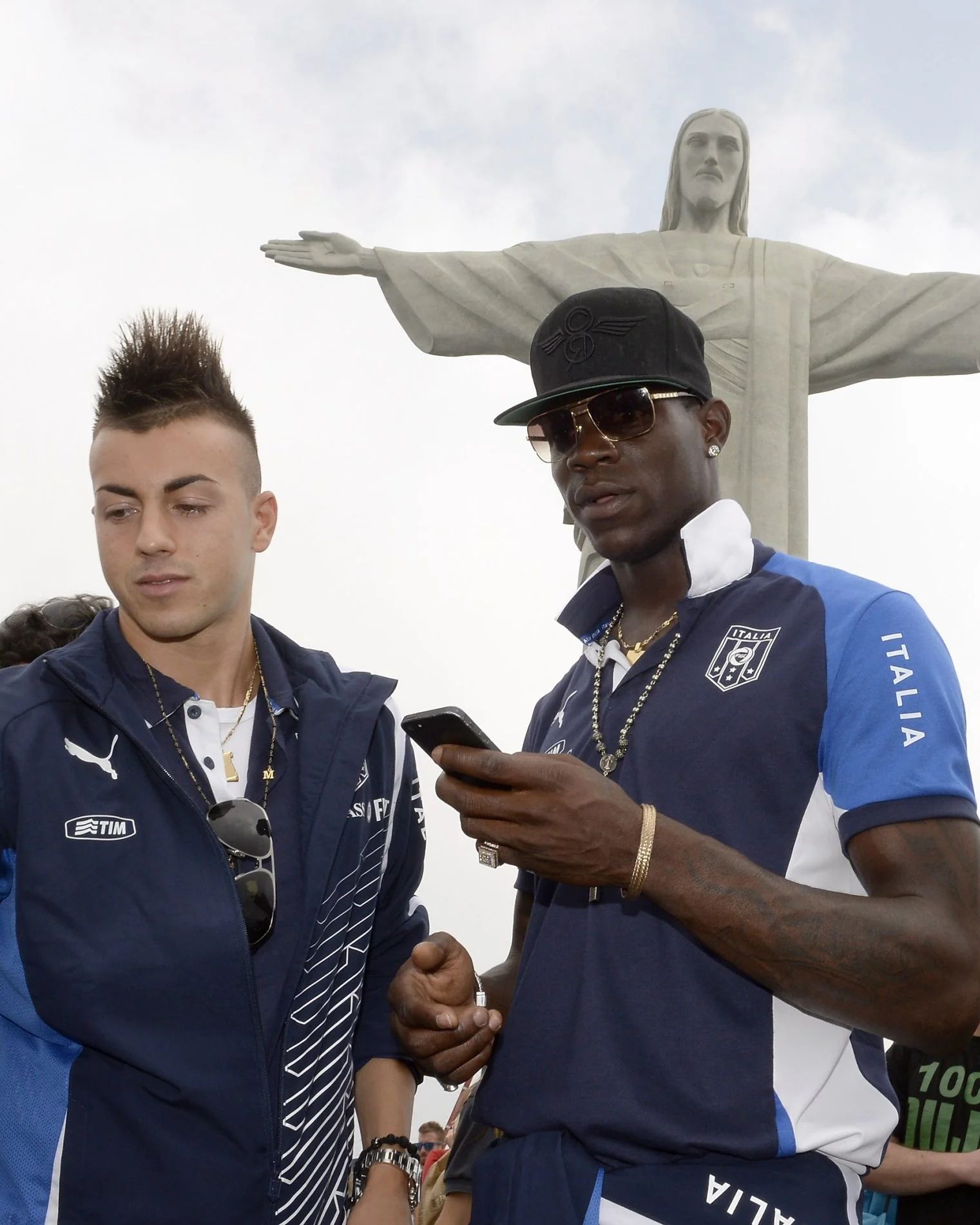
Among young Italian football fans, Stephan El Shaarawy's signature hairstyle, with its shaved sides and distinctive crest, became a generational trend. Mario Balotelli was the Italian icon, while the undisputed global reference point was Cristiano Ronaldo, although Neymar was already challenging his status. Young fans would imitate their celebrations after watching them on repeat on YouTube. When it came to football boots, Nike dominated the market with the Mercurial Vapor IX and Hypervenom, first launched in May in their orange and black colourway. Adidas responded with the F50 Adizero IV, released in November, alongside the Predator LZ II and Nitrocharge Cleat. The German brand also unveiled Brazuca, the official ball of the following year's World Cup in Brazil. Moving beyond football, Sebastian Vettel was on his way to securing a fourth consecutive world title with Red Bull in Formula 1, while a skiing accident at the end of the year would change Michael Schumacher's life forever. In tennis, the year was dominated by the rivalry between Rafa Nadal and Novak Djokovic, who shared all the Grand Slam titles apart from Wimbledon, where Andy Murray became the first British man in 77 years to win the tournament. Finally, France claimed its first European Basketball Championship title, led by Tony Parker.
Fashion and the new lifestyle icons of 2013
Hipster and indie fashion were at their peak, characterised by flannel shirts with checked patterns, layered with cardigans and knitted jumpers, alongside skinny jeans and chinos with carefully rolled-up hems. On the footwear front, Dr Martens, Vans and Converse were the go-to choices. Full beards were paired with quiffs and undercuts, thick-framed glasses such as Ray-Ban Wayfarers and New Era snapbacks, which had become hugely popular. The latter was an accessory that crossed cultural boundaries, representing one of the most recognisable elements of streetwear and hip-hop style. The aesthetic was also undergoing a transition, moving away from baggy jeans towards slimmer trousers and joggers that created a cleaner, more streamlined silhouette.
At least when it came to trousers. Sneakers such as Air Jordans and Air Max, varsity jackets and oversized sweatshirts featuring bold logos and statement graphics remained essential pieces. Stüssy, Obey, Carhartt WIP and The Hundreds were enjoying an early revival of vintage aesthetics and the Swag Era, with A$AP Rocky and Kanye West playing a fundamental role as pioneers of the intersection between hip-hop and high fashion.
Women's fashion, meanwhile, was defined by pieces such as skater skirts and sophisticated crop tops, paired with statement necklaces and Chelsea boots, which were experiencing a major resurgence. Ombré hair, characterised by its soft colour transitions and known in Italy as shatush or dégradé, became a major trend thanks to stars such as Sarah Jessica Parker, Drew Barrymore, Vanessa Hudgens and Selena Gomez.
Music on the brink of radical change
Music was on the verge of a fundamental shift in the way it was consumed, as streaming platforms began to make their mark on the market. Although CDs and radio still accounted for a significant share of music consumption, digital platforms were rapidly taking over. Most people used YouTube to listen to music for free, watching artists' official music videos on their Vevo channels. While iTunes was already an established player, a new contender had entered the European market just a few months earlier and was changing the rules of the game: Spotify. It quickly became the main alternative to Deezer, another young streaming platform, launching in Italy in February before expanding into further markets in September.
Katy Perry topped the global charts with her single Roar, closely followed by Avicii's Wake Me Up, the soundtrack to the summer and one of the last great moments of the EDM era. Pharrell Williams was everywhere, with Blurred Lines, alongside Robin Thicke and T.I., and Get Lucky with Daft Punk. Hip-hop was led by Eminem with Berzerk and Jay-Z featuring Justin Timberlake with Holy Grail, while Drake and Majid Jordan's Hold On, We're Going Home blended rap with R&B. The queens of provocative pop were Lady Gaga, with Applause, and Miley Cyrus, whose We Can't Stop and Wrecking Ball paved the way for Bangerz, her fourth studio album, released in October. She was undoubtedly the artist of the moment, also thanks to her explosive performance at the MTV Video Music Awards in August, which finally put an end to her image as a former Disney Channel star.
On the album charts, Avenged Sevenfold released their heavy metal record Hail to the King, while Bruno Mars continued his unstoppable run with Unorthodox Jukebox, which had been in rotation for almost a year alongside Macklemore & Ryan Lewis' The Heist. Meanwhile, AM cemented Arctic Monkeys' status as one of the defining bands of their generation. In Italy, alongside international hits such as Imany's You Will Never Know, John Newman's Love Me Again, Coldplay's Atlas and Capital Cities' Safe and Sound, Laura Pausini topped the charts with Limpido, her new single featuring Kylie Minogue. Other tracks in the charts included Il sale della Terra by Ligabue and L'Anima Vola by Elisa. Rap was also reaching a turning point in Italy, moving beyond the underground and into the mainstream with albums such as Mercurio by Emis Killa, Sig. Brainwash - L'Arte di Accontentare by Fedez and Midnite by Salmo.
Cinema, television and TV series
At the box office, Iron Man 3 broke records with earnings of $1.2 billion, joining Despicable Me 2, released in October, and Fast & Furious 6 among the year's biggest hits. Monsters University, the highly anticipated prequel to the original 2001 animated film, arrived in August, while November saw the release of Catching Fire, the second instalment of The Hunger Games. Other major science-fiction and action releases included Man of Steel, Gravity and Thor: The Dark World. Leonardo DiCaprio starred in two major productions, The Wolf of Wall Street and The Great Gatsby, released in the final months of the year. The same period also saw the arrival of Frozen, destined to become a Disney classic, and 12 Years a Slave, which would go on to win the Academy Award for Best Picture.
In Italy, by mid-September, the box office was dominated by The Smurfs 2 and Rush, followed by We're the Millers and Percy Jackson: Sea of Monsters. In May, at the Cannes Film Festival, Paolo Sorrentino presented The Great Beauty, a masterpiece that would sweep the awards season the following year, winning an Oscar, a Golden Globe and several David di Donatello awards. Halloween, meanwhile, marked the release of Sole a Catinelle, the third film starring Checco Zalone, which would eventually become the fifth highest-grossing film in Italian box-office history.
On television, traditional programming still attracted huge audiences. In Italy, teenagers switched between Italia 1 and Disney Channel, watching sitcoms and cartoons, while slightly older viewers followed talent shows such as Amici and X Factor. As for TV series, September marked the final episodes of both Breaking Bad and Dexter, while the third season of Game of Thrones was still fresh in viewers' minds. On 12 September, a series that would prove just as influential made its UK debut: Peaky Blinders, created by Steven Knight and following the story of the Shelby family in Birmingham. Netflix was also undergoing a historic transformation, moving from a simple distributor of third-party content to a television producer and a leading force in streaming series. Its first major productions were David Fincher's House of Cards and Jenji Kohan's Orange Is the New Black, two shows that helped define the binge-watching era.
Technology, social media and mass phenomena
Among social networks, WhatsApp had become part of everyday life, while Facebook remained dominant. Instagram, with its square photos and vintage filters, had reached 100 million users and introduced video in June to counter the rise of one of the newest digital phenomena: Vine, an app launched by Twitter that allowed users to create short videos known as vines. Snapchat was a new craze in the United States, although it would take another couple of years to arrive in Italy. Tumblr, on the other hand, had evolved from a simple blogging platform into a trendsetter, helping shape a distinctive visual culture in the early 2010s. In early September, Apple unveiled the iPhone 5c and 5s, the latter being the first model to feature Touch ID, competing with the Samsung Galaxy S4, HTC One M7, and the hugely popular Galaxy S3 Mini and Nokia Lumia. The most downloaded game on mobile devices was Candy Crush Saga, which reached half a billion installations.
When it came to video games, fans were starting to pre-order the PlayStation 4 and Xbox One in September, ahead of their release two months later, while Nintendo Wii U sales were also picking up. The most popular handheld console, comfortably ahead of the PS Vita, was the Nintendo 3DS, where players could enjoy Monster Hunter 4 and, from October, Pokémon X and Y. Among the best-selling video games was the action-adventure title The Last of Us, although most major releases would arrive a few weeks later. In Italy, the most popular titles were FIFA 14, Call of Duty: Ghosts and Assassin's Creed IV: Black Flag. Among the global trends that defined the year, the Harlem Shake was impossible to ignore. Taking over the internet between February and March, the song inspired a dance routine in which one person would initially dance alone while everyone around them ignored it, before the entire group broke into wild moves as soon as the drop kicked in. The slogan Keep Calm and… became a recurring feature on T-shirts, posters and social media feeds, with the phrase completed in countless different ways, while the word selfie officially entered the Oxford English Dictionary.
Historical events: a new Pope, leaks and major farewells
From a historical perspective, 2013 had its fair share of defining moments. In February, Pope Benedict XVI made the historic decision to resign, and approximately one month later the Conclave elected Pope Francis as the new head of the Catholic Church. A meteor exploded over Russia, causing damage and injuries, while two bombs detonated at the Boston Marathon in April, killing and injuring several people and plunging the United States back into a state of fear over terrorism. In June, the US was once again at the centre of a major scandal, this time known as the NSA surveillance scandal or Datagate, following Edward Snowden's revelations about the agency's mass surveillance operations.
In July, Croatia became the 28th member state of the European Union, while Egypt underwent a change of government following a military coup and the war in Syria continued to escalate. The year was also marked by the deaths of several major public figures. Among political leaders, South African president Nelson Mandela passed away towards the end of the year, following the death of the Iron Lady Margaret Thatcher in April and the controversial Venezuelan president Hugo Chávez. The world of cinema also lost several prominent figures, including Peter O'Toole, best known for Lawrence of Arabia, Fast & Furious actor Paul Walker and James Gandolfini, forever remembered as Tony Soprano. The music world said goodbye to Lou Reed, Jimmy Fontana and Little Tony, as well as three artists who represented three different Italian cities: Enzo Jannacci for Milan, Franco Califano for Rome and Gipo Farassino for Turin.
What to read next
What does Cristiano Ronaldo's new M celebration mean?
It's a reference to his 1,000 career goals, most likely
Sport’s obsessive relationship with GTA VI
Athletes play it, teams ride the hype, and the video game continues to engage with sporting culture
The best football tournament is played in a New Jersey's backyard
If you haven't spotted on TikTok then your algorithm is not working properly