

































When it comes to football memorabilia, pennants are the real deal A timeless tradition behind the beautiful game
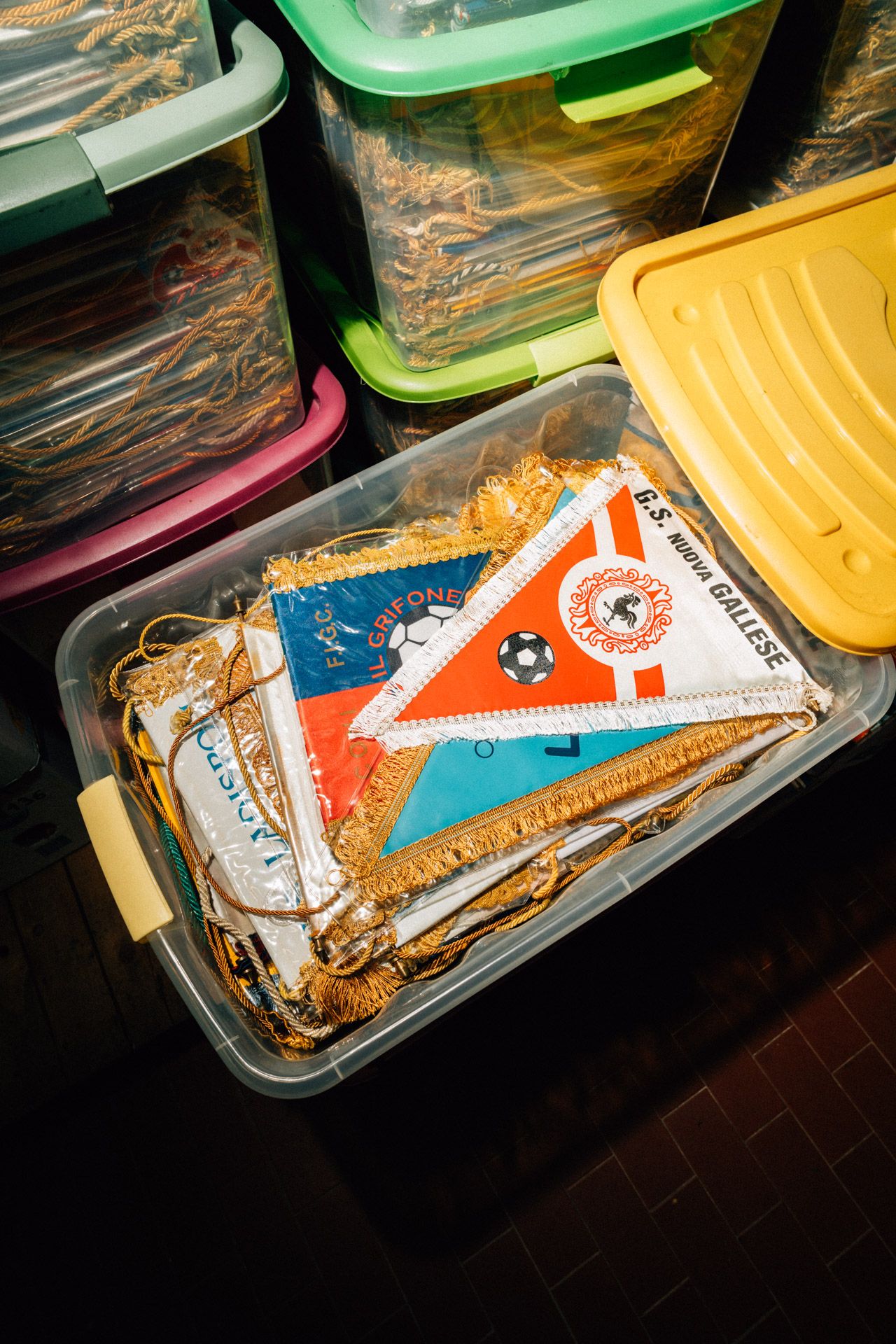
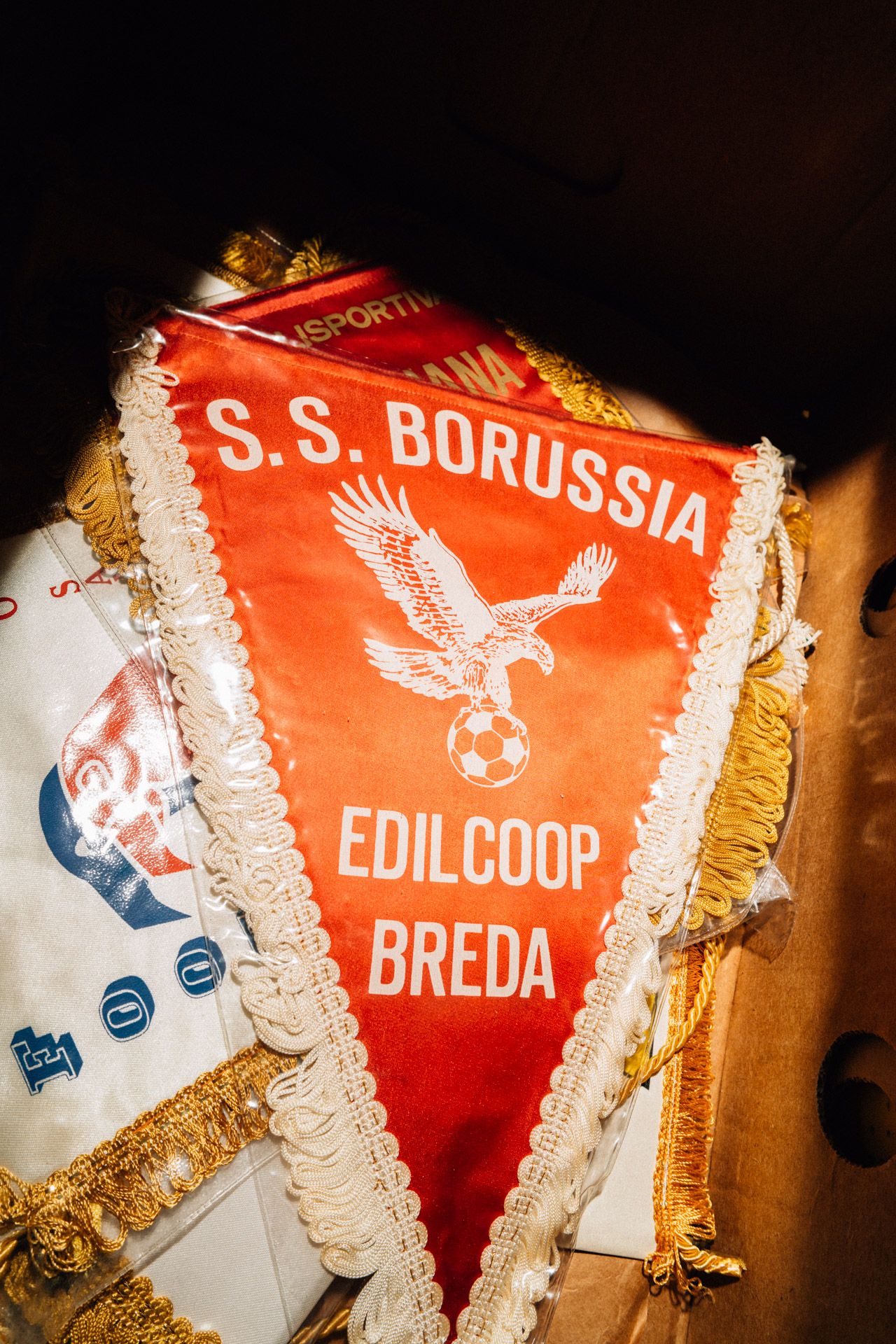
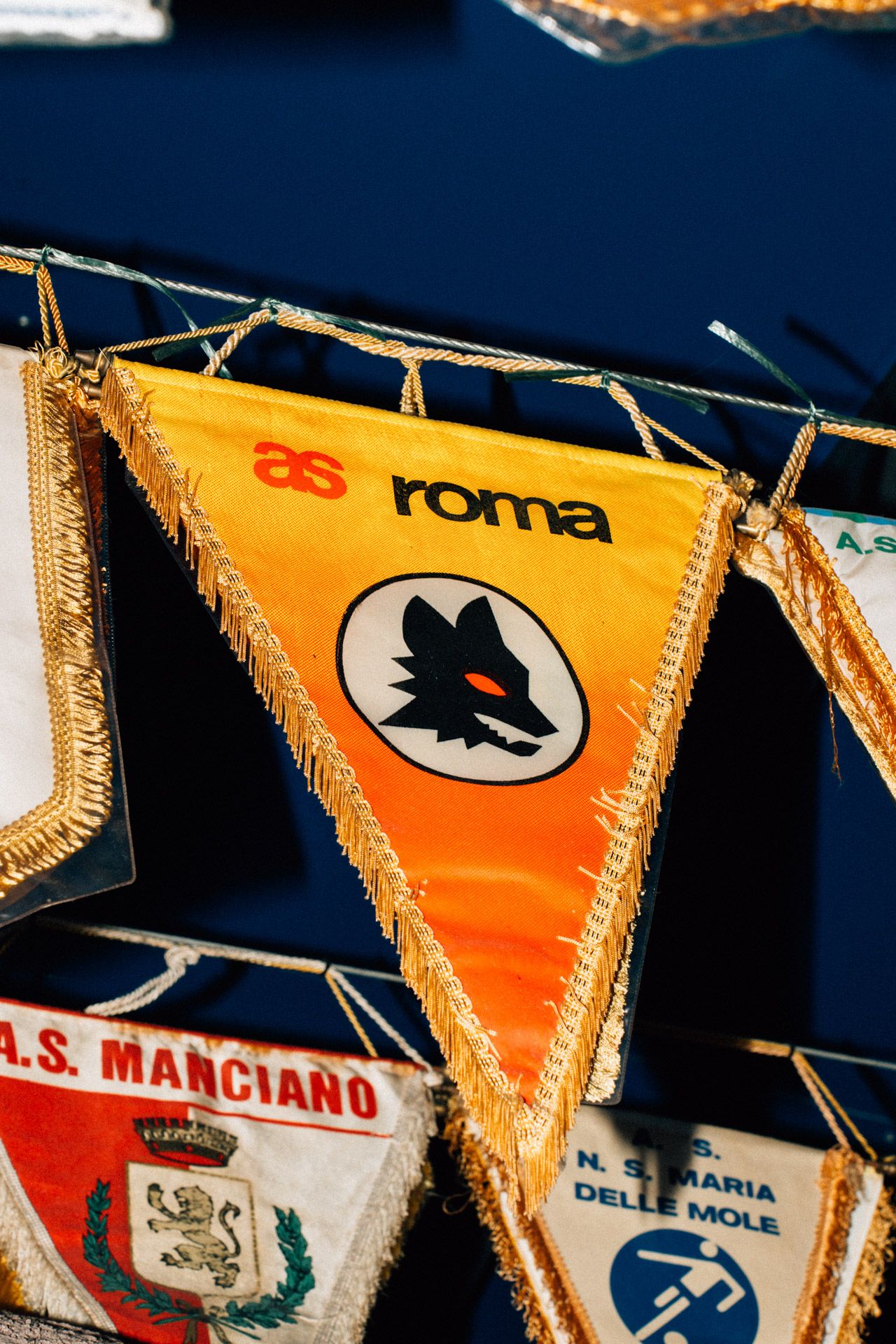
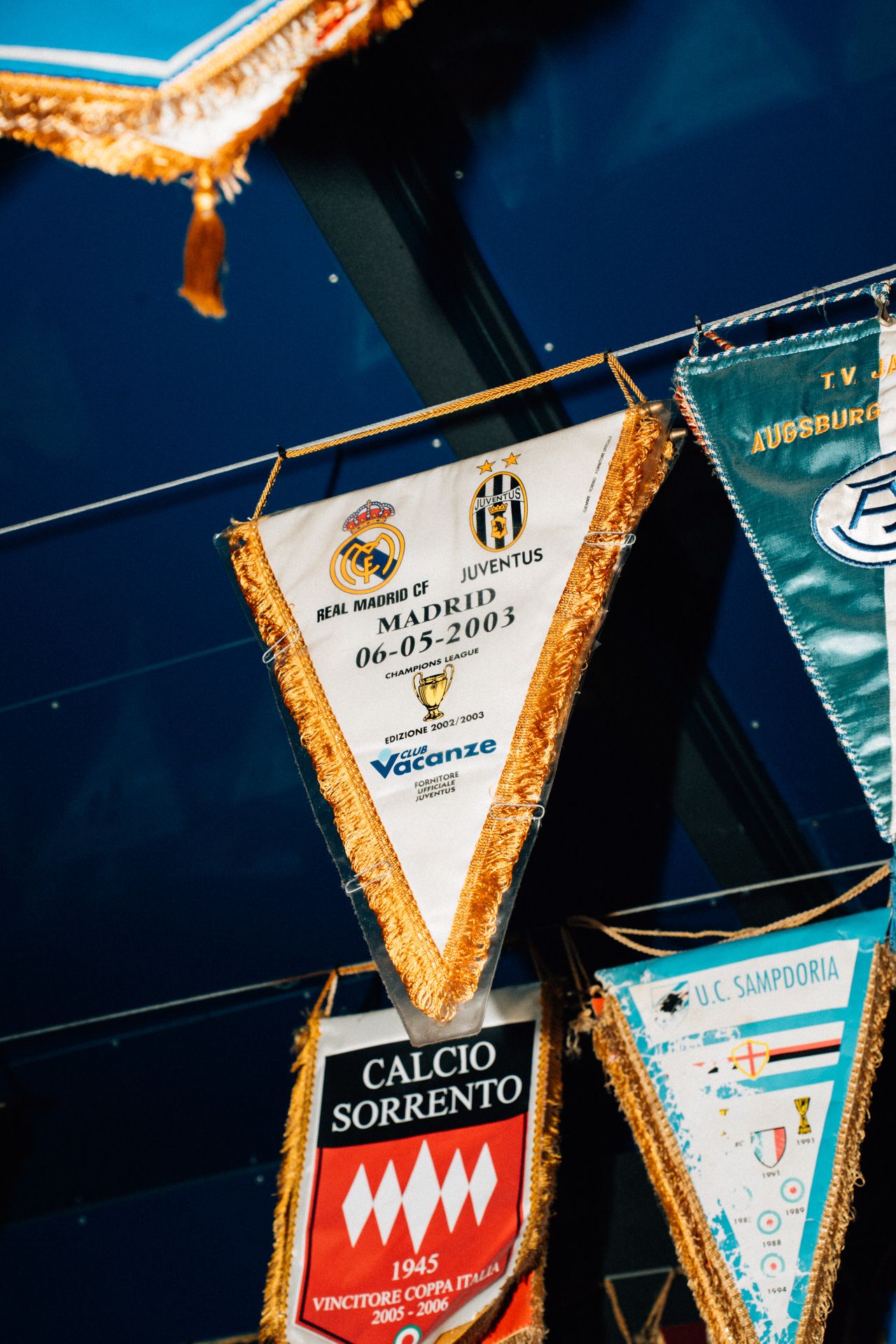
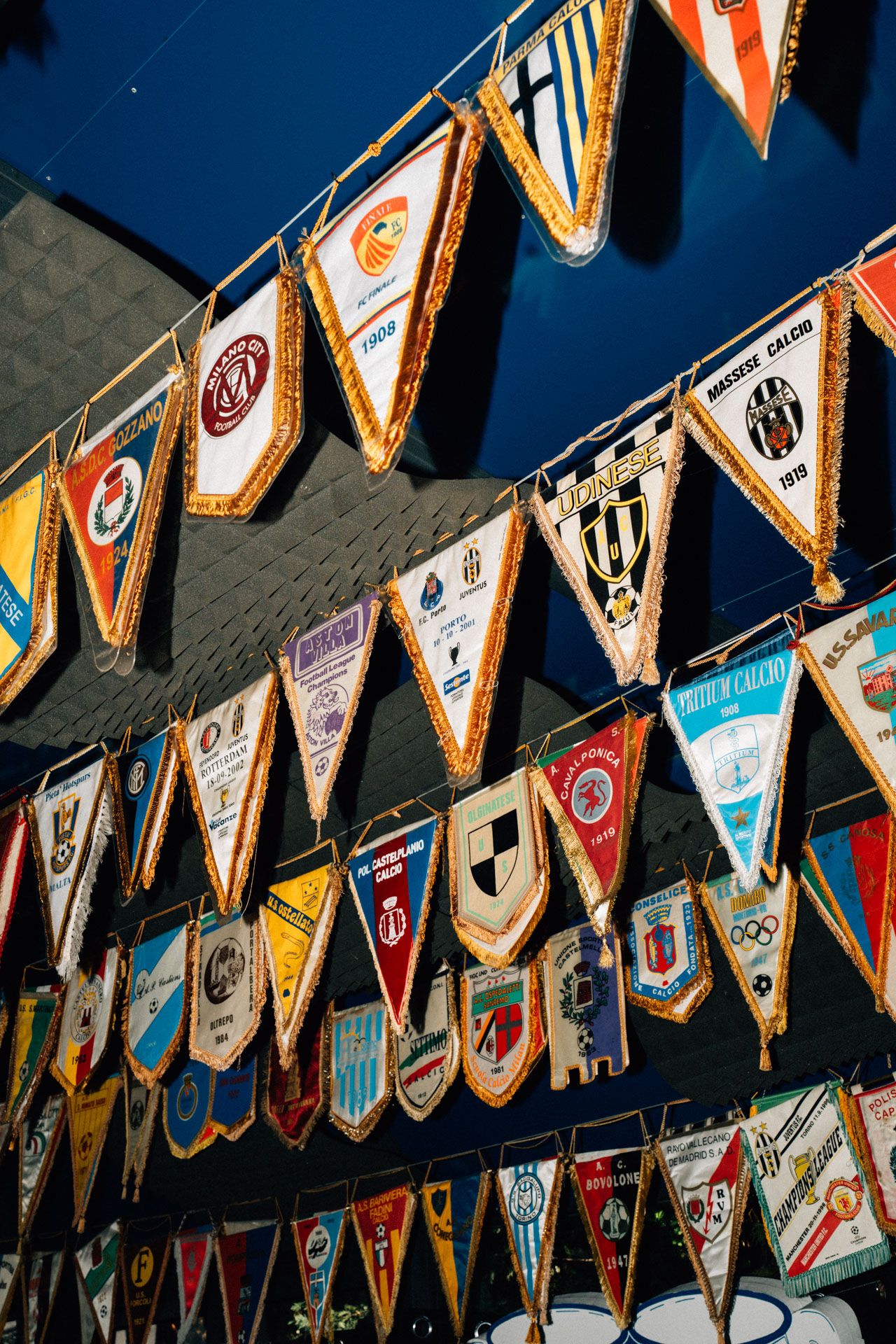
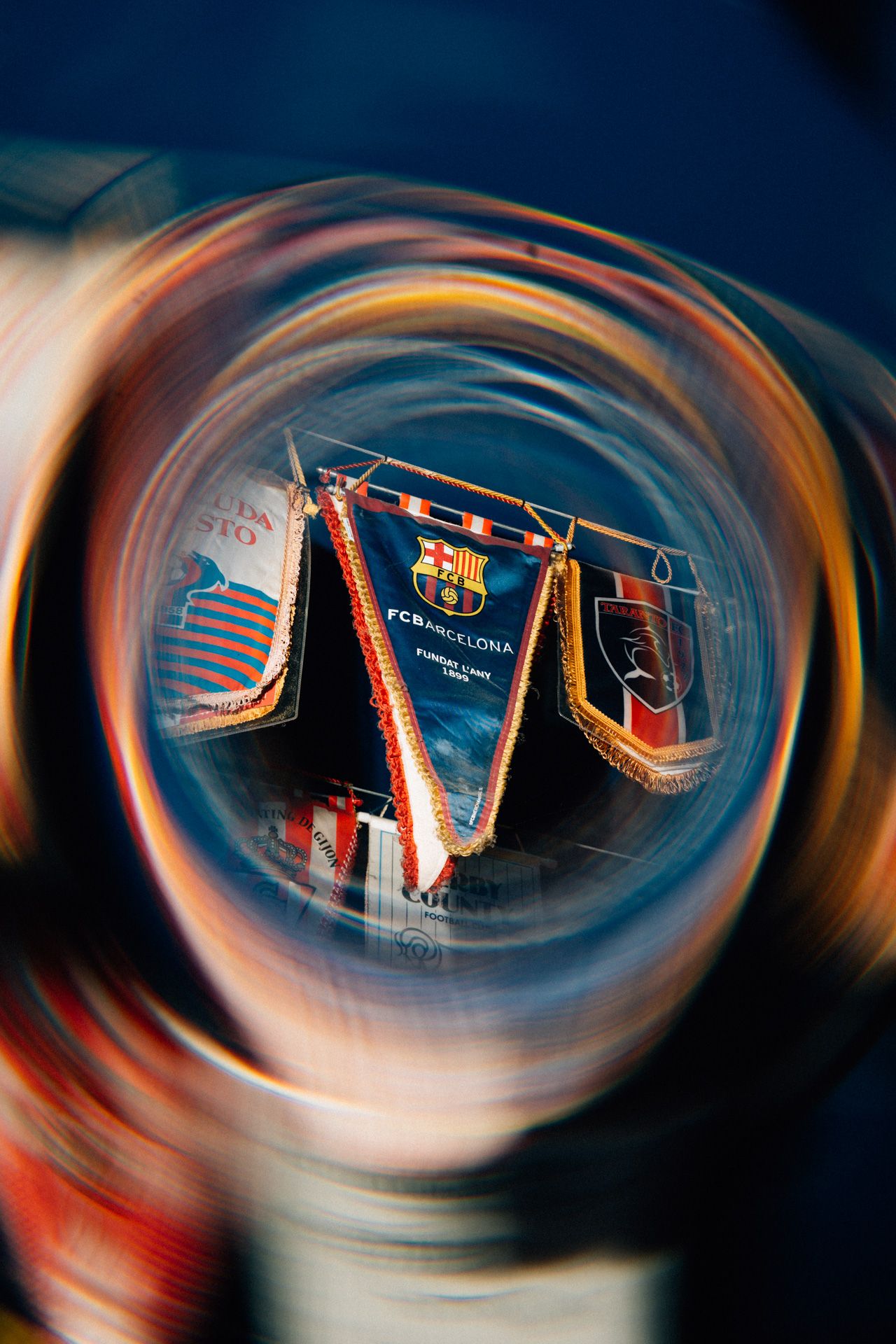
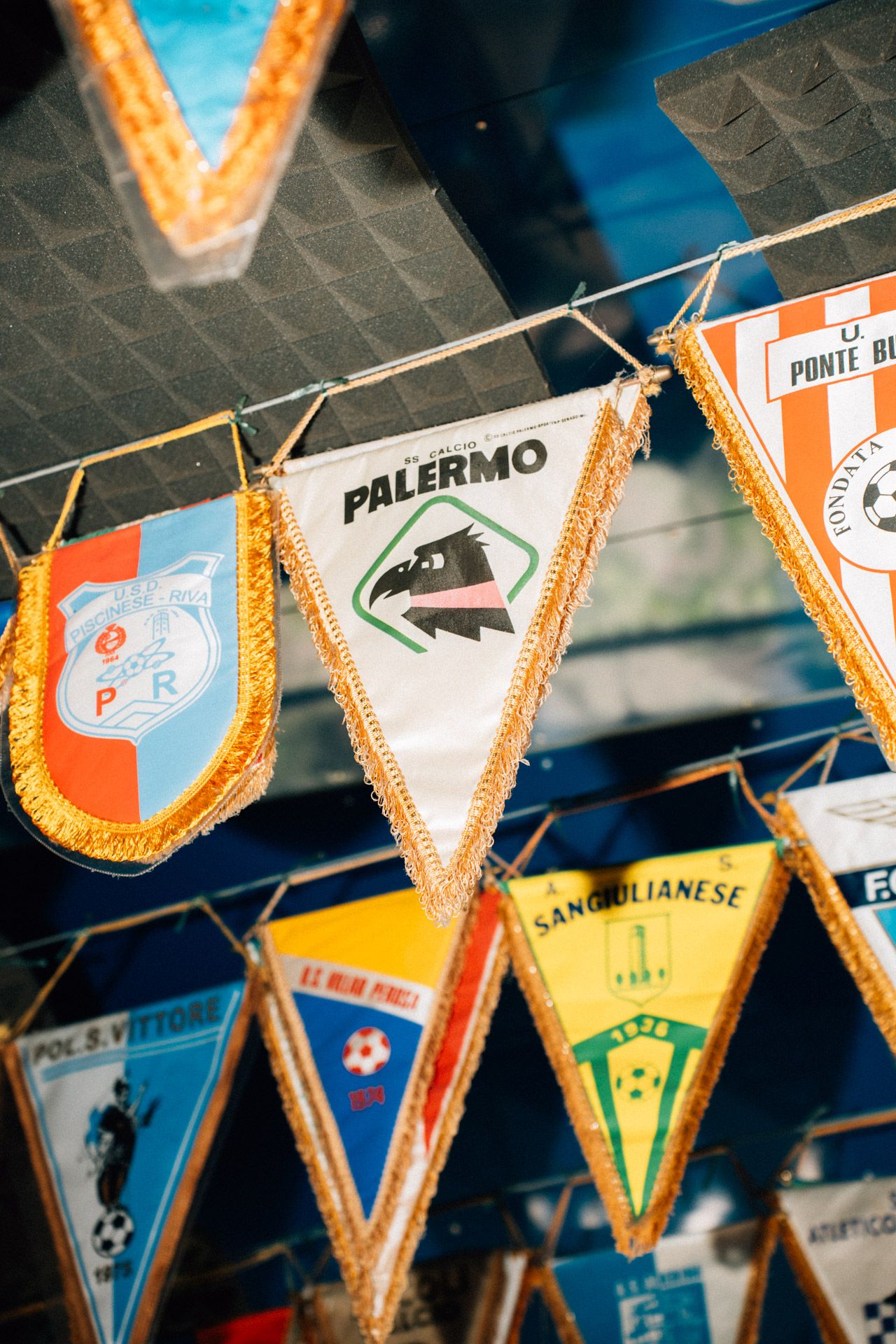
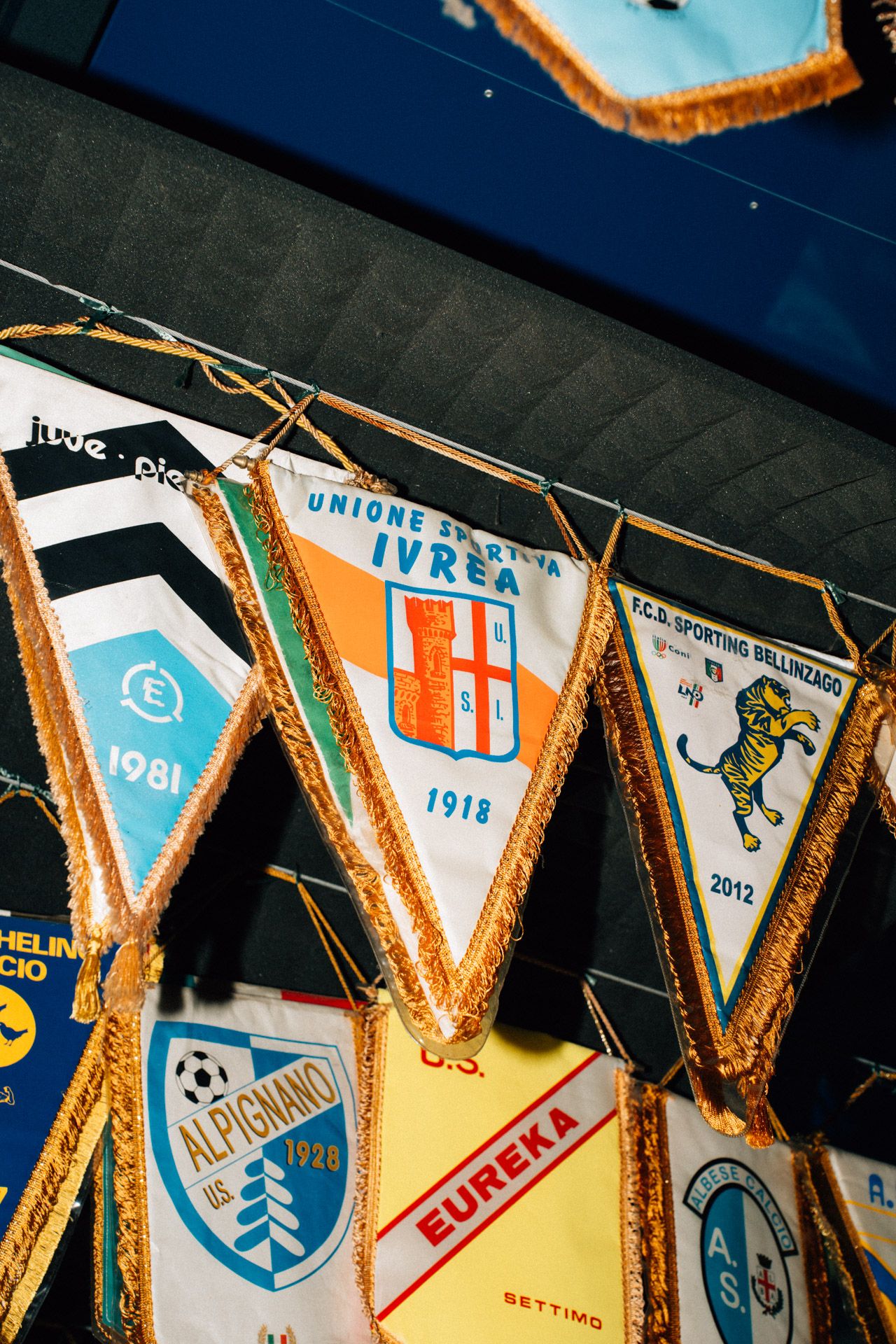
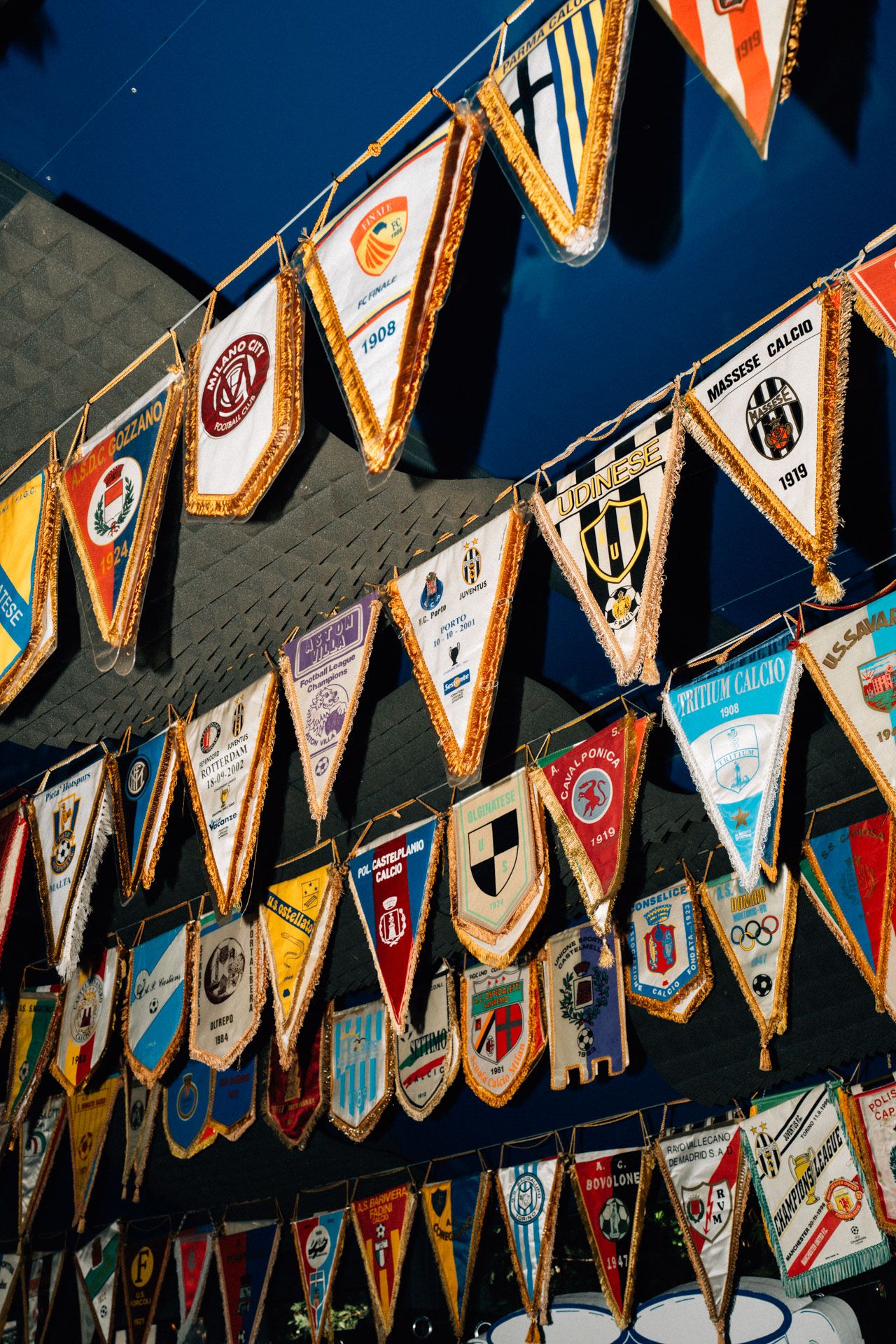
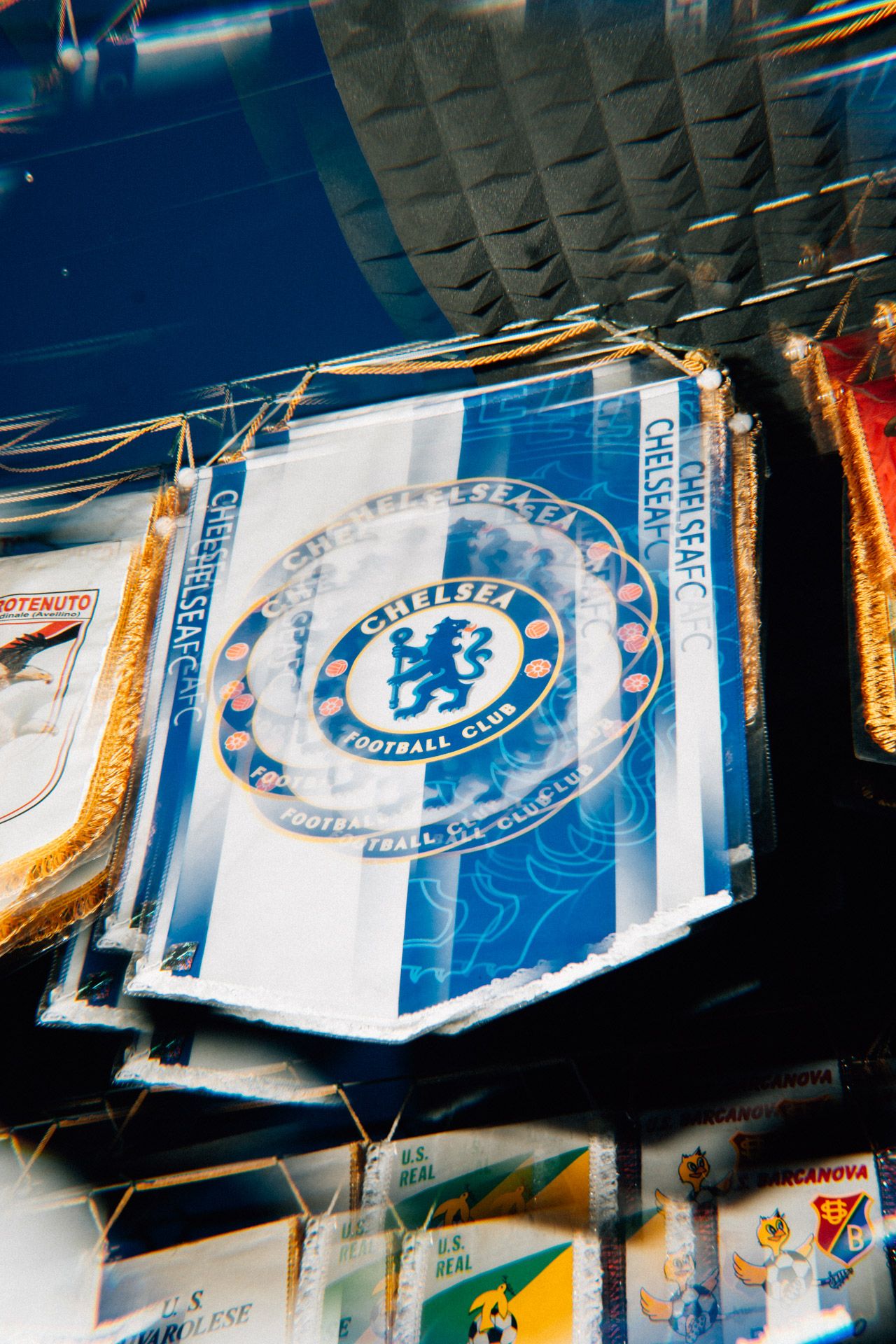
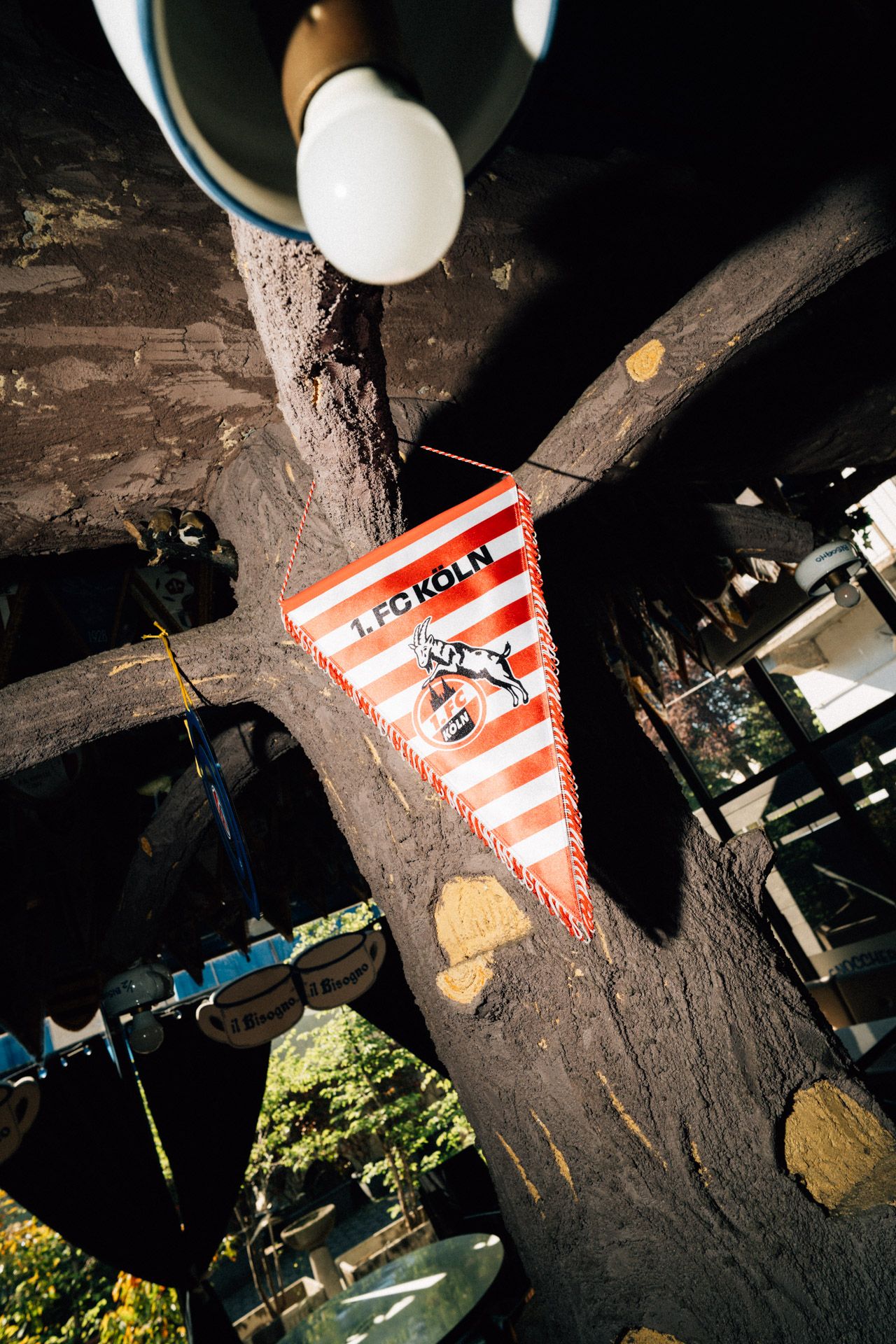
In the classic ritual of a football match, there is a moment when, before kick-off, the two captains greet each other with a handshake and exchange an object as simple as it is immense in symbolic meaning. It is the pennant, a textile handicraft renowned for its refinement and intricate details before undergoing a certain degree of standardisation. These heirs to the banners of past historical eras are permeated by events, while at the same time remaining guardians of indelible sporting stories. Today, within pre-match protocol, this noble custom is gradually fading away, with pennants now exchanged almost exclusively during high-profile fixtures. Yet a new aesthetic renaissance for these extraordinary pieces of football memorabilia is possible — and highly desirable.
The historical origins of pennants
From a historical perspective, pennants partly inherit the tradition of banners, which already existed in Roman times and later throughout medieval Europe. During great military campaigns, imperial armies marched across conquered territories raising standards mounted on horizontal crossbars attached to poles. Their function was one of mutual recognition among different military units as well as distinction from enemy forces. Similarly, they were used by the armies of an ancient Chinese dynasty, believed by many to have invented the modern flag, while others trace the practice back to Egyptian and Indian civilisations. Returning to Europe, during the Middle Ages this tradition expanded further, with banners displayed in varying sizes and for different occasions, such as celebrating the greatness of a kingdom or feudal estate during ceremonies, or demarcating territory. Advancing through the centuries — from banners used by guilds and universities to evangelical missions and naval contexts — we arrive at the second half of the nineteenth century, when football was born in England. Thus, the modern pennant came into existence.
How football adopted the ritual
Founded by the affluent upper classes of Britain, football immediately established its own rules and rituals. It is likely because of the social background of its pioneers that the elegant custom of exchanging pennants between opposing teams emerged. Here the banner changed its meaning, becoming part of the etiquette of sport. The exchange became a prior sign of respect towards the opponent, as well as a symbol of friendship. In Italy too, the practice appears to have been adopted from the very first matches at the end of the nineteenth century. Although it is unclear whether these took the form of pennants or other standards, a newspaper confirmed the presence of banners during what is considered the first football match played in Italy, held on 6 January 1898 between Genoa and a representative side from Turin.
The aesthetic evolution of football pennants
As the football movement grew, traditions such as pennant exchanges also became consolidated during the early decades of the twentieth century. Produced in different sizes, all were characterised by meticulous attention to detail. Until the late 1960s, the search for high-quality fabrics and the various bindings required extensive tailoring work, resulting in unique pieces for every single match. From the 1970s onwards, however, progressive standardisation began to take hold, with pennants now printed and mass-produced, losing some of their originality while preserving the ritual before every game. Only the Covid-19 pandemic temporarily suspended this century-old tradition altogether, although the exchange had already been reduced to major fixtures for several years.
The most unique pennants in football history
As mentioned, the variety of pennants — in both production methods and composition — is endless. If one were to identify certain conventions, several essential elements emerge: embroidered fabric, a hanging cord, golden fringes and a rod. Beyond these, the use of materials evolved over the years from simple canvas to synthetic fabrics, while shapes ranged from shields to triangles and rectangles. Differences were also evident across continents: traditionally in Europe pennants were often bordered, whereas in South America — where football and its accessories inspire famously boundless passion — they were screen-printed. The most common exchange took place between captains, though a rarer practice, now obsolete, once saw each player present a much smaller pennant to his opposite number.
There are also pennants which, in recent years, have captured the imagination of football aesthetes for breaking away from classic conventions and demonstrating a kind of evolution of the object itself. In Chile, for example, Palestino, a club founded by the Palestinian community in 1920, honoured every opponent last season with a pennant containing a fragment of rubble from the Gaza Strip embedded within its surface. Meanwhile Virtus Entella, newly promoted to Serie B, maintained the ritual during the current campaign but replaced the pennant entirely: instead, they present an AlterEgo, a small painted resin sculpture created by artist Alessandro Piano.
Finally, it is impossible not to mention the pennant carried by Uruguay onto the pitch for the friendly against England at Wembley during the March international break. Entirely crafted in metal, it features a shield with La Celeste’s crest at the centre, a mesh support and a handle with a bronze Swoosh. Part of Nike’s “Born to Fight” campaign, it is a one-of-a-kind rarity that could breathe new life into this ancient art.
Iconic Stories
A pennant on the Moon? So it seems, according to Neil Armstrong himself, one of the three members of the Apollo 11 crew that landed on the lunar surface on 20 July 1969. Independiente de Avellaneda, the Argentine club, wanted to play a co-starring role in the historic achievement through an extraordinarily forward-thinking marketing move. With the help of the American embassy, the club’s board arranged for Armstrong, Aldrin and Collins to become official members of the club a few months before the mission. “If these men are to become the greatest heroes of the century, then they must be members of Independiente”, explained El Rojo’s press officer. The ultimate goal was to have some object connected to the club taken into orbit, and so a pennant was sent to the astronauts. Although no photographic evidence conclusively proves it, during a later meeting Armstrong personally confirmed it: Independiente’s banderín was aboard Apollo 11 and brought tremendous luck.
More recently, during the World Cup play-off semi-final between Jamaica and New Caledonia, the New Caledonian captain handed over not only a pennant, but also a circular piece of local craftsmanship, hollow inside and featuring a symbol at its centre. What resembled a giant dreamcatcher was initially refused by the Jamaican captain, who believed it to be an attempt at witchcraft. From those who excessively honour their opponents to those who offer nothing at all in return: this happened during the fifth round of the 2017 FA Cup between Sutton United and Arsenal. While the captain of the then National League side presented his club’s pennant to the opposition, Theo Walcott arrived empty-handed, sparking a media storm around the Gunners, accused of lacking class.
The World of Collectors
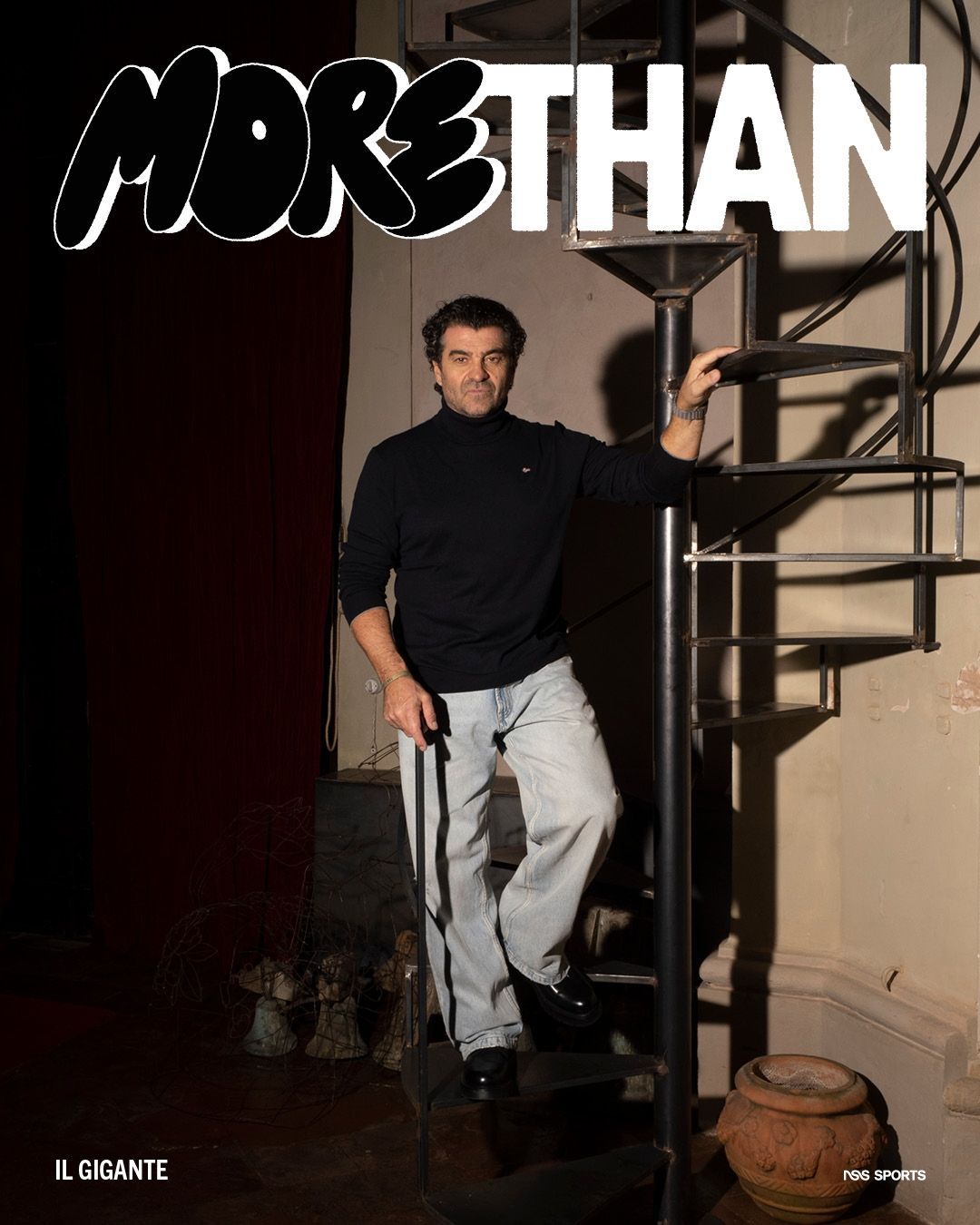
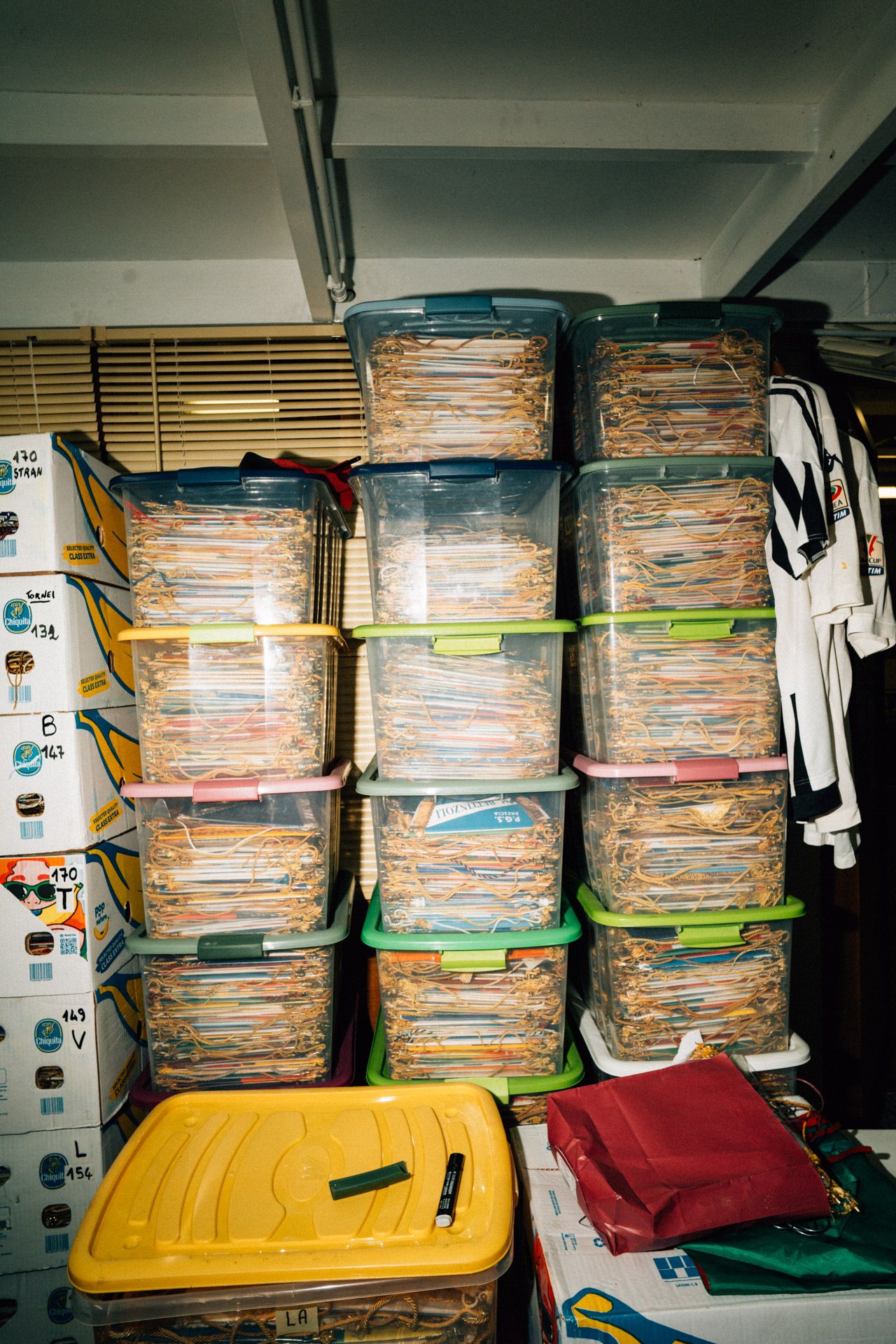
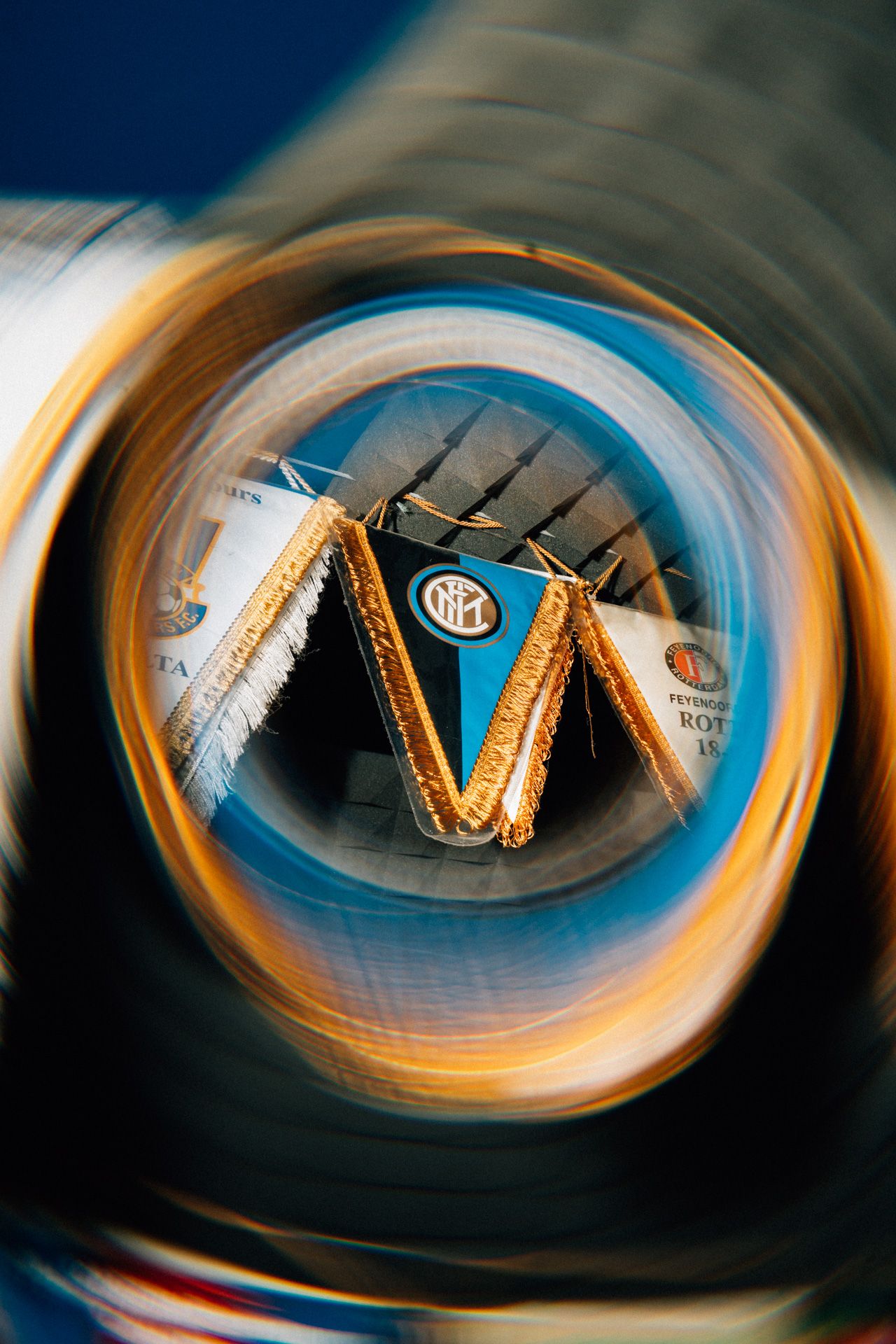
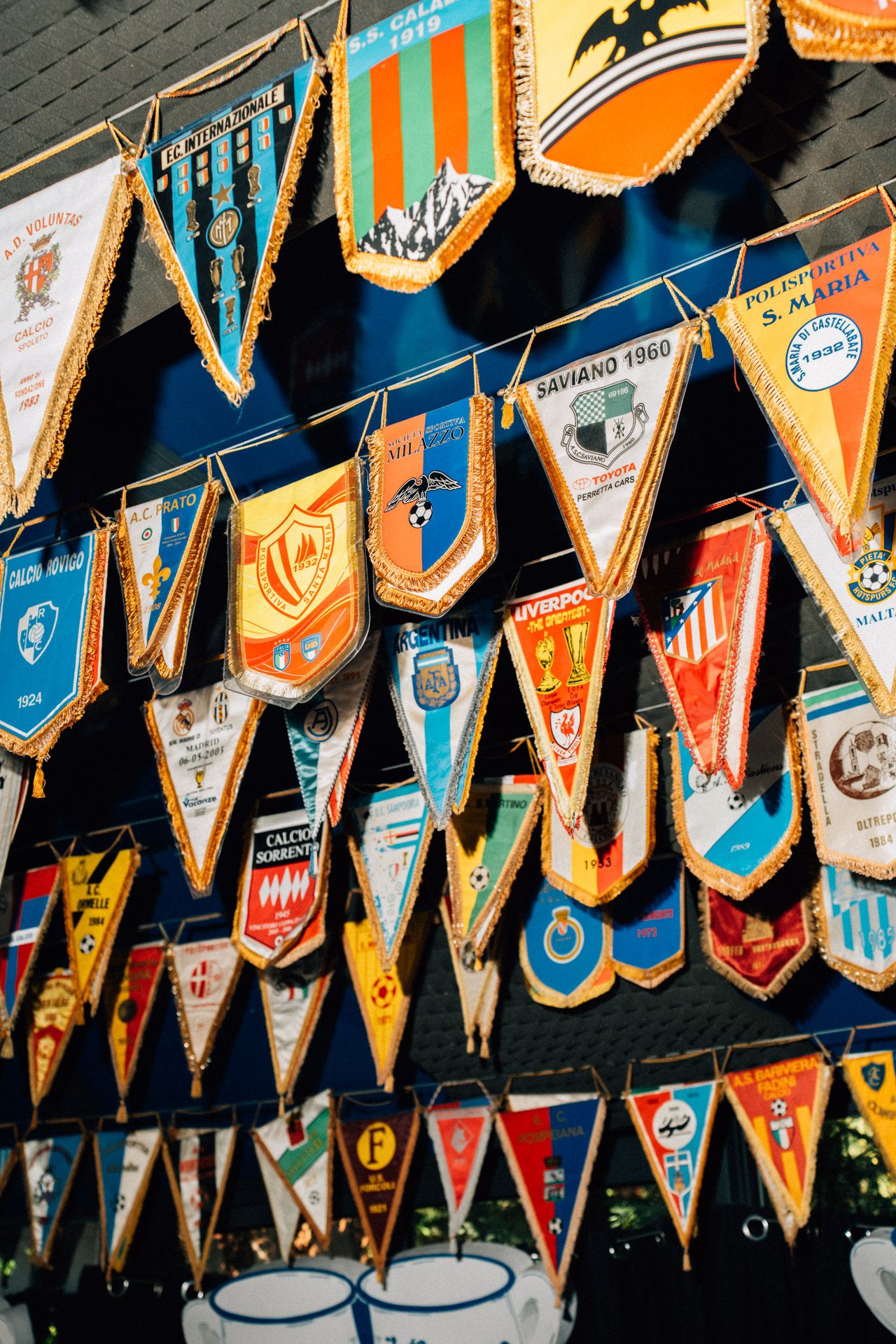
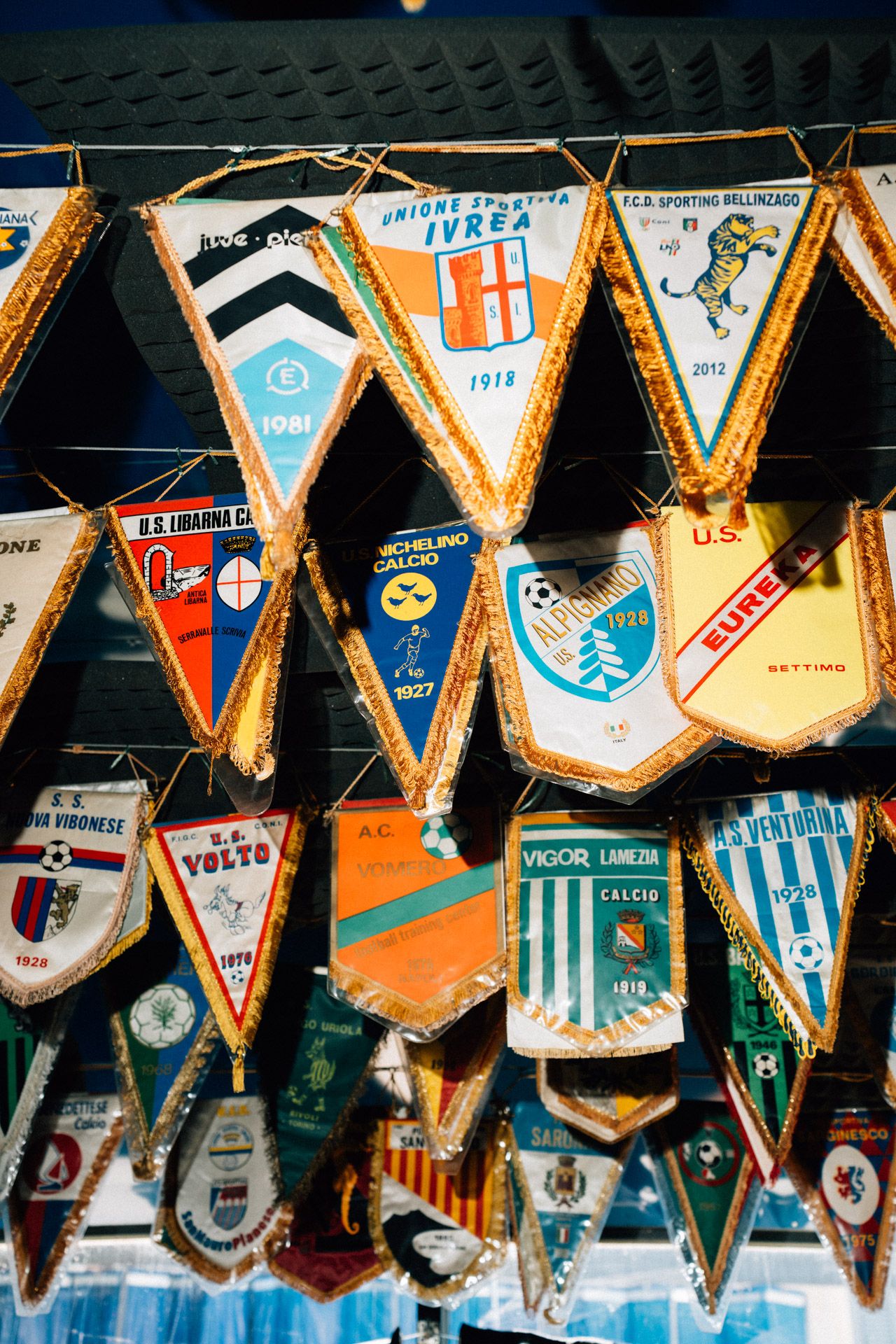
With such vast and distinctive production, it was inevitable that the world of collecting would develop a niche dedicated to hunting pennants. Individuals with collections numbering in the thousands proudly display their selections, creating a borderless network connecting collectors and football clubs alike. In Italy, Marco Cianfanelli created the digital archive Pennants Museum, where his collection of more than 11,500 pieces is catalogued with descriptive captions for each pennant. If the qualitative record belongs to him — as custodian of numerous pennants from football’s earliest years — then quantitatively the collection of Pino Palese is unmatched: 20,000 examples carefully preserved and catalogued one by one inside a warehouse. We met him at his restaurant and beer hall “Il Bisogno”, a landmark venue in Rivoli on the outskirts of Turin. Frequented by former footballers, executives and curious visitors alike, it truly is a world of its own.
Pino, when did you begin collecting pennants?
“I started during high school, in 1975, thanks to one of my classmates. Her family needed to get rid of several boxes and, knowing my passion for football, she gave me some containing curious objects: they were pennants collected by her father, who worked as a referee. Among them was a remarkable Treviso pennant.”
How does the hunt for pennants work?
“You send emails to football clubs, travel around provincial grounds and build a network of contacts aware of your passion. Only once have I ever paid for a pennant; generally I dislike the buying and selling that takes place on certain online platforms. It loses the true spirit of collecting and research, which should never be about profit. More often, pennants are bartered with people you meet through dedicated Facebook groups, or local club directors turn up directly at the restaurant to donate collections that would otherwise be lost.”
Do clubs not preserve them?
“Unfortunately not always. In fact, many pennants I recovered just in time, intercepting them while they were about to be thrown away. Once I even retrieved them from inside rubbish bins. Luckily, it was a public holiday and the refuse collectors had not yet arrived…”
How does one reach 20,000 pennants?
“Over the course of around fifty years of collecting, I have amassed a collection of 13,000 items. It grew thanks to a fellow collector who stopped collecting for personal reasons and thought of me so that the collection might live on. As a result, my collection has grown from 13,000 to around 20,000 items.”
Where do you keep the collection?
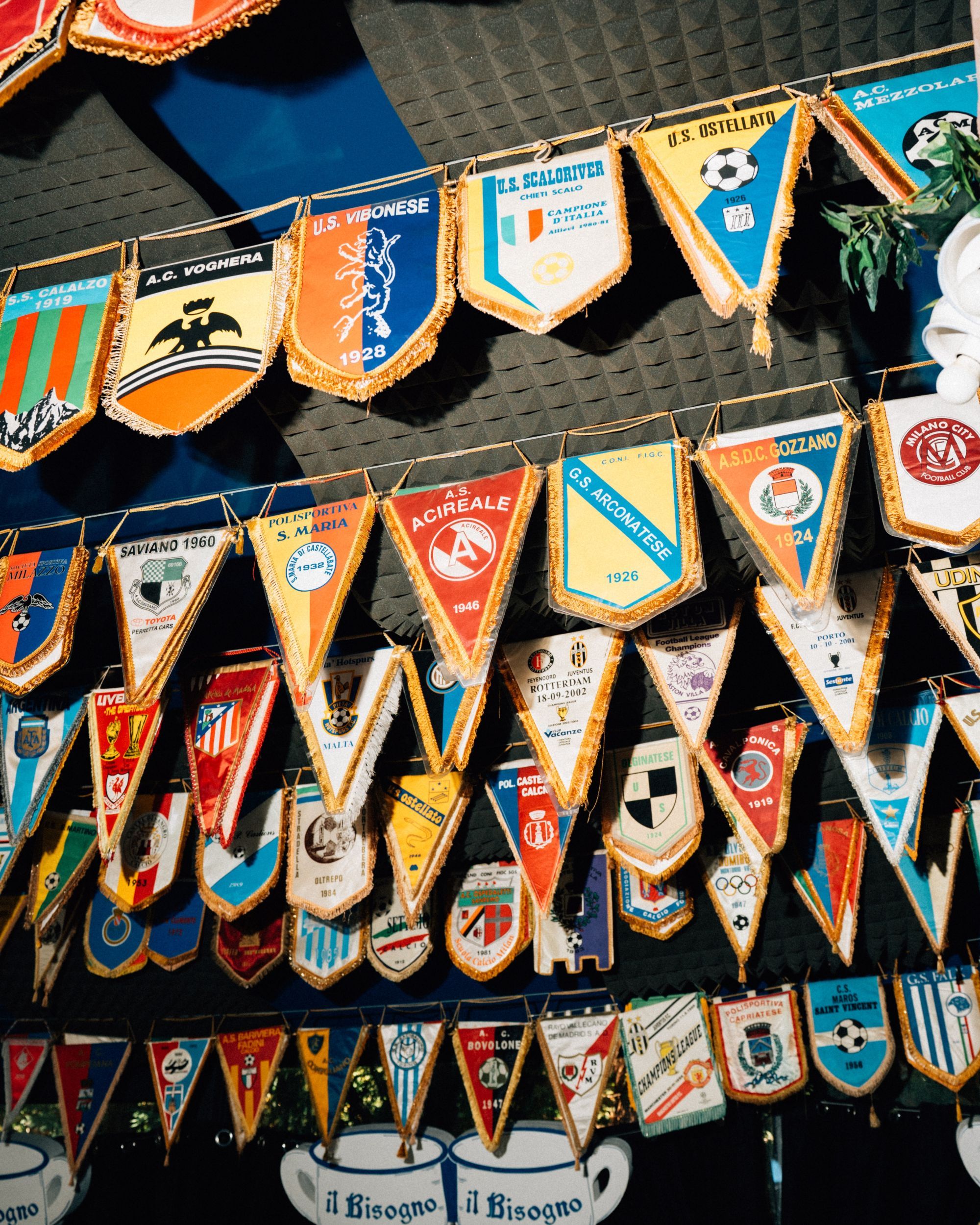
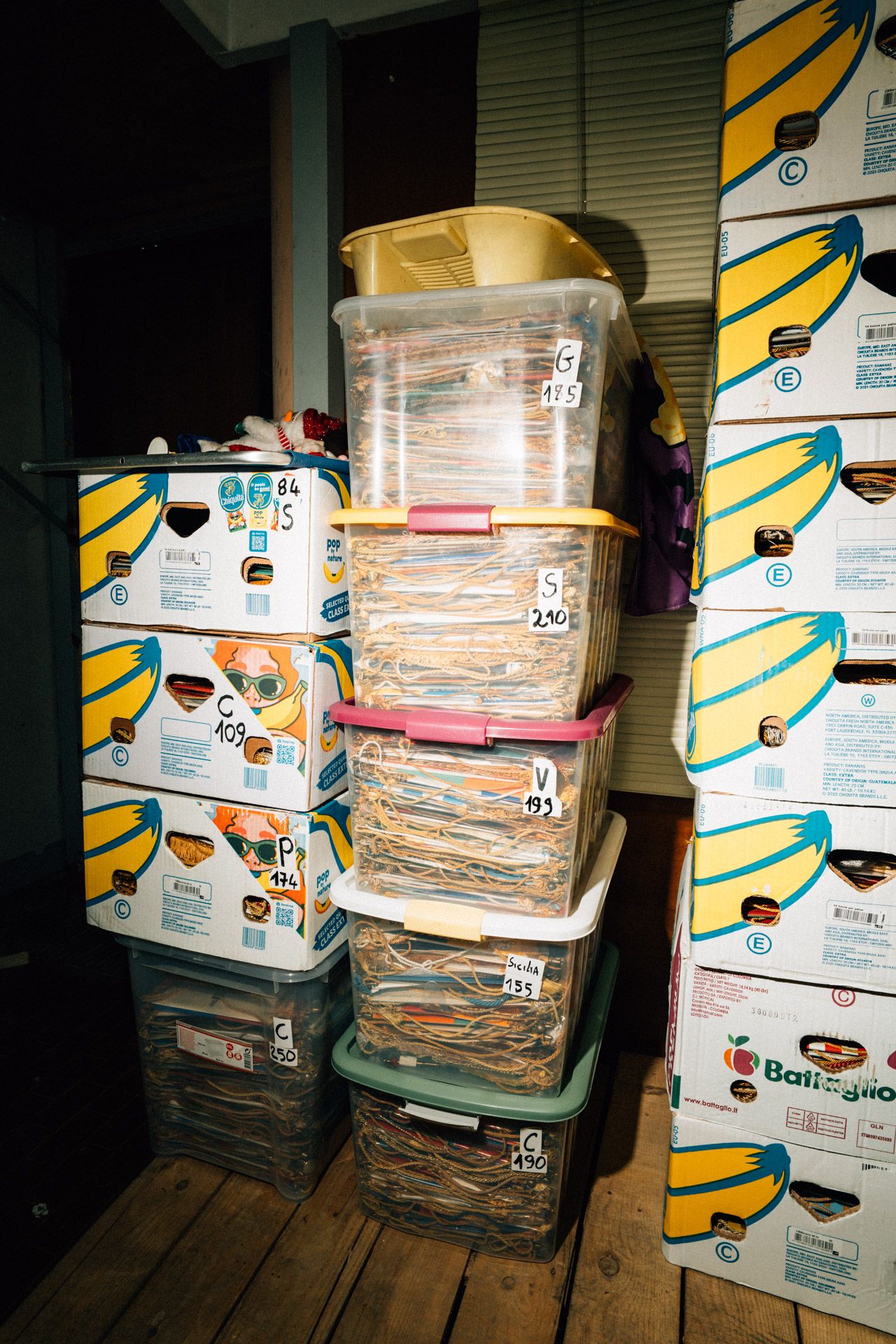
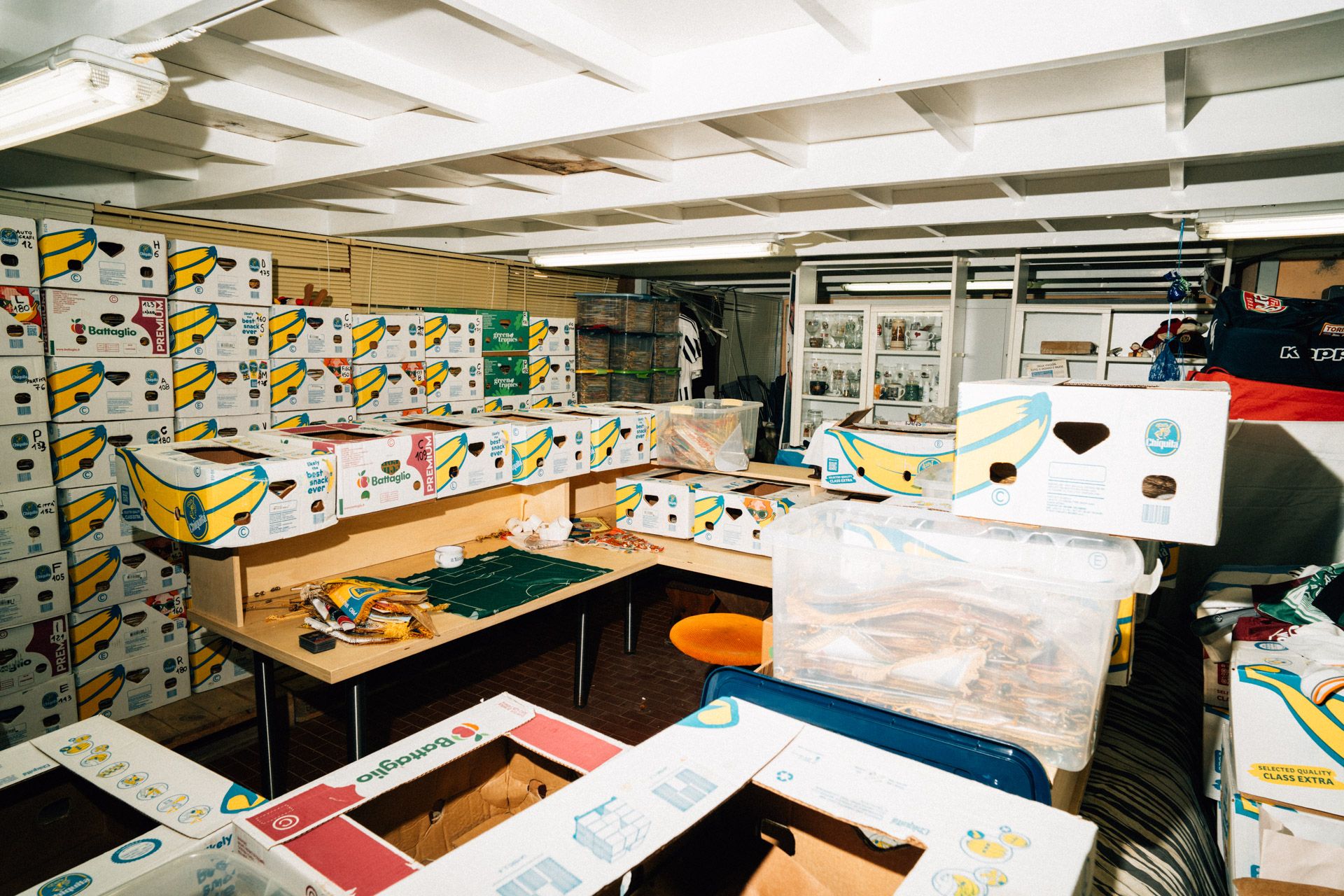
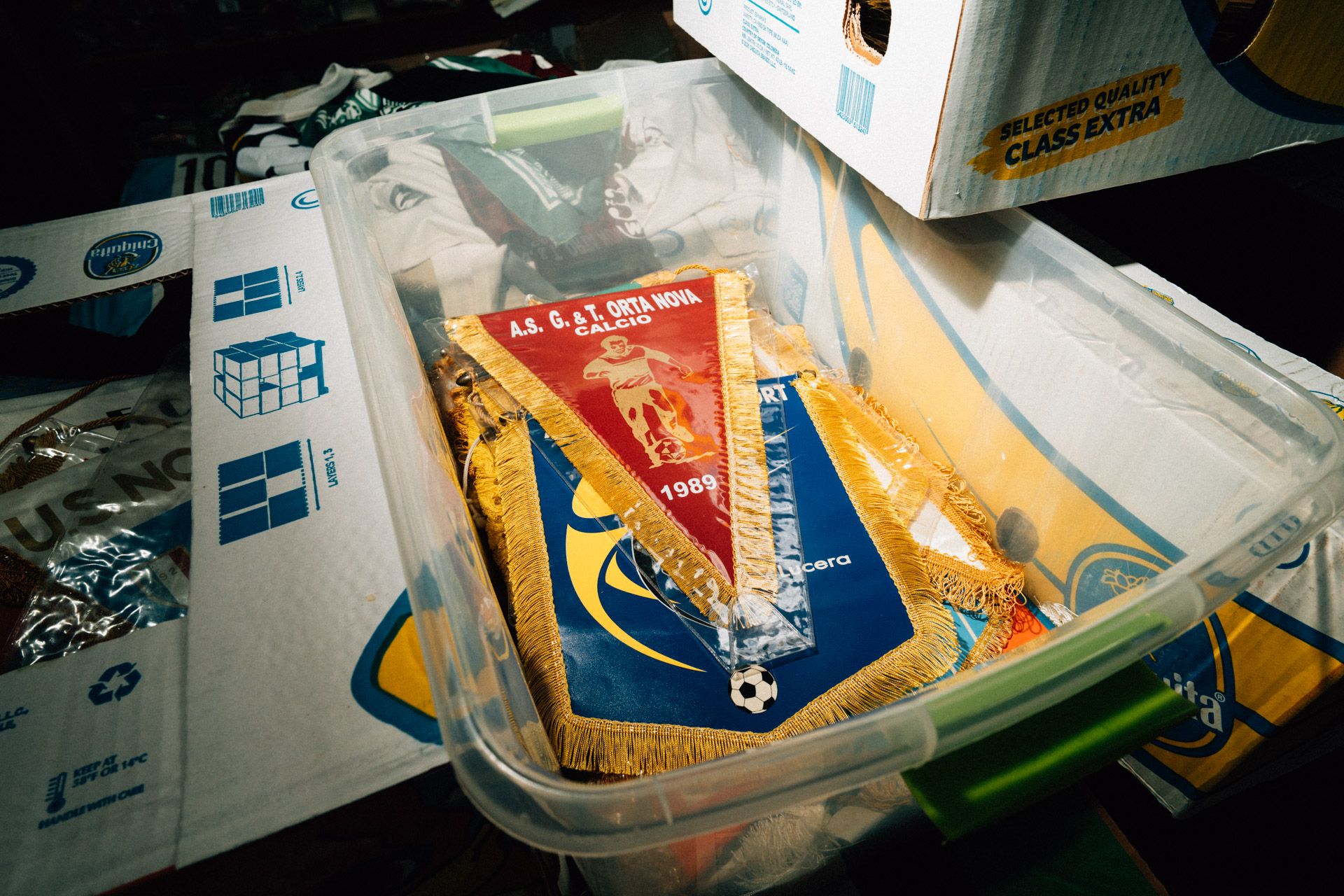
“Around 1,400 of them hang from the ceiling of the restaurant’s wooden dining room and can be admired by customers. The rest are stored in a warehouse, where I am gradually recataloguing them. I keep them in Chiquita banana boxes sourced from the market by one of my restaurant suppliers. It was a smart choice: they are rigid enough and, above all, they have perfect ventilation holes that allow the pennants to breathe and avoid deterioration.”
Which is the oldest piece you own?
“A Novara pennant from the early twentieth century is probably the oldest. And to think I was about to throw it away because it was in poor condition, before learning its true value.”
How does this obsession make you feel?
“Beyond being driven by immense passion, my pennant collection is my place of peace. When I enter the room where they all hang from the ceiling, I sit alone looking at them and completely relax.”
Today, social forums help collectors maintain old contacts and create new ones, while platforms such as Vinted and others have introduced faster and more immediate ways of purchasing, albeit removing some of the romance of the search itself. Especially in previous decades, pennants were often hung on the walls or behind the counters of sports bars and supporters’ meeting places — or virtually everywhere, as still happens today in the historic Café El Banderín of Buenos Aires, yet another symbol of a dense and timeless passion.