The history and the charm of Route du Rhum One of the most compelling races in ocean sailing
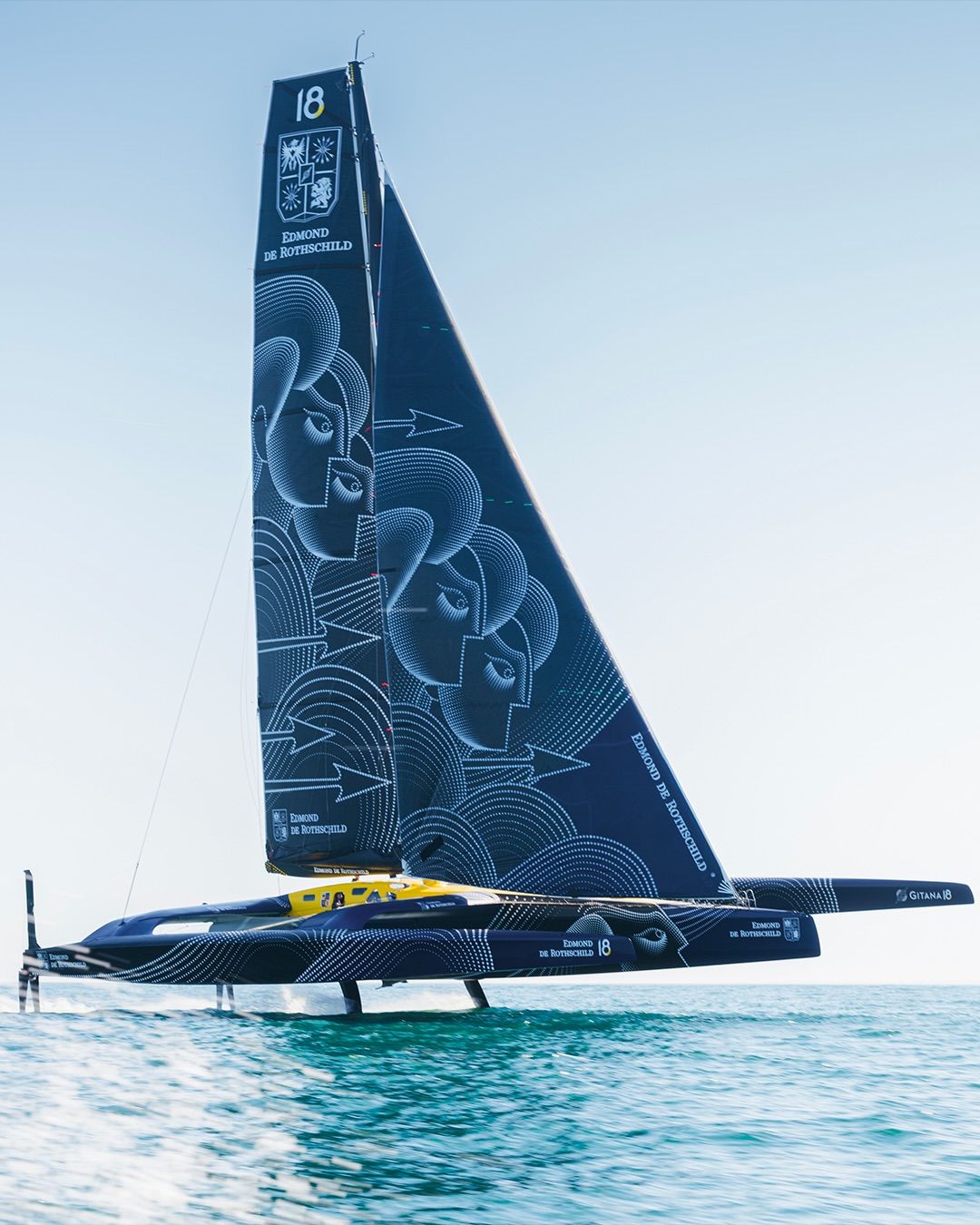
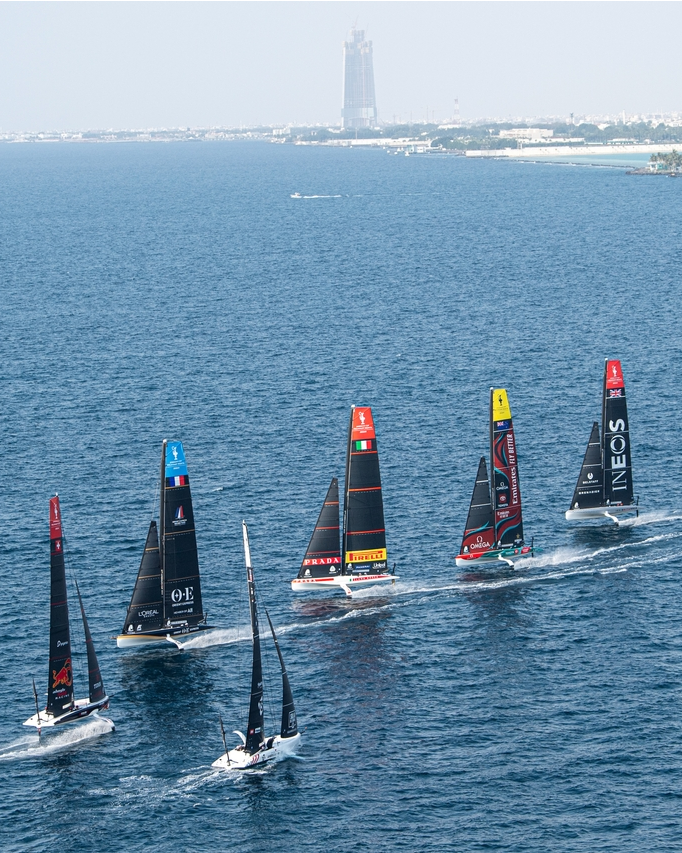
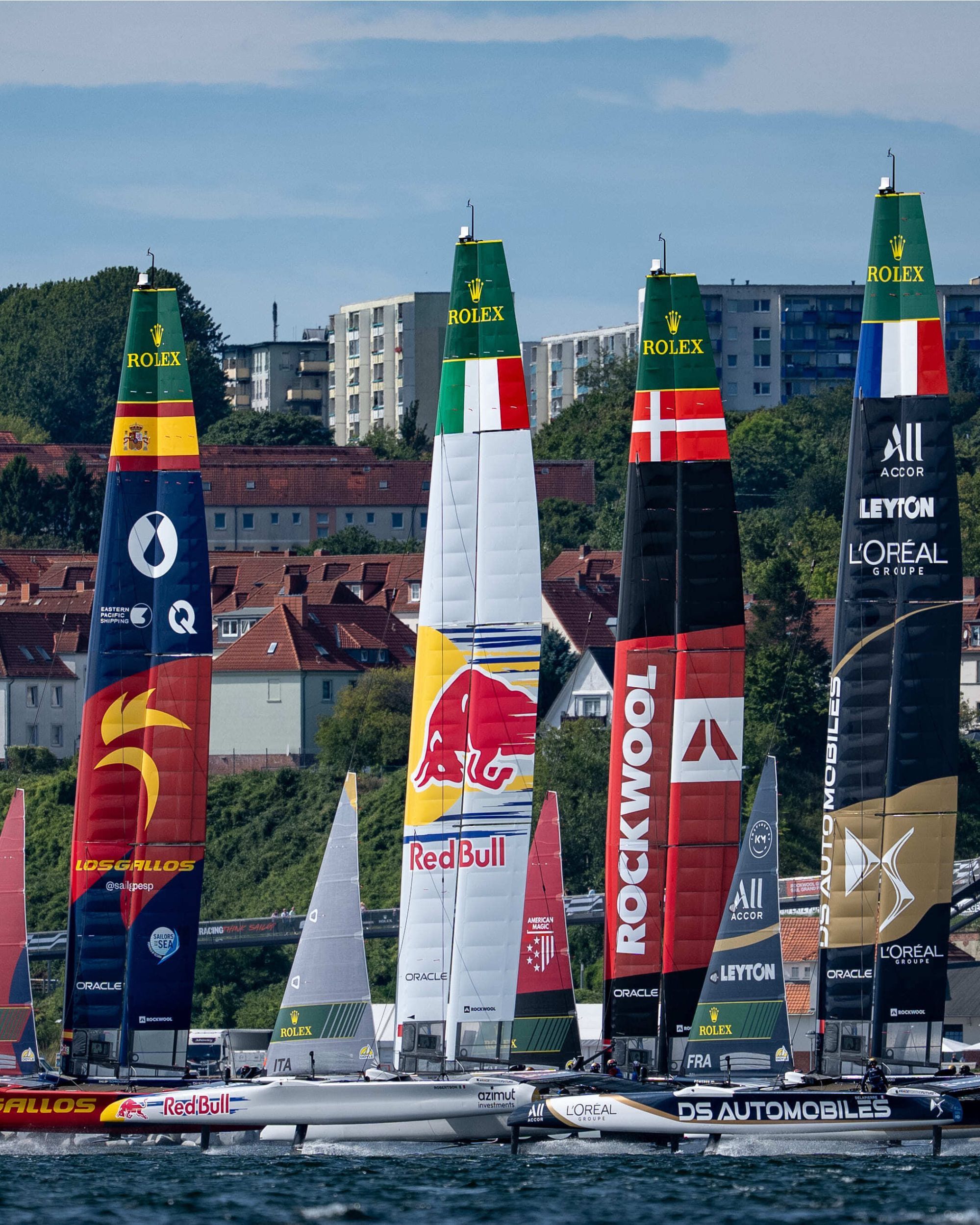
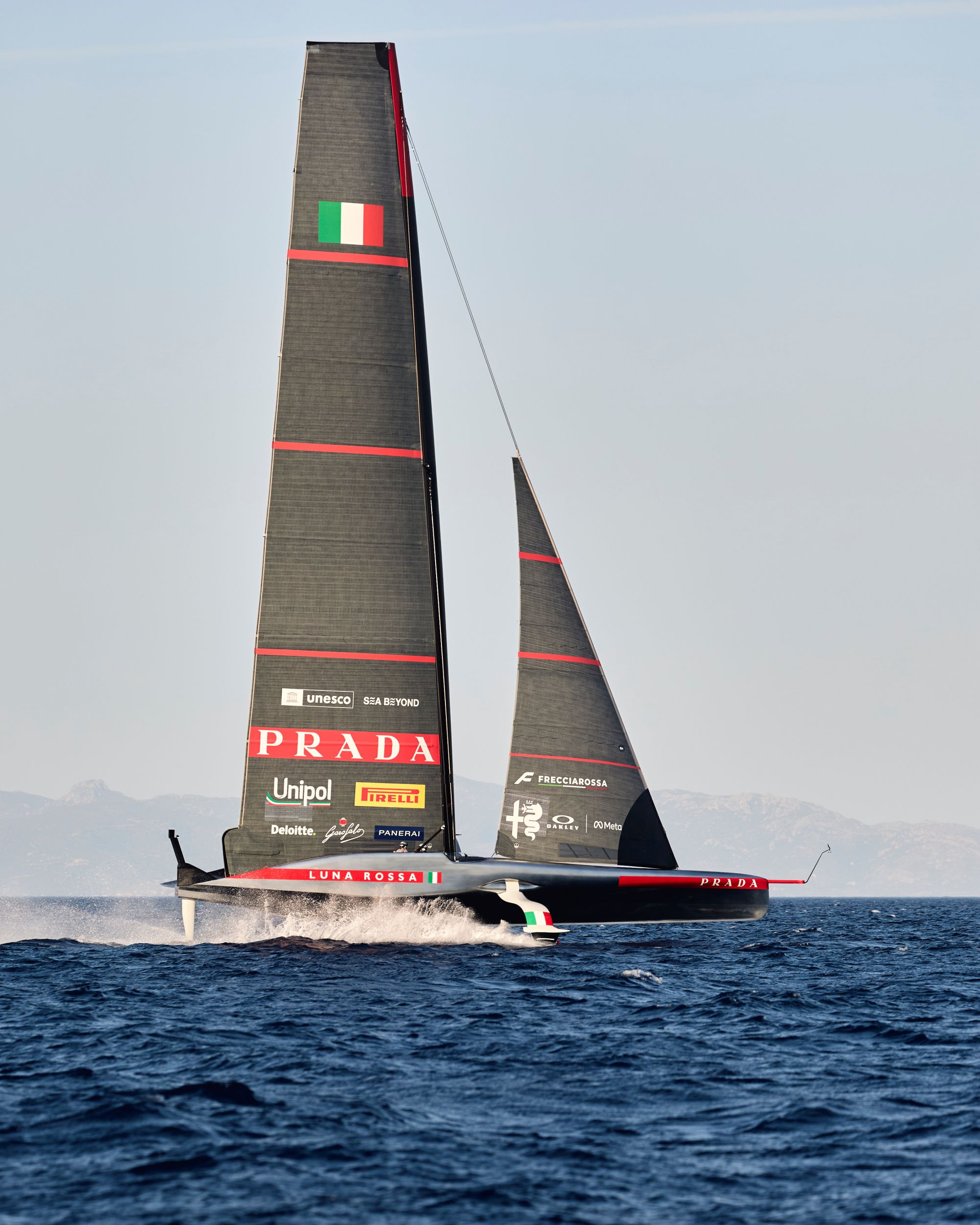
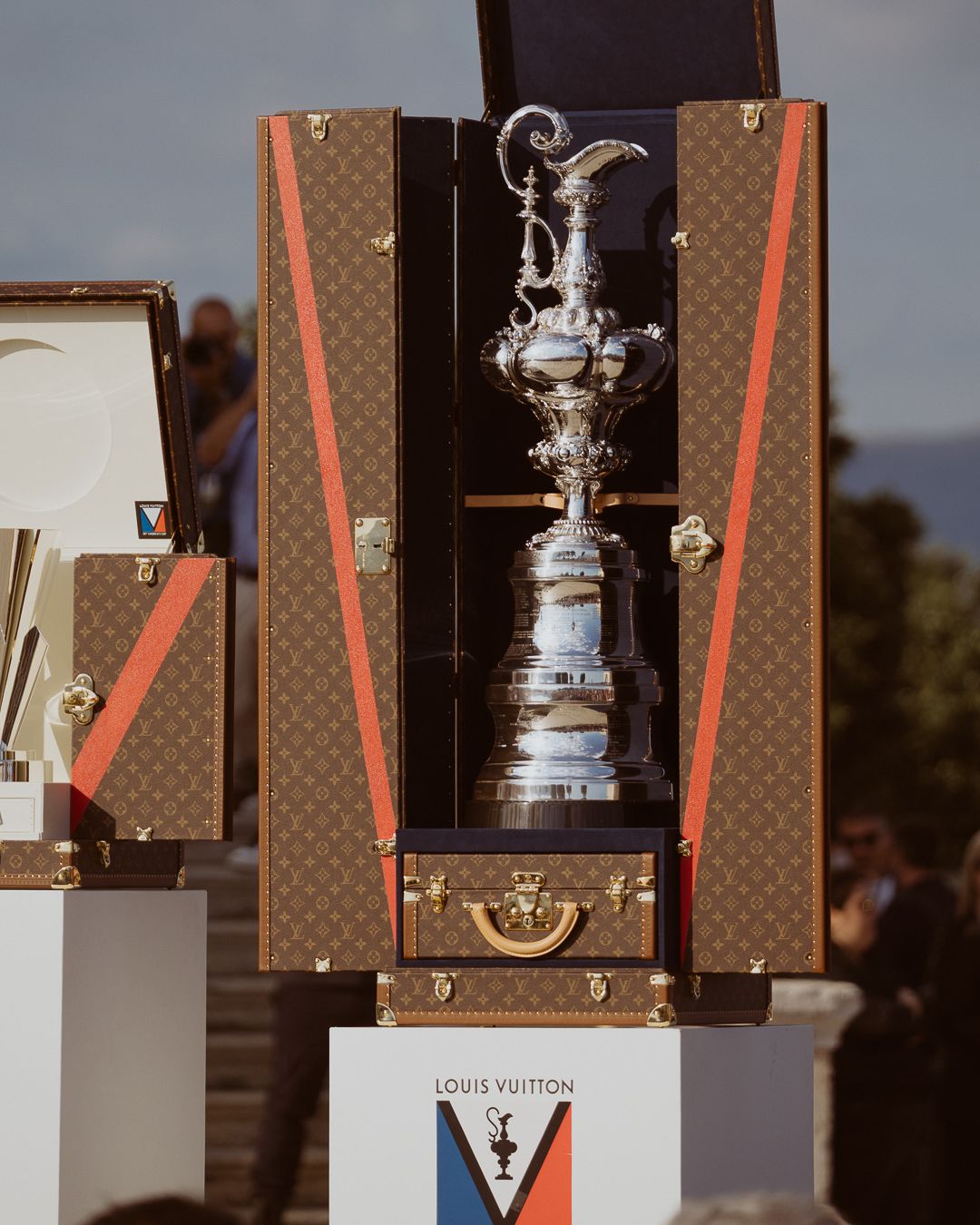
The world’s fastest sailing competitions, namely the America’s Cup and SailGP, have more in common with motorsport than one might think. Both take place within a defined course, aboard highly sophisticated vessels that are constantly being upgraded, with sailors guided by instructions from a team on shore. These are all features they share particularly with Formula 1. This format, broken down into short, tightly defined events in both spatial and temporal terms, is helping to boost the popularity of a sport like sailing, making it better suited to digital content and even to today's ever-shorter attention spans. At the same time, however, it risks overshadowing a more gruelling and fascinating form of competition: the ocean crossing.
With water covering more than seventy per cent of the Earth's surface, the competitive spirit of sailing has given rise to transoceanic races. The first Great Transatlantic Race dates back to 1866. What began as a wager eventually evolved into a contest between three schooners, which set off from Sandy Hook, New Jersey, and headed for the Needles Lighthouse on the Isle of Wight, England. In 1905, the Kaiser’s Cup also departed from Sandy Hook. This historic race was established by Kaiser Wilhelm II of Germany, who sponsored the yacht Hamburg, which finished second behind the schooner Atlantic.
Over the years, these races have developed into an increasingly structured format, particularly with the advent of the Single-handed Trans-Atlantic Race (STAR) in 1960. Sponsored in its inaugural edition by the newspaper The Observer, it became known as the O-STAR. Held every four years, the race connected Plymouth, England, with Newport, Rhode Island, and made history as the first solo transatlantic sailing competition. In the modern era, several major events have since emerged from this tradition, including the various OSTAR editions and, above all, the professional race known as The Transat. The proliferation of these competitions owes much to the freedom they offer, opening the field to both professionals and amateurs, while accommodating boats with budgets of all sizes. No transatlantic race embodies this spirit better than the Route du Rhum.
How did the Route du Rhum come about?
The OSTAR, organised by the British Royal Western Yacht Club, underwent a radical transformation from 1964 onwards. It was becoming increasingly popular among French sailors, largely thanks to Éric Tabarly, who won that edition aboard his custom-built, forty-four-foot Pen Duick II. It was also the first race to feature multihulls alongside monohulls, setting off a trend that would gain considerable momentum over the following years, culminating in 1976 with Alain Colas's record-breaking schooner, which measured seventy-two metres in length.
Following that edition, in an attempt to regulate an increasingly popular competition that was already divided into classes, the British organisers decided to impose a maximum boat length of fifty-six feet, or around seventeen metres. This effectively ruled out several leading competitors, particularly the French sailors known for their experimental approach. The response came swiftly from advertising executive Michel Etevenon, who founded the Promovoile company with the support of André Viant, President of the Union nationale pour la course au large, and the assistance of journalist Jacques Goddet. Their aim was to launch a race in France, directly challenging the British OSTAR. Just a year later, the press would introduce the competition under the name Route du Rhum.
The Corsairs' Route
The reasons behind the race's creation also run deeper. First, the choice of Pointe-à-Pitre, in Guadeloupe, as the finish line was partly driven by an effort to help revive an area devastated by the eruption of the La Soufrière volcano in 1976, which led to the evacuation of around 75,000 residents from the southern part of the island and the city of Basse-Terre. Secondly, the Caribbean's major rum producers were quick to embrace and promote a competition tailor-made for their industry, becoming a financially significant sponsor. Finally, Guadeloupe is administratively part of France as an overseas department, allowing the race to remain entirely on French territory.
Saint-Malo's role as the starting port, meanwhile, lends the competition considerable historical appeal and provides a narrative thread that ties back to the struggle against British restrictions. The fortified city in Brittany became France's corsair capital, particularly during the reign of the militarily ambitious Louis XIV. Between the seventeenth and eighteenth centuries, more than 7,000 ships were armed there to attack Spanish crews and, above all, English vessels. Setting sail from a corsair stronghold and heading towards the land of rum therefore provides a compelling story that is easy to sell. It has helped make the Route du Rhum the most popular transatlantic sailing race of its kind, reaching record numbers in 2022, when 138 sailors lined up at the start.
For this year's edition, the twelfth in the race's history, the fleet will set sail en masse on 1 November at 13:02. From 20 October, the Saint-Malo village will open to the public, covering 70,000 square metres and offering free admission. Thirteen days of sailing-related activities will celebrate traditions rooted in both the local area and Guadeloupe.
How Does the Route du Rhum Work?
The rule is that there are no real rules, in keeping with the spirit established in 1978. Competitors set sail and race non-stop, with no stages or breaks. Both men and women can take part, as can monohulls and multihulls, provided they meet certain minimum technical requirements for navigation and health and safety standards for sailors. There is no need to be a professional, either: the race is open to everyone. The only distinction is between boat classes, based on the number of hulls: IMOCA, Class40 and Vintage Mono are all monohulls, while Ultim, Ocean Fifty and Vintage Multi belong to the multihull category.
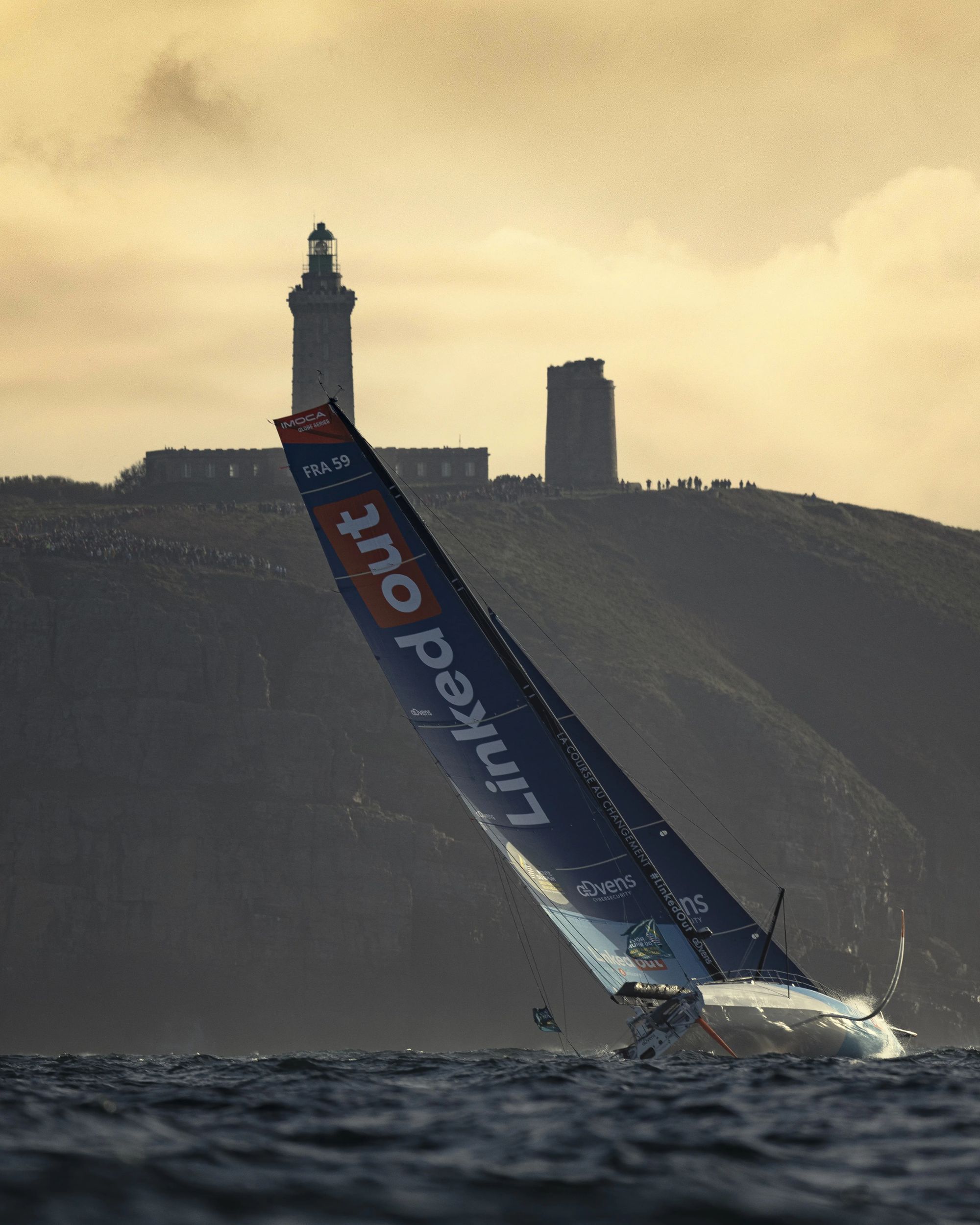
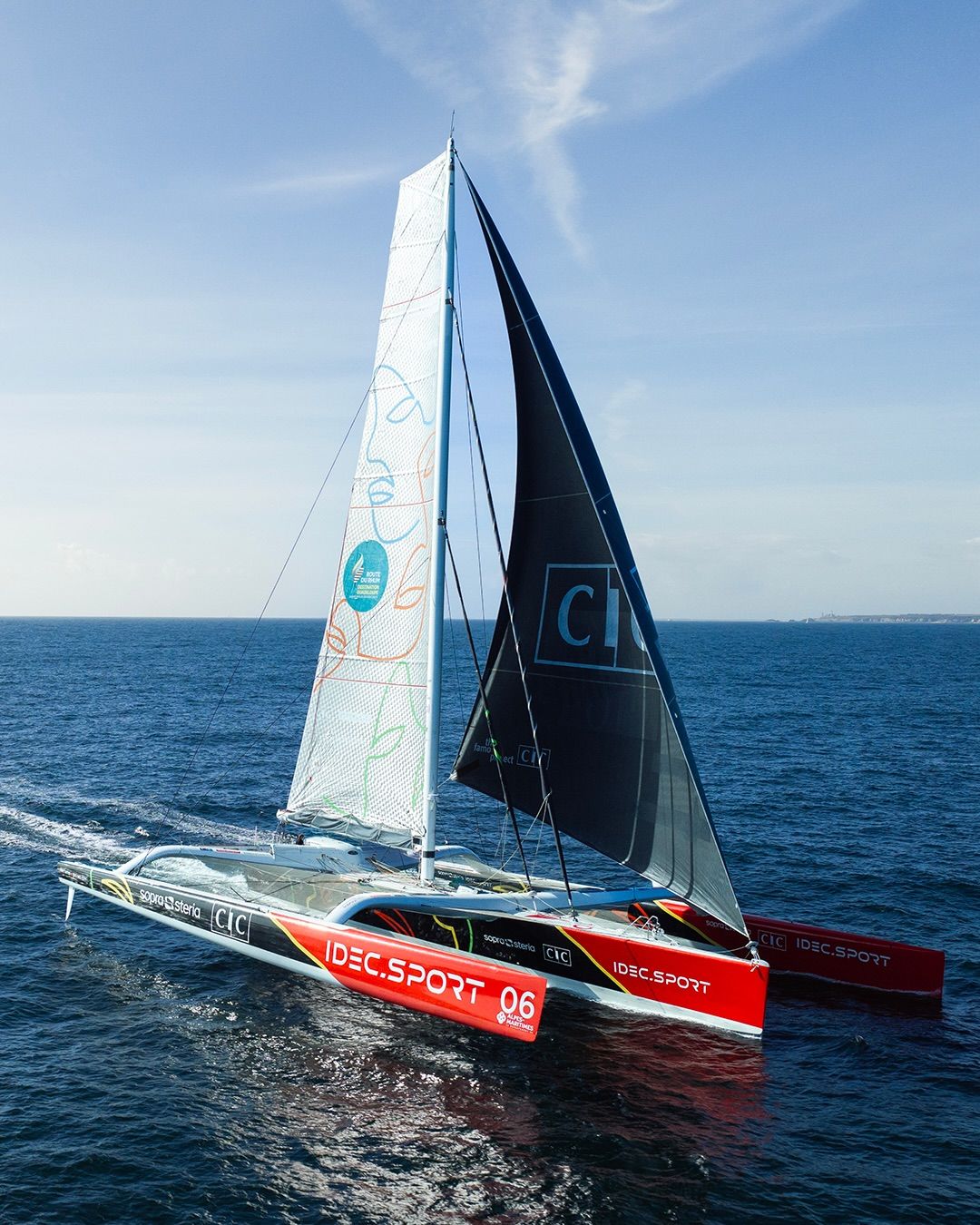
Class40 is by far the largest category. For the 2026 edition, it will feature forty-nine skippers out of a total field of 115, including four Italians. These monohulls measure around twelve metres in length and remain relatively affordable thanks to strict technical regulations, making them accessible to both professionals and amateur sailors. They are distinguished by a fixed carbon mast standing an impressive nineteen metres tall. The other monohulls, the IMOCA boats, are just over eighteen metres long, or sixty feet, and feature foiling technology to lift their hulls above the water. The same principle is used by the enormous Ultim trimarans, which can reach up to thirty-two metres in length and are essentially floating laboratories for technological experimentation. These are the most expensive and technologically advanced boats in the fleet, constantly being upgraded and supported by entire teams on shore. Unsurprisingly, only eight skippers are currently entered in this class. Bridging the gap between monohulls and Ultim boats is the Ocean Fifty class, which comprises fifty-foot, or fifteen-metre, trimarans. These are the successors to the Multi50 multihulls, born out of hybrid designs drawing inspiration from different eras.
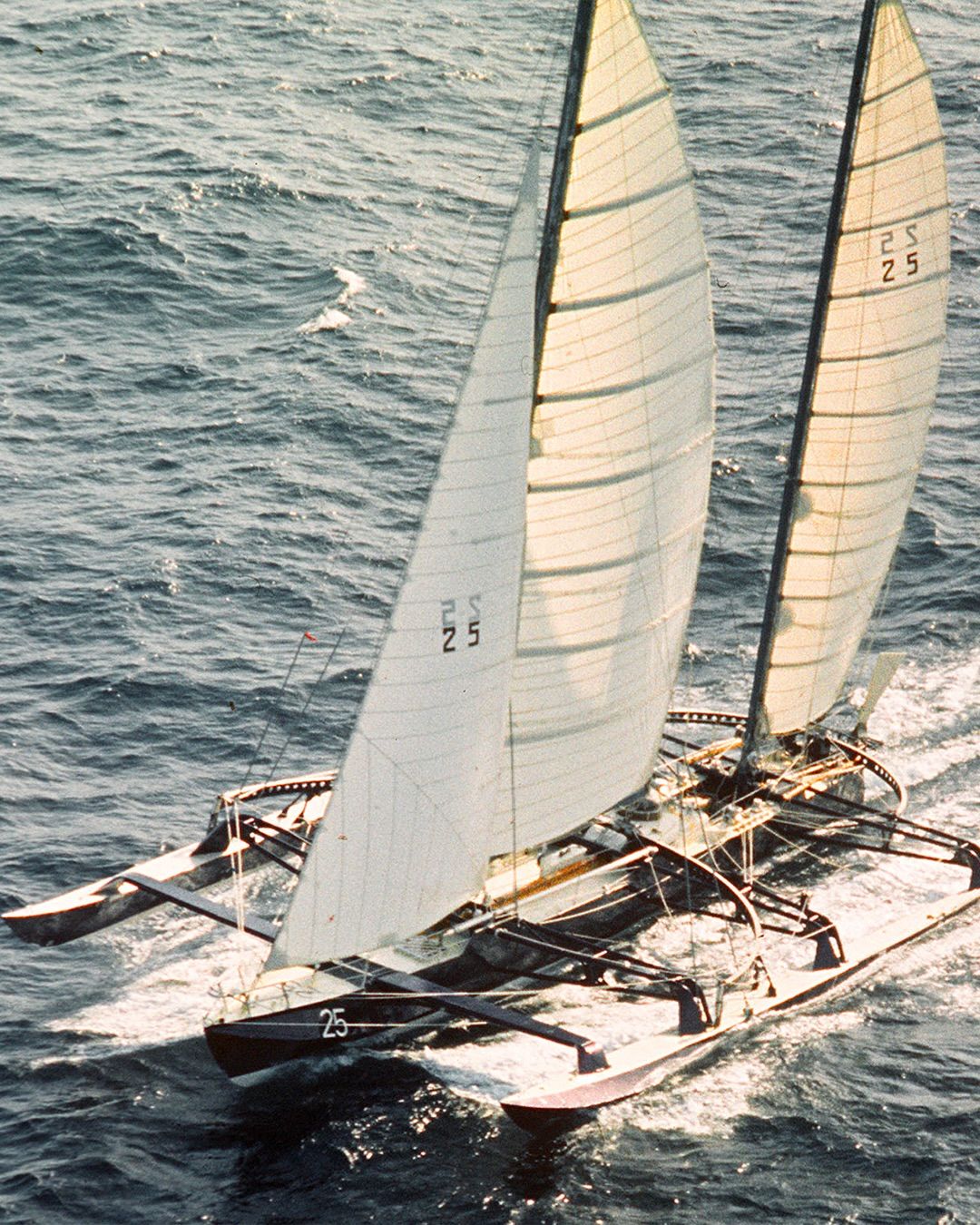
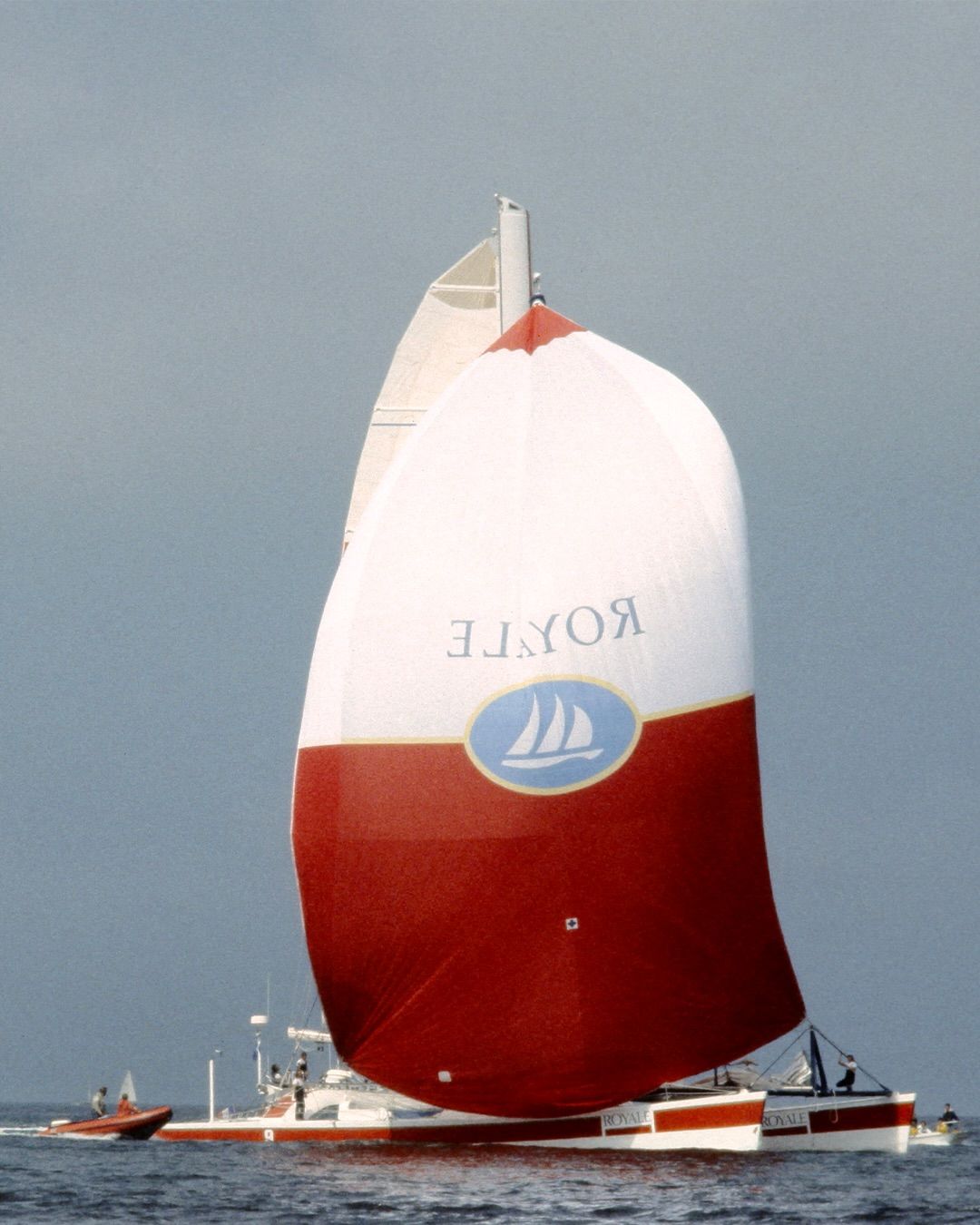
The final innovation for 2026 concerns the Vintage Mono and Vintage Multi classes, which replace the former Rhum Mono and Rhum Multi categories, respectively. These are boats that have helped write the history of the Route du Rhum and have undergone costly refits to remain seaworthy. Their eligibility is determined by criteria including the boat's launch date, which excludes more recent vessels. The Vintage Multi category includes the ORMA 60 trimarans of the 1990s, once described as the “Formula 1 of sailing” for their agility and speed. Far less competitive than today's carbon-fibre, foil-equipped boats, these vintage machines nevertheless contribute to the race's historical appeal and traditional spirit, taking part to enjoy the crossing and evoke a sense of nostalgia among the more knowledgeable spectators.
The Legends
The 2026 edition will mark 36 years since Florence Arthaud's historic victory, making her the first and only woman to win the Route du Rhum outright. Arthaud had already competed in the inaugural edition of the French transatlantic race at just 21, only four years after a car accident had left her in a coma and paralysed. In 1990, she broke the record for crossing the North Atlantic, completing the journey in nine days, 21 hours and 42 minutes. That same year, she also claimed victory in Guadeloupe, setting another record by completing the race in 14 days, 10 hours and 10 minutes aboard a sixty-foot trimaran.
These achievements earned her the title of Champion des champions from the French sports newspaper L'Équipe. In the years that followed, she further cemented her reputation as a champion of numerous transoceanic races and an icon for women in sport. Since her victory, the closest women to matching her achievement have been Britain's Ellen MacArthur, who won her class in 2002 aboard one of the first IMOCA 60s to compete in the event, and amateur sailor Anne Caseneuve. No one, however, has ever repeated Arthaud's overall triumph.
As for the race record, the introduction of foiling technology and carbon fibre has steadily reduced crossing times. The latest record was set at the most recent edition, in 2022, when Charles Caudrelier claimed victory in six days, 19 hours and 47 minutes, becoming the first sailor in the race's history to finish in under a week. Among the race's most celebrated figures, meanwhile, Francis Joyon, a two-time overall winner in 2010 and 2018, will return in 2026 aboard a Vintage Multi.
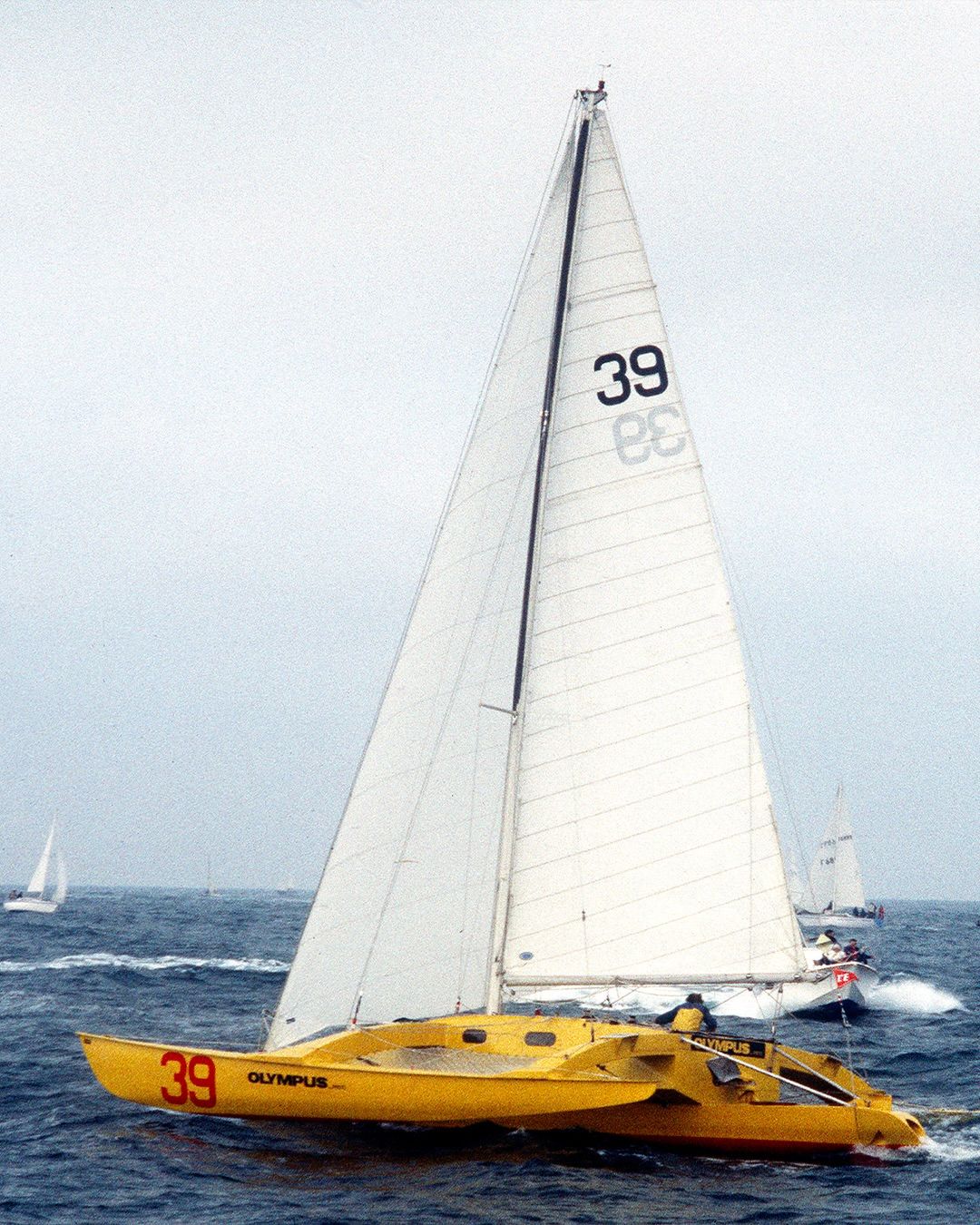
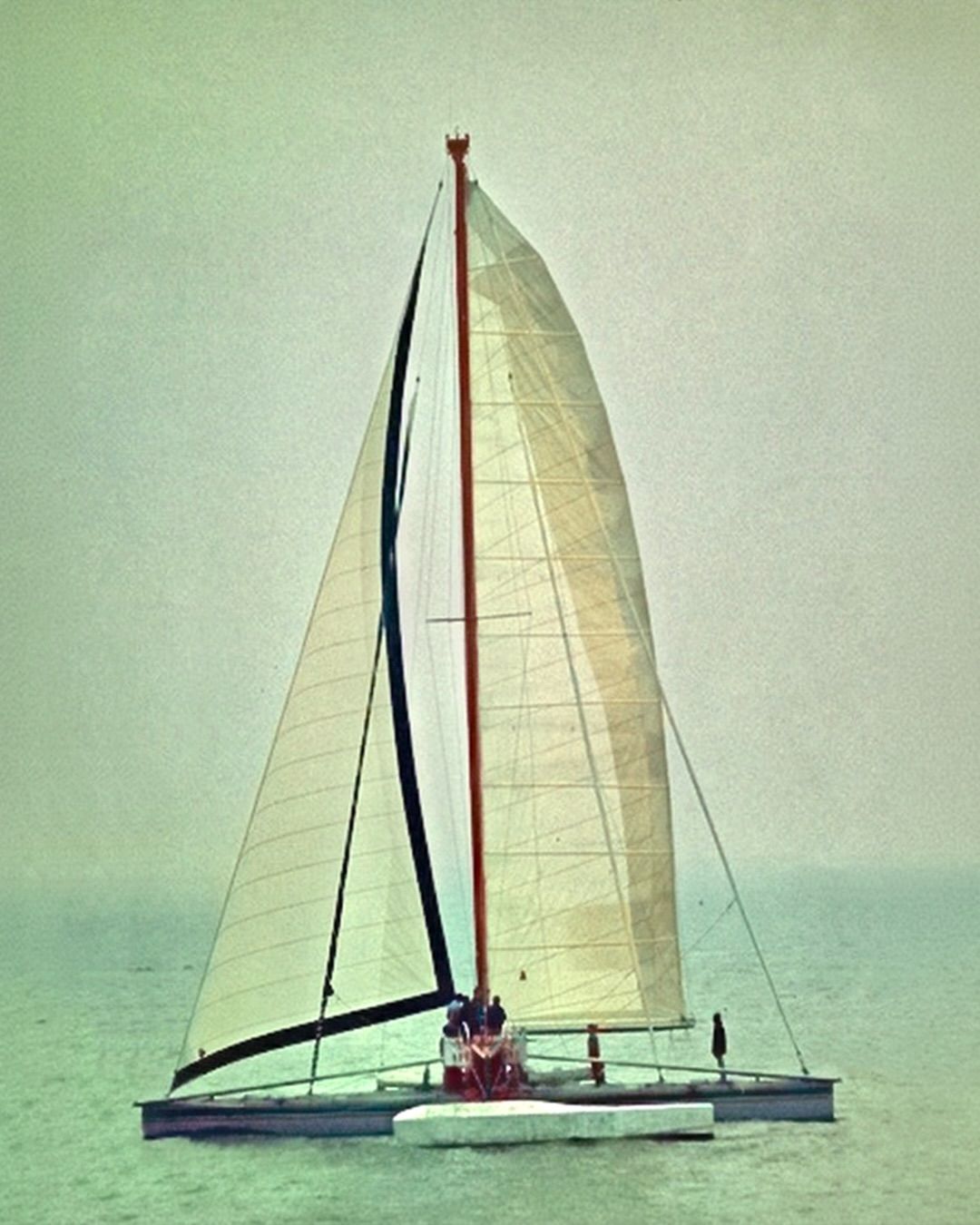
The Route du Rhum itself has a legendary origin story. The inaugural winner, Canadian sailor Mike Birch, crossed the finish line after more than 23 gruelling days at sea, without communications, in a photo finish against Michel Malinovsky, winning by just 98 seconds. The odds of finishing a crossing lasting almost a month with such a narrow margin are extraordinarily slim. It remains a unique feat, with the closest comparable finish coming in the Ocean Fifty class in 2022, when the gap between first and second place was just 18 minutes. The result was all the more remarkable given that Malinovsky's monohull was almost ten metres longer than Birch's trimaran. It was the perfect instant classic for an event that, in a relatively short time, has become one of sailing's most fascinating classics.