The French jewellery house handcrafting the Ballon d’Or since 1956 Football’s most coveted individual award is the result of more than six months of craftsmanship
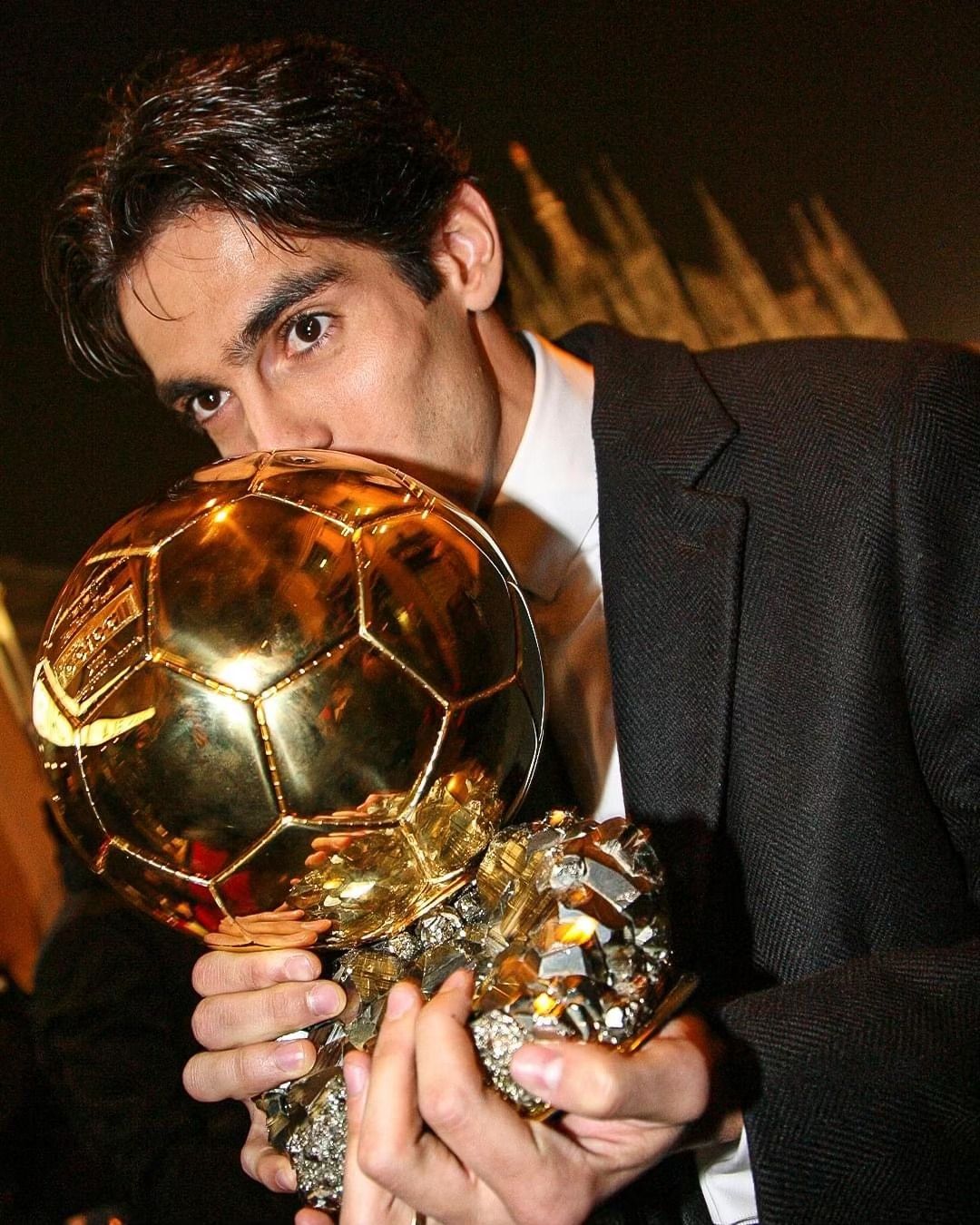
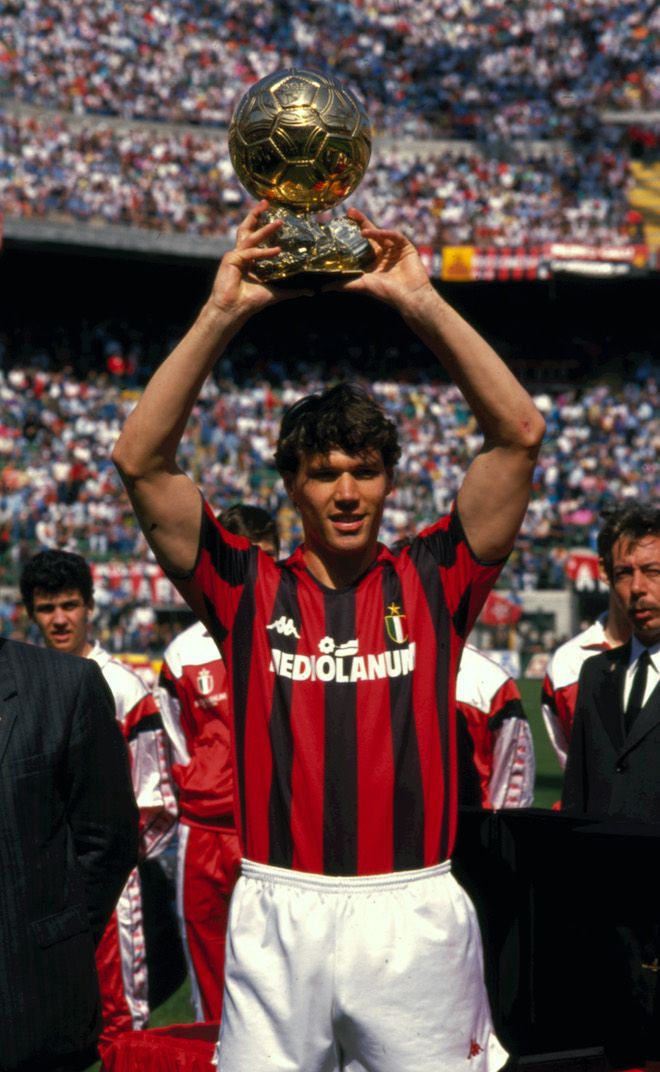
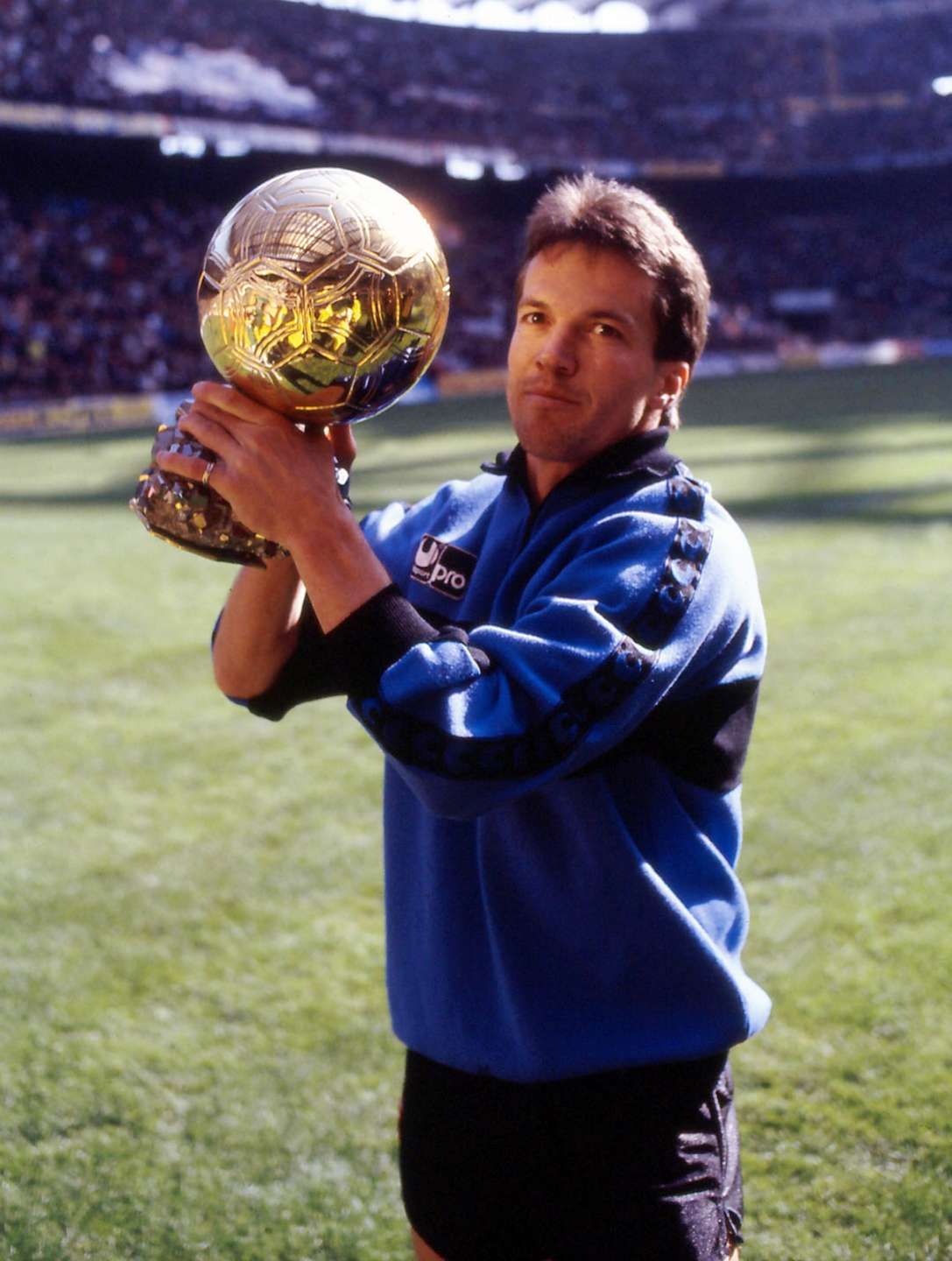
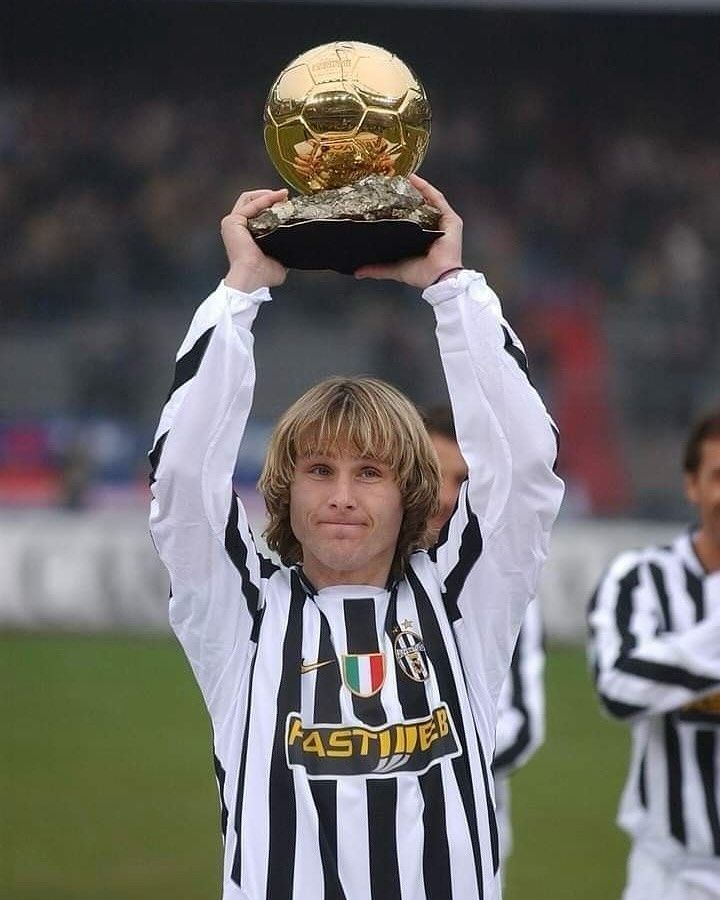
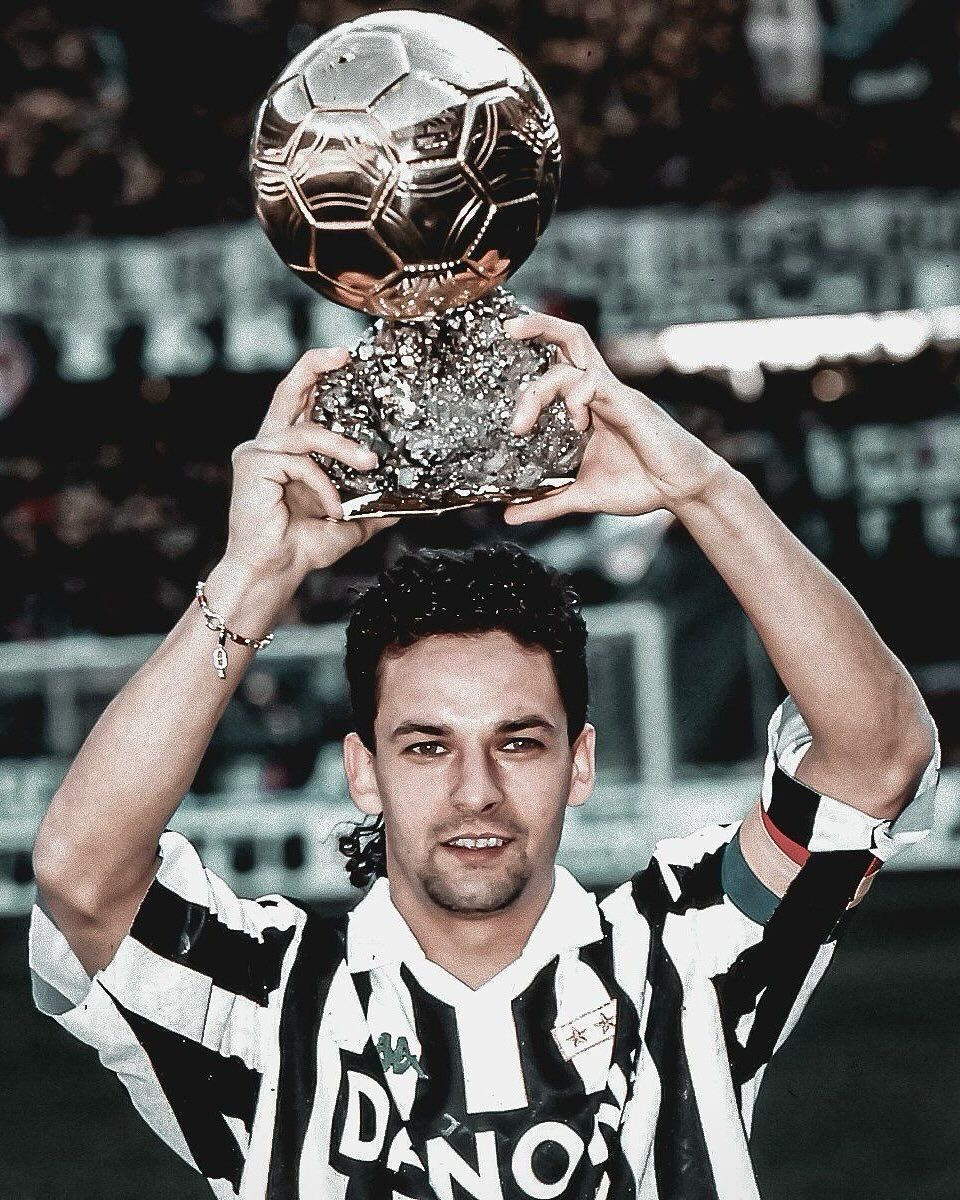
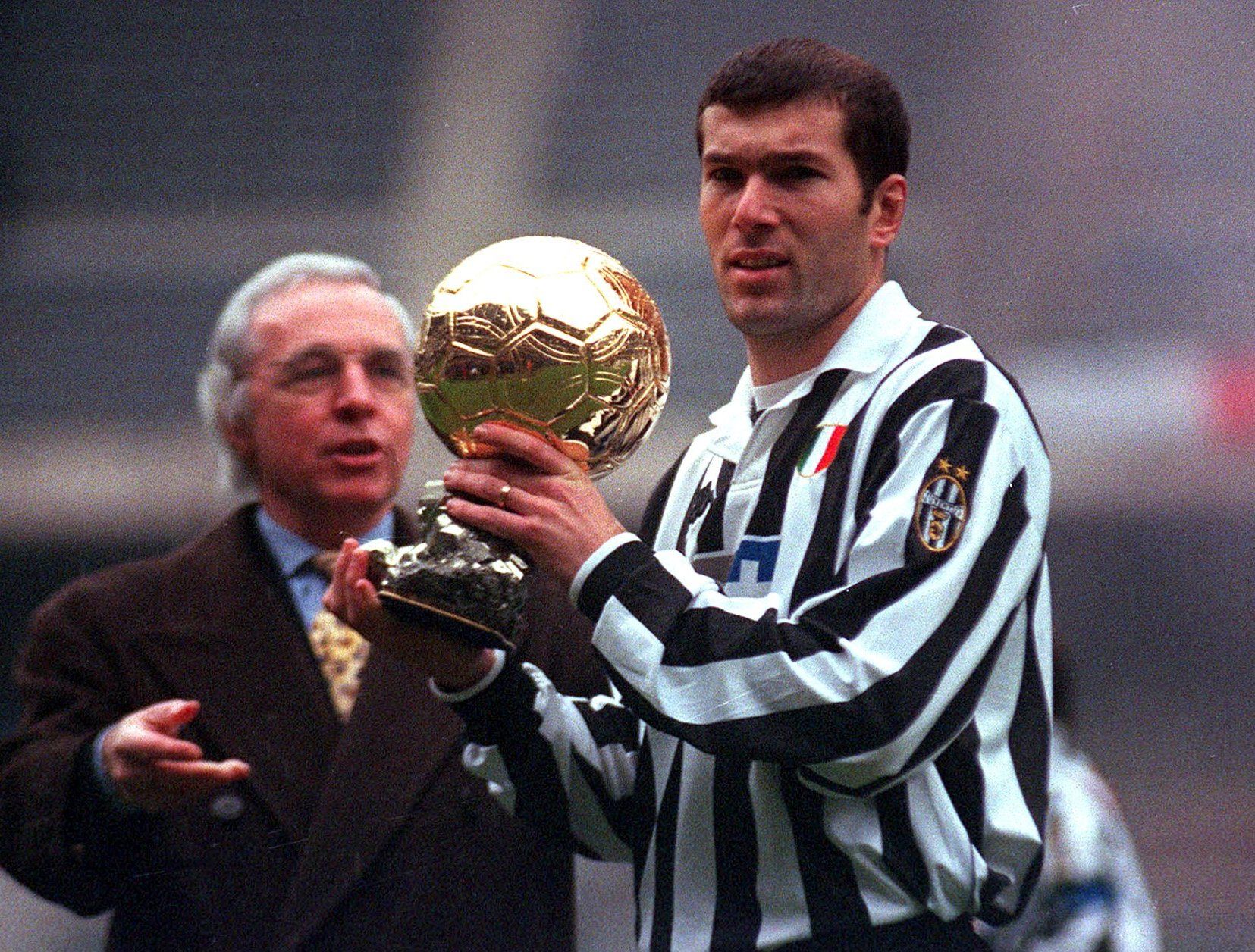
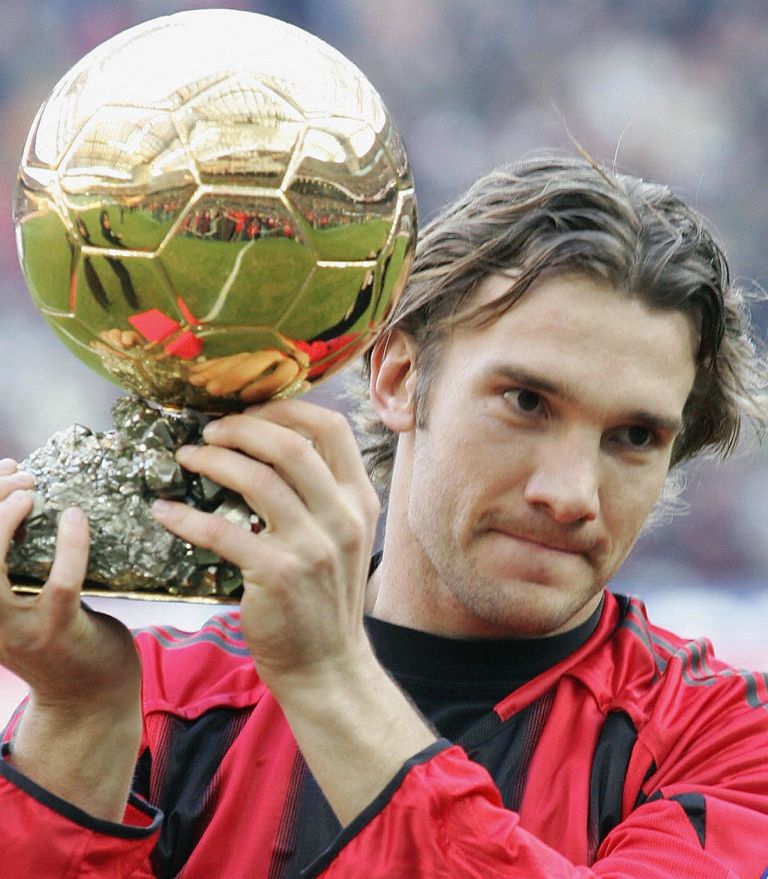
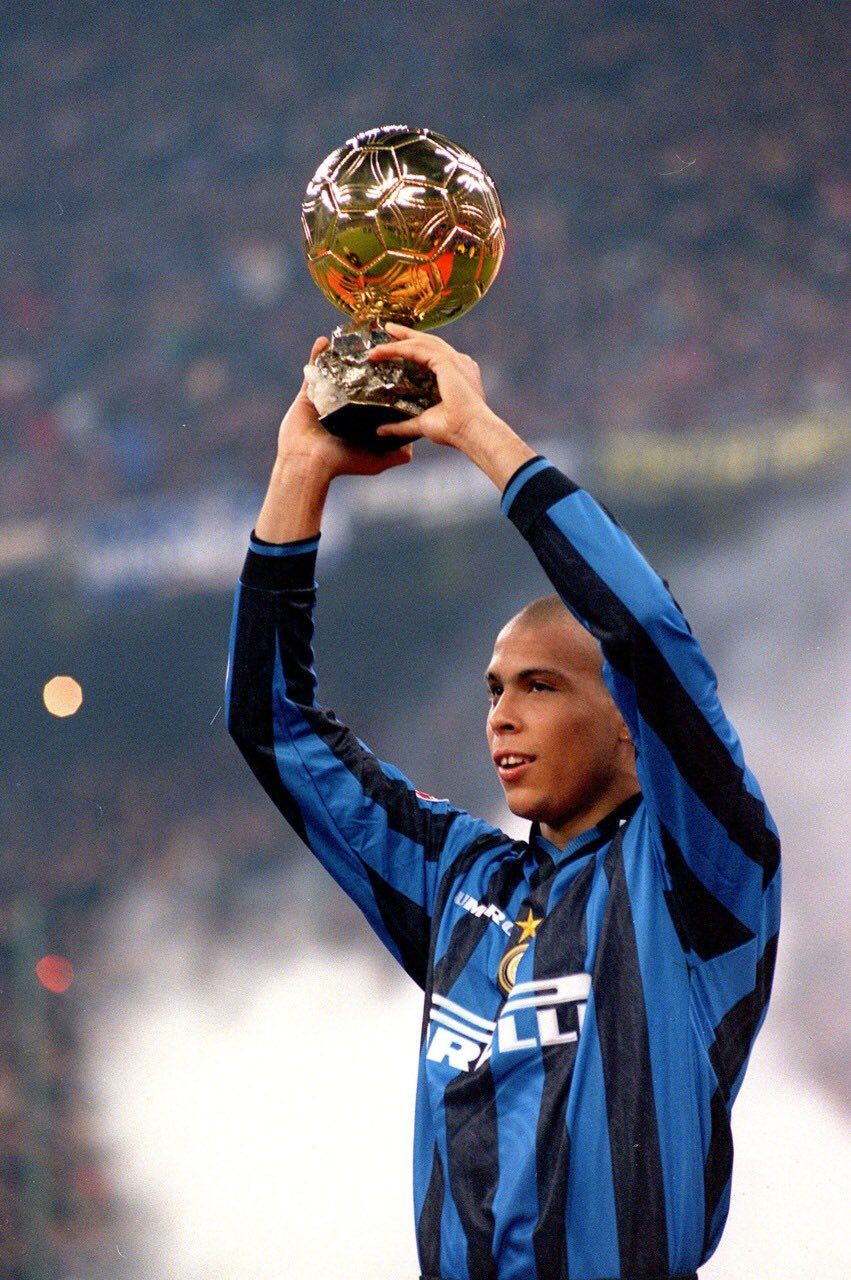
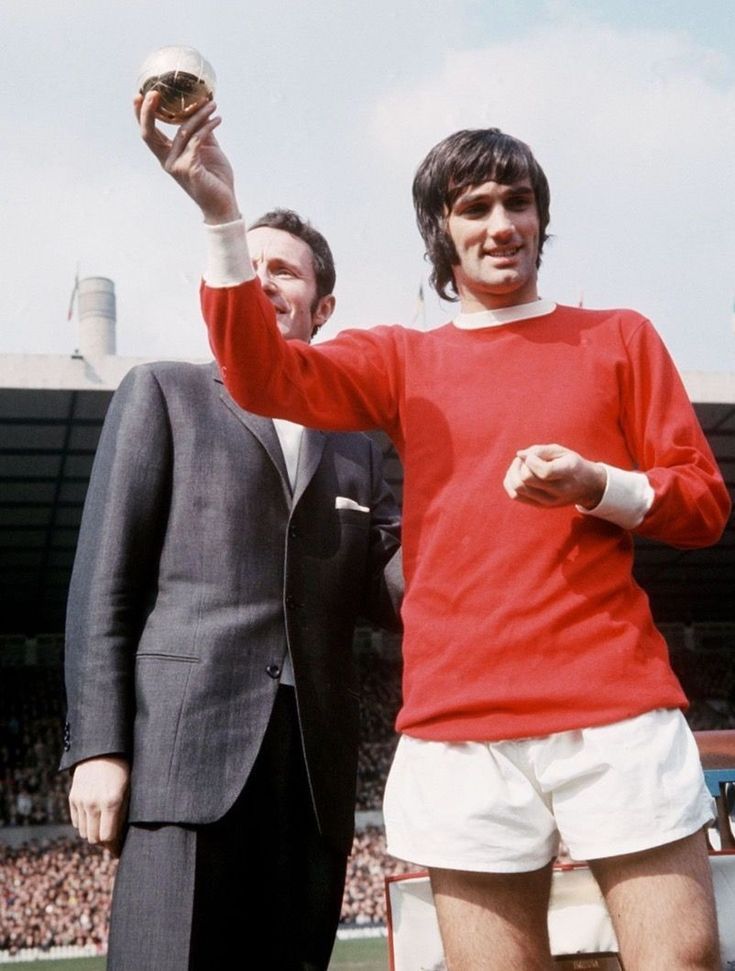
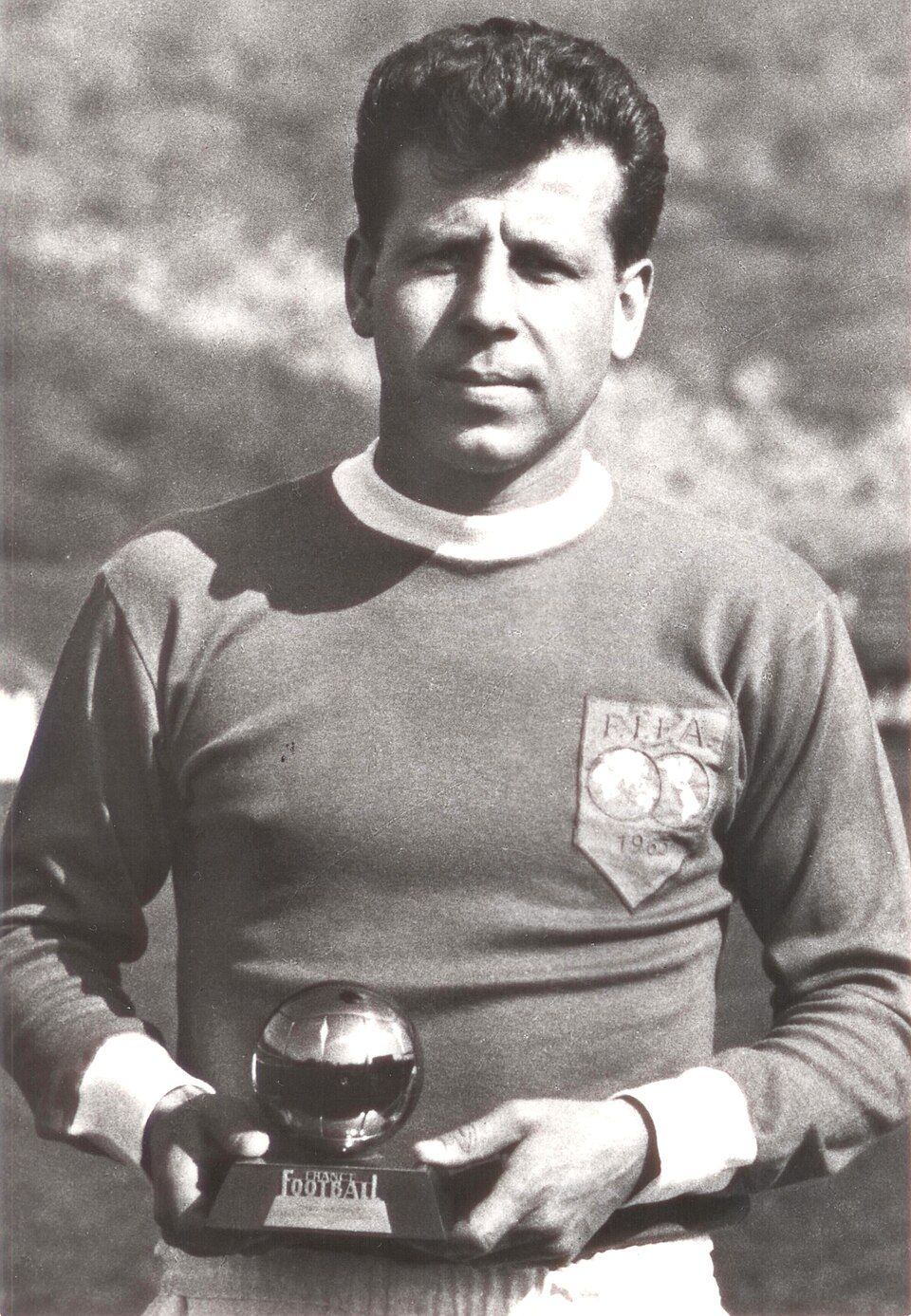

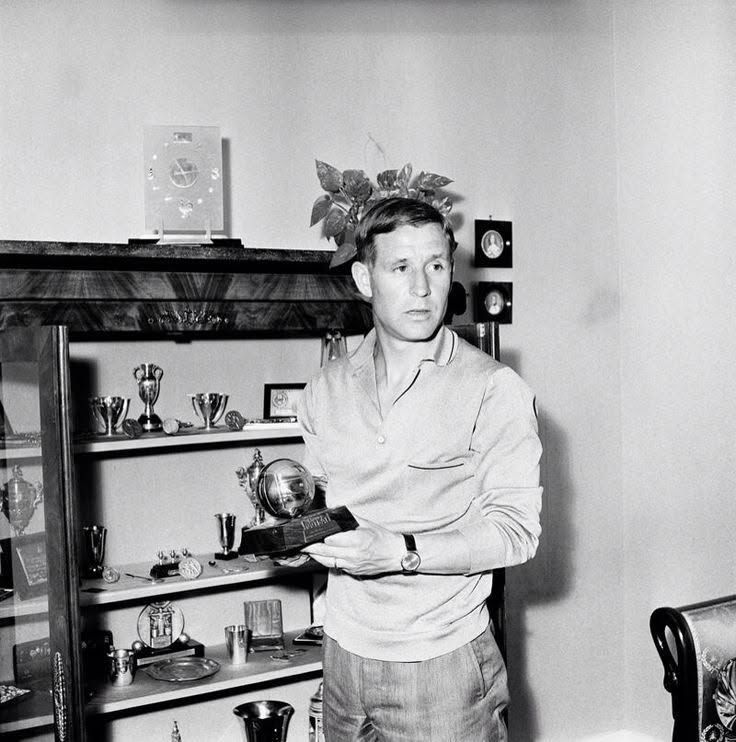

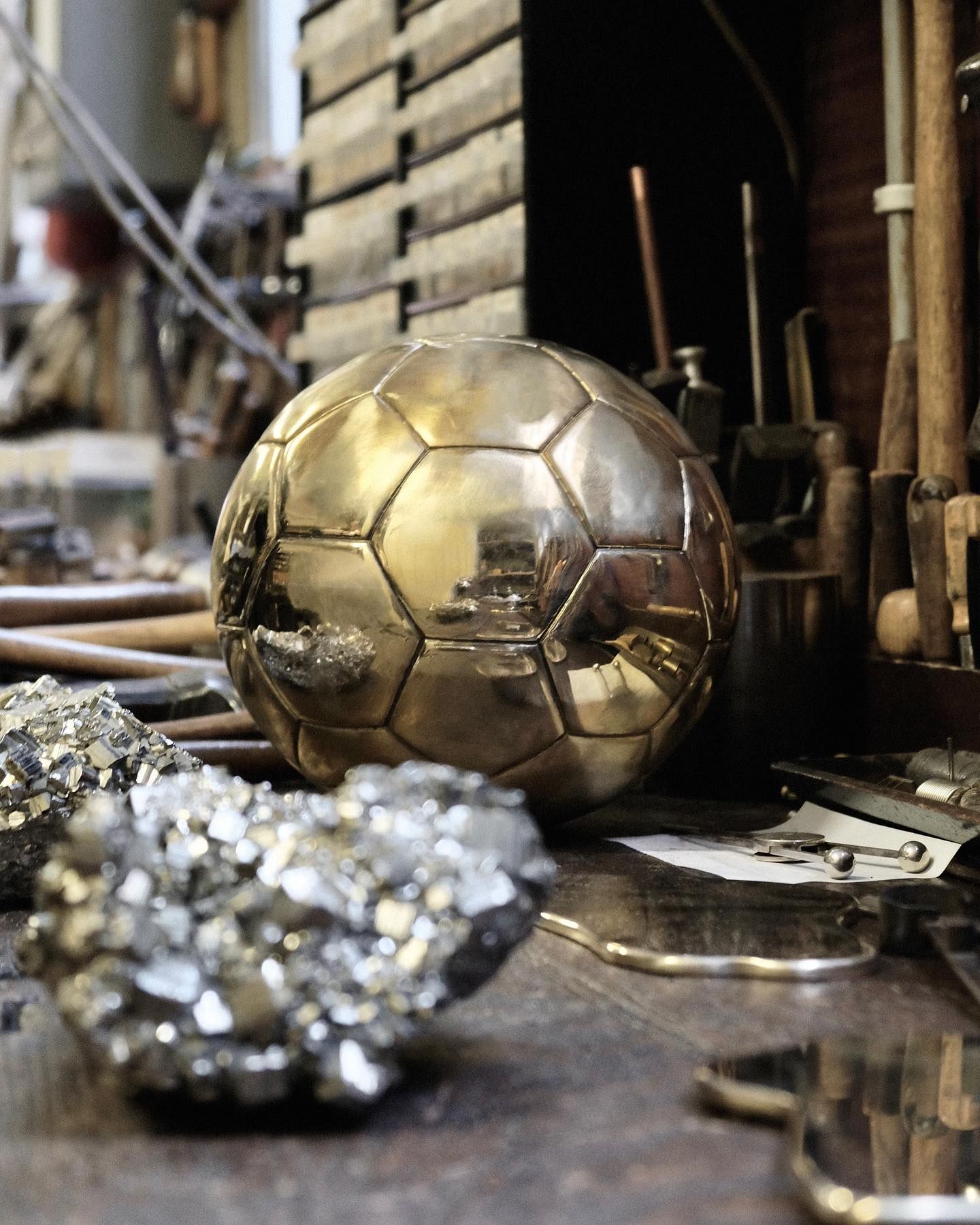
The Ballon d’Or is the most coveted individual award in football. It represents the pinnacle of any player’s career, reserved for those who have managed to have their name etched into its history. While individual accolades are often downplayed in favour of team achievements, there is no denying that players themselves aspire to get their hands on this trophy, which has grown in both stature and size over the years.
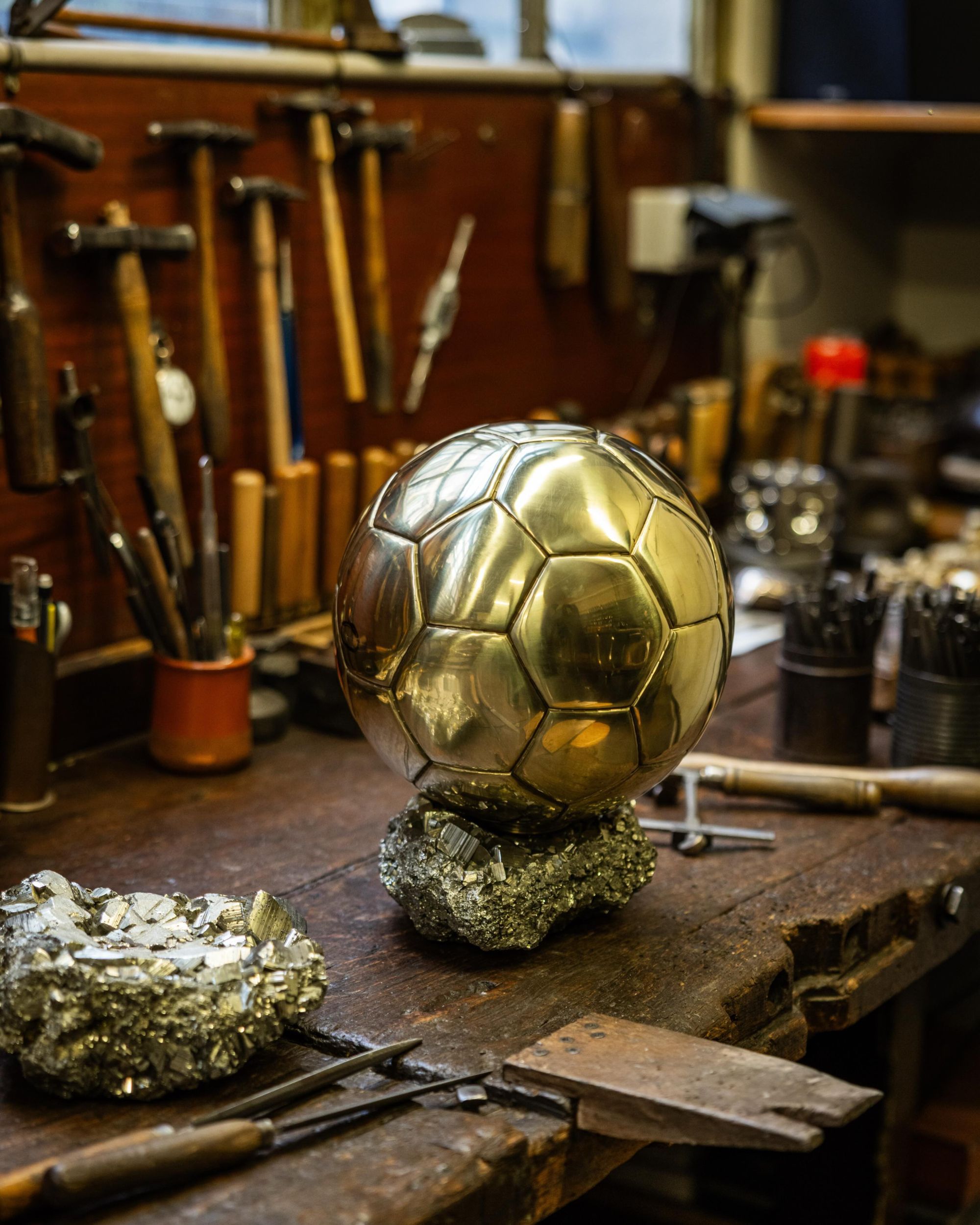
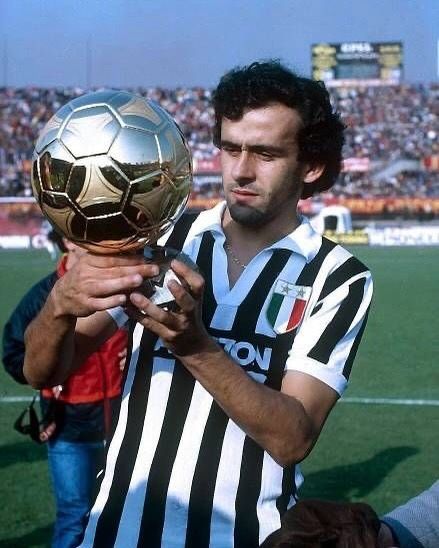
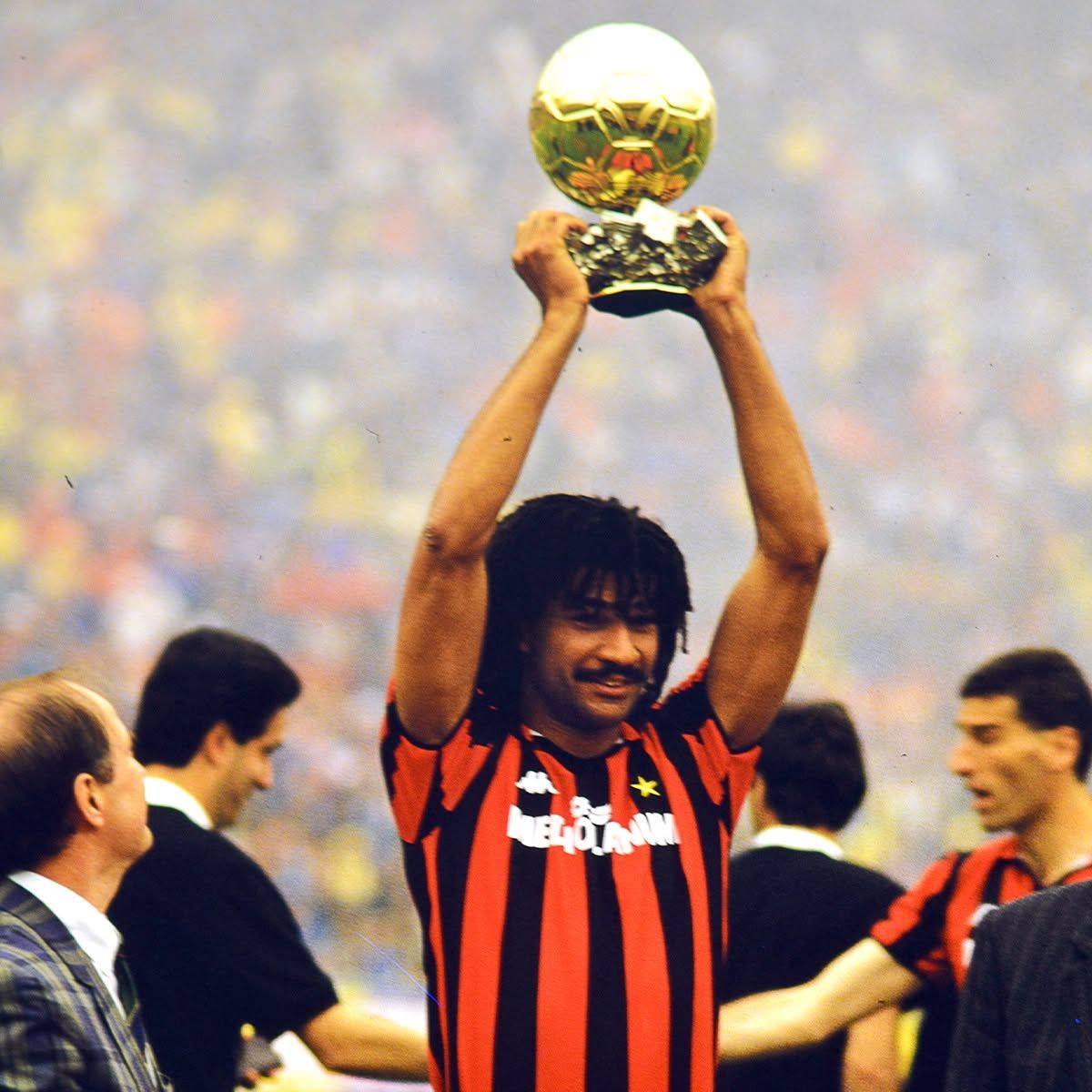
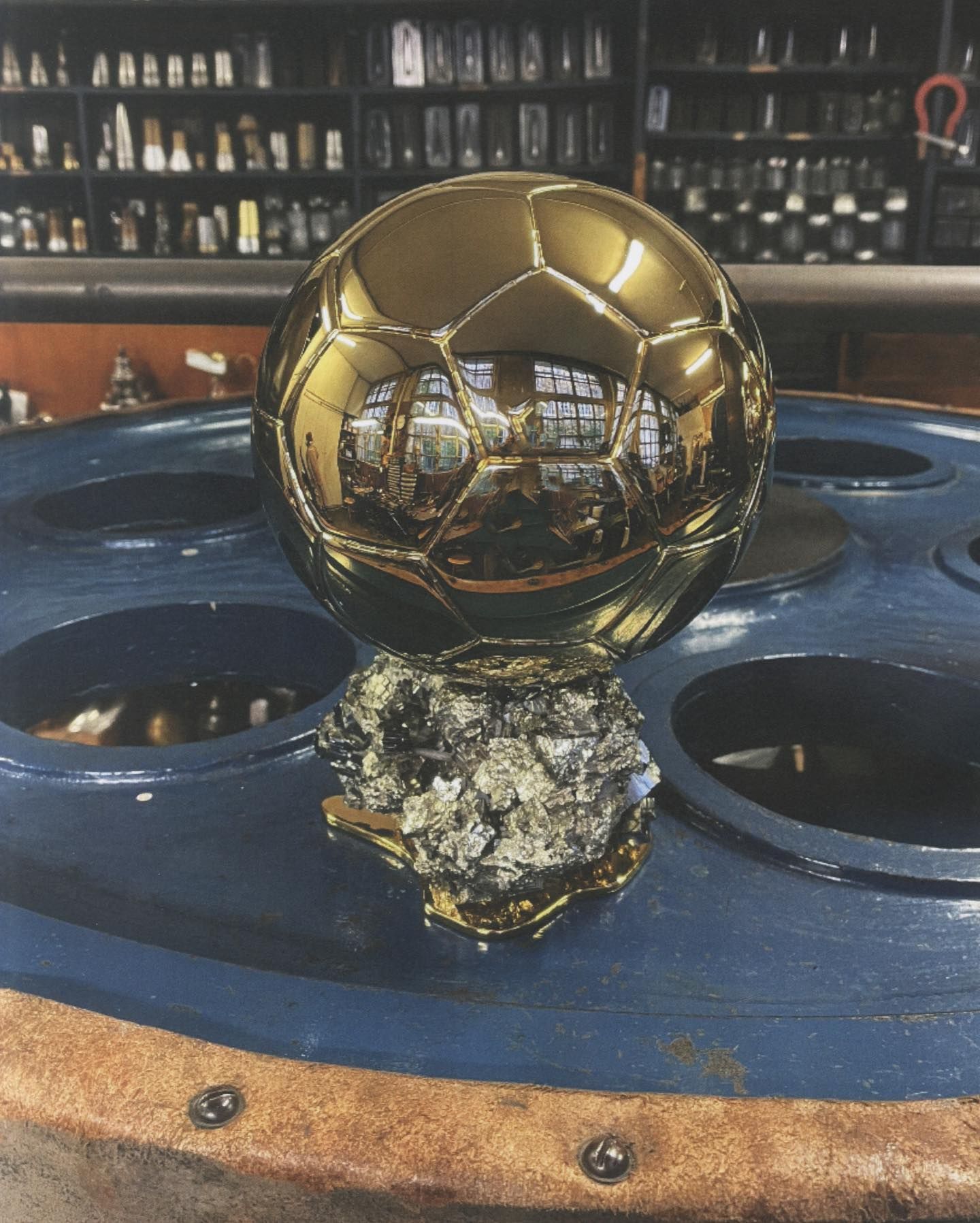
Since its creation in 1956, the Ballon d’Or has grown in both prestige and size. From its debut until 1982, for example, the award consisted of a small gold-plated ball mounted on a wooden base, topped with a glass plate and featuring a plaque on one of its four sides. In 1983, a new version was introduced, bearing a closer resemblance to the trophy we know today, with a full-sized ball mounted on a pyrite base. The one constant throughout all these iterations has been the jewellery house responsible for its creation.
Where Is the Ballon d’Or Made?
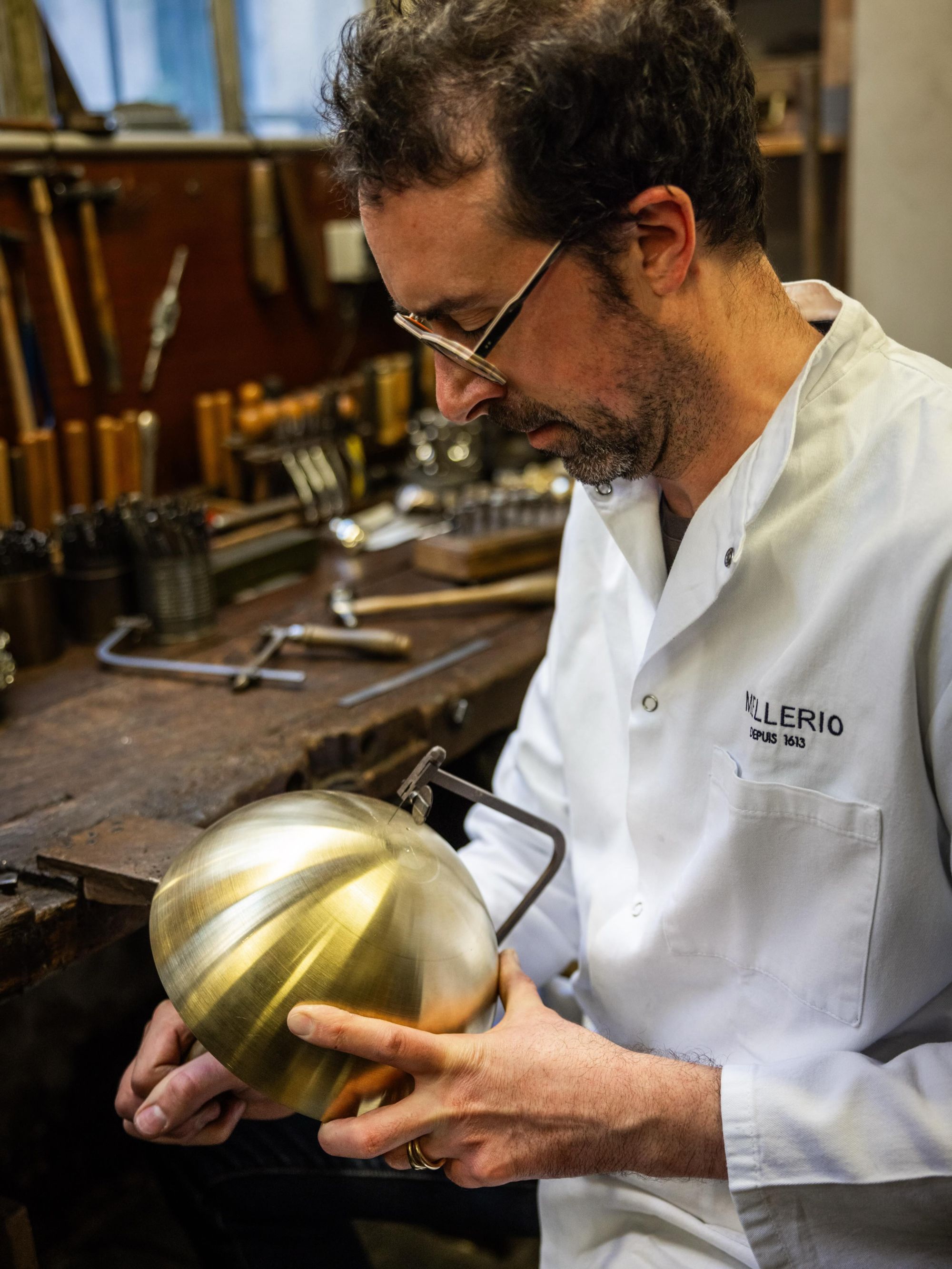
The Ballon d’Or is handcrafted by the artisans at Mellerio dits Meller, a historic French jewellery house founded in 1613 by a family of Italian origin from Craveggia, a small village in the Vigezzo Valley. The family’s roots in goldsmithing date back to 1515, before the Mellerio family moved to France during the 16th century. According to legend, in 1613 an Italian cleaner working at the Louvre alerted the family to a plot against King Louis XIII. Following the warning, the Mellerio family is said to have been granted a royal privilege to trade in glassware and other valuable decorative objects exclusively throughout France, under the protection of the crown.
Since then, the maison has built a reputation as one of the most prestigious names in fine jewellery, gradually forging a connection with the world of sport. Alongside the Ballon d’Or, Mellerio also creates the trophies awarded to the winners of the French Open, bringing its artisanal heritage to some of the most significant sporting award ceremonies.
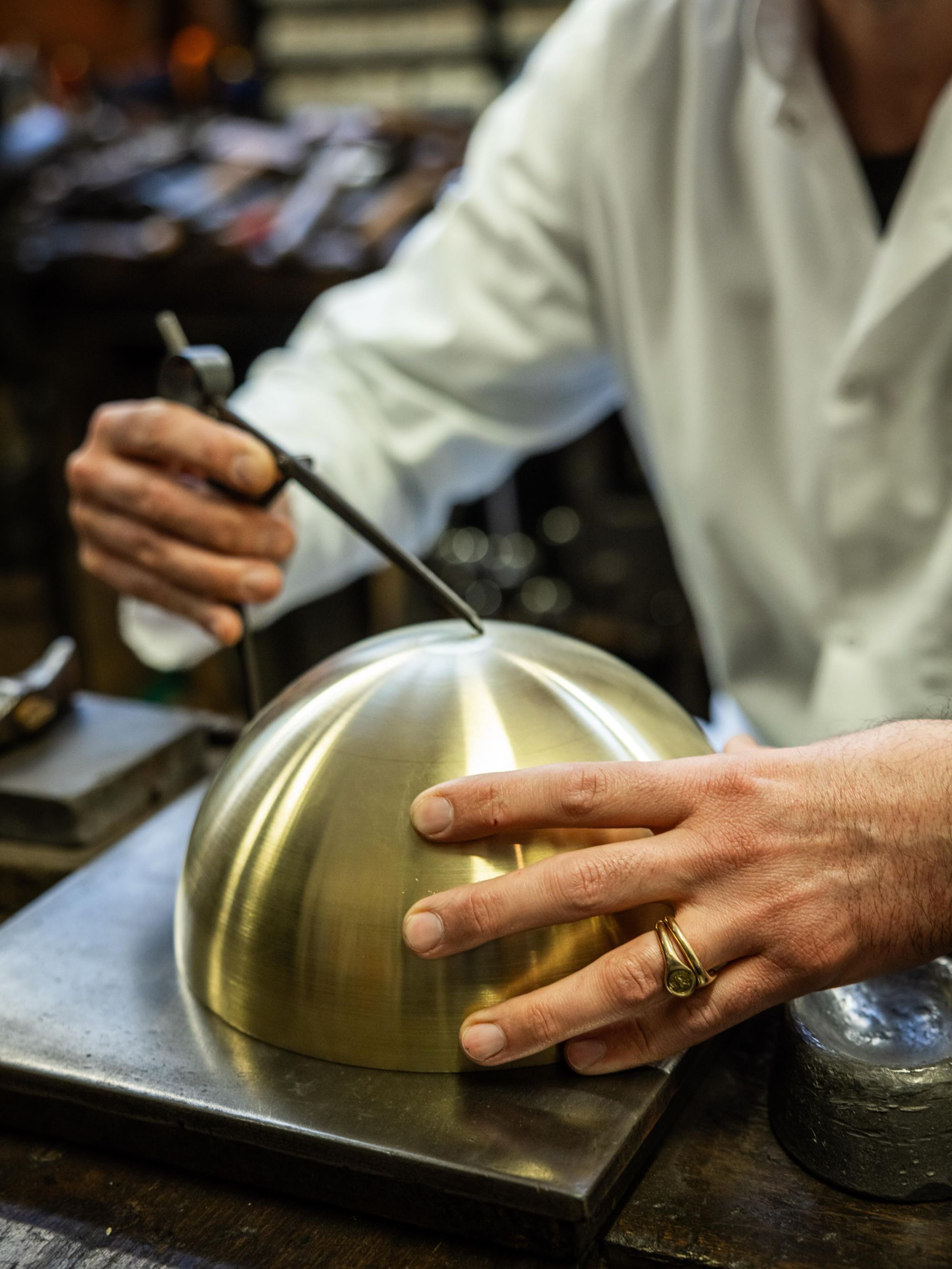
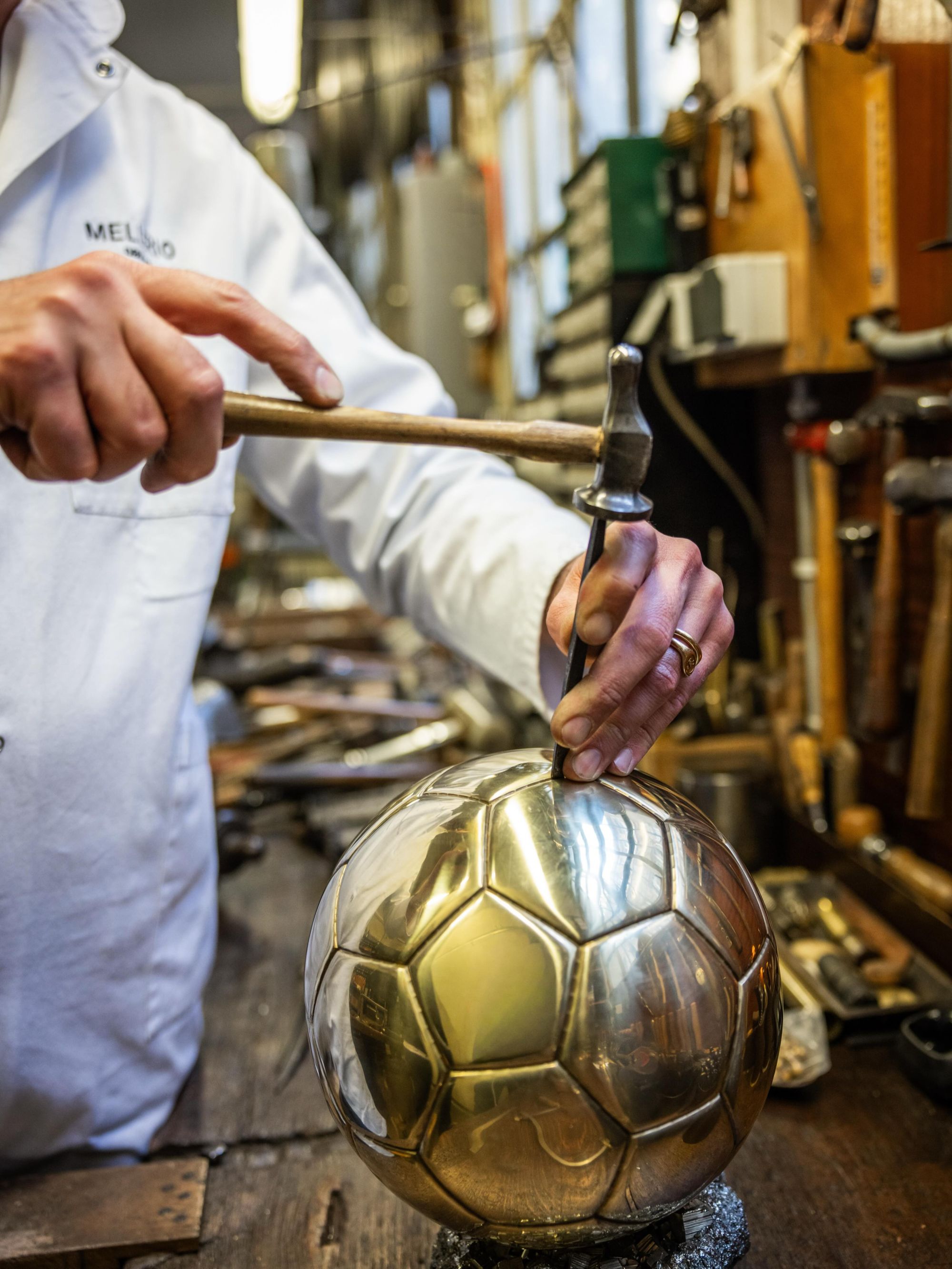
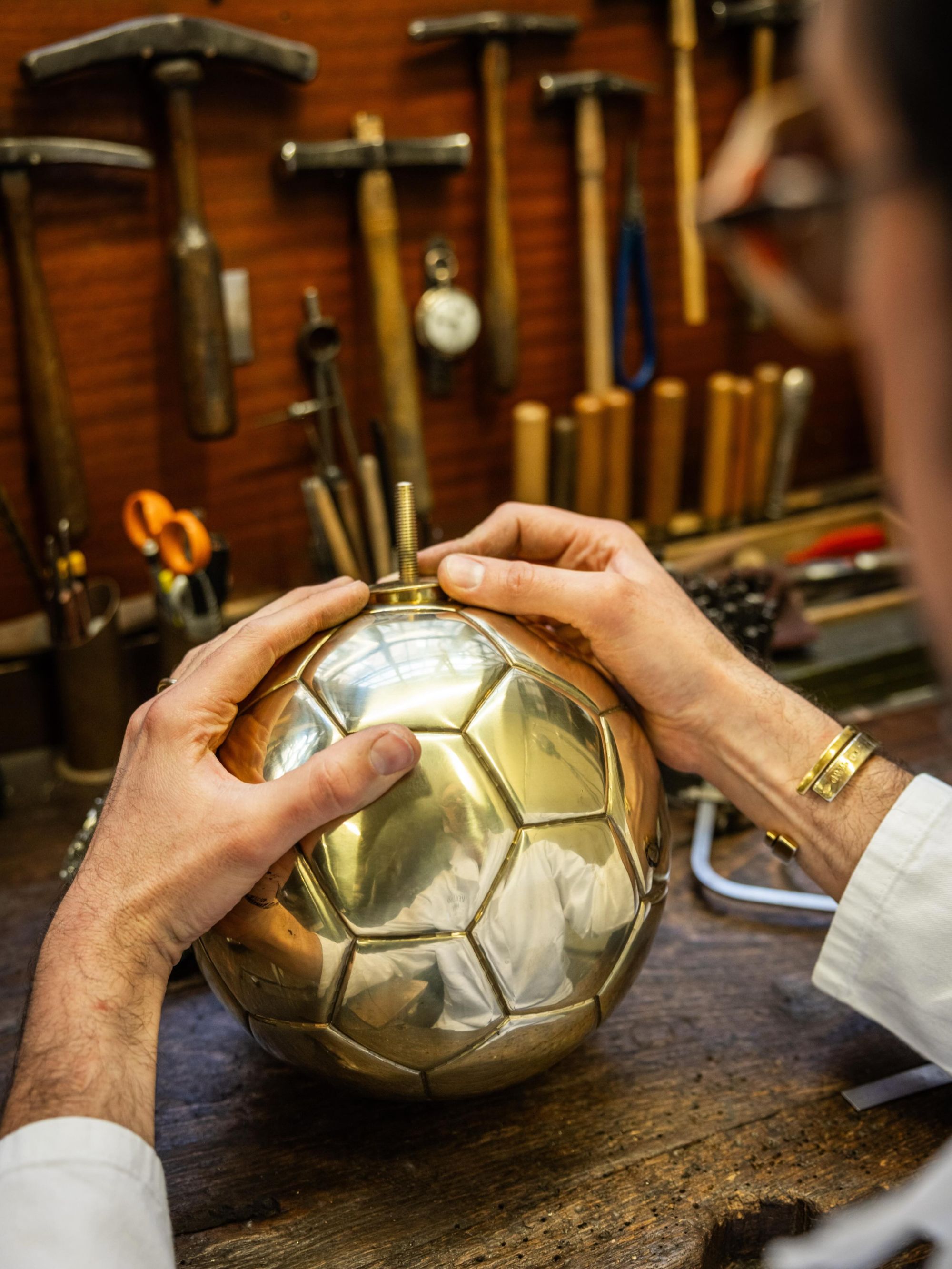
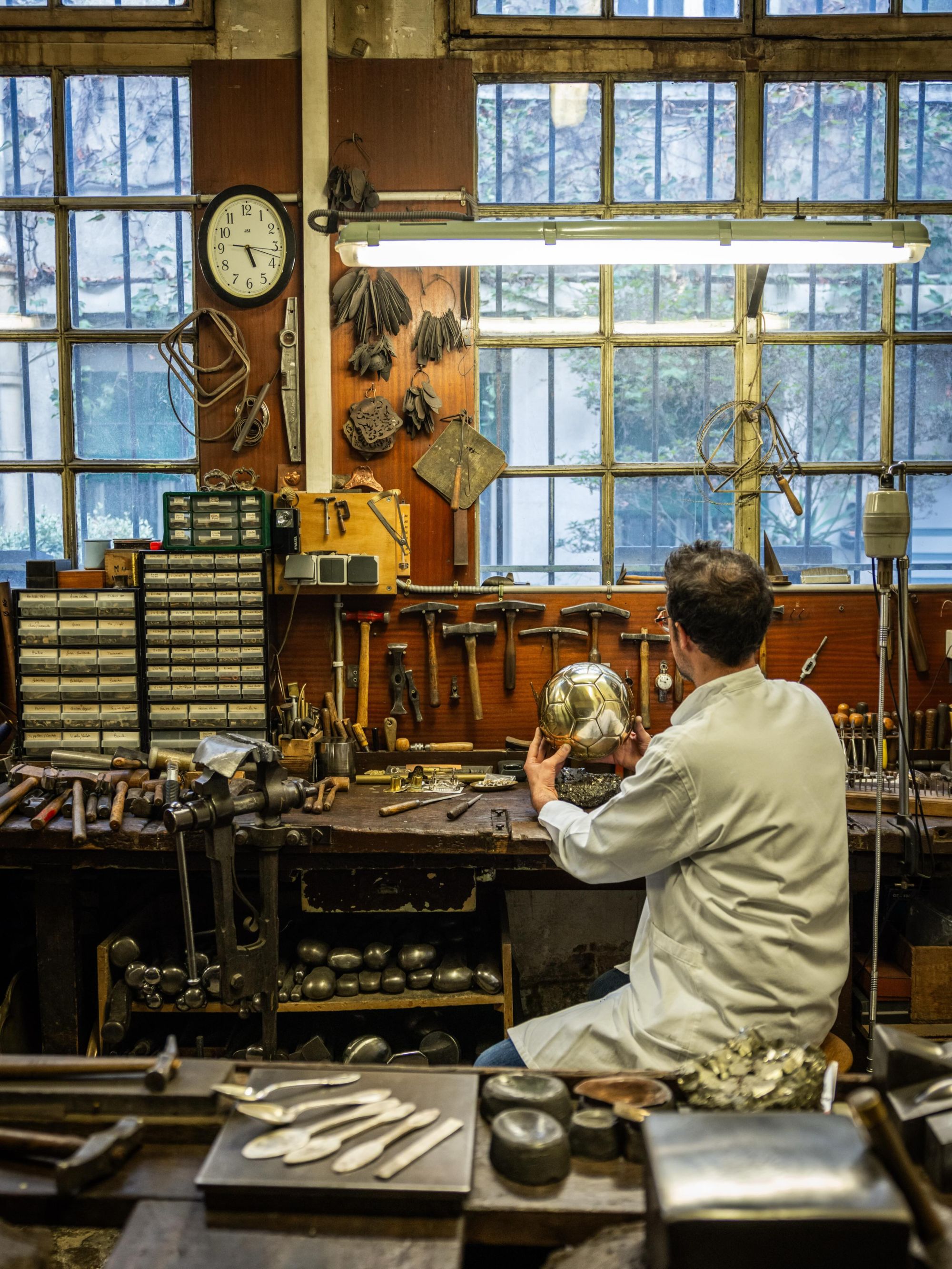
The Ballon d’Or trophy, in the form we recognise today, is the result of a process that takes at least six months and hundreds of hours of work, with every detail finished by hand. It begins with the crafting of two brass hemispheres filled with cement powder, followed by the engraving of the hexagonal pattern that gives the trophy its football-like appearance once the 18-carat gold plating has been applied. Every inscription is then carefully engraved. Once the ball is screwed onto its pyrite base, the trophy weighs just over 7 kilograms and measures 31 cm in height, 23 cm in width and 23 cm in depth. Its estimated value is around €13,000.
There are seven stages in the craftsmanship behind the Ballon d’Or. As mentioned, the process begins with the soldering of two brass hemispheres. The goldsmith then creates an opening at the base of the sphere, allowing it to be mounted onto the block of pyrite that serves as the trophy’s base. After the initial work carried out by the goldsmith, the trophy is handed over to the chaser, who shapes the metal to create the contours of a football. This stage requires extreme precision, particularly when defining the 32 panels that make up its structure, and takes around fifteen hours alone. The process continues with polishing, before the trophy is passed to the engraver, whose task is to inscribe the winner’s name, the France Football logo and the year of the award onto its surface.
How Is the Ballon d’Or Awarded?
The Ballon d’Or was established in 1956 by French magazine France Football. Initially, it was awarded to the European footballer who had stood out the most over the course of the calendar year. This geographical restriction remained in place until 1994, when the magazine decided to abolish it, paving the way for George Weah to become the first non-European player to win the Ballon d’Or in 1995.
In 2007, a further change to the rules meant that players from any league around the world could win the Ballon d’Or, rather than only those playing for clubs affiliated with UEFA. The most recent change came in 2022, when the calendar-year criterion was dropped following the decision to stage the World Cup in Qatar during the winter. Since then, the award has been based on players’ performances over the course of a football season.
The Ballon d’Or is awarded through a voting process. France Football draws up a shortlist of 30 nominees, and a panel of specialist journalists, with one representative from each of the top 100 nations in the FIFA rankings, selects its own top 10. Points are awarded according to each player's position on the ballot: 15 for first place, followed by 12, 10, 8, 7, 5, 4, 3, 2 and 1. The player who accumulates the most points wins the Ballon d’Or.
What to read next
Como's fans unveil the new Third kit for the 2026/27 season
A black jersey with white details and a pixelated design
Napoli unveil their new Halloween 2026/27 kit
It's total black and inspired by the Munaciello

The Premier League is looking for marginal gains in the bathroom
Clubs are using Kamleon's S-Urinals to monitor players' hydration levels