How much is a marathon worth to its host city? What economic impact does it generate, how, and what kinds of sponsors does it attract?
For people travelling from elsewhere, a city marathon can mean several nights in a hotel, meals in restaurants and journeys on public transport, perhaps alongside other fans, friends and family members. Taken together, this spending helps explain the economic scale of these events, whose participants have generated a steadily growing volume of business in recent years.
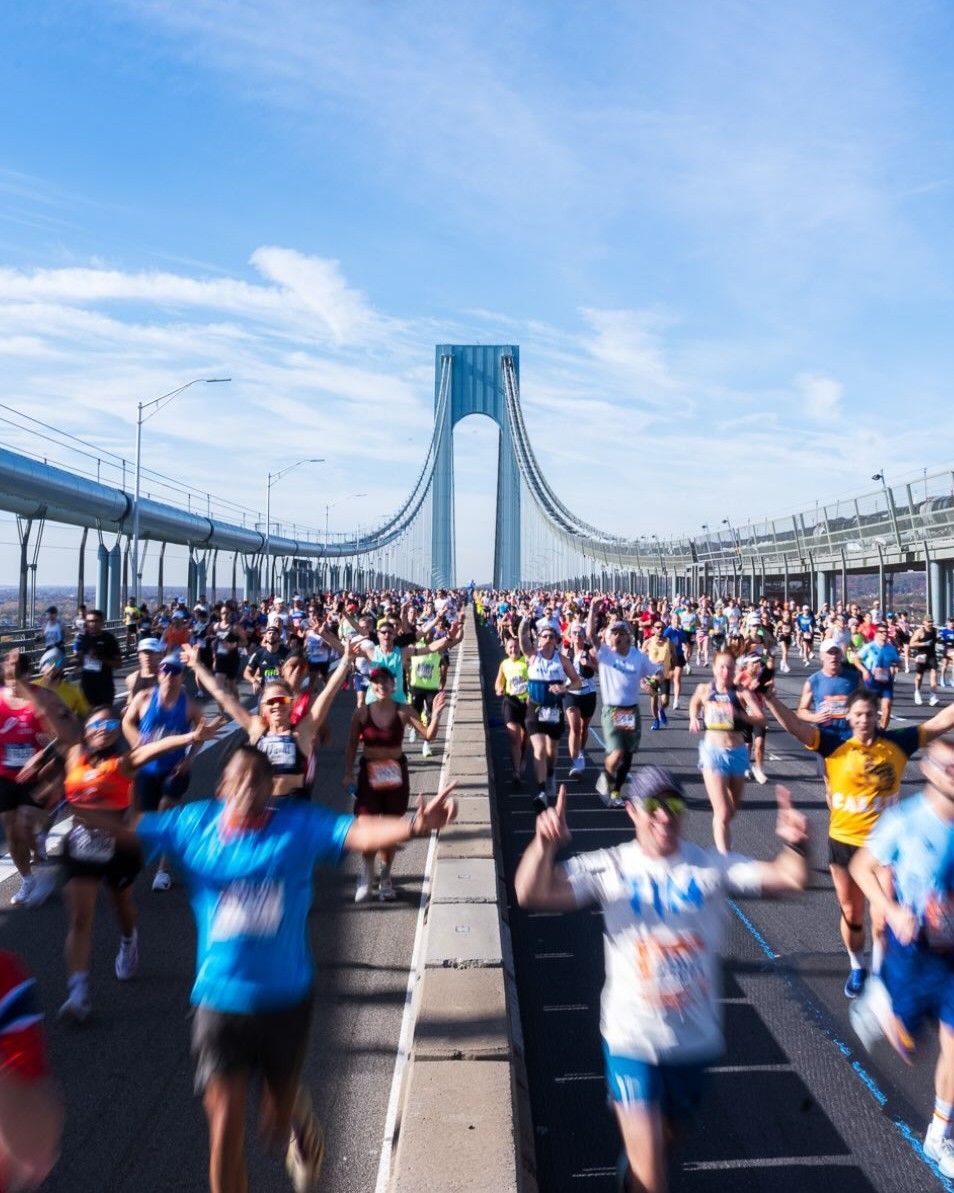
According to Brand Finance’s Marathons 2026 report, the 50 races analysed generated an estimated impact of $6 billion on their host economies in 2025. New York leads with $857 million, ahead of Chicago with $803 million and London with $604 million, while Rome ranks ninth with $132 million. These figures represent the economic impact on the local area and should not be confused with organisers’ revenues. Another metric is the value of the race brands themselves: Brand Finance values New York’s at $339 million and London’s at $230 million.
What contributes to this economic activity?
To understand how these resources are distributed, it is useful to consider a study by New York Road Runners, the organisation behind the New York City Marathon. The research, which examined the 2024 edition and used a different methodology from Brand Finance, estimated an incremental economic impact of $692 million.
Looking more closely at these figures, of the $425 million spent by visitors from outside New York, $178 million went towards accommodation, $109 million towards food and drink, $51 million towards shopping and $29 million towards museums and tourist attractions. A trip built around the race therefore supports activities that have little to do with running, spreading its impact throughout the city’s economy.
How do marathons generate tourism revenue?
Valencia offers another concrete example. According to a study by IVIE (Instituto Valenciano de Investigaciones Económicas), the 2025 marathon generated €45.2 million in tourism spending, compared with organisational costs of around €7.6 million. That represents €5.9 in tourism spending for every euro spent on organising the event.
The origin of the participants plays a particularly important role, as 65.5% came from abroad in 2025. For international visitors, the study reports an average stay of 3.84 days and daily spending of almost €200. Overall, around 237,000 overnight stays were associated with the marathon.
The figure confirms growth that has been built over time. Commenting on the evolution of these figures between 2011 and 2025, Juan Miguel Gómez, director of the Fundación Trinidad Alfonso, highlighted that “sports tourism spending has increased 26-fold”.
The growing interest from banks and IT companies
The commercial value also lies in the profile of those taking part. Within Brand Finance’s research sample, 18% of marathon runners held senior executive or board-level positions, compared with 7% of non-runners. For a company selling services to other businesses, reaching this audience can therefore be a concrete source of interest.
This also helps explain the presence of sponsors from outside the sporting world, such as Bank of America and Tata Consultancy Services, whose initials TCS appear in the names of the New York and London marathons. Among the marathon runners surveyed, awareness of TCS reached 56%, compared with 14% among the general public: an association that helps explain the relationship between these companies and running.
The investment continues to expand: in recent days, TCS announced a technology partnership with the Rio de Janeiro Marathon in Brazil. As Abhinav Kumar, the company’s Head of Marketing and Communications, explained, “our sponsorship of marathons around the world has become a pillar of the TCS brand”.
What to read next
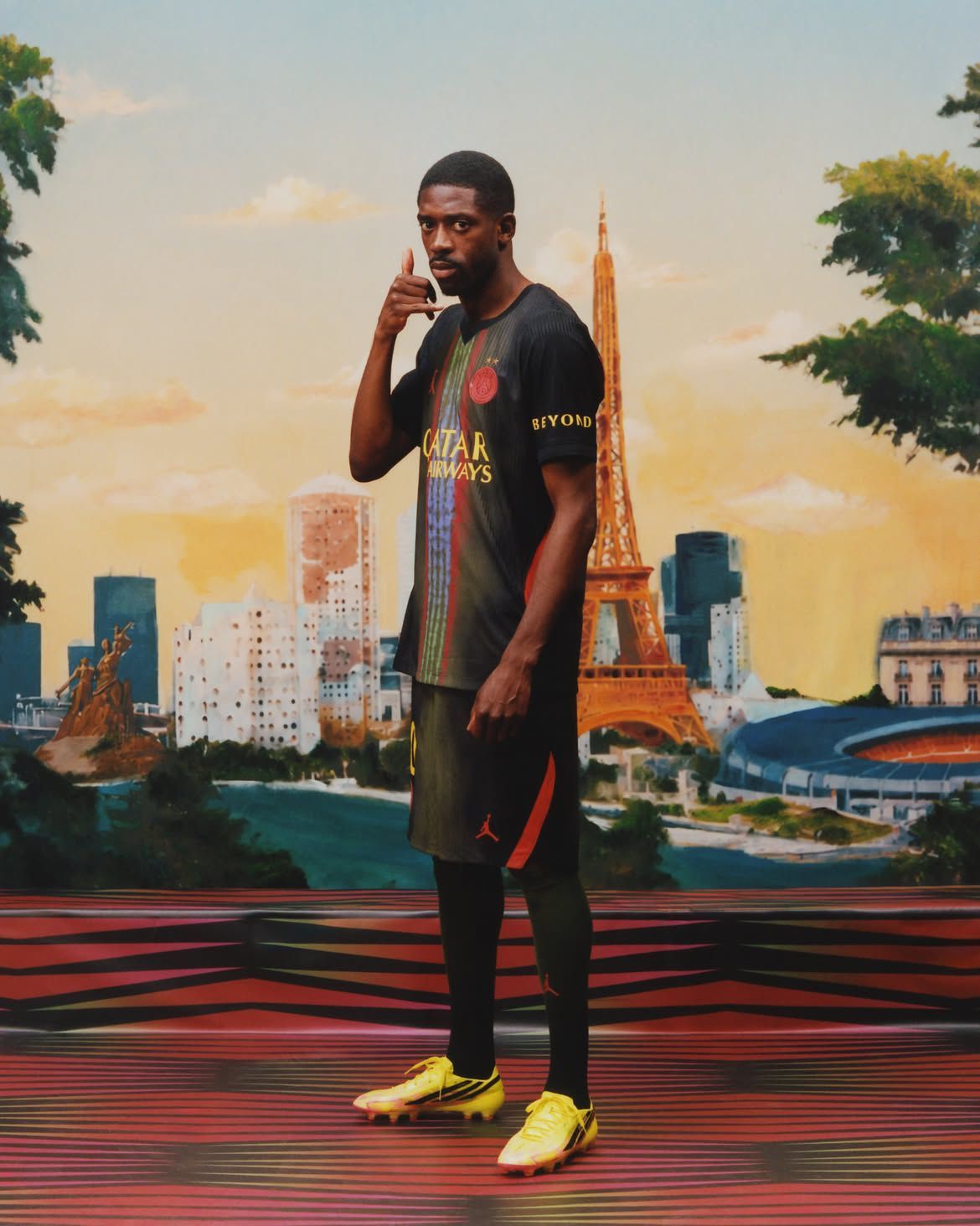
PSG and Jordan Brand have reimagined the Hechter stripe for their new Third kit
They have also introduced a collection blending football, streetwear and Jordan heritage
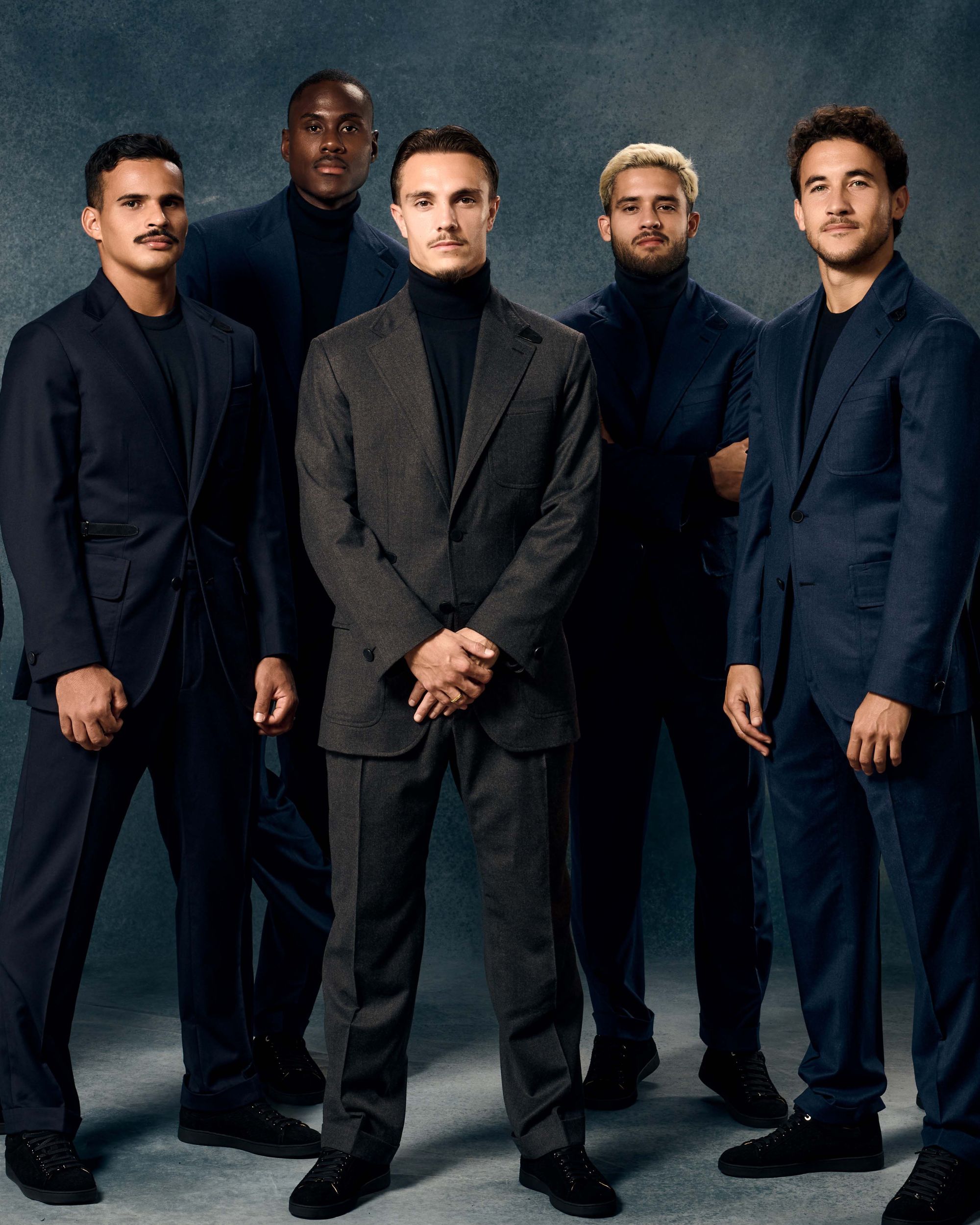
Como and Brioni celebrated their renewed partnership at Villa Carminati Resta
The team’s new formal wardrobe for the 2026/27 season was unveiled on the shores of Lake Como
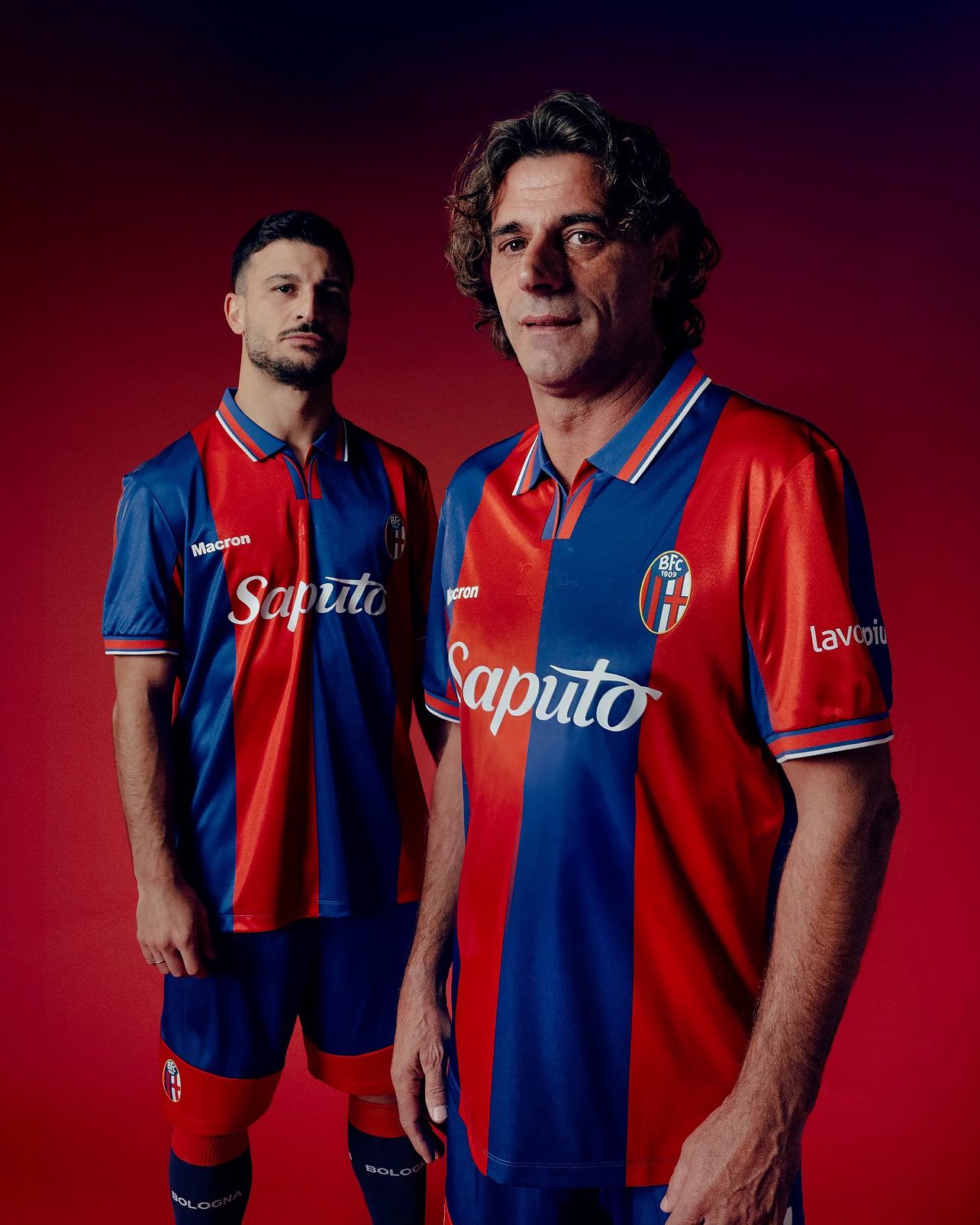
Bologna and Macron celebrate 25 years together by returning to where it all began
The club has unveiled a special kit inspired by the 2001/02 design, featuring the logos from that era and a campaign that brought Carlo Nervo and Riccardo Orsolini together