
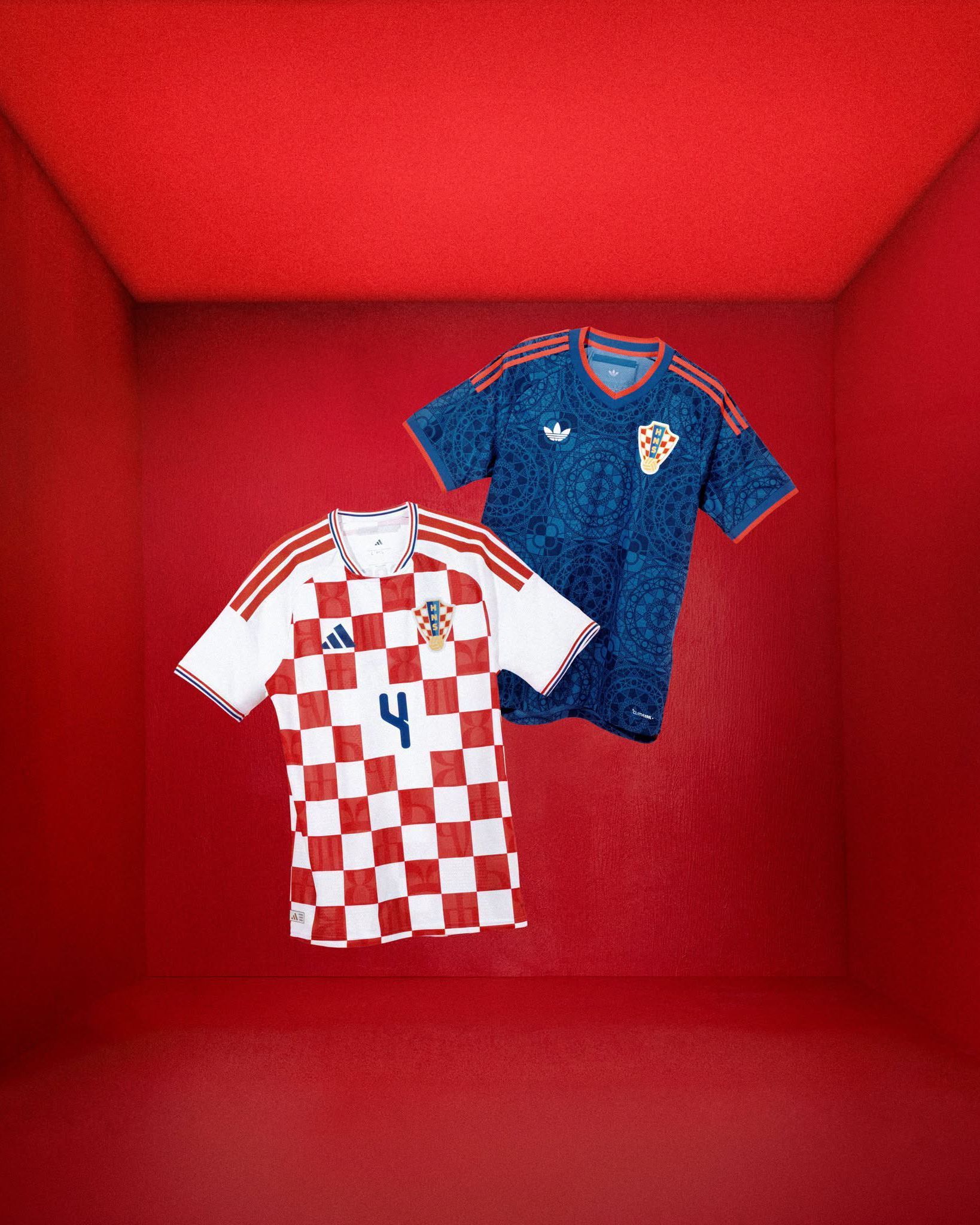
Croatia’s new adidas kits mark the end of a 26-year Nike era An updated version of the iconic chequerboard
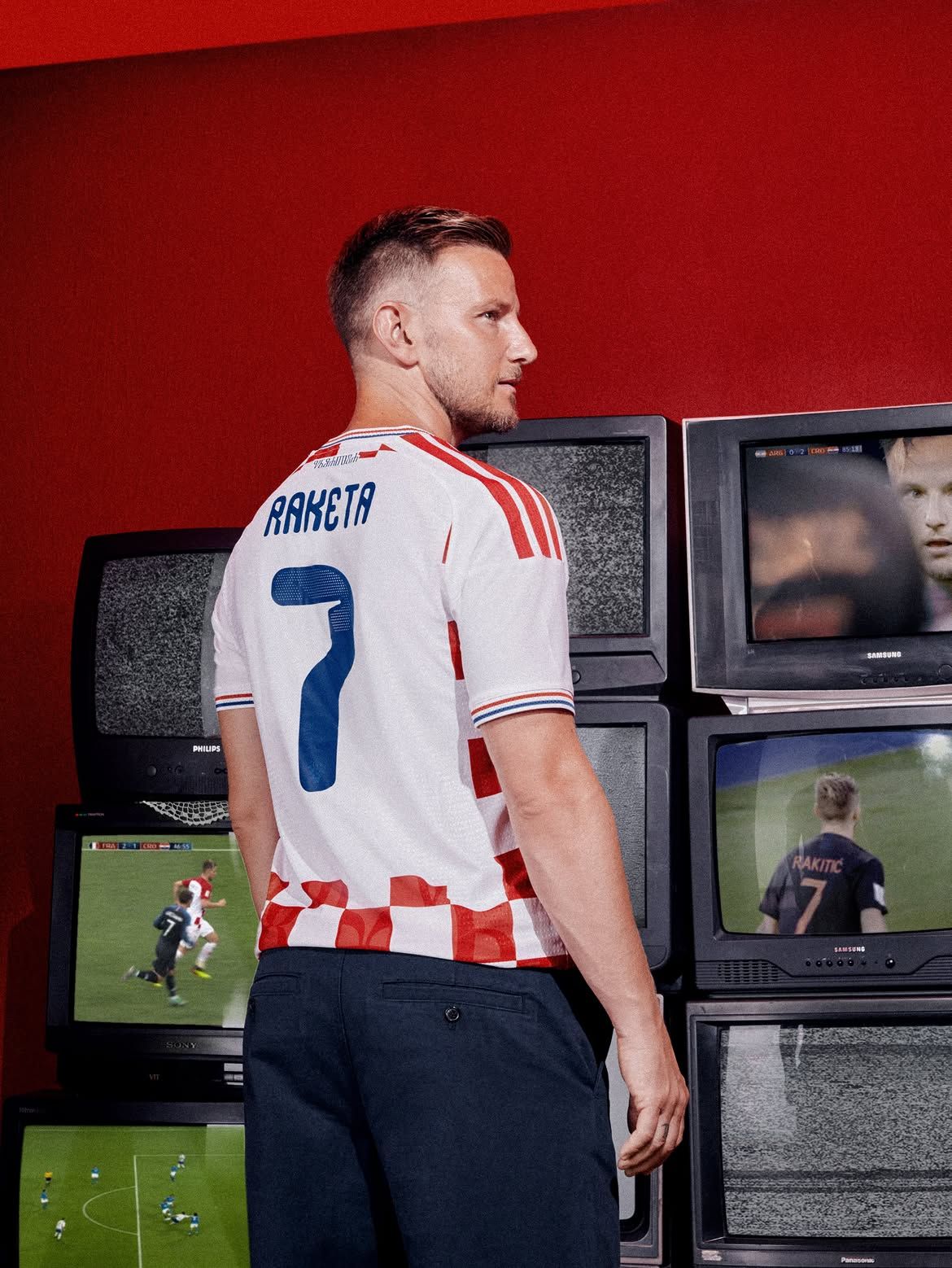
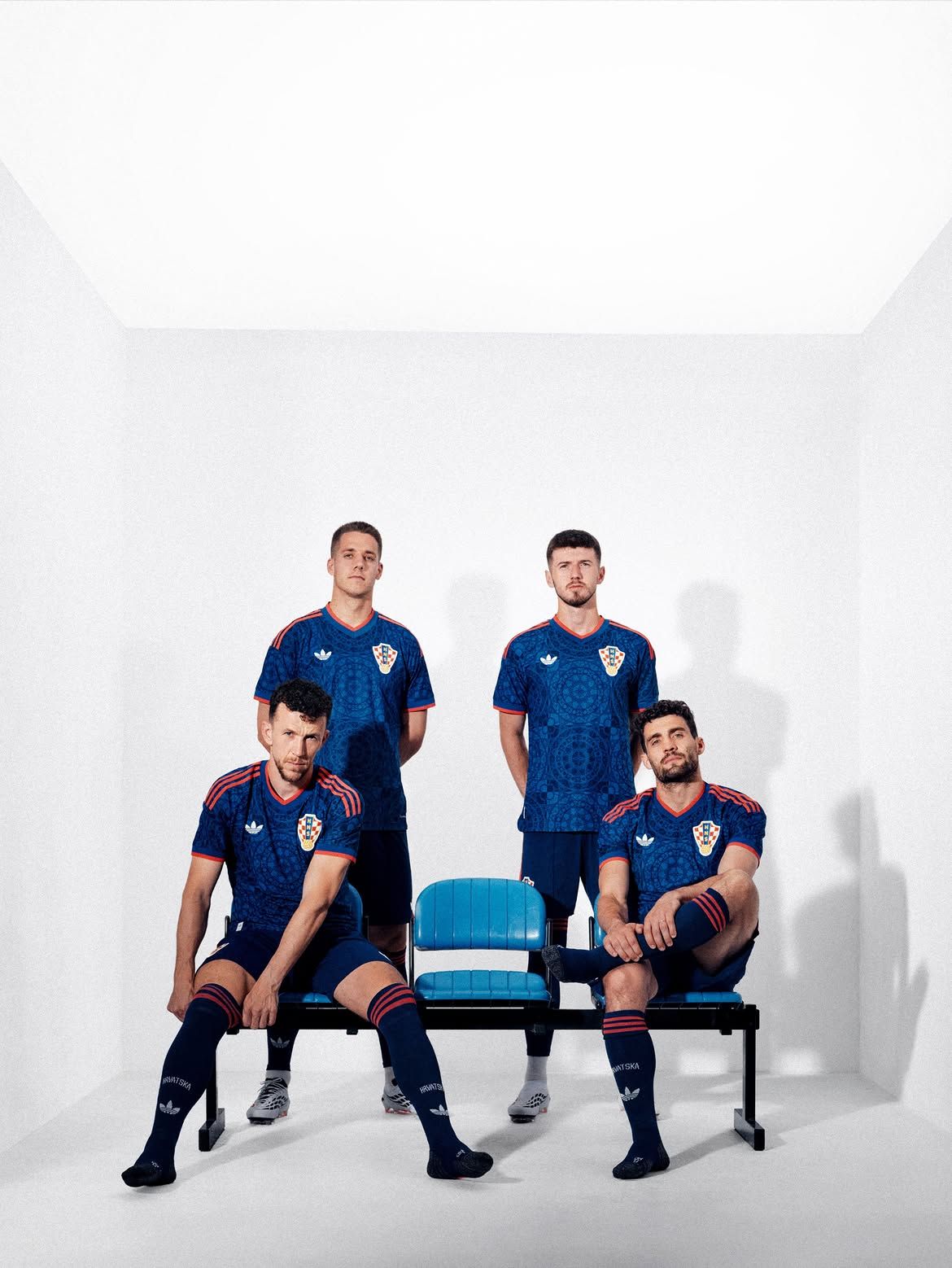
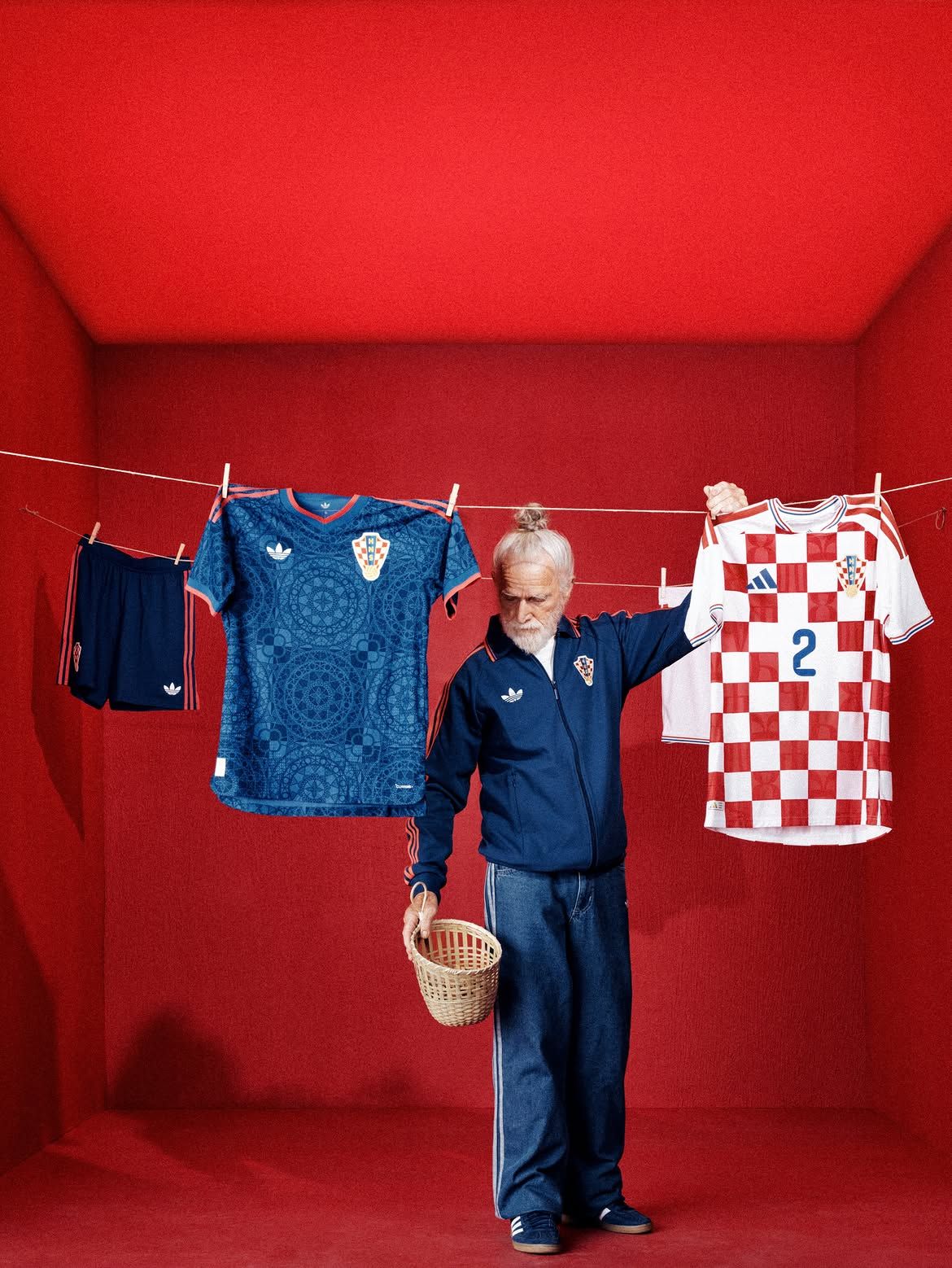
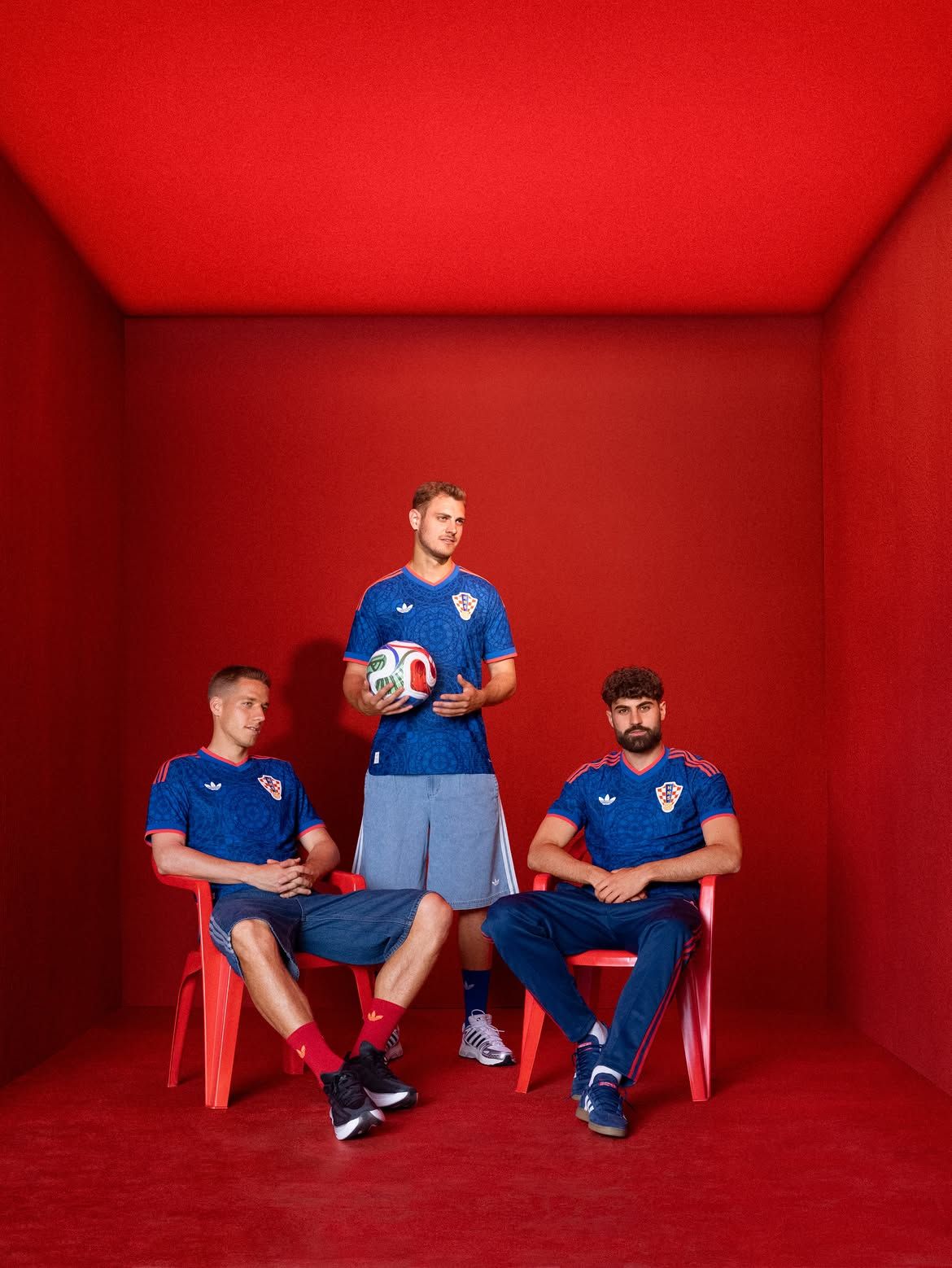
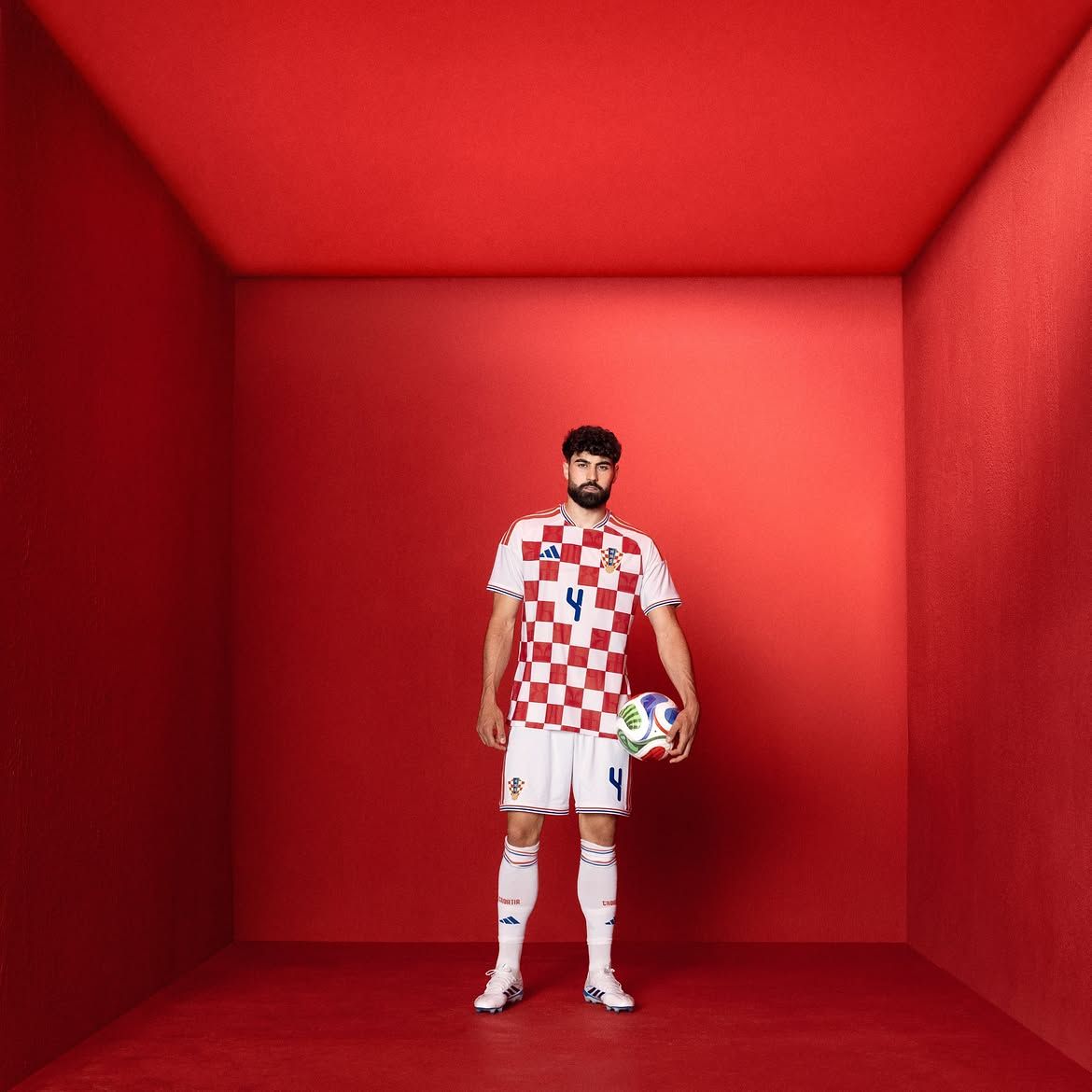
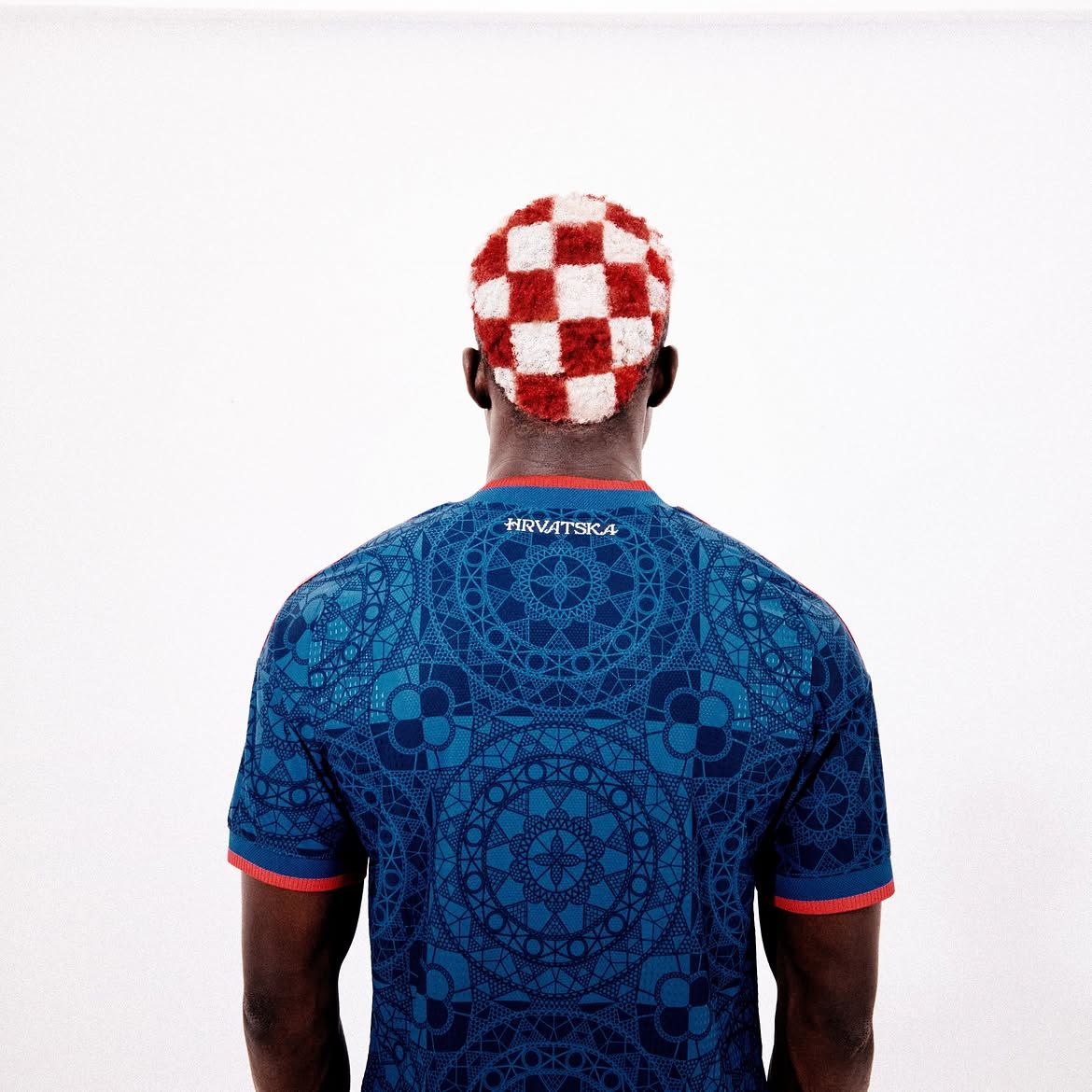
After twenty-six years, the Croatia national football team has changed its technical sponsor. The first kits designed by adidas have been unveiled, with the German brand taking over from Nike on 1 August and beginning a multi-year partnership with the HNS (Hrvatski Nogometni Savez), the Croatian Football Federation. The agreement covers the men’s, women’s and youth national teams, and includes an extensive collection that goes beyond match kits to include training wear and culture wear.
adidas has thus expanded its presence among national teams, following recent agreements with the Czech Republic, Turkey, Poland and Nigeria, despite the end of its long-standing partnerships with Germany and Wales. Among its new partnerships, the one with Croatia has given adidas a truly distinctive identity, built around the iconic red-and-white chequerboard, one of the most recognisable visual codes in international sport.
The new Croatia jerseys
"Much more than innovative football kits or bold aesthetic statements", explained Marijan Kustic, president of the HNS. "Together with adidas, we chose a design that embodies the perfect fusion of local pride and a global mindset". This is the principle shared by two jerseys that speak different visual languages, but are both rooted in Croatian imagery and culture.
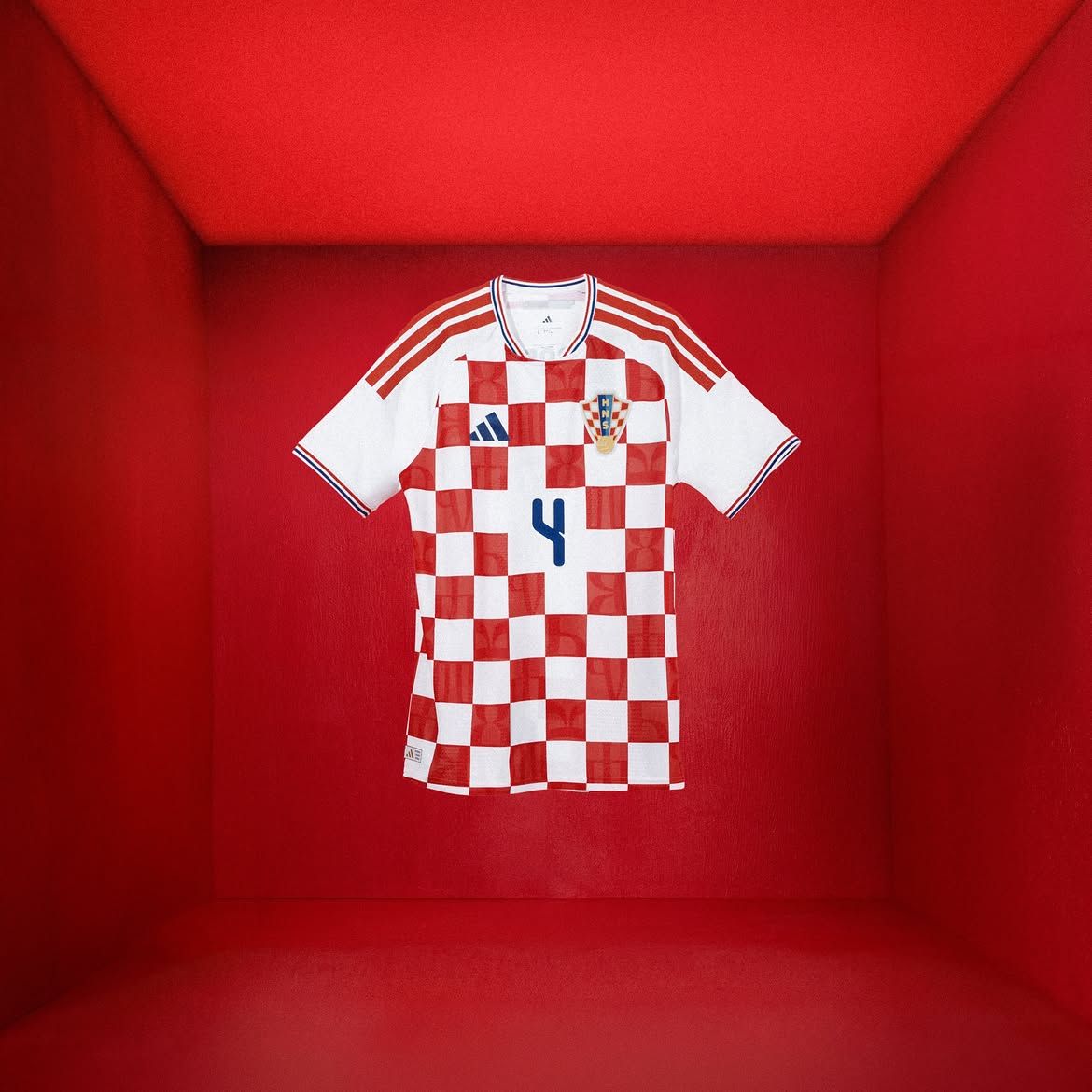
The Home jersey inevitably starts from white, red and the traditional chequerboard, updated from previous editions with a detail inside each square: Glagolitic characters, the oldest known Slavic alphabet and one of the symbols of Croatia’s cultural heritage. The same reference appears on the back of the collar, where the word “Croatia” is written in the same script. The white sleeve cuffs are completed by red and blue details that echo the national flag.
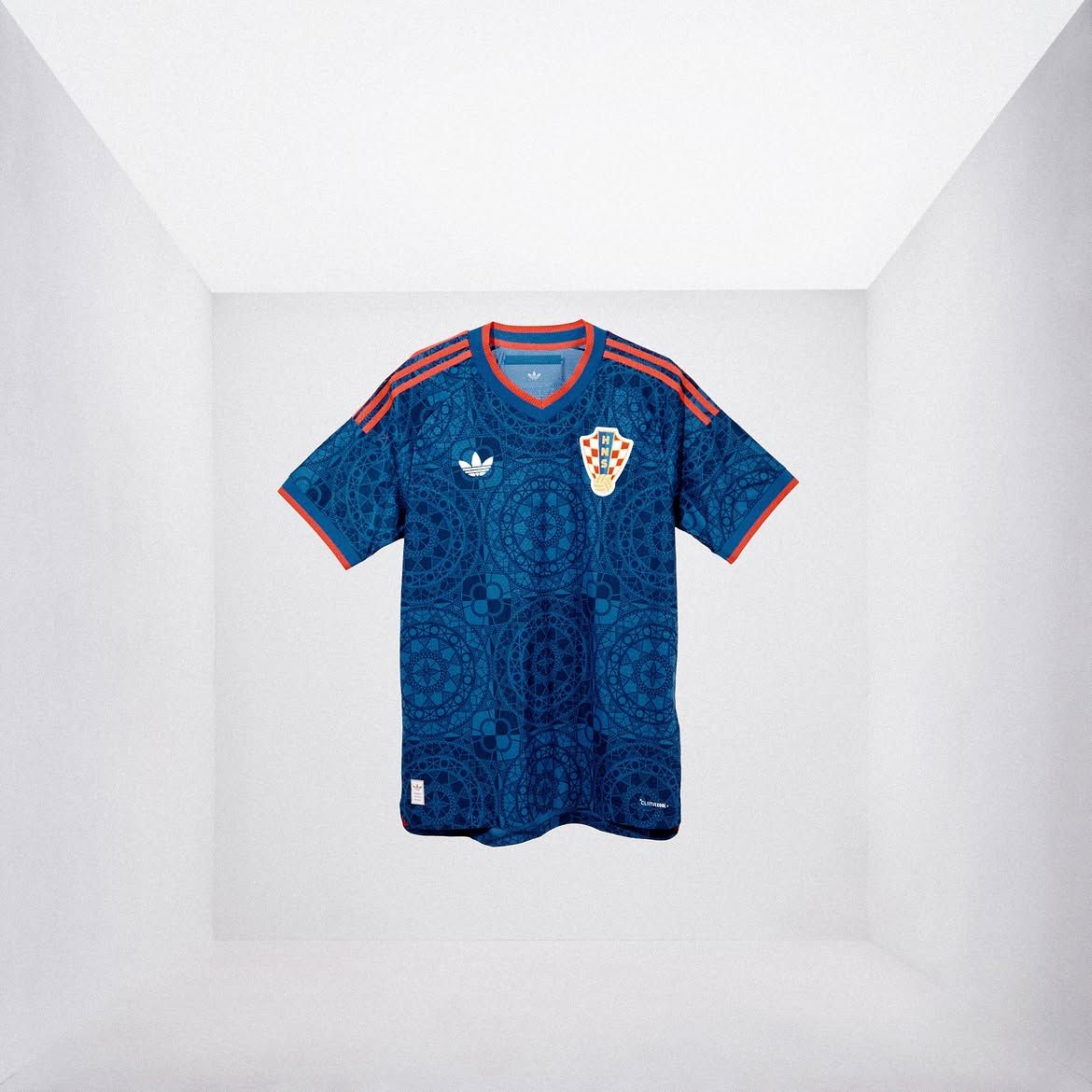
The Away, built around a deep blue base with red details and a white adidas trefoil, allowed for greater creative freedom. Here, the reference to local culture does not come through institutional symbolism, but through the country’s lace-making tradition. The graphic running across the surface of the jersey is inspired by this craft, recognised by UNESCO as intangible cultural heritage, while the word HRVATSKA appears on the collar in lettering inspired by cross-stitch.
The chequerboard and Croatian identity
For decades now, the red-and-white chequerboard – known in Croatian as the šahovnica – has been a central element of the national coat of arms and the country’s defining visual symbol, predating the birth of modern independent Croatia by centuries. The origins of the pattern can be traced back five centuries and, despite the legend that it was created following a game of chess between a Croatian ruler and the Doge of Venice – a story never historically confirmed – it has nothing to do with the world of chess.
In football, the šahovnica took on the meaning we associate with it today in 1990, before the country formally declared independence. During a friendly played in Zagreb against the United States that summer, the first version of the modern Croatian jersey was created by Miroslav Šutej, an artist who also played a role in shaping the institutional identity of the new state.
Over the years, that visual code gradually became an aesthetic institution of international football. From Euro 1996, Croatia’s first major tournament as an independent nation, to their third-place finish at the 1998 World Cup in France, with Davor Šuker finishing as the tournament’s top scorer: an edition that forever transformed the Lotto jersey worn by that team into a piece of football history.
Over the following twenty-six years, first with Nike, the focus was mainly on the scale and arrangement of the checks: oversized in 2018, fragmented in 2022, then smaller and closer to the original 1990 model on the latest 2026 jersey. The proportions and interpretations have changed, but never the principle behind them. Now the baton has passed once again, from Nike to adidas, with the chequerboard still at the centre of everything.