Hertha Berlin have introduced a Manifesto for their kits A set of rules to balance tradition, identity and the protection of the club's iconic symbols
Hertha Berlin has published an official document setting out the rules for the design of its football kits. More than just a document, it is a manifesto, as suggested by its official German name, the Trikotmanifest. The guidelines were drawn up following discussions between the club's board and the fans, establishing a set of requirements for the design of the Home, Away and Third jerseys. The aim is to strike a balance between tradition, identity and contemporary design codes, providing a clear direction for seasons to come.
The Trikotmanifest rules for Home, Away and Third jerseys
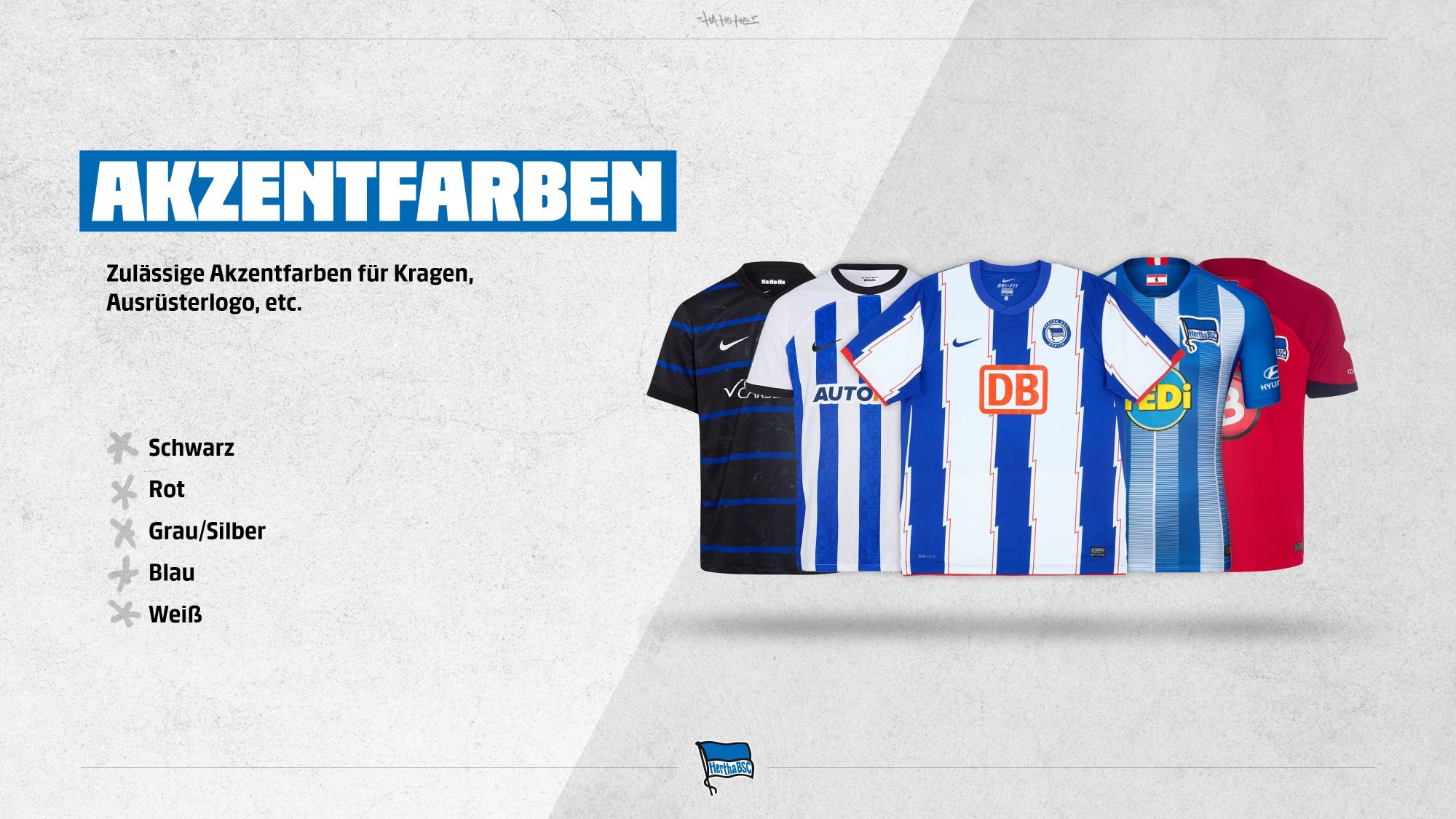
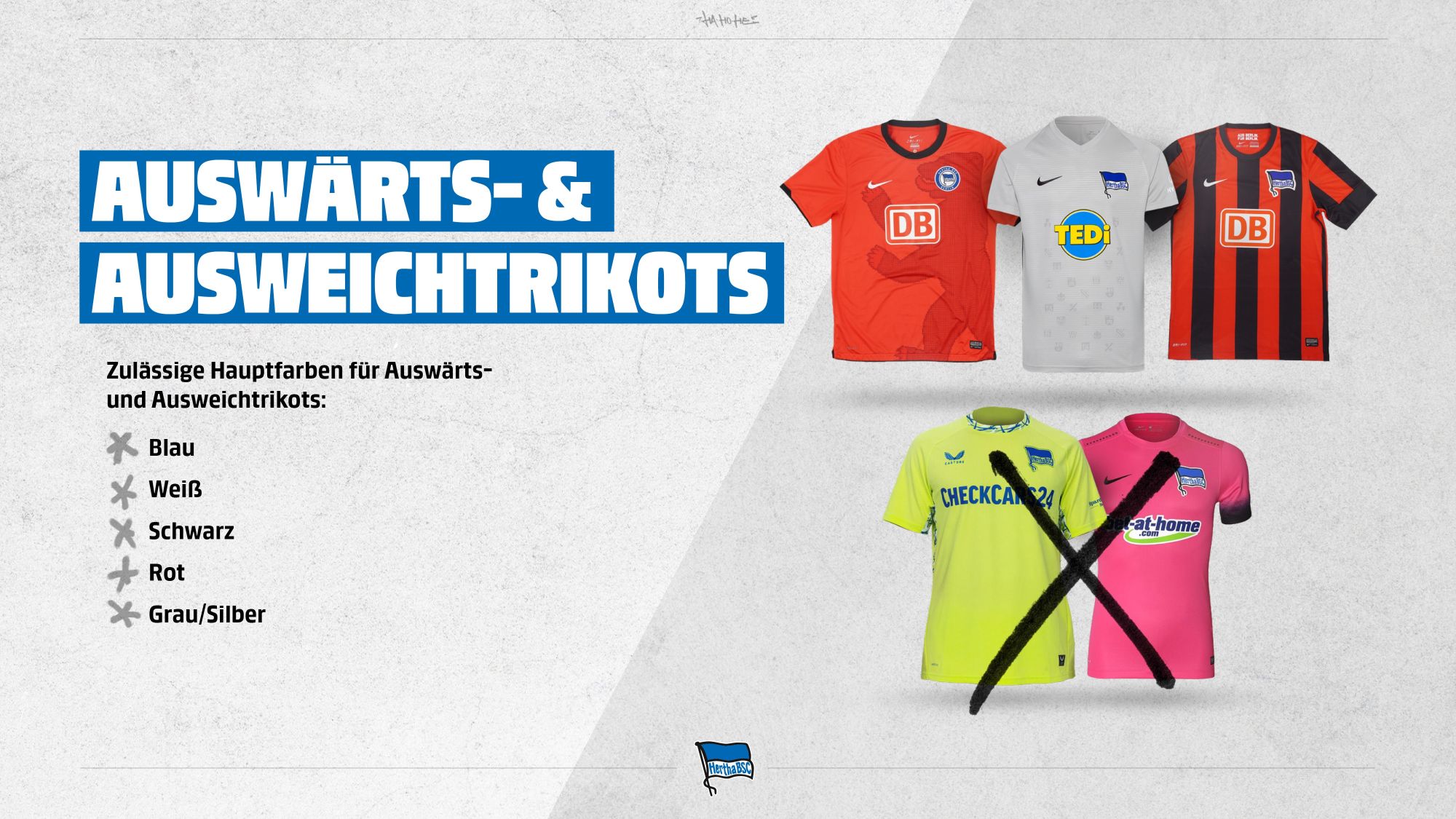
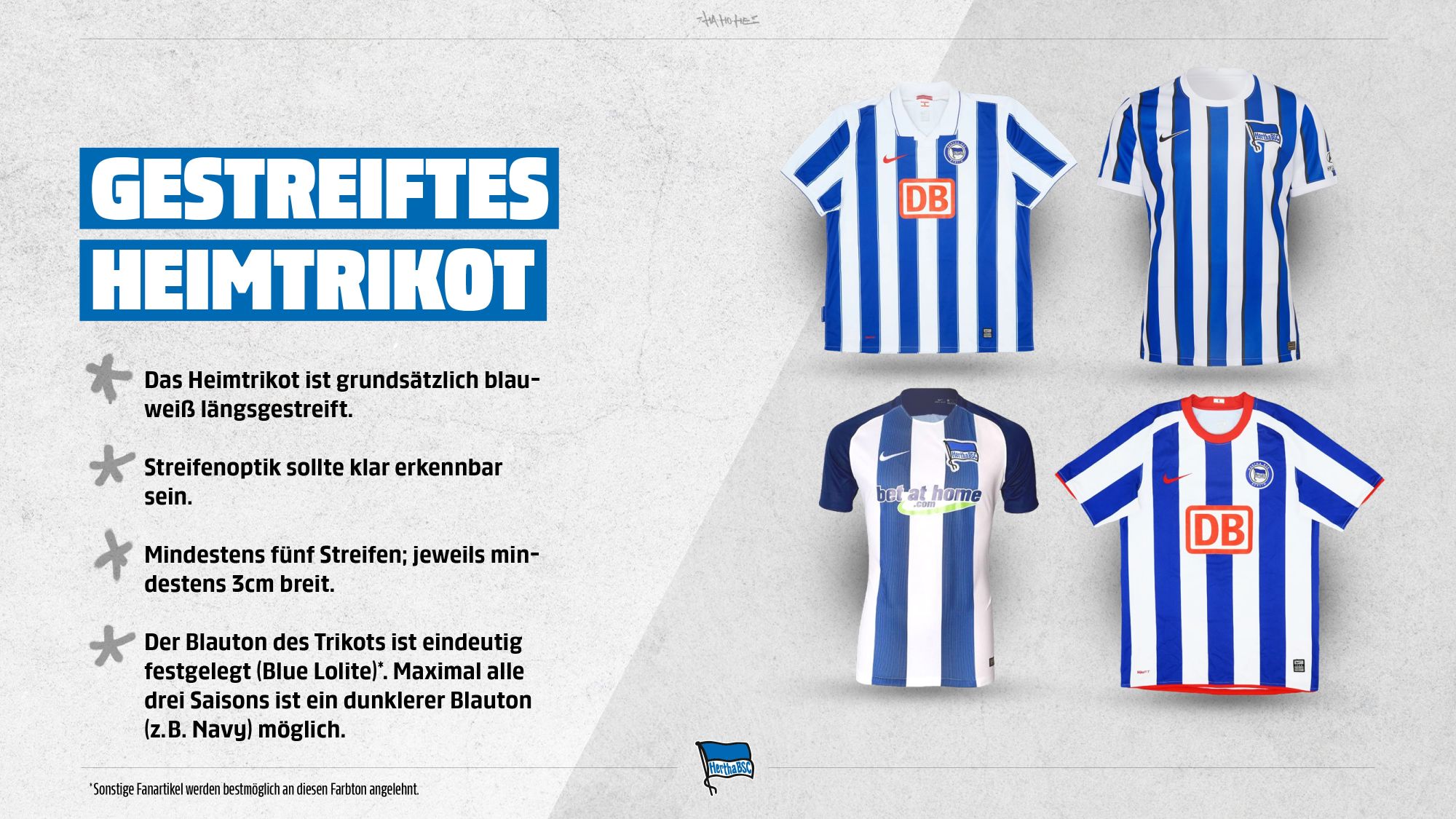
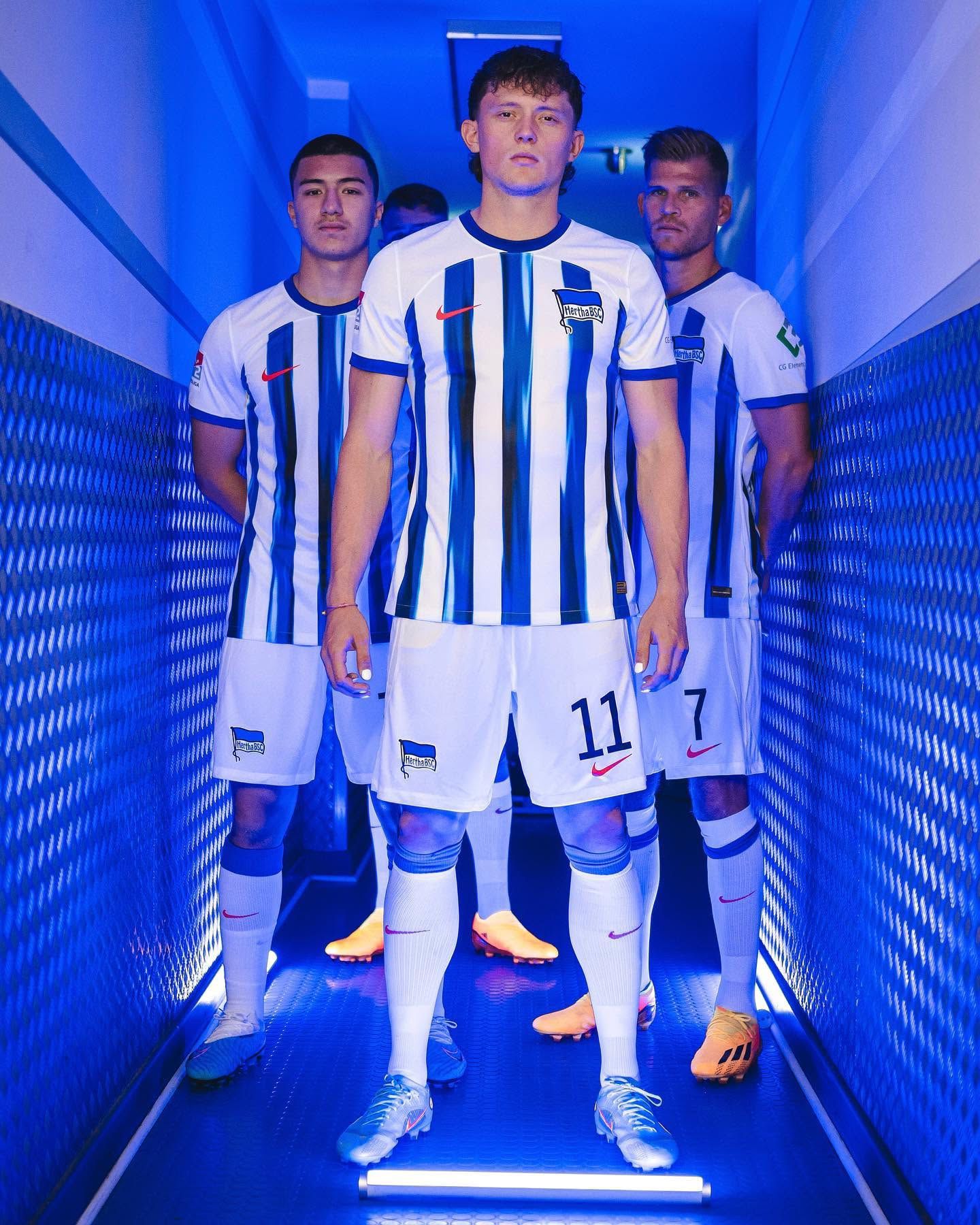
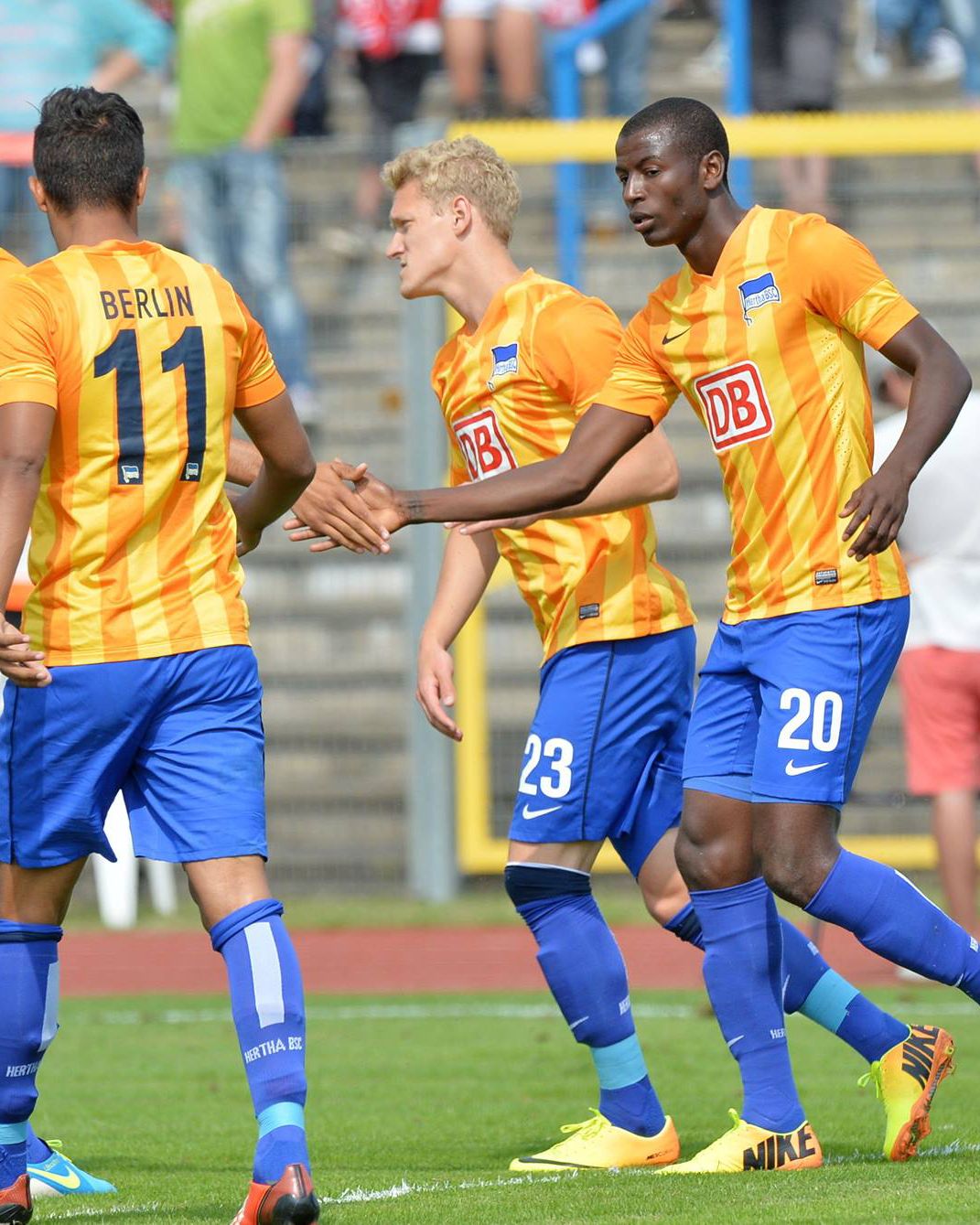
When it comes to the Home jersey, the iconic blue and white vertical stripes are here to stay. The non-negotiable requirement is a minimum of five stripes, each at least 3 cm wide. The shade of blue has also been specified: Blue Lolite, with a darker shade permitted no more than once every three seasons. The rules are slightly more flexible when it comes to the colours of the Away and Third jerseys, with the club allowing five options: blue, white, black, red and grey/silver. No kits in other colours will be permitted, ruling out shades such as yellow and pink, both of which have featured in the club's collections in recent seasons. The club will also be limited to producing two additional kits per season, which must, of course, comply with the colour guidelines and respect Hertha's traditions.
Fahne Pur: making Hertha Berlin's crest mandatory
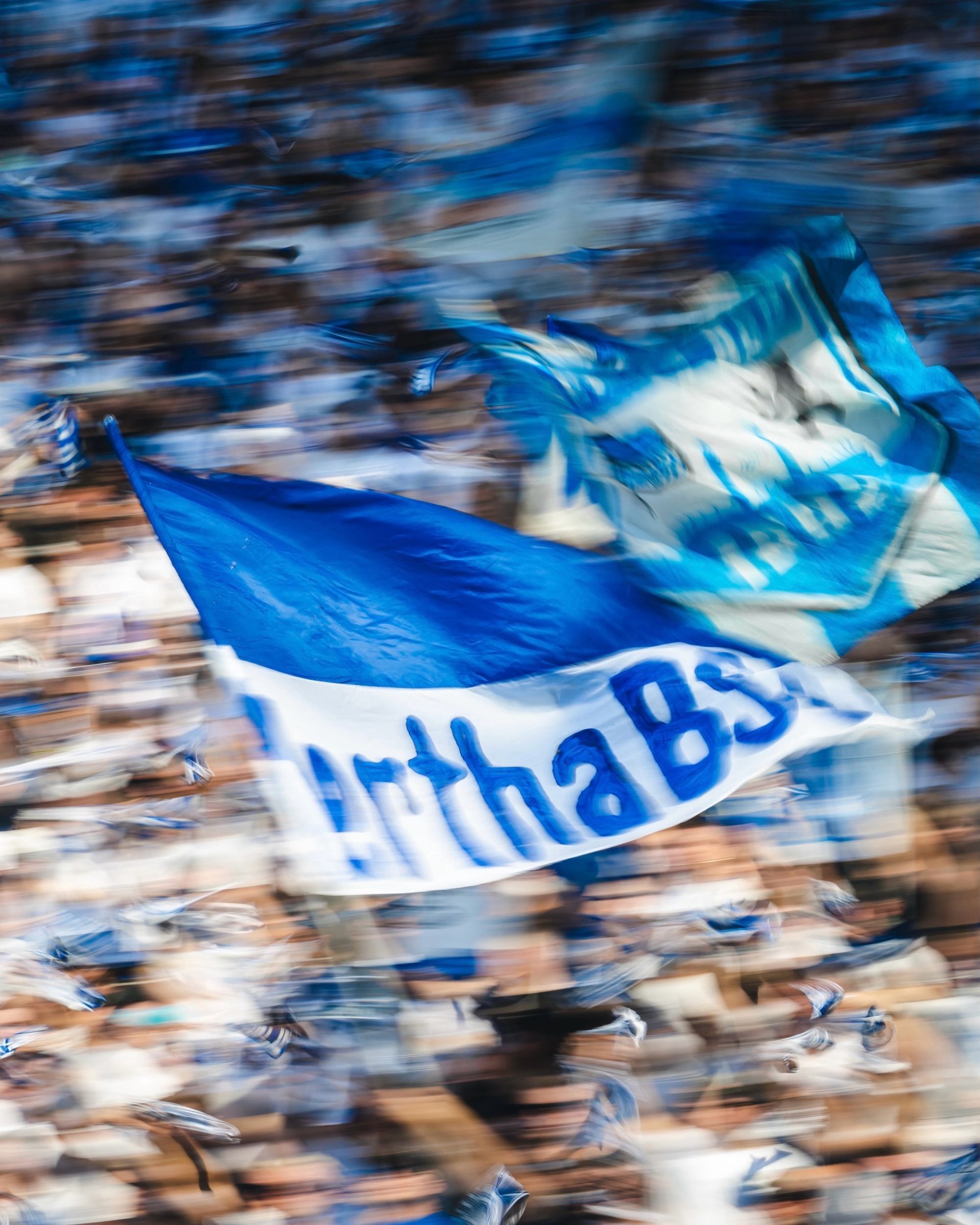
The manifesto's central element, however, is the club crest, known as the Fahne Pur: the blue and white flag that has become Hertha's defining symbol. It must feature on every kit worn by the club's teams, both in official matches and friendlies. The flag must be positioned on the left-hand side of the chest, while for the Away and Third jerseys it may also be placed centrally, but on no more than one of the two.
The importance of the crest to the club and its supporters is set to be further reinforced, with a process now underway to enshrine the obligation to use the Fahne Pur on official playing kits in the club's statutes. The proposed amendment, submitted by the board ahead of the November general meeting, aims to protect one of the most recognisable symbols of Hertha's identity without unnecessarily restricting the club's creative freedom beyond the pitch. The provision will apply exclusively to official playing kits, leaving room for alternative interpretations of the flag on special jerseys, merchandise and items created for specific occasions.
From Nike to Castore: how Hertha Berlin's kit identity is changing
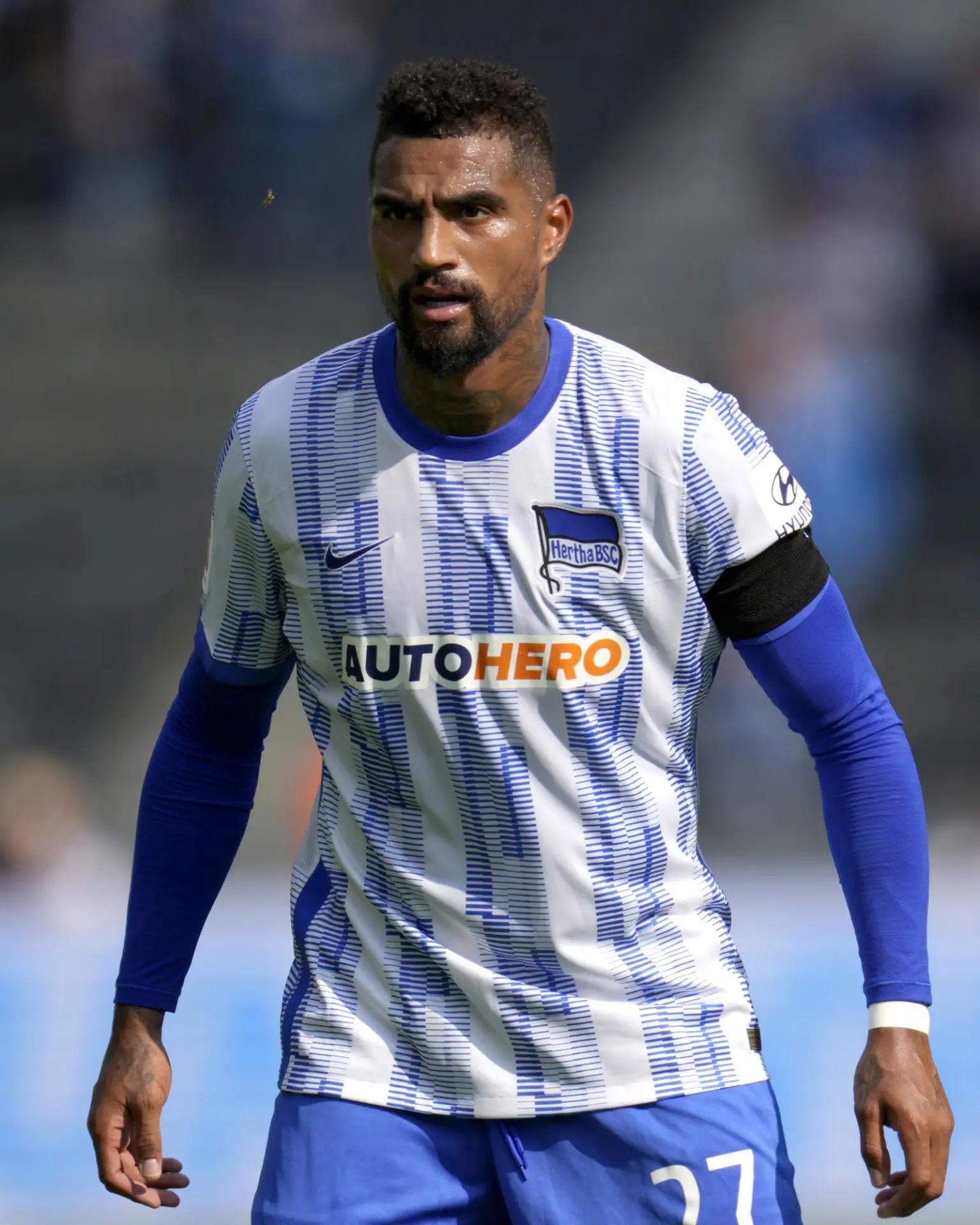
Hertha Berlin currently wear Castore, the British brand that replaced Nike, the club's technical sponsor from 1999 to 2025. Over the course of their 26-year partnership with the Swoosh, the team's visual codes were reinterpreted in numerous ways: traditional vertical stripes were reworked with zigzag patterns and gradient effects, while Away jerseys featured horizontal stripes and fluorescent details. More daring designs included red and black vertical stripes, as well as yellow and orange combinations for Third kits. Previous technical sponsors, from adidas to Reusch and PUMA, had also experimented over the years, repeatedly moving away from the principles the new manifesto now seeks to preserve: the club's identity and tradition.
Publishing a manifesto of this kind is an unusual move in contemporary football. The principles it contains, however, are not necessarily new: guidelines on colours, graphic patterns and the symbols that must be retained are normally part of the briefs clubs share with their technical sponsors during kit development. What sets Hertha Berlin's initiative apart is its decision to make those guidelines public, turning the rules governing kit design into a statement of intent. It is also a move that inevitably appeals to the club's supporters, long-standing guardians of Hertha's blue and white tradition. With the team currently competing in the 2. Bundesliga, that bond with the fans remains one of the club's most valuable assets.
What to read next

The role of football in Brazil’s presidential election
How the world of futebol played its part in Lula’s re-election
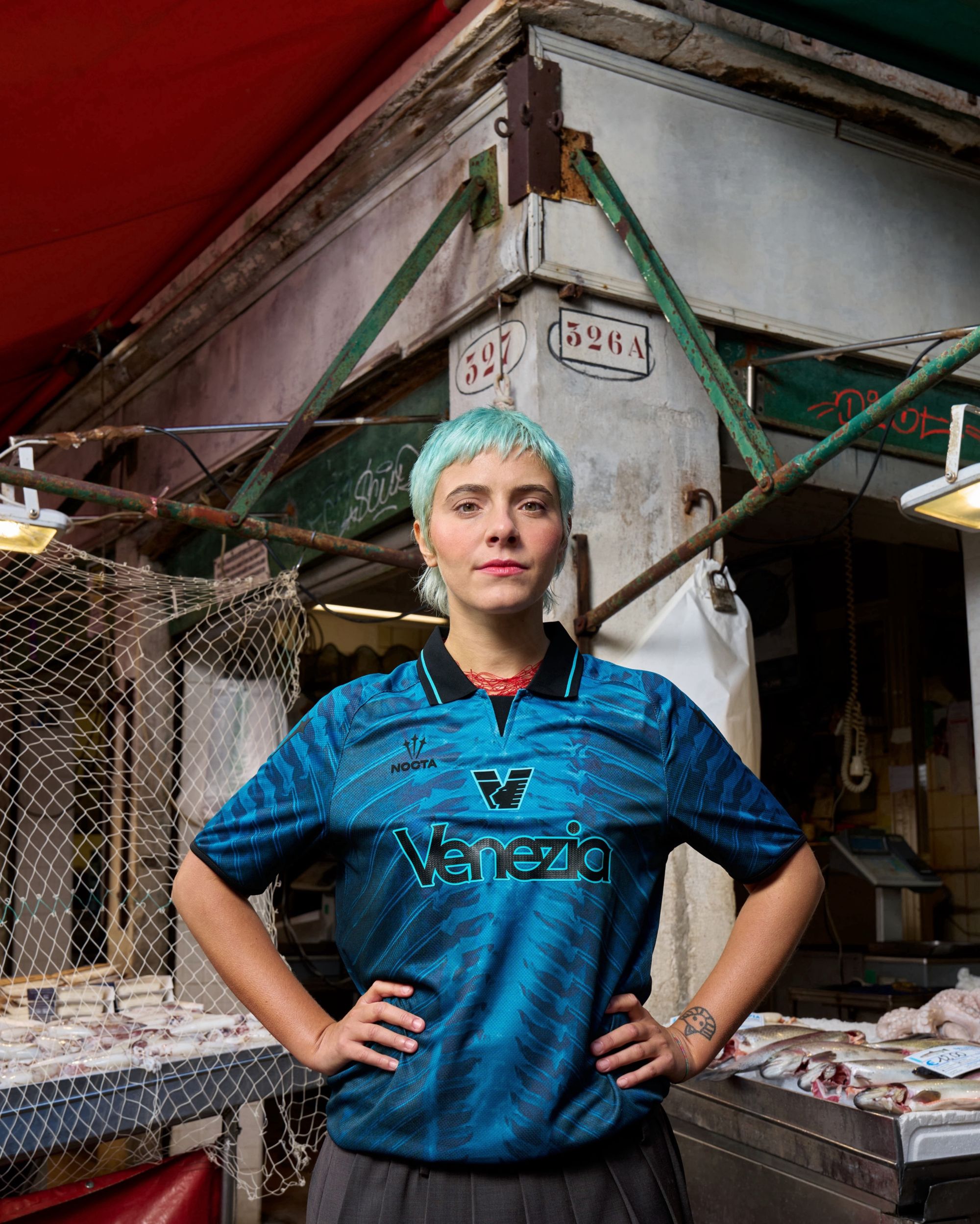
Venezia’s fourth kit draws inspiration from the Rialto Fish Market
The club and NOCTA have once again drawn inspiration from an iconic element of the Venetian Lagoon