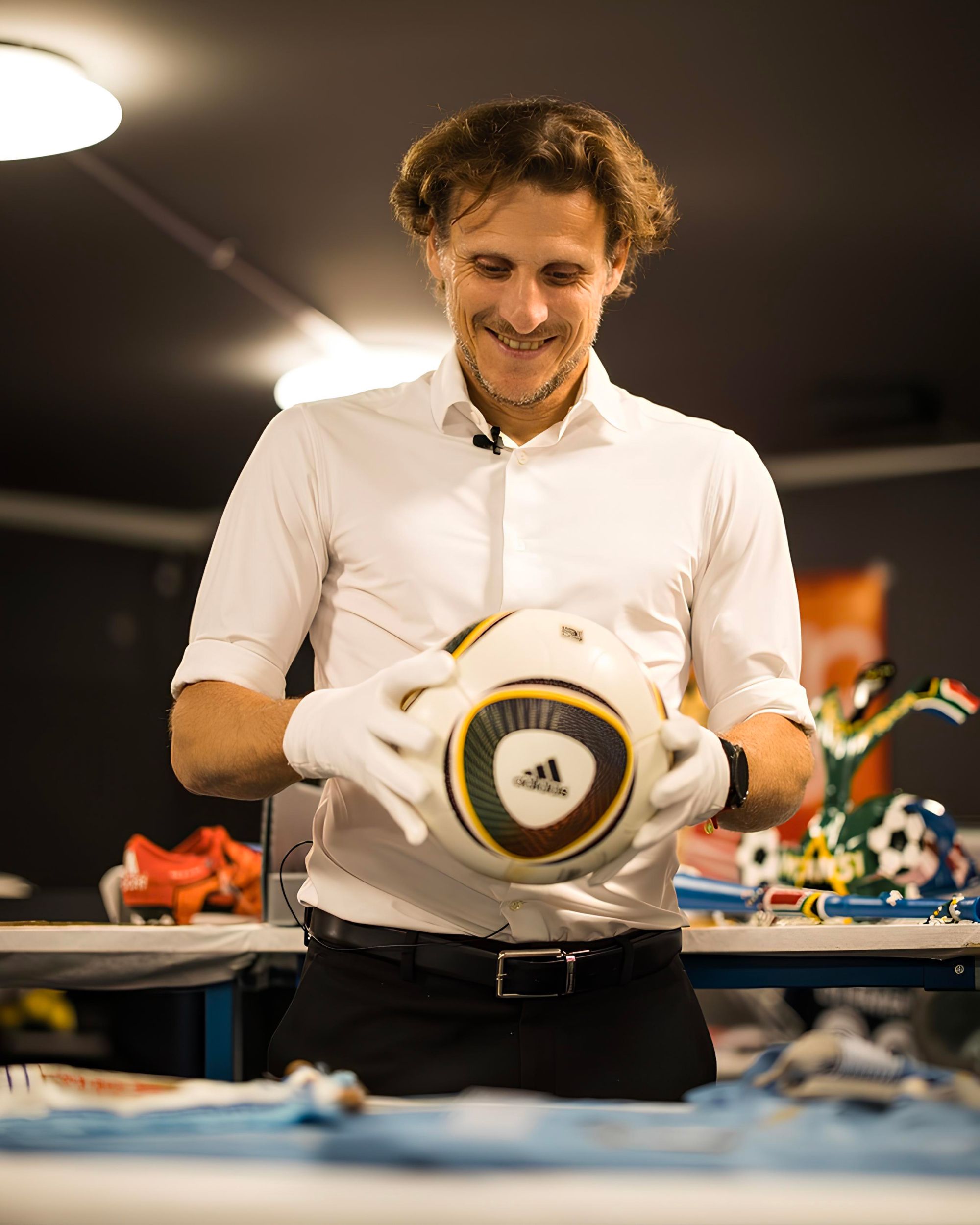
History and evolution of the World Cup official footballs From Tango to Fevernova and the wonderful Jabulani
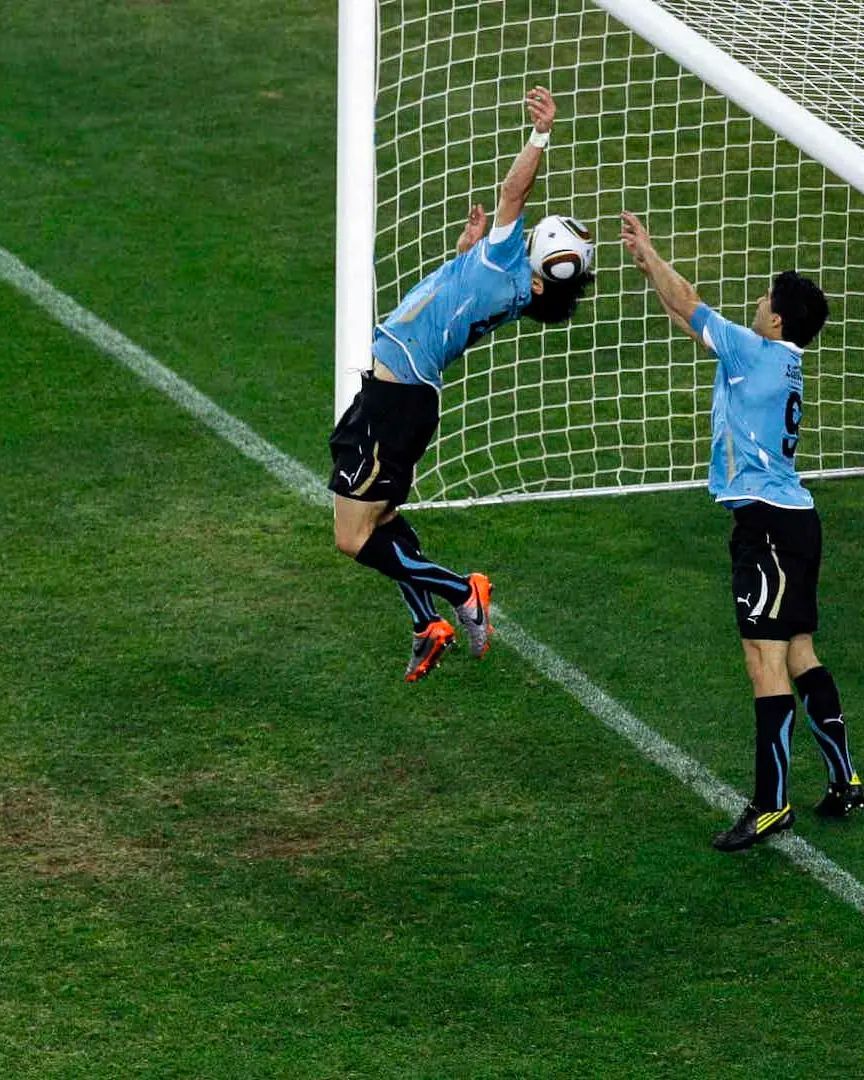
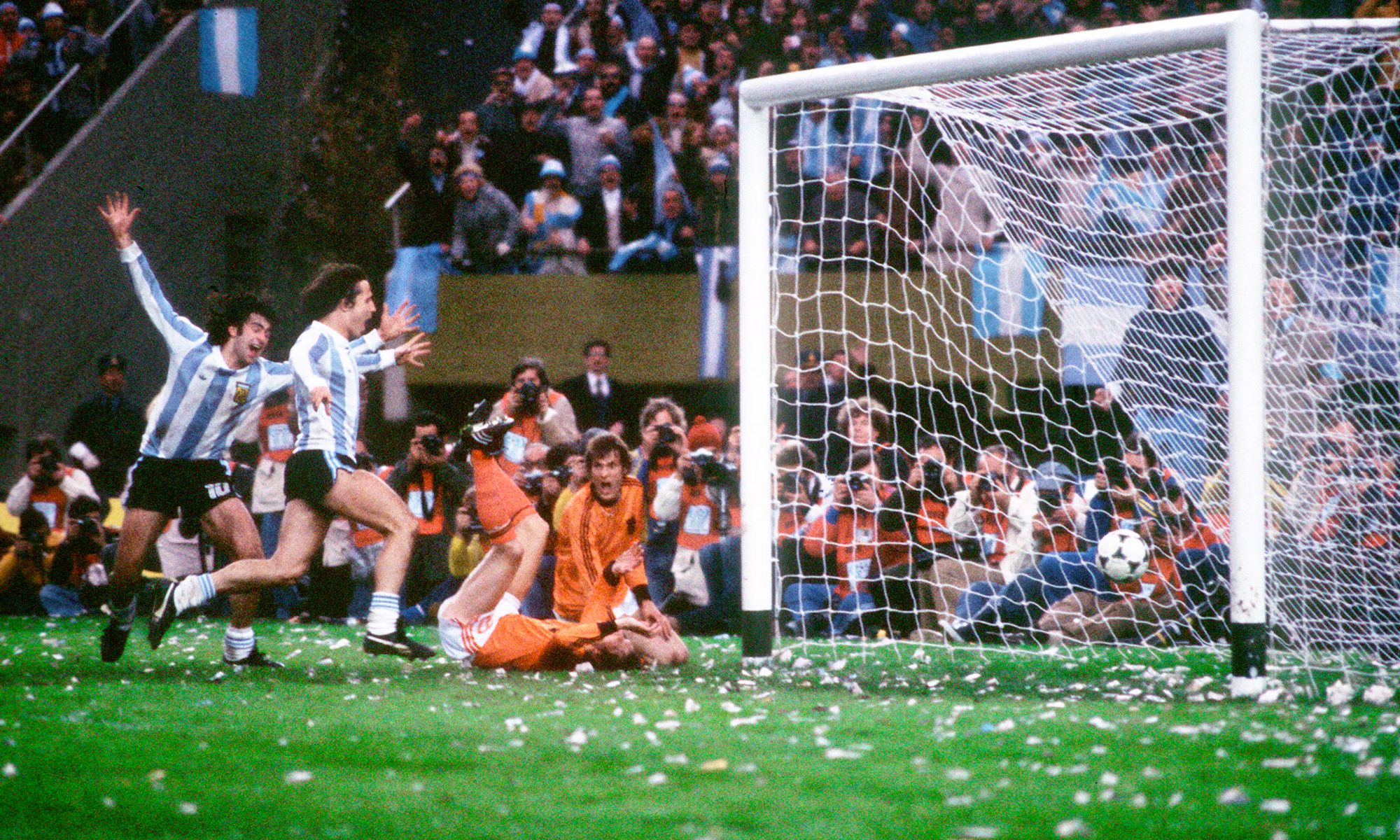
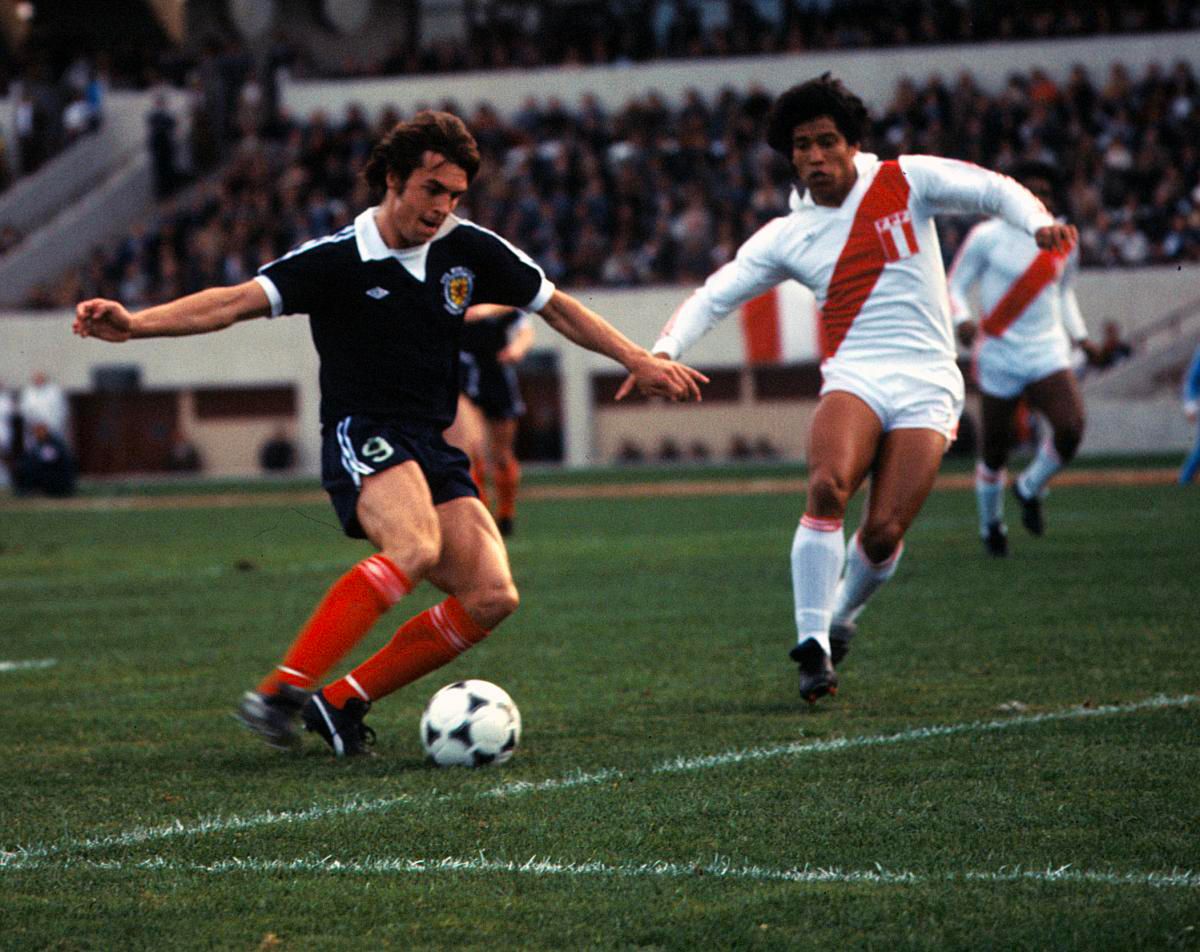
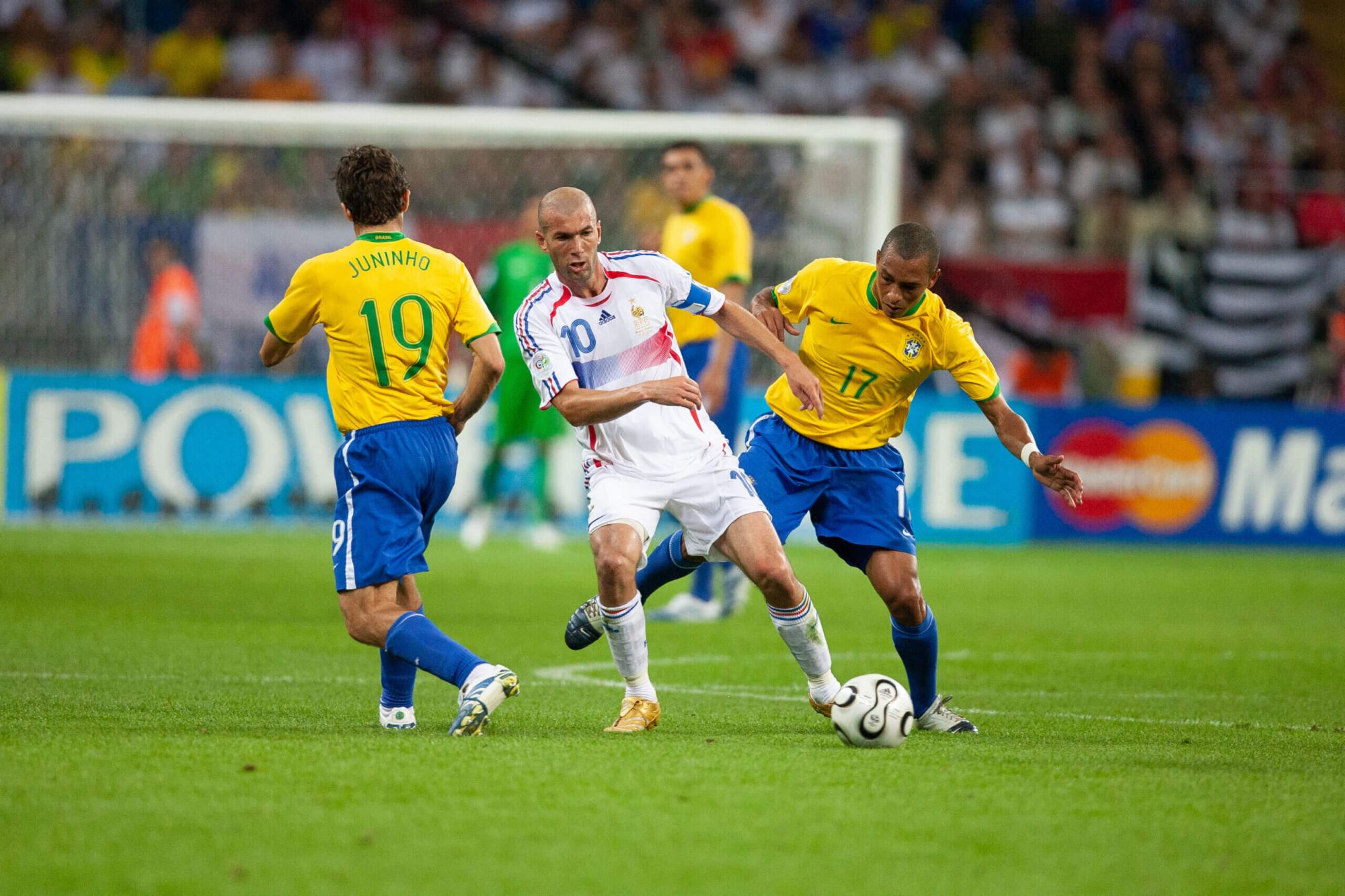
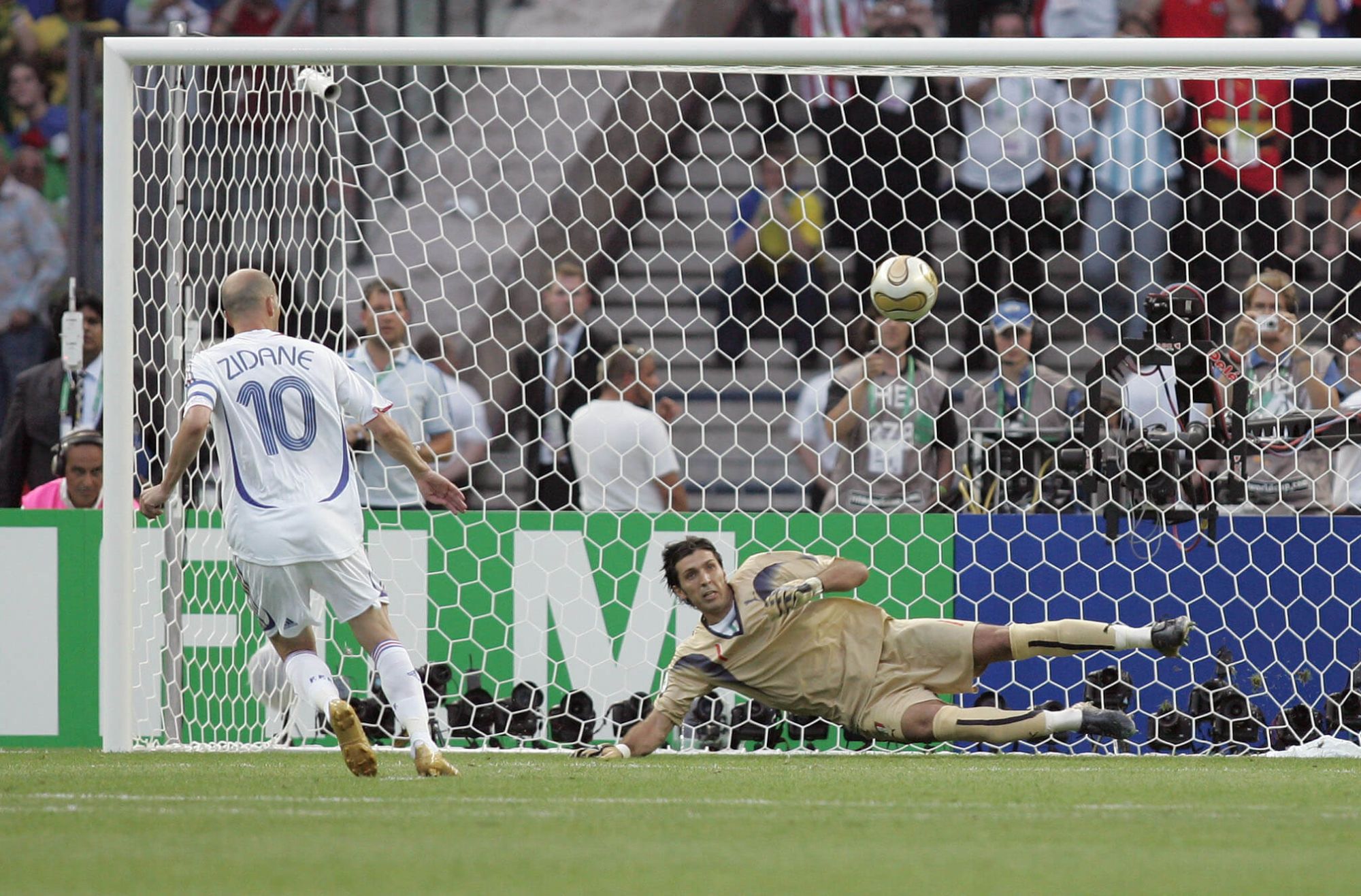
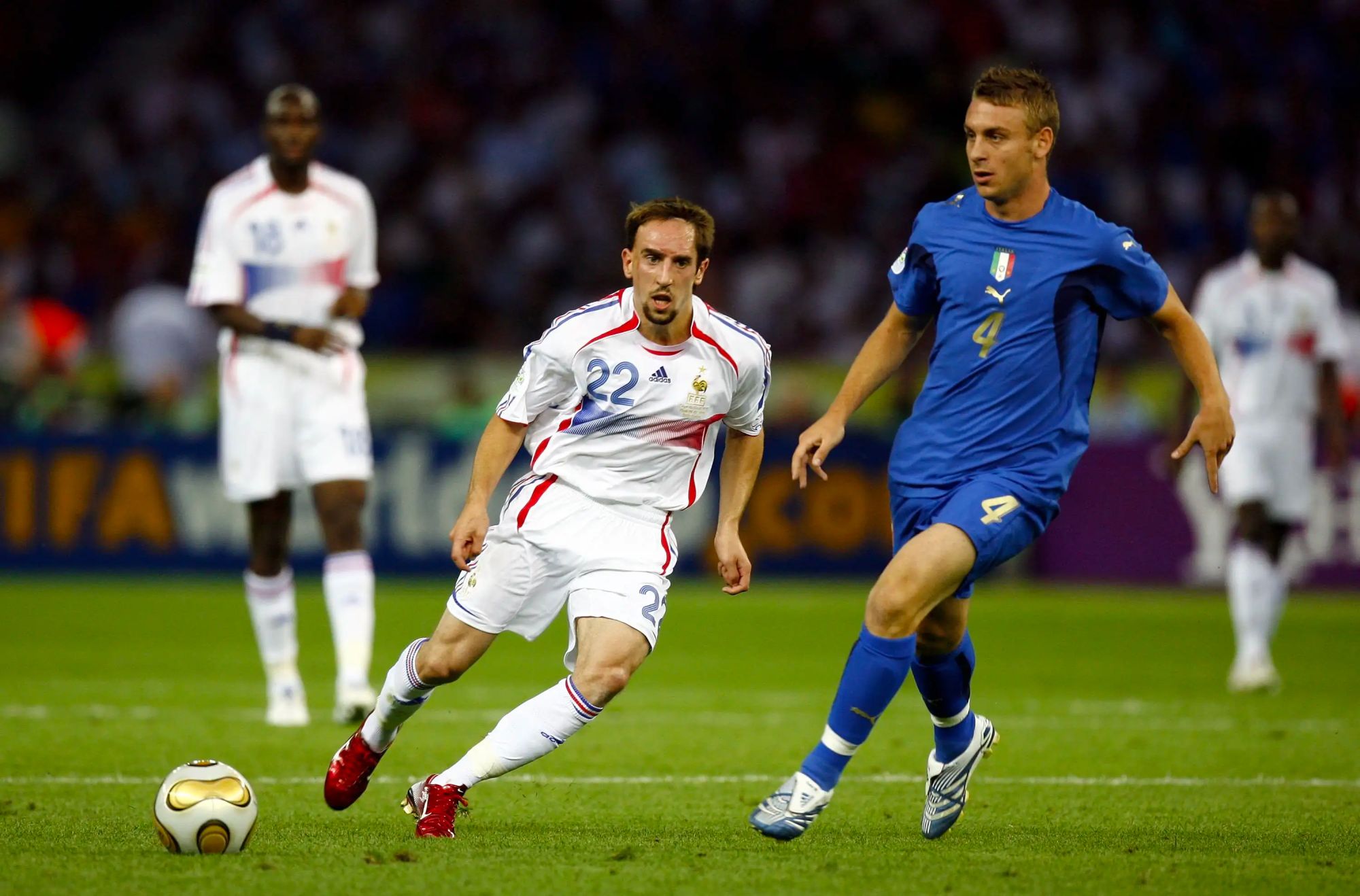
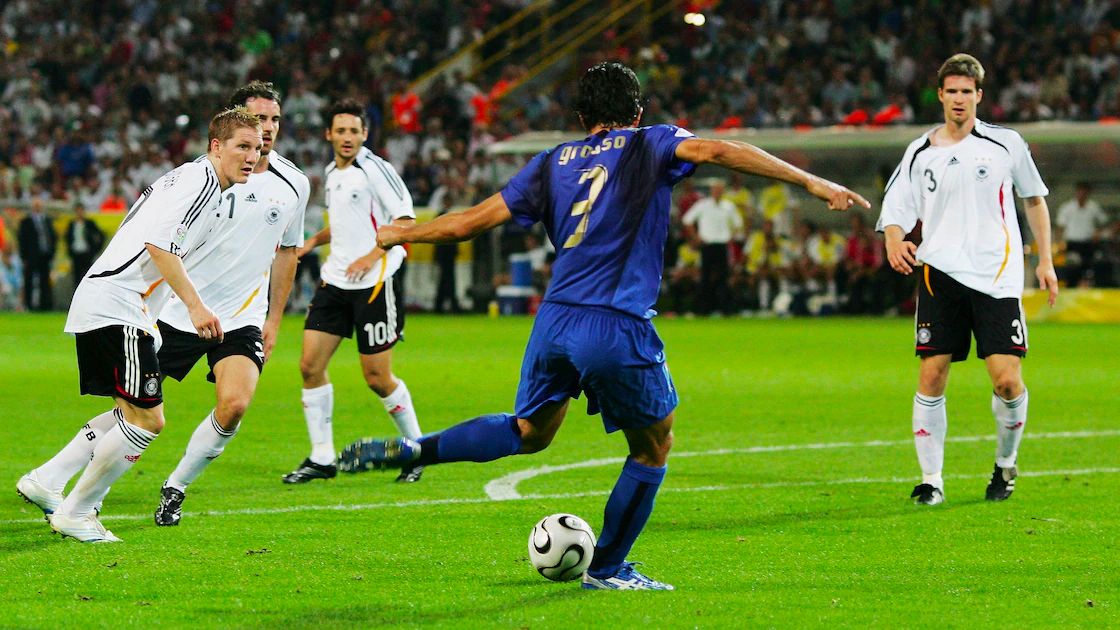
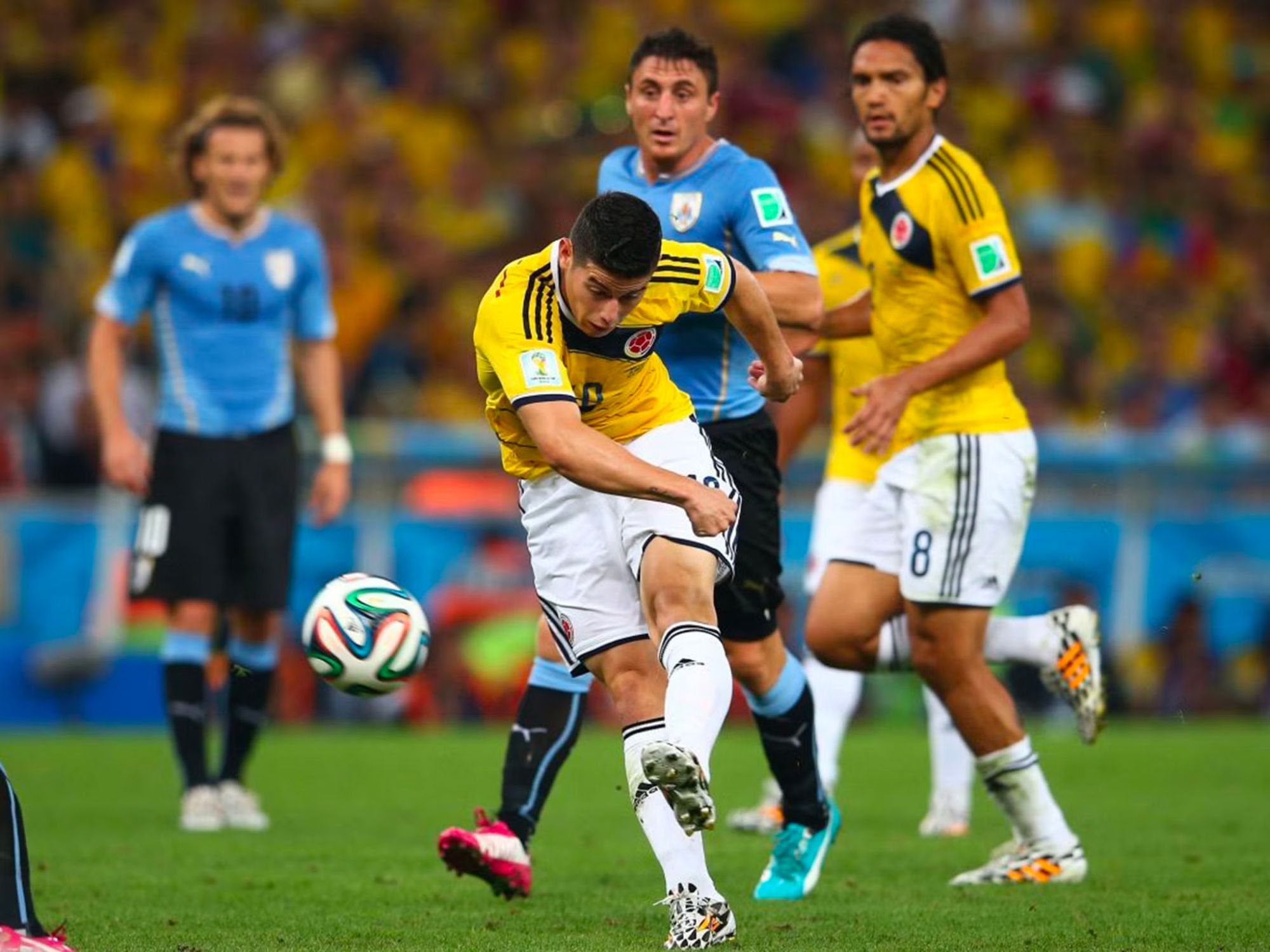
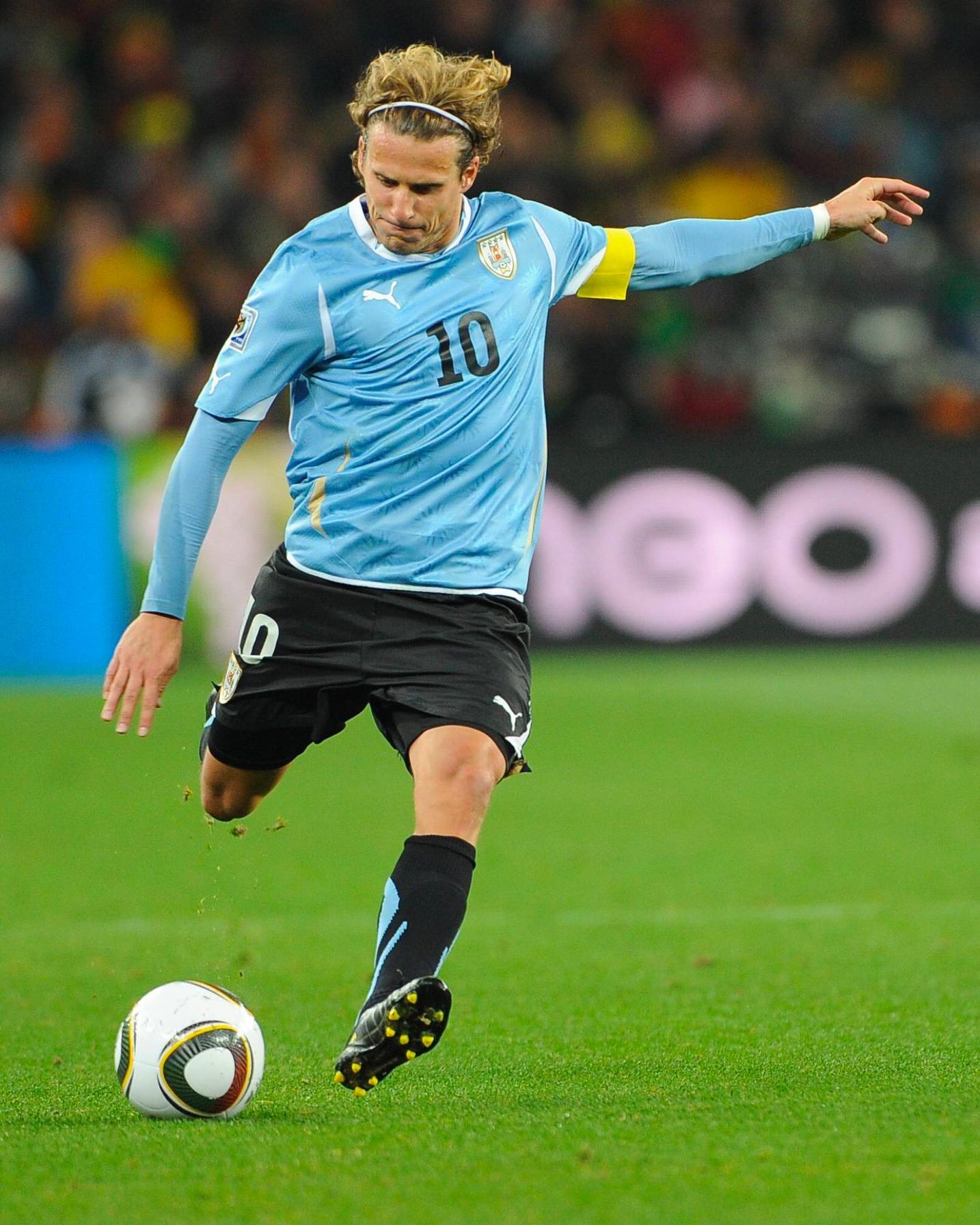
The World Cups have marked the rhythm of our lives and will continue to do so for those to come. The same goes for the balls used in the World Cups. The ultimate symbol of the competition, an object in constant evolution that forcefully enters our imagination, never to leave again. Simply seeing it or mentioning its name is the equivalent of Proust’s Madeleine, a sweet memory that brings us back to our childhood or to a lighthearted moment in life. A varied catalog that always carries the same brand: adidas, the official supplier of World Cup balls since 1970, when the introduction of the Telstar changed the entire aesthetic paradigm of footballs.
Telstar and Tango
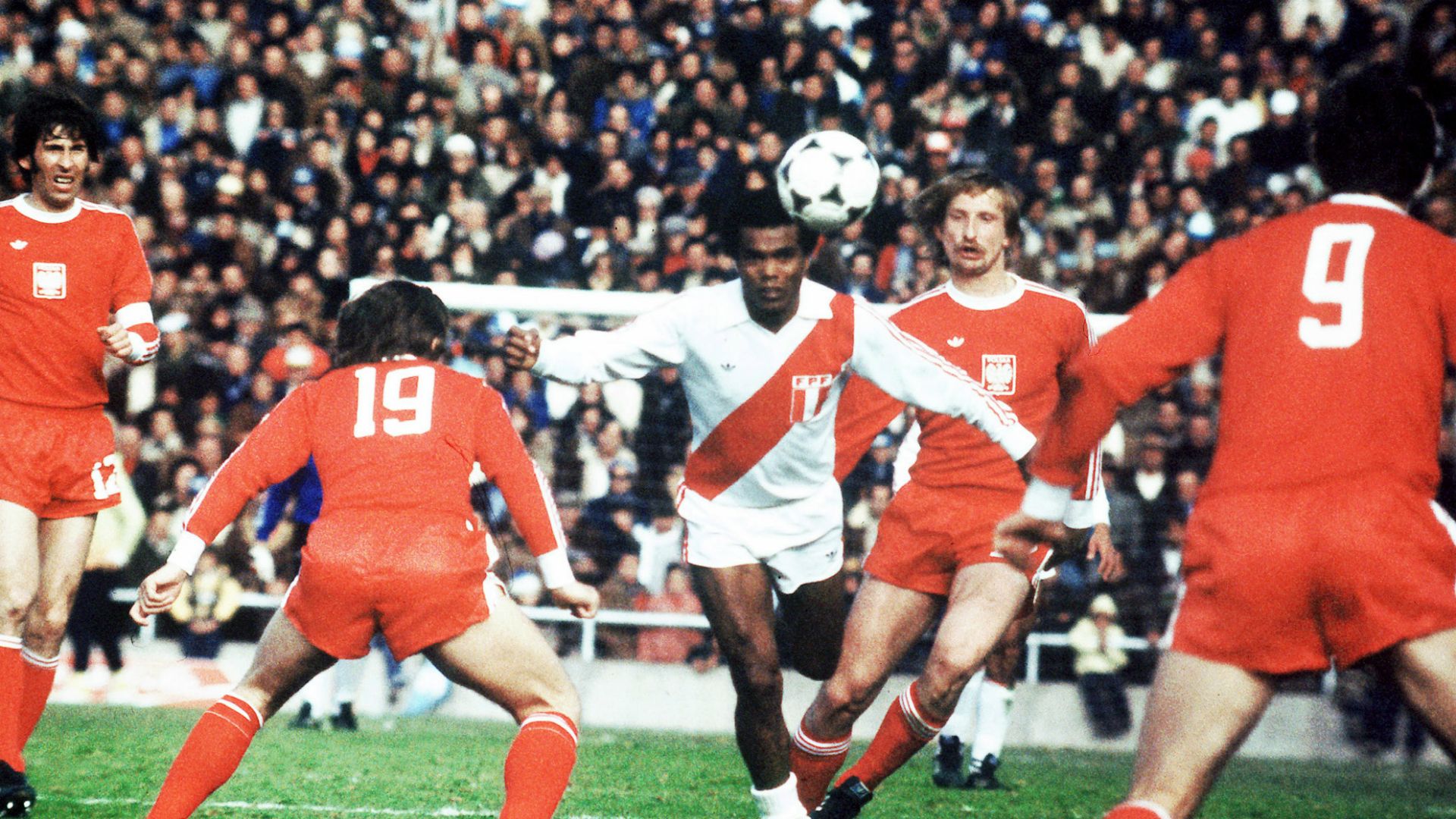
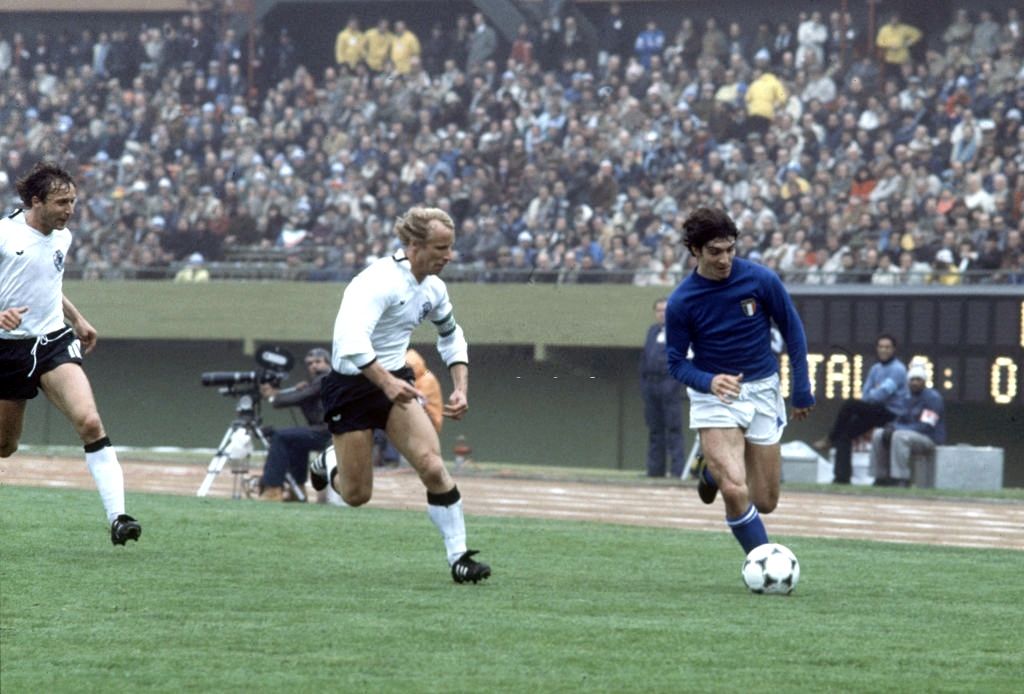
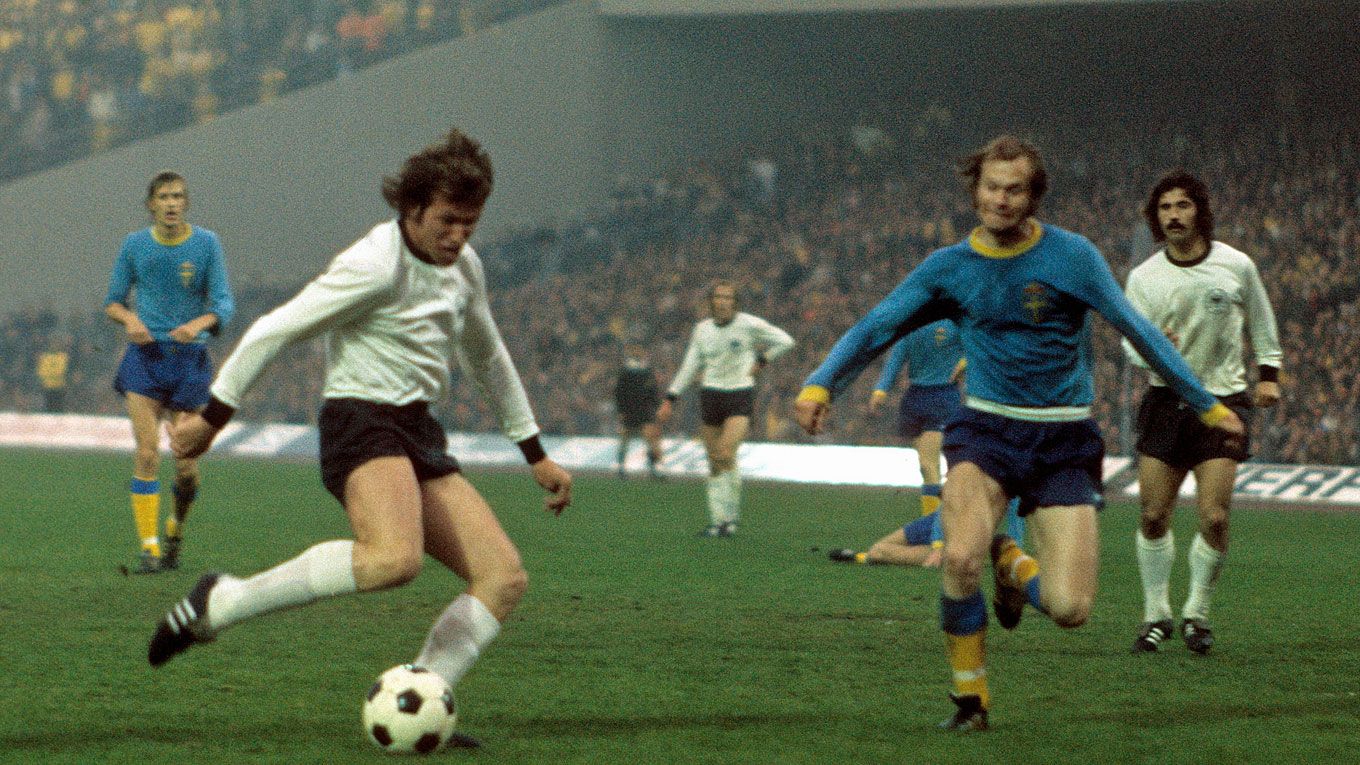
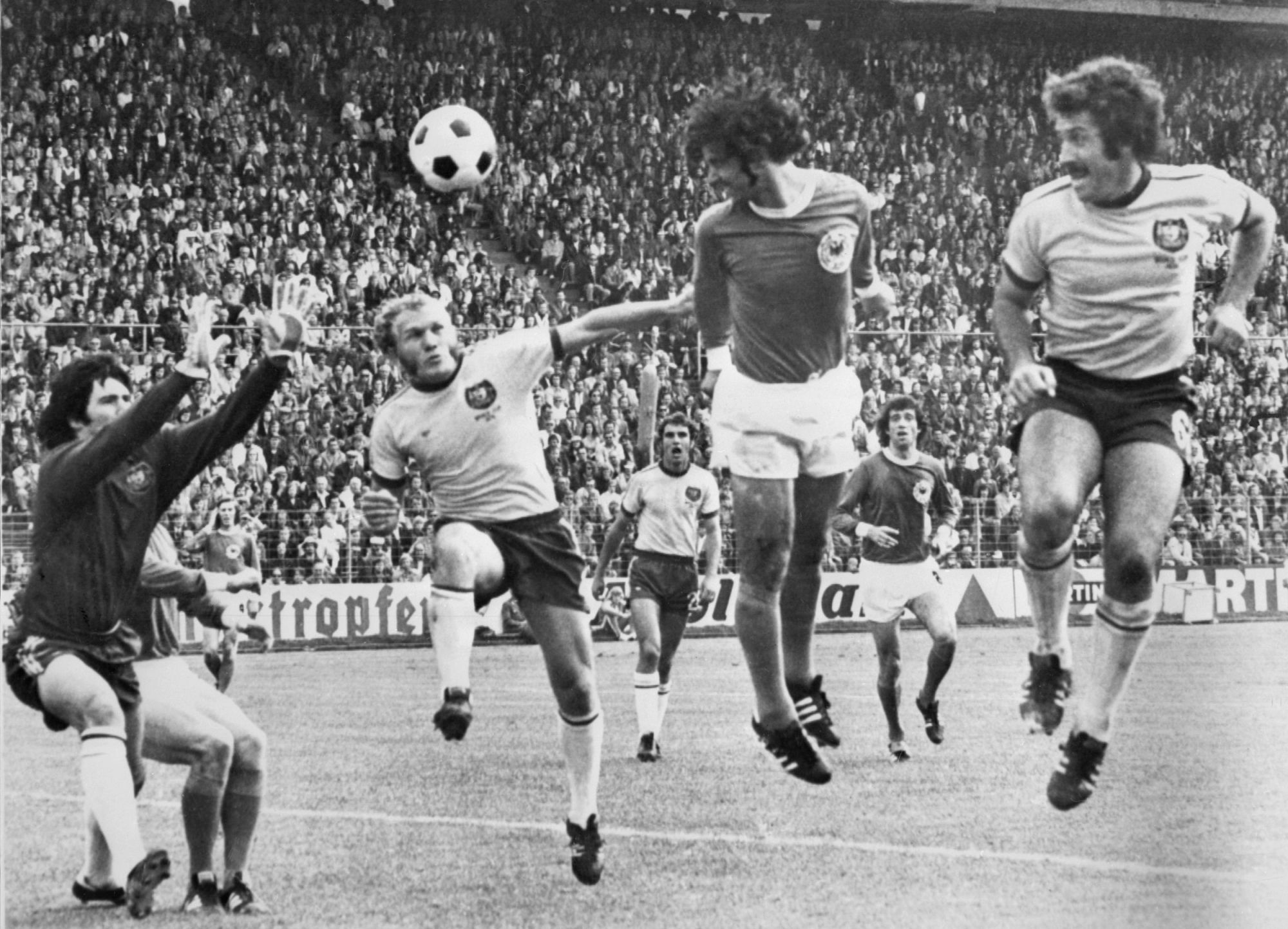
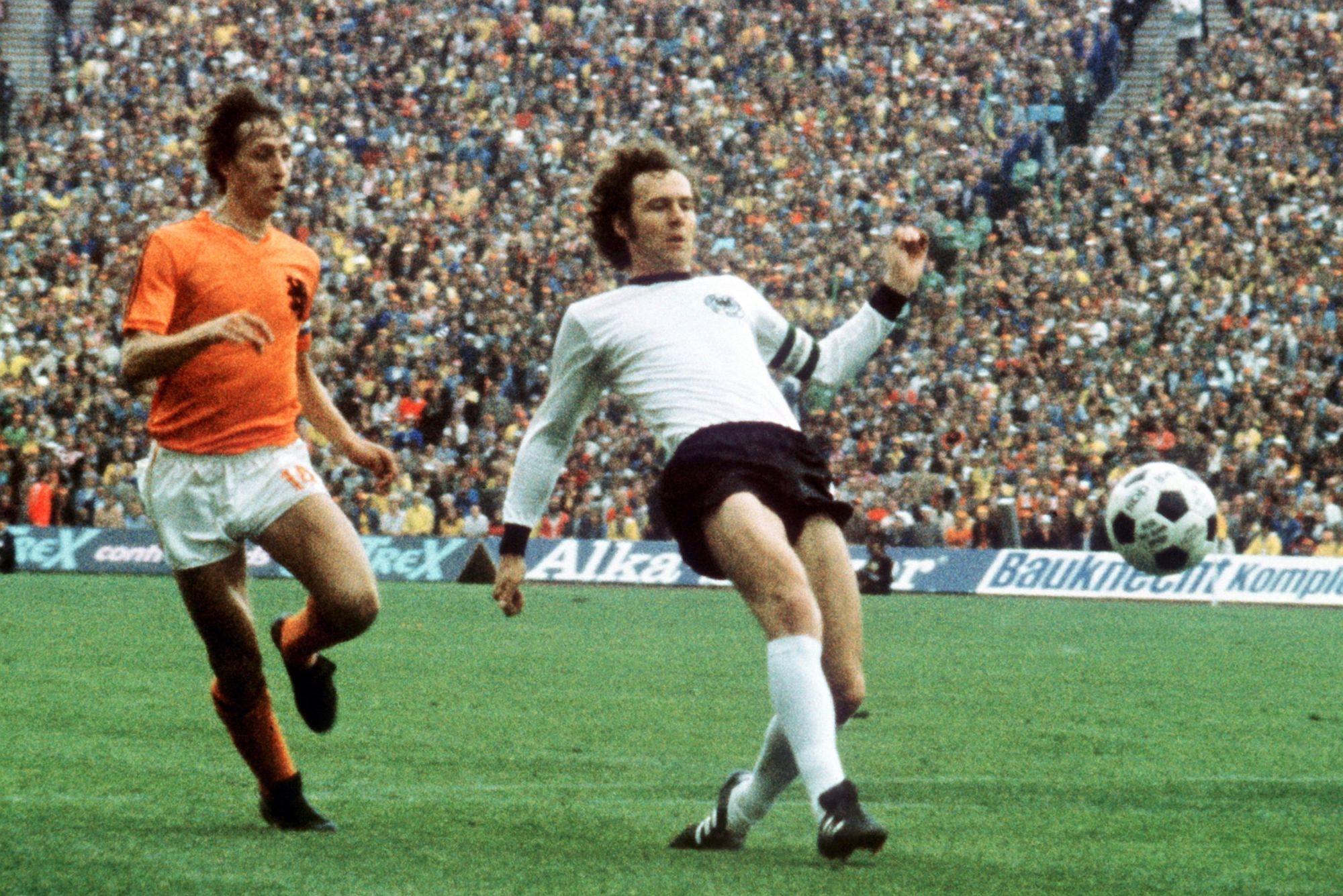
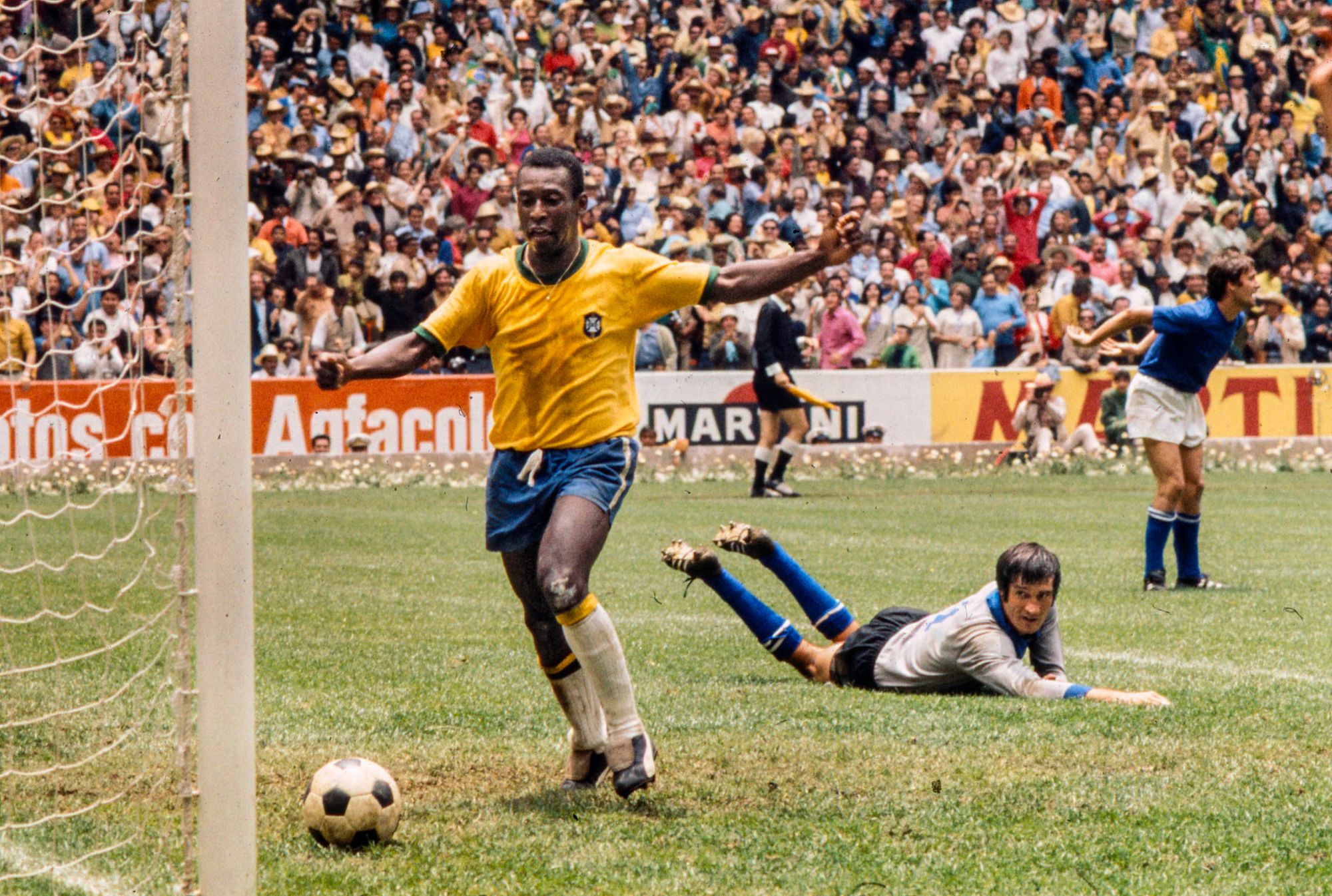
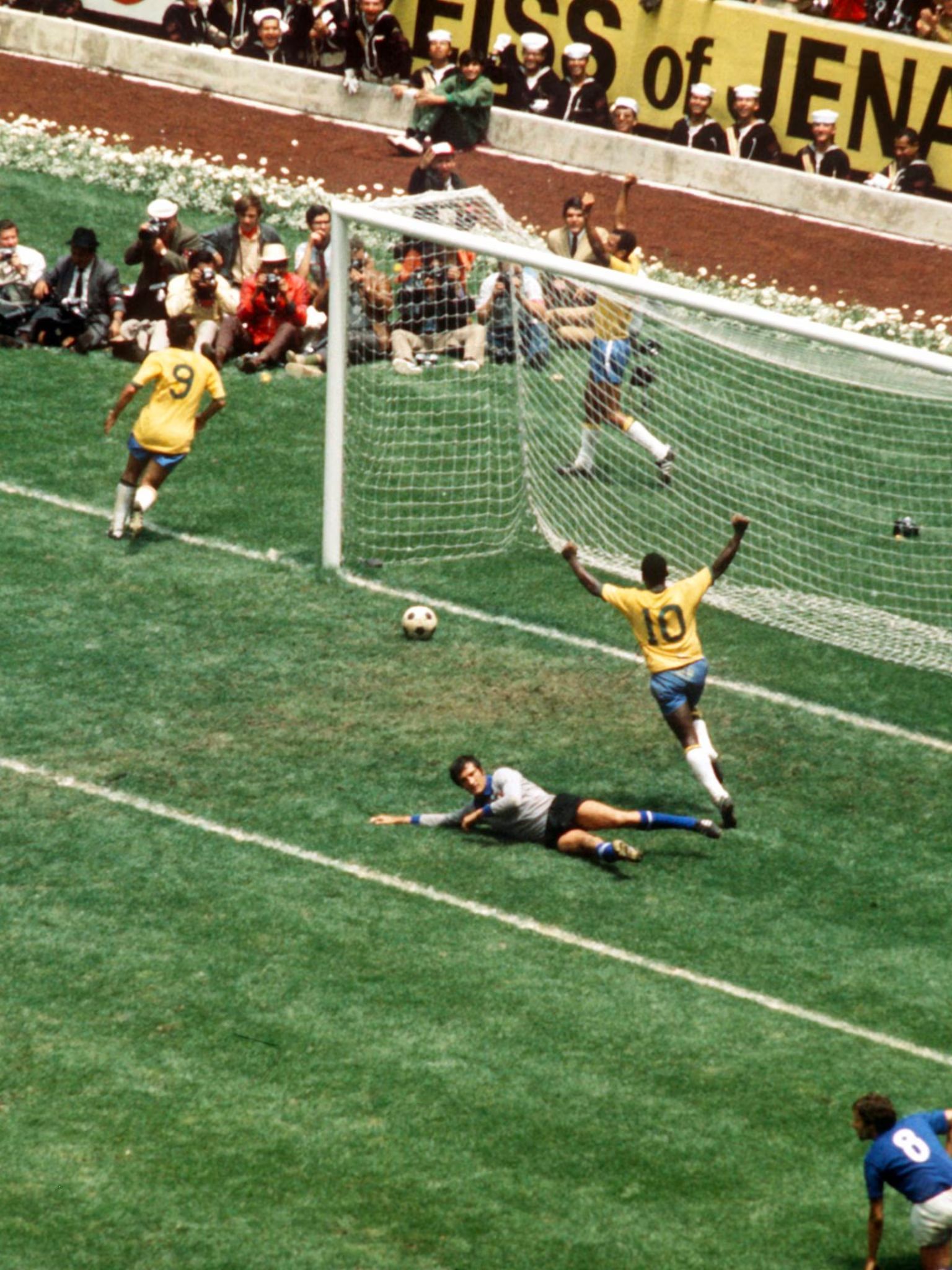
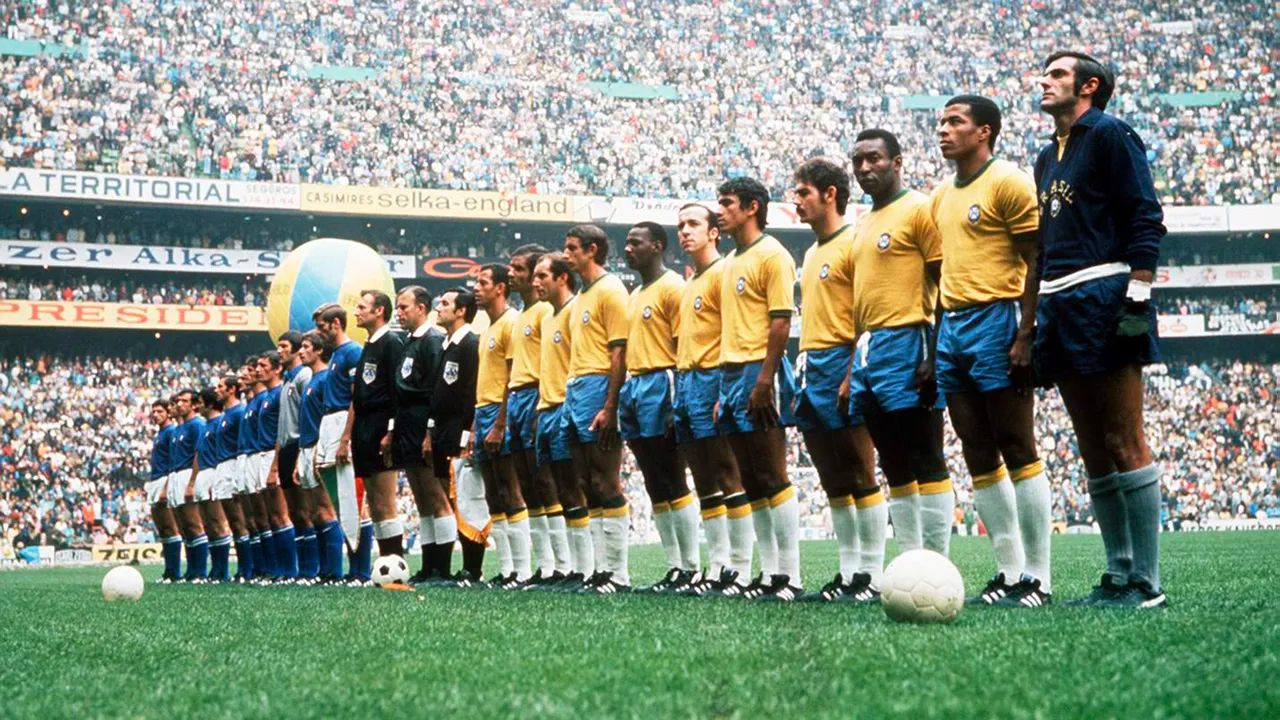
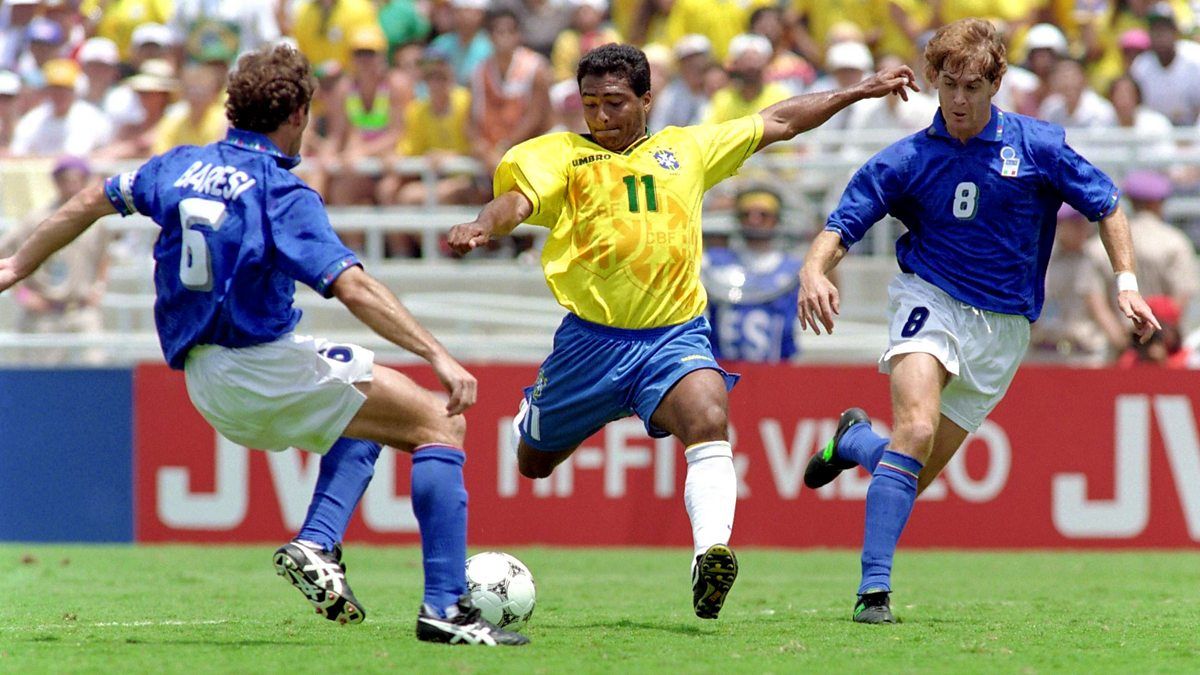
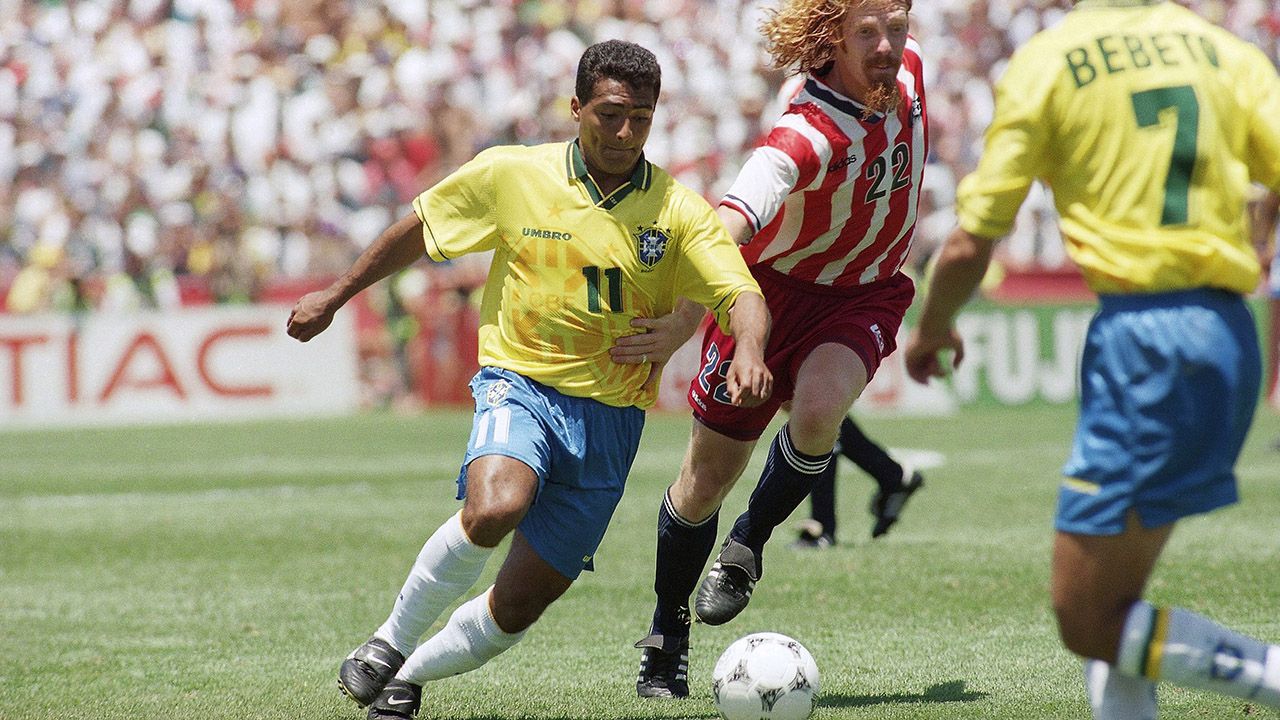
Even today, the alternation of white and black hexagons represents the ultimate image of footballs. This is how they are reproduced in cartoons and how children dream of them. That formula was used for two World Cup editions, as mentioned in 1970 with gold details and later in 1974 with black details. In 1978 a new revolution arrived with the introduction of the Tango template: curved, geometric black motifs repeated on each panel, whose union created circles at different points of the ball, inside of which various logos appeared. A revolutionary design that would be used for 20 years with small variations on the theme.
All the evolutions of the Tango
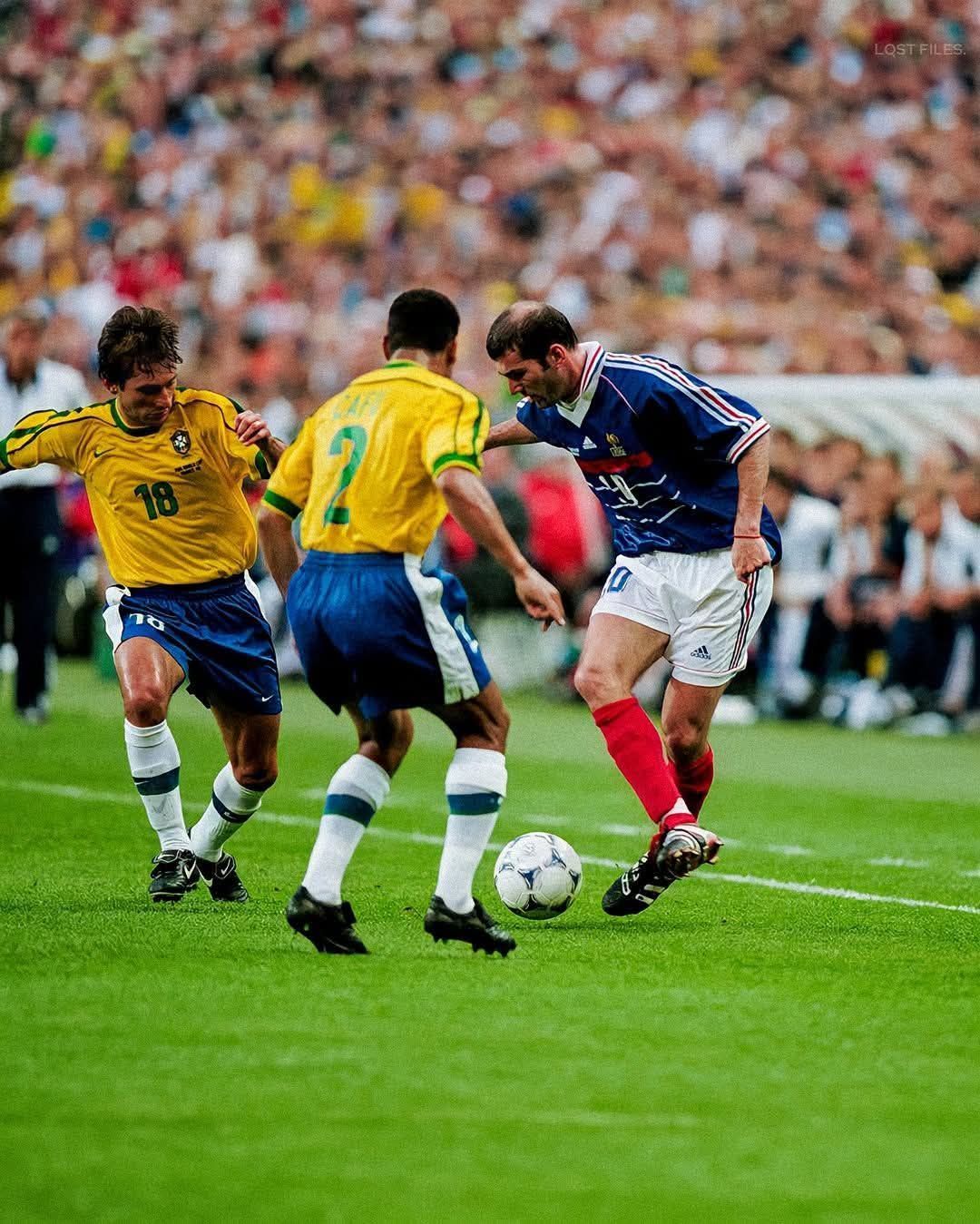
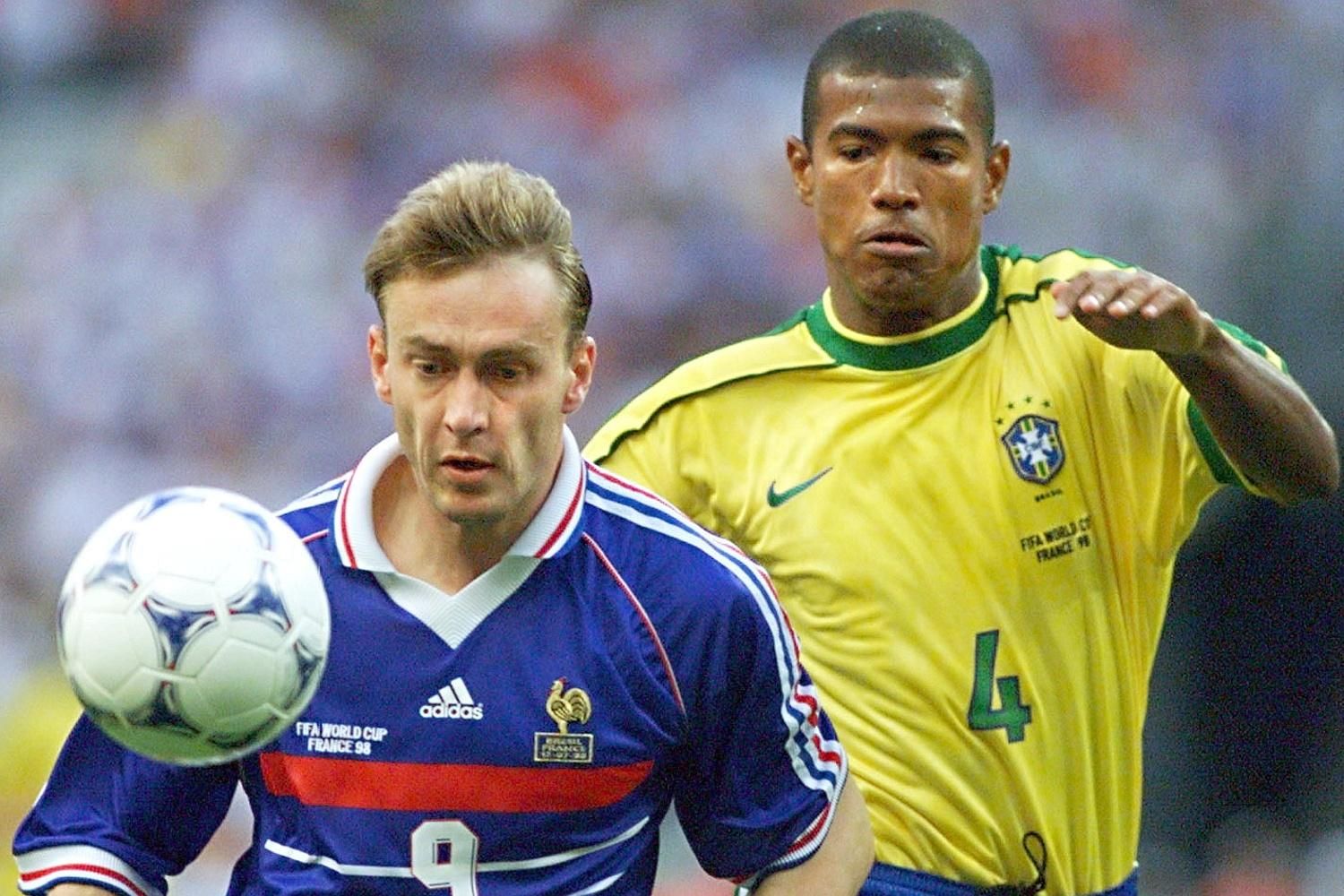
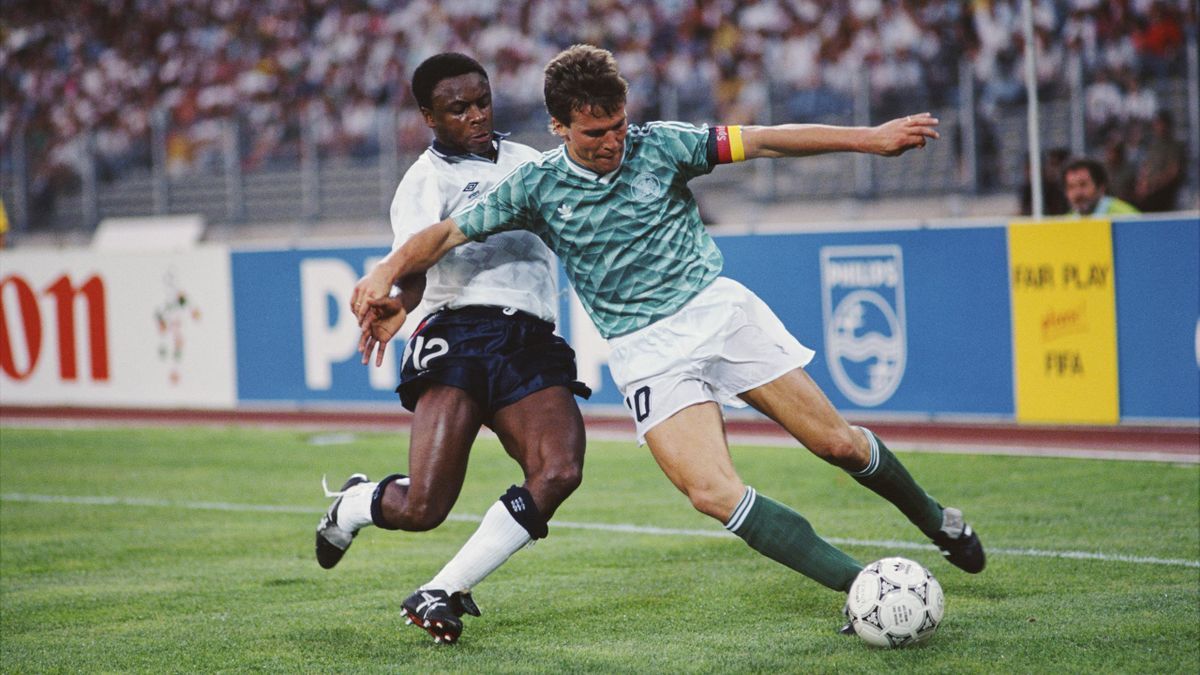
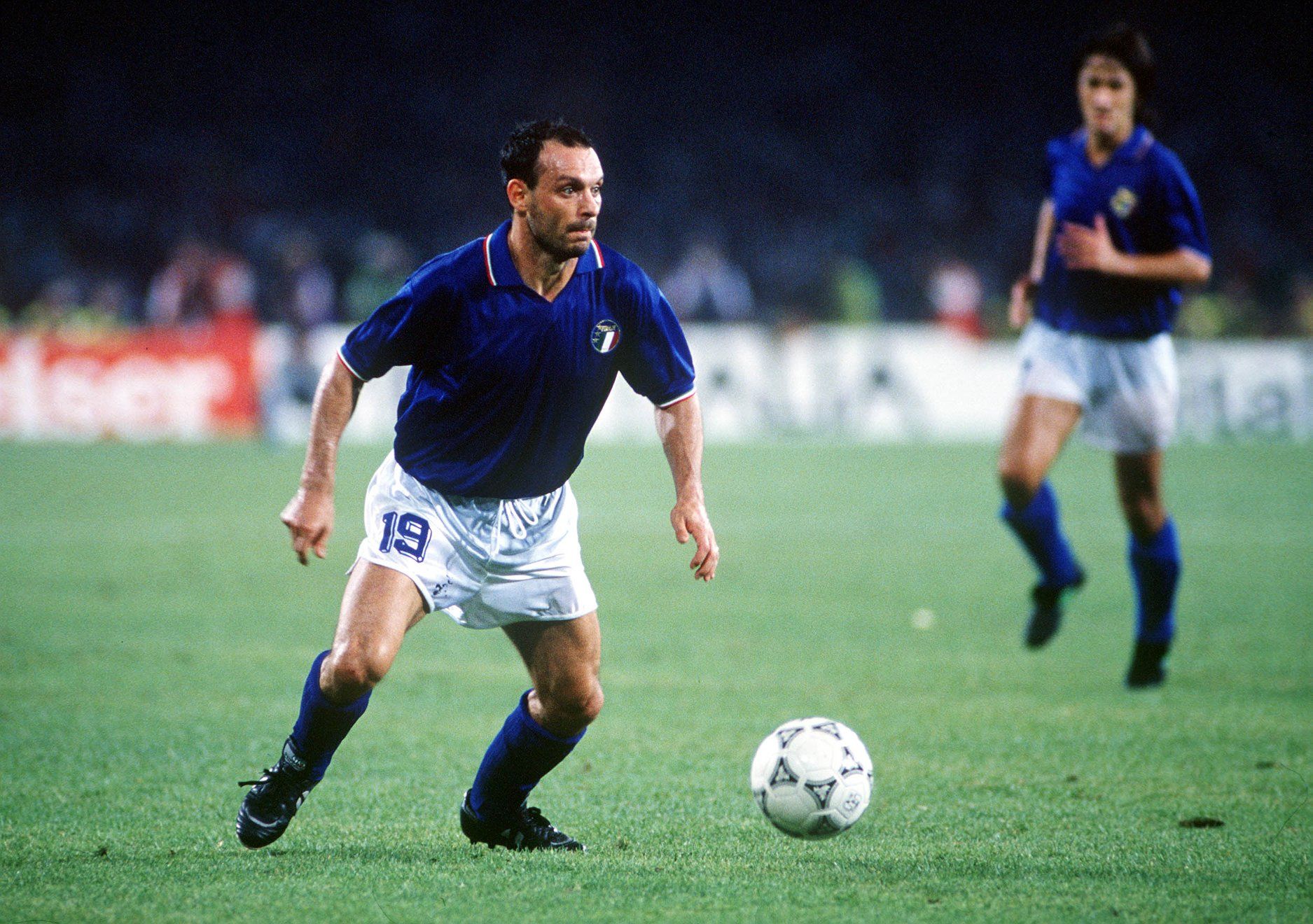
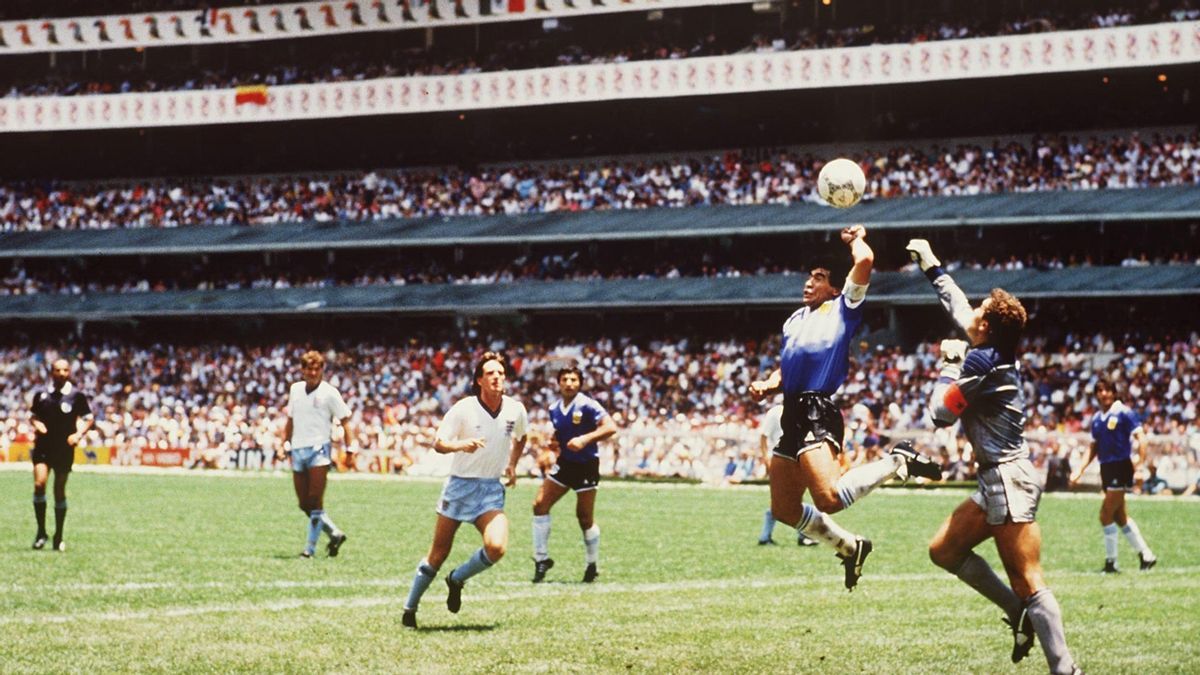
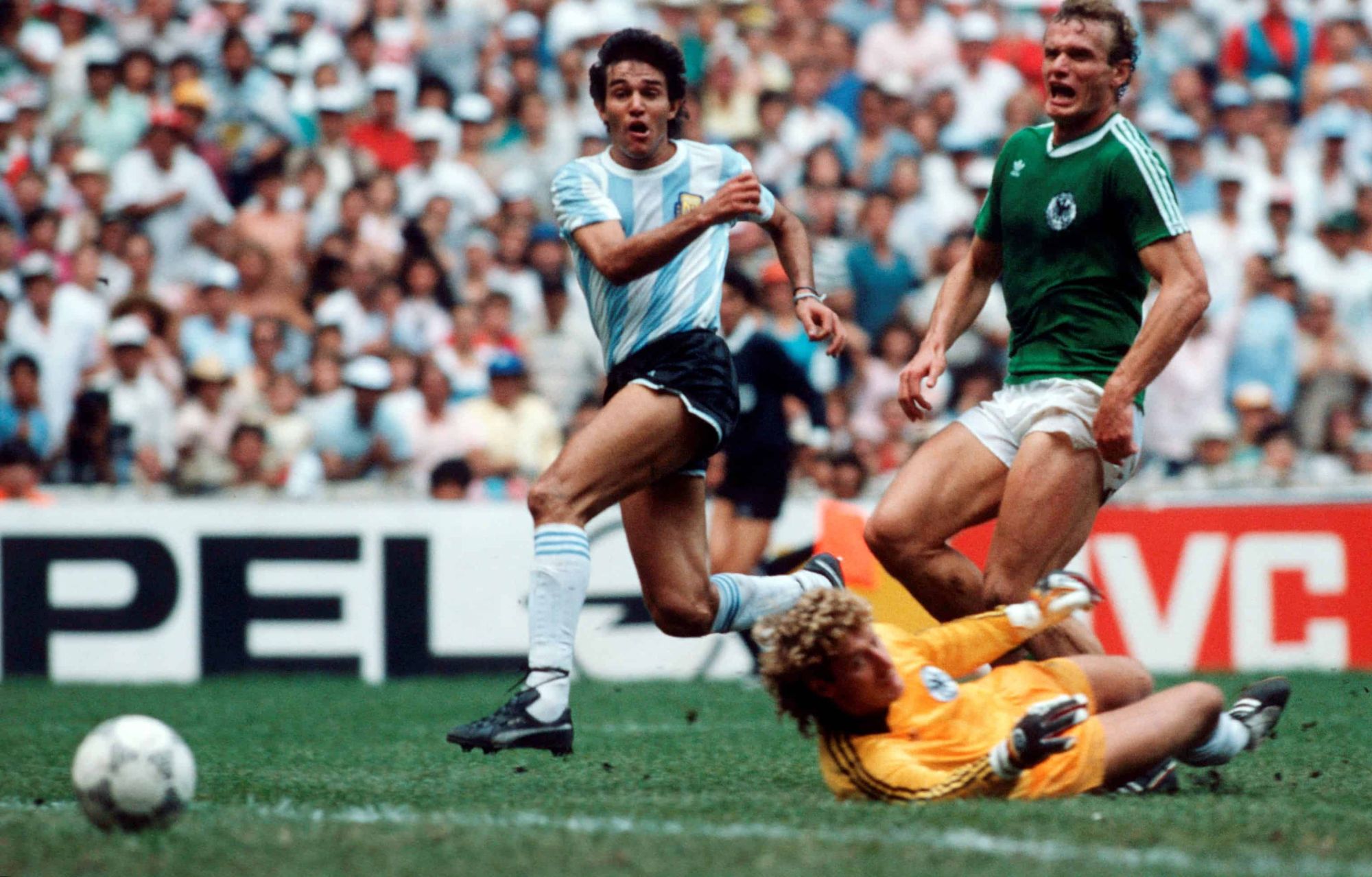
In 1986, to celebrate the World Cup in Mexico, the Azteca was created, a template that reprised the curved motifs but this time no longer in solid color, instead decorated with elements inspired by Aztec iconography. A solution also used for Italy '90 with the Etrusco Unico, where the design decorating the template was a clear tribute to Etruscan culture. The only variation in color came with France ‘98, when the Tango lost its characteristic black-and-white scheme, replaced by blue with white and red details to recall the French flag.
Fevernova and Teamgeist
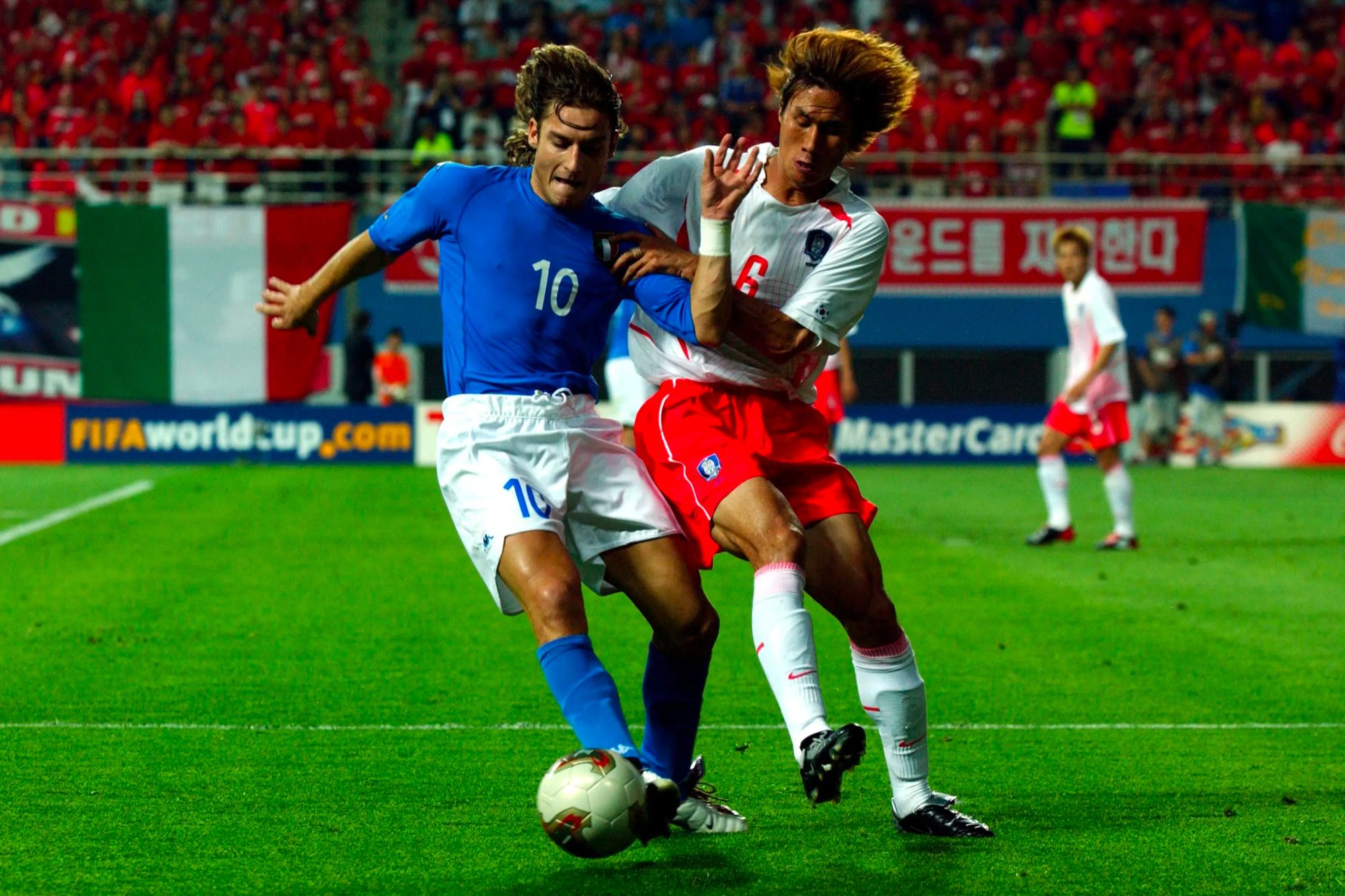
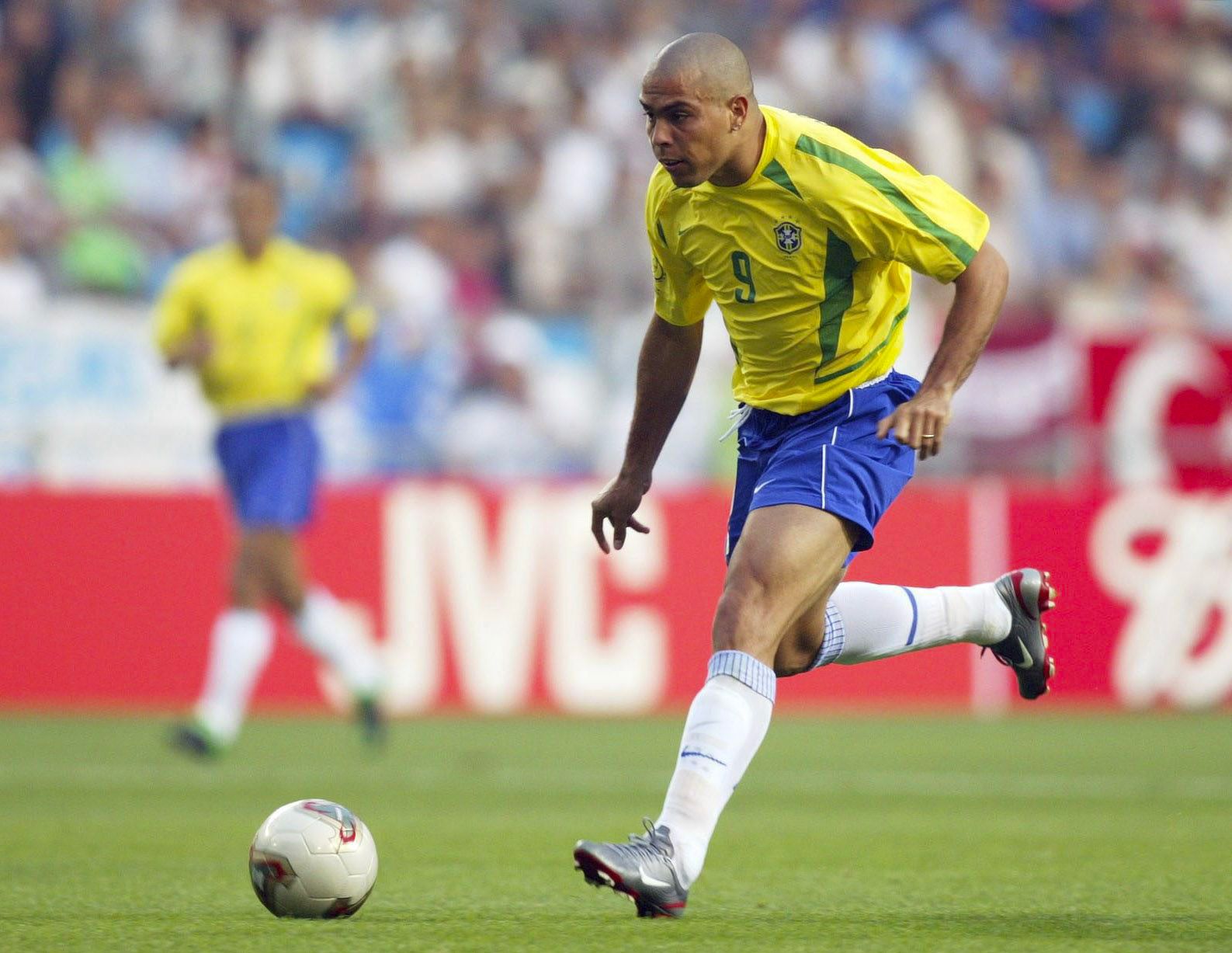
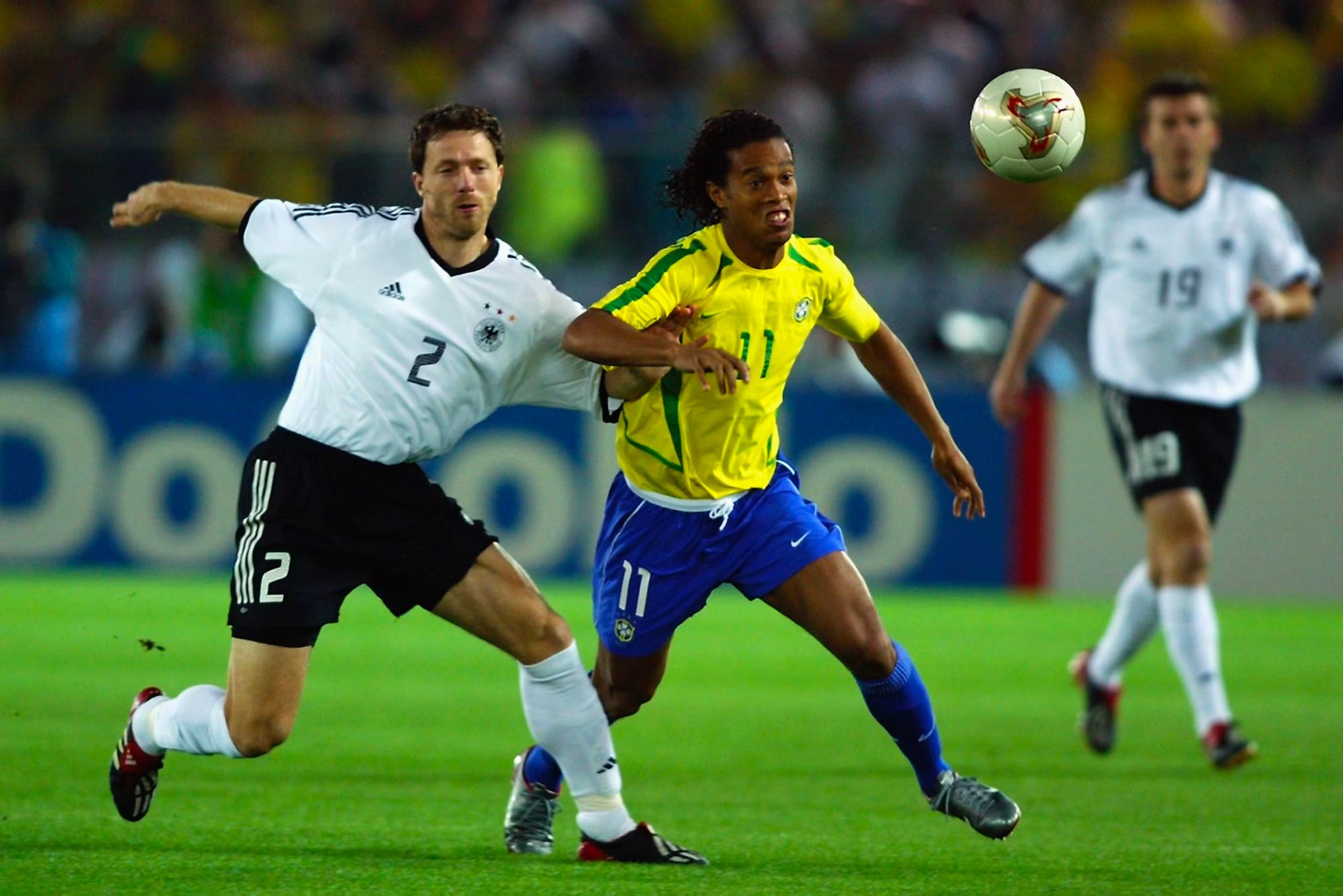
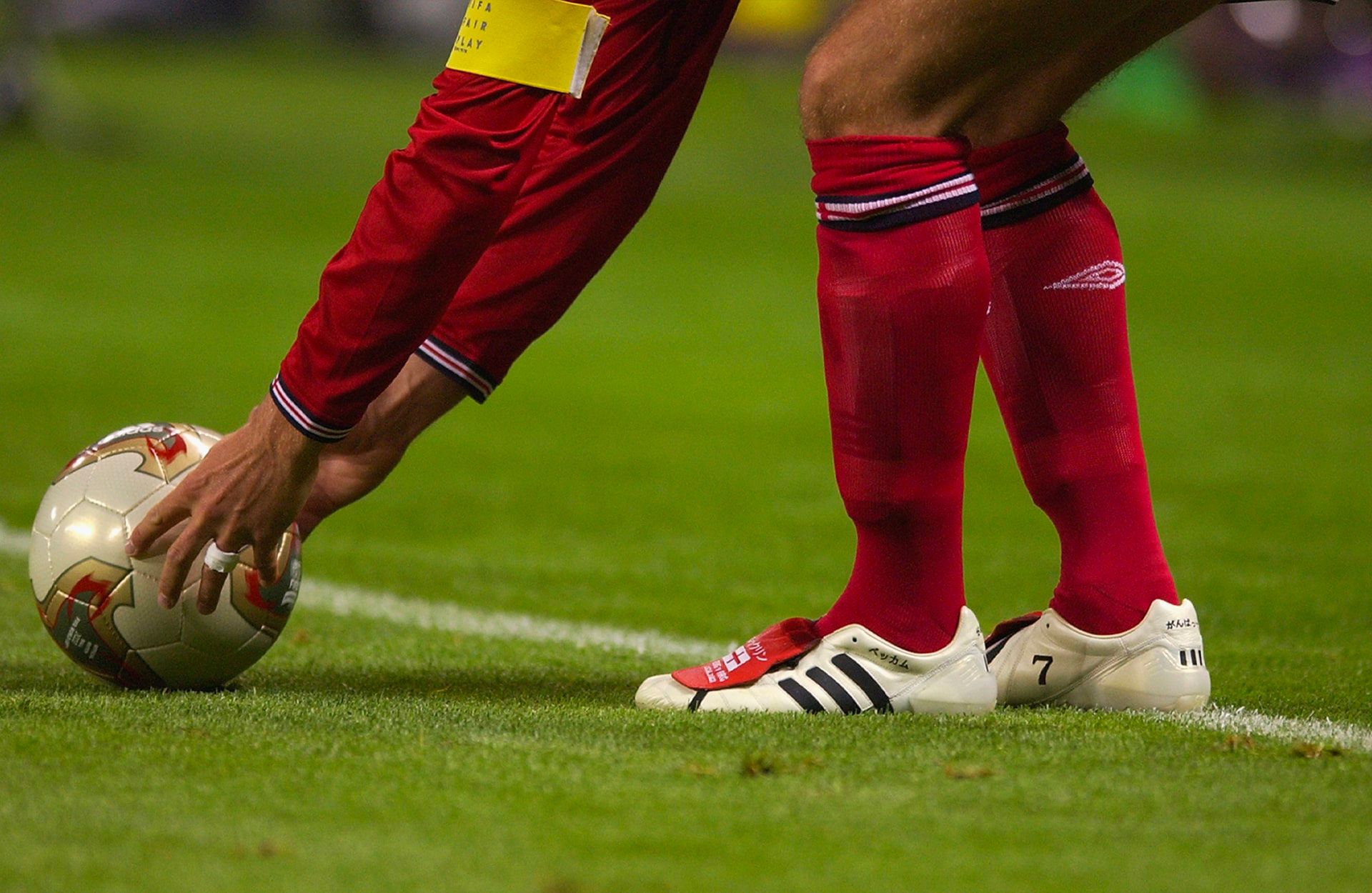
Starting with the 2002 tournament in South Korea and Japan, the balls began to fully represent the host countries of the World Cup. Fevernova, for example, reflected Asian culture thanks to a dark gold trigon with red details, a revolutionary design marking a turning point. The concept was also valid in terms of technology, since the Fevernova, thanks to a combination of special materials, was lighter than its predecessors, allowing players to produce surprising trajectories.
2006 was the year of the Teamgeist, a ball that abandoned the old 32-panel hexagonal structure, adopting a new 14-panel design. Aesthetically, the most striking element of the Teamgeist was the addition of flattened ellipses at the center with gold finishes to separate the 14 panels, for the first time not stitched but thermally bonded. This curvilinear style was later nicknamed 8shape.
Jabulani
Truncated tetrahedron. That is the geometric shape used to create the Jabulani, the revolutionary ball used at the 2010 World Cup in South Africa. It featured four triangular design elements on a white background. Its eleven colors symbolized both the eleven players of a football team and the eleven official languages of South Africa.
A ball that from its first use became a nightmare for goalkeepers due to the 8 three-dimensional panels which, on paper, were supposed to favor technical players but in reality produced a ball that flew without following a regular trajectory, changing direction depending on the power of the shot.
Brazuca, Telstar and Al Rihla
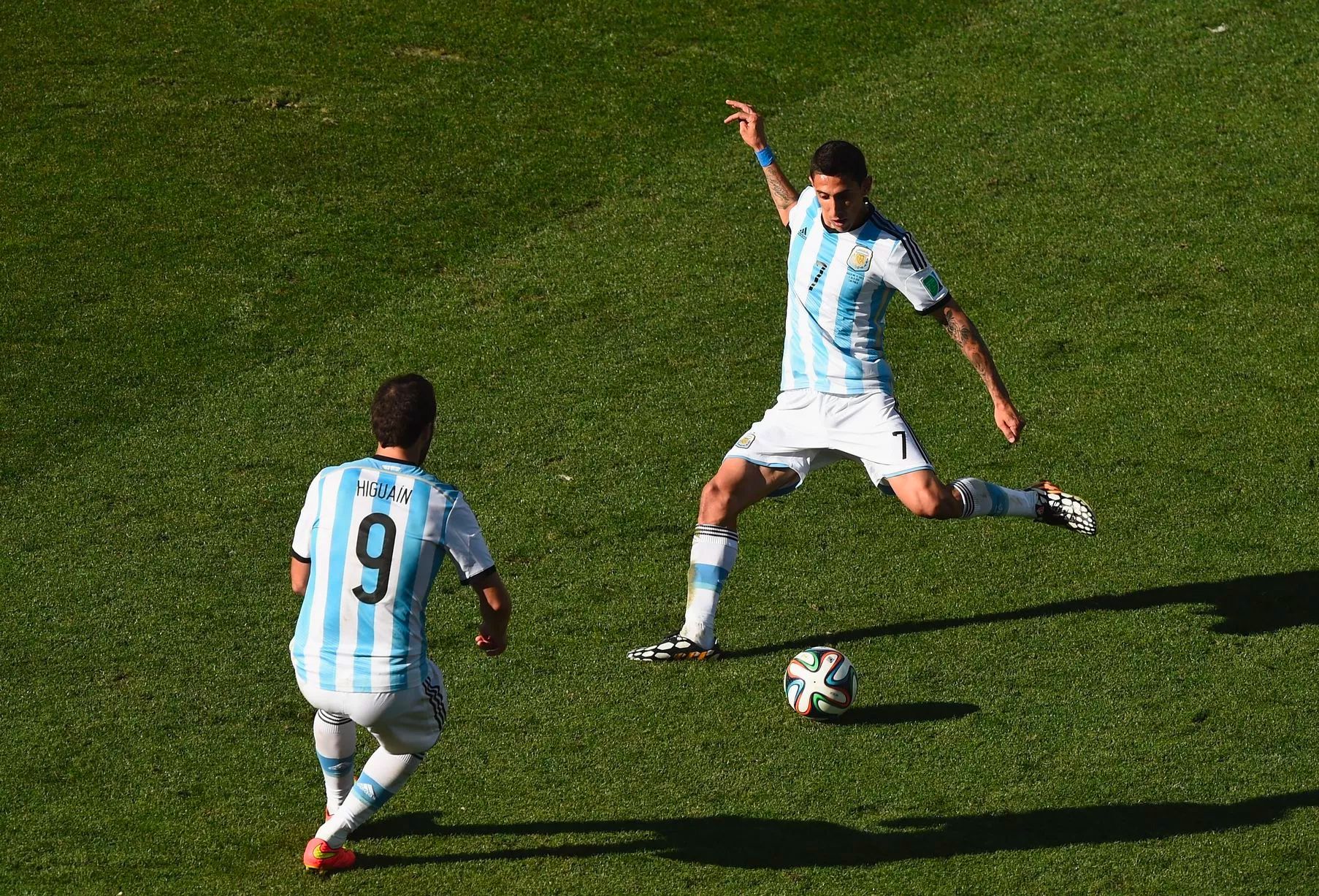
Taking in the criticism, adidas developed an evolution of the technology used in the Jabulani when creating the Brazuca, the ball of the 2014 World Cup in Brazil, which aesthetically marked a turning point. The reason was the colors used to decorate the six panels: bright shades of blue, red, black, green, and orange on a white background.
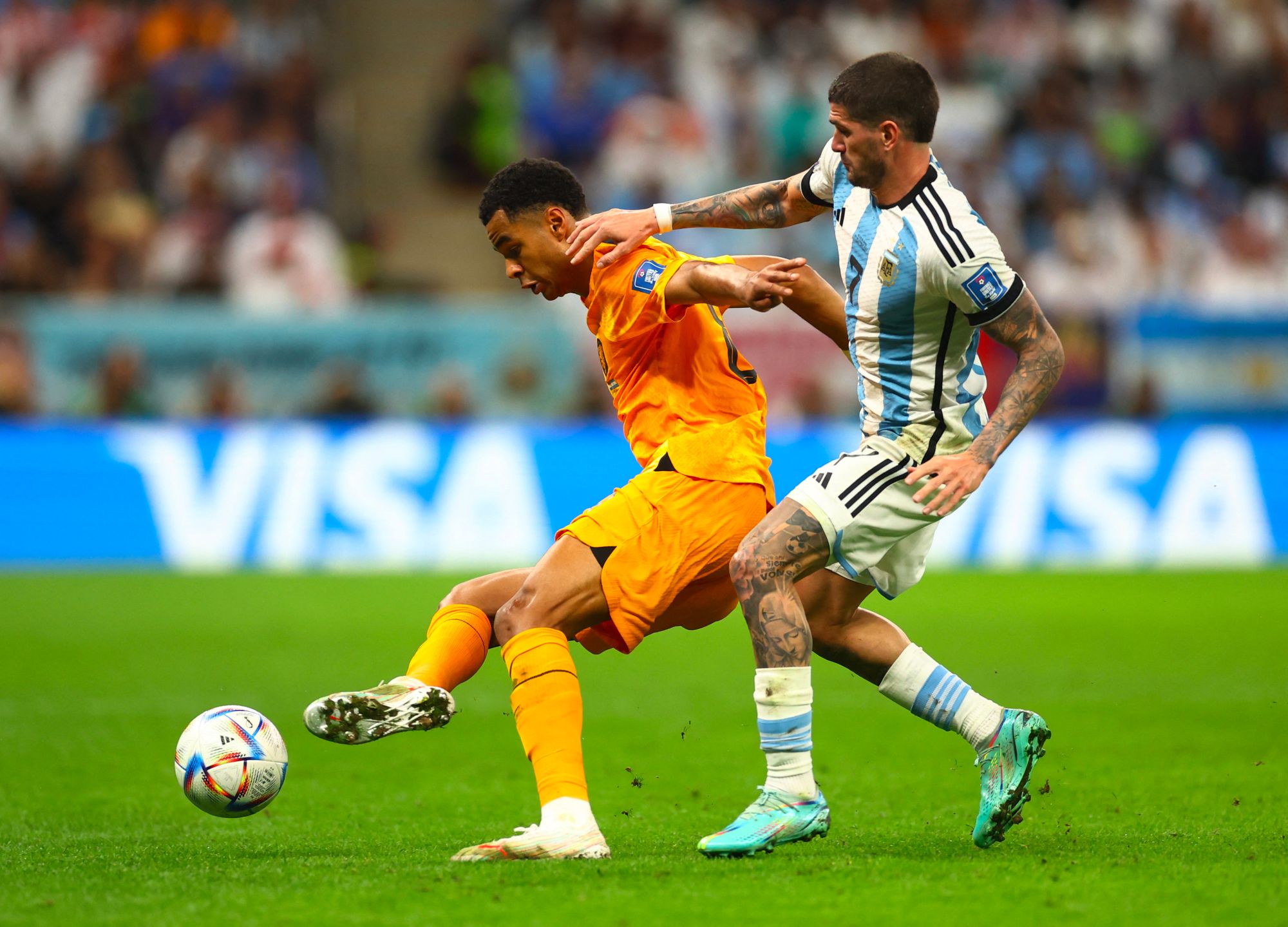
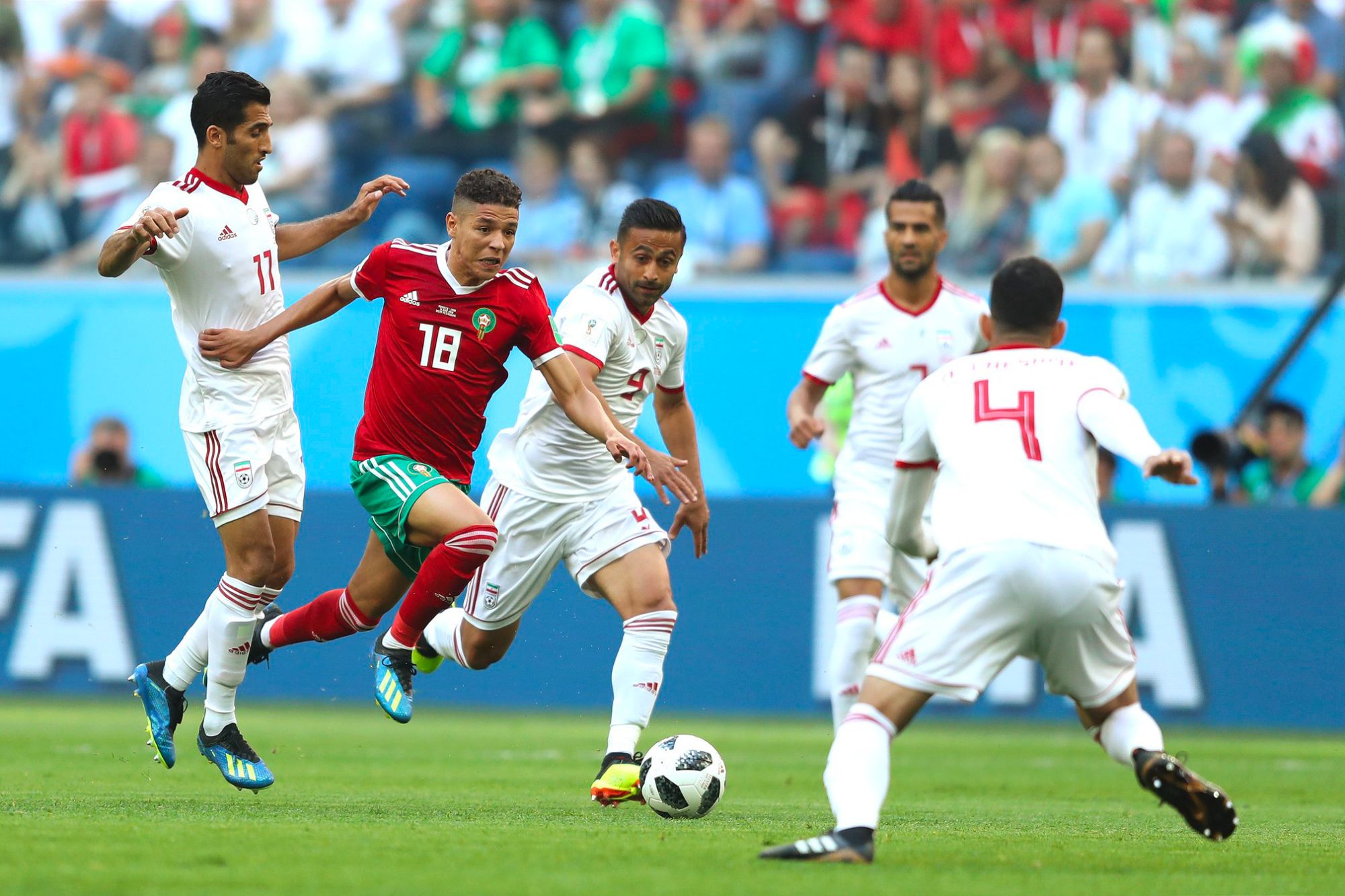
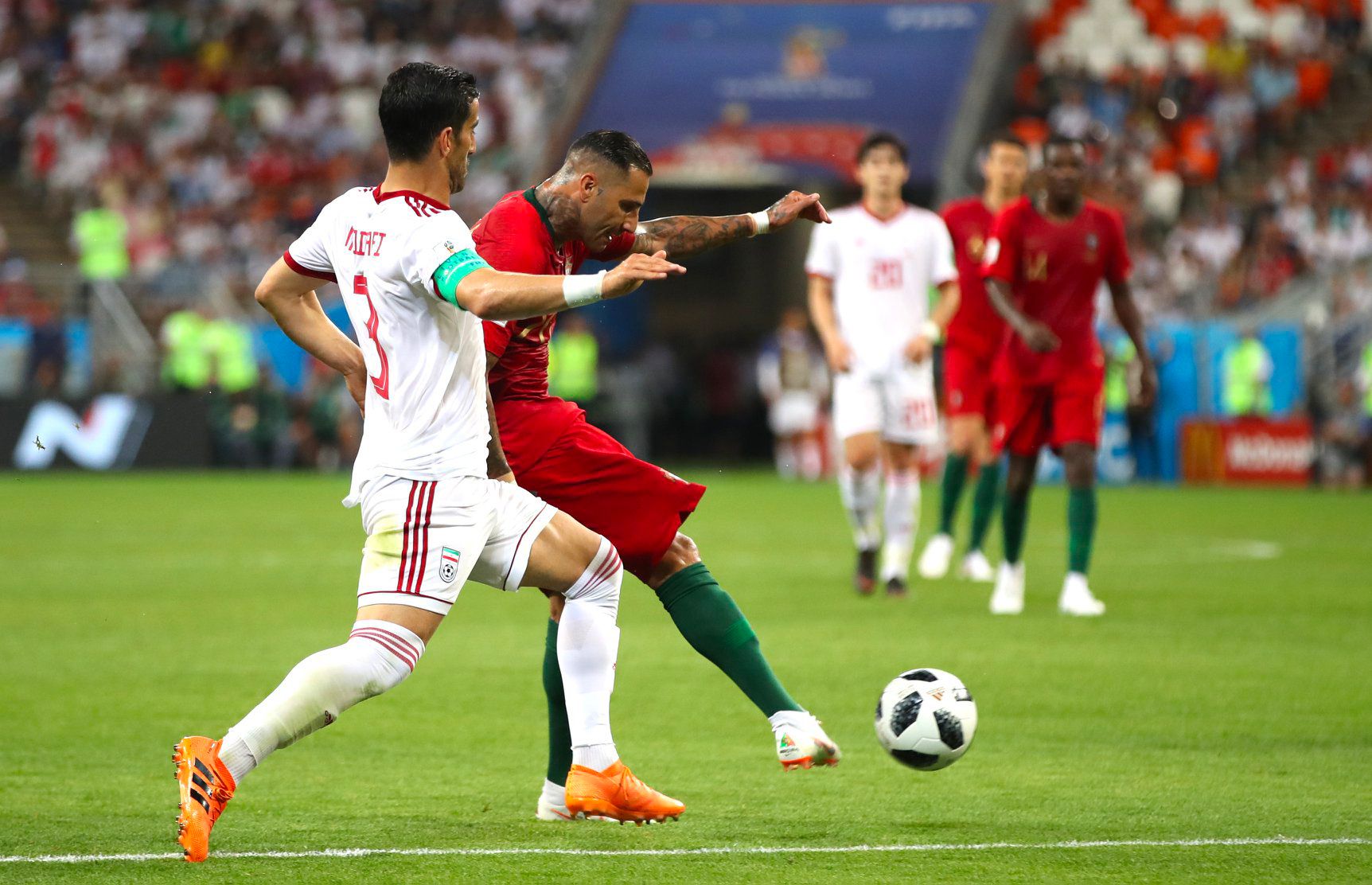
For the Telstar of Russia 2018, the classic black-and-white coloring returned, but with a surprising pixelated pattern that could be considered an evolution of the 1970s Telstar. Finally, there was Al Rihla, the ball created by adidas for the Qatar 2022 World Cup, the first made exclusively with water-based inks and glues. Its inspiration came from architecture, traditional boats, and, of course, the flag of Qatar.
What to read next
Erling Haaland gained almost 30 million Instagram followers during the 2026 World Cup
It's all about goals, viking row and memes
The ultimate 2026 World Cup Glossary
In ten years' time, we'll still be talking about the hydration break and the Viking row