
The history of swimming goggles And how they became a design icon

Hardcore fans of the Games will remember the Paralympic edition of Paris in 2024, when Chinese swimmer Jincheng Guo dominated the swimming events, claiming four gold medals, two silvers, and setting new records in the 50-metre freestyle and butterfly. Yet the viral appeal of his performances wasn't driven solely by his results or his speed. Guo stood out for racing without a swim cap—unsurprising given that he is completely bald—but, above all, for competing without goggles, a remarkable rarity in modern competitive swimming, especially for an athlete of his calibre.
Swimming goggles do far more than improve underwater vision. They protect swimmers from chlorine irritation, chemicals found in indoor pools, saltwater, and even microorganisms present in open water. Yet, despite their widespread use, they are not mandatory for professional swimmers, just like swim caps, according to World Aquatics regulations. In fact, until the 1970s they were far from commonplace, despite a history stretching back several centuries.
The origins of underwater goggles
According to records collected by Encyclopædia Britannica, the earliest protective eyewear used underwater dates back to the fourteenth century in the Middle East. Tradition holds that Persian pearl divers polished the outer layers of turtle shells until they became translucent enough to see beneath the surface. Although these accounts rely mostly on documentary sources rather than surviving artefacts, sixteenth-century illustrations by Flemish artist Giovanni Stradano depict Sicilian coral fishermen wearing small lenses in front of their eyes—described in Latin as specillo ante oculos fixo—to improve underwater vision.
At the time, Sicily, then under Spanish rule, had no direct relationship with Safavid Persia. However, the Mediterranean trade route for red coral connected Trapani with Venice, whose merchants were deeply involved in Middle Eastern commerce and actively sought alliances with the Safavids against the Ottoman Empire. It is therefore plausible that the expertise of Persian pearl divers reached Sicilian coral fishermen through Venetian trade networks.
Another rudimentary version of swimming goggles emerged in Polynesia around the eighteenth century. Indigenous free divers carved wooden eye coverings resembling masks, featuring deep grooves that trapped small air pockets when pressed against the face. This temporary seal helped keep water out—but only while swimming close to the surface with the head facing downward, where water pressure remained relatively low. Following Western colonisation, these devices were fitted with glass inserts, often salvaged from broken objects or leftover materials. The result offered better visibility but remained fragile and far from waterproof.
The pioneers of swimming goggles
The swimming goggles we recognise today are the result of a series of pioneering experiments, many of them linked to attempts to swim across the English Channel. The first successful crossing came in 1875, when British merchant navy captain Matthew Webb swam from Dover to Calais in under twenty-two hours, covering sixty-four kilometres. Webb's breakthrough was not a pair of goggles but a simple trick: coating his body in oil and grease to stay warm while protecting his skin from saltwater irritation and jellyfish stings. It would take the next generation of Channel swimmers before goggles entered the picture.
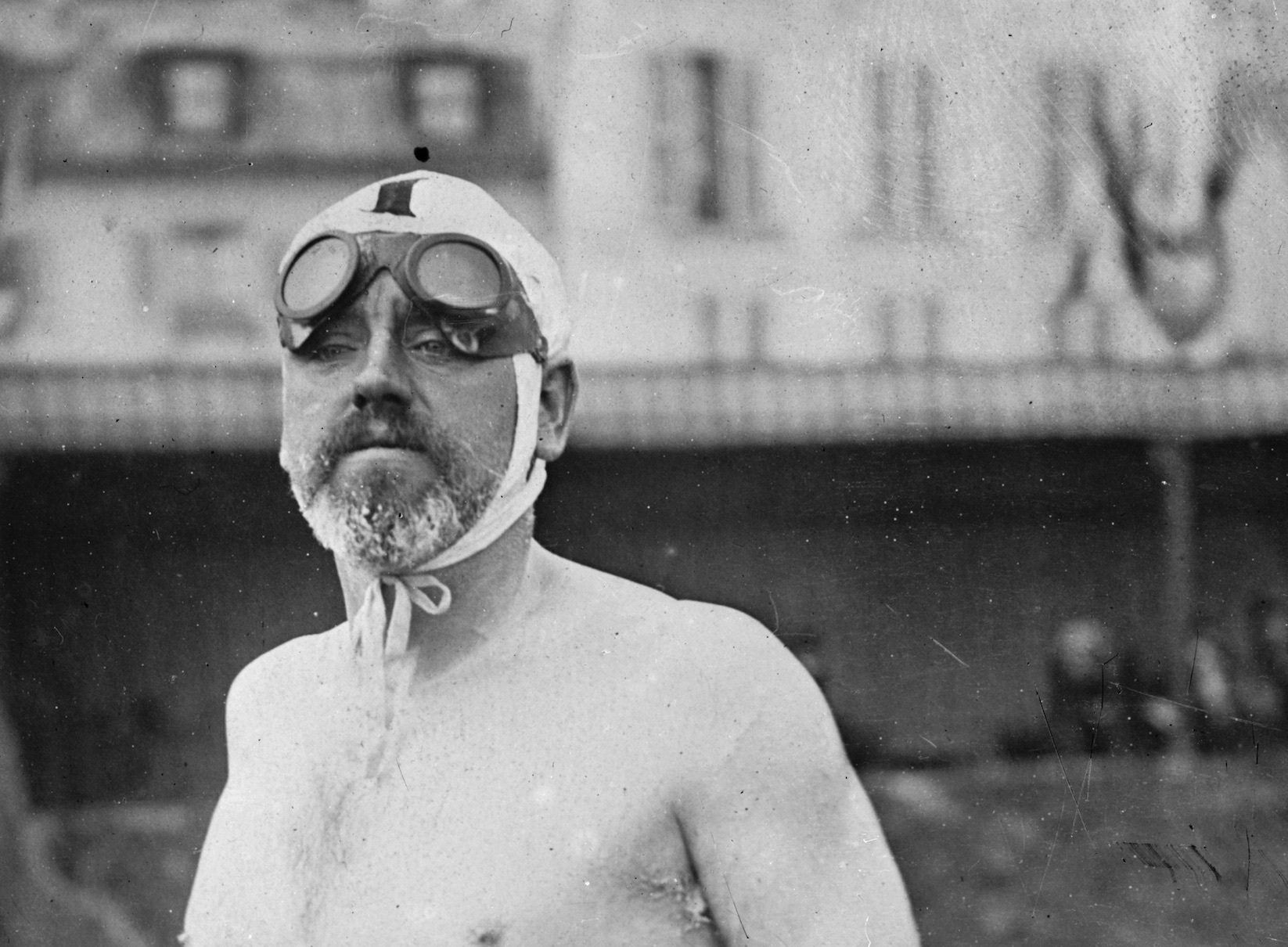
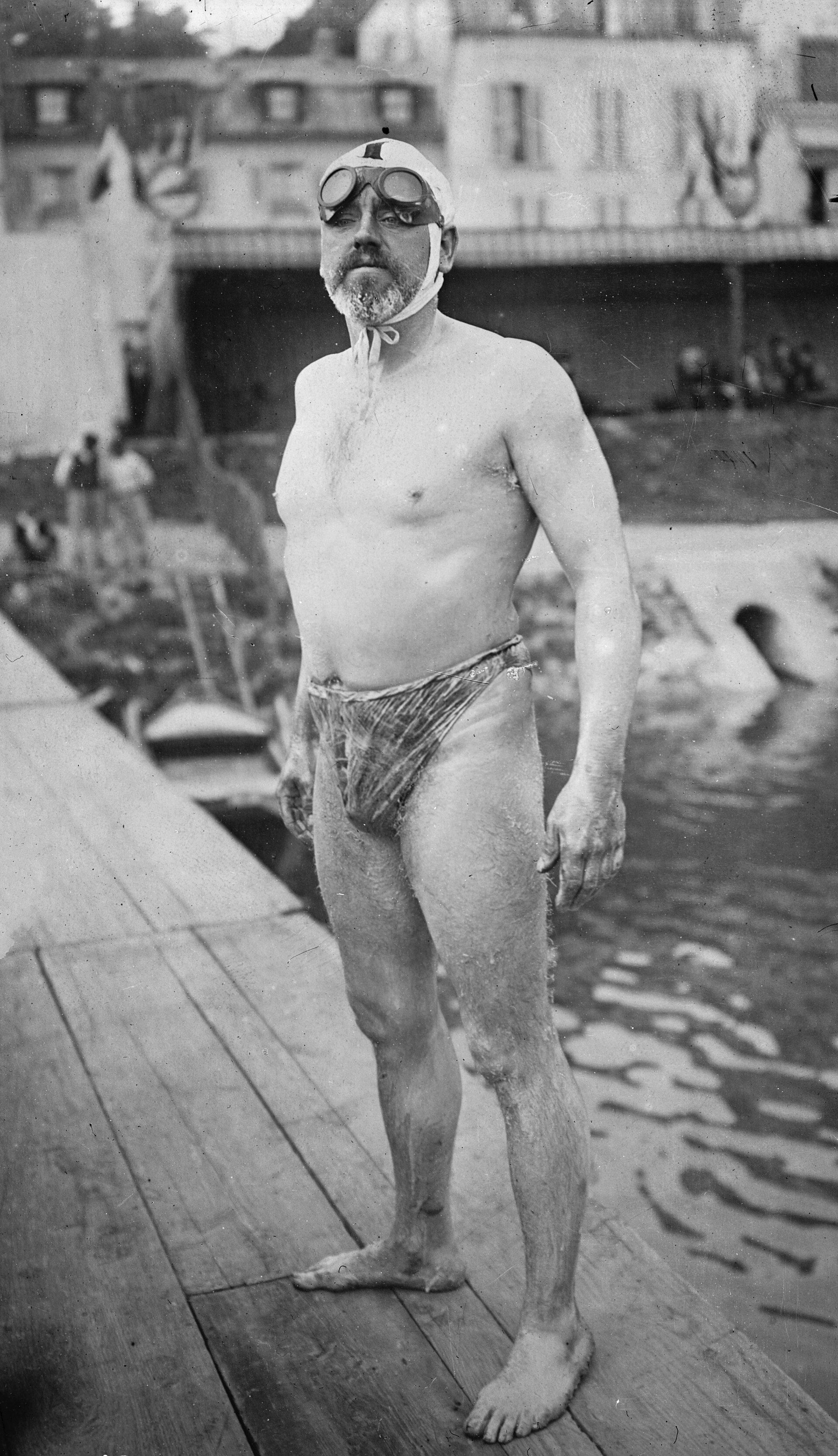
In 1911, water polo player and swimmer Thomas William "Bill" Burgess decided that the bronze medal he had won at the Olympic Games in Paris in 1900—ironically representing France despite being English because he lived in Paris—wasn't enough. Inspired by Webb's feat, Burgess finally crossed the English Channel after thirteen failed attempts, experimenting along the way with protection against saltwater spray by wearing... motorcycle goggles.
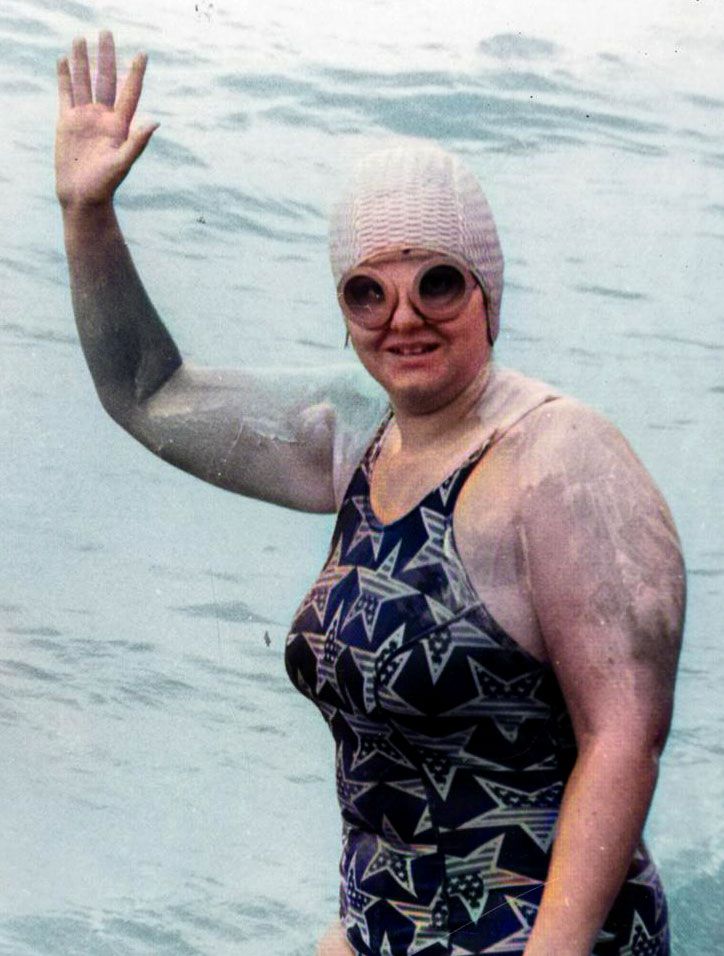
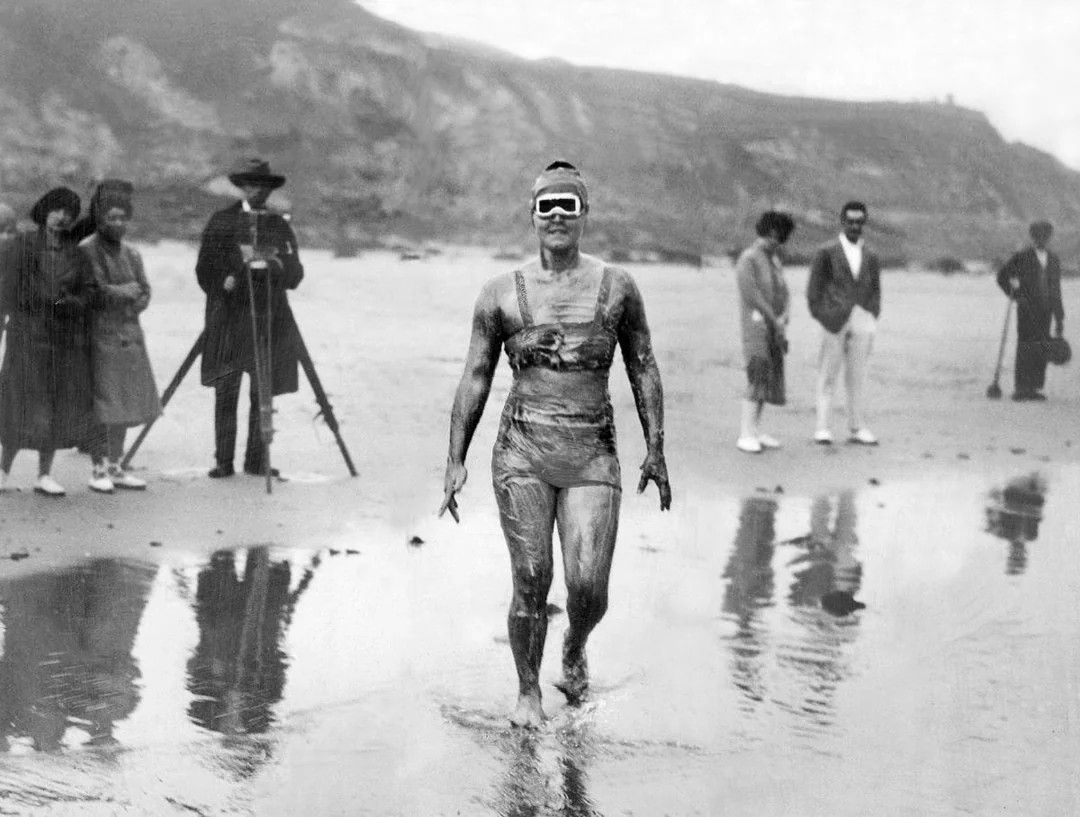
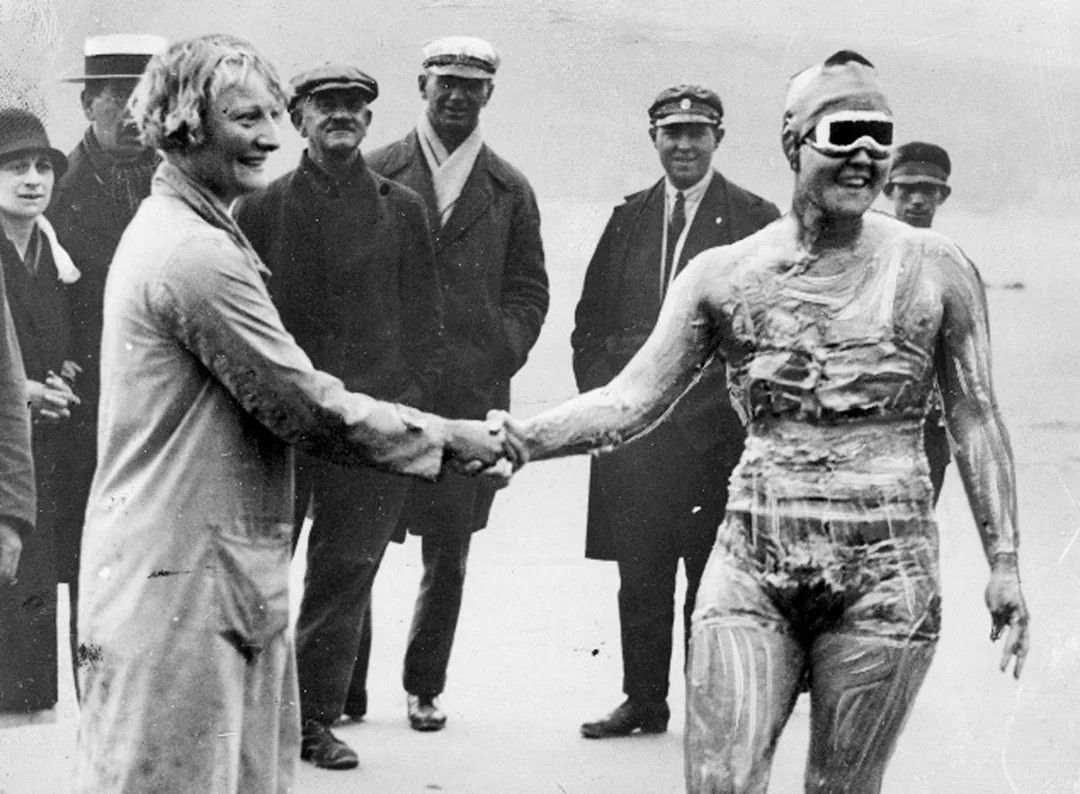
While their design fitted tightly around the face, they were far from watertight. For Burgess this proved only a partial problem, as breaststroke was still the dominant technique, meaning his head surfaced regularly. Even so, the goggles repeatedly filled with water before emptying again. True waterproofing would only arrive later with 1924 Olympic champion Gertrude Ederle, the American swimmer portrayed in the recent biopic Young Woman and the Sea, who sealed her lenses using paraffin wax.
Ederle, already a superstar thanks to her Olympic success, was backed by the newly founded Women's Swimming Association in her bid to become the first woman to swim across the English Channel. After one failed attempt and an intensive training period under the guidance of Bill Burgess himself, she not only completed the crossing but also set a new speed record—finishing in just over fourteen and a half hours, a mark that would stand until 1950. Unknowingly, she also helped pave the way for the widespread adoption of swimming goggles in competitive sport. During training she relied on modified motorcycle goggles sealed with paraffin, while for the actual crossing she wore a fully waterproof diving mask, now preserved at the National Museum of American History in Washington, D.C.
The first modern swimming goggles
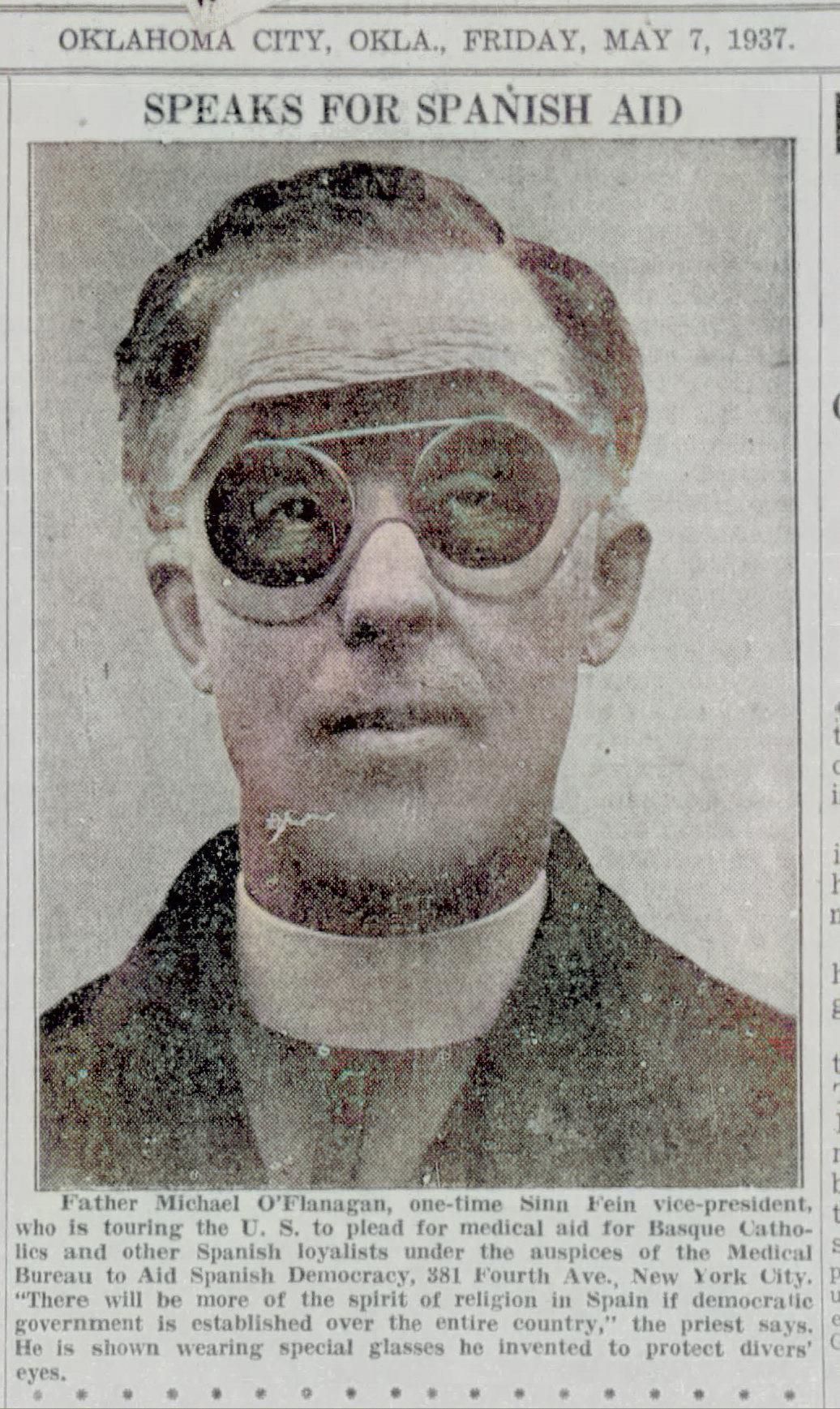
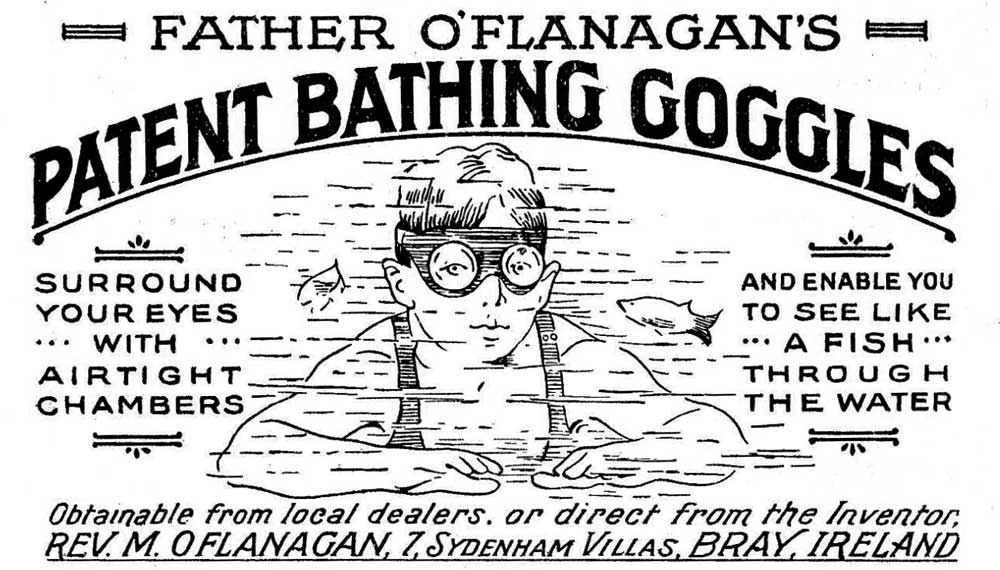
The earliest patent for swimming goggles was filed in the United States in 1916 by C.P. Troppman, although there is no evidence that the design ever reached commercial production or practical use. A far more influential patent followed in 1930, when Irish clergyman Michael O'Flanagan introduced a model that would leave a lasting mark on the sport. Manufactured and distributed locally, O'Flanagan's design featured rubber seals surrounding oversized glass lenses, an adjustable elastic strap to secure the goggles around the head, and interchangeable curved or flat lenses that could be fitted depending on the swimmer's needs.
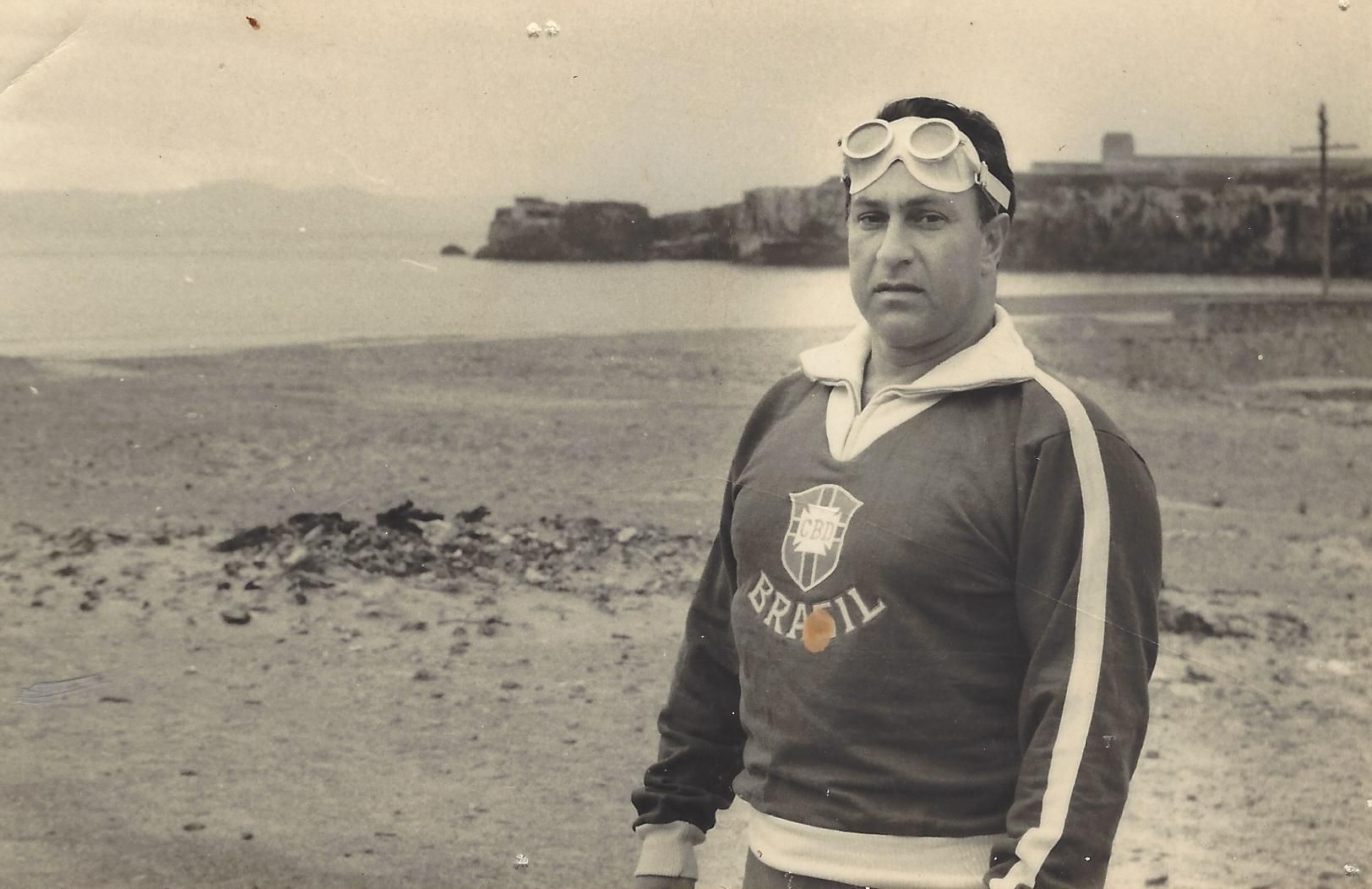
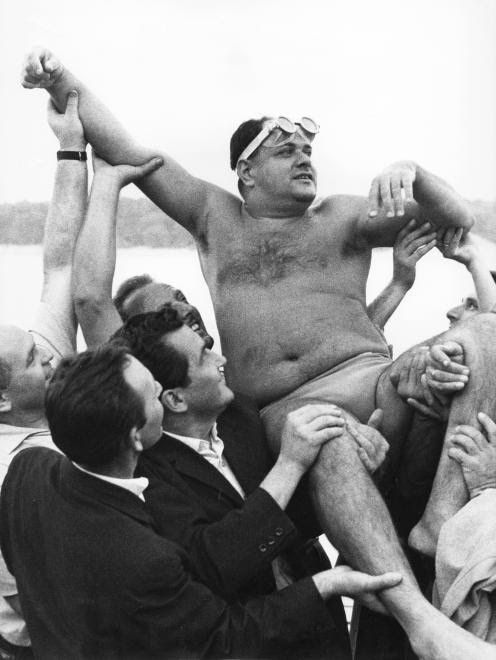
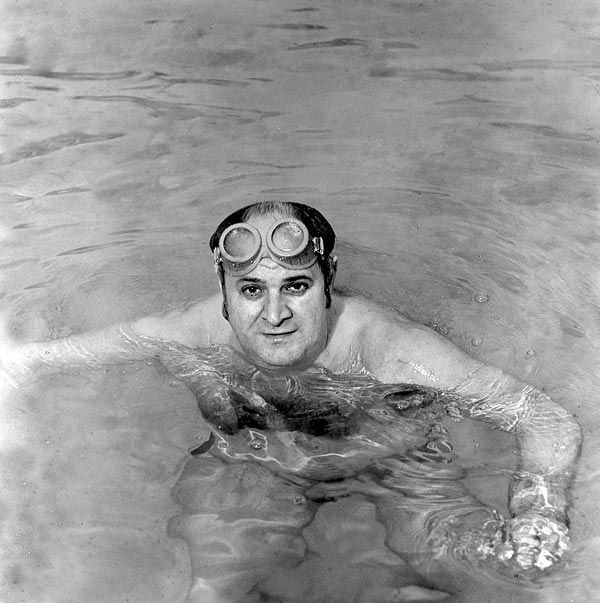
The idea reportedly came to O'Flanagan while observing the glass-bottom viewing cabins on boats operating out of Sligo, Ireland. Once patented in both Ireland and Great Britain, the design quickly spread internationally. Among those who adopted it were Tom Blower during his successful crossing of the North Channel between Ireland and Scotland in 1947, British swimmer Rosemary Franklin-George, and two future members of the International Marathon Swimming Hall of Fame: Hungary's Imre Szénási and Brazil's Abilio Alvaro Da Costa Couto.
Despite the success of O'Flanagan's model, the adoption of swimming goggles remained largely driven by individual athletes. During the 1940s and 1950s, Florence Chadwick and several other open-water swimmers used custom-made goggles equipped with oversized rubber gaskets and double-layer lenses. A few years later, Adolph Kiefer—Olympic champion at the 1936 Games and a member of the International Swimming Hall of Fame—introduced the first soft moulded rubber eye gasket to the market. By the 1960s, specialist publications such as Swimming World Magazine were already running advertisements for the first commercially available plastic swimming goggles.
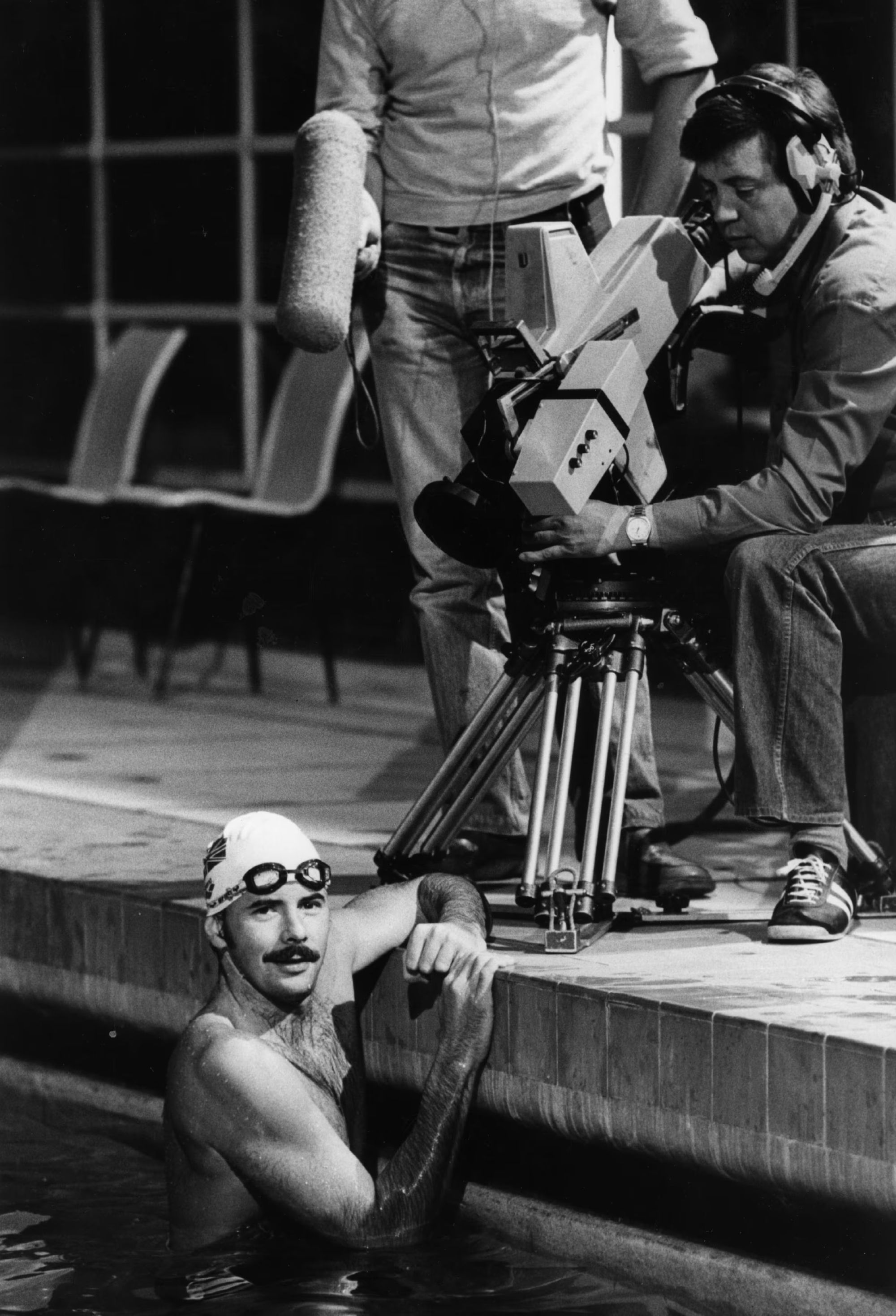
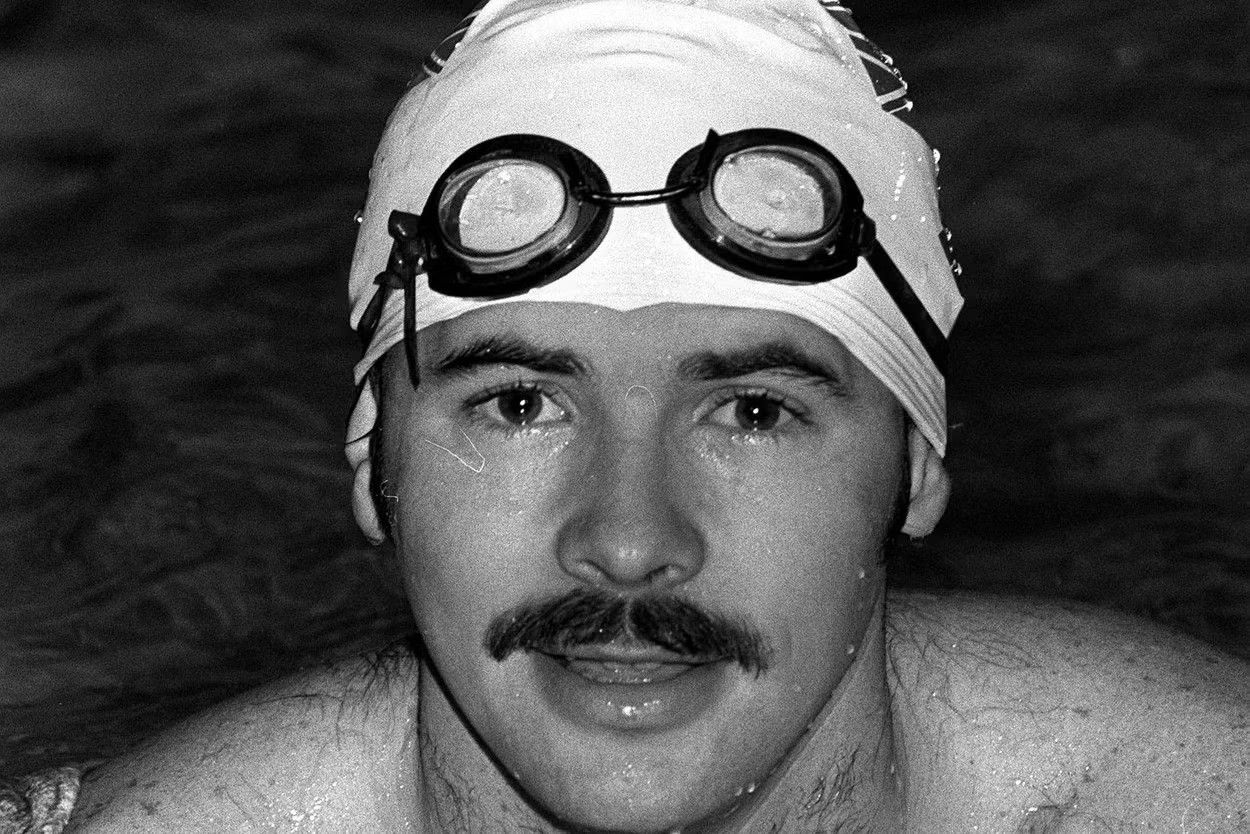
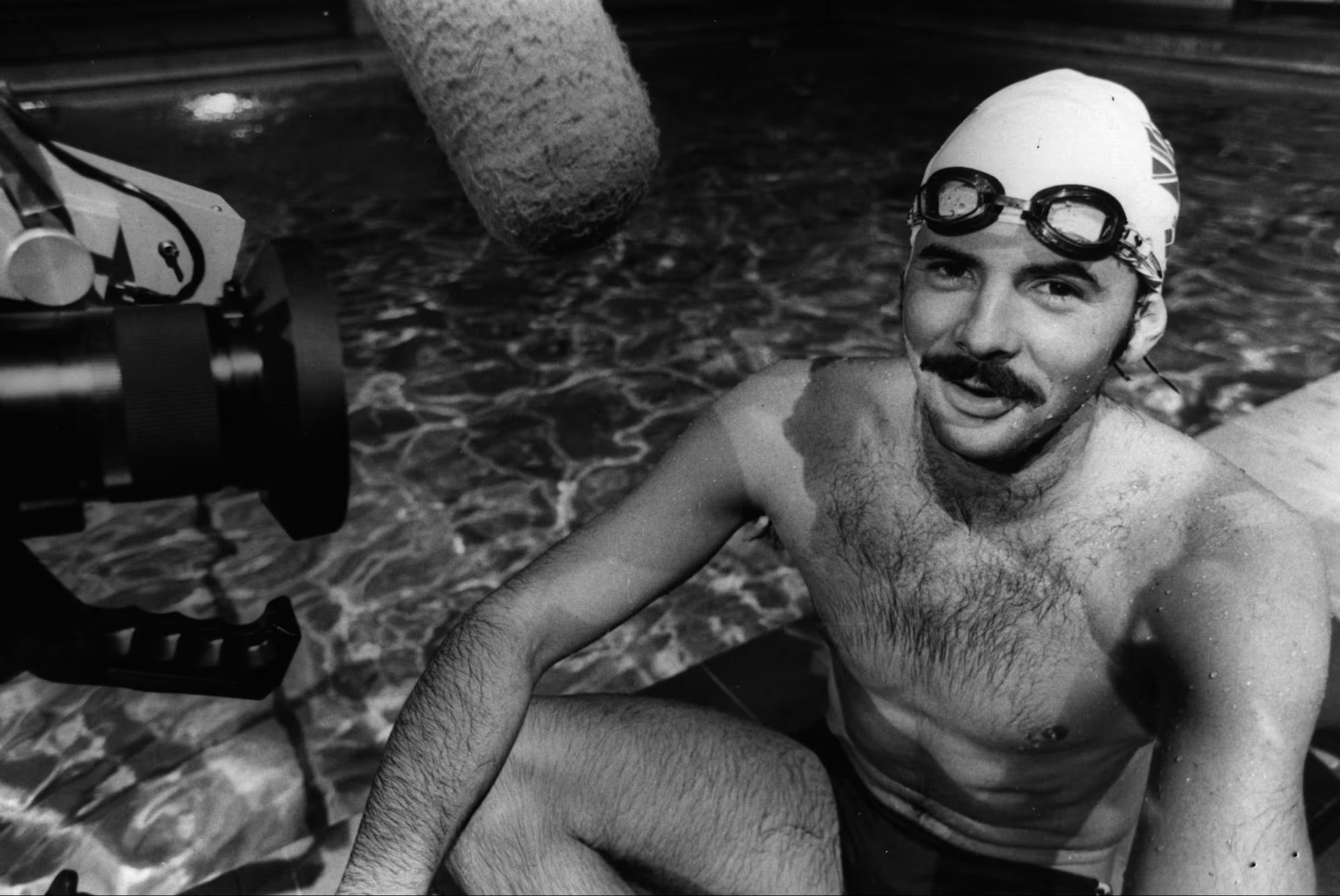
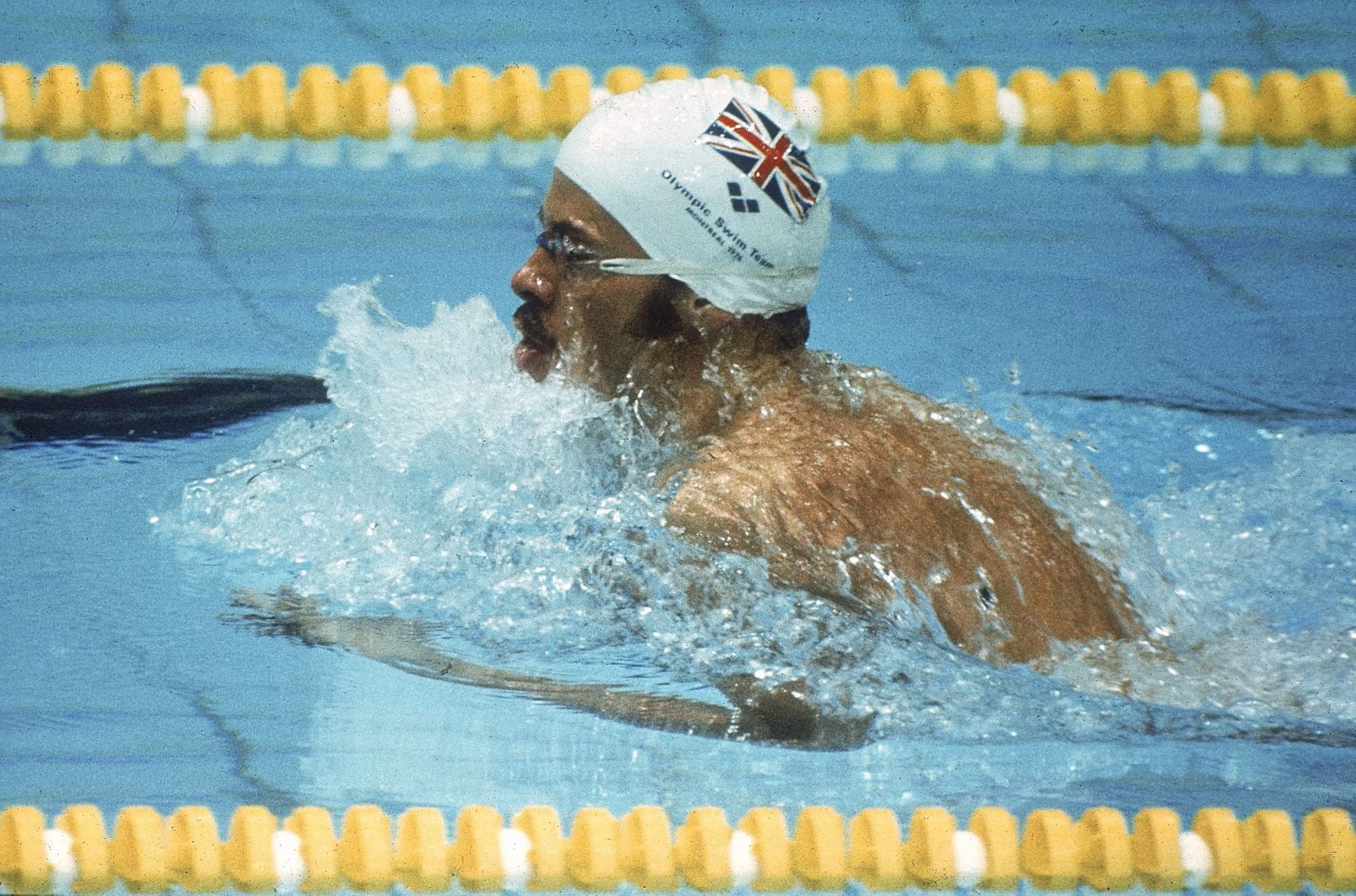
The real turning point for the industry, however, came in 1969, thanks to British manufacturer Tony Godfrey. An expert in plastics engineering, Godfrey spent years experimenting with different materials before identifying polycarbonate as the ideal choice for swimming goggles. Although lightweight and incredibly durable, the material had never before been used for sports eyewear. His design achieved worldwide recognition when David Wilkie became the first competitive swimmer to race wearing both a swim cap and goggles at the 1972 Commonwealth Games. Wilkie initially adopted them because of a chlorine allergy, but the choice certainly didn't slow him down. The Scottish swimmer claimed silver in the 200m breaststroke before dominating international swimming throughout the 1970s, winning multiple European, World Championship and Olympic medals.
The rise of Swedish goggles
Swimming goggles rapidly became mainstream, but the explosion in demand soon turned into a double-edged sword for Tony Godfrey. As polycarbonate proved to be the ideal material, countless manufacturers rushed to develop their own versions. Among them, Swedish company Malmsten AB emerged as the undisputed market leader, becoming the go-to supplier for professional swimmers from the mid-1970s onwards.
The strength of the Scandinavian design lay first and foremost in its minimalist construction. Unlike previous models, Swedish goggles eliminated the traditional rubber gasket, allowing the lenses to sit closer to the eye socket and significantly reducing drag through the water. More importantly, they introduced an unprecedented level of customisation. Swimmers could choose from a range of lens colours—not only clear, but also smoke, mirrored and darker tints—before assembling the goggles themselves. Sold as a kit, each set included two lenses, a latex rubber strap of adjustable length and a nose bridge made from a plastic tube threaded with a cord, enabling every athlete to fine-tune the fit according to their own facial structure.
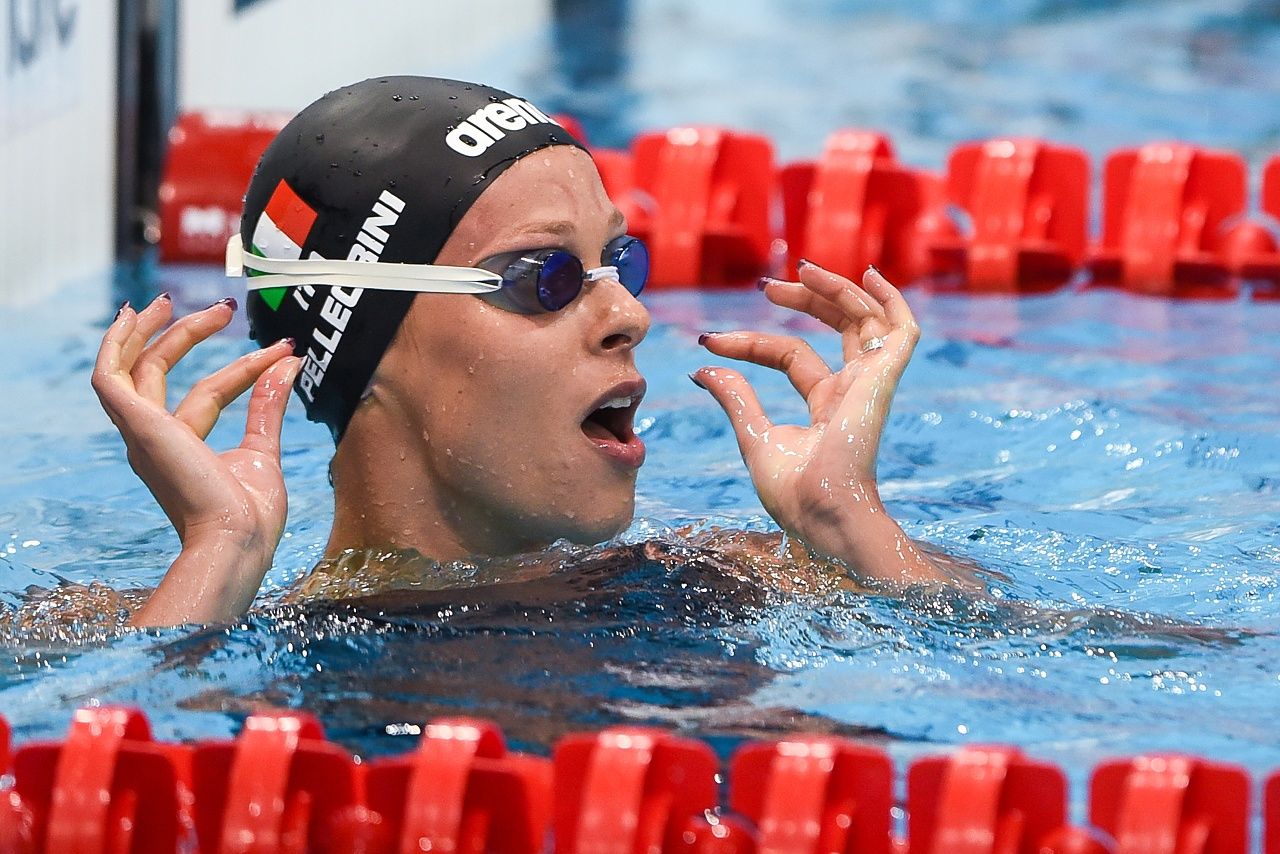
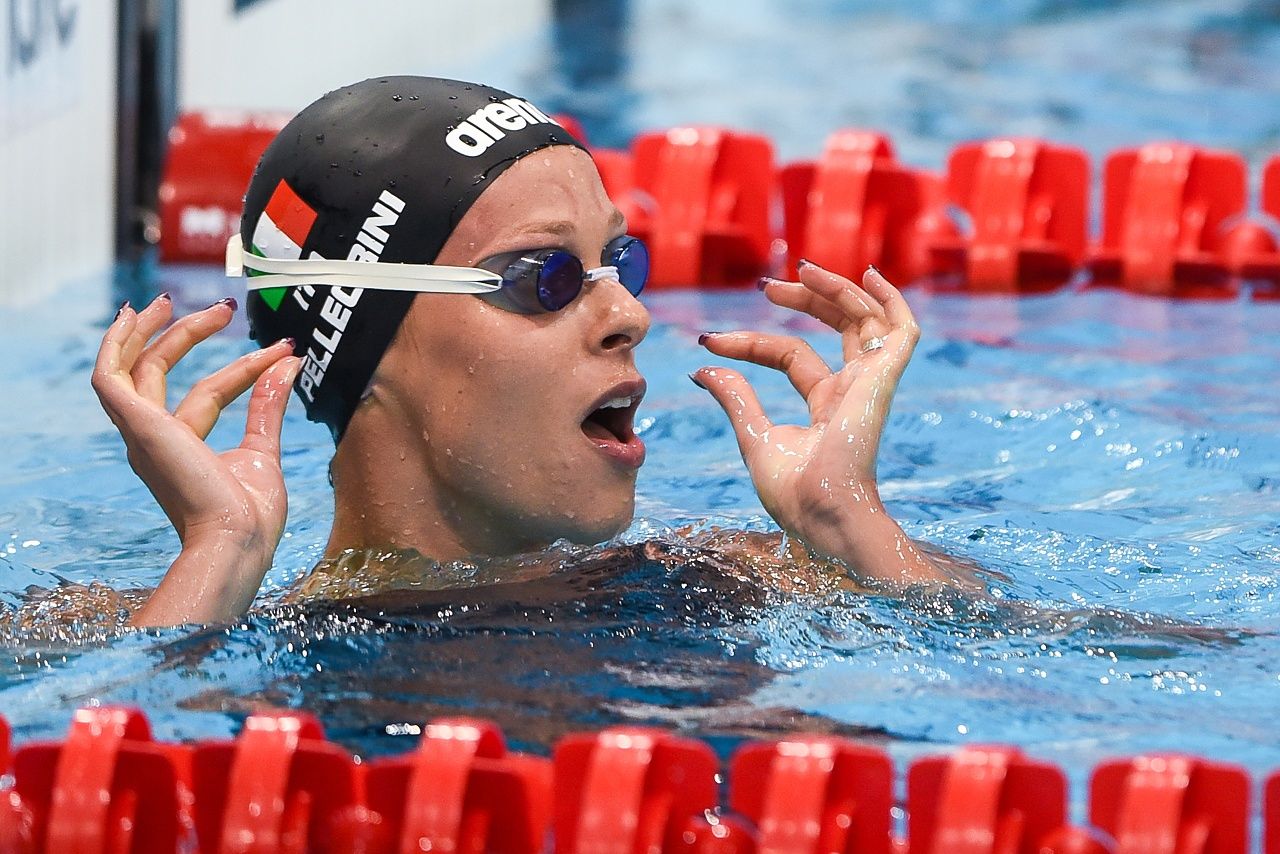
Combined with simple assembly instructions included in every package, this ingenious concept transformed Swedish goggles into the most iconic model in competitive swimming. Even Federica Pellegrini, one of the most decorated swimmers in history—including an Olympic gold and silver medal—remained loyal to the classic Swedish design throughout her career, despite the arrival of increasingly sophisticated alternatives.
Swimming goggles today
Although Swedish goggles remain widely used today and Malmsten continues to be one of the most respected brands among elite swimmers, the design is now widely considered old school. The absence of a rubber gasket, for instance, requires a period of adaptation that can be uncomfortable—even painful—for the bones around the eye socket. Likewise, assembling the goggles from scratch takes time and patience, as swimmers must manually adjust both the nose bridge and the elastic strap to achieve the perfect fit.
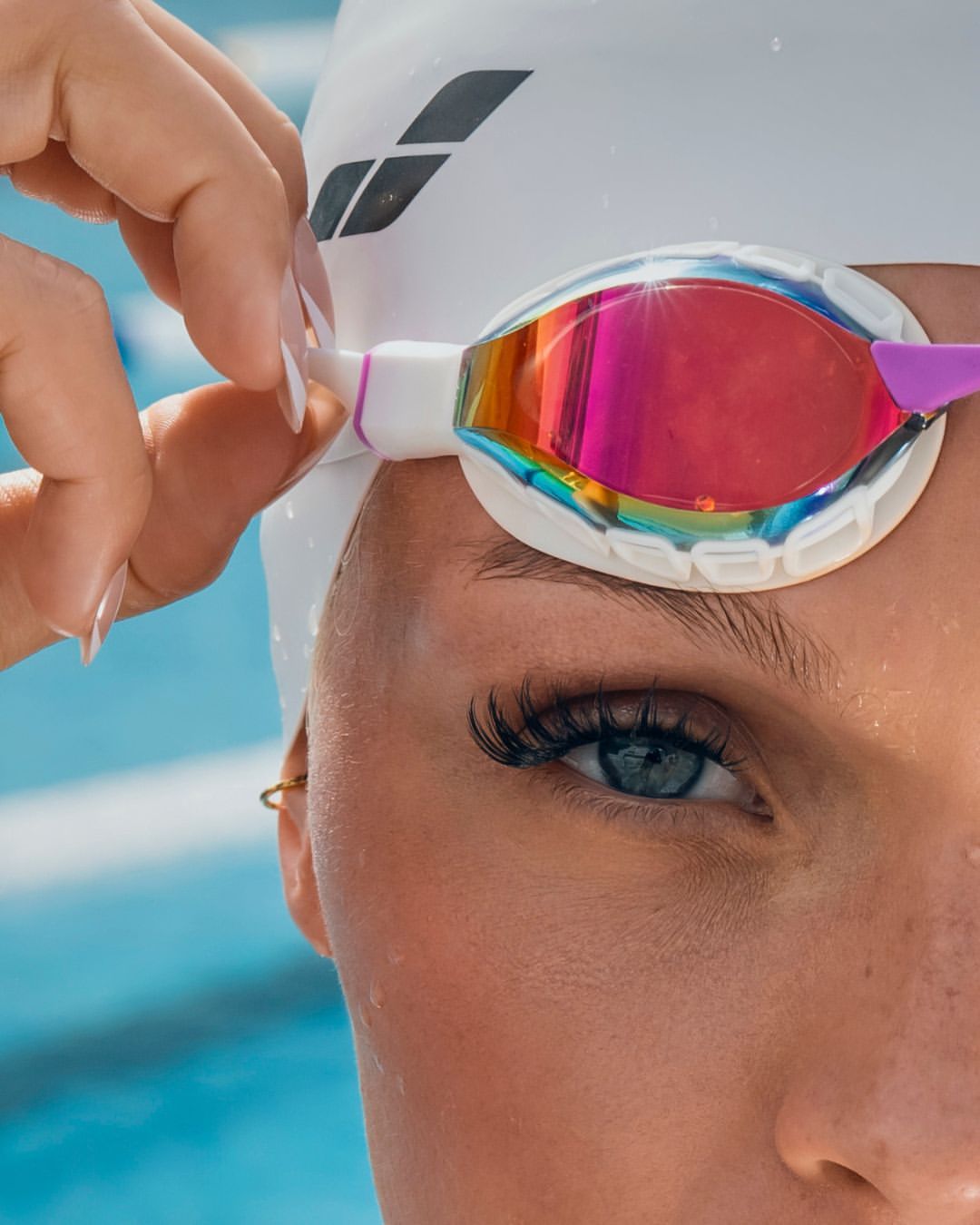
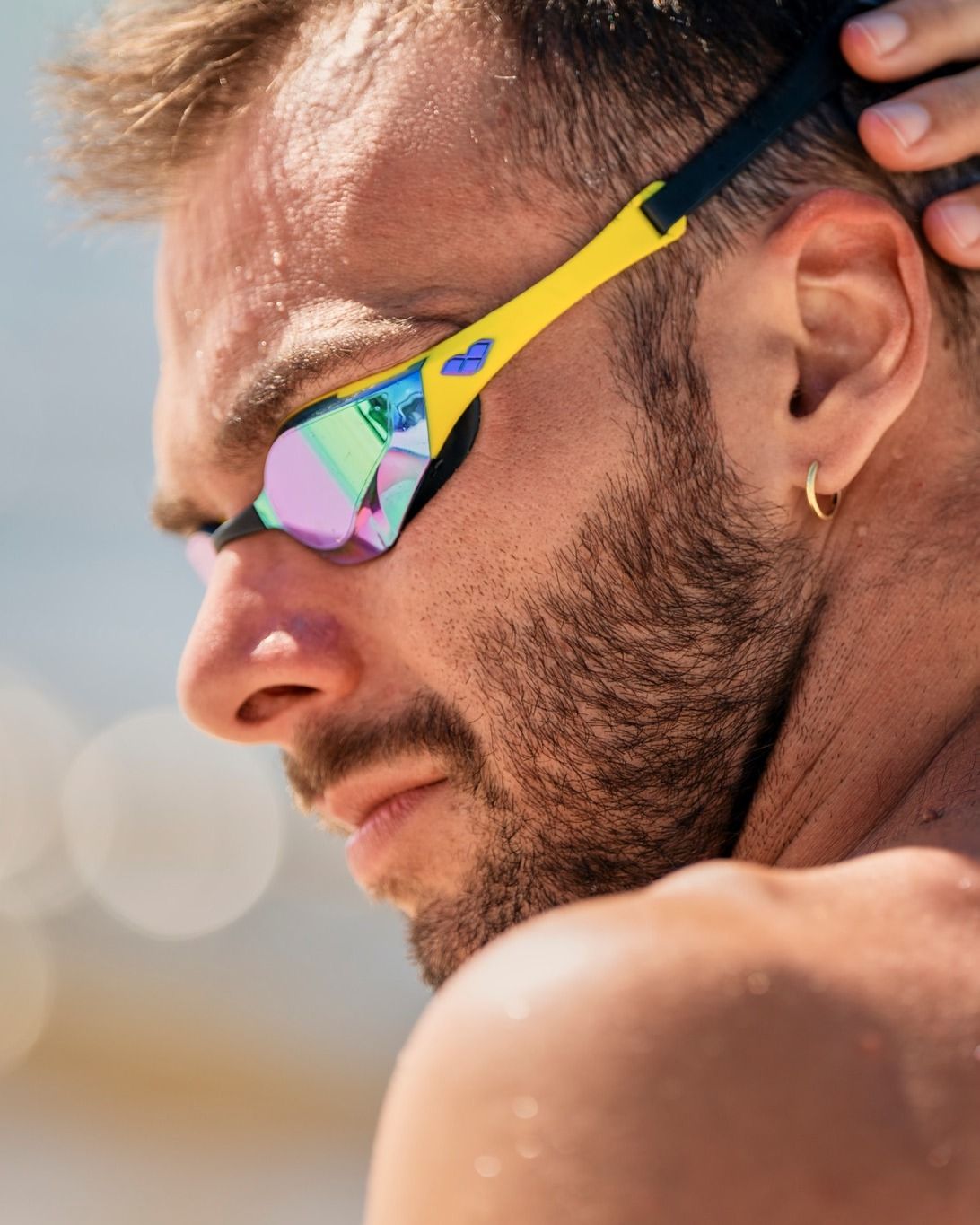
Arena, for example, has revisited the Scandinavian concept with models such as the Swedix, introducing a thin thermoplastic rubber gasket that improves comfort without sacrificing the minimalist philosophy of the original design. At the same time, the brand has become one of the industry's leading innovators thanks to entirely new product lines, most notably the Cobra series. These goggles have become instantly recognisable for their elongated side arms, designed to tuck underneath the swim cap around the temples and provide greater stability during explosive starts, turns and high-speed racing.
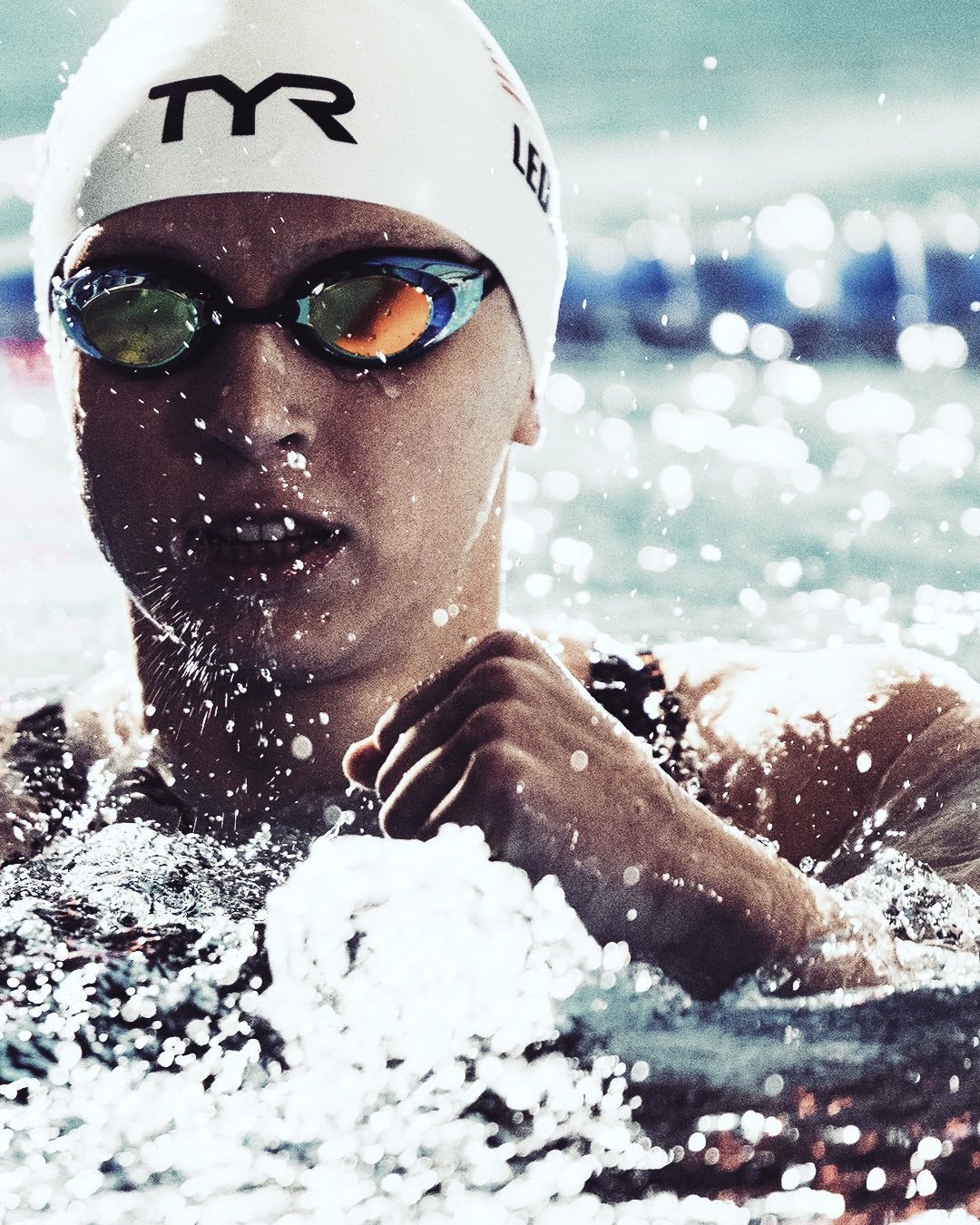
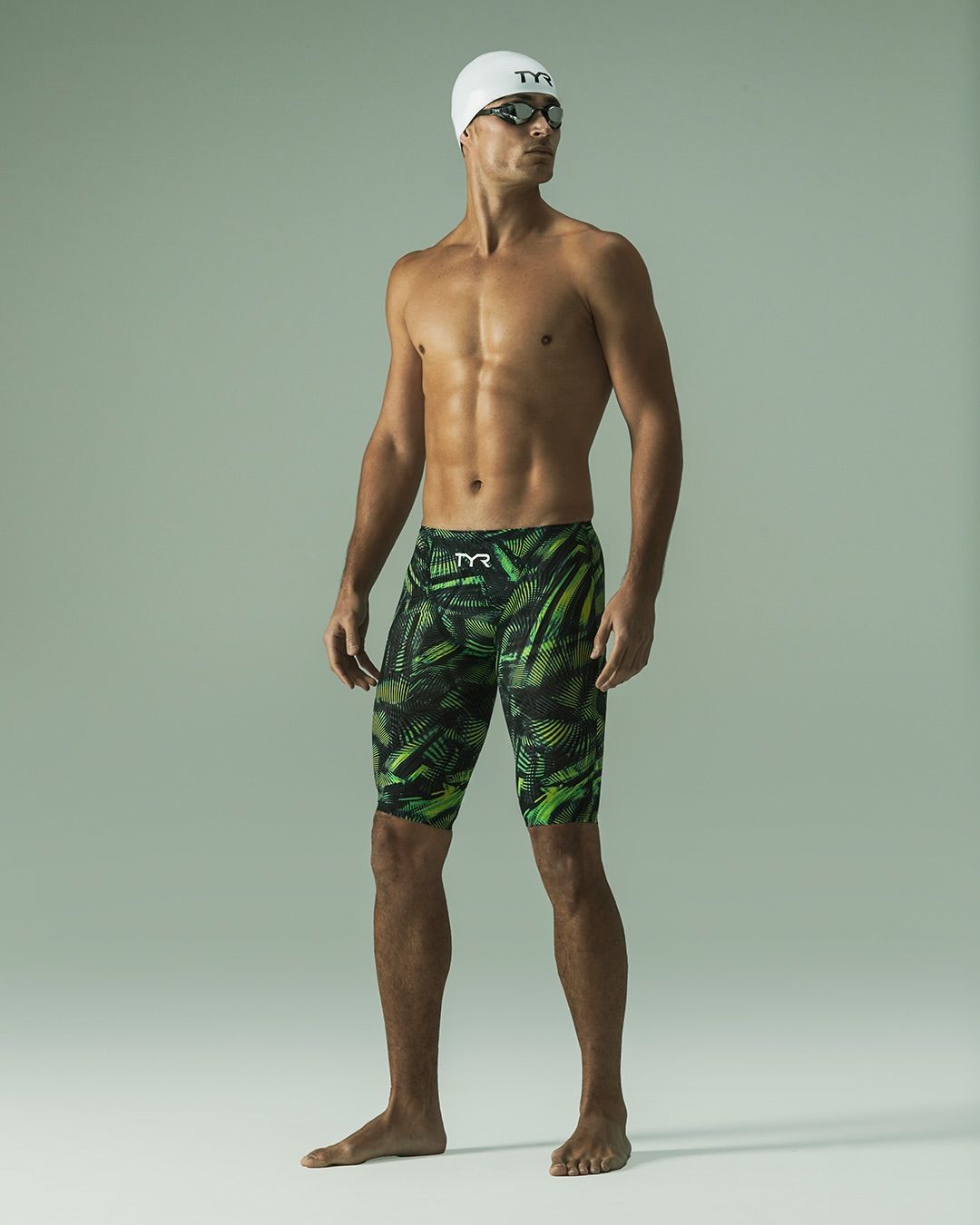
Innovation has also transformed strap durability, gasket materials and lens design. Thanks largely to the widespread use of silicone, modern goggles are more comfortable and longer-lasting than ever before, while increasingly hydrodynamic lens shapes improve both efficiency and field of vision. American brand TYR has invested heavily in both
Competition regulations
Given their relatively recent introduction to elite competition, swimming goggles—much like swim caps—are not mandatory in either pool swimming or open-water events. In fact, they are generally prohibited in artistic swimming, unless an athlete has a certified medical need. The rationale is simple: judges must be able to fully assess competitors' facial expressions and overall artistic performance.
The only discipline where goggles are compulsory is the S/SB/SM11 classification at the Paralympic Games. Swimmers competing in these classes have little to no vision and no light perception, meaning they are required to wear opaque goggles unless they have prosthetic eyes in both eye sockets. The body responsible for ensuring that goggles used in professional competition comply with technical requirements is the International Organization for Standardization (ISO).
Beyond eye protection, goggles have also become a branding tool. To prevent excessive commercial exposure during competitions, World Aquatics has introduced strict regulations governing sponsor visibility. Athletes may display no more than two manufacturer logos on their goggles, typically positioned on the side of the frame or on the strap, with each logo limited to a maximum surface area of six square centimetres.
More recently, the governing body has also had to address the rise of smart swimming goggles. An increasing number of brands now integrate technology capable of tracking heart rate, performance metrics and swimming data in real time. This is the case with Instabeat, the company founded by former professional swimmer Hind Hobeika, while other systems such as IOLITE focus on navigation. Designed primarily for open-water training and triathlon, the technology uses GPS alongside coloured visual cues projected inside the lenses to guide swimmers: green indicates the optimal trajectory, while red signals that the swimmer has drifted off course.
The use of these devices in open-water competition is currently regulated differently depending on the organising body. USA Triathlon, for example, allows them, whereas the Marathon Swimmers Federation has taken a much stricter stance, even coining the term Frankengoggles to describe technologically enhanced eyewear.
World Aquatics has instead adopted a more nuanced position. The ban only applies to goggles capable of transmitting or receiving data in real time during competition. Passive data collection, however, remains permitted, allowing athletes to analyse performance after races or use the information for scientific research and training purposes. The same regulation applies to both pool swimming and open-water events, with the aim of preserving equal competitive conditions while preventing any form of real-time technological assistance.
areas, developing its Durafit technology to reduce facial pressure while introducing wider peripheral lenses with anti-glare properties that adapt more effectively to changing sunlight conditions.
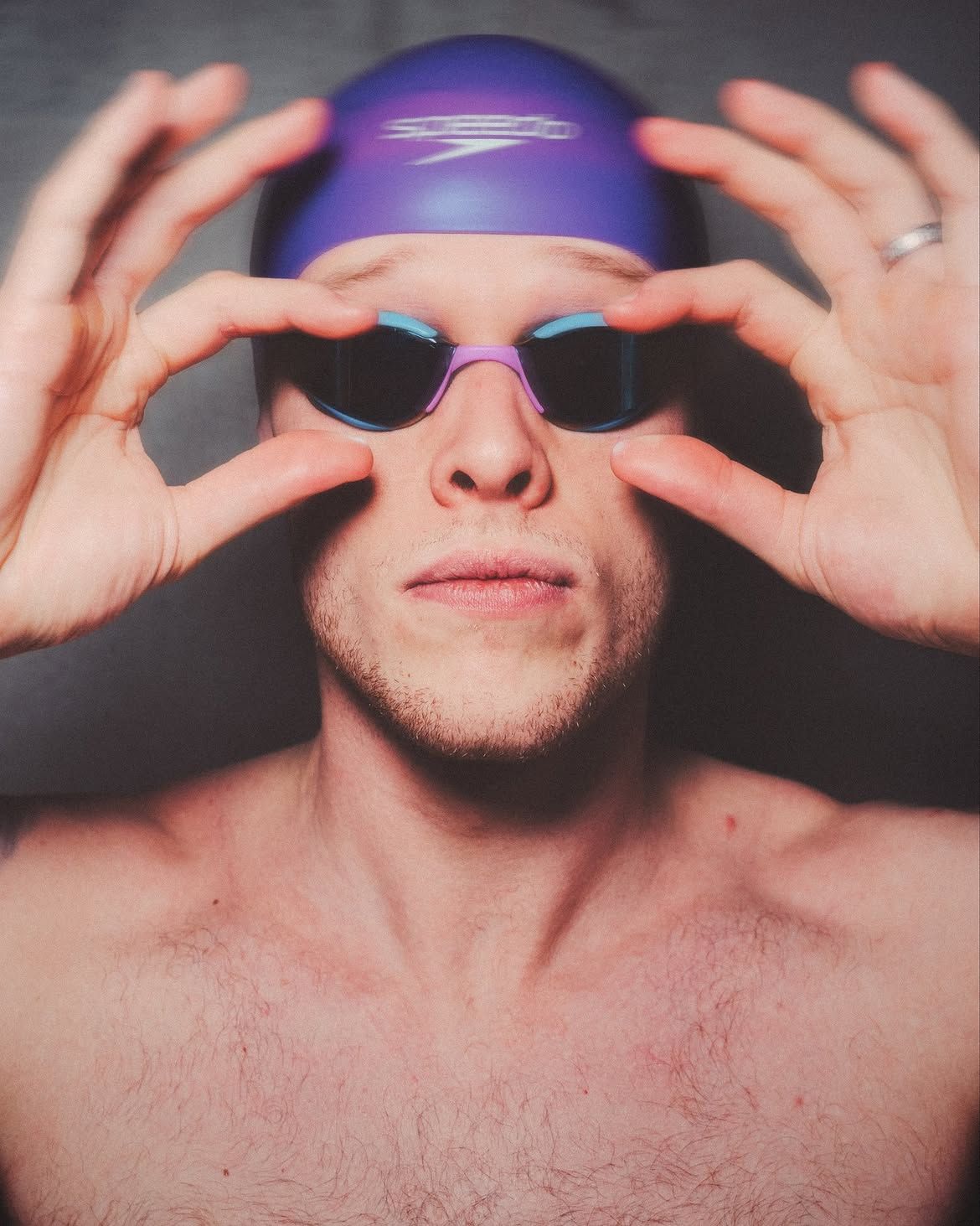
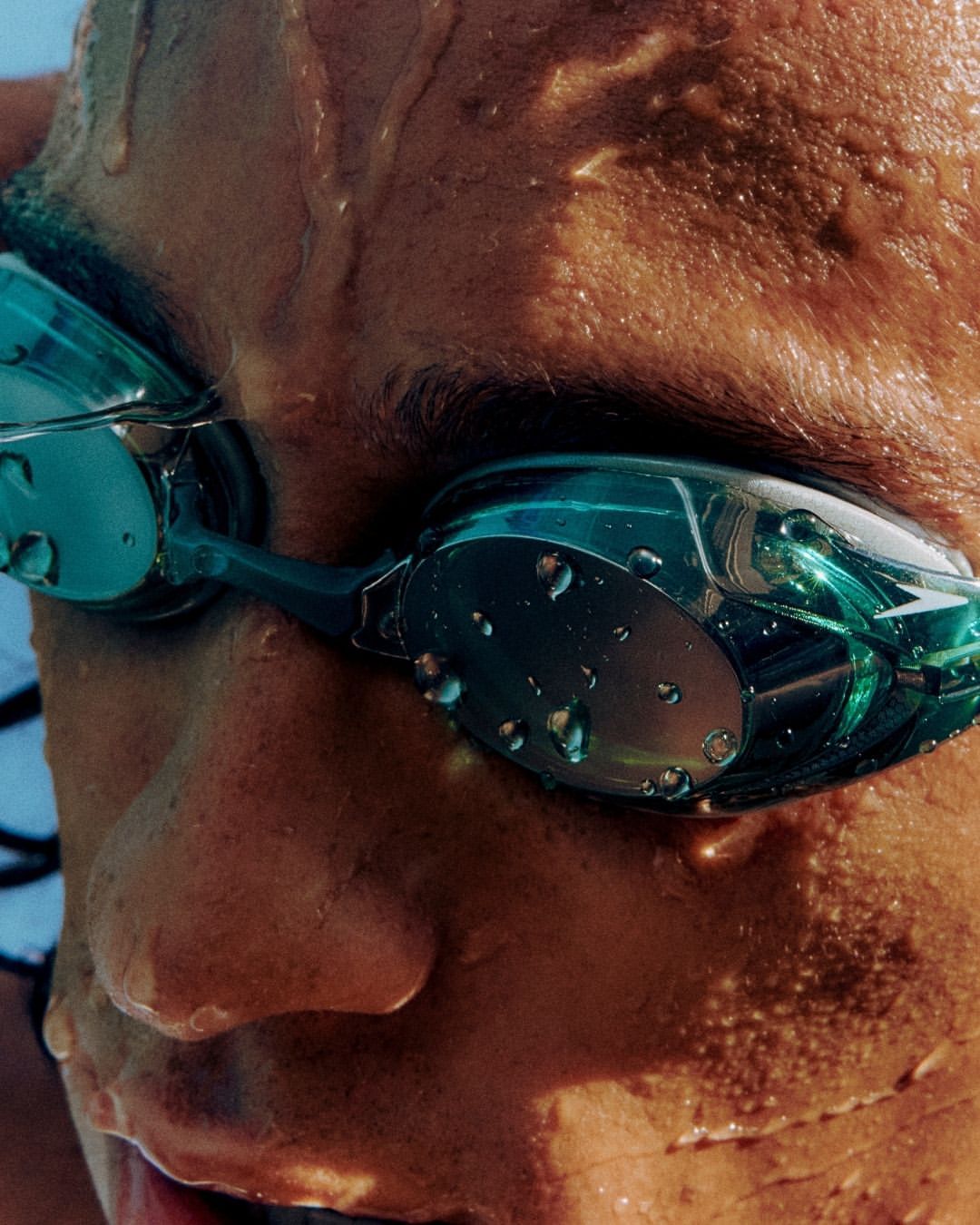
Speedo, meanwhile, has focused its research on achieving the perfect facial fit. Over the years, the company has experimented extensively with materials capable of improving waterproof performance while minimising pressure on both the skull and the delicate orbital area. Introduced in 2012, IQfit technology was developed using a 3D database of head scans collected from swimmers around the world, resulting in goggles designed to fit the vast majority of facial structures while ensuring an exceptional watertight seal. More recently, that same philosophy has been pushed even further by THEMAGIC5, whose facial-scanning app allows every swimmer to order a pair of fully customised goggles tailored to their own anatomy.