
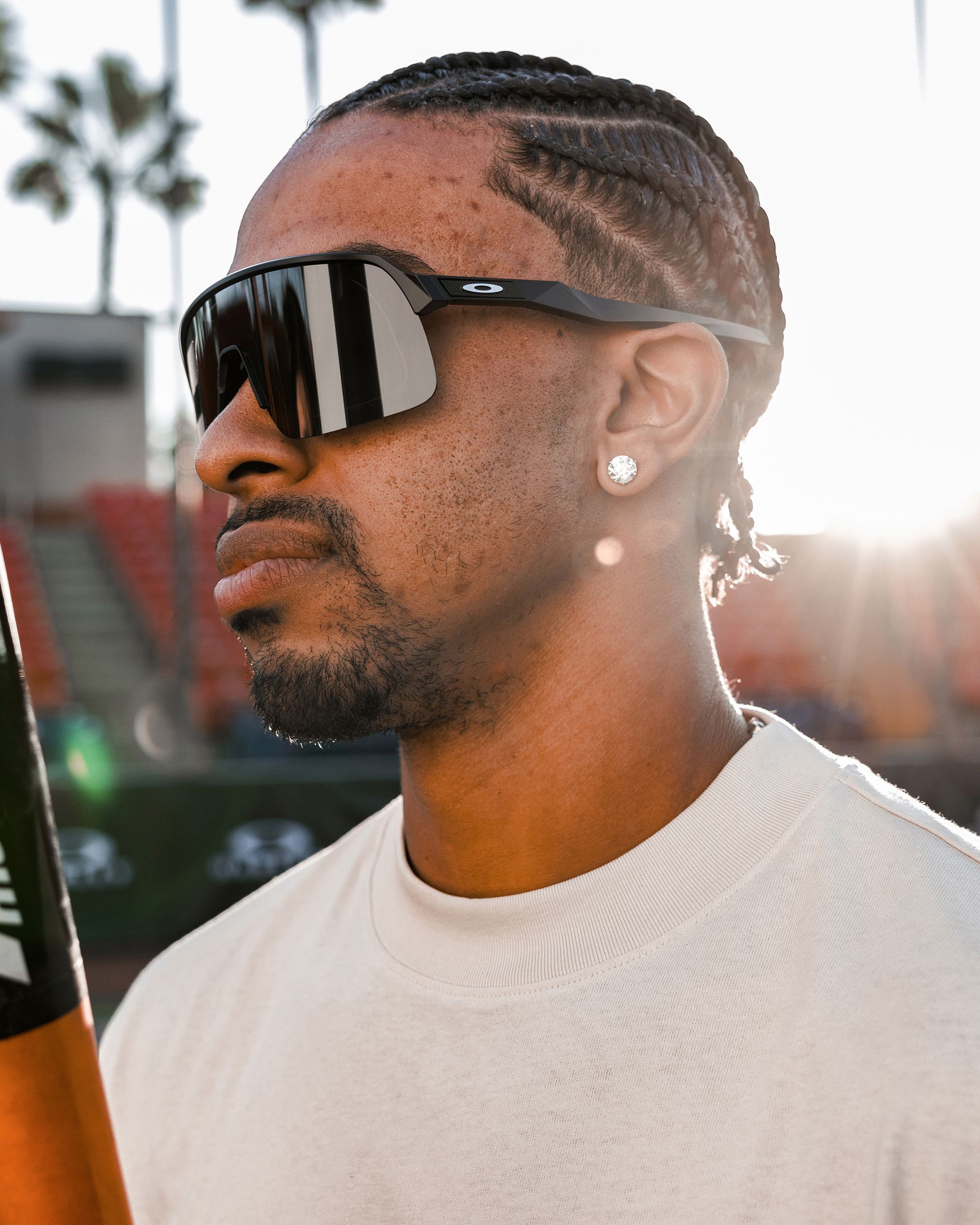
Shield Fusion brings prescription into Oakley’s design A new approach to sports eyewear

For Oakley, sports eyewear has never been simply about performance. The Californian brand has always worked at the intersection of technology, functionality and an instantly recognisable aesthetic, turning sports eyewear into one of the most distinctive elements of an athlete's equipment. Now that language is evolving once again, with a new solution addressing one of the most complex aspects of sports eyewear: vision correction.
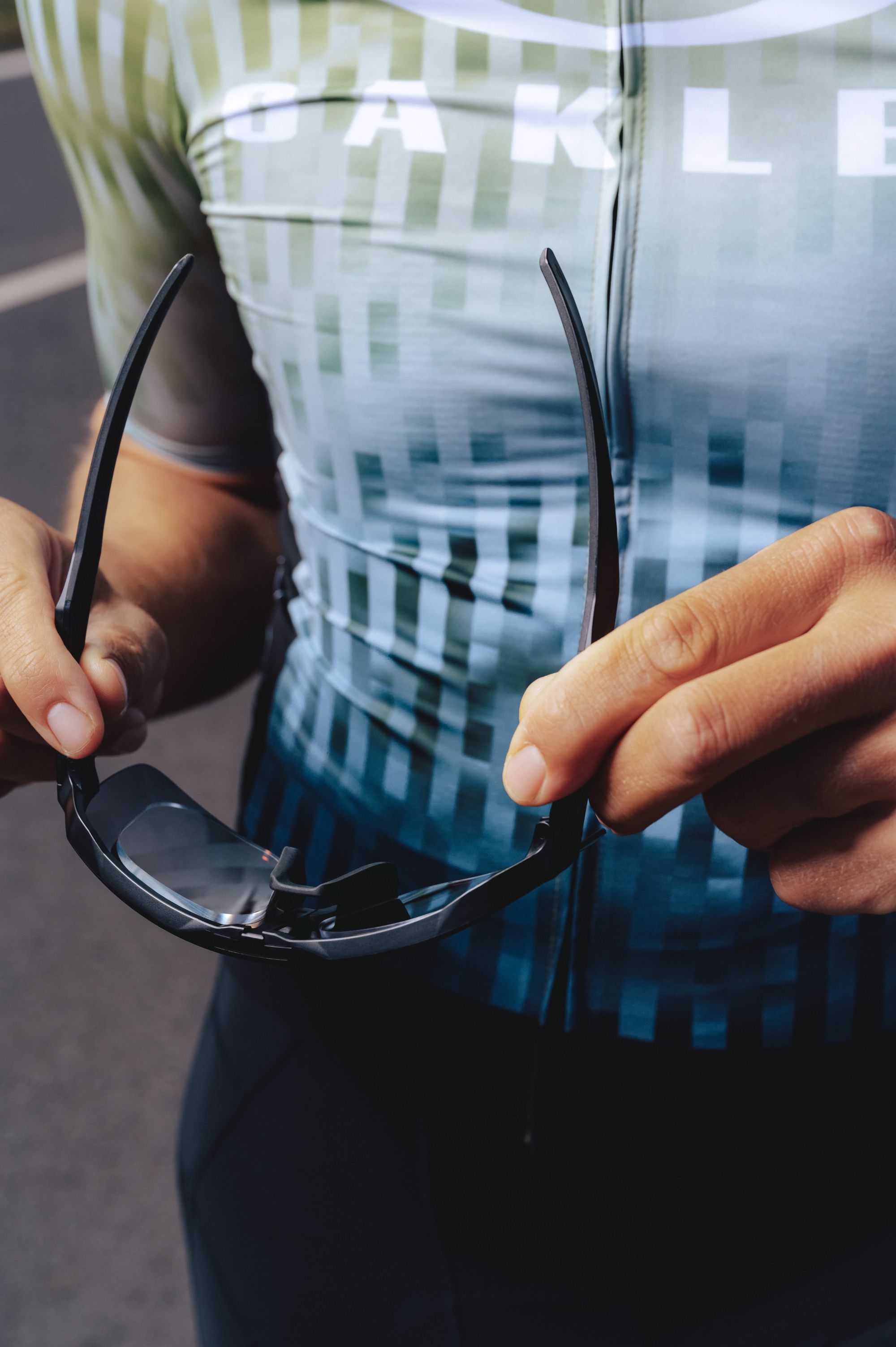
Called Shield Fusion, the new technology developed by Oakley in collaboration with Shamir allows prescription lenses to be integrated directly into a shield-style frame for the first time. An evolution that is almost invisible, but one that changes the way sports eyewear can be designed. The principle is simple: rather than relying on traditional prescription inserts, which are often visible and sit separately from the main lens, Shield Fusion integrates the prescription lens into the back of the shield through an advanced lamination process. Vision correction thus becomes part of the lens itself, while preserving the original design of the eyewear from the outside.
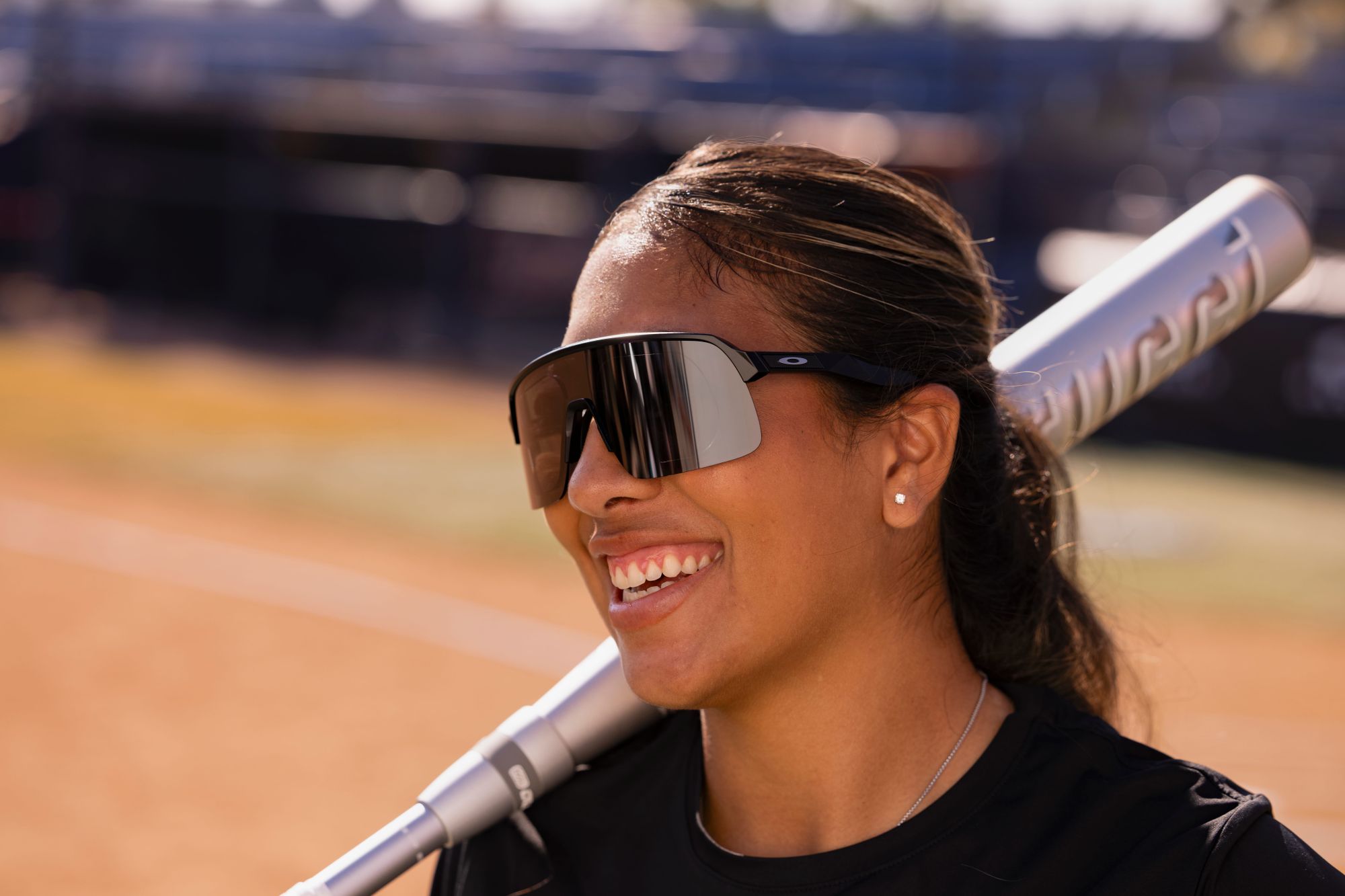
This is precisely what makes the innovation interesting. In a world like Oakley's, where lens shape, frame silhouette and the relationship between technology and the body are integral to a product's identity, adding a prescription solution without changing its aesthetic means reworking the construction of the eyewear without making its presence apparent.
With Shield Fusion, the prescription lens is no longer something added to an existing product: it is built into the design. It is a subtle but important distinction, allowing vision correction to follow the same aesthetic and functional logic as the eyewear itself, without changing how it looks when worn.
It is an approach that reflects the evolution of contemporary sports eyewear, increasingly moving beyond the idea of a purely technical accessory. Glasses have become part of an athlete's visual identity, both in competition and beyond the field of play, with design taking on an increasingly central role in defining the product. That is why even a technical solution designed to remain almost invisible can have a significant impact.