


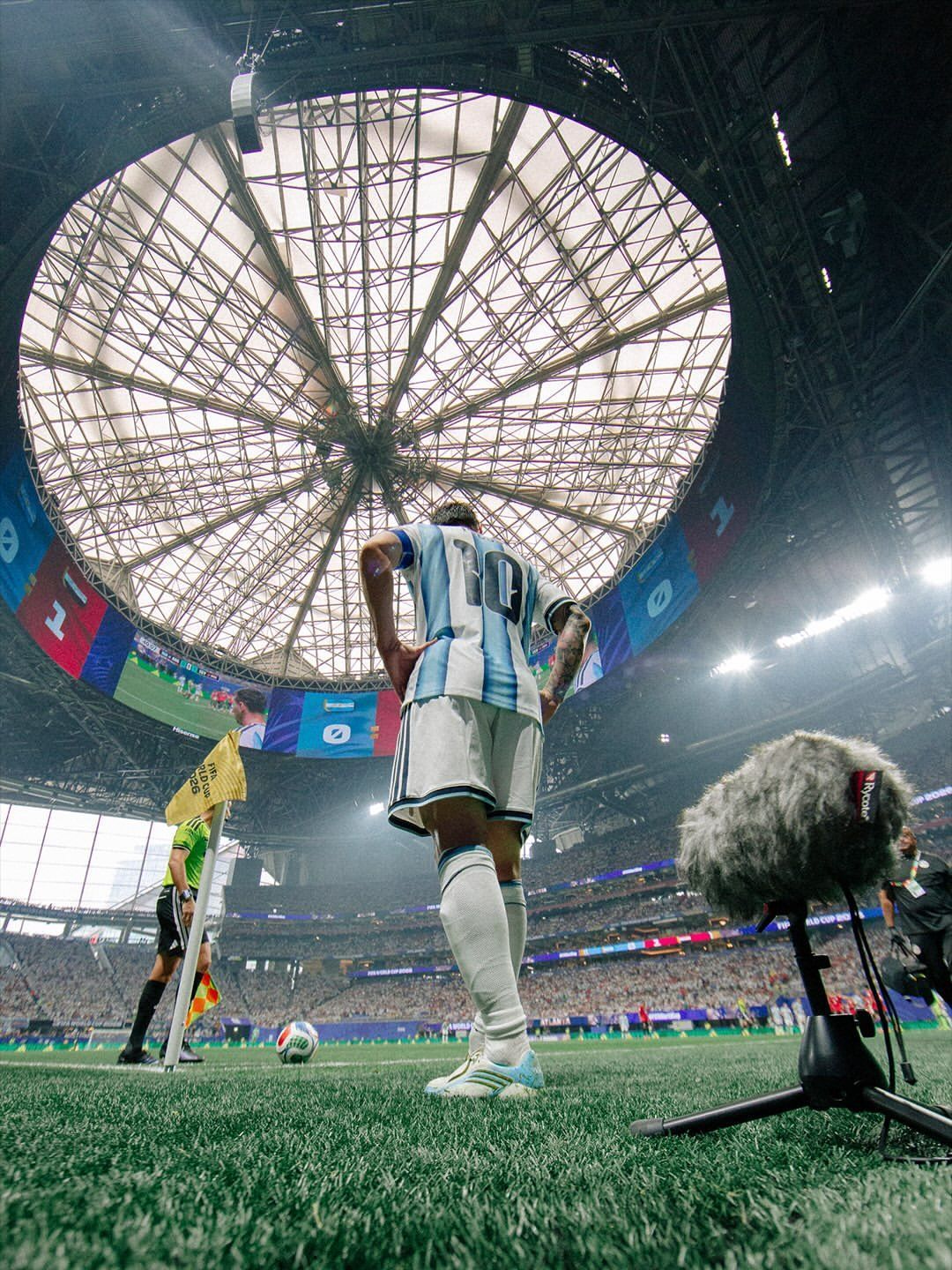
Argentina will not retire Messi’s No. 10 As already seen with Maradona, FIFA rules do not allow it
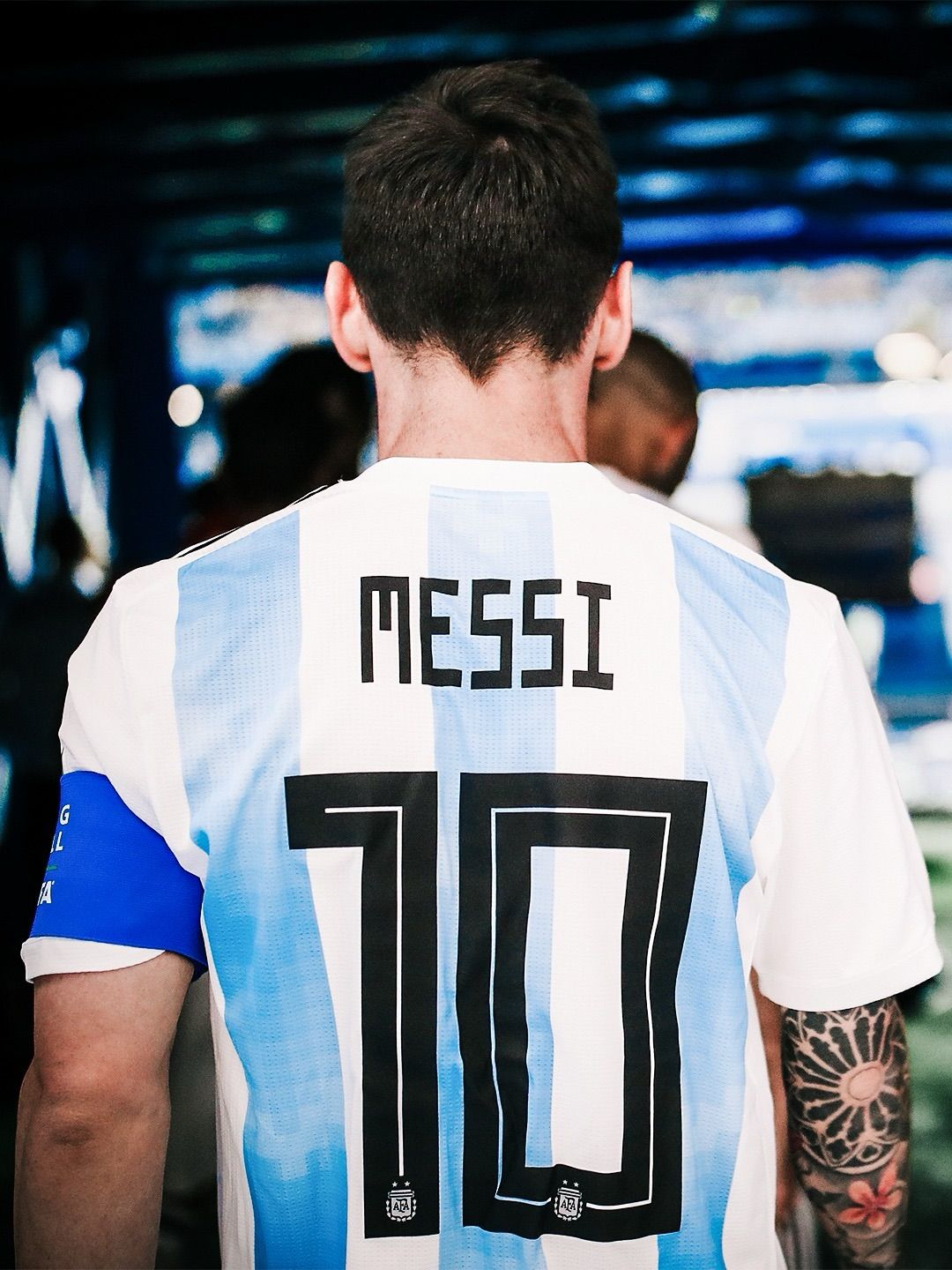
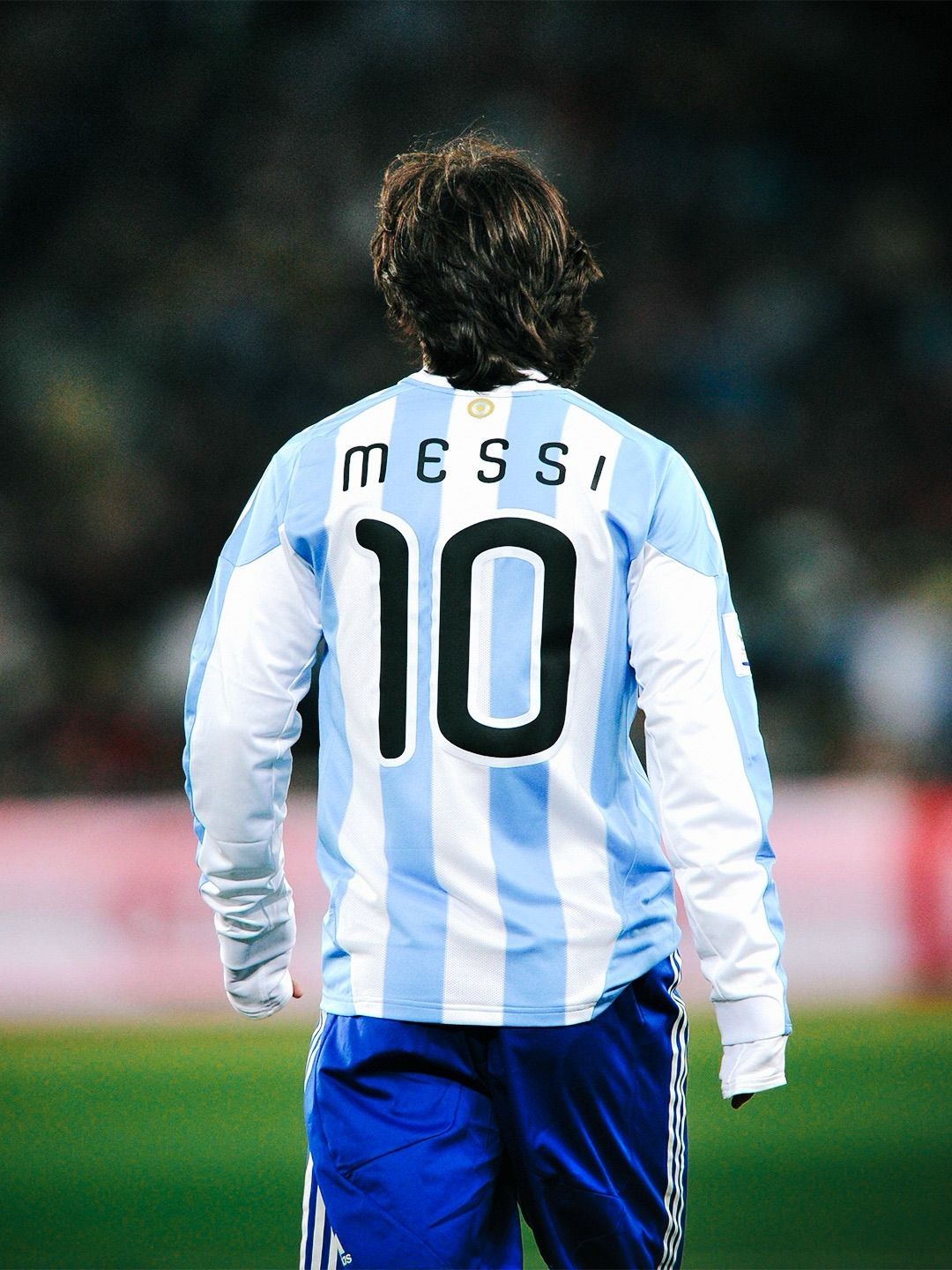
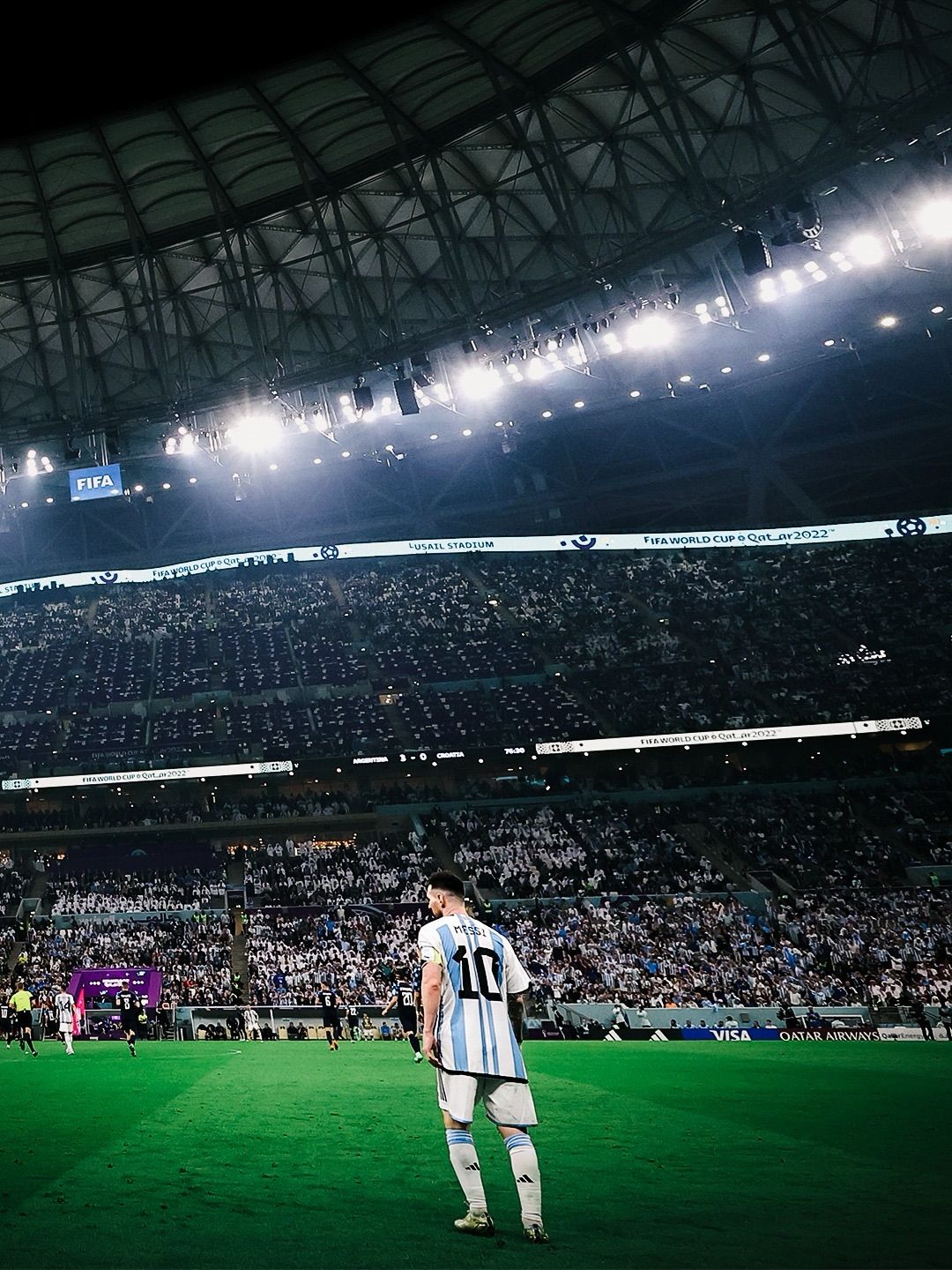
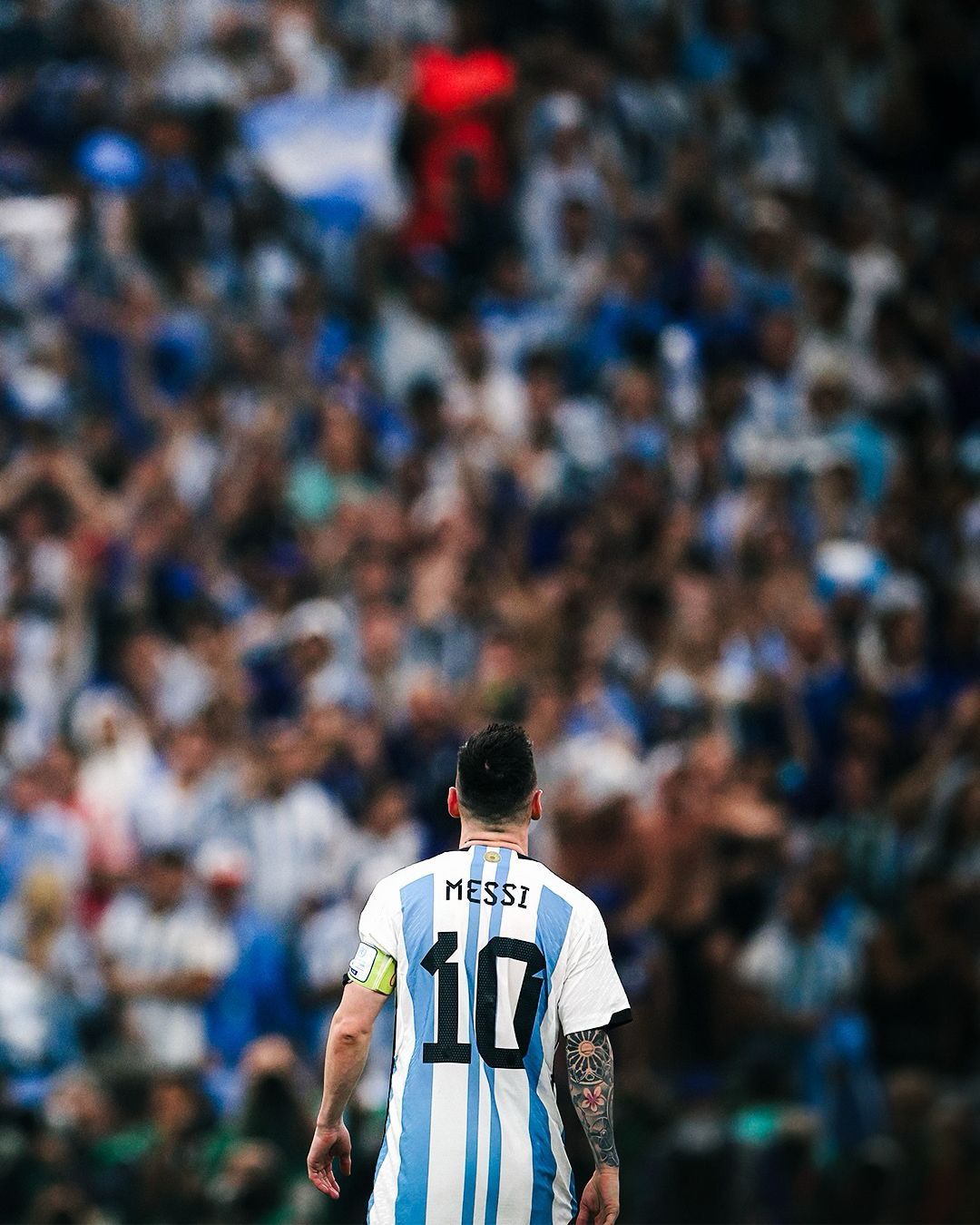
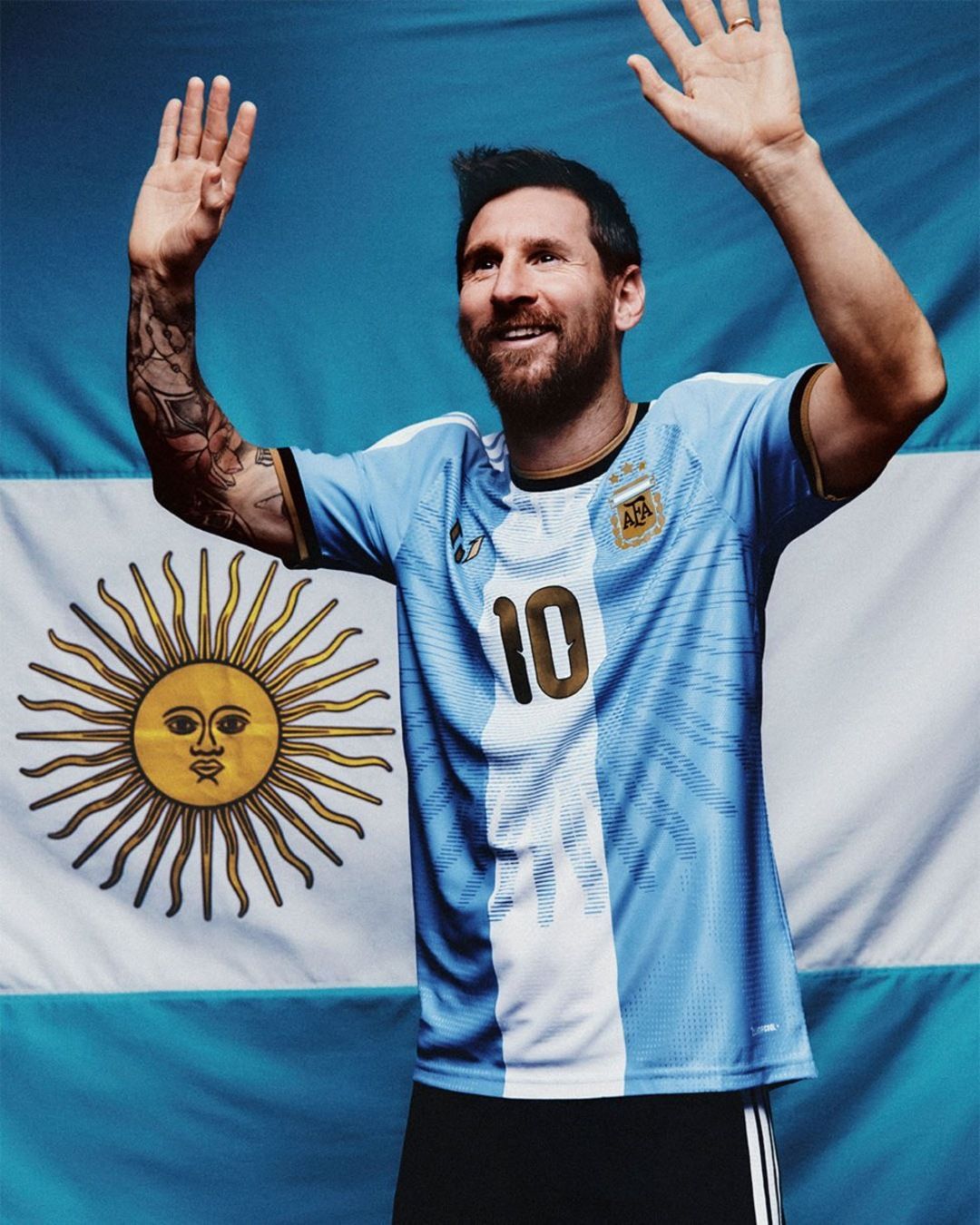
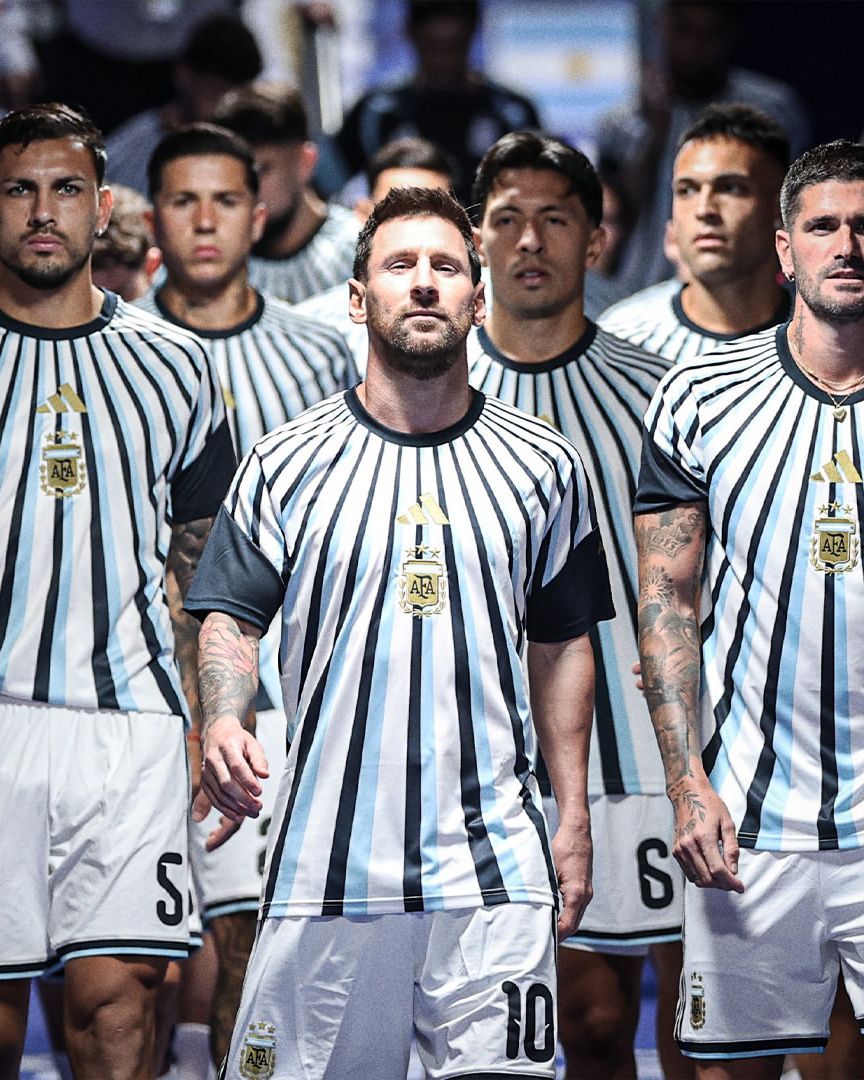
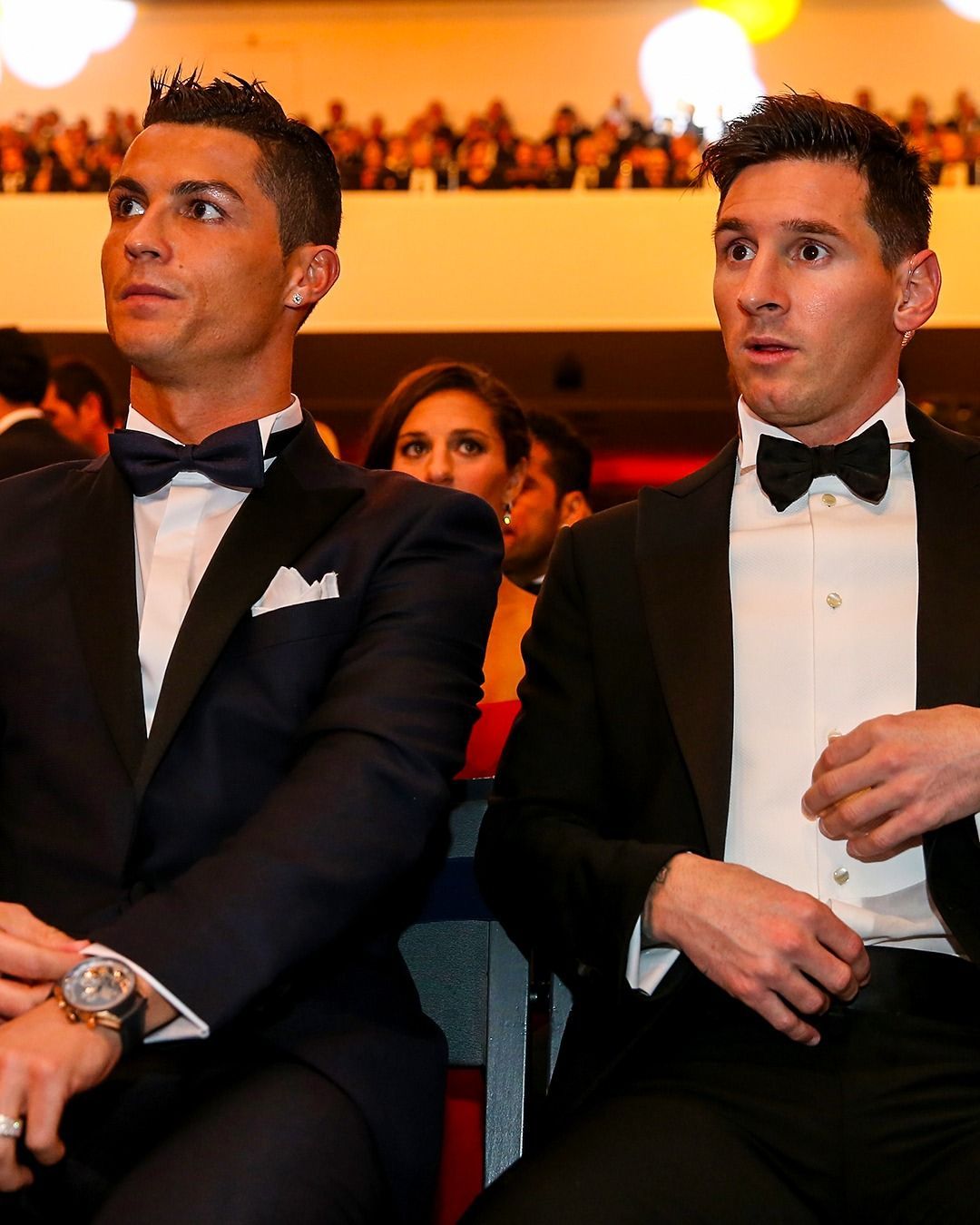
The AFA, Argentina’s football federation, wanted the history of the No. 10 shirt to end alongside Lionel Messi’s international career. Tonight, he will bring his long journey with the Albiceleste to a close in the celebratory friendly against Benin at the Estadio Monumental in Buenos Aires. Back in 2023, president Claudio Tapia had already expressed his intention to retire Messi’s number, arguing that nobody else should wear it after the Rosario-born star’s departure. And it was not even the first time: the same debate had already taken place when Diego Armando Maradona retired in the late 1990s. Even then, however, the plan had to contend with FIFA regulations, and history is now inevitably repeating itself.
Why FIFA rules prevent Argentina from retiring No. 10
The issue concerns the way squad numbers are assigned for major FIFA tournaments. As stated in the regulations for the latest World Cup, Article 29.1 only permits numbers from 1, which must be assigned to a goalkeeper, to 26, making it clear that every number must be used, without exceptions or special exemptions. This means that Argentina cannot skip No. 10 and replace it with No. 27: the AFA can choose to leave it unused in friendly matches, where there is greater flexibility, but cannot guarantee that nobody else will wear it at future tournaments.
The restriction naturally applies to every other national team as well. Portugal would face the same obstacle if it attempted to retire No. 7 in honour of Cristiano Ronaldo, for example. Nor does the rule apply only to tributes marking the end of a career, as demonstrated by Cameroon’s unsuccessful attempt in 2003 to leave Marc-Vivien Foé’s No. 17 unused following his death during that year’s Confederations Cup.
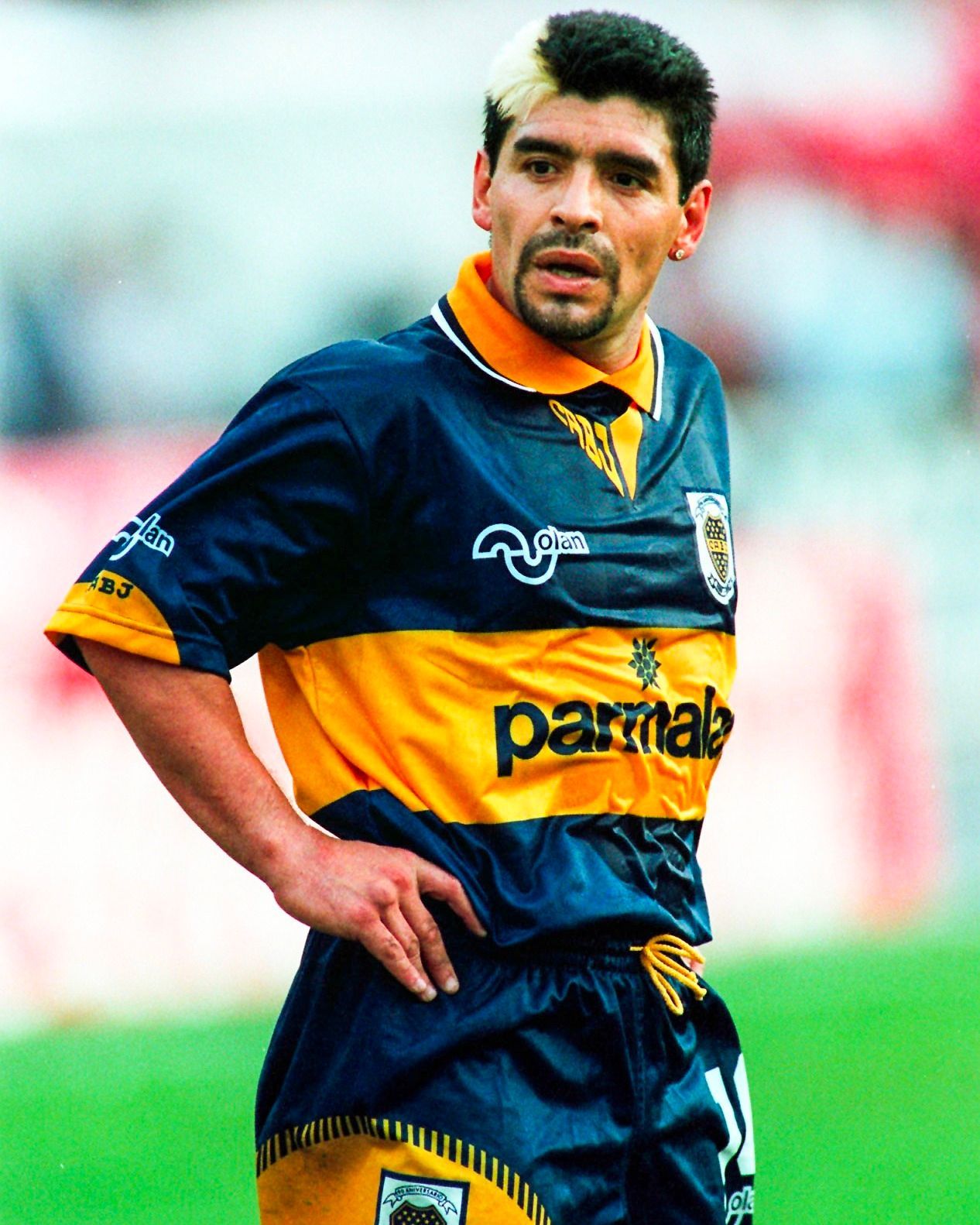
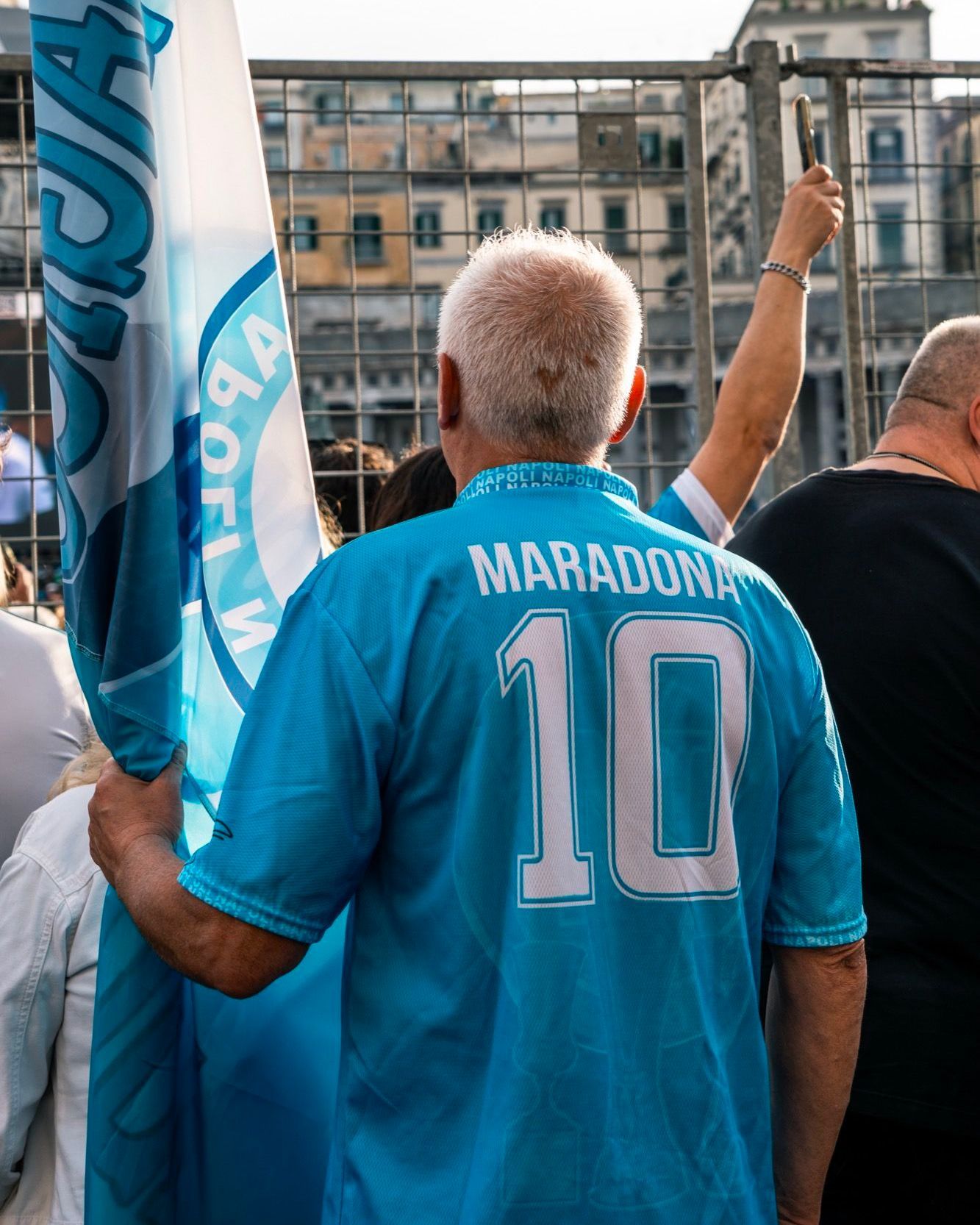
The attempt to retire Messi’s No. 10 therefore confirmed what had already happened in 2001, when the AFA formally asked to retire the number in honour of Maradona. Argentina proposed competing at the 2002 World Cup with a numbering system extending to 24, specifically to exclude No. 10. FIFA refused to grant an exemption, and the diez ended up on Ariel Ortega’s back.
In hindsight, that refusal left the door open for Messi. After Ortega and Juan Román Riquelme, Leo inherited the number in 2009, having played at his first World Cup, in 2006, wearing No. 19. The shirt Argentina had wanted to dedicate to Maradona’s memory instead became the symbol of two generations, accompanying another great leader, Diego’s designated heir, to the country’s third World Cup triumph.
Why Argentina wants to retire No. 10
Retiring the diez would have recognised the unique relationship between Messi and the Selección. It is a bond spanning more than two decades, filled with iconic moments that have become part of football history, but far less straightforward than its final chapters might suggest. Before the celebrations of recent days came defeats, criticism, comparisons with Maradona and even an international retirement, announced in 2016 after yet another lost final. But Messi returned and, together with the national team, changed the narrative: the 2021 Copa América ended the drought, the 2022 World Cup transformed reconciliation into triumph, followed by another Copa América victory in 2024 and a new World Cup final in 2026.
TODAY IS #MessiDay
— nss sports (@nss_sports_) October 6, 2026
For more than two decades, the world watched him make history. Today, it says: GRACIAS, LEO.
We’ll collect the best tributes, images and moments from Messi’s final day with @Argentina in this thread.
THIS ONE IS FOR LEO. pic.twitter.com/H3ohVz5XiO
Retiring his shirt would have held special significance for a national team that had already seen Maradona wear that same number. It would mean bringing an end to a legacy passed from one generational phenomenon to another, one that has become an integral part of the Albiceleste’s identity. At future FIFA tournaments, however, that No. 10 will have to appear on somebody else’s back, reopening a question Argentine football has faced before: who will wear it after Leo?