

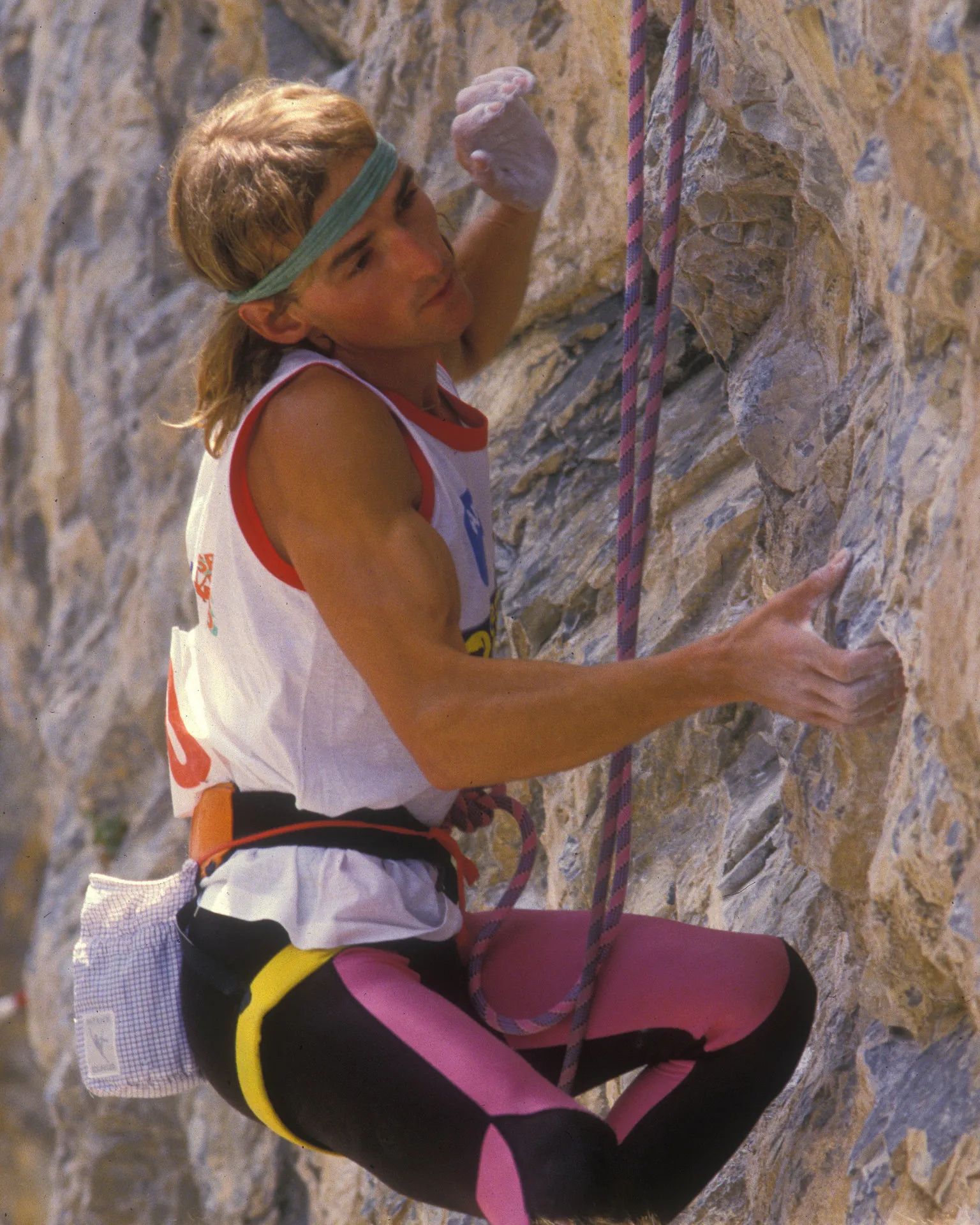
Why do climbers still dress like it's the 1980s? An aesthetic that takes them back in time and space
It’s 1980, and a group of climbers are gathered around a campfire beneath the towering walls of Yosemite National Park, in the United States. They call themselves the Stonemasters: some are talking, others are smoking, while someone is sorting through their gear in preparation for the following day's climb. They wear Lycra leggings, colourful headbands and fluorescent sweatshirts, and share a few defining traits: none of them has any money, they devote all their energy to climbing and live freely in the great outdoors. The same spirit can be found on the other side of the Atlantic, across the European climbing scene, in places such as the Verdon Gorge, the Calanques, the Alps and Finale Ligure.
The 1980s and the revolution in climbing style
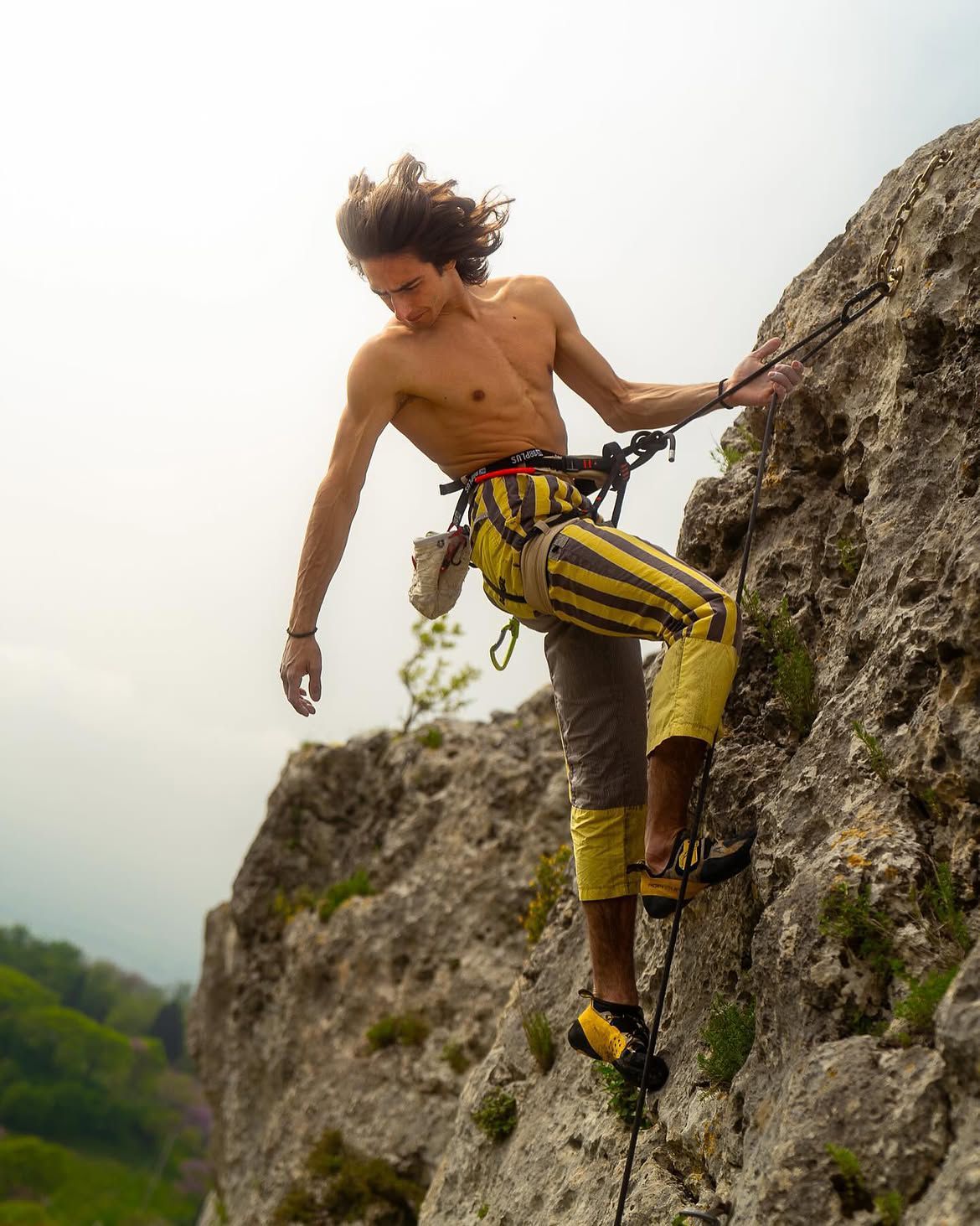
These are years of transition for the sport. From traditional mountaineering, with its focus on conquering mountains and undertaking major expeditions, a new discipline begins to emerge: sport climbing as we know it today, centred on climbing style, fluidity of movement and technical difficulty rather than simply reaching the summit. Clothing reflects this shift, too. Whereas mountaineers had previously worn knickerbockers, jumpers and heavy garments, climbers now take to the walls bare-chested or in sports tops, wearing brightly coloured synthetic leggings and the ever-present headband. One of the most recognisable expressions of this aesthetic comes from brands such as Think Pink, founded in California in 1979 and inspired by the very same ideal of freedom of thought embraced by the generation of climbers who gathered around Yosemite's walls.
In 1982, another iconic brand of the era was born in a garage in Ventura, California: Gramicci. Its founder, Mike Graham, was a climber and member of the Stonemasters, with an eye for design and an understanding that this new approach to climbing required a new uniform. Above all, it had to offer complete freedom of movement. His solution was to sew a diamond-shaped piece of fabric into the crotch of his trousers, taking inspiration from kung fu pants. The detail would go on to become a signature feature of the brand's designs. Climbing shoes were undergoing a similar transformation. In 1980, Boreal launched the Fire, the first climbing shoe featuring a rubber sole specifically designed to grip the rock. Meanwhile, Nike was addressing the approach to the climbing wall with the Lava Dome, one of the first approach shoes. California-based Five Ten soon followed with the launch of its Five Tennie model.
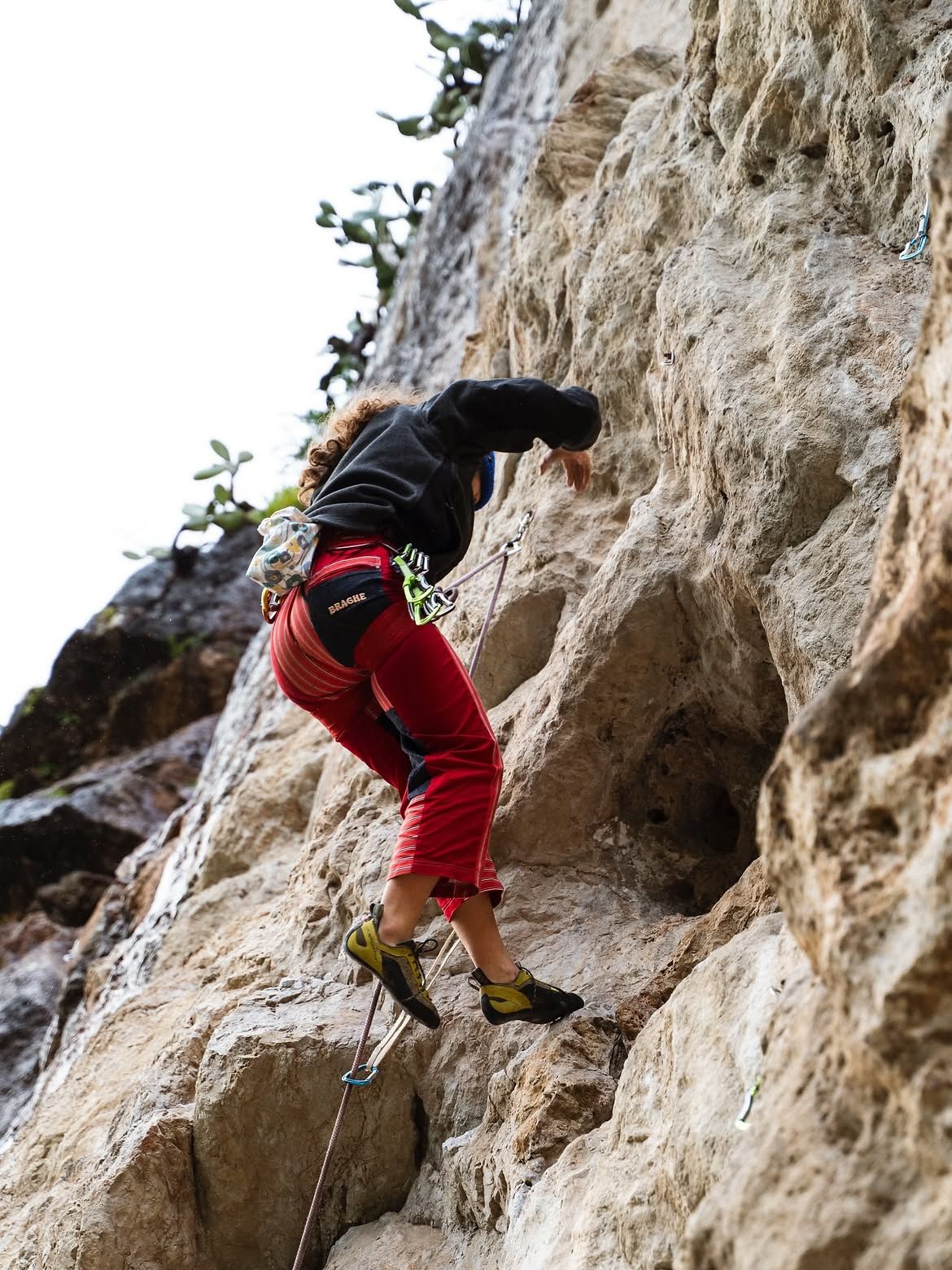
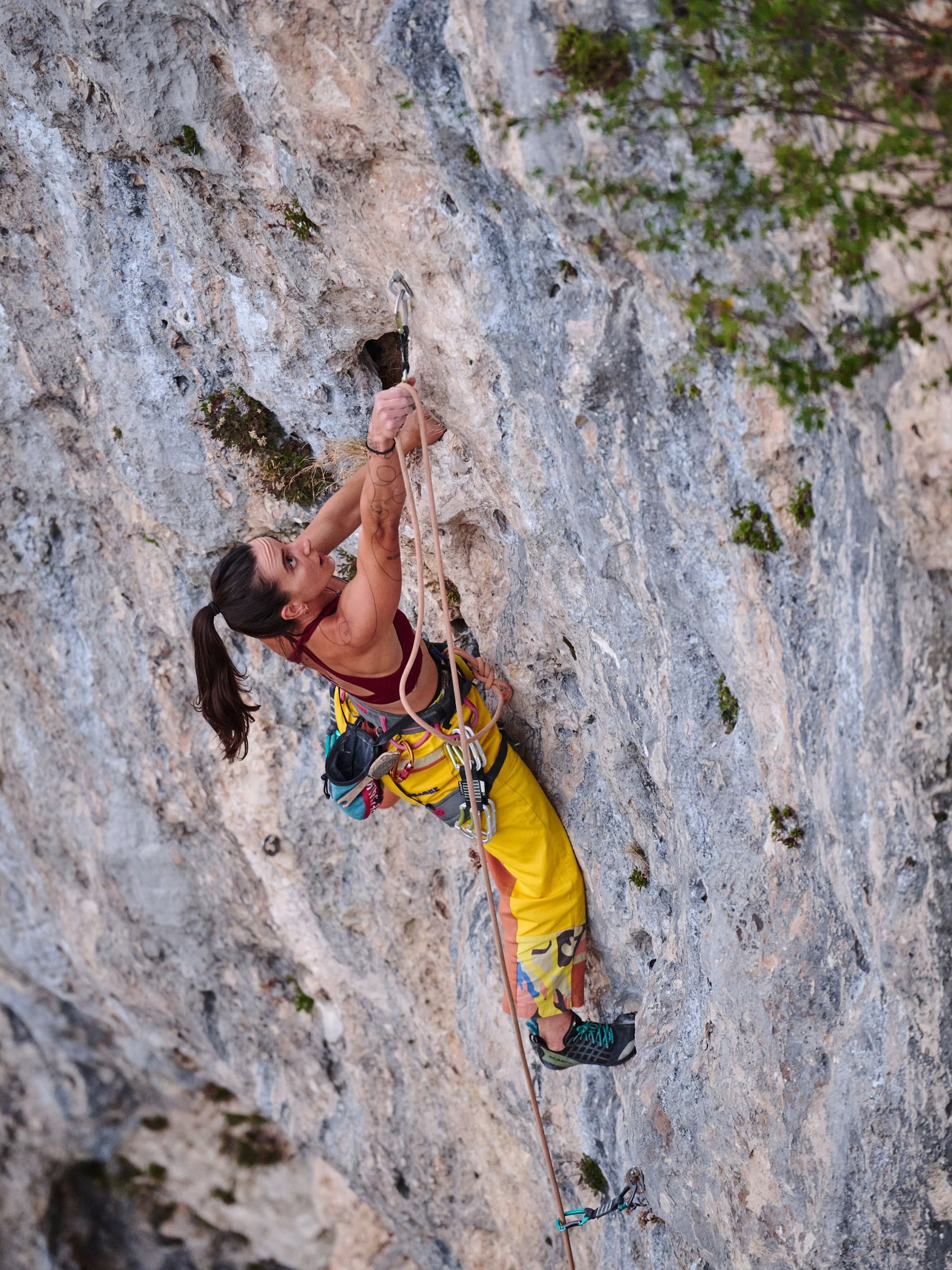
Braghe is leading the return of vintage climbing trousers
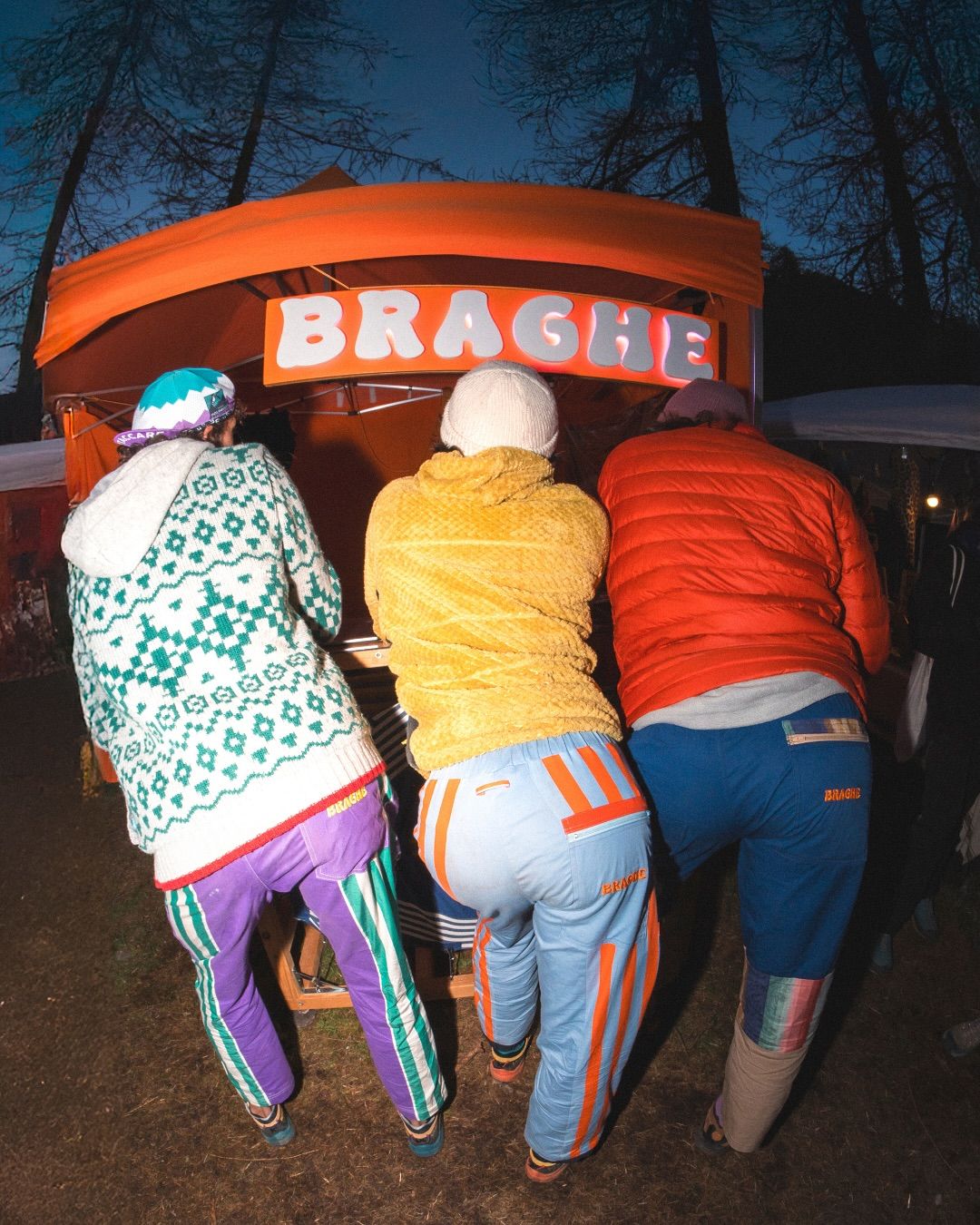
"When I first started climbing, I immediately came across the story of Patrick Berhault, one of the pioneers of danse escalade, or dancing on rock. I was blown away by that very retro 1980s style, and especially by the trousers Berhault used to wear, as well as those worn by Italian climber Manolo, Wolfgang Güllich, Patrick Edlinger and many others," says Alberto Olivan, a climber from Vicenza and founder of the brand Braghe. "There were no rules in the 1980s: climbers were making them up as they went along, and that was reflected in the way they dressed. I wanted a pair of trousers in that style myself, but I couldn't find any, so I asked my mother to make me a pair using leftover fabric. I'm not interested in fashion as such. It's about finding an aesthetic that reflects who people really are, so they don't have to pretend to be someone else," Alberto continues.
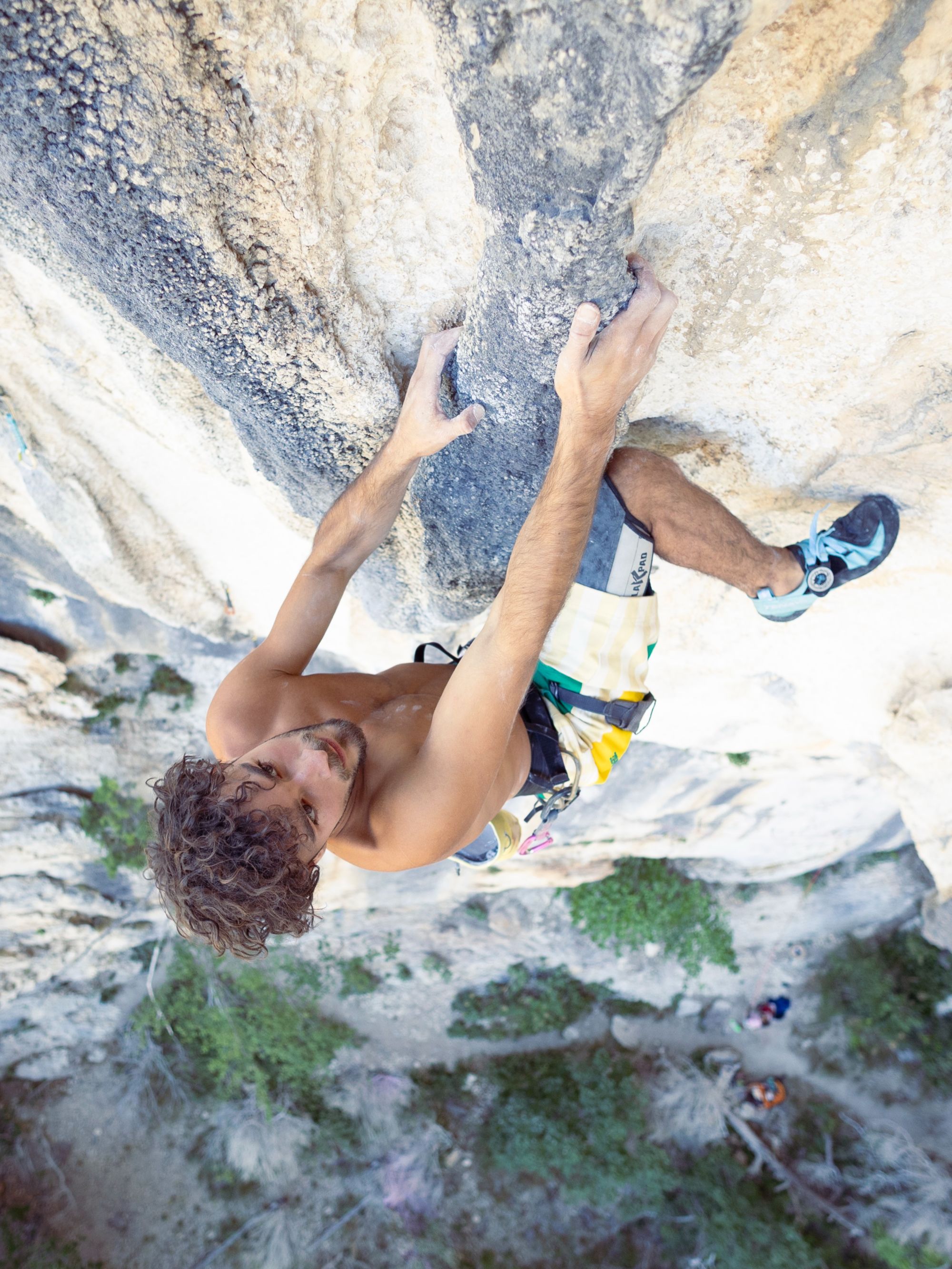
And so Braghe was born: a brand producing climbing trousers that adapt the aesthetic of the 1980s to the needs of modern climbers, using surplus fabric from other brands that would otherwise end up in landfill. Each piece is unique and made by hand through a network of local companies responsible for developing the designs, producing prototypes, cutting and sewing the fabric. To date, Braghe has helped recover more than 7,261 square metres of fabric. The goal is to reach 30,000 by 2030, although Olivan believes the brand will get there much sooner.
Alberto Olivan is not the only one fascinated by the golden age of climbing. For many young climbers, figures such as Manolo, Wolfgang Güllich, Patrick Edlinger and Catherine Destivelle are genuine icons of vertical movement and of a free-spirited, irreverent way of life. For them, climbing was never just a sport: it was a way of approaching life, a way of understanding freedom itself. Their achievements, captured in films such as "La Vie au bout des doigts" and "Opéra Vertical", centred on Edlinger, have never been forgotten and continue to inspire thousands of climbers. Inspired by these ideals, the climbing community has developed a desire to bring that aesthetic back, reviving logos and designs that might seem hopelessly outdated to the rest of the world.
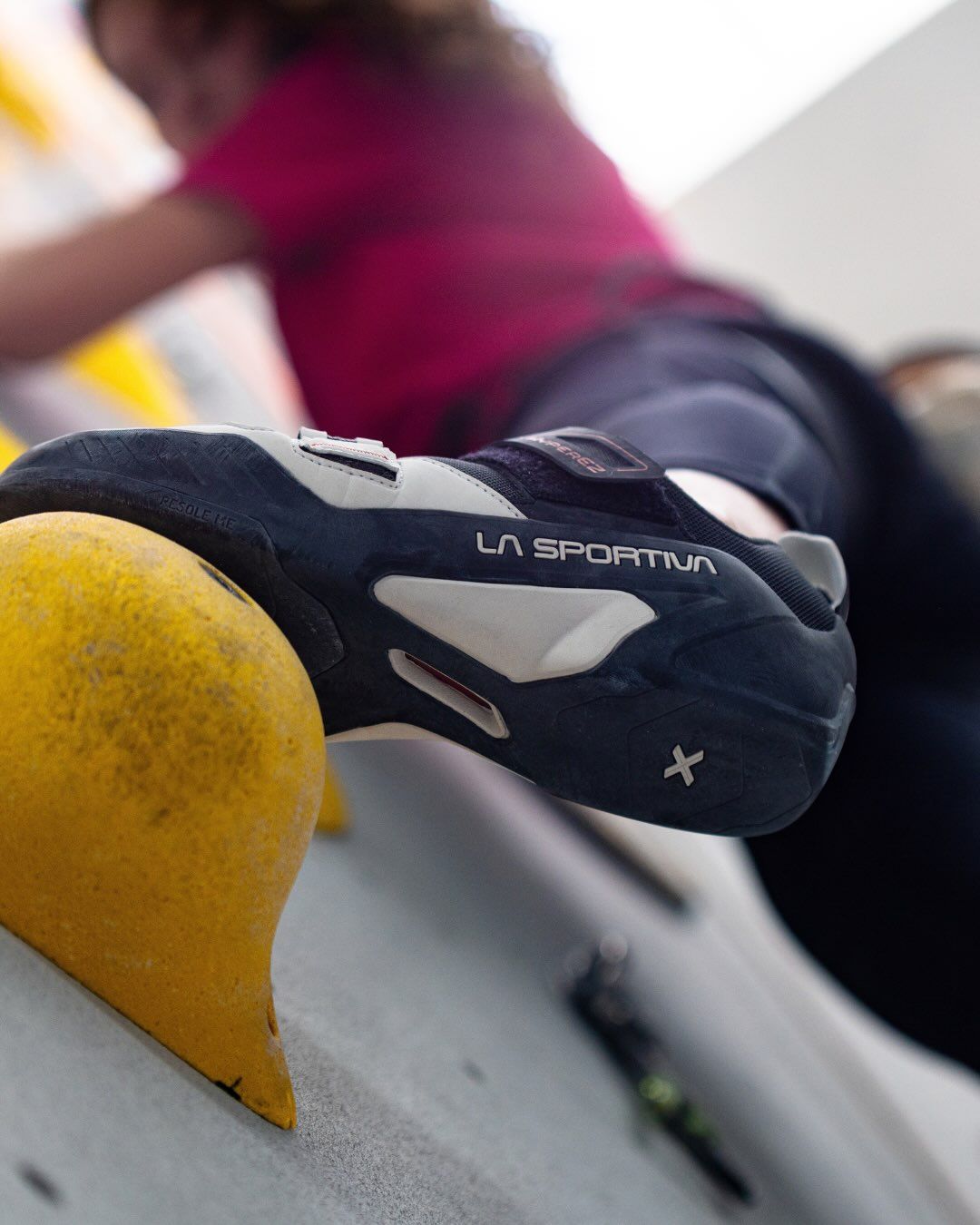
In 2024, La Sportiva also released Climbing on the Moon, a capsule collection celebrating the brand's 95th anniversary and, more broadly, the 1980s, the decade in which it shifted its production focus towards climbing. During those years, the brand introduced climbing shoes such as the Futura and Kendo, models that helped redefine what was possible, raising the bar for climbing difficulties in both Europe and the United States. By bringing back its heritage logo, vintage colours and bold colour blocking, the brand effectively brought its 1980s products back to life, reimagining them for a new generation of climbers.
Why do climbers still dress like it's the 1980s?
All things considered, it's clear that the 1980s aesthetic has become a genuine trend among many people in the outdoor community. If I had to explain why climbers are so drawn to this particular style, I'd look to their fascination with a bygone era, when mountains were still a niche environment, the domain of a handful of broke young people who climbed simply for fun, to find meaning in their days, because climbing was something that burned inside them.
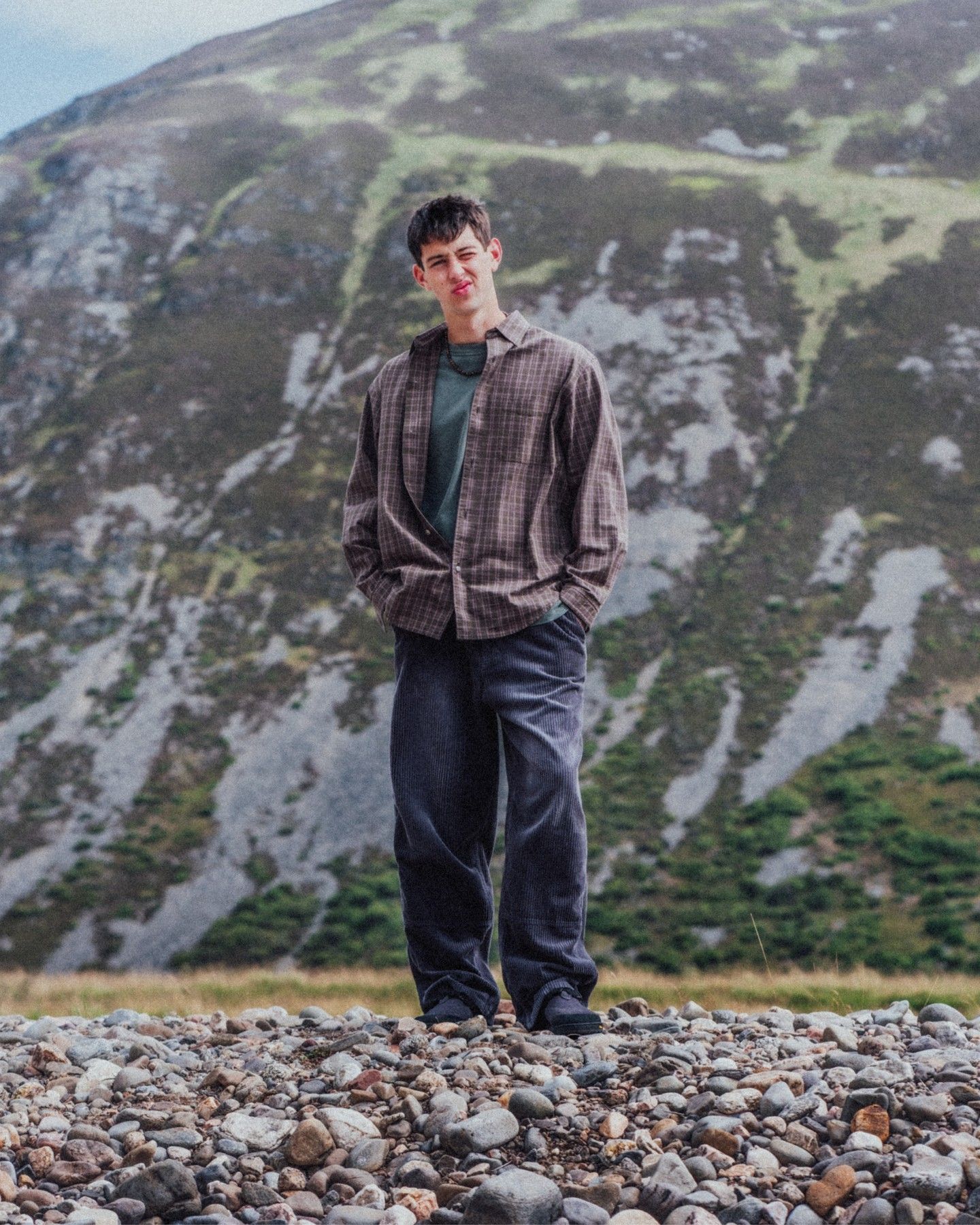
Today, pulling on a pair of colourful trousers and a fleece covered in unlikely patterns is a statement of nonconformity and a way of belonging to a particular world. It's an aesthetic that transports you back in time and space, beneath the walls of Yosemite or the Calanques, to an era when the legendary climbers who remain our heroes were making history. So, if you happen to walk into a climbing gym or arrive at a crag and suddenly feel as though you've been transported back to the golden age of Queen and David Bowie, don't panic. Between a little nostalgia and a revival of the ideals of the past, everything is under control.