Pink is taking over women's outdoor culture History and aesthetics of Girly Gorp
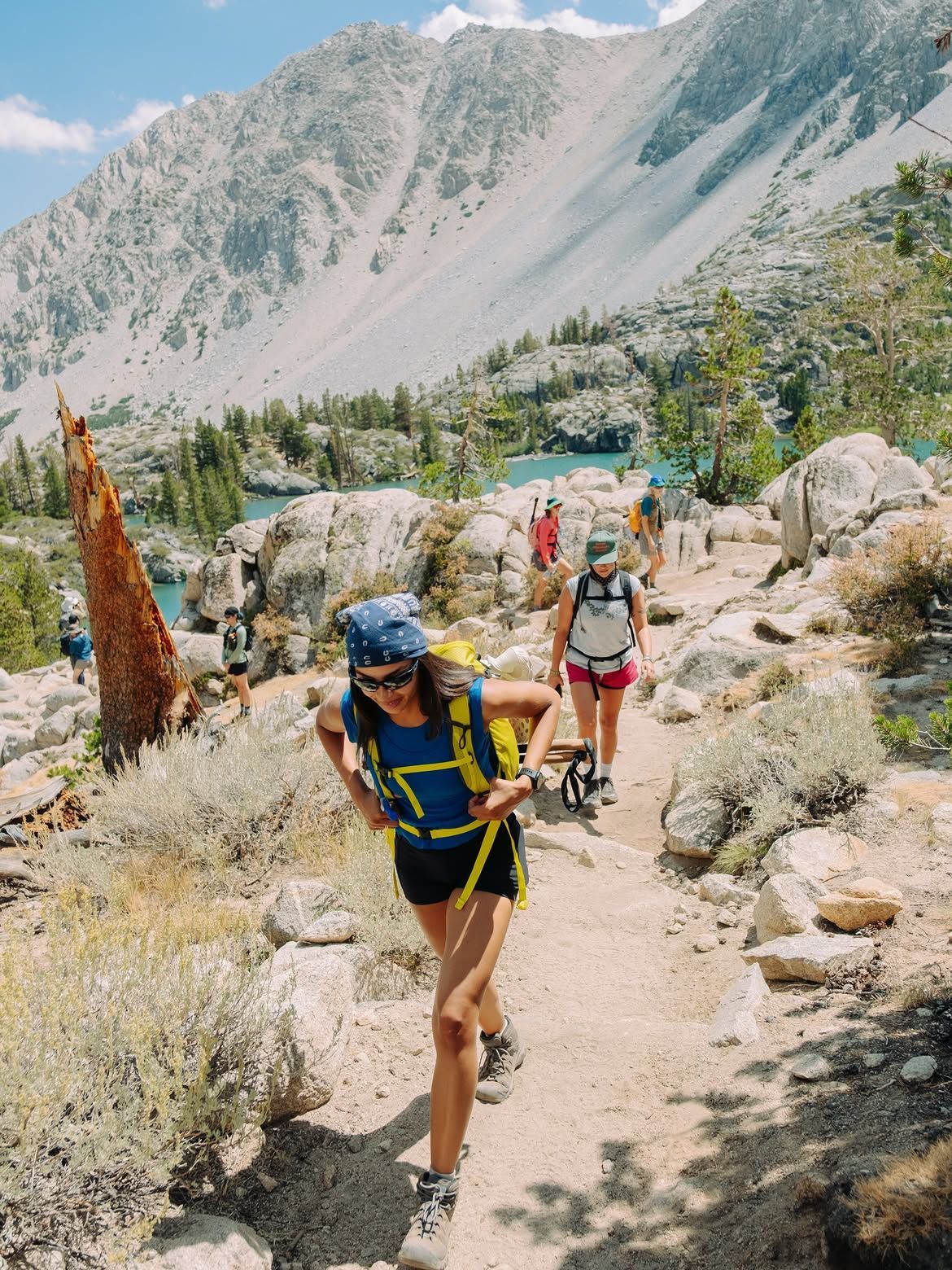
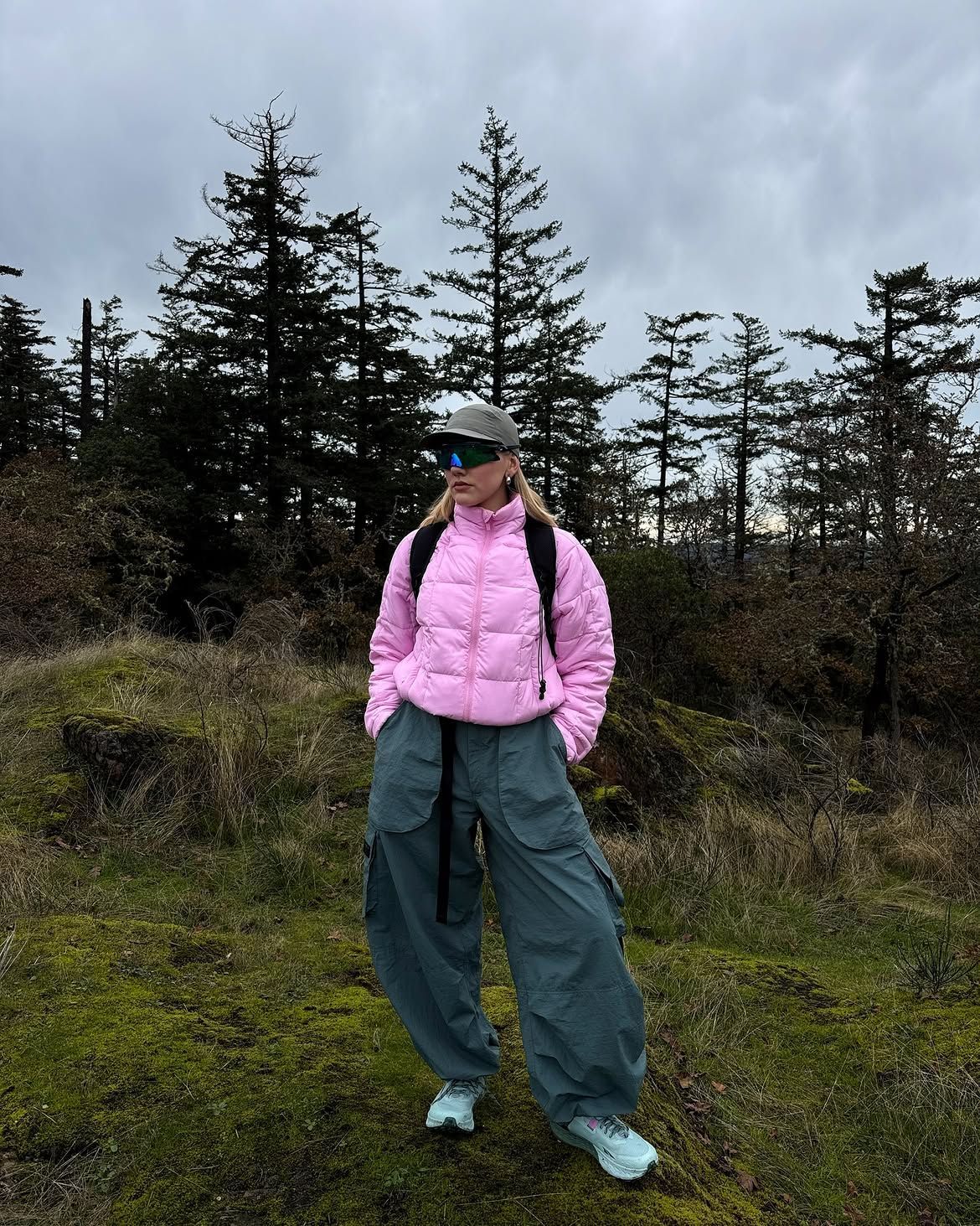
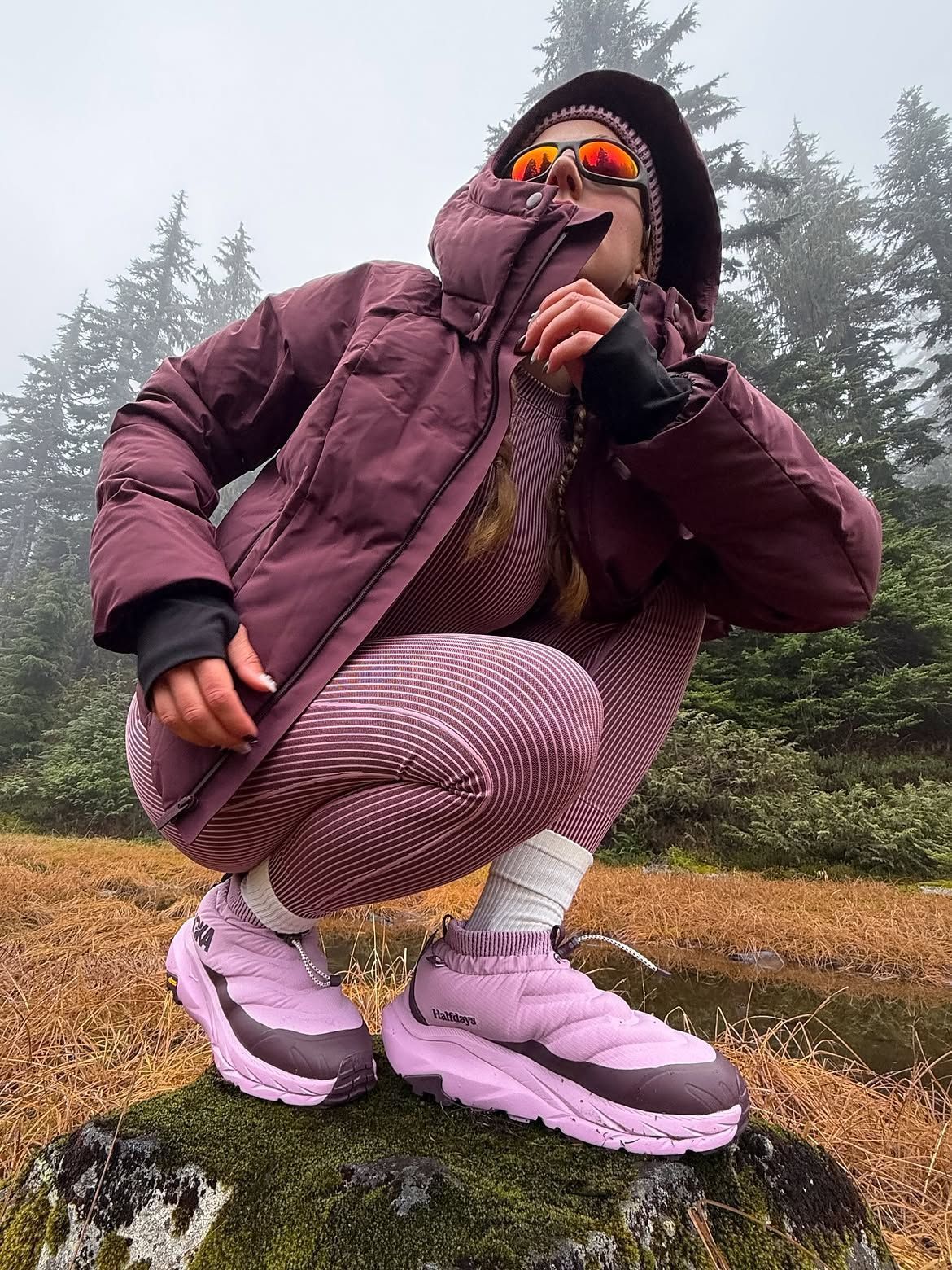
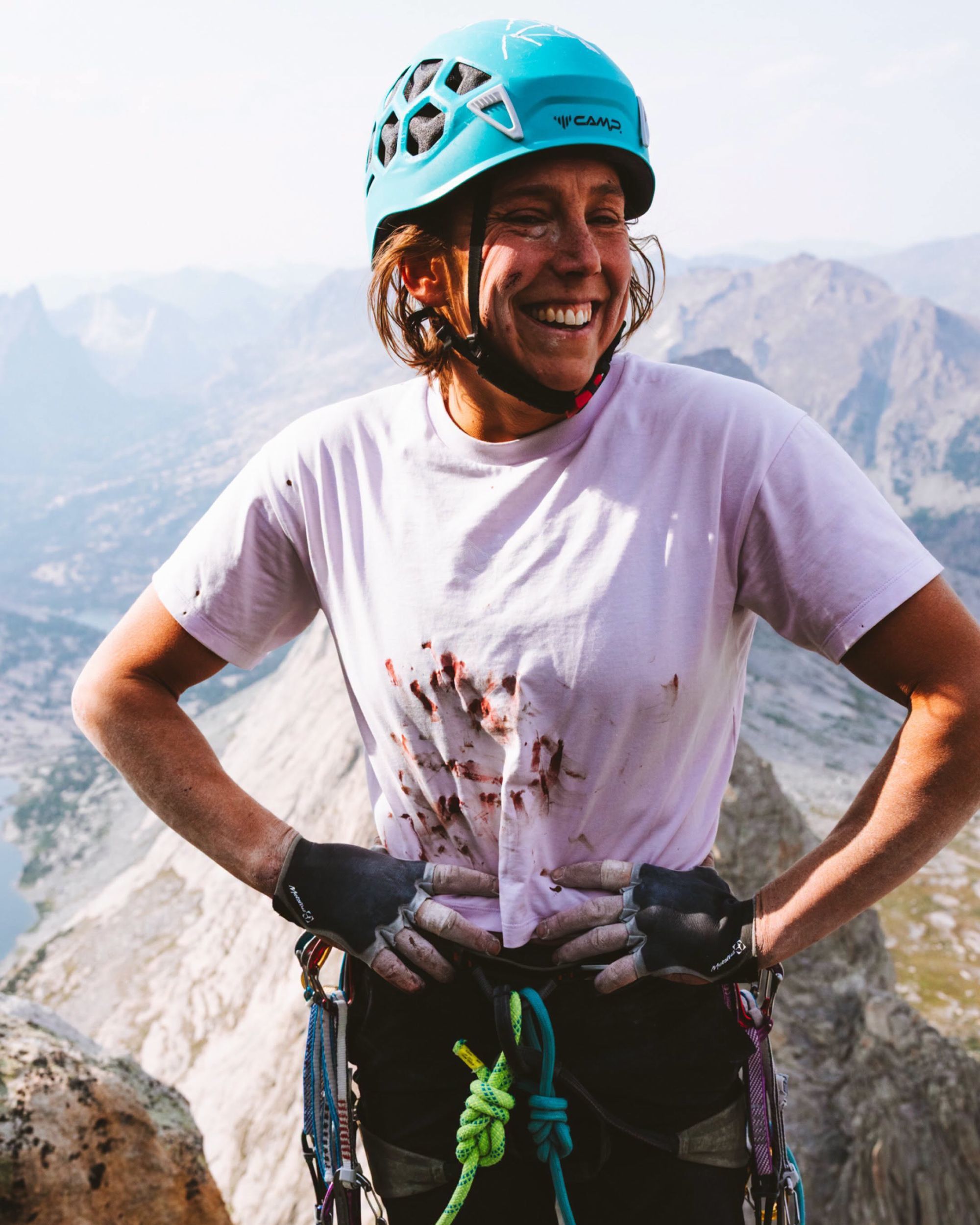
Kamryn Renae is 22 years old and is crossing the American continent from Mexico to Canada, following the trails of the Pacific Crest Trail. So far, nothing particularly unusual: thousands of people hike this trek every year. The point is that Remnae is probably the last person you would expect to see on a trail stretching for more than 4,000 kilometres: she is essentially a hiking version of Barbie and dresses entirely in pink. Pink backpack, pink sleeping pad, pink water bottle. The social media profiles of Flamingo – the name the American influencer goes by – have grown at a staggering rate in just a few months, reaching hundreds of thousands of followers. The young woman has also built a following on OnlyFans, using exclusive subscriptions to fund her journey.
Why pink is taking over women's outdoor culture
Before setting off, Kamryn Renae had no idea that the Pacific Crest Trail crossed several mountain ranges. She had gone on a few day hikes, but had never done a long-distance trek and had only spent one night in a tent. She had no idea what an ultralight tent was, but she had carefully planned her matching outfits and worked out a skincare routine she could keep up with in the woods. And yet, by the end of September, she had made it all the way to Canada. "When I started I had 5 bikinis in my backpack because I thought I would have time to tan, but I quickly realised that a sleeping pad would be much more useful and that the trail would be much harder than I expected," she wrote on Instagram.
If you're thinking that Remnae simply pretended to hike the trail, or that she is not someone to be taken seriously, you're not alone. The comments under her posts regularly fill up with criticism and concerns about her safety. But, if you think about it for a moment, this is exactly the question the influencer raises, whether intentionally or not: who said that wearing makeup or painting your nails pink is incompatible with being able to walk thousands of kilometres and sleep in the woods for months? Under one of the many vlogs filmed along the PCT, one fan writes: "I think you have inspired a generation of outdoor girls." Another comments: "You encouraged me to be more feminine even when I'm doing hard things in nature." "Make hiking girlie again," concludes a third.
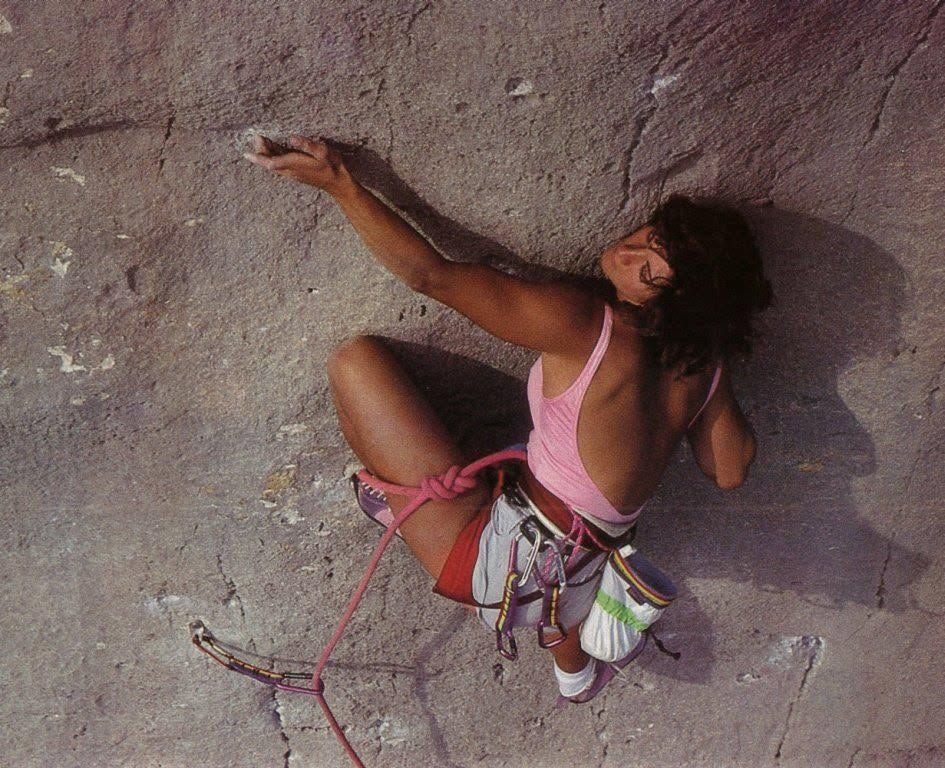
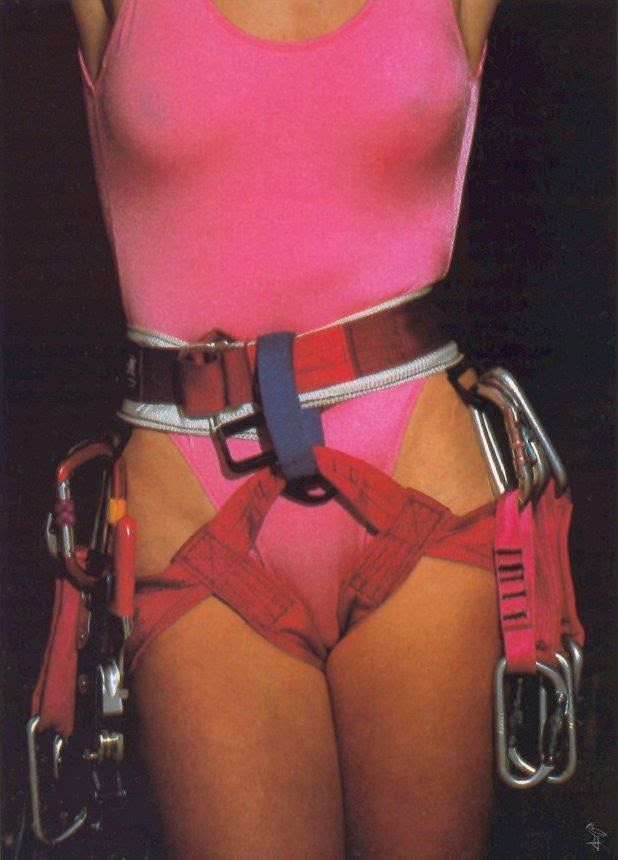
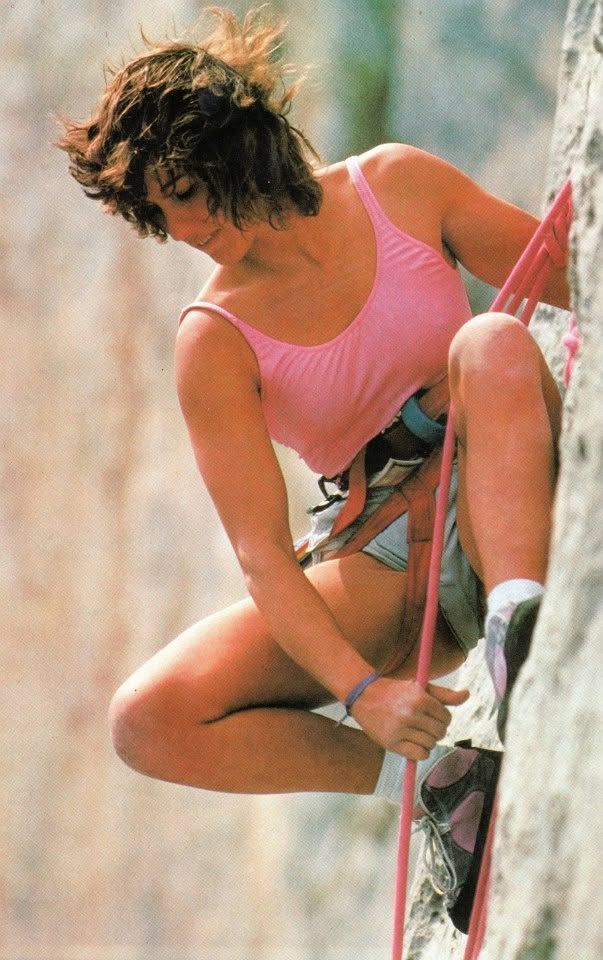
Apparently, Remnae is not the only woman who feels comfortable in a pink outdoor world. Back in the 1980s, for example, French climber Catherine Destivelle was already pushing the boundaries of mountaineering, climbing extremely technical routes in pink leggings and tops. But you don't have to be a world-class climbing star to embrace this kind of outfit: GorpGirls is a collective founded in 2021 to make the outdoors more accessible and inclusive for women, organising hikes and climbing sessions to show that you can love adventure without giving up your identity. In Italy, one example is CazzeDure, an inclusive sport-climbing community whose deliberately vulgar name pokes fun at the macho attitude that often defines sporting environments. Their uniform? A shocking pink shirt and an equally pink bucket hat, with a touch of fluorescent green.
From GorpCore to girly gorp: when the outdoors meets femininity
Brands have picked up on the message too. Forget austere palettes, military greens and blues: outdoor brands have decided to become cool. Pink is now a trend in the outdoors, and it has a name: girly gorp. It speaks especially to women who don't want to choose between performance and feminine aesthetics, using outdoor gear for hiking and high-altitude expeditions, but also for commuting, travelling and everyday life in the city. The growing number of pink products from some of the industry's biggest brands is proof of that. Their catalogues are filling up with shades of fuchsia, purple and lilac, but colour is only the most visible sign of a broader commercial and design shift. Until fairly recently, creating outdoor garments in colours considered feminine was often just a cheap way of making products originally designed for men more appealing to women. Today, something is changing.
Outdoor brands are changing the way women dress
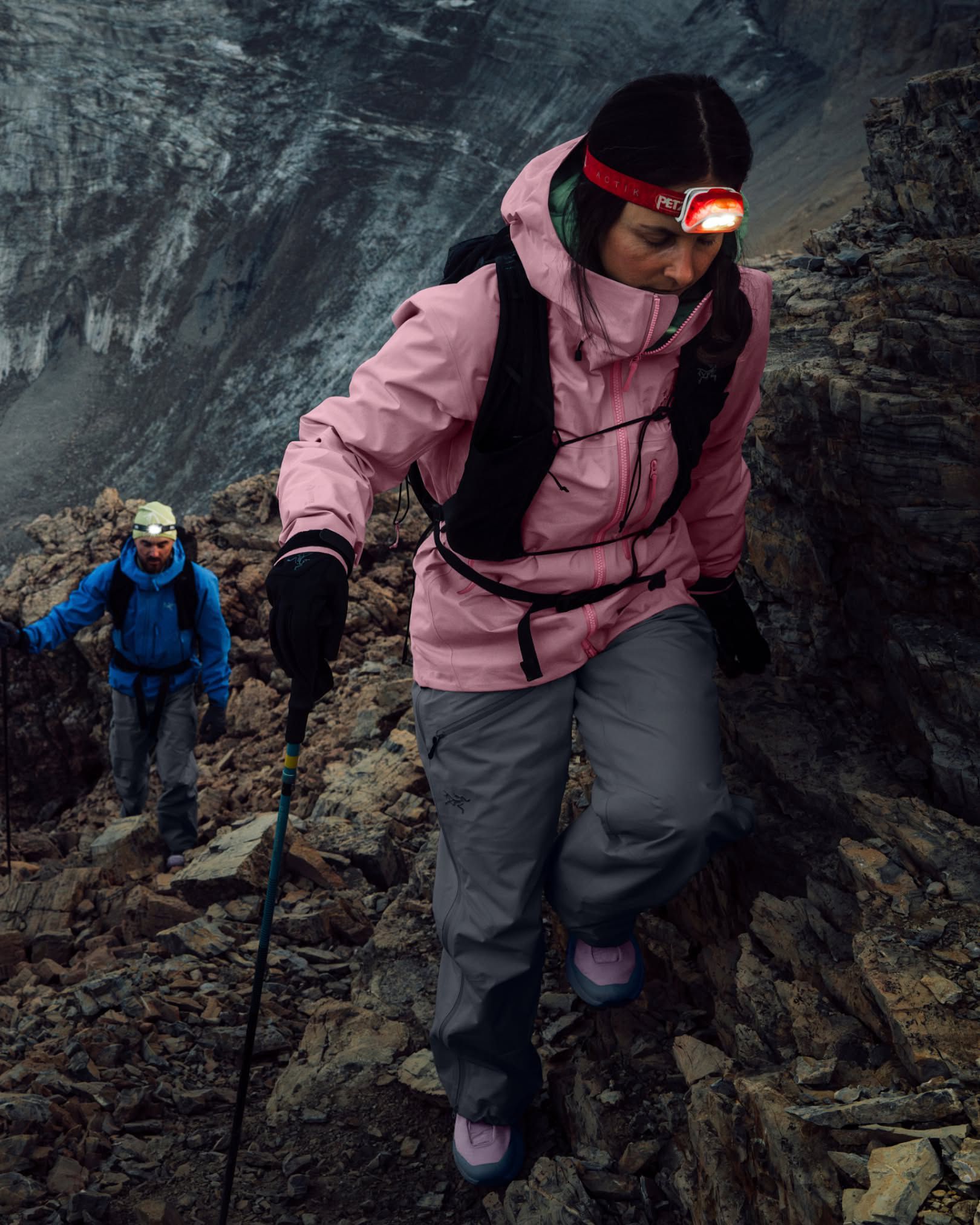
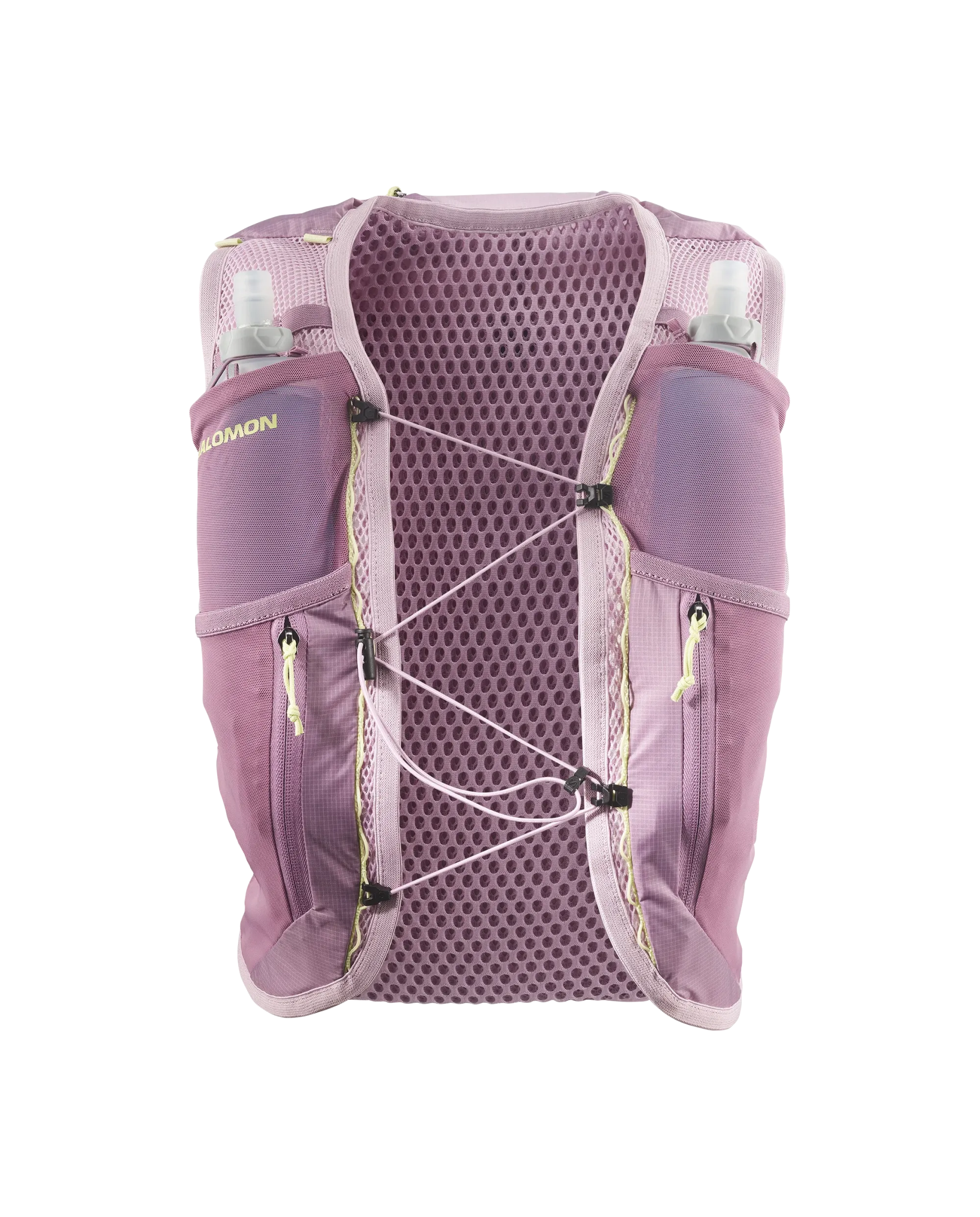
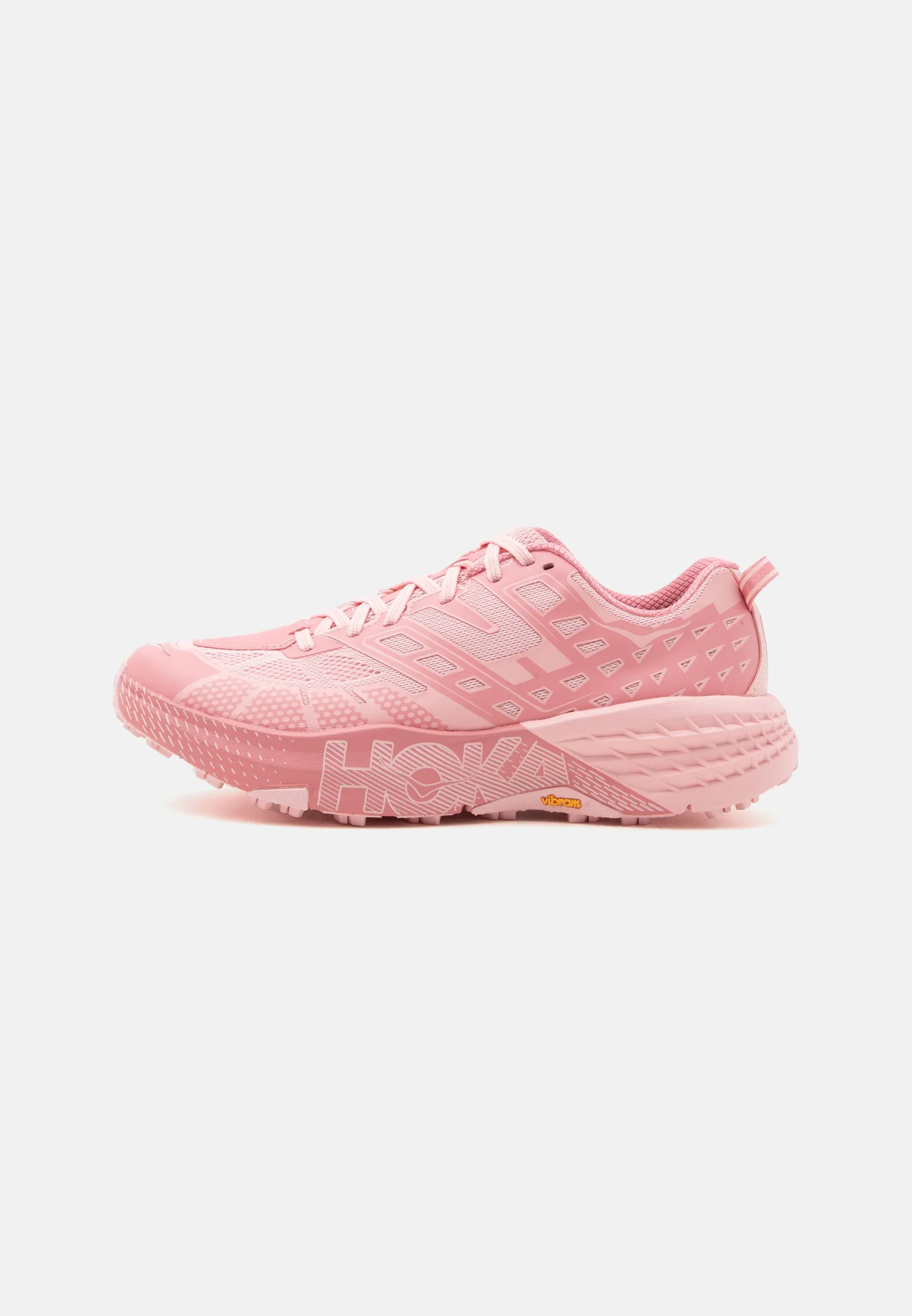
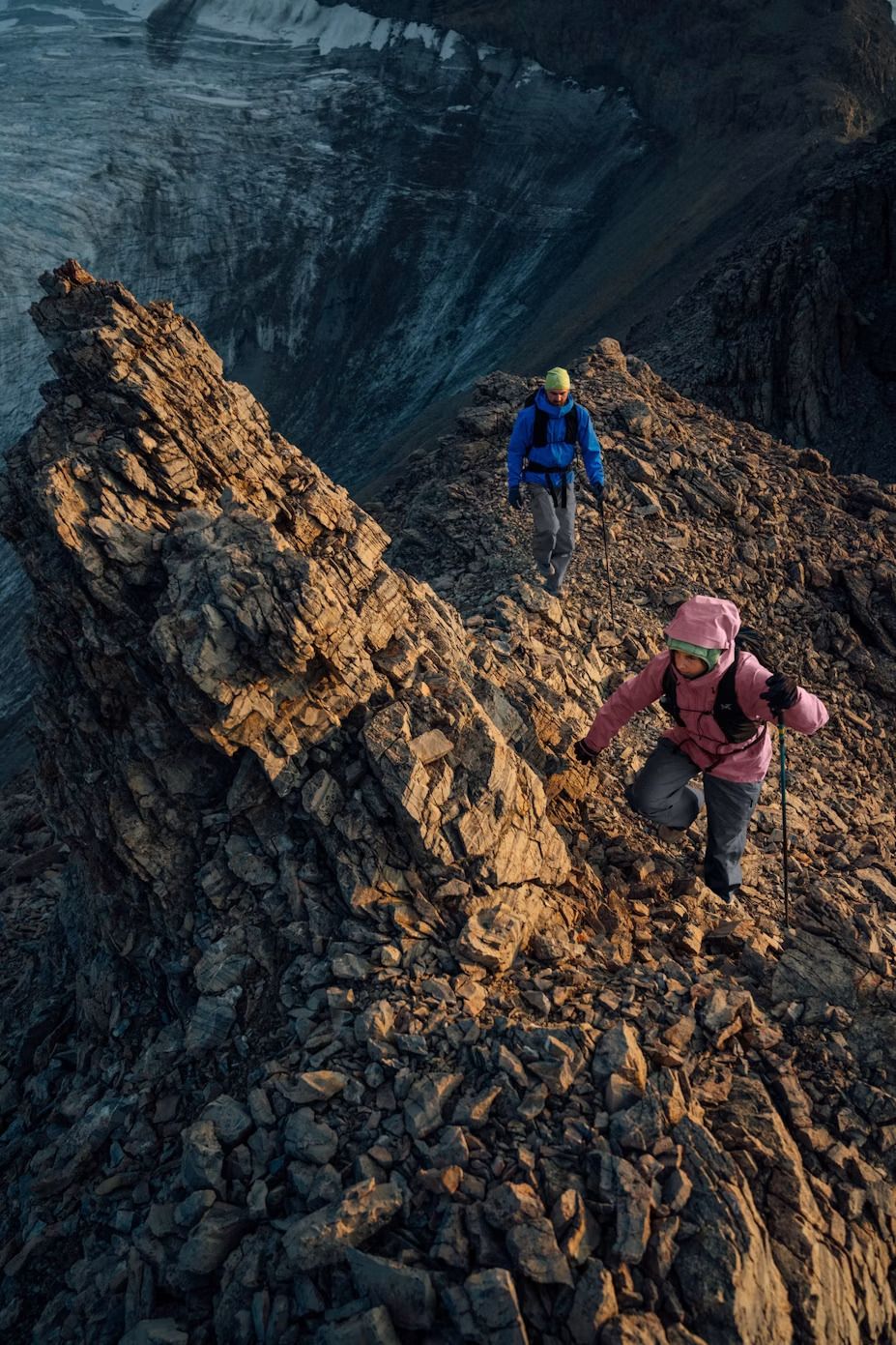
The women's outdoor market is no longer simply a smaller version of the men's one. On the contrary, it has become significant enough to push brands to design around women's needs, rather than simply changing the colour. There are countless examples, but some brands are taking this transformation further than others. Salomon sells the Active Skin 12, its long-distance trail running vest, in a combination of pink and lilac, but also offers a fit specifically designed around the female body through its SensiFit system. Hoka has introduced pink into its iconic Speedgoat 2, the trail running shoe that has become one of the brand's signatures. Osprey presents the Tempest 26 backpack as a model built around female anatomy, from the harness and back panel to the hip belt. Arc'teryx has given its Beta SV jacket, one of the most technical pieces in its catalogue, a pink colourway. These are not fashion versions inspired by mountaineering: the technical features remain those required to run in the rain or withstand high-altitude winds.
More and more women are taking up outdoor sports, and the supposed opposition between performance and femininity is beginning to fade. You don't have to ignore aesthetics or make yourself as similar to a man as possible to be considered strong, competent or resilient. You can walk thousands of kilometres while doing your skincare every morning, climb an extremely difficult route with painted nails and spend nights in a tent lying on a fuchsia sleeping pad. And who knows, maybe in a few years we'll see men taking on their own records dressed head to toe in pink.
What to read next
How Arc'teryx Academy is redefining the mountain experience
Ahub for climbing, mountaineering and outdoor culture