When Serie A ruled the Ballon d’Or aesthetic Things have changed. For the worse
The 2026 edition of the Ballon d’Or is undoubtedly one of the most open contests in decades. Never before have there been so many credible contenders. If, until a few seasons ago, the only real question was whether Cristiano Ronaldo or Lionel Messi would win, 2026 has given us a long list of names to consider: from Harry Kane to Lamine Yamal, from Vinicius to Rodri, from Michael Olise to Ousmane Dembélé. Each has a compelling case for being considered the favourite to win the award.
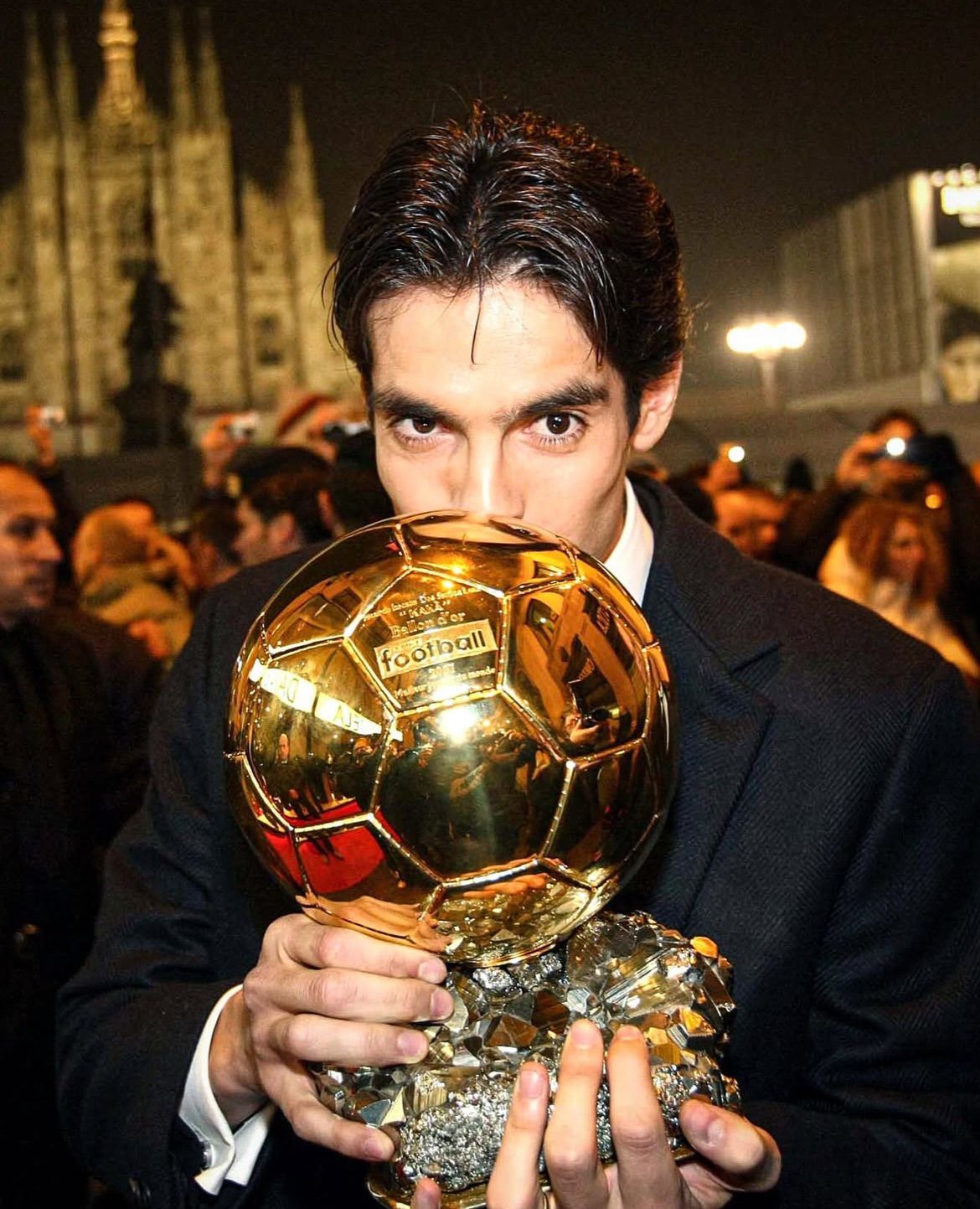
Look closely, though, and there is one thing these players have in common. Or rather, one absence that connects them: none of them plays in Serie A. The last player to win the Ballon d’Or while playing in Italy’s top flight was Kaká, with AC Milan in 2007. Since then, not only has Serie A failed to produce another winner, but it has also struggled to put forward a credible contender, with Lautaro Martínez in the 2024/25 season perhaps the only exception, following his achievements with Inter and Argentina.
When Serie A Ruled the World
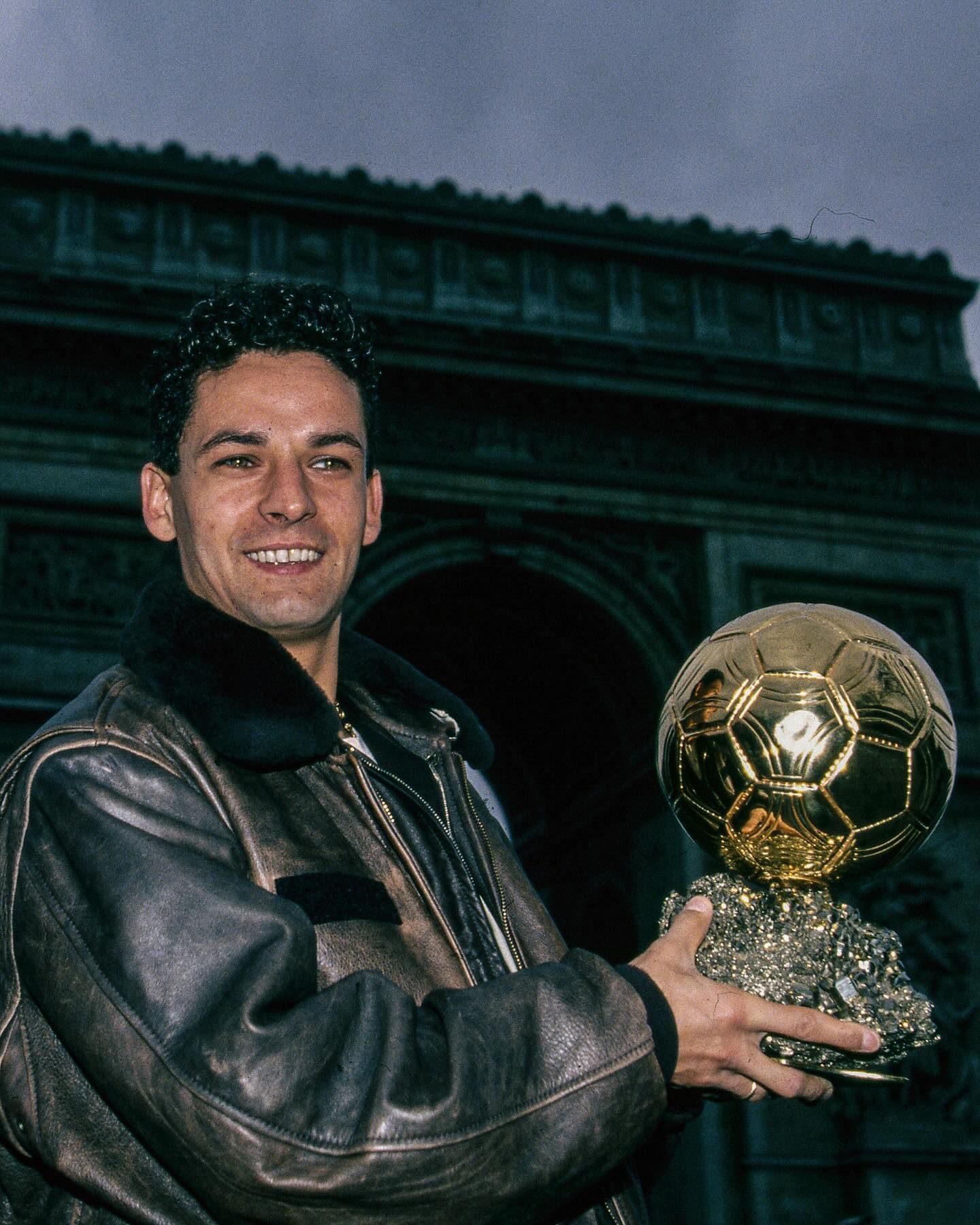
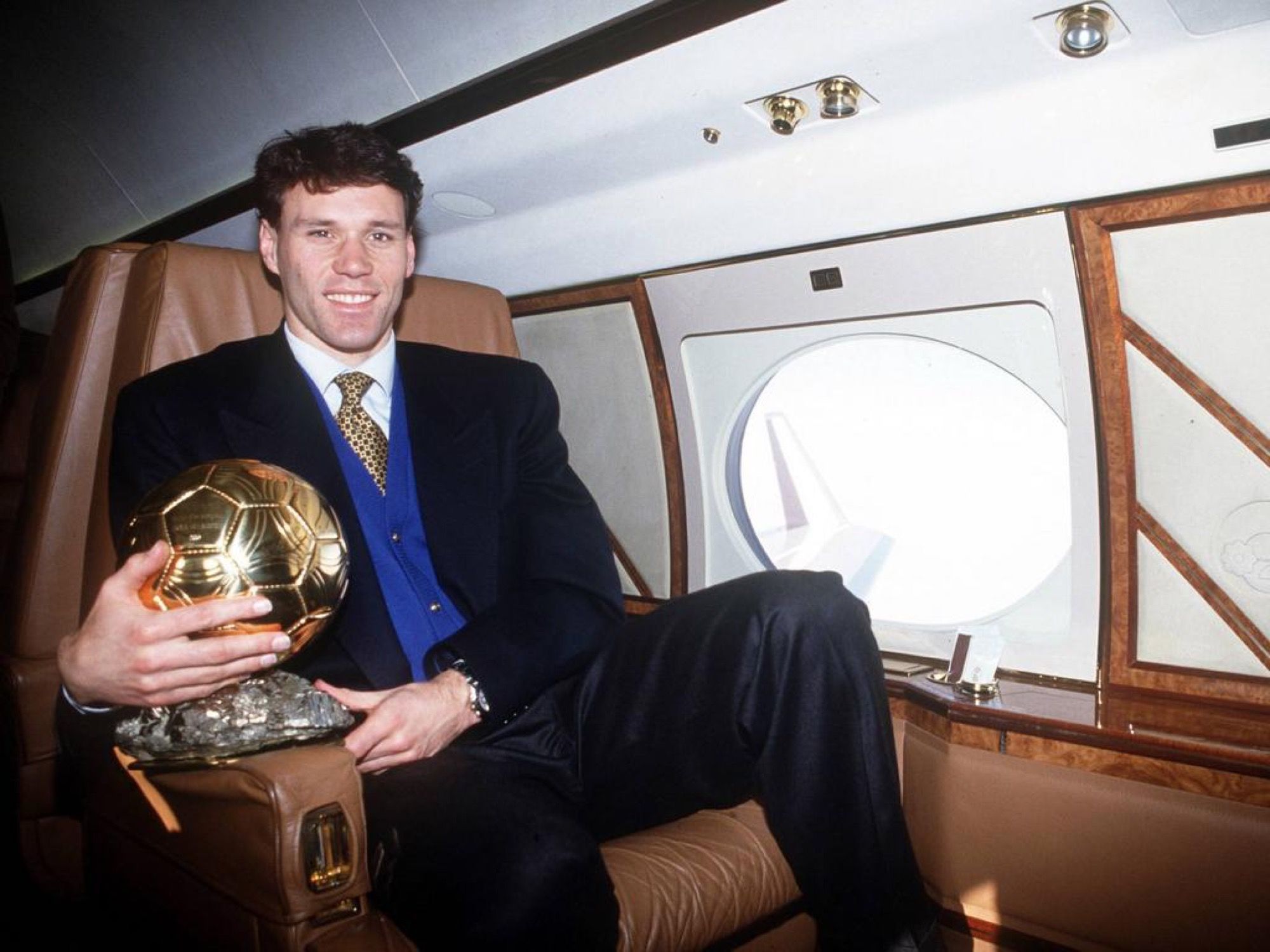
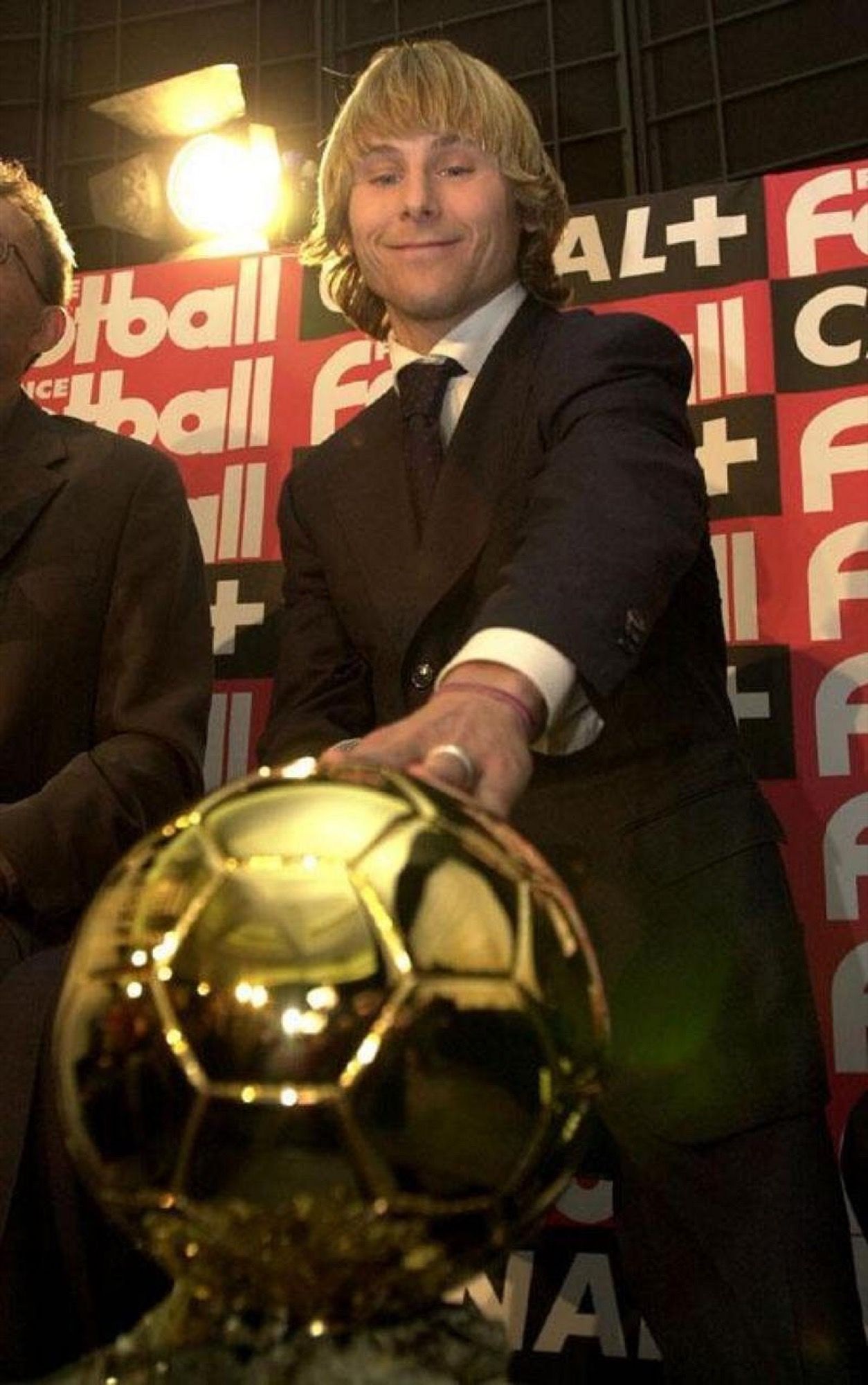
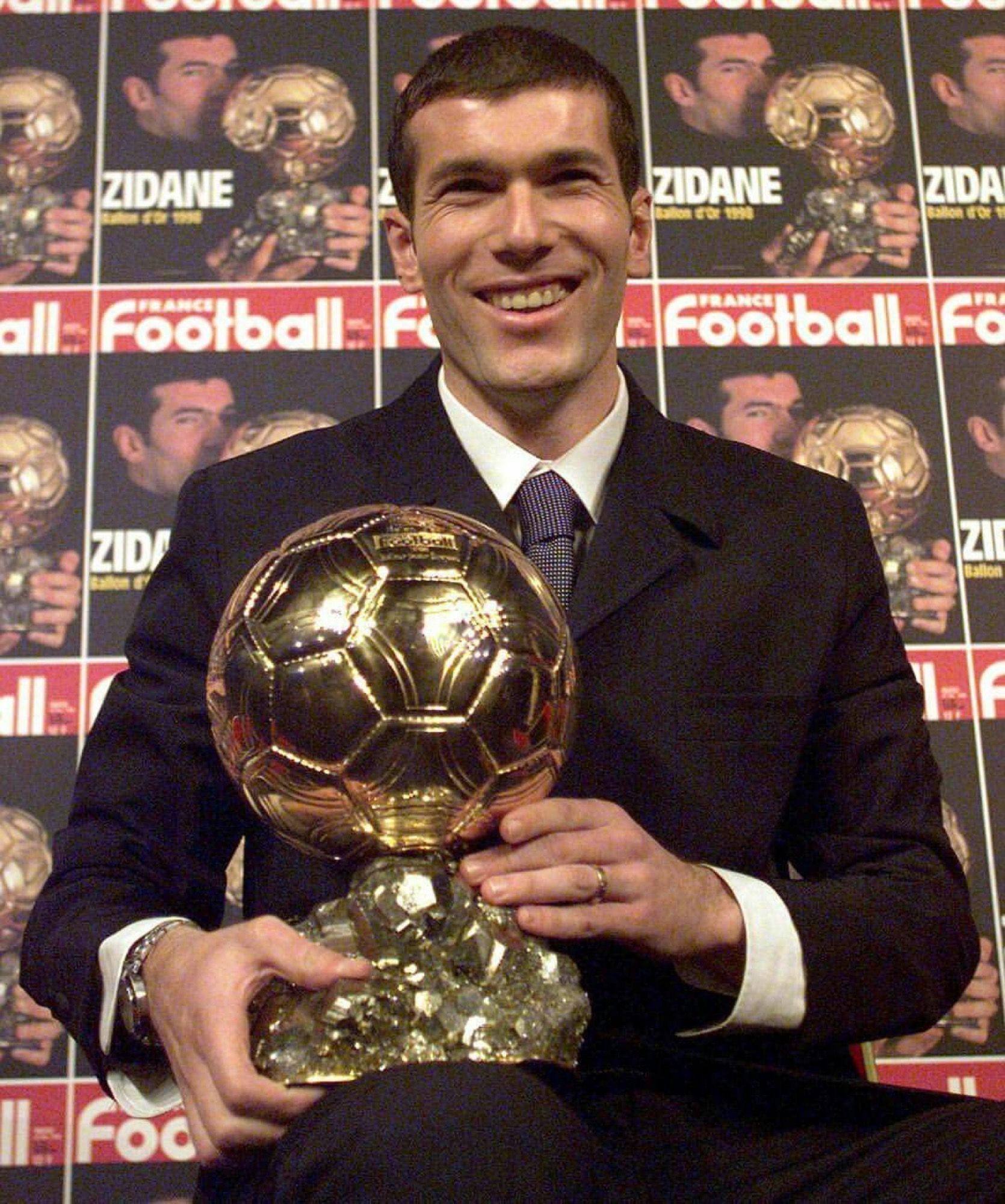
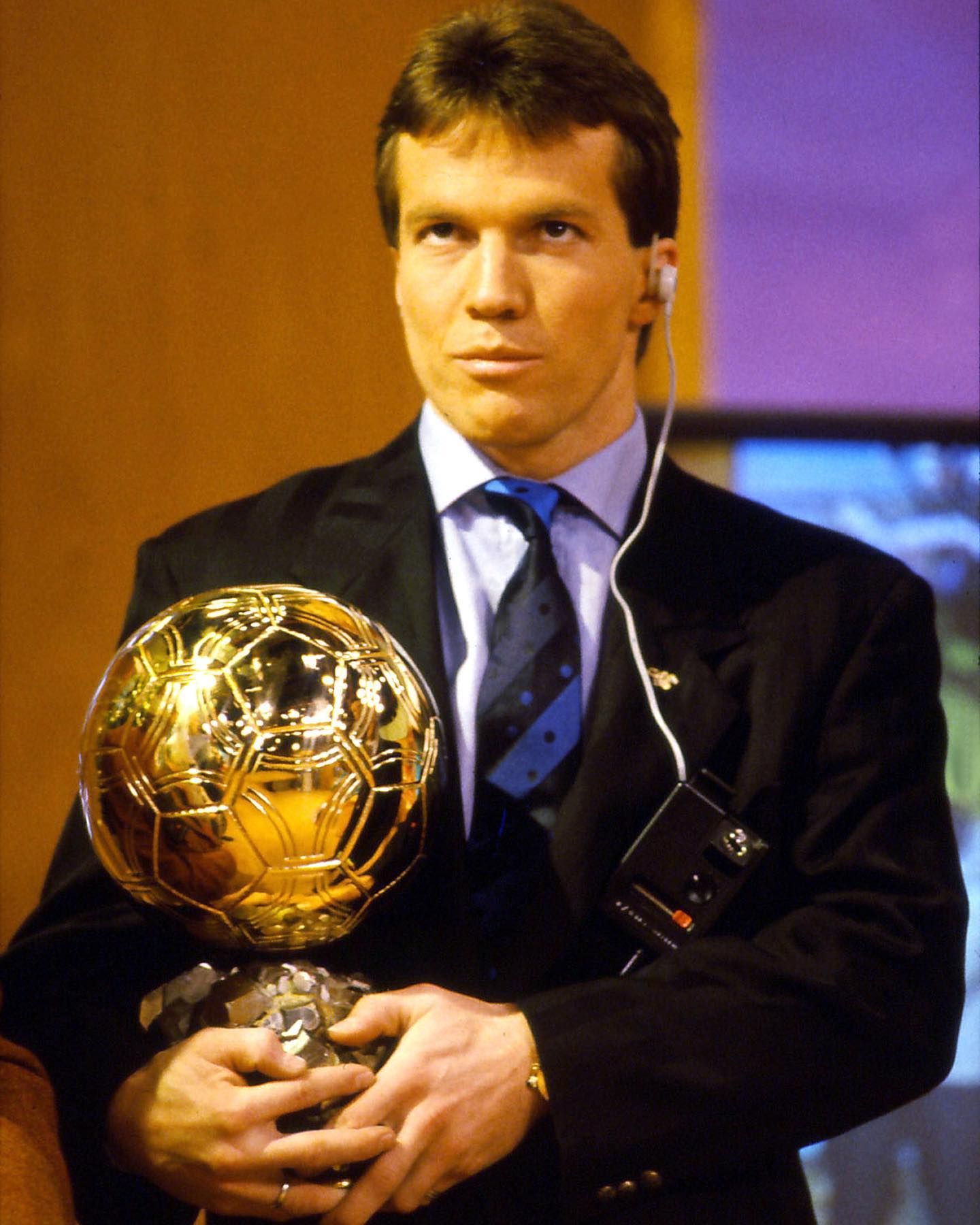
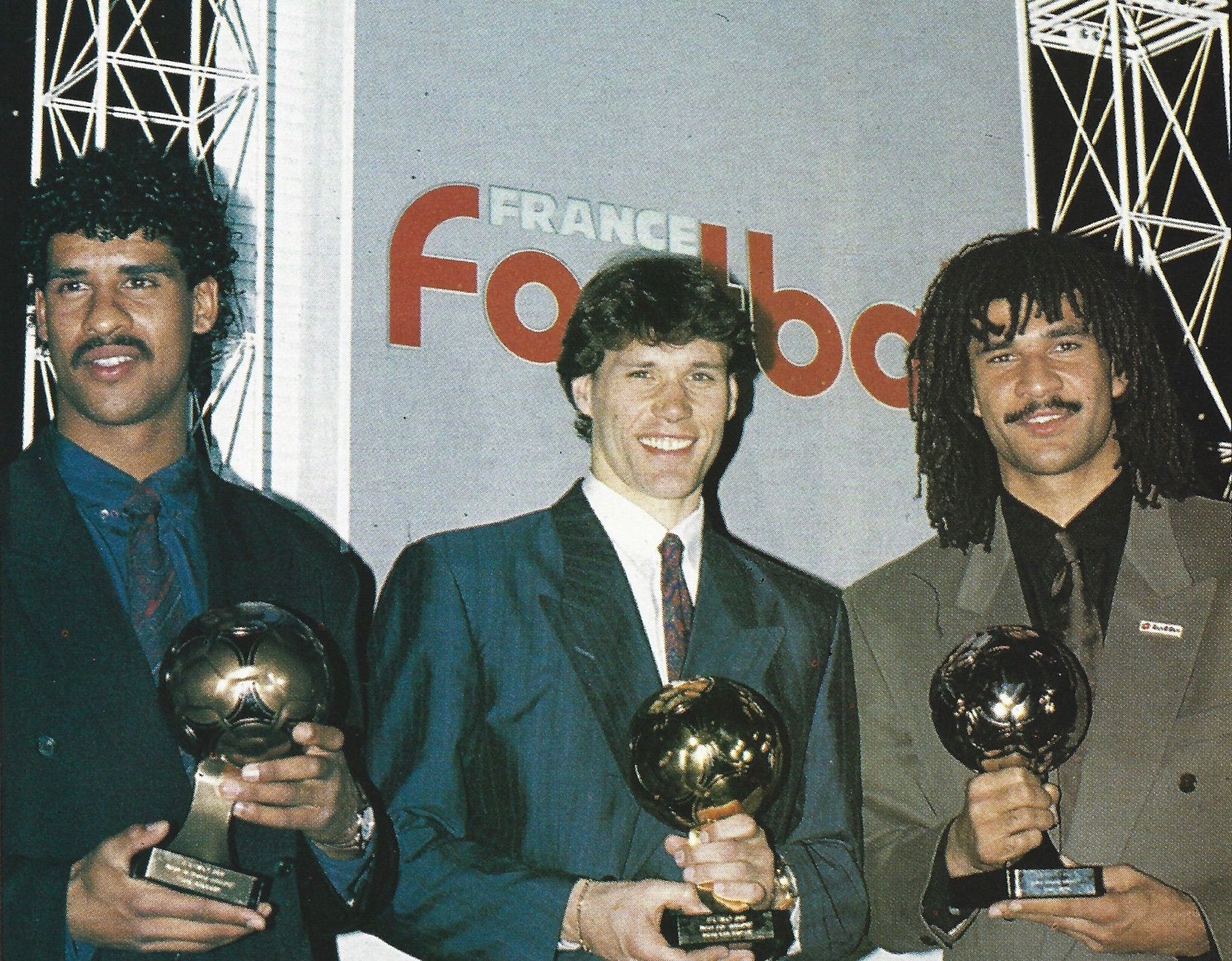
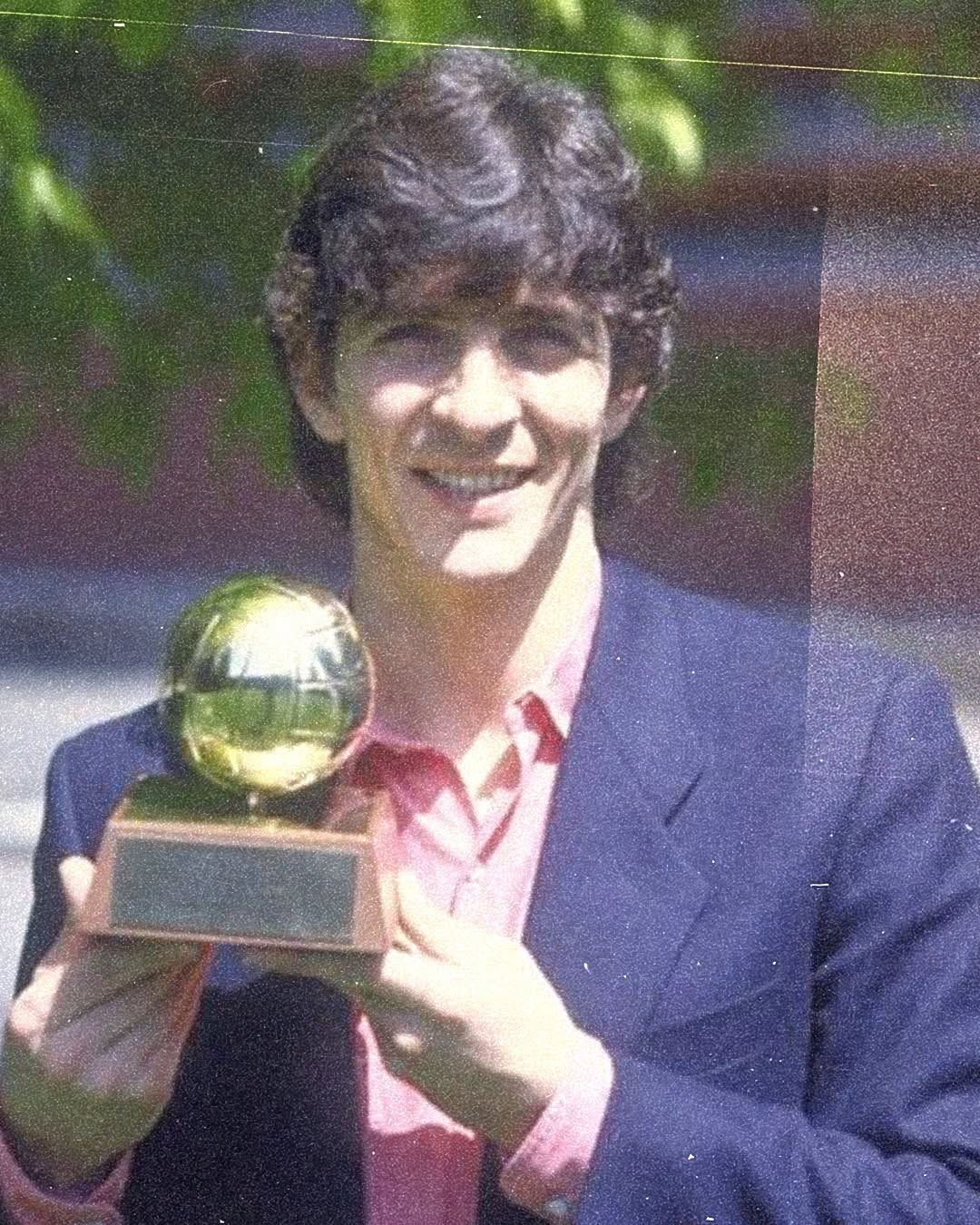
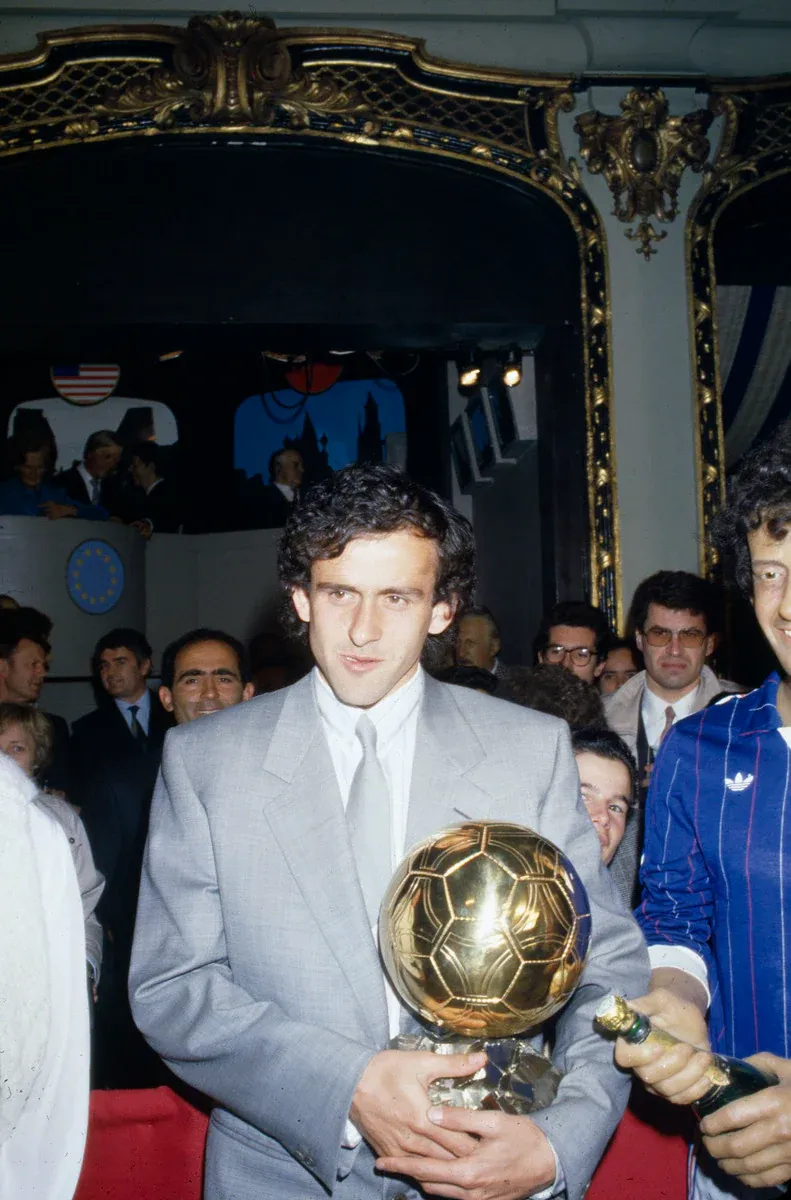
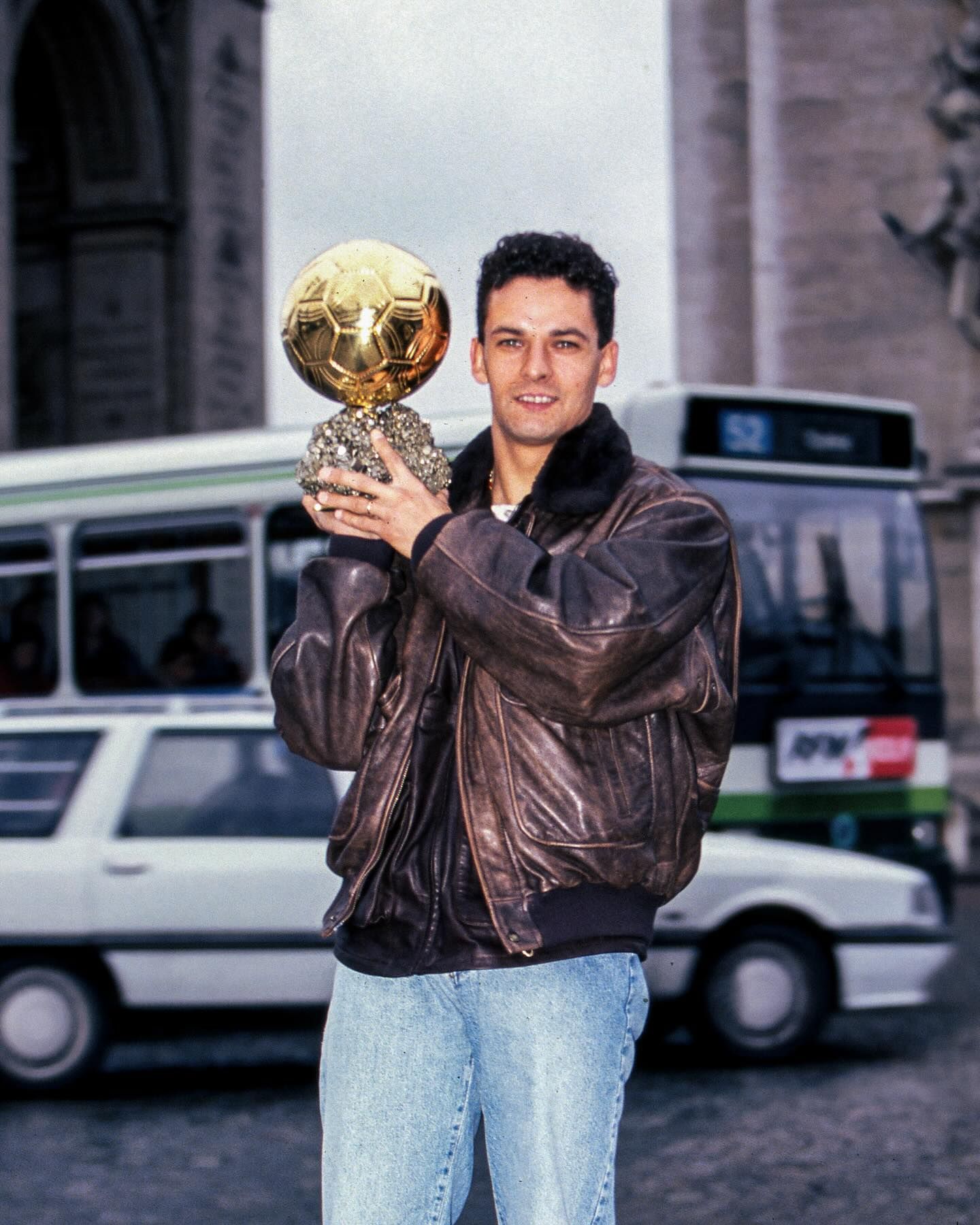
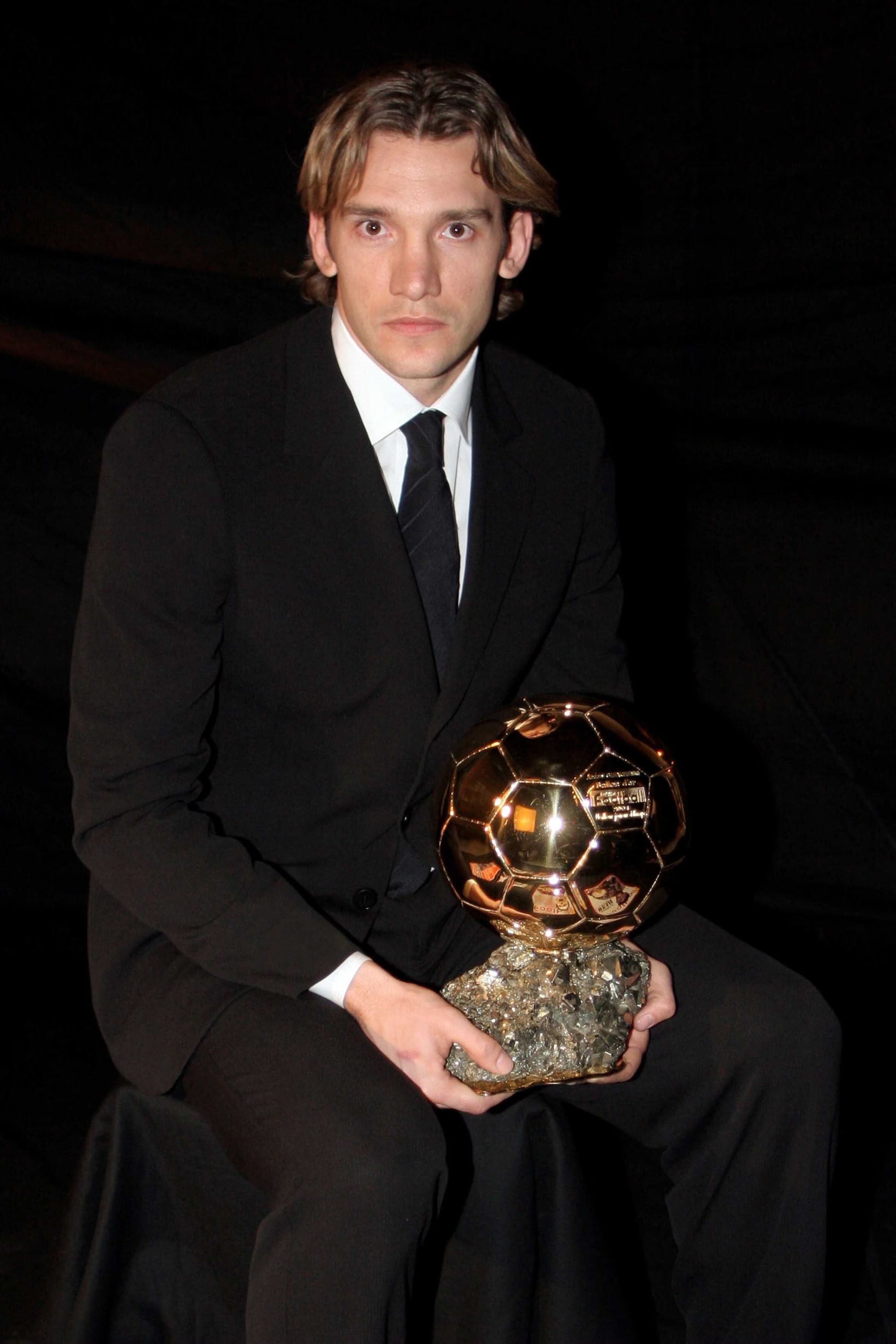
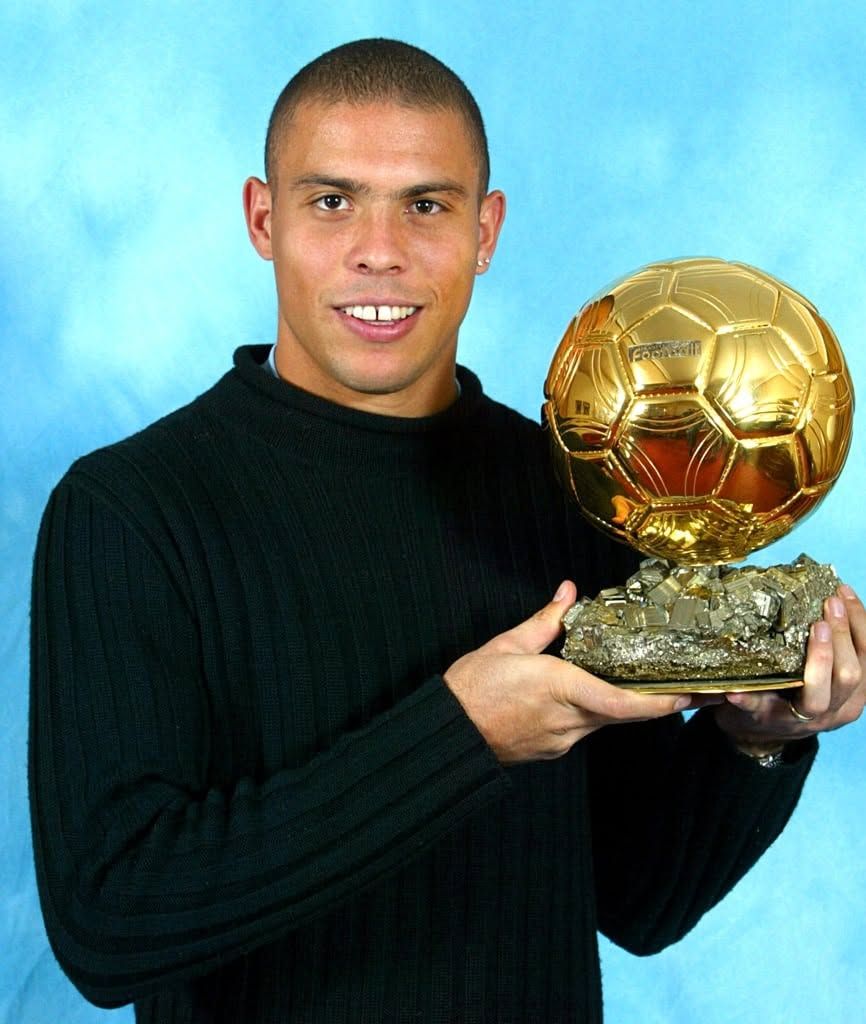
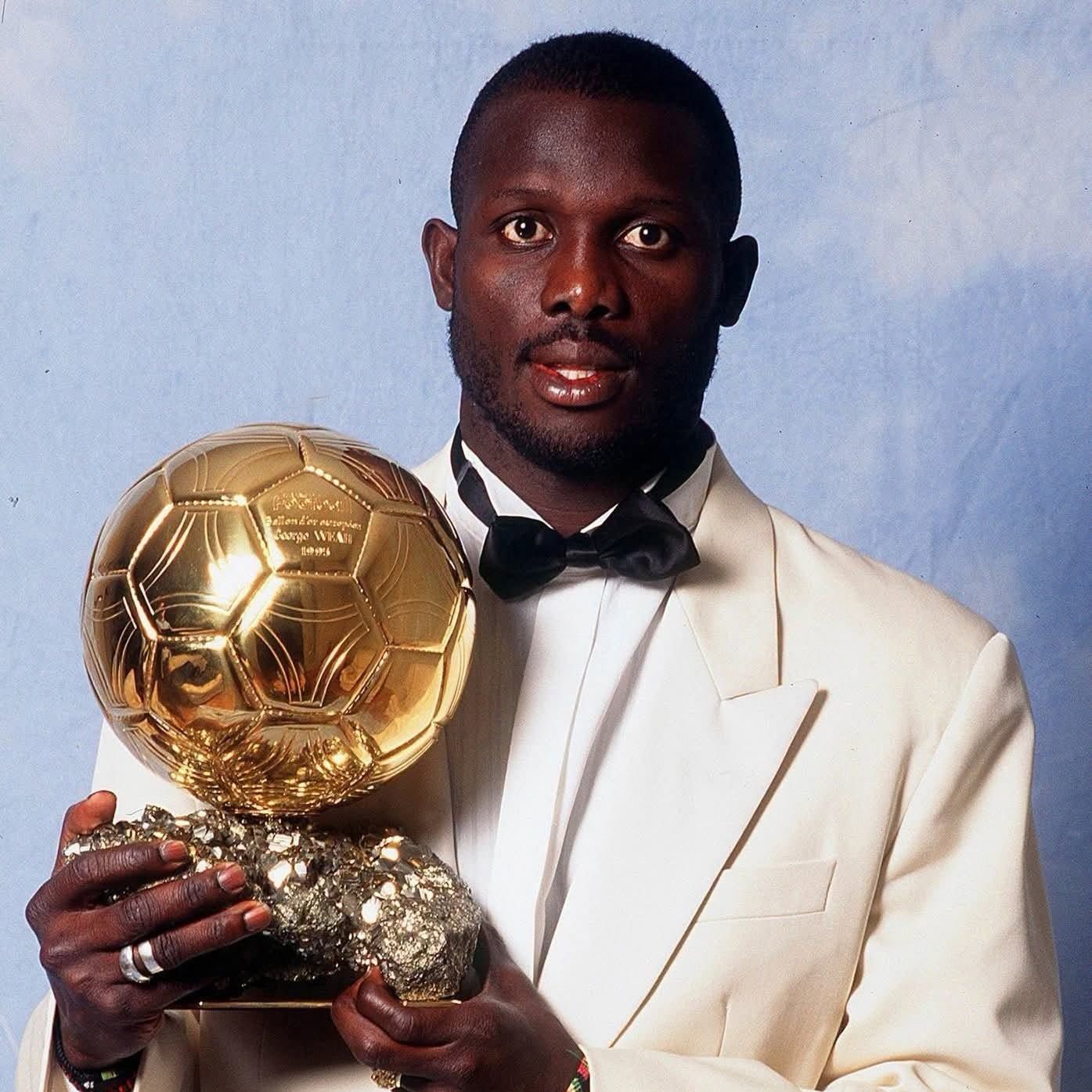
There was a time when Serie A dominated the Ballon d’Or rankings. Between 1982 and 2007, players from Serie A won 16 of the award’s 26 editions. The run began with Juventus: Paolo Rossi in 1982, followed by Michel Platini, who won three consecutive editions in 1983, 1984 and 1985. Ruud Gullit claimed the award in 1987, before his AC Milan teammate Marco van Basten won it in both 1988 and 1989. Van Basten would win again in 1992, following Lothar Matthäus’s triumph with Inter in 1990 and preceding Roberto Baggio’s victory in 1993. The list of winners from the 1990s also includes George Weah in 1995, Ronaldo in 1997 and Zinedine Zidane in 1998. The early 2000s brought further success for Serie A, with Pavel Nedvěd in 2003, Andriy Shevchenko in 2005 and Kaká in 2007.
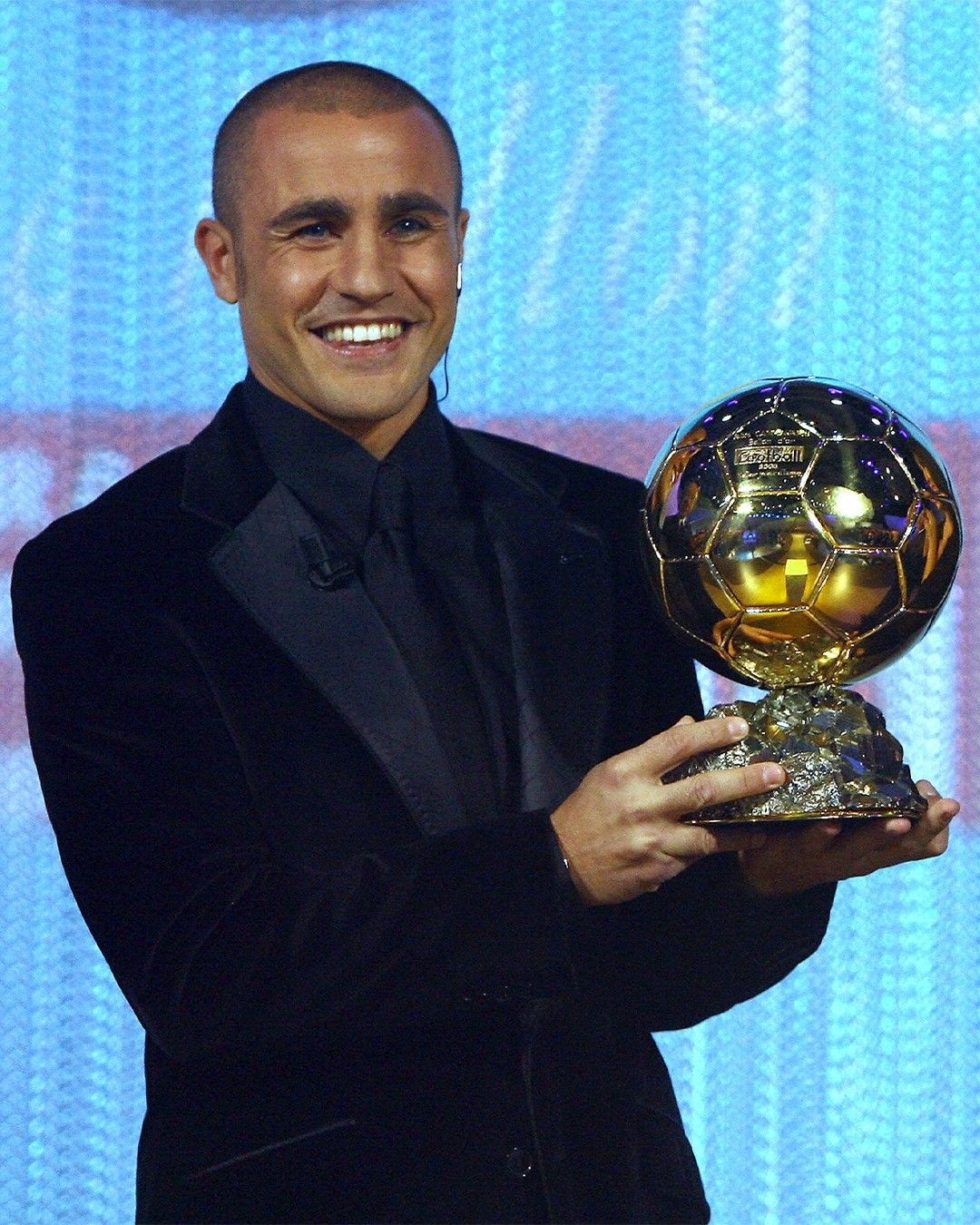
Ronaldo’s 2002 victory could also be included, although he was officially awarded the prize as a Real Madrid player following his move from Inter. The same applies to Fabio Cannavaro in 2006, who was recognised as a Real Madrid player after leaving Juventus. Serie A’s dominance becomes even more striking when we look at the full podium between 1982 and 2007. For three consecutive editions, in 1988, 1989 and 1990, all three places were occupied by players from the Italian league. And if we exclude the winner and look only at the runners-up and third-place finishers, a Serie A player appeared on the podium in 15 of those 26 editions.
Serie A’s Aesthetic Dominance
On-pitch success went hand in hand with an inevitable aesthetic dominance. First, there was the visual language of the football pitch, with the vertical stripes of Inter, AC Milan and Juventus becoming a reference point for young fans around the world. Then there was the individuality of the players themselves: Platini’s curls and air of bored aristocracy, Gullit’s dreadlocks, which brought an Afro-inspired aesthetic into football, Baggio’s rebellious ponytail, Ronaldo’s shaved head, and the blond locks sported by Nedvěd and Shevchenko. All these elements came together with the tailoring of the suits worn by the players for their France Football photo shoots.
Those covers were perhaps some of the first tangible examples of haute couture moving beyond its traditional territories, such as cinema and television, to enter a world it had yet to explore. At the same time, those images offered a glimpse of a future in which football had far more to say than what happened on the pitch. Millions of young fans were introduced to the idea of elegance and to the notion that personal style could be expressed through the clothes worn on formal occasions.
Winning the Ballon d’Or was already a historic achievement. The right suit, however, could turn that moment into an icon. Those early experiments were hardly revolutionary: classic suits and ties alternated with more casual looks. But they helped establish an idea that today’s footballers, part of a generation that witnessed the first signs of the intersection between football and fashion, have fully embraced. They have not only built partnerships with the world’s leading fashion houses, but have also learnt to interpret formalwear in ways that reflect their own personalities.
Where Does Serie A Stand Today?
Serie A’s former supremacy was unprecedented, and it has never been repeated. Today, Premier League clubs are among the most formidable sides in European competitions, thanks to the financial power that Italian clubs enjoyed during their golden age. Yet they have not achieved the same level of dominance in the Ballon d’Or rankings. Since 2008, only two players from the English top flight have won the award: Cristiano Ronaldo in 2008, when he played for Manchester United, and Rodri in 2024, representing Manchester City. The increasingly global distribution of talent has also seen players from Real Madrid, Barcelona and PSG lift the Ballon d’Or. Against this backdrop, Serie A has all but disappeared: Cristiano Ronaldo, during his Juventus spell, is the only player from the league to have featured on the podium, finishing in 2018 and 2019. The last Italian player to make the top three was Jorginho in 2021, the year he won the Champions League with Chelsea and the European Championship with Italy.
There are many ways to assess the decline of Italian football, but the most significant is undoubtedly the national team’s failure to qualify for three consecutive World Cups. The problem, however, goes far beyond the Azzurri: the entire football ecosystem has stood still. Clinging to past achievements, we have failed to realise that we are now passive spectators at the most important ceremony of the year, one that brings together the world’s best players and celebrates their achievements. It’s not that we’re not taking part. We’re not even being invited. Simply because there is no compelling reason to invite us. That is not to say Serie A lacks talent. Europe has been taken aback by Nico Paz’s ability and his performances with Como in the Champions League. But Italian football has failed to develop as a whole and close the gap with its European rivals, leaving them to dominate both on the pitch and aesthetically. Today’s young fans do not want to emulate the style of Kenan Yıldız or Diego Moreira. They want to be like Lamine Yamal.
What to read next

The French jewellery house handcrafting the Ballon d’Or since 1956
Football’s most coveted individual award is the result of more than six months of craftsmanship
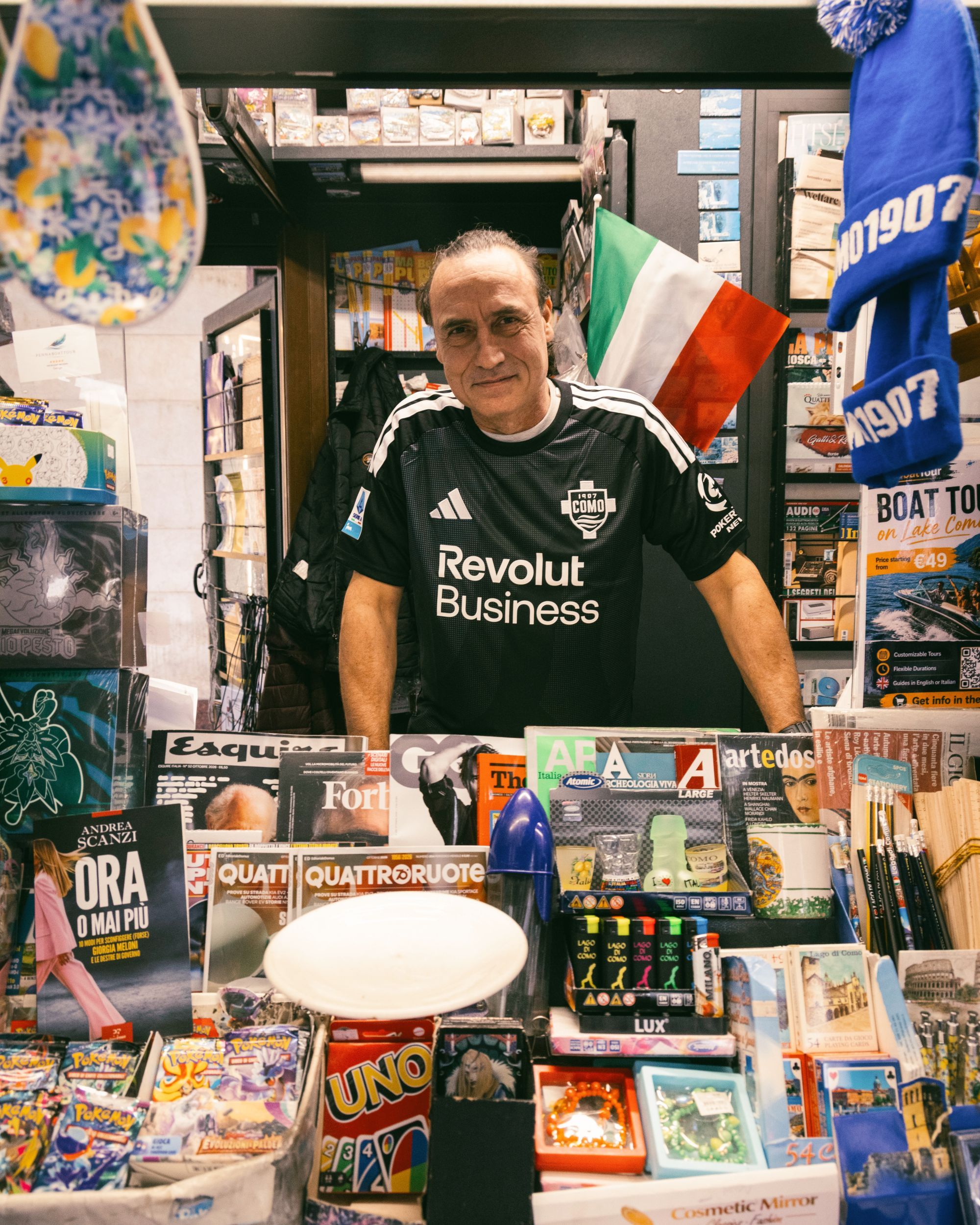
Como's fans unveil the new Third kit for the 2026/27 season
A black jersey with white details and a pixelated design
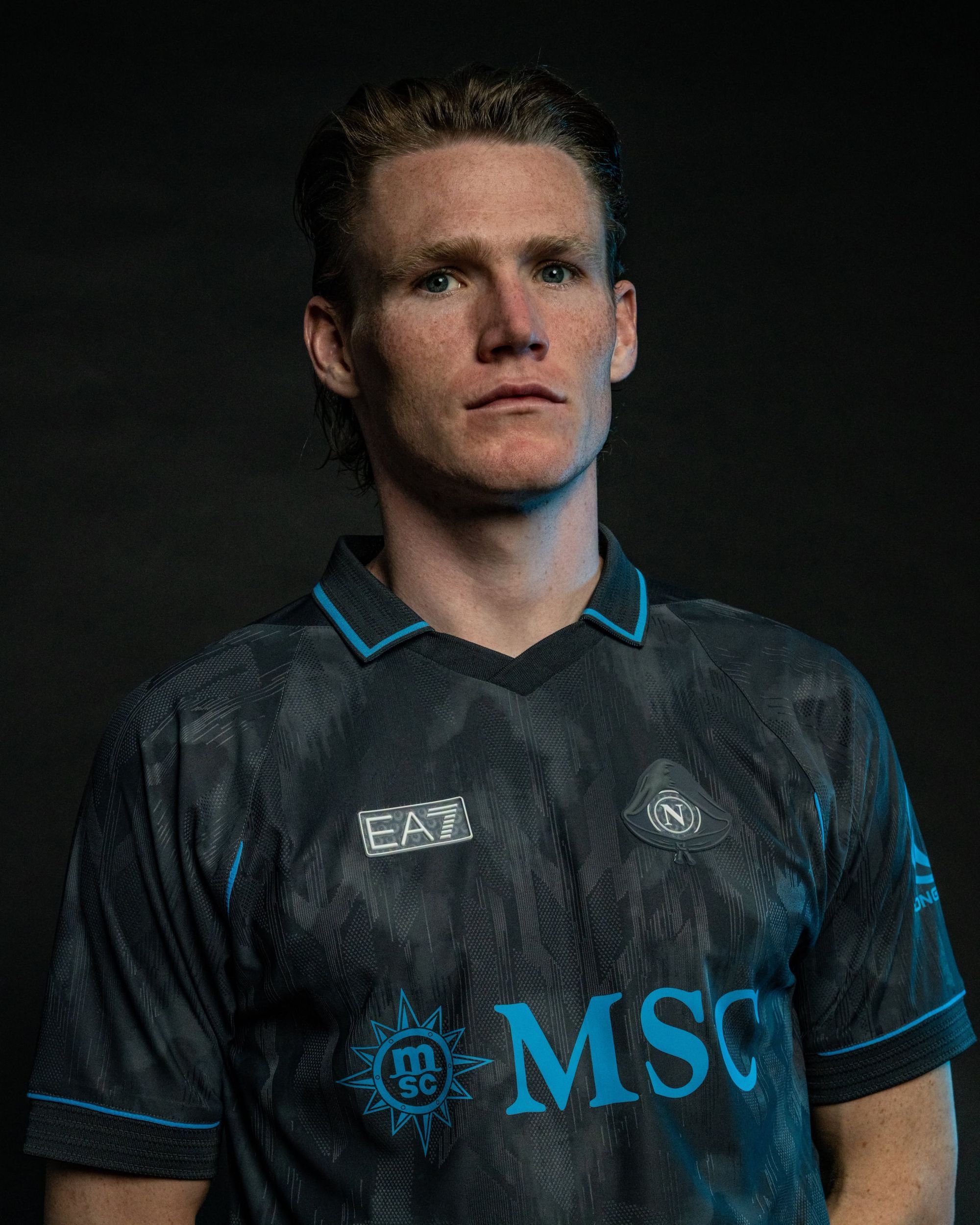
Napoli unveil their new Halloween 2026/27 kit
It's total black and inspired by the Munaciello