The America’s Cup wants to stop relying on billionaires The changes introduced by the America’s Cup Partnership and the spending cap aim to reduce a longstanding dependency
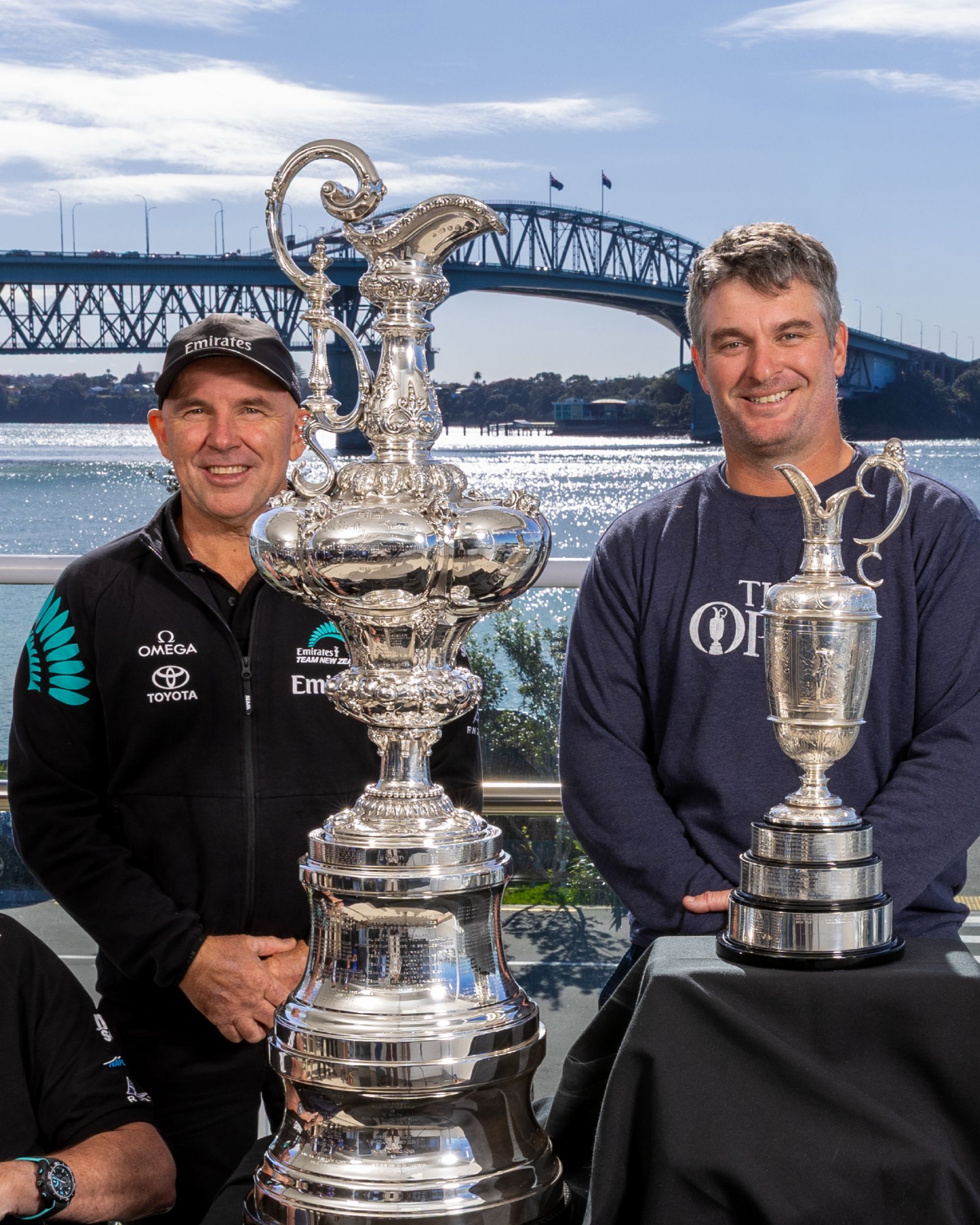
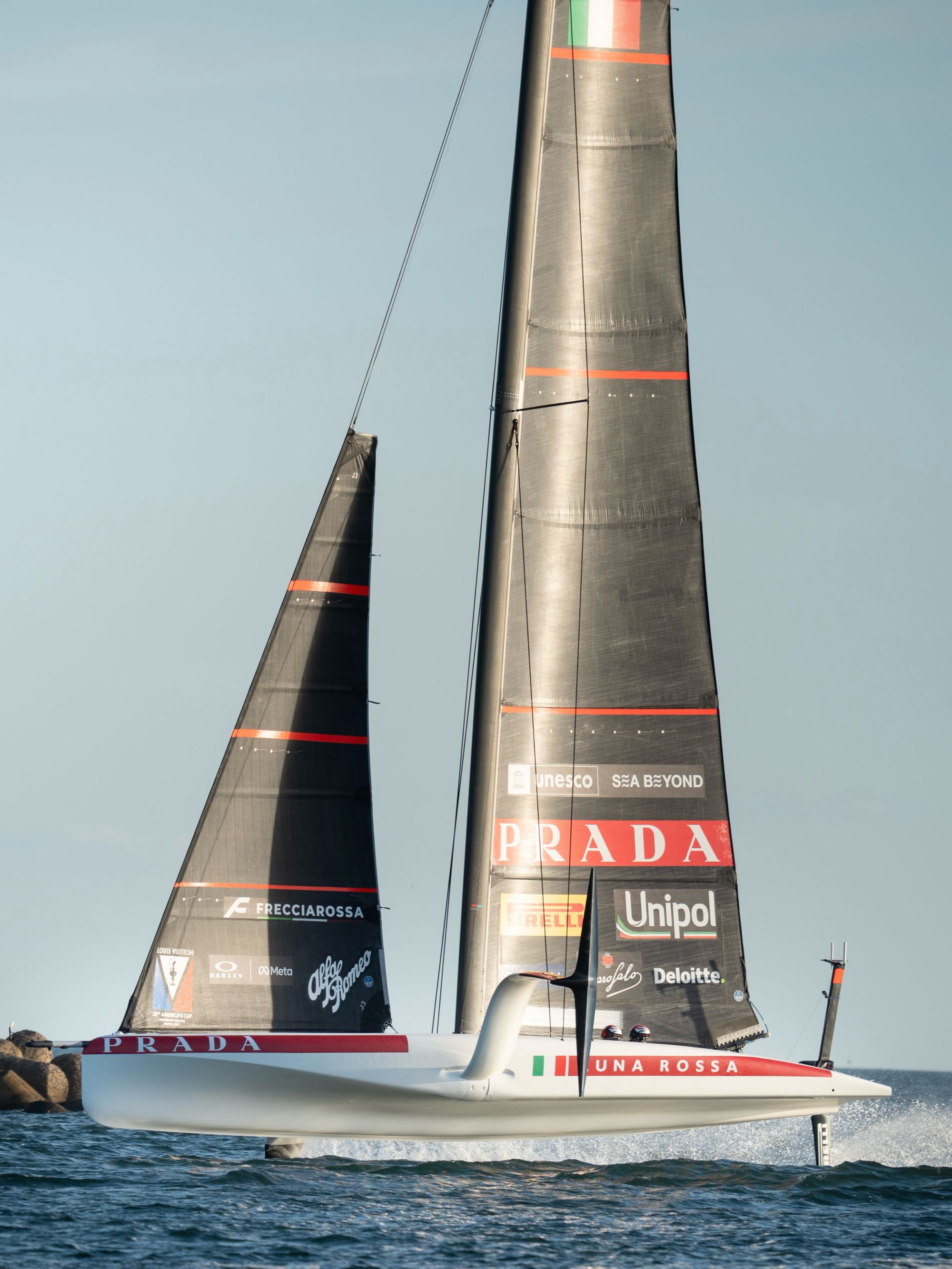
“If we had kept the America’s Cup as it was, it would have died.” The words came from Grant Dalton, CEO of Team New Zealand, which has won the last three editions of the Cup, in an interview with the Financial Times. The underlying issue is nothing new in sailing: competing in the America’s Cup requires enormous investment, while uncertainty surrounding the timing, venues and rules of subsequent editions makes it difficult to build long-term commercial agreements. The continuity of the teams therefore ends up depending largely on the willingness and financial capacity of their backers to cover the costs of each campaign: a fragile balance even for the oldest and most prestigious trophy in international sport.
The creation of the America’s Cup Partnership is first and foremost an attempt to find answers to this problem. Shared governance, spending limits and a regular calendar should allow teams to plan investments, forecast costs more accurately and develop more stable revenue streams. Naples 2027 will be the first test of the Cup’s attempt to reduce its reliance on owners’ capital and make teams financially sustainable in the long term.
The cost of uncertainty
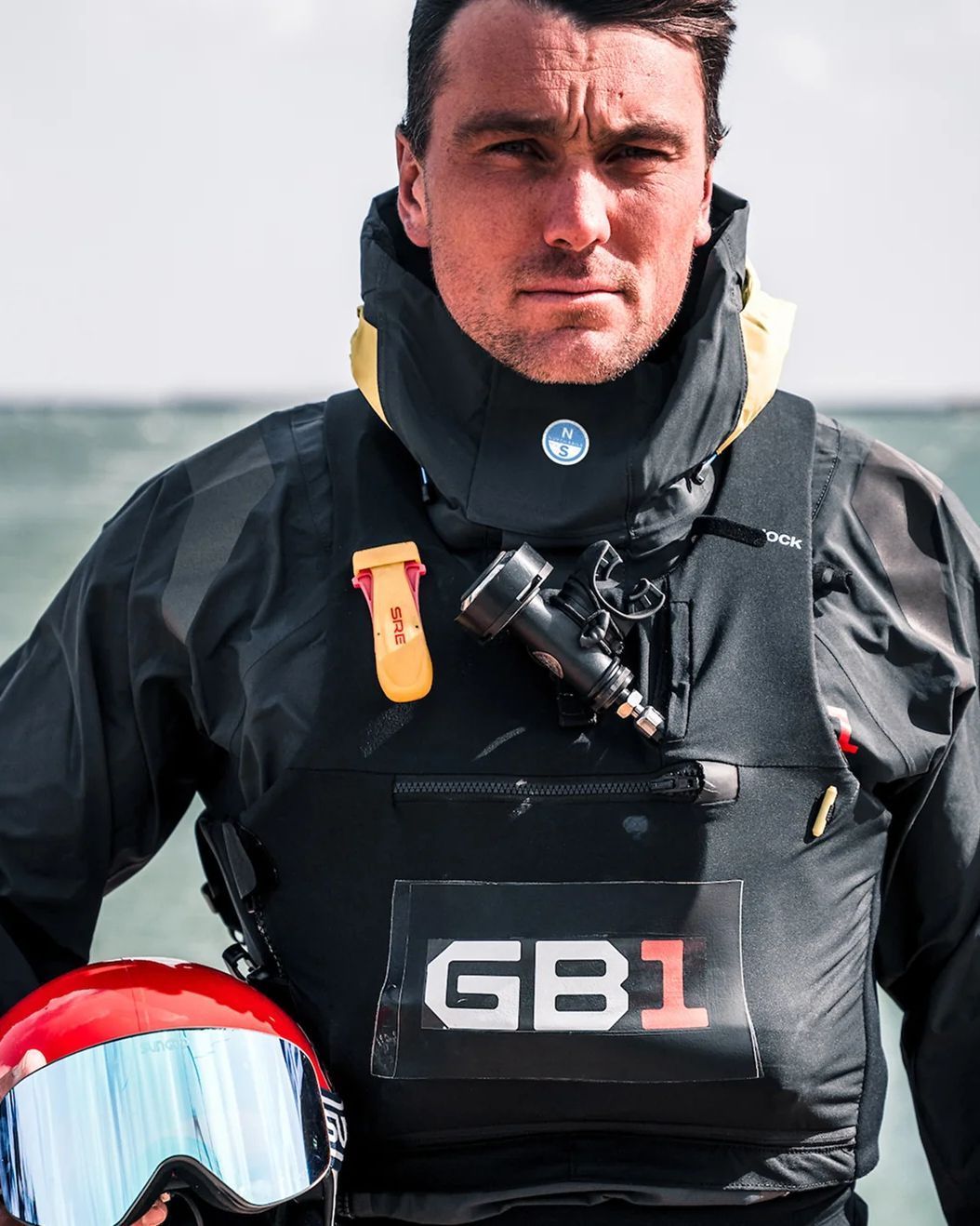
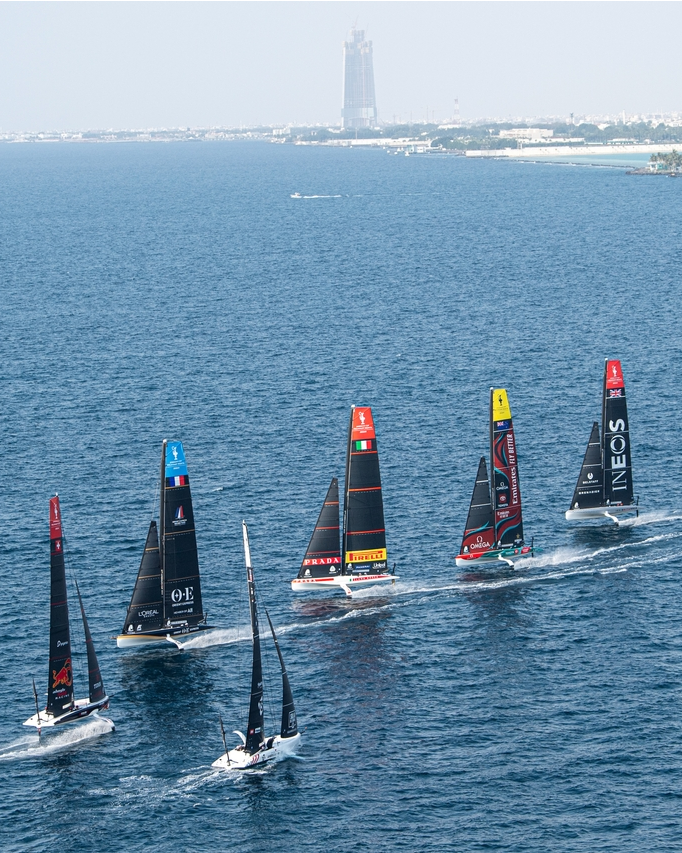
To understand the scale of the problem, it is enough to consider an estimate from Ben Ainslie, Team Principal of British team GB1, who placed budgets at between $50 million and $200 million per team, per campaign. These resources are needed first to design, build and develop the boats, and then to maintain facilities, engineers and crews. This is also why participation has fluctuated sharply: from eleven challengers in Valencia in 2007 to three in San Francisco in 2013 and Auckland in 2021, followed by five in Barcelona in 2024 and the six expected in Naples in 2027.
Uncertainty was another issue. The Defender, meaning the holder of the trophy, had to agree the main organisational details with the Challenger of Record, the first yacht club to submit a valid and accepted challenge for the following edition. These included the venue, calendar and rules governing both the boats and the racing. Each cycle therefore required new and often lengthy negotiations, making it difficult to plan long-term commercial contracts and investments. Dalton described this lack of continuity as “the Achilles’ heel of the America’s Cup.”
The combination of these factors has often made the continuity of teams dependent on the support of a major backer. The case of Ben Ainslie himself is telling: he revealed that he personally financed Athena Racing, now GB1, following its split from INEOS in 2025, until private equity firm Oakley Capital acquired a majority stake in the team.
Finding a new backer can secure the future of a team, but the issue for the Cup is broader: how to build a system in which teams can generate enough revenue to sustain their operations, reducing the need for owners to cover the costs of every campaign.
How the economic model is changing
The answer, as mentioned, lies in the America’s Cup Partnership, the structure that brings the teams together in the organisational and commercial management of the competition. Each team is represented on the board, chaired by Grant Dalton, while day-to-day operations are entrusted to an independent management team led by CEO Marzio Perrelli. The future and growth of the Cup have therefore become a shared responsibility.
The two-year cycle should make it possible to plan agreements across multiple editions, giving sponsors and broadcasters fixed and predictable events. On the spending side, following a path already taken by Formula 1, the new model has introduced a €75 million cap for the Naples campaign, with a reduction to €55 million planned for subsequent cycles. This cost reduction also involves the reuse of existing hulls, helping to contain development expenses and extend the return on previous investments.
The shared management structure should also affect revenue. As Marzio Perrelli explained to Sports Business Journal, the Partnership will have its own budget, including costs and income, with any surplus distributed among the teams, which will continue to negotiate their own sponsorship agreements. The commercial growth of the event could therefore contribute directly to financing the participating teams.
Oakley Capital’s acquisition of a majority stake in Athena Racing is itself an early concrete sign of interest in the new structure. The firm has announced a commitment spanning multiple editions, with long-term commercial agreements and multi-year investment in boat development. The new model has therefore begun to attract capital, but it remains to be seen whether it can also generate enough revenue to finance teams’ activities on a stable basis.
The goal: sustainability
The new structure has not convinced everyone. In October 2025, American Magic, which had represented the New York Yacht Club in the previous two editions, withdrew from Naples 2027. According to Team Principal Doug DeVos, the Protocol and Partnership Agreement did not provide the conditions required for a competitive and financially sustainable campaign. It is a sign that the new rules alone will not be enough to reassure every participant. There is also the resistance from traditionalists to overcome, as Christian Horner, the former Red Bull Team Principal and now an adviser to Oakley Capital, described it. “Whenever changes are made, you get traditionalists complaining,” he told The Telegraph, recalling the opposition faced by cost controls in Formula 1.
The spending cap and regular calendar will create more favourable conditions, but revenue will be the decisive factor. To reduce their dependence on owners, teams will need to cover a growing share of their operations through sponsorships, distributions from the America’s Cup Partnership and other commercial income. Above all, this will require sustained audience interest and management capable of turning the event’s appeal into new revenue.
Naples will begin to put the reform to the test, but assessing its durability will depend above all on what comes next. Wealthy backers will not disappear; they will continue to play a role. The measure of change will be how much money teams still need to ask them for before returning to the start line.