


































What the 2027 America’s Cup means for Naples and Bagnoli Inside the redevelopment project and what will remain
"I do not want to be complicit in a failure." When, in recent weeks, the mayor of Naples, Gaetano Manfredi, uttered these words during one of the most tense meetings on the future of Bagnoli, he was not speaking only about sailing. The response from the Neapolitan mayor — and extraordinary commissioner for the redevelopment of the area — was aimed at local committees and the “No America’s Cup” movement, which for some time has opposed the construction work, dredging operations and transformation of the waterfront linked to the 38th edition of the Louis Vuitton America’s Cup. In the background lies one of Italy’s most symbolic and controversial places: the former industrial area of Bagnoli, an open wound in post-Italsider Naples, long emblematic of unfinished remediation projects, failed plans and promises left suspended in front of the sea.
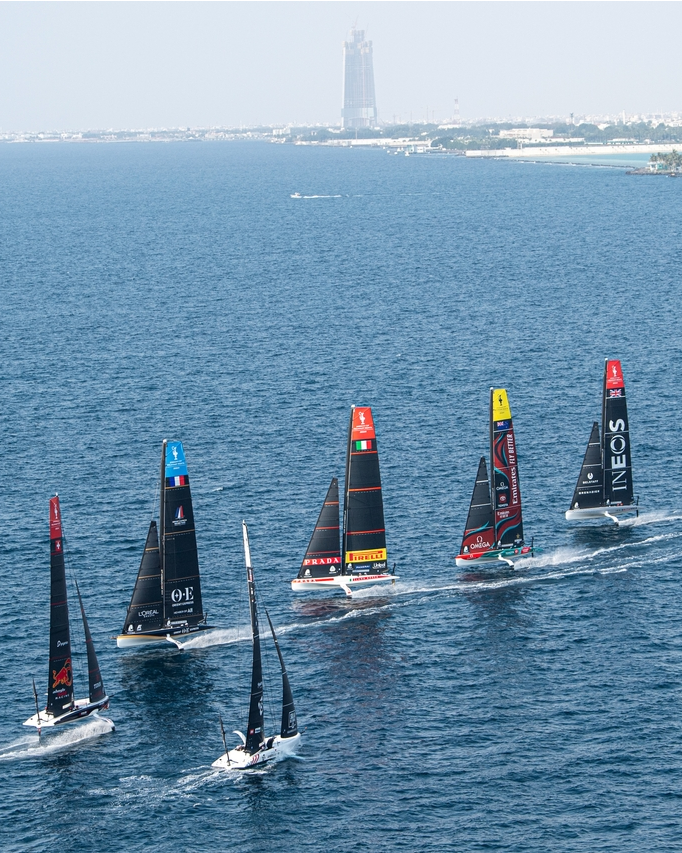
And yet, where for decades discussions led nowhere, by 2027 an international sailing hub will rise. The seven consortia participating in the next America’s Cup — including the American team, which returned to the race after initially pulling out and is considered crucial for the event’s global stature — will establish their operational bases on the reclaimed land of Bagnoli. Team hangars will take shape among piers, workshops and temporary structures overlooking the gulf, while the racecourse will stretch between Posillipo and Castel dell’Ovo. Work is progressing here, though not according to the original timetable: the final dates of the 2026 preliminary regatta will in fact be announced after the event in Cagliari scheduled for this weekend, while the project schedule continues to be closely monitored. Because if on land the project is moving forward in plain sight, driven by the latest renderings released by Sport e Salute, which has been entrusted with managing the event, on the water all the complexities of the site remain. Along with the fear that a major sporting event may leave behind more doubts than legacy.
Bagnoli, the industrial scar searching for a new identity
To understand why the America’s Cup in Naples has become much more than a major sporting event, it is necessary to start with Bagnoli itself and rewind the tape. For more than a century, this stretch of western Naples was home to one of Italy’s largest industrial hubs (ILVA, Italsider), with the sea transformed into an extension of the factories and the coastline progressively taken away from public life. The reclaimed land built in the 1960s — almost 200,000 square metres constructed over the water using concrete and industrial waste — became its ultimate symbol.
After the plants were decommissioned at the end of the last century, Bagnoli was supposed to embody the idea of a new Naples: urban regeneration, public beaches, parks, tourism, a maritime economy. Supposed to — because the district remained trapped between incomplete remediation efforts, investigations, special commissioners, speculation, political failures and constant changes of direction. And so the great promise of giving the sea back to the people of Naples remained little more than an idea.
This is why the arrival of the America’s Cup has taken on enormous symbolic value. Not only because the world’s oldest sporting competition will return to the Mediterranean, or because Naples will become the centre of international sailing for several months, but because the event is perceived as the first real catalyst capable of unlocking a situation that had remained frozen for far too long. A very long time. The demolition of the old steelworks pier, initially scheduled for later years, was brought forward precisely to meet the Cup’s timetable.
Inevitably, enthusiasm and distrust have ended up coexisting within this anticipation. On one side is the belief that a global event could finally bring capital, infrastructure and attention to the area; on the other are those who fear that Bagnoli will once again be bent to the needs of a top-down project, built around an international showcase rather than the needs of the neighbourhood. This tension accompanies almost every major sporting event today, but in Naples it carries particular weight: few areas in Italy bear as many broken expectations as this strip of coastline facing Capri.
Dredging, reclaimed land and environmental remediation explained
As mentioned, the operational heart of the America’s Cup will rise precisely on the reclaimed land of Bagnoli. This is where the team bases will be built: hangars, workshops, warehouses, technical areas and facilities serving the crews who between 2026 and 2027 will inhabit this sailing hub. As always, each consortium will require enormous spaces to store boats, components and materials, as well as adequate infrastructure to support the work of hundreds of people including engineers, technicians and staff.
To make the area navigable, dredging operations have begun on the seabed in front of the reclaimed land, with excavations reaching six metres deep and the removal of sediments accumulated over decades. Part of the material will be transferred abroad for disposal — there has been talk of Belgium and the Netherlands — while the reclaimed area itself is undergoing what is known as environmental capping. In essence, a covering designed to isolate the polluted layers underneath: one of the most controversial points of the entire project. The original plan envisaged a much broader removal of the reclaimed land and an almost complete restoration of the coastline; in recent months, however, the Italian government and the City of Naples opted for a different solution, more manageable in terms of cost and timing: preserving around 80% of the reclaimed land and simply sealing the area.
Local protests and the backlash against the event
According to Mayor Manfredi, completely removing the reclaimed land would have dramatically increased cost estimates, extended timelines and caused an even greater environmental impact, requiring hundreds of thousands of trucks to transport the contaminated material. "We tried to minimise the movement of polluted material through the neighbourhood," the mayor explained. "Removing the reclaimed land entirely would have meant taking away 1.4 million cubic metres, requiring 200,000 truck journeys over four years to transport the material to controlled disposal sites. Regarding the total removal of the reclaimed land, the Ministry pointed out that it would have had a much greater impact than the capping solution. So, while guaranteeing the same environmental safety, we found a solution more suited to the sustainability of the intervention."
The committees opposing the America’s Cup contest this change of direction. They fear that a partial remediation will become permanent, that infrastructure built for the event will remain indefinitely, and that the project will end up sacrificing the vision of a public beach and a waterfront genuinely returned to the city. Not least, they fear that the €152 million allocated to the intervention "will not guarantee any real remediation and may instead worsen the pollution problem." Even the new breakwater intended to create a calm basin for the boats is viewed with suspicion: officially it will be dismantled after the competition, but in Naples the memory of temporary structures left standing for years remains all too vivid and painful. After all, when the America’s Cup World Series arrived in the gulf in 2012, a temporary breakwater was built — and is still there today — in front of Rotonda Diaz beach.
Behind this widespread distrust lies the history of Bagnoli itself, marked by too many announcements, delays and renderings that never became reality. Gaetano Manfredi has said he is open to dialogue with sceptics, but unwilling to become complicit in failure. "We need to talk about technical and scientific data," he said, "because otherwise, if we continue speaking only in ideological terms, we will go on like this for decades." Yet while the controversy continues, the landscape of the district is changing: among cranes, dredgers and construction sites opening onto the sea, the former industrial area is trying for the first time in decades to imagine itself as something different from its industrial and cultural legacy.
Why the 38th America’s Cup matters for Naples
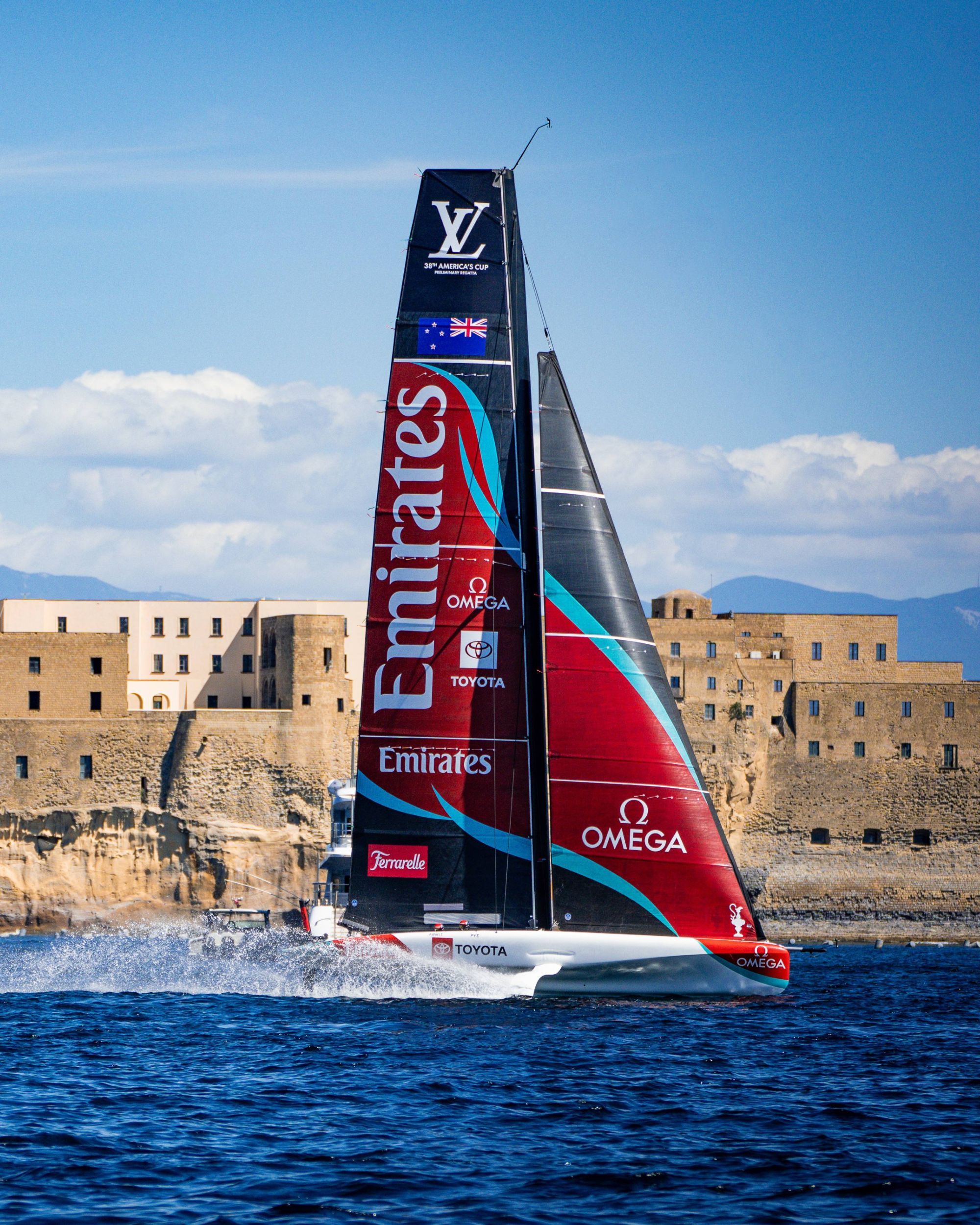
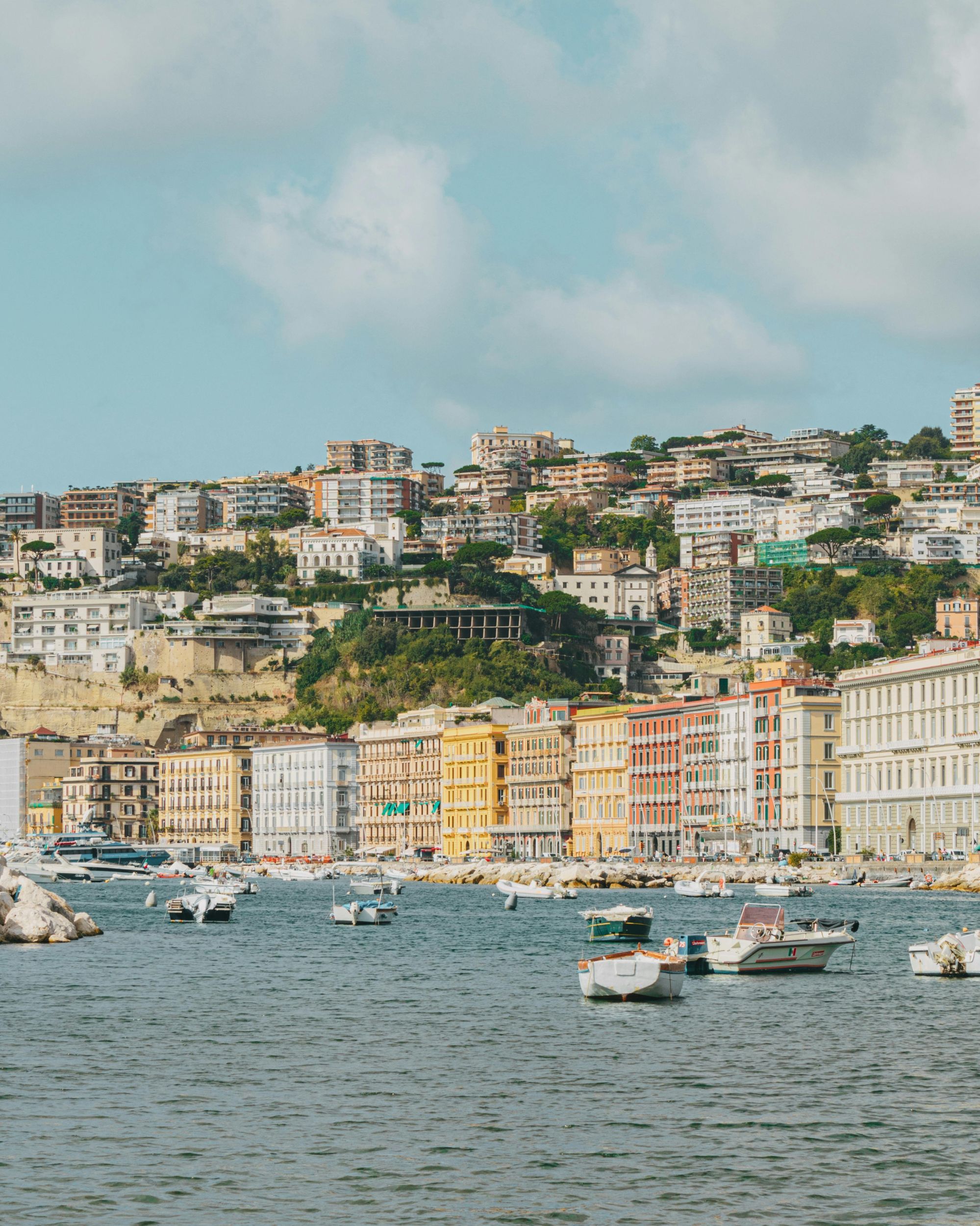
The final dates of the Naples preliminary regatta, as anticipated, will only be officially announced after the event in Cagliari from 21 to 24 May. Aside from that, however, the broader picture surrounding the hosting of the 38th America’s Cup is now clear. In the coming months Bagnoli will begin welcoming the teams’ operational facilities, while in 2027 the gulf will become the stage for an edition destined to leave iconic images behind: AC75s racing along the Naples waterfront between Posillipo and Castel dell’Ovo, with Capri in the background.
For all these reasons, attention extends far beyond the sporting dimension. Especially following the announcement of the return of an American team, absent from the initial projections, led by Ken Read, which has further increased the event’s media reach, while expectations surrounding the seventh consortium — likely Australian — confirm the ambition of a more global edition than ever before. The timetable, however, remains one of the most closely watched issues. In recent months some deadlines have slipped compared to the original forecasts, and even the preliminary race scheduled for 2026 could take place later — in autumn rather than the initially envisioned summer window.
And this is the contradiction accompanying Naples toward the next America’s Cup. Few cities in the world possess such a natural and deeply rooted relationship with the sea, such a recognisable landscape, such a cinematic vocation for hosting an event of this kind. At the same time, few locations bear scars, problems and conflicts comparable to those of Bagnoli. There is hope that this may finally be the opportunity to break thirty years of paralysis; yet it is difficult not to also consider the risk that the event may impose external timelines and priorities on a neighbourhood demanding public spaces, definitive remediation and genuine access to the sea. Italy — and above all Naples — is waiting to understand whether, once the spotlight of world sailing fades, Bagnoli will truly have become something different from what it has been until now.