For adidas, losing Germany is more of a historic blow than an economic one A 70-year era and four World Cup triumphs are coming to an end, but for the German brand the loss is mainly sentimental
On November 16, at Berlin’s Olympiastadion, Germany concluded their Nations League group with an emphatic 5-0 victory over the Netherlands. According to the schedule, it was the men’s national team’s final match with the three stripes of adidas across their chest. From January 1, the DFB will be dressed by Nike, under an agreement running until 2034.
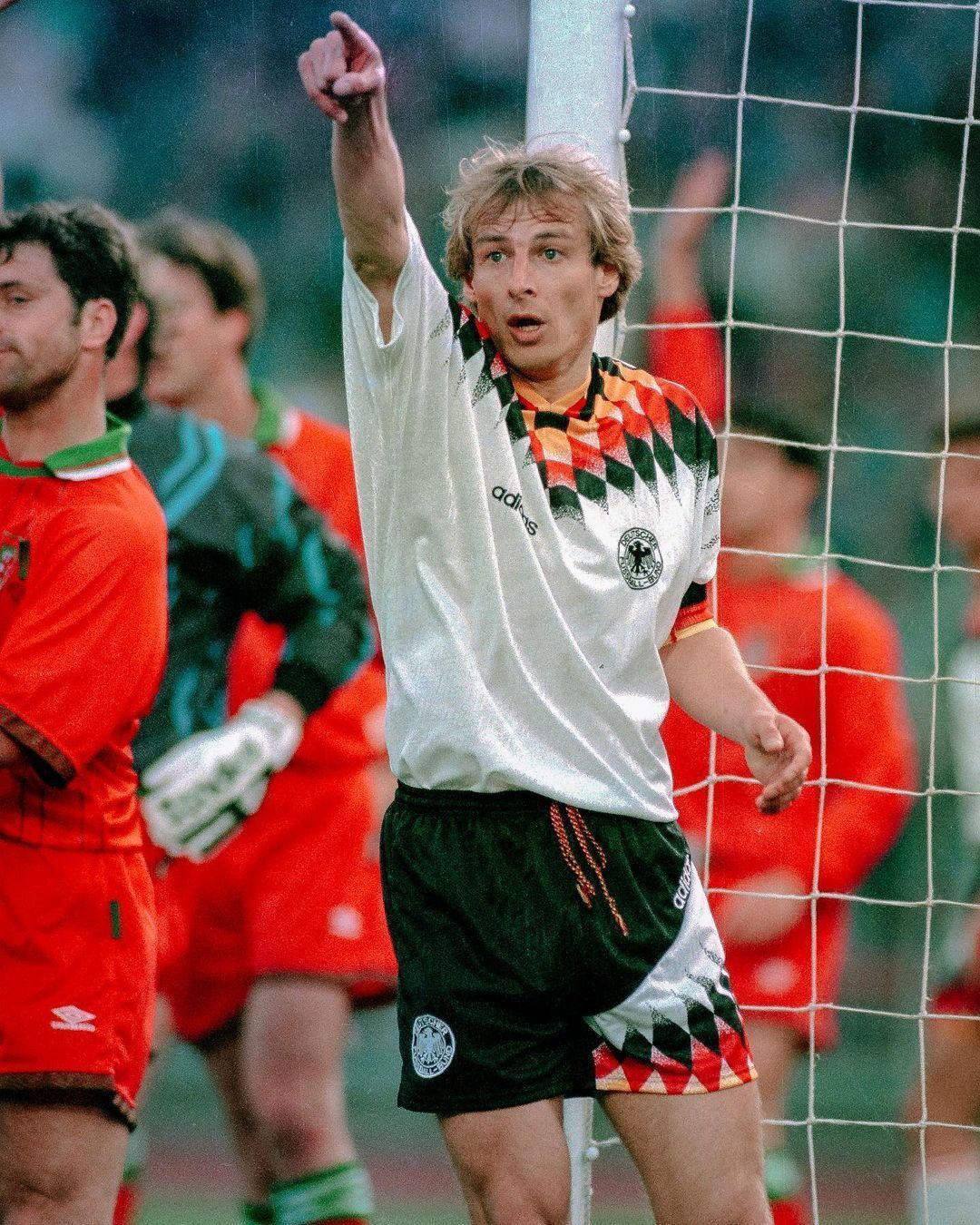
It will bring an end to the longest-running kit partnership in international football, which began in 1954 on the soaked pitch of Bern’s Wankdorf Stadium, where West Germany defeated Hungary in the final wearing Adi Dassler’s boots with screw-in studs. Three more World Cups followed, in 1974, 1990 and 2014, making Germany, alongside Italy, the most successful national team in Europe. Globally, they sit behind only Brazil and their five titles.
There is no doubt that the end of this partnership, which has spanned generations and eras, will make adidas lose a piece of its identity. Yet, looking at the brand’s current position and its national team portfolio, the loss appears to be primarily sentimental, weighing far more heavily on its history and image than on its business.
Why Germany chose Nike
The decision was announced in March 2024, and the DFB did not avoid the central issue: Nike had submitted the best financial offer in a tender that the federation itself described as transparent. Judging by the two-line statement with which it acknowledged the decision, adidas did not expect it. In Germany, the news almost became a political controversy, with the federal government accusing the federation of a lack of patriotism.
From the outside, however, the end of the relationship feels almost natural. In a football industry where sponsors, owners and visual identities change with every commercial cycle, a partnership that had reached its 72nd anniversary was an anomaly. The Germany moving to Nike is not the team of 2014: at the 2026 World Cup in North America, they were eliminated by Paraguay in the round of 32, their third consecutive early exit after two group-stage eliminations in 2018 and 2022. Julian Nagelsmann resigned as head coach in July and has since been replaced by Jürgen Klopp, under whom the German national team is changing its identity. Both on and off the pitch.
What adidas is really losing
First of all, a symbol. For decades, Germany’s white jersey was the most recognisable product in adidas’ football catalogue, linking the Herzogenaurach brand to the country’s history. The way the company has managed the farewell shows how much that relationship meant, with a final collection built entirely around the goodbye. It includes a farewell third kit, sold exclusively in a hybrid version at the replica price, a commemorative series featuring names and fonts dedicated to national team legends, and the Germany 26 Pro Ball. This is how adidas turned the end of a relationship into a product.
Then there is the team itself. Klopp has opened the national side to a new generation: Köln’s Said El Mala, Bayern Munich’s Tom Bischof and Lennart Karl, and seventeen-year-old Wael Mohya of Borussia Mönchengladbach. Players such as Joshua Kimmich and Kai Havertz, however, remain at the heart of the project. On paper, the superstar of this team is Jamal Musiala, a long-standing Nike athlete and an ambassador for the Tiempo line since 2023, although he is currently sidelined with yet another injury. The player around whom Germany’s game currently revolves is Florian Wirtz, who represents adidas and appeared alongside Messi and Yamal in the brand’s global campaign ahead of the 2026 World Cup. In a month and a half, Germany will be wearing Nike, but one of their most representative players will continue to carry the three stripes onto the pitch.
The three stripes will remain in Germany
adidas’ presence in Germany, after all, has never been limited to the national team. Its strongest connection is with Bayern Munich, which represents far more than another club for the Three Stripes to dress. adidas is also a shareholder in FC Bayern München AG, holding a stake of just under 8%, alongside two other major Bavarian companies: Audi and Allianz.
As long as Bayern remains Germany’s leading force in European football, the most visible showcase of German football will continue to belong to adidas. Every Champions League night in Bavaria will remind us that the brand has not left Germany: it has lost its most iconic jersey, but not its home market.
adidas still has a bright future
The 2026 World Cup final at MetLife Stadium was a match dominated by the three stripes: from the adidas-made Spain and Argentina kits to the referee’s uniform and the special match ball. The list could be extended to other national teams that impressed during the tournament, including Belgium, Colombia, Sweden and Algeria.
The German brand continues to expand its reach, often at Nike’s expense. Some switches are already official, including the imminent arrival of Greece, who won Euro 2004 wearing the three stripes and are currently enjoying a revival on the European stage. Croatia joined in August after twenty-six years with the Swoosh - another story shaped by iconic jerseys and nostalgia. Then there is the Czech Republic, which ended a 33-year relationship with PUMA, and soon Nigeria, which will join the portfolio in 2027 through an agreement worth approximately 8.5 million dollars per year, the richest in the history of African football.
26 years of Nike x Croatia. With the šahovnica (the iconic red-and-white checkerboard) reimagined, resized and reinvented over the years... but always at the heart of the design. A thread: https://t.co/HKAiIWEkKw
— nss sports (@nss_sports_) September 21, 2026
Other switches are still awaiting confirmation. According to local media, the Turkish federation has already reached an agreement with adidas, which will be announced once its Nike contract expires. For Turkey, it would also represent a return after wearing the brand’s kits from 1983 to 2002. In Poland, meanwhile, reports suggest that an eight-year contract is ready to begin in January and that players have already tried on the new kits. Finally, there is Italy, dressed by adidas since 2023 but so far responsible for very little sporting satisfaction.
Despite losing Germany, adidas’ national team portfolio will emerge from the coming months as anything but diminished. Broadening the perspective to its financial performance, the company’s results show that the third quarter of 2026 was the best in adidas’ history, with revenues of 7.25 billion euros and quarterly operating profit exceeding one billion for the first time. One figure, however, calls for caution: Europe remains the group’s largest market by total volume, but it was also the only region to decline, with revenues falling by 4%.
What to read next
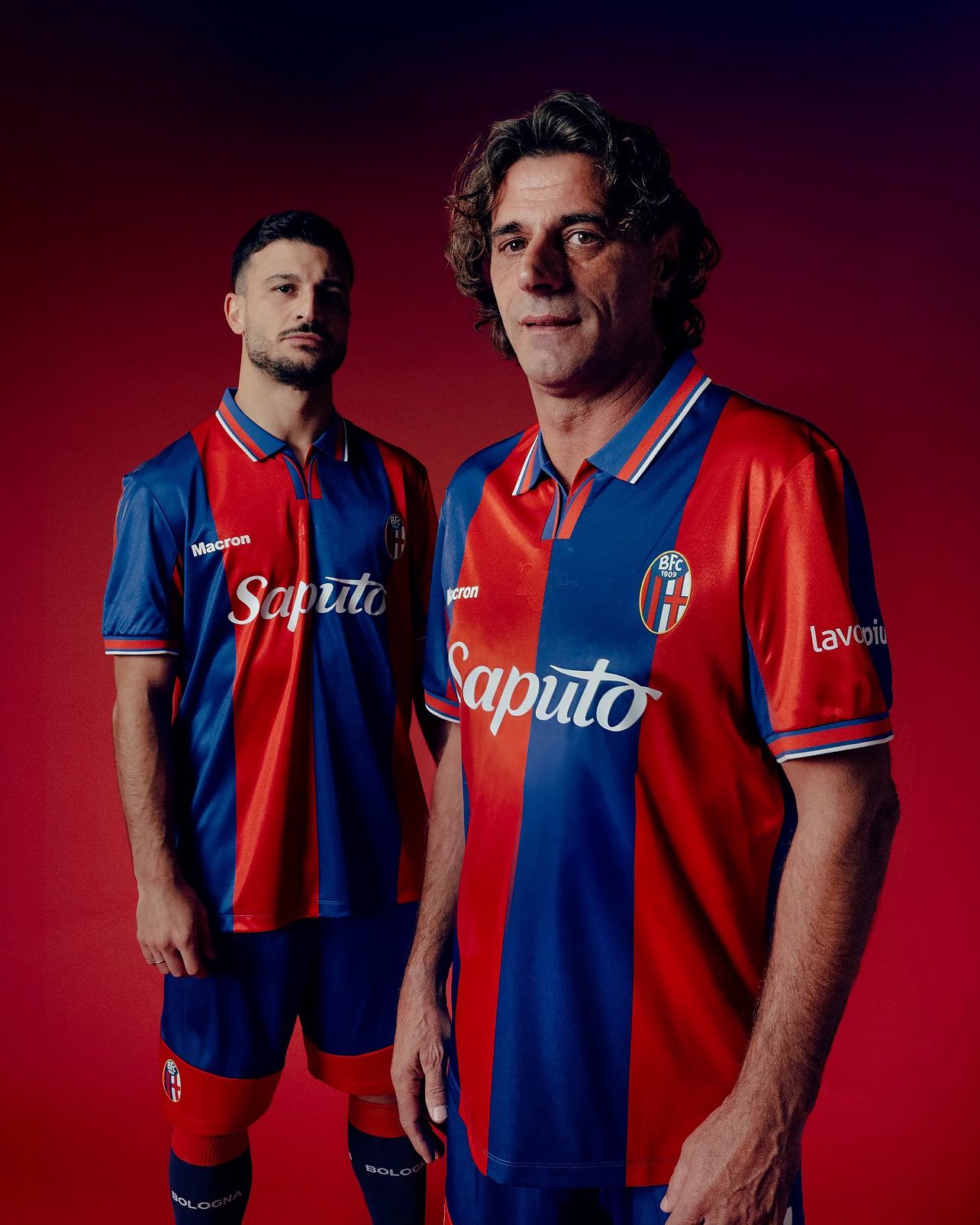
Bologna and Macron celebrate 25 years together by returning to where it all began
The club has unveiled a special kit inspired by the 2001/02 design, featuring the logos from that era and a campaign that brought Carlo Nervo and Riccardo Orsolini together
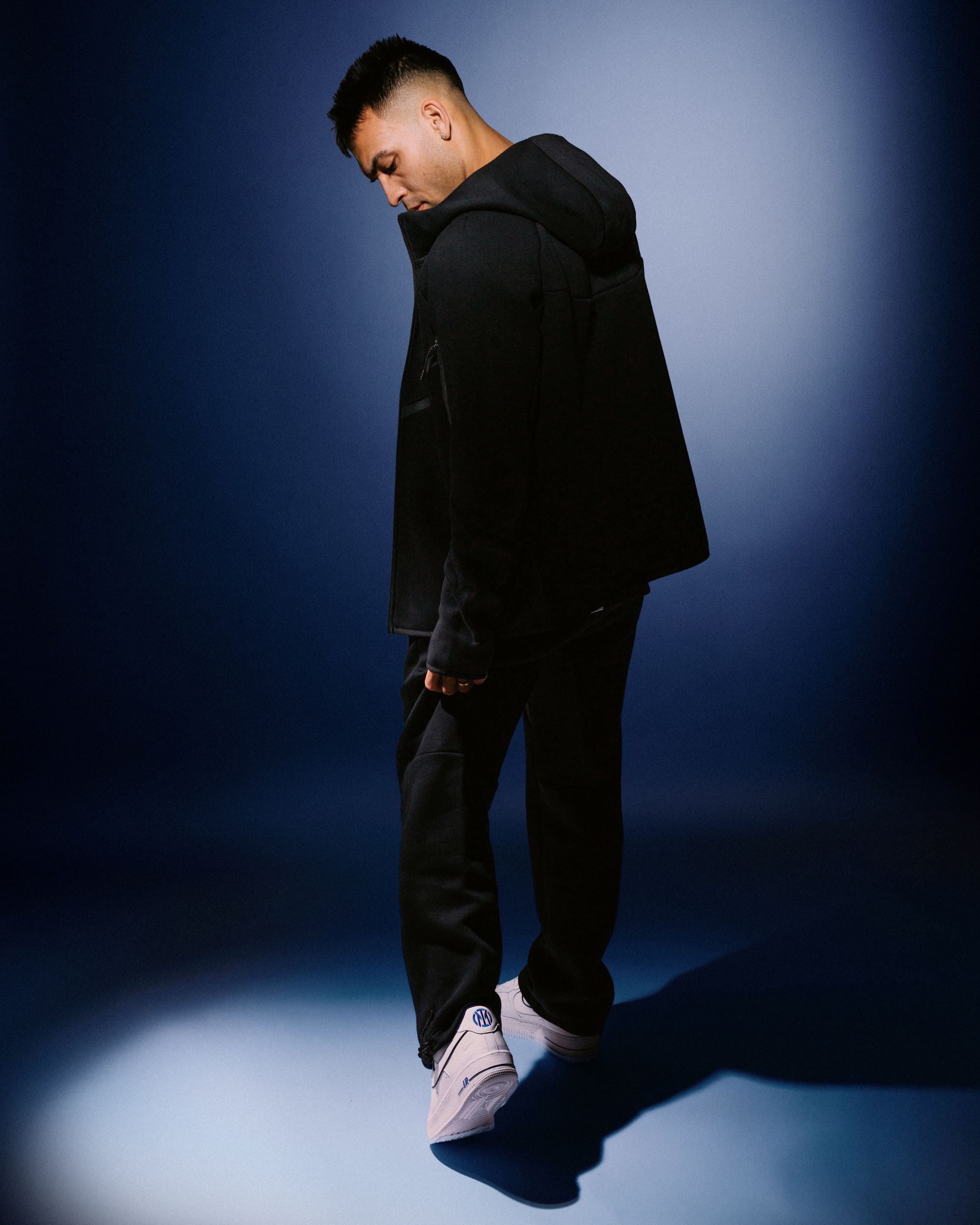
Nike unveils a new Air Force 1 dedicated to Inter
The design takes inspiration from the club's 2026/27 Away jersey
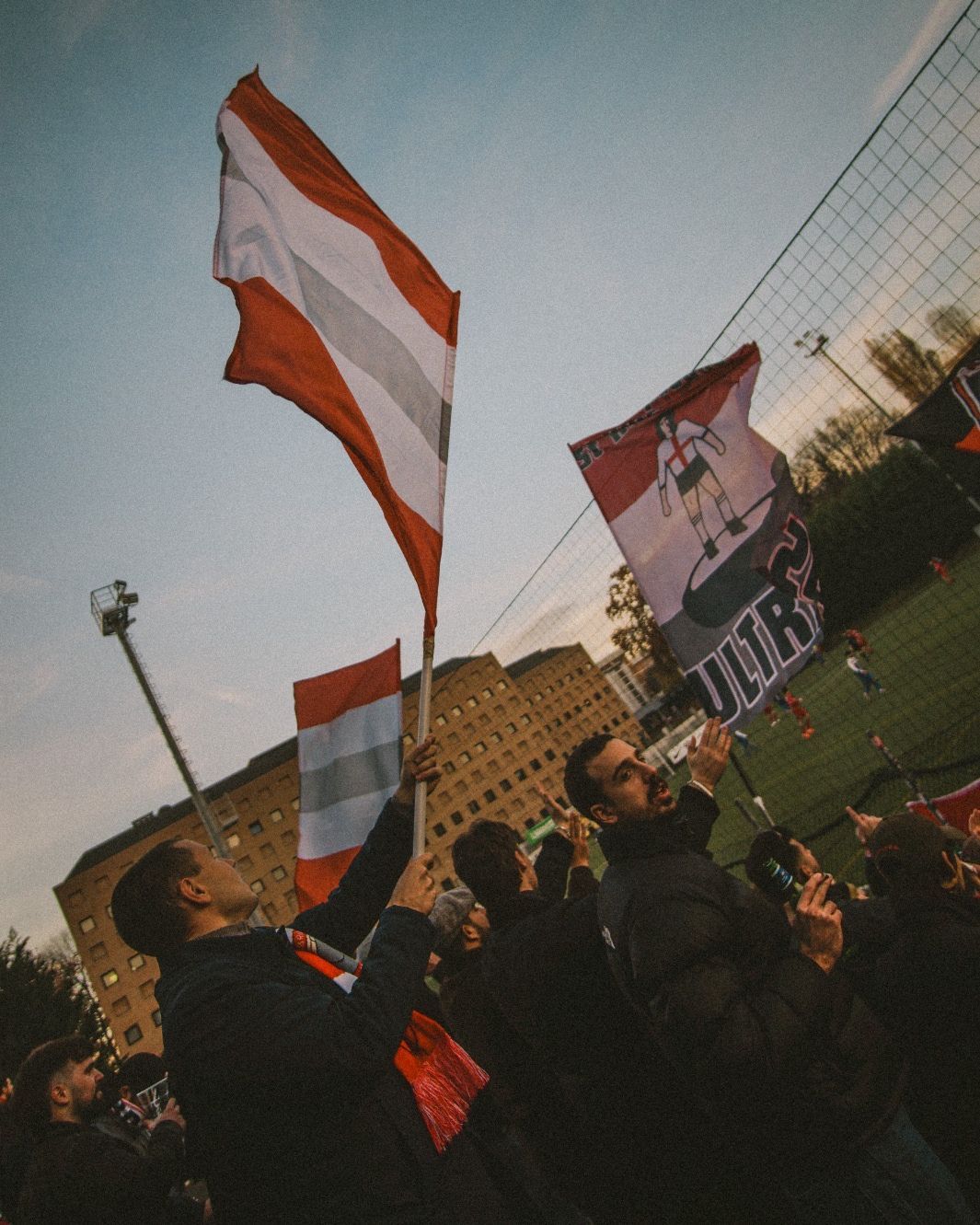
Erreà becomes St. Ambroeus FC's new technical partner
For the next two seasons, bringing together football, inclusion and community.