The role of football in Brazil’s presidential election How the world of futebol played its part in Lula’s re-election
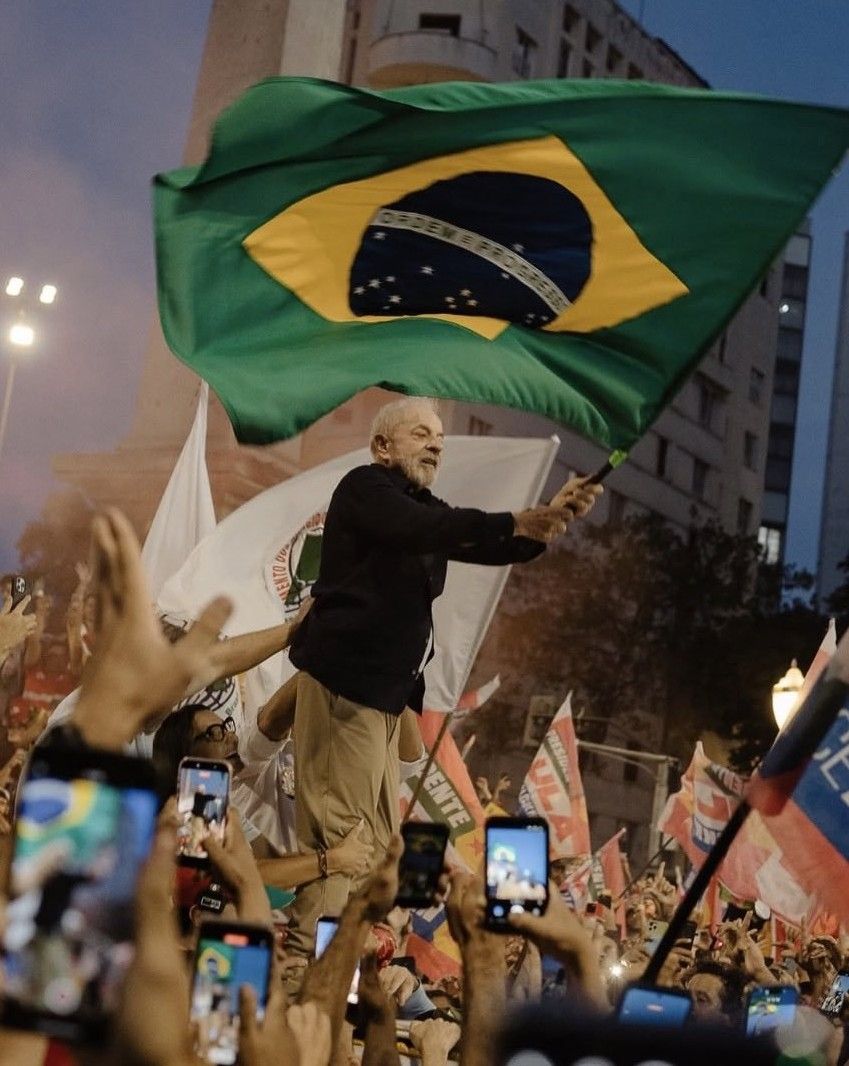
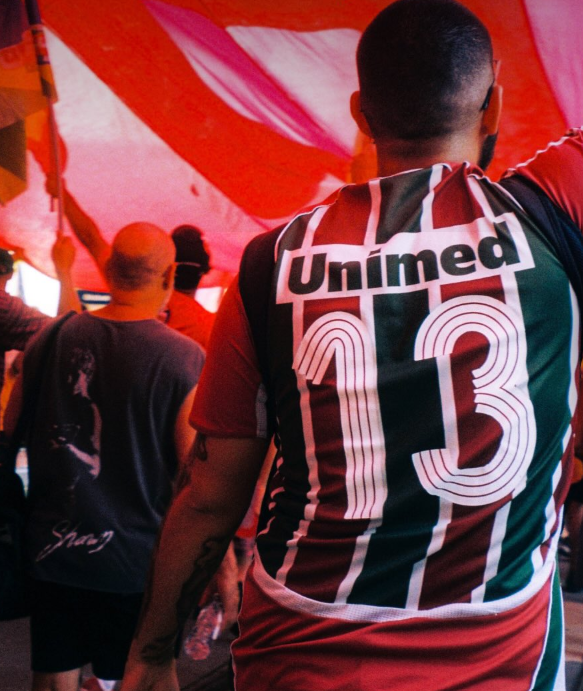
A Fluminense shirt, the number 13 on the back, a large red flag overhead. Among the many images to emerge from the day of the run-off between Lula and Flávio Bolsonaro in the Brazilian presidential election - which confirmed the former in office despite the pessimistic polls on the eve of the vote - is a photograph published by Atlantic Dispatch that shows just how much football was part of the election campaign. And it is only the tip of the iceberg of a deep, controversial and long-standing relationship.
The meaning of 13 and the Brazil shirt
13 is the electoral number of the Partido dos Trabalhadores, the party with which Luiz Inácio Lula da Silva has returned to the presidency. His victory in the run-off against Bolsonaro, the son of former president Jair, brought to a close what many media outlets described as a clash between two opposing worldviews, one that had also permeated the coverage of futebol in the preceding weeks.
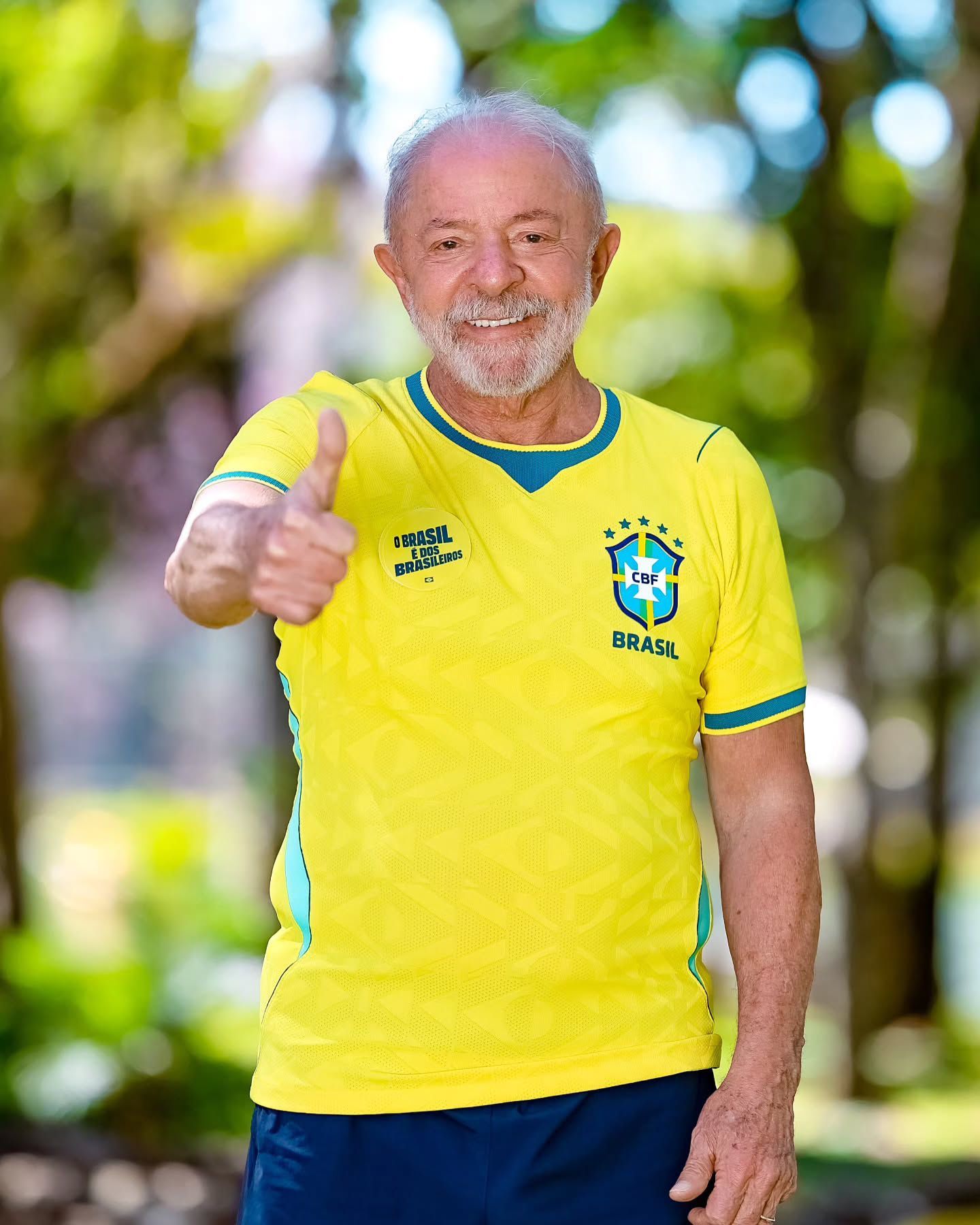
On October 17, just over a week before the run-off, Lula posted a photograph of himself wearing the Brazil national team shirt, joining a campaign calling on people to reclaim the Seleção’s yellow and green colours. Athletes, artists, public figures and ordinary citizens shared content showing themselves wearing the shirt, often making the “L” gesture with their hands, in an attempt to restore a popular dimension to a symbol that had become associated with Bolsonarismo over time.
During the years of protests against the PT and the rise of Jair Bolsonaro, the Brazil shirt had in fact become a political symbol. Lula had already addressed the issue in 2022, when he announced that he would watch the World Cup in Qatar wearing the yellow and green shirt, customised with the number 13. He has now reclaimed those colours once again, alongside the many young supporters who took to the streets of São Paulo, Rio de Janeiro and other Brazilian cities over the weekend.
How the footballers took sides
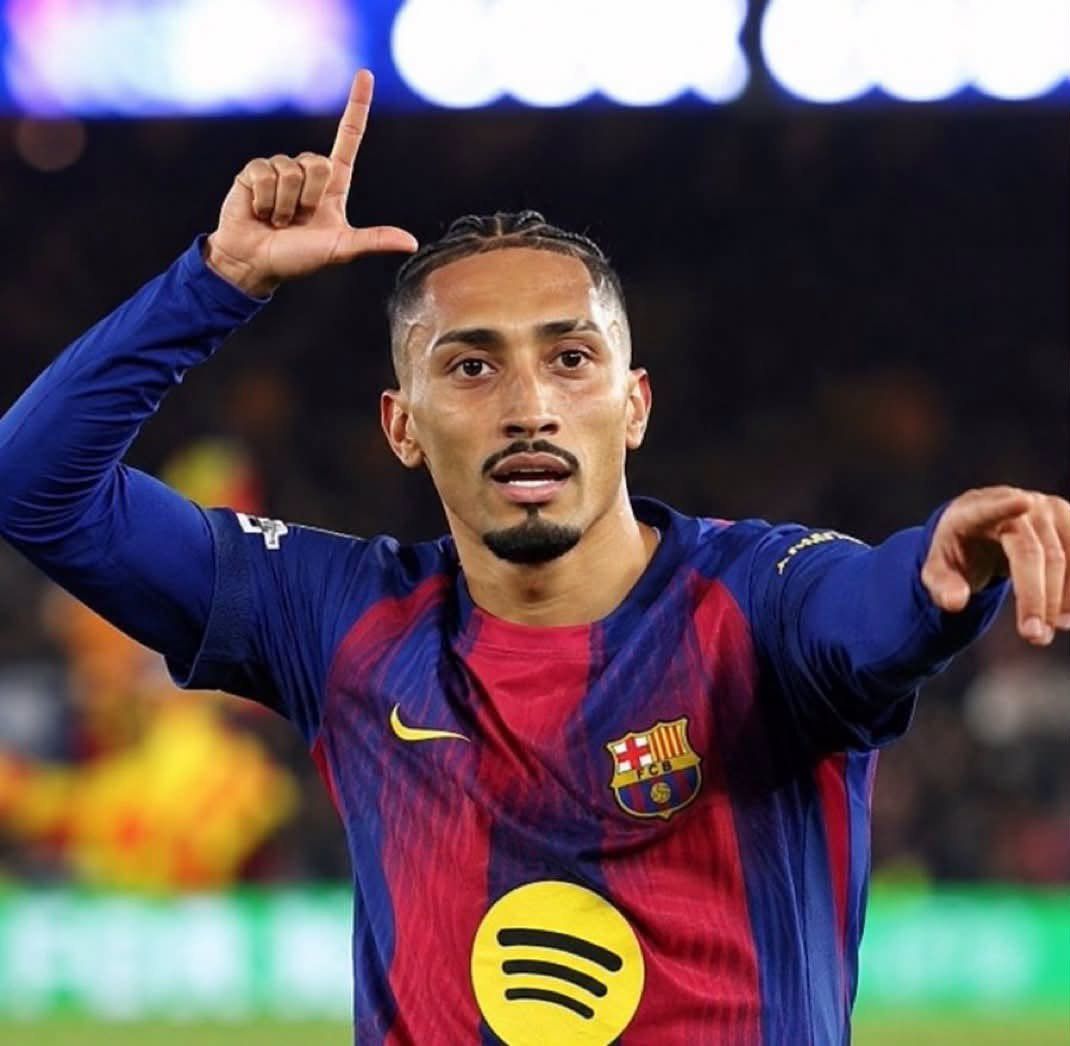
The positions taken by Raphinha and Richarlison attracted particular attention on social media. Both are Brazil internationals and prominent figures in European football who used the campaign to give visibility to issues and messages close to Lula. The Barcelona forward shared Instagram Stories about workers’ rights, the consequences of extended working hours and the campaign to end the 6×1 working week, consisting of six days of work and one day of rest. He also reposted a video by commentator Gabriela Prioli defending democratic institutions, religious freedom and the role of public policies.
Raphinha, who plays for Barcelona, will be remembered as the most famous footballer to openly show his support for Lula against far-right Bolsonaro in Brazil’s elections. https://t.co/vMuraakRnp
— Antifa_Ultras (@ultras_antifaa) October 26, 2026
Richarlison played an even more active role in the campaign debate. In the days leading up to the vote, he publicly clashed with Flávio Bolsonaro over a property dispute in Angra dos Reis. After the result, he celebrated by posting an edited image of his back tattoo, adding Lula’s face alongside his own and those of Ronaldo and Neymar.
Paulinho, the Palmeiras forward and former Bayer Leverkusen player, explained his support for Lula by referring to his family background and the impact of programmes such as Bolsa Família, ProUni, Minha Casa Minha Vida and the quota system for university admission. Opportunities that, in his words, had opened up possibilities “that had previously been difficult even to imagine”.
A similar message ran through the video released on Friday by Juninho Pernambucano, the former midfielder and later executive at Olympique Lyonnais, whom many will remember for his spectacular free kicks. Addressing athletes, including those in the lower divisions and the amateur game, Juninho said: “I would like you to remember your roots and where you came from: football is the people’s sport.” He then recalled those who pay for tickets to attend matches and criticised executives who seek to influence athletes politically in order to preserve relationships and privileges.
On the opposite side, Neymar confirmed his support for the Bolsonaro family, having already backed Jair in 2022. On October 22, beneath a post by MC Cabelinho criticising Flávio, the Santos forward commented: “Dito isso... 22” (“That said… 22”), the electoral number of the Partido Liberal candidate. The following day, he also appeared in a video with Bolsonaro-supporting congressman Nikolas Ferreira, who asked him the answer to 11+11, taking inspiration from the shirt number Neymar wore at Barcelona. The obvious answer was 22.
Among the other major names in futebol to speak publicly, Marcos - the former Palmeiras goalkeeper and 2002 World Cup winner - criticised a campaign promoted by Lula ally André Janones in a message ending with the number “22”. Osvaldo, a journeyman of Brazilian football who now plays for Vitória, wrote “We will win!” beneath a post by Nikolas Ferreira opposing the government. Support also came from futsal legend Falcão, who recorded a video alongside Flávio in which he backed a change of direction in government. Then there is Willian José, the Bahia forward who, after Lula’s re-election was confirmed, reposted an Instagram video insulting voters from Brazil’s Northeast over the result. The gesture prompted protests from many Bahia supporters, including calls for his contract to be terminated.
Women’s football made its voice heard
A strong mobilisation, far more united than its counterpart in the men’s game, came from women’s football. Ahead of the first round, São Paulo goalkeeper Carlinha used her post-match interview after winning the national title as a platform to support Lula, shouting into the cameras: “Never again Bolsonaro in power.” During the celebrations, some of her teammates also made the L gesture, as did many other female players over the following weeks: Lauren Leal, Tarciane, Duda Sampaio, Kamilla Moraes, Yasmim, Formiga and Ary Borges.
Se il calcio maschile brasiliano è diviso tra chi sostiene Lula e chi Bolsonaro, il calcio femminile è praticamente tutto dalla parte di Lula e in difesa dei diritti delle donne. Un esempio: Lauren Leal, giocatrice dell'Atlético Madrid e del #Brasile. Ma non è l'unica. https://t.co/CIhXtxVInB
— Pallonate in Faccia @pallonateinfaccia.bsky.social (@pallonatefaccia) October 25, 2026
In an article published last week by The Guardian, Carlinha and Tayla Carolina linked their support for Lula to the handling of the pandemic, family hardships, the importance of public services and support for women’s sport. This last point is particularly relevant less than a year before the 2027 World Cup, which will be staged in Brazil. In September, Lula signed a law explicitly identifying the development of the women’s game as one of the country’s sports policy priorities, with measures dedicated to training, equal opportunities and maternity protection.
Clubs and supporters in Brazilian football
Positions taken by clubs were inevitably less frequent and less explicit. During the campaign, Corinthians, Palmeiras and Atlético Mineiro reiterated their political neutrality to Projeto Comprova. After the result, however, Corinthians published a message on their official channels congratulating Lula, an avowed supporter of the club, ending with the words: “Long live Brazilian democracy.”
O Sport Club Corinthians Paulista deseja os parabéns a Luiz Inácio Lula da Silva, que foi reeleito como presidente da república para o mandato dos próximos quatro anos à frente do nosso país. Viva a democracia do Brasil. https://t.co/fegAosmQL3
— Corinthians (@Corinthians) October 26, 2026
The connection evokes the Democracia Corinthiana. In the early 1980s, Sócrates, Wladimir and Casagrande were among the leading figures in an experiment that involved players, employees and executives in decisions concerning the team, while becoming intertwined with Brazil’s struggle for democratisation. Its memory remains alive today, as confirmed over the weekend by the large banner dedicated to the movement that appeared at Lula’s final rally.
Supporters also mobilised around Vasco da Gama. On October 9, the fan account @alwaysvasco, renamed “Vasco Lula 13”, reposted a video of players making the L gesture, accompanied by an explicit invitation to vote for Lula. It was therefore not an official club post, but one published by part of its fanbase. Vasco had also just defeated Corinthians, giving Lula material for a joke during his victory speech: “They really are like Bolsonaro: they always lose.”
At institutional level, Brazil’s leading clubs therefore largely chose not to publicly support either candidate. However, this did not prevent a heated confrontation with the Lula government from developing in the weeks leading up to the vote. It was triggered by the ban on betting and its advertising: Flamengo and Fluminense took their protest directly onto their match shirts, while club executives sought political contacts to protect their sponsorship agreements.
The clash over betting
On September 25, Lula signed a provisional measure banning fixed-odds betting, including sports betting, and its advertising. The government justified the decision by citing the serious harm caused by gambling to people’s health and family finances, marking a change of direction from the regulatory framework established by the same administration three years earlier. For football, it very concretely meant cutting off a crucial source of funding: Flamengo’s agreement with Betano, for example, guaranteed 250 million reais, approximately 41 million euros, per year. On October 8, the club took to the pitch against Santos with the slogan “Proibir não é proteger”, “Banning does not mean protecting”, in place of its sponsor. Three days later, Fluminense displayed the same message in the derby.
Proibir não é proteger Banning is not protecting
— Footy Headlines (@Footy_Headlines) October 9, 2026
These were the two most visible examples of a protest involving several clubs, concerned about losing revenue that had already been included in their budgets and allocated to other expenses. São Paulo, Vitória, Ponte Preta, Guarani and Portuguesa appealed to the Federal Supreme Court, requesting either the suspension of the measure or an exemption allowing existing agreements to remain in place until the end of the current season. The dispute concerns first and foremost the timing of the decision: according to the clubs, there is no adequate transition period in which to replace sponsors and reorganise their revenue streams.
On the political front, according to Folha de S.Paulo, Flávio Bolsonaro spoke with Flamengo president Luiz Eduardo Baptista, assuring him that, if elected, he would seek a solution for clubs and betting operators, without explicitly committing to restoring their authorisations. Flamengo nevertheless denied offering institutional support to the candidate: protesting against the government did not amount to endorsing its opponent. In any case, Brazilian football will now have to continue dealing with Lula and his hard-line stance on betting.
What to read next
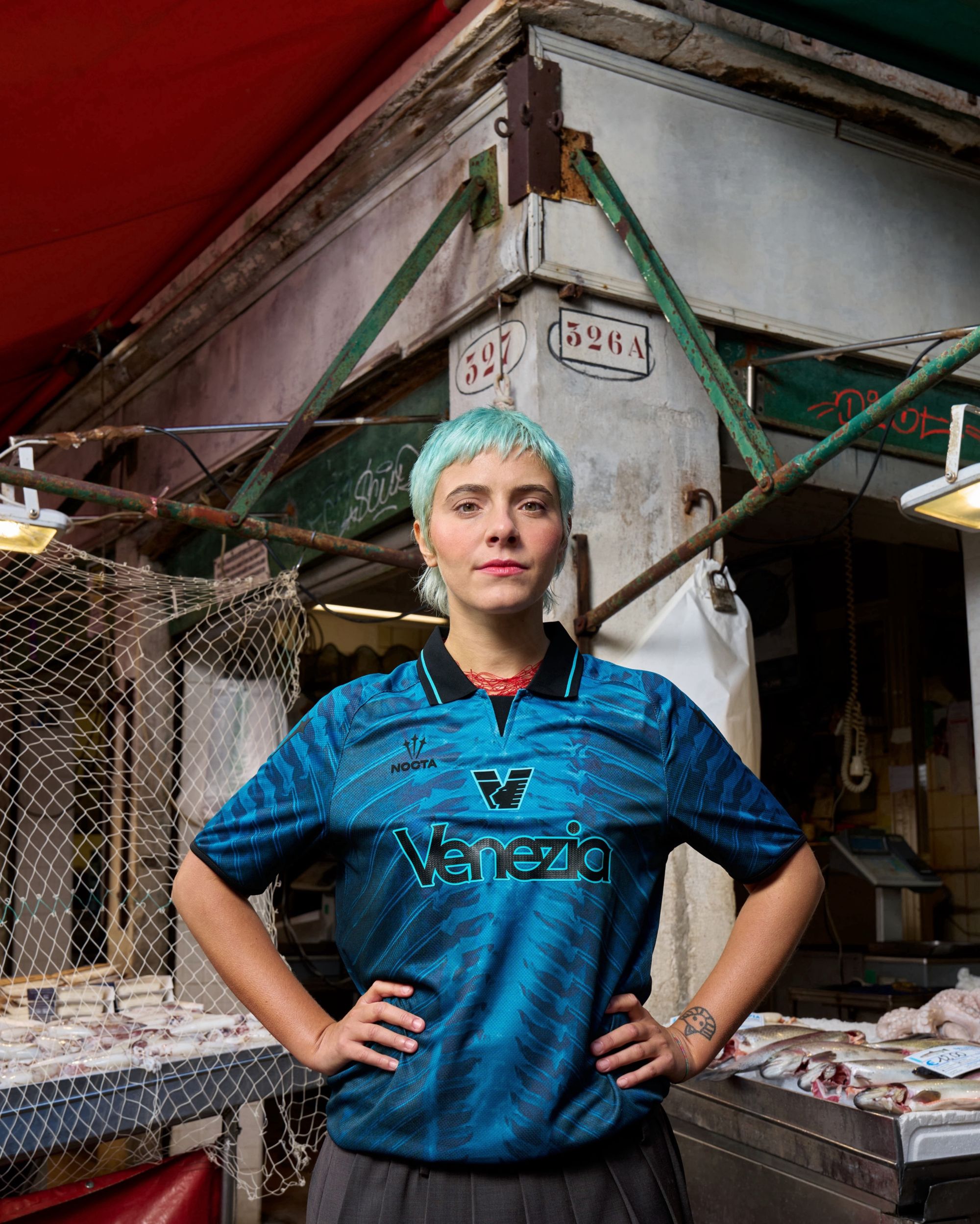
Venezia’s fourth kit draws inspiration from the Rialto Fish Market
The club and NOCTA have once again drawn inspiration from an iconic element of the Venetian Lagoon

The French jewellery house handcrafting the Ballon d’Or since 1956
Football’s most coveted individual award is the result of more than six months of craftsmanship