
The most iconic hairstyles in World Cup's history From R9 to Haaland
Straight or curly, dyed or natural, ugly or stylish—it hardly matters. The FIFA World Cup has always been a showcase for the most diverse hairstyles. In some cases, it's the uniqueness or the color that makes them iconic; in others, the player is so popular that they start global trends despite wearing fairly ordinary cuts. Whether the clothes make the man or the man makes the clothes, one thing remains constant: no self-respecting footballer exists without an almost obsessive relationship with their barber. In some cases, the bond between the two has become so strong that players have even devised creative ways to sport the perfect haircut just minutes before kick-off. But which hairstyles have become truly iconic? And how has this trend evolved over the years?
Ronaldo and the Most Famous Haircut Ever
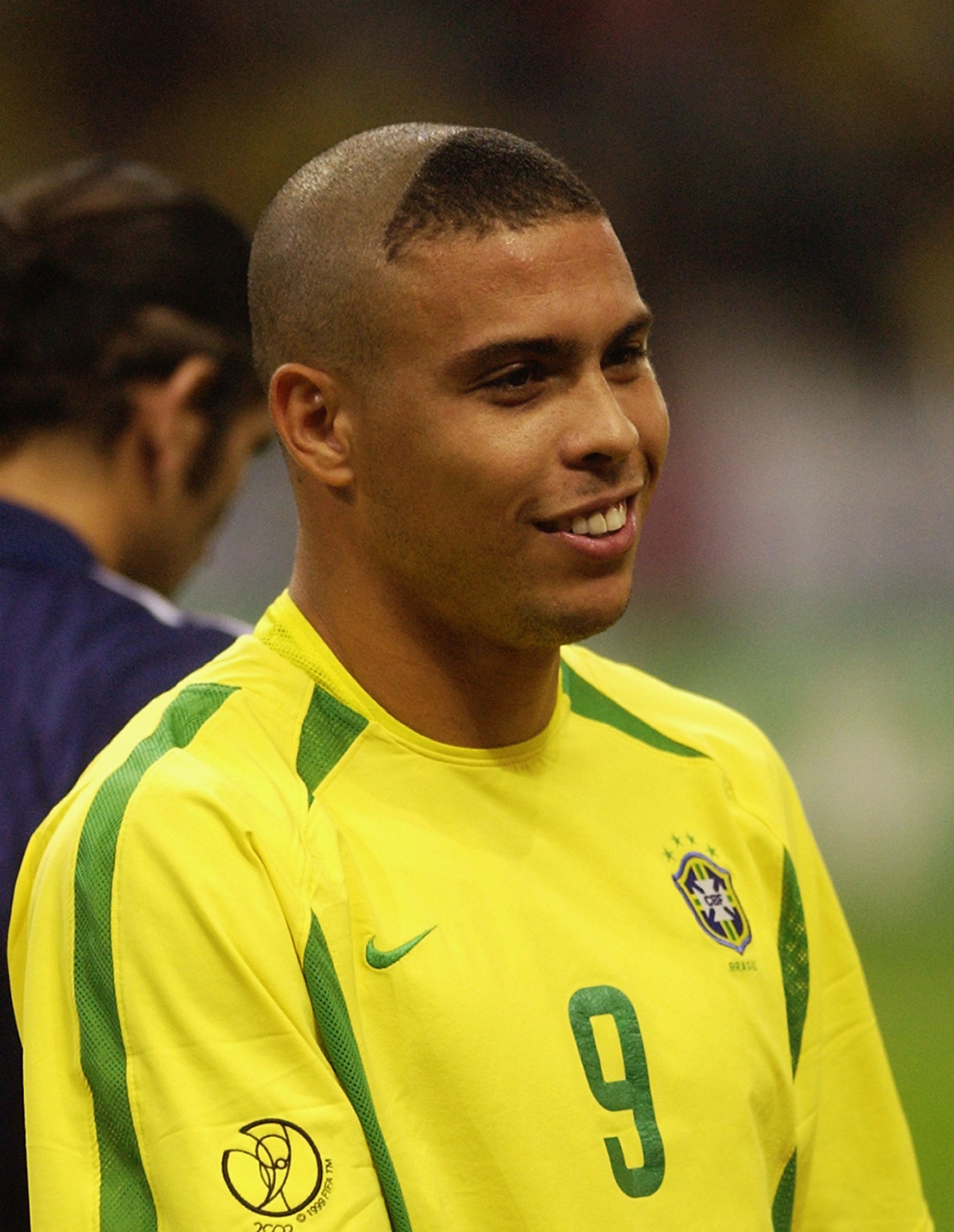
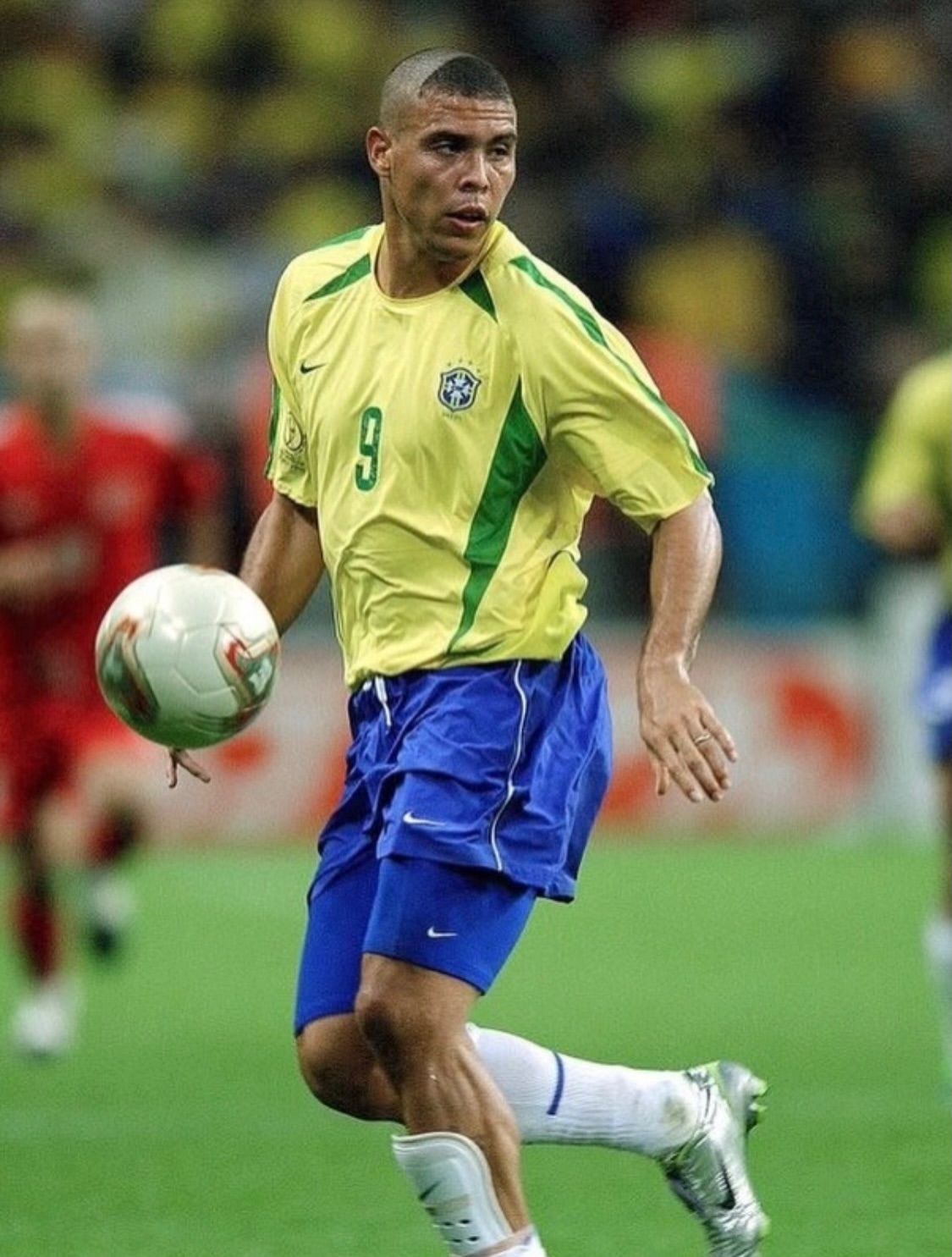
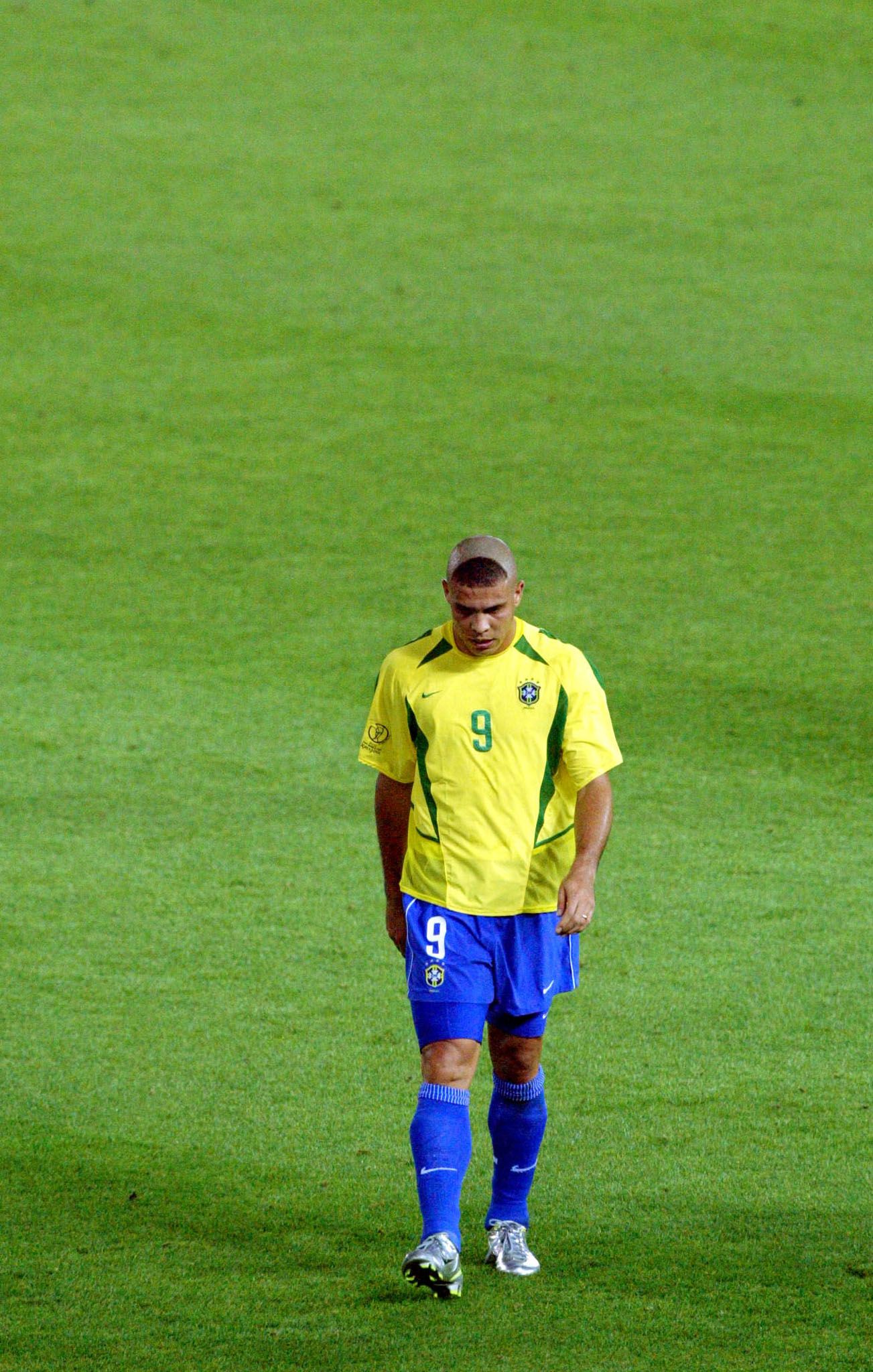
When you think of the World Cup, you think of Brazil, and when you think of Brazil, it's impossible not to remember the team that lifted the trophy in 2002. Unless, of course, you have a particular appreciation for terrible hairstyles—in which case your first memory of that Seleção is undoubtedly Ronaldo Luís Nazário de Lima, better known simply as "O Fenômeno," smiling beneath one of the worst haircuts ever seen on a football pitch.
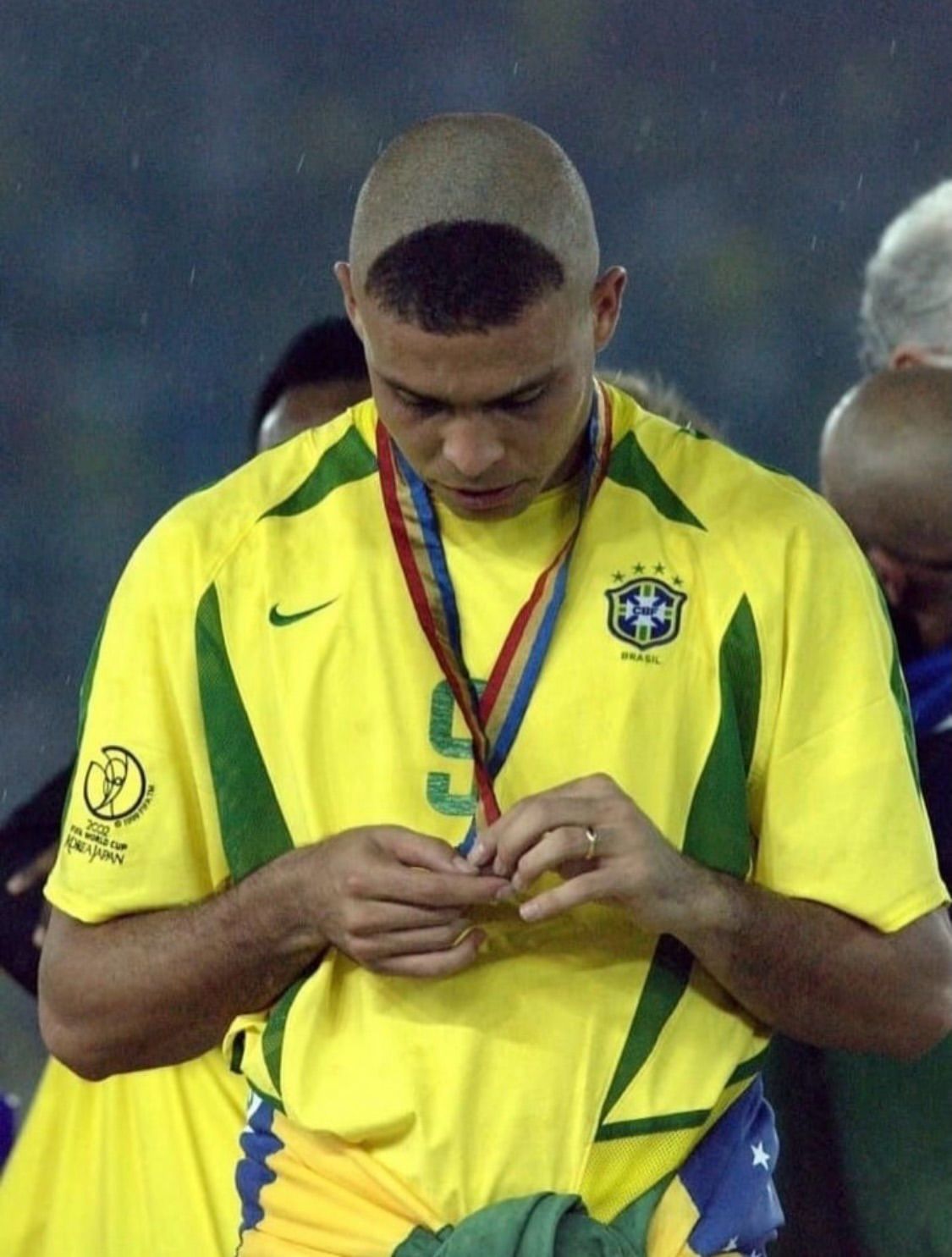
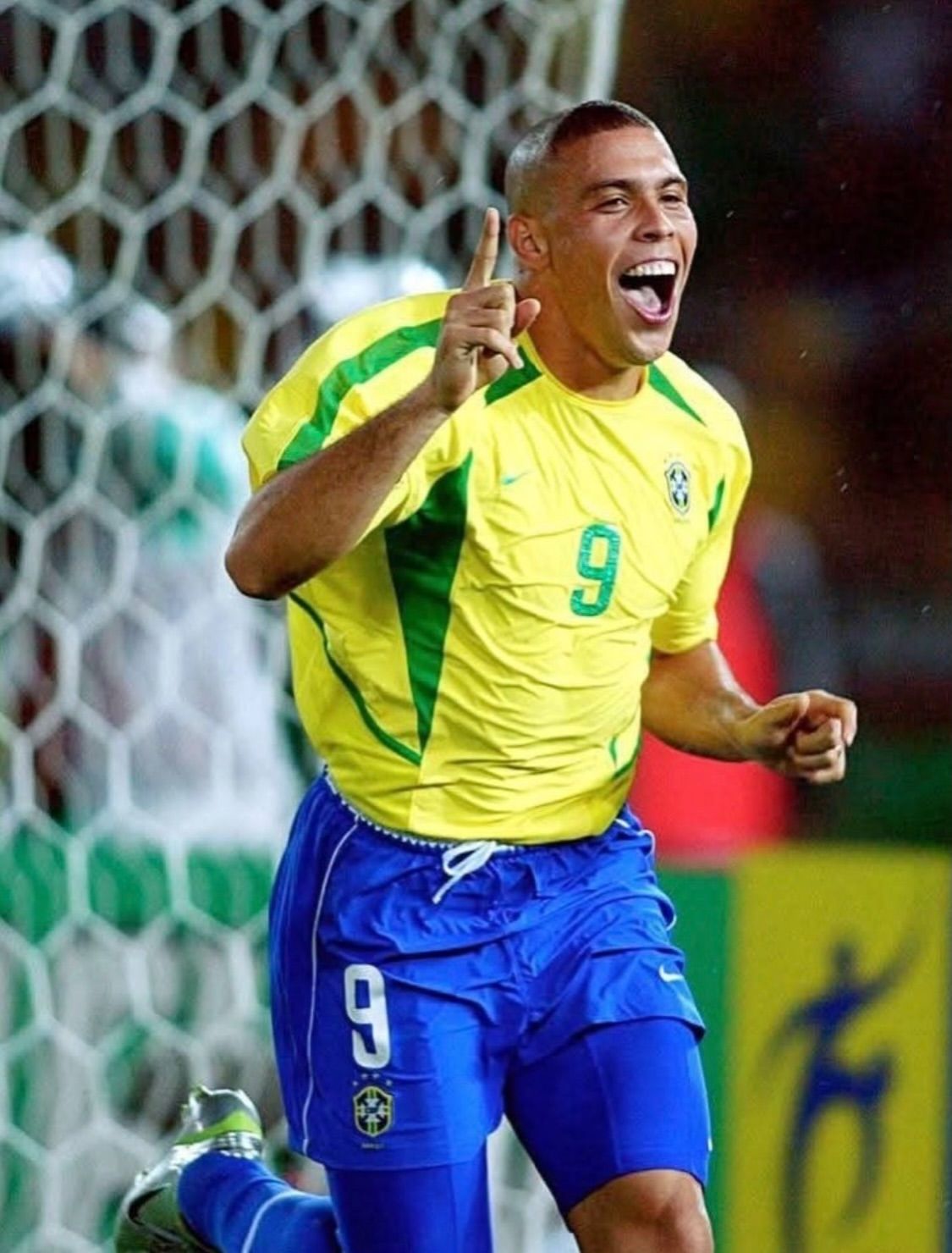
Imagine being a defender, trying to keep your full concentration against one of the greatest strikers the game has ever produced, only to be distracted by that bizarre crescent-shaped fringe stuck to the front of an otherwise completely shaved head. It was such an abomination that years later Ronaldo himself publicly apologized to all the Brazilian mothers who had to give in to their children's relentless pleas to copy their hero's haircut.
And yet, that hairstyle became as much of a global phenomenon as the man wearing it. Even today, it remains perhaps the most memorable haircut in World Cup history. Partly because that Brazilian side won the tournament as one of the most talented squads ever assembled, partly because the Golden Boot went to Ronaldo after scoring eight goals, and partly because it became the symbol of one of football's greatest comeback stories.
Ronaldo later explained that the haircut was designed to relieve some of the enormous pressure weighing on both himself and the team. He was still recovering mentally from the devastating double knee injury suffered in 2000 that had nearly ended his career. Two years later—with a dreadful haircut and a World Cup winner's medal—he completed his redemption by lifting his second Ballon d'Or, bringing the story to a happy, if aesthetically questionable, ending.
From the Roberto Baggio to Football's Greatest Ponytails
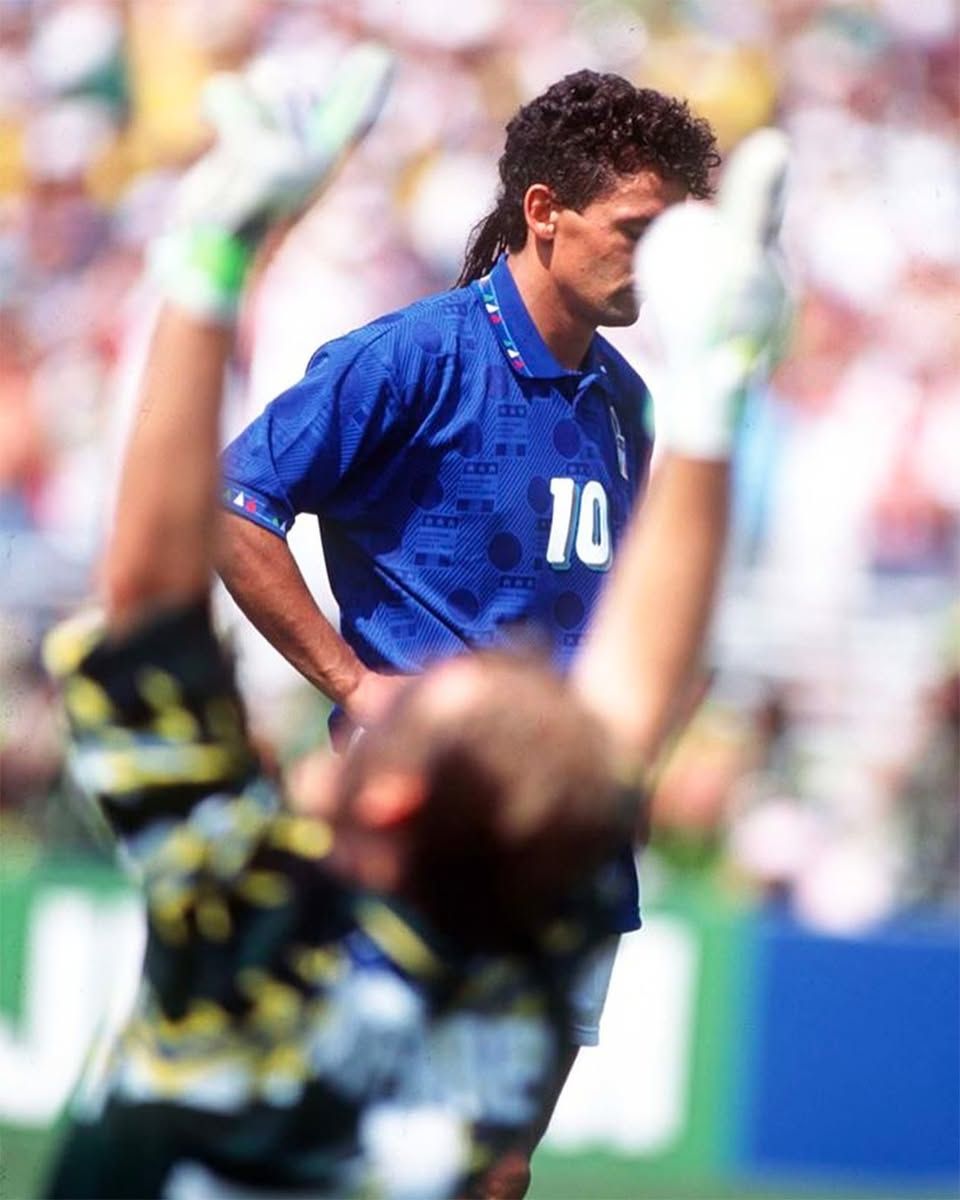
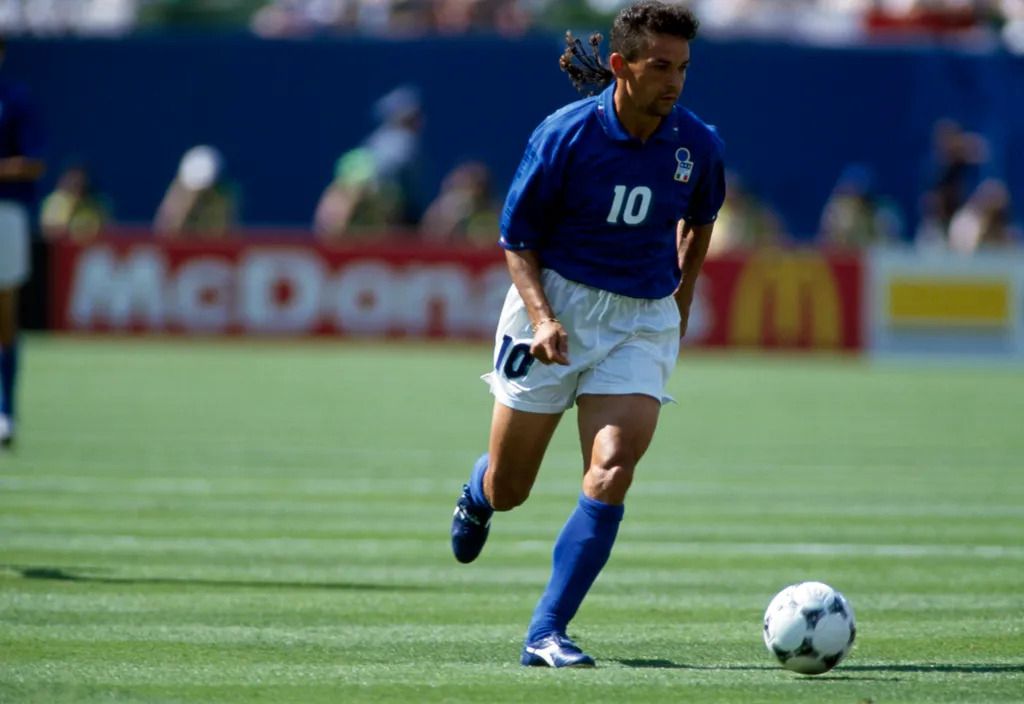
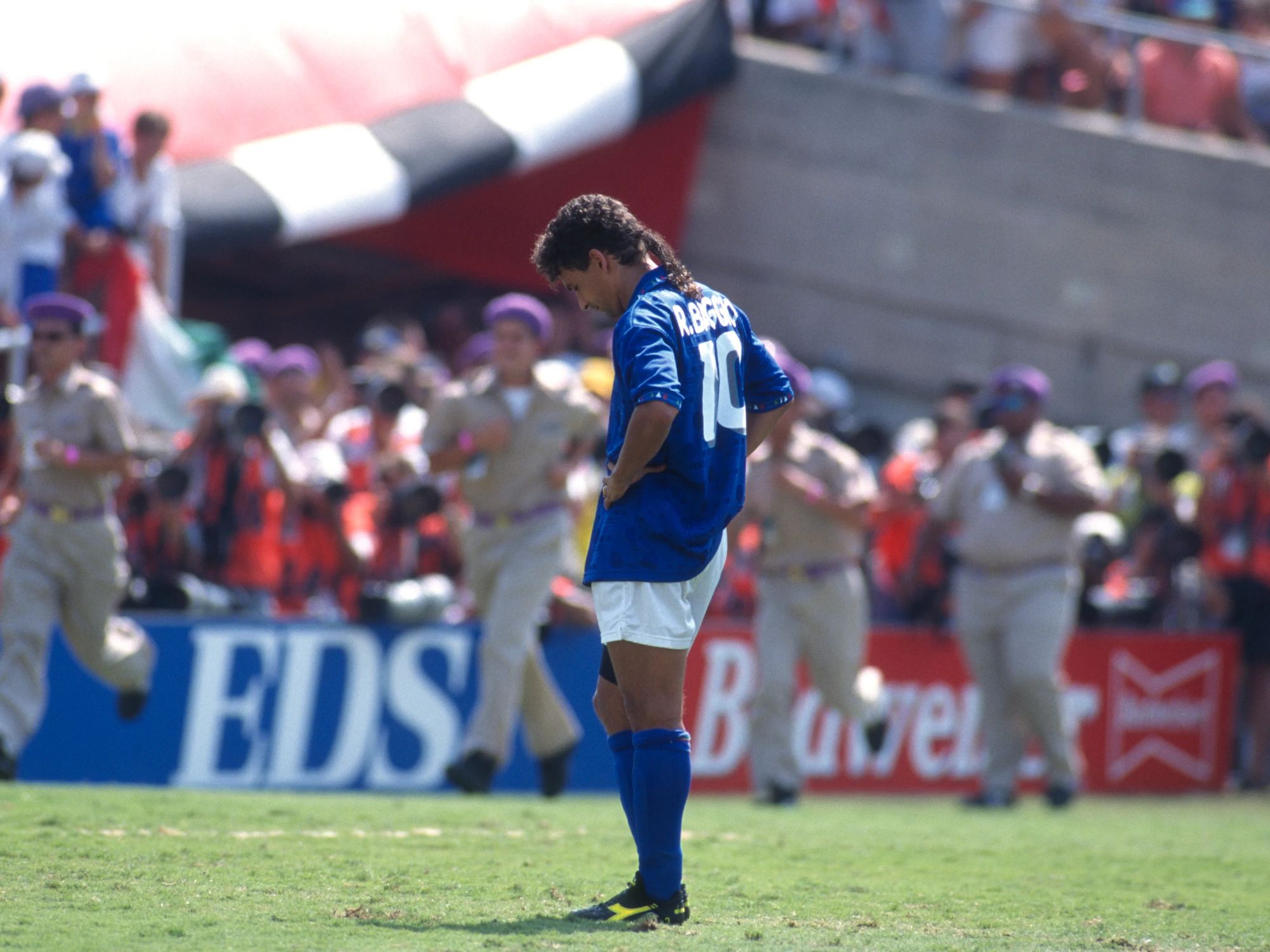
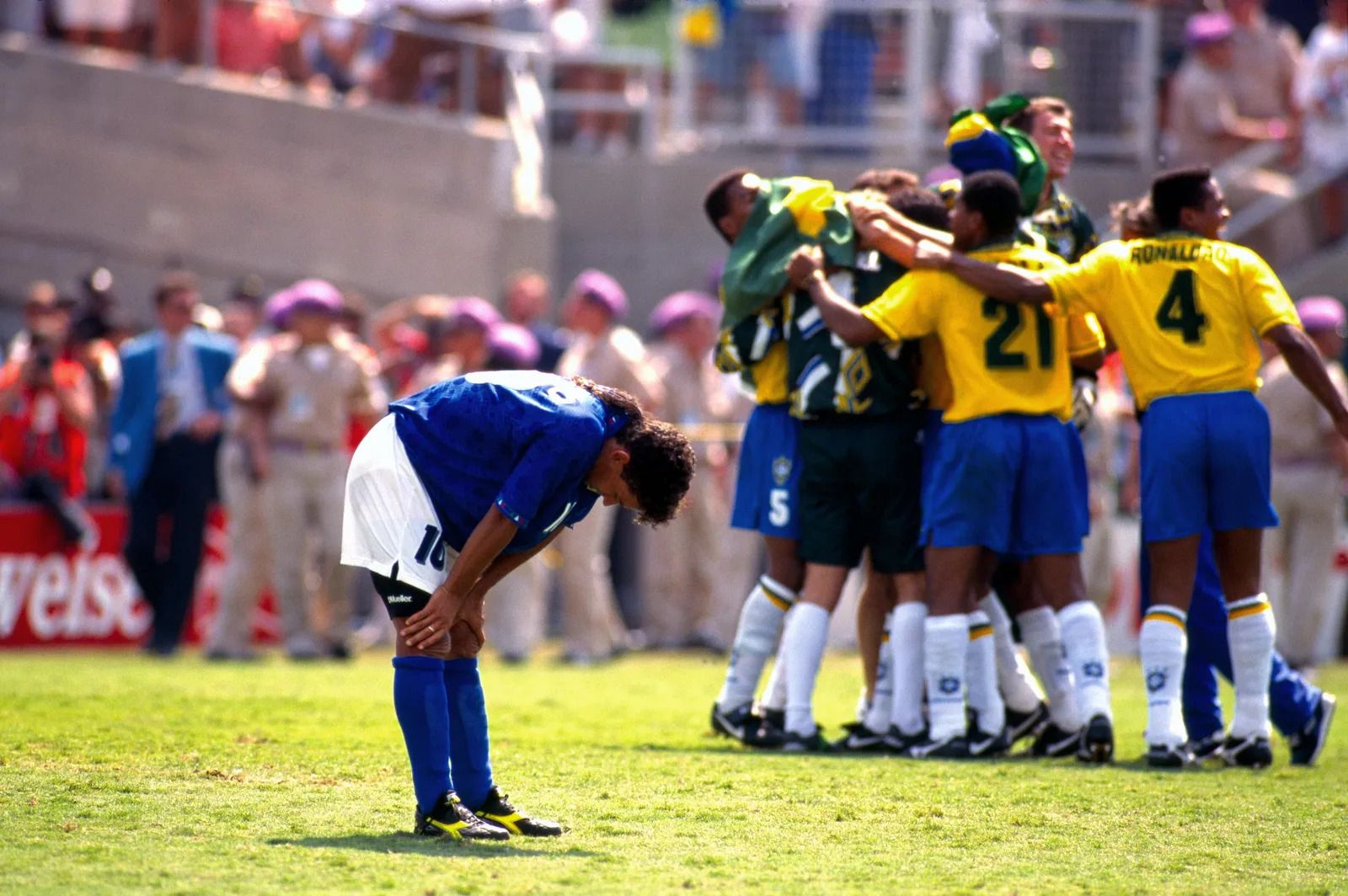
The United States, co-hosting the 2026 World Cup alongside Mexico and Canada, remembers Roberto Baggio very well. After the 1994 FIFA World Cup, he became globally known simply as the Pony Tail—the English equivalent of the nickname Italians had already given him: Il Divin Codino, or "The Divine Ponytail." During the 1990s, Baggio's hair was unlike anyone else's. His thick, curly hairstyle had already attracted attention during Italia '90, but the braided ponytail he wore in the United States four years later became truly revolutionary.
As Baggio himself has explained, hairbands were not considered acceptable at the time, particularly at a strict club like Juventus, making life rather difficult for long-haired players. Playing for Italy offered him the perfect opportunity to finally tie his hair back, eventually arriving at the now-famous braided ponytail that captured the world's imagination.
The inspiration came shortly before departing for the United States, when Baggio met a waitress from Guadeloupe at Sportilia and asked her to braid his hair exactly like hers. Once in America, he continued the routine with the hotel staff, maintaining the tradition until 1997 while playing for Bologna, when he finally cut it off after losing a bet.
A more traditional ponytail appeared nearly a decade later on England goalkeeper David Seaman during the 2002 World Cup. The secret behind that perfect ponytail? A distinctly 1970s-style moustache, long straight hair, and—according to Seaman himself—about half a bottle of hair gel to make sure not a single strand fell into his eyes.
That ponytail became one of Seaman's defining features, even helping to overshadow the costly mistake that contributed to England's elimination in 2002: the famous long-range free-kick lob scored by Ronaldinho. Seaman eventually cut off the ponytail in 2007 for a far more meaningful reason than Baggio had: donating it during a charity fundraiser for the Bobby Moore Fund. He later admitted he kept the ponytail in a drawer for years, unable to throw it away because of its sentimental value.
Beckham, Neymar and Football's Hair Revolution
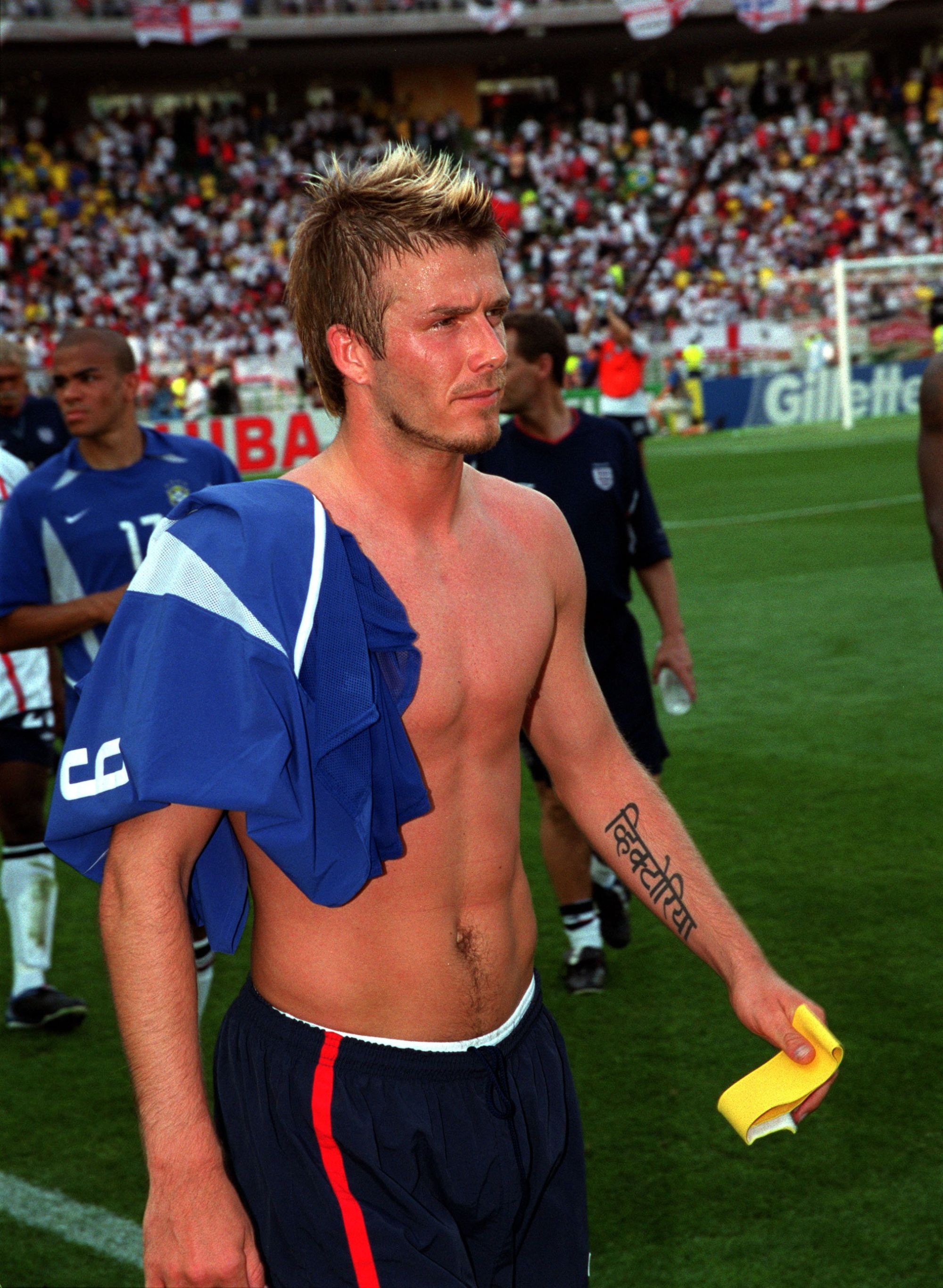
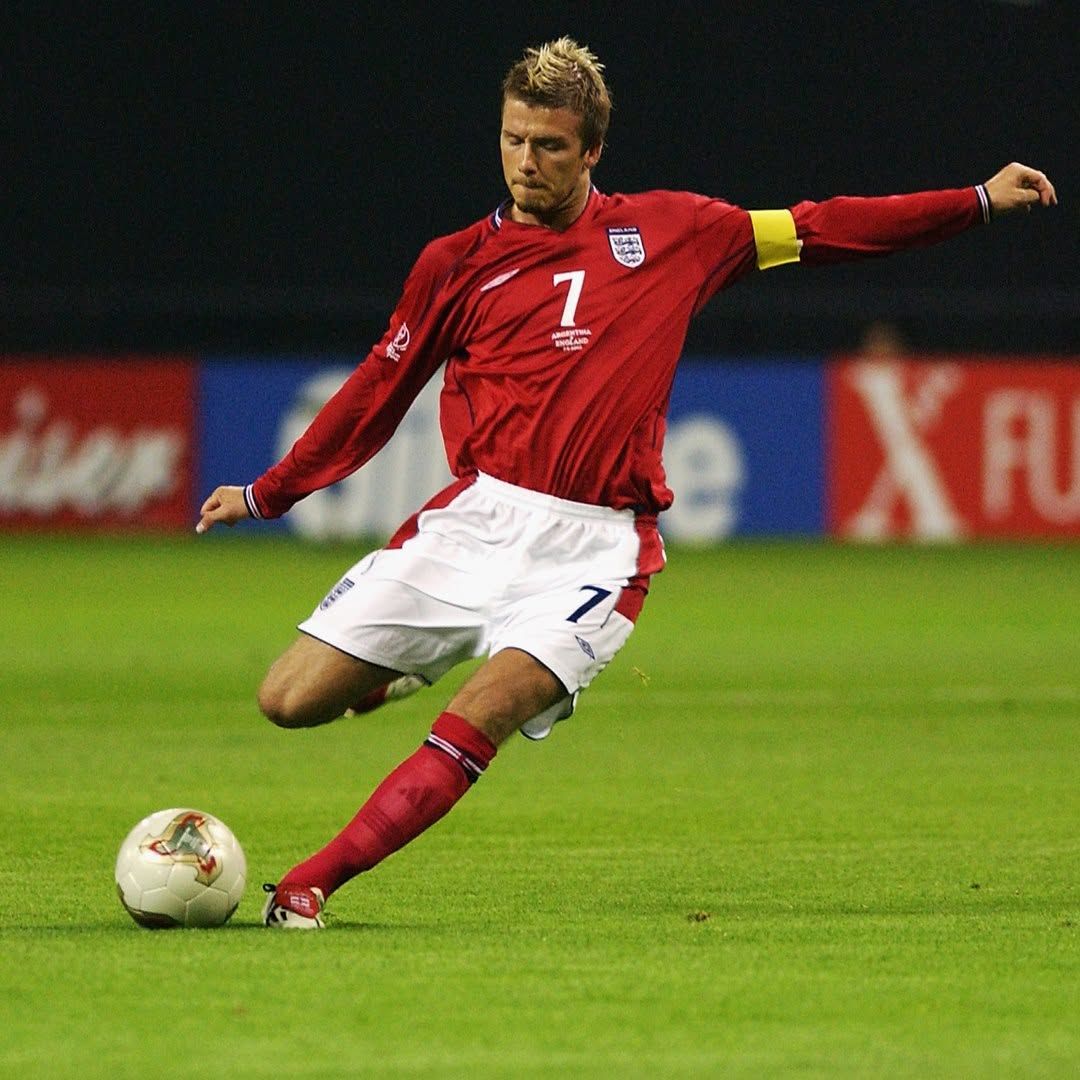
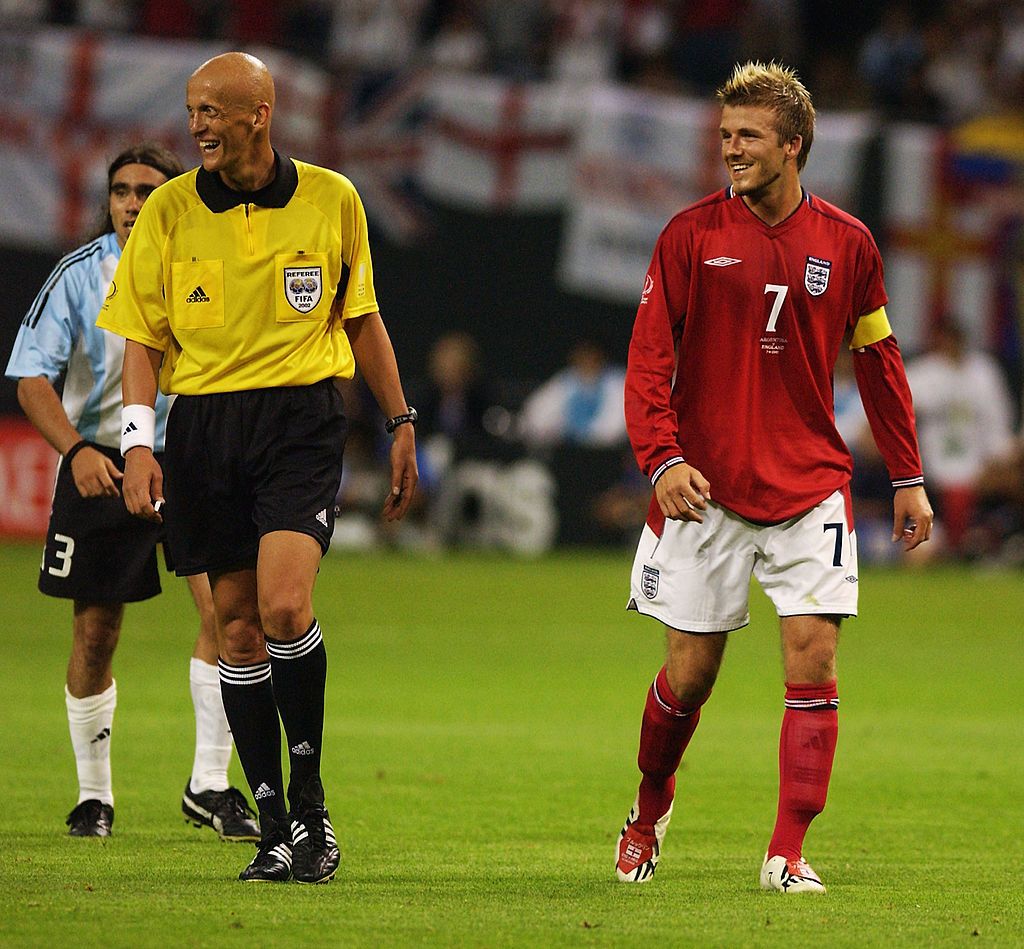
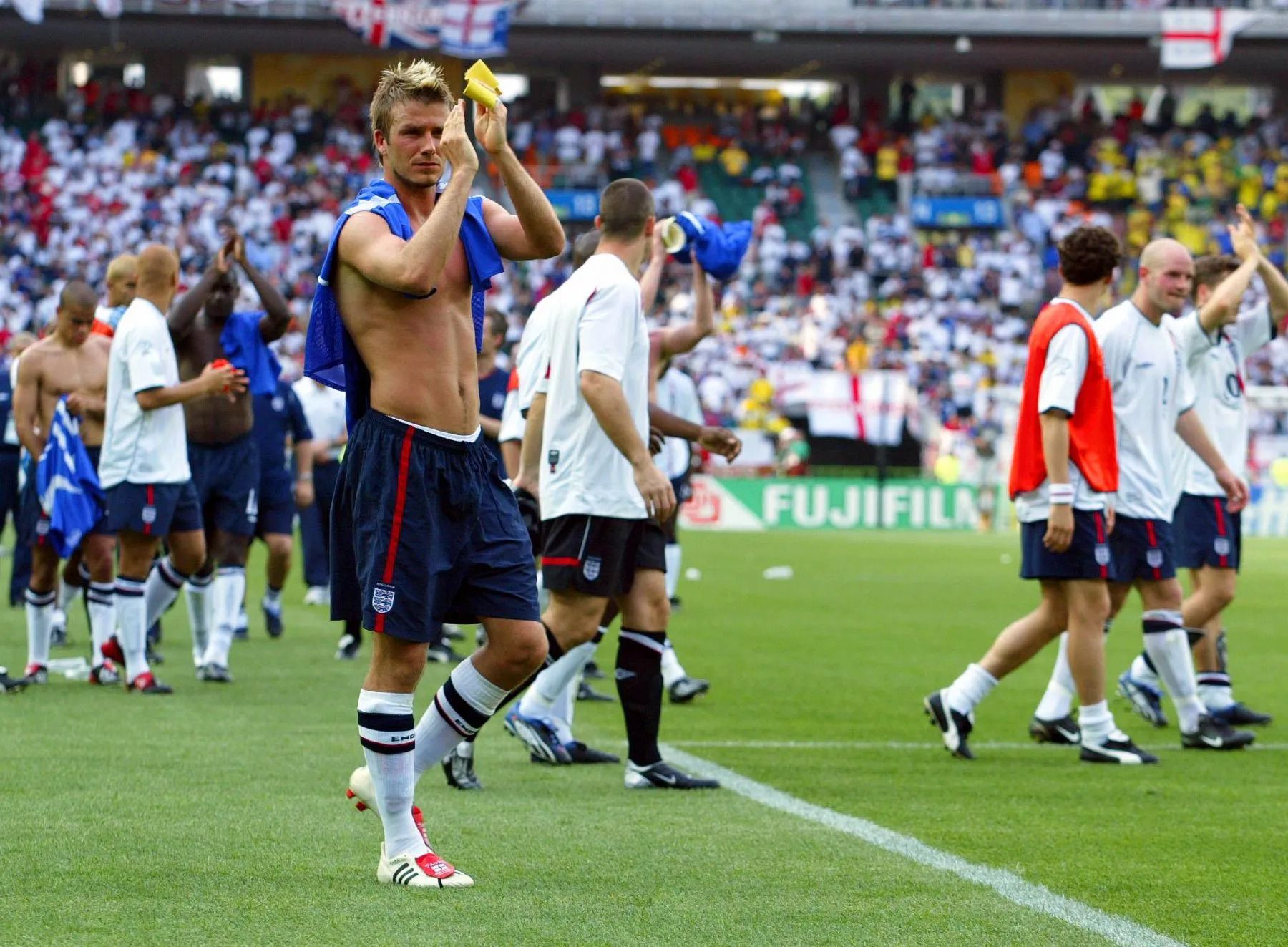
The 2002 FIFA World Cup in Japan and South Korea provided plenty of memorable hairstyles. Sharing the England dressing room with Seaman—and facing Ronaldo in that very tournament—was David Beckham, football's ultimate style icon and perhaps the player who experimented with his hair more than anyone else.
Football's most famous blonde highlights appeared in countless forms throughout Beckham's career, from the carefree medium-length style of the late 1990s to the shoulder-length ponytail of the mid-2000s, with numerous experiments in between—including the cornrows he famously wore in 2003, inspired by Allen Iverson. Beckham later admitted regretting that choice, as those cornrows were still on display when he met Nelson Mandela later that year.
But let's go back to 2002. Within a matter of months, Beckham's baby mohawk from the World Cup qualifiers evolved into a buzz cut, before transitioning into the gelled blond spikes that became his signature look. During the World Cup itself, one variation evolved into the legendary Faux Hawk, the platinum faux mohawk that British fans recently voted the most iconic hairstyle in World Cup history in a viagogo poll published by The Sun, narrowly edging out another football hair legend: Paul Gascoigne.
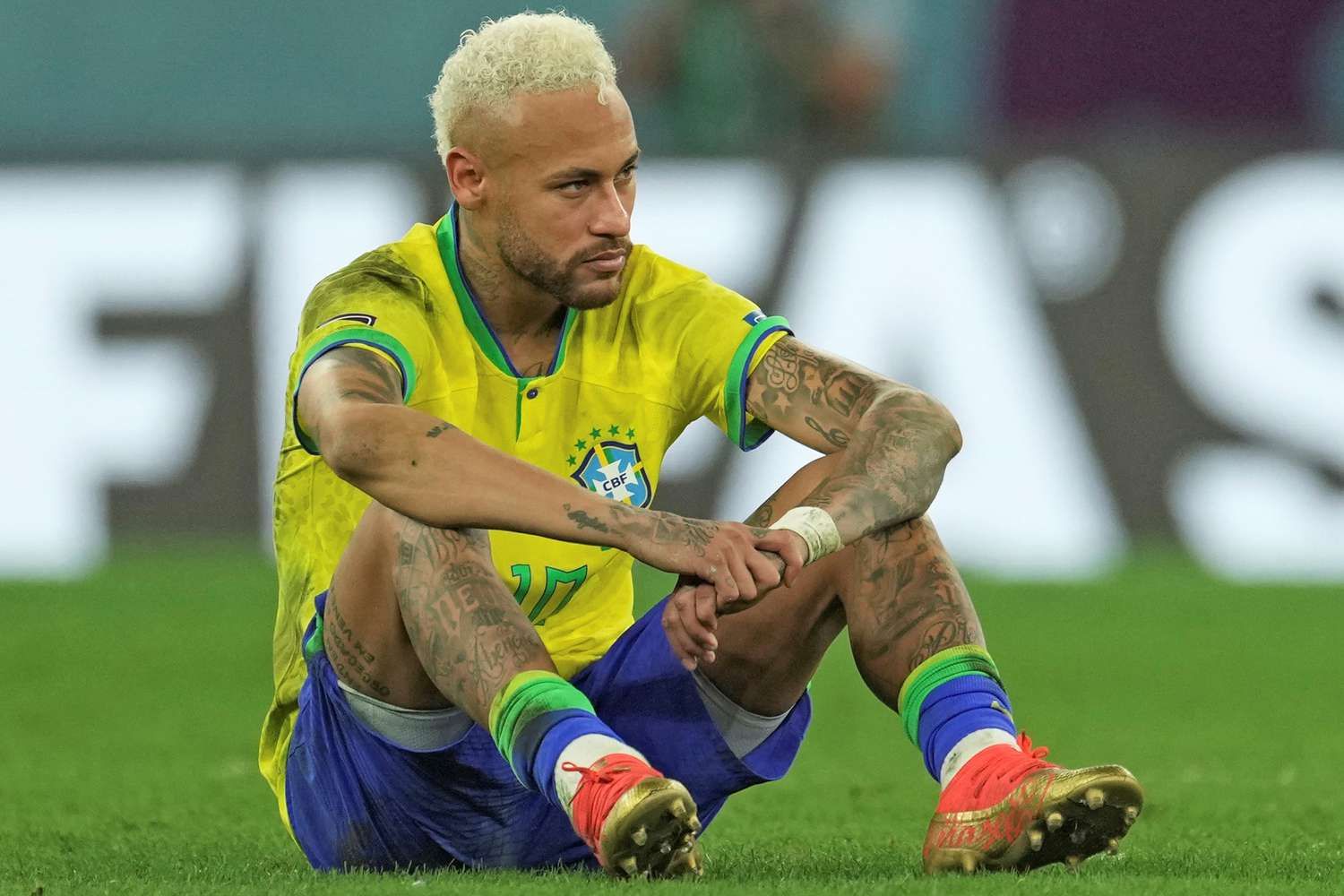
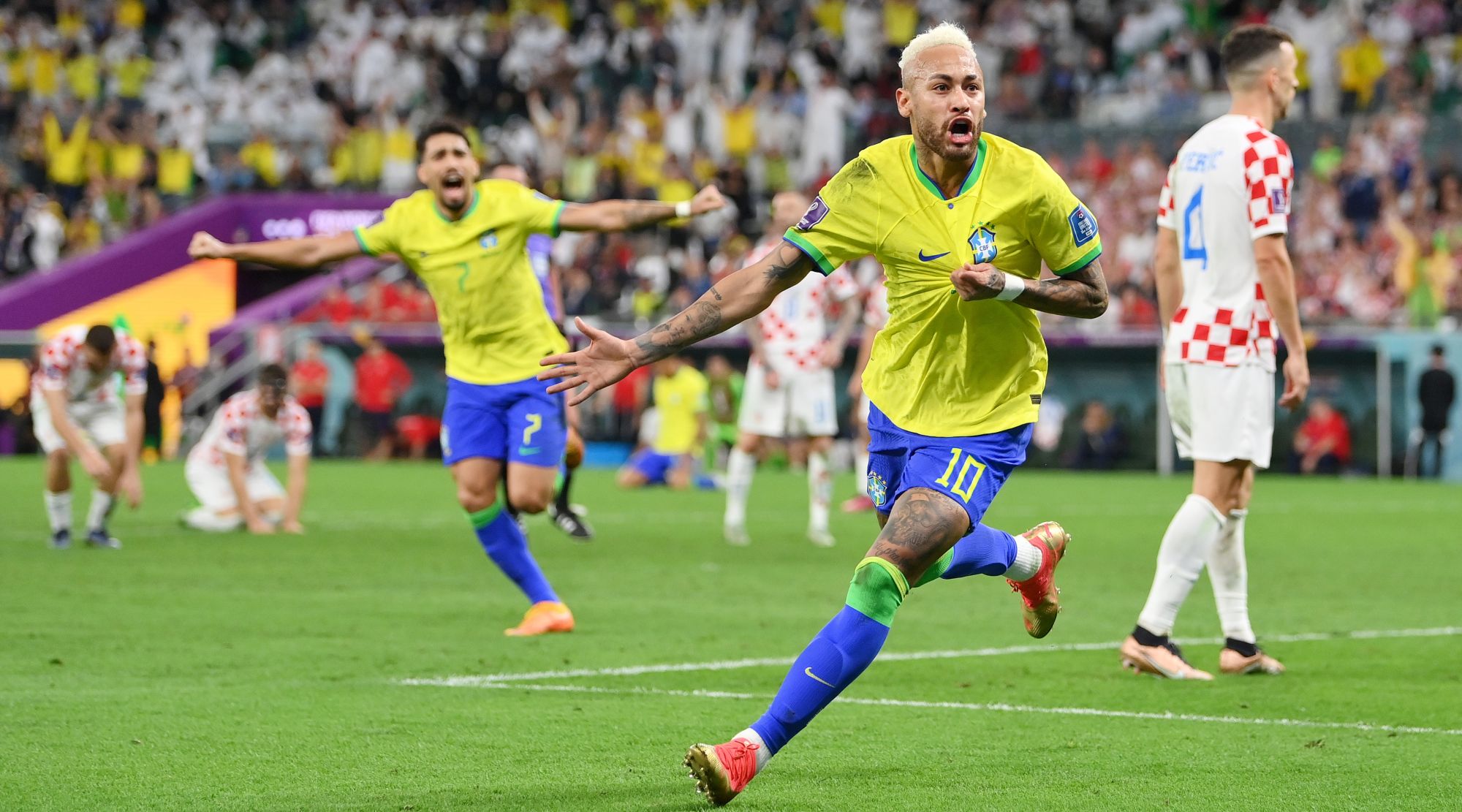
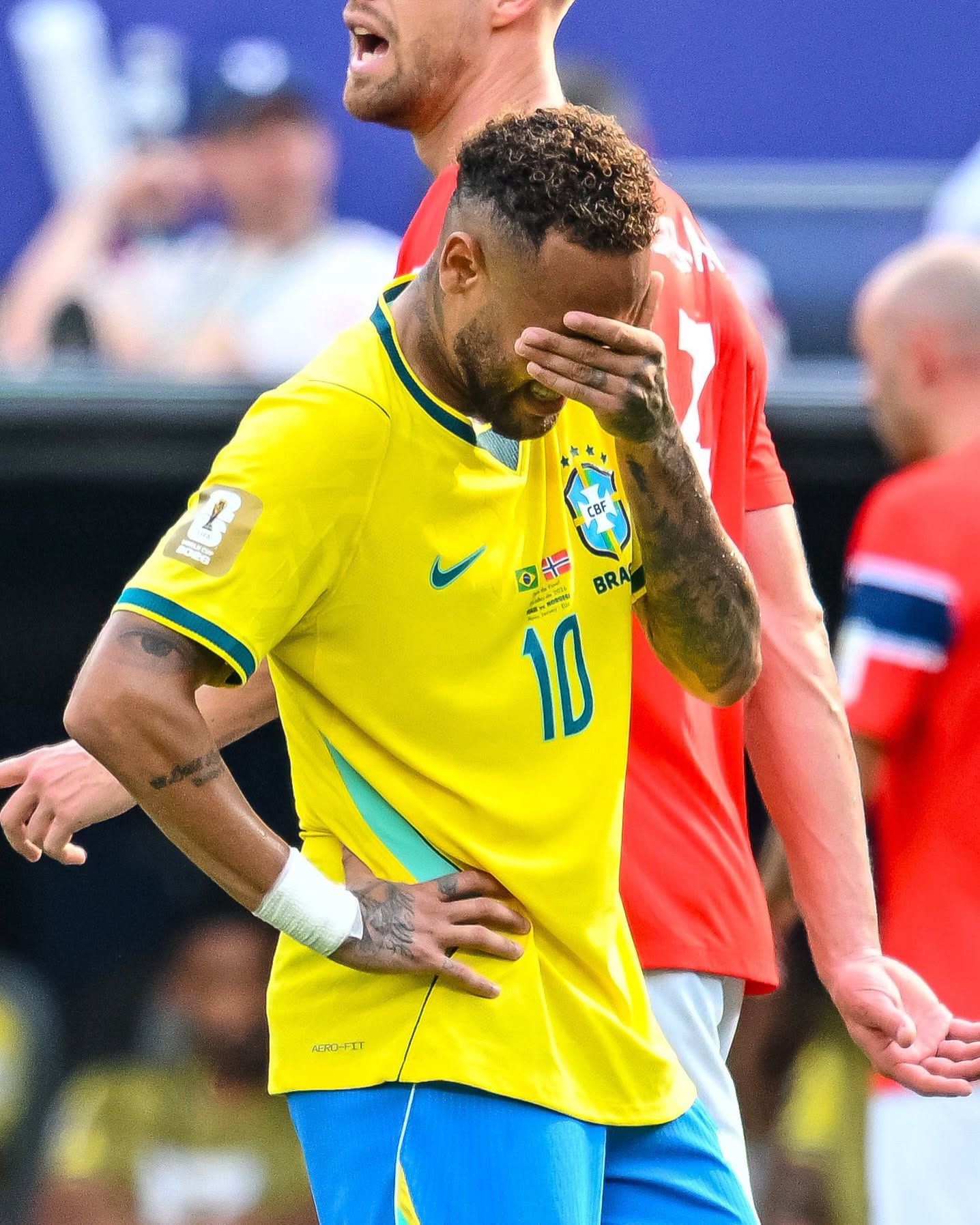
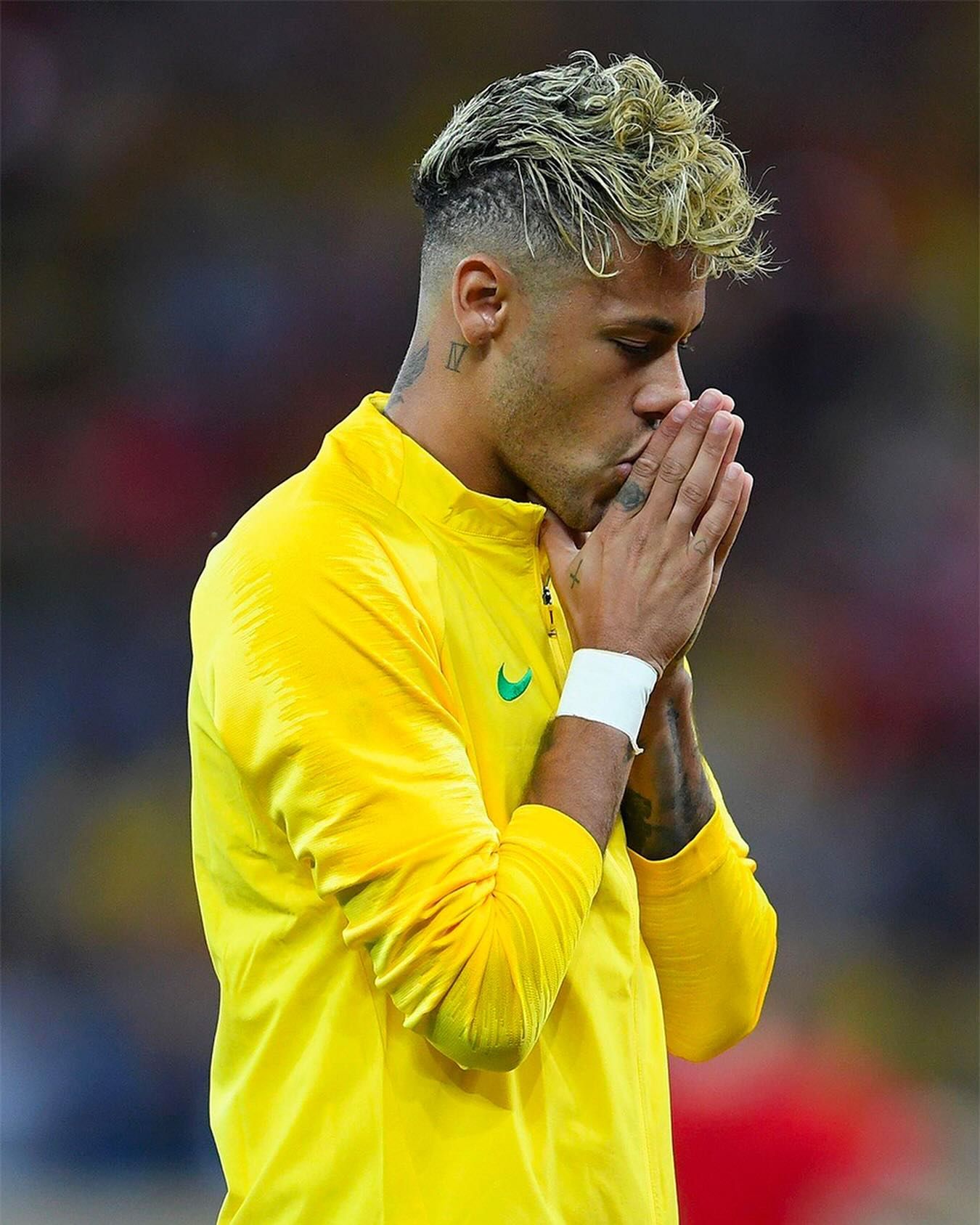
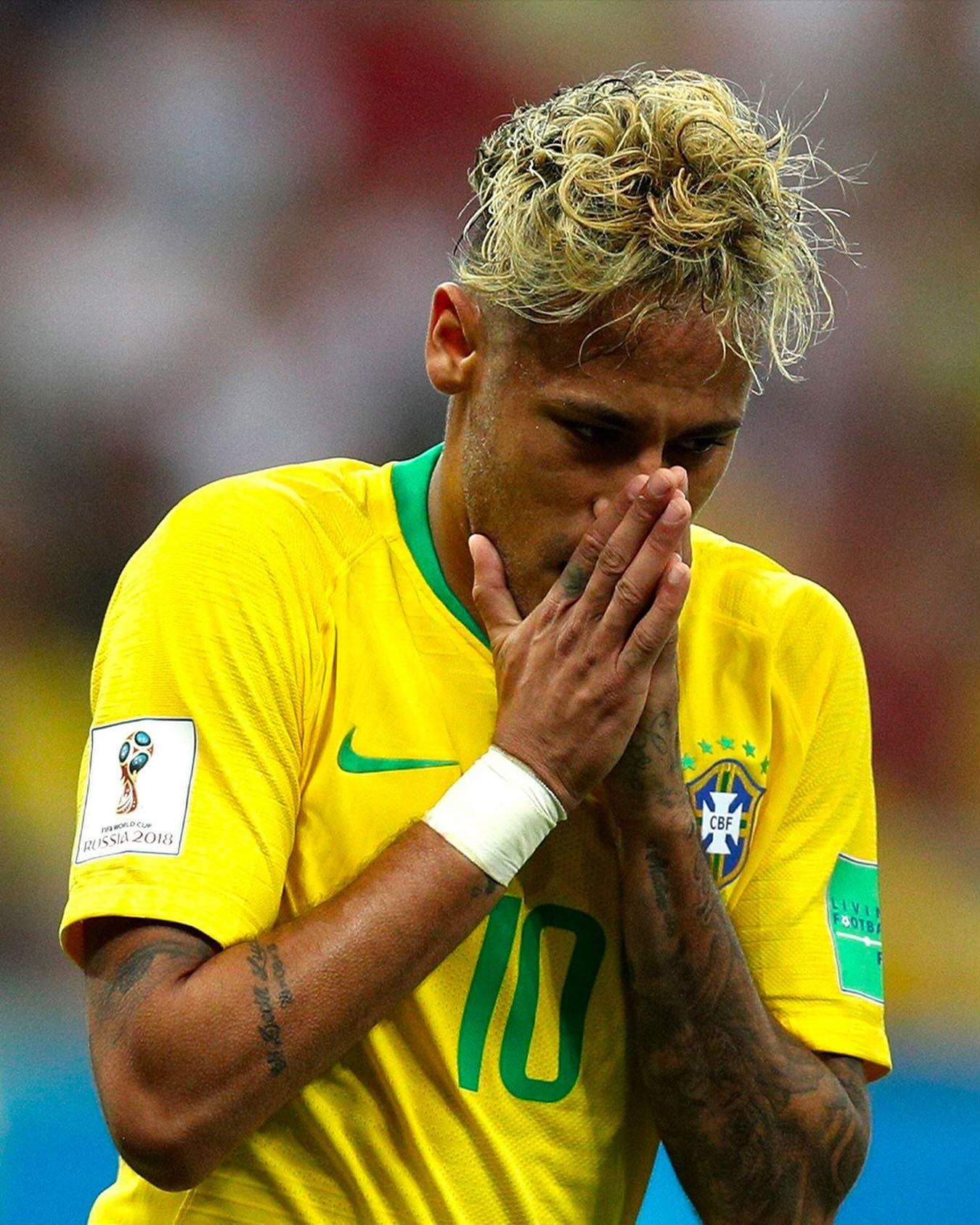
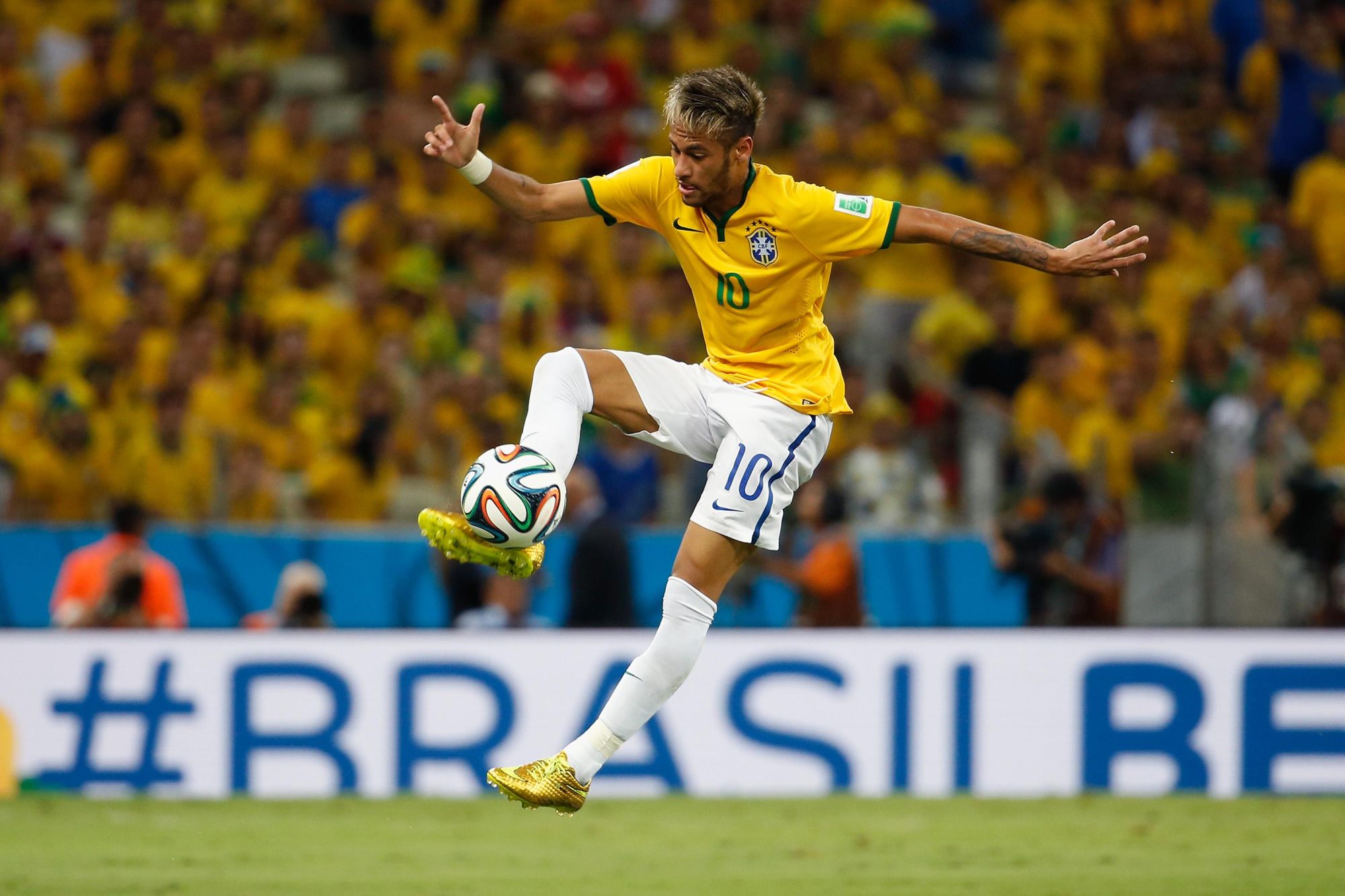
Speaking of Beckham and hairstyle icons, today's closest equivalent is undoubtedly Neymar Jr.—not necessarily in footballing terms, but certainly when it comes to constantly reinventing his look. Neymar has repeatedly admitted that he copied Beckham's hairstyles throughout his career, recreating both his cuts and hair colors on numerous occasions, including at major international tournaments.
At the 2014 FIFA World Cup in Brazil, Neymar appeared before his home crowd sporting another faux hawk with bleached blond tips contrasting against darker roots. Unlike Beckham's 2002 version, however, Neymar opted for shaved undercut sides and a straight fringe instead of the classic central crest. The bright blond returned in full at the 2022 World Cup, but his most talked-about tournament hairstyle remains the one from Russia 2018, which he famously changed during the competition itself.
He began that tournament wearing another mohawk, this time with a large golden fringe fading into what quickly became known worldwide as the "Spaghetti haircut," complete with shaved undercut sides and a sharp V-shaped design carved into the back of his head. The look immediately went viral across the globe. Perhaps a little too viral for Neymar's liking, as he dramatically trimmed the top just a few matches later. Even so, a metallic blond version of the same hairstyle—with the unmistakable V still above the neckline—returned shortly before this year's World Cup, only for Neymar to unveil yet another fresh haircut before the group stage had even concluded.
When Hair Colour Takes Centre Stage
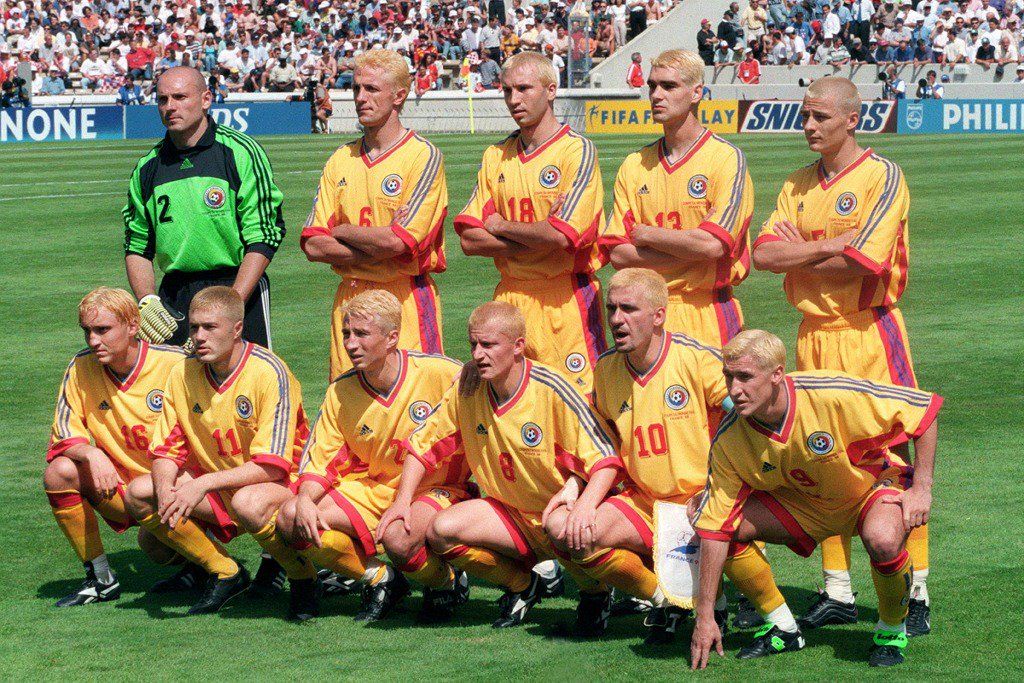
The greatest display of colour ever seen at a FIFA World Cup undoubtedly belongs to the entire Romania national team. At the 1998 World Cup in France, the squad collectively decided to bleach their hair, taking to the pitch for their final group-stage match against Tunisia with eleven blond players—except for goalkeeper Bogdan Stelea, who, fortunately or unfortunately, was bald. The dramatic makeover was meant to celebrate their qualification for the knockout stage.
It was a gesture as iconic as it was ill-fated, an act of sporting hubris, as head coach Anghel Iordănescu later suggested. Romania, despite already having secured qualification, could only draw against Tunisia before being knocked out by Croatia in the Round of 16. Since then, they have never returned to the World Cup. The gods of hair bleach, it seems, do not forgive.
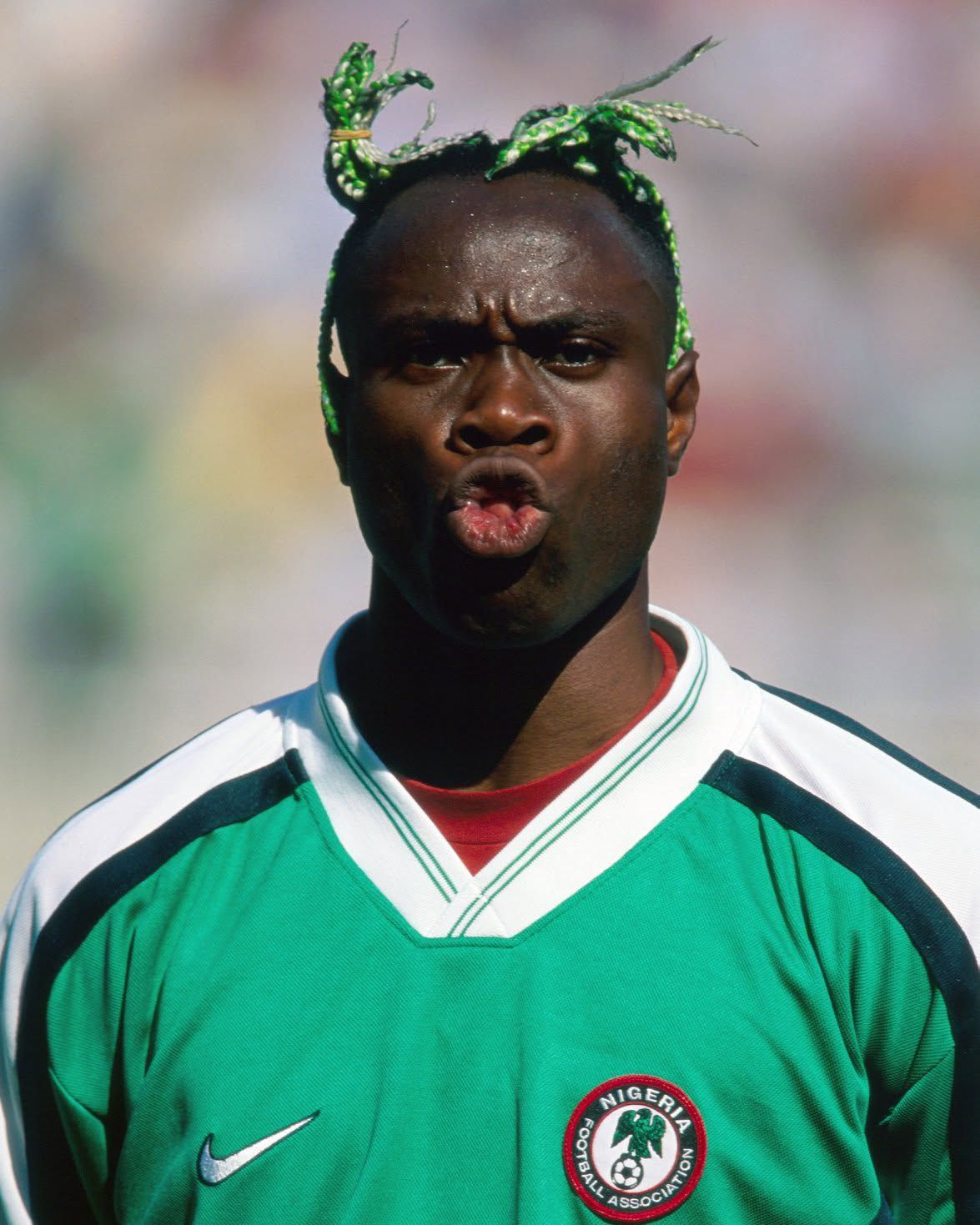
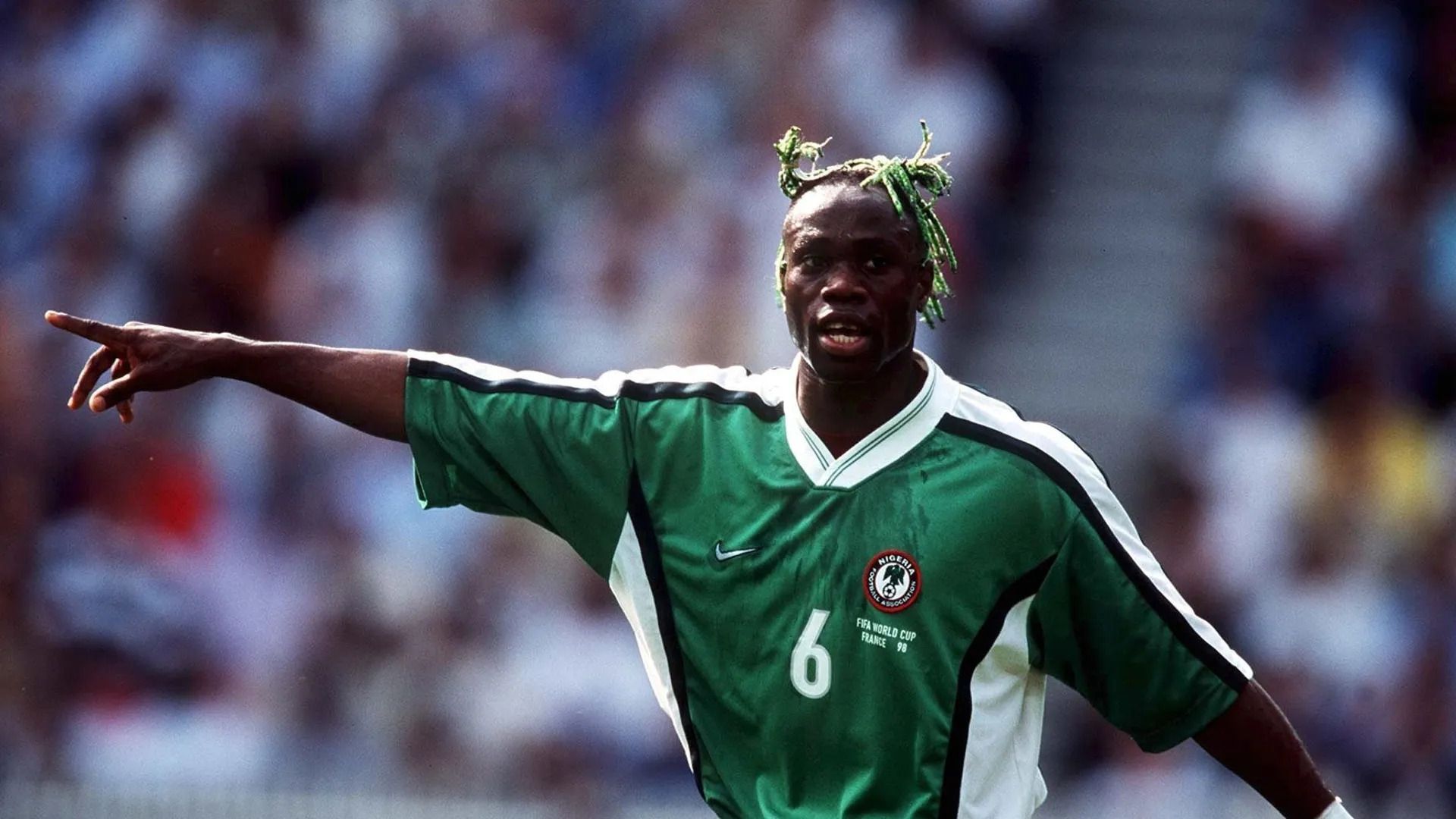
Thankfully, blond isn't the only colour in football. Staying with France '98, former Inter defender and Nigeria international Taribo West took the field wearing his trademark dreadlocks tied behind his head, with several pointed tufts standing upright on top. This time, however, they were dyed green as a tribute to the colours of the Nigeria national flag. West's commitment to matching his team's colours was hardly new: Italian fans already knew him for the blue-and-gold dreadlocks he occasionally sported while playing for Inter.
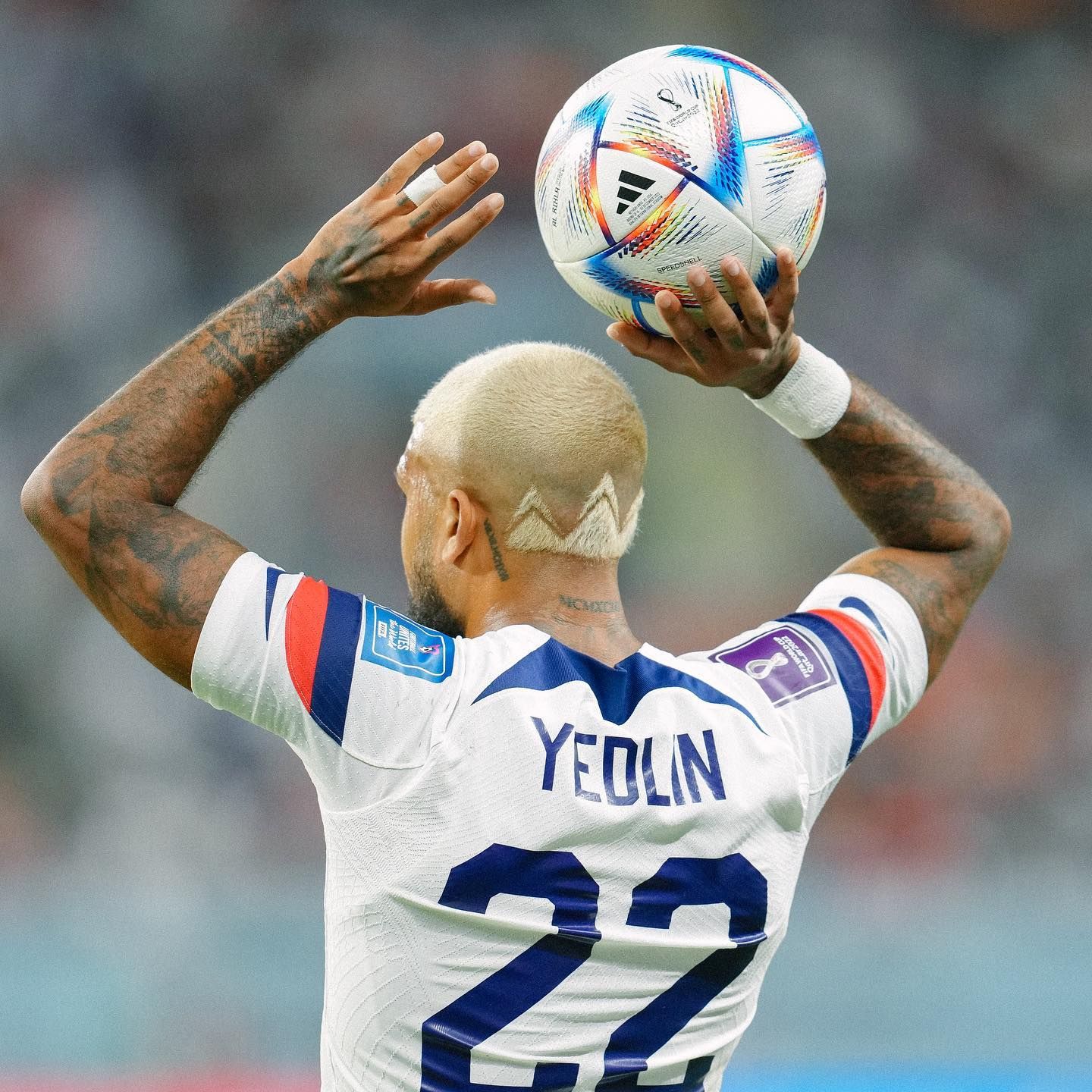
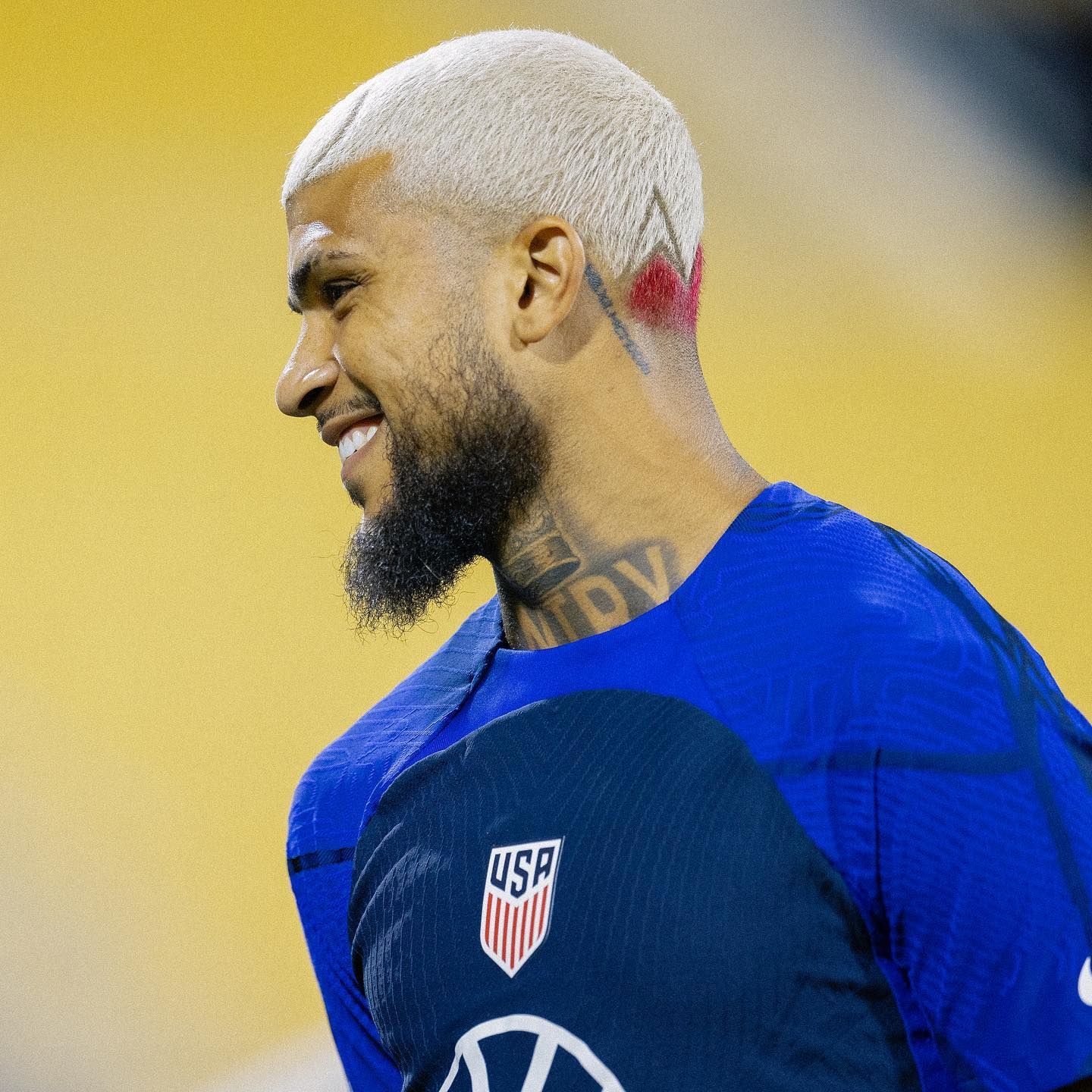
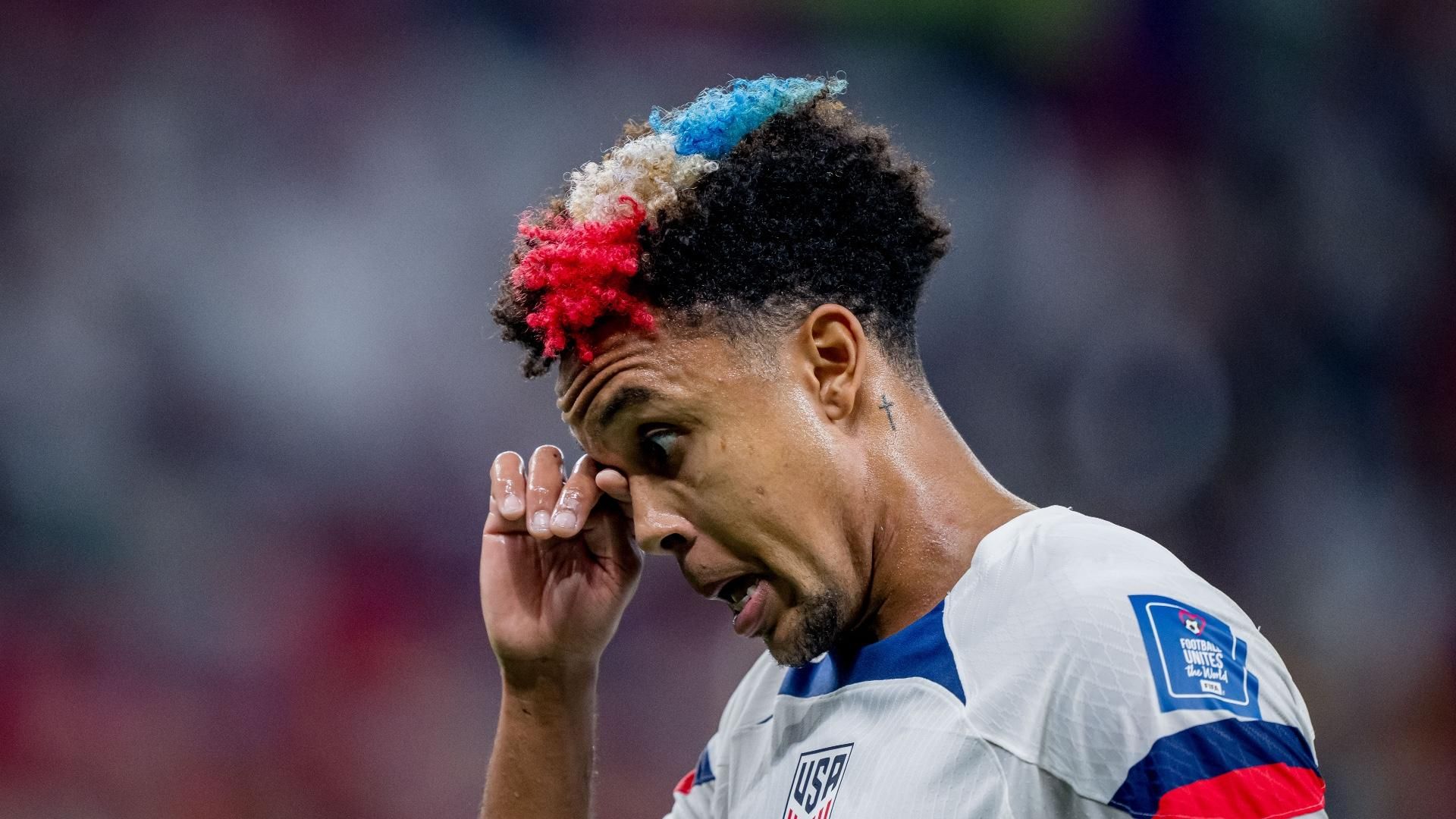
Among more recent tournaments, Team USA deserves praise for its creativity at the 2022 World Cup. DeAndre Yedlin, another master of hair experimentation, arrived in Qatar with an ultra-short, platinum blond haircut featuring a break at the nape of his neck, where a geometric hair tattoo had been shaved directly into his hair. The design consisted of three adjacent triangular shapes, coloured either red or left blond depending on the defender's preference. Alongside him was teammate Weston McKennie, sporting his trademark curls dyed red, white and blue.
Colombia's Golden Generation and Its Legendary Hairstyles
Colombia's national team of the 1990s is impossible to forget. Talents such as Faustino Asprilla and Freddy Rincón enjoyed lengthy spells in Europe's top leagues, including Italy's Serie A, while icons like Carlos El Pibe Valderrama and goalkeeper René Higuita achieved worldwide fame despite spending almost their entire careers in Colombia or elsewhere in the Americas, save for brief spells abroad. Much of their reputation came from Colombia's three consecutive World Cup appearances between 1990 and 1998, as well as the fearless style that made the team internationally admired despite never achieving major tournament success.
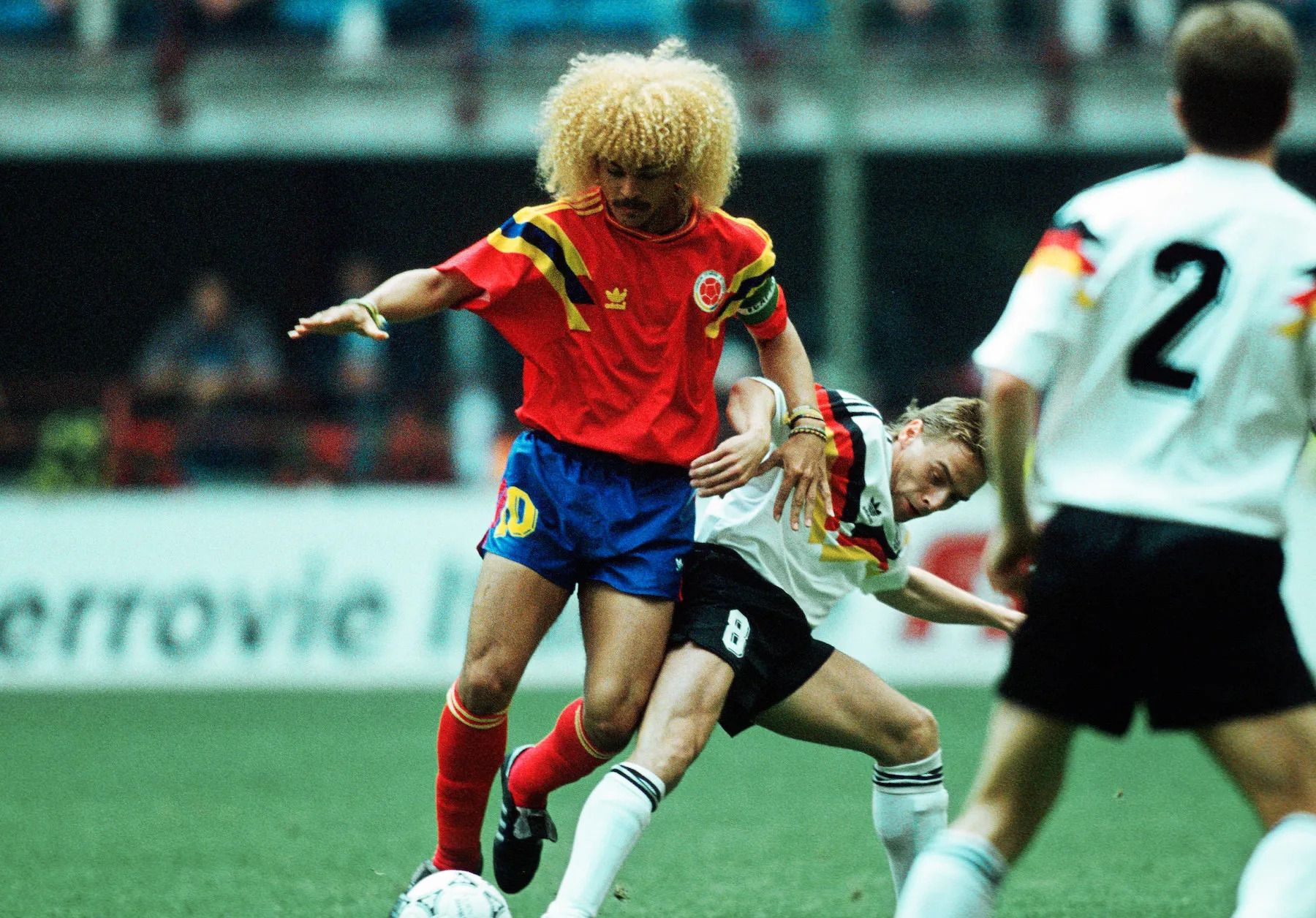
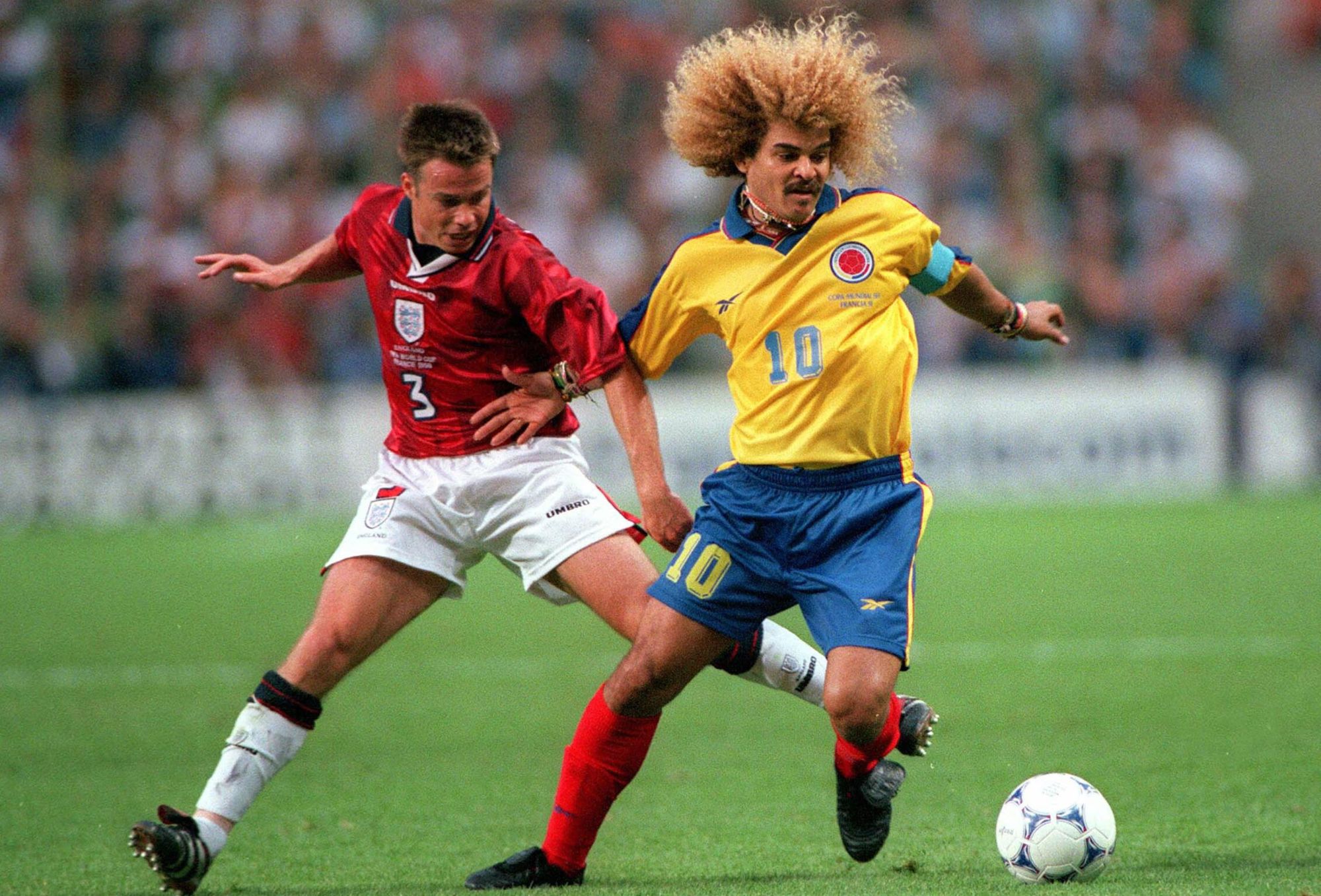
Valderrama, in particular, became the face of that generation thanks to his longevity, his role as captain, and above all his unmistakable bleached blond afro. On this side of the Atlantic, the hairstyle even earned him the nickname "Blond Gullit." According to one of the many stories that blur the line between myth and reality, Valderrama was offered two million dollars before USA '94 to shave off his famous hair for an advertising campaign. He turned down both the offer and the money. Some hairstyles, after all, simply cannot be bought.
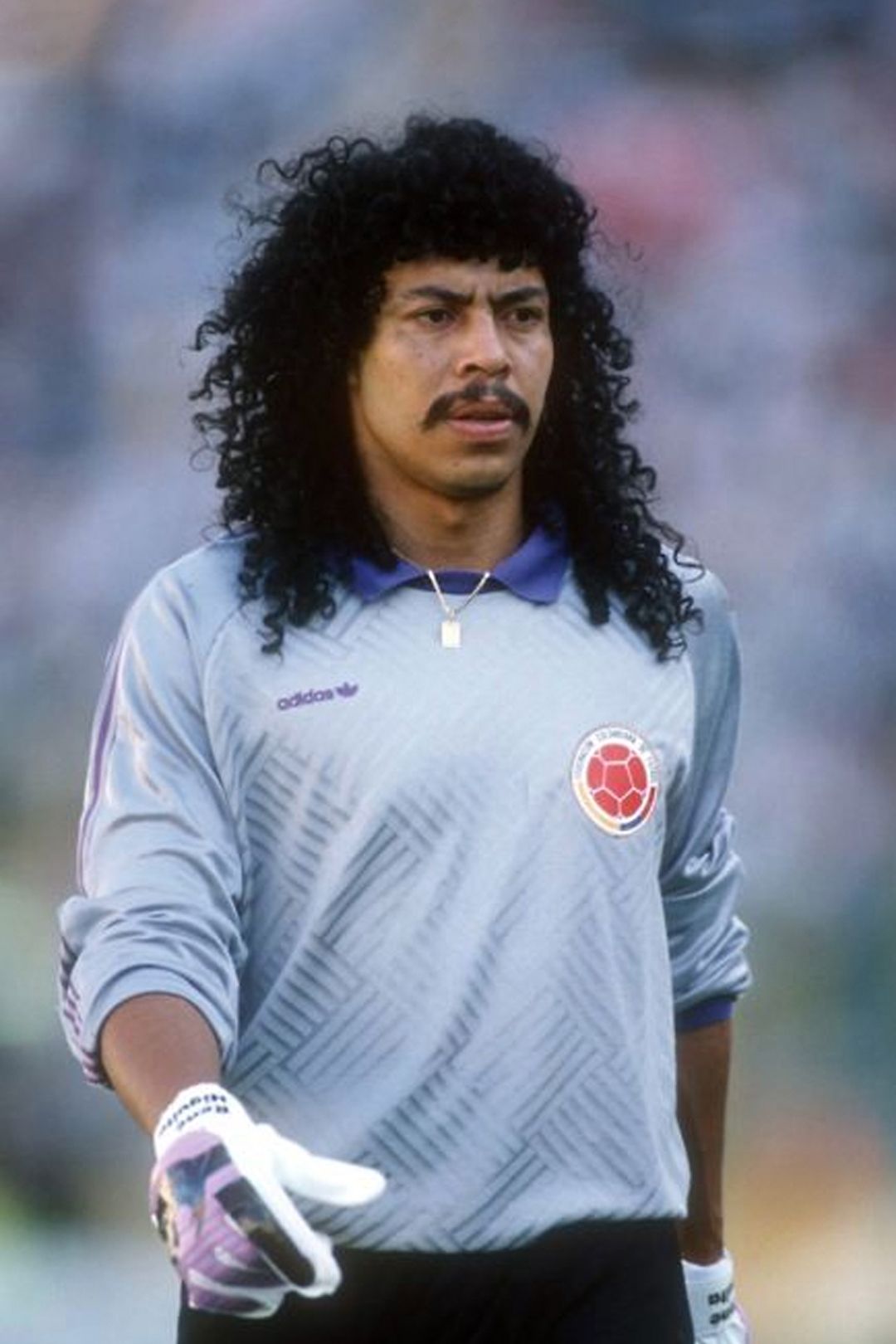
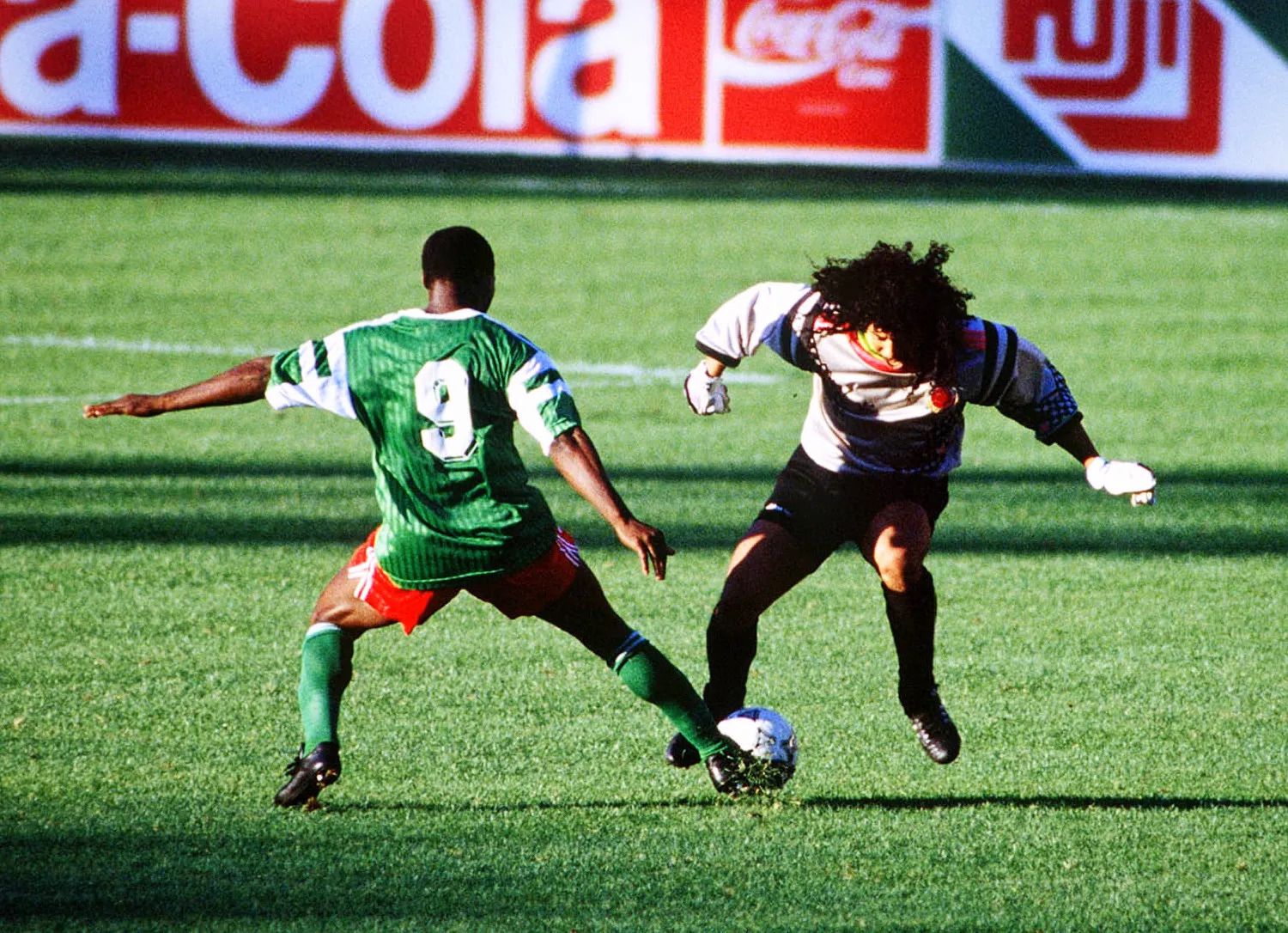
On paper, René Higuita may have been less talented and less celebrated, but he was every bit as unforgettable. Colombia's goalkeeper at Italia '90 appeared with a head full of thick, dark curls that perfectly matched his wildly unconventional style of play. Wild enough to lose possession near midfield while attempting to dribble Cameroon's Roger Milla, allowing the veteran striker to score into an empty net and send Cameroon to the quarter-finals—a mistake that earned Higuita the nickname El Loco, "The Madman." He eventually redeemed that blunder with an even crazier—but successful—moment a few years later in a friendly against England: the legendary Scorpion Kick that secured his place in football folklore forever.
The GOATs of Hair Trends
Sometimes, becoming iconic requires very little creativity—especially if you're one of football's greatest players. For those talented enough to stand above everyone else on the pitch, fame arrives almost magnetically, bringing millions of followers eager to imitate every detail. No one embodies this better than Lionel Messi. Throughout his international career with Argentina, Messi has never been known for particularly extravagant hairstyles—quite the opposite. Yet the trends he has inspired have been extraordinary. Beginning around 2018 and becoming especially popular during World Cup years, countless fans have shaved portraits of Messi himself into their hair. That's iconic hair reaching an entirely new, meta level.
The other footballing GOAT has shown a little more experimentation, albeit while remaining relatively understated at the World Cup. Before adopting the short, almost military-style haircut that has become his trademark, Cristiano Ronaldo experimented several times with a Neymar-style "spaghetti haircut" while playing for both Real Madrid and Portugal. His version featured a softer blond shade, but the look never made an appearance on football's biggest stage.
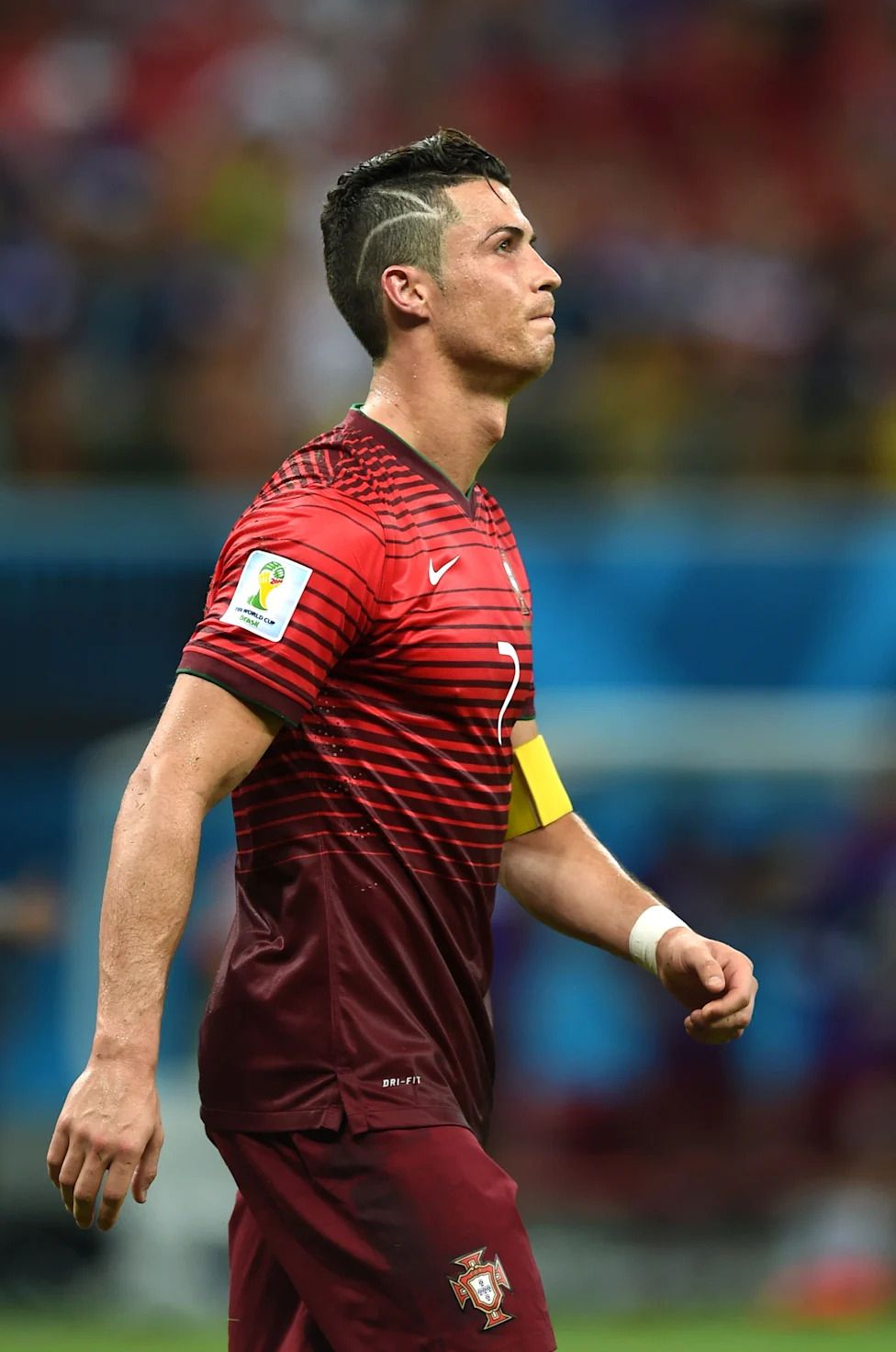
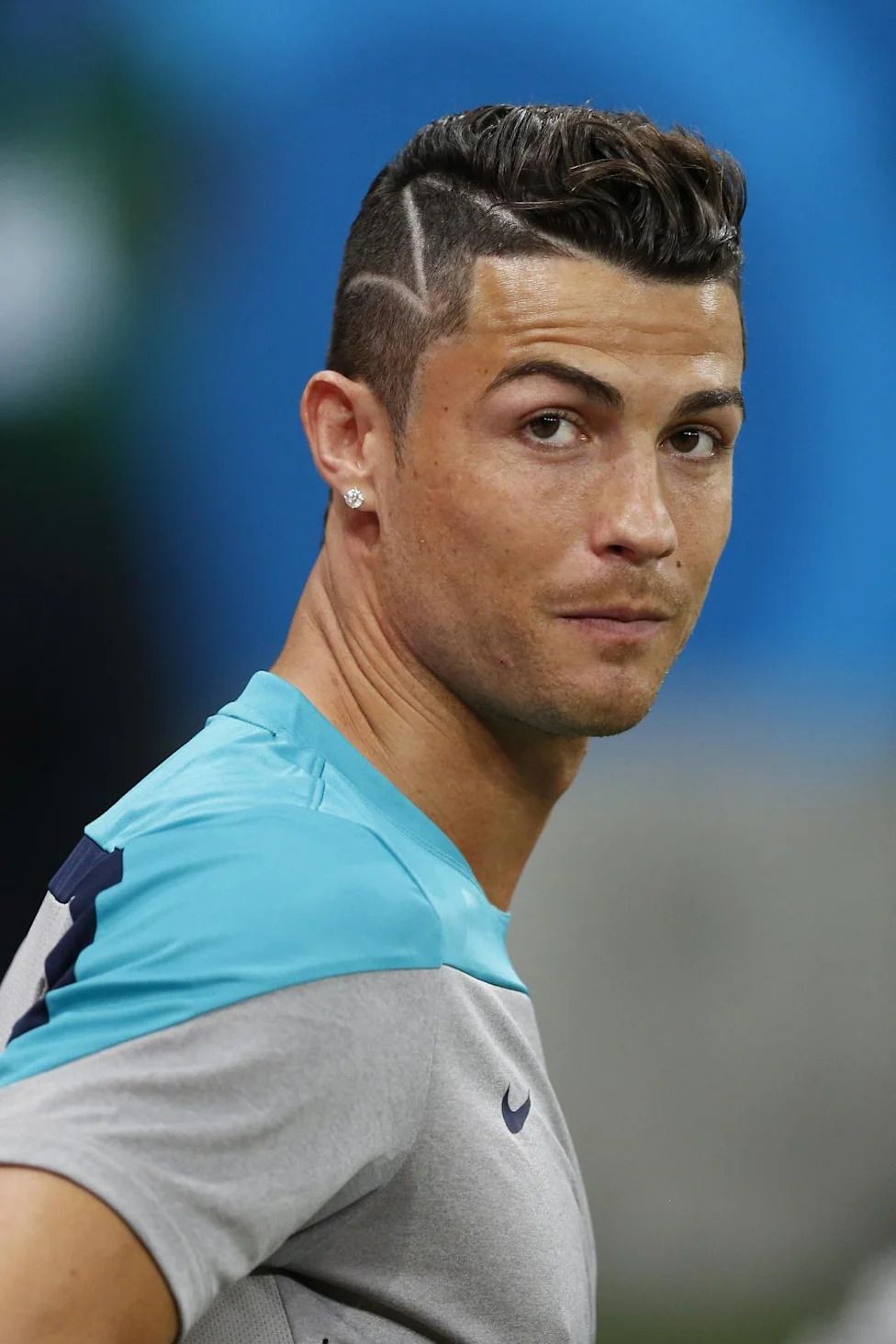
His one truly memorable World Cup hairstyle remains the zigzag line shaved into the right side of his head during the 2014 tournament. The haircut quickly went viral, largely because it was widely mocked. Soon afterwards, however, fans began circulating the unverified story that Ronaldo had shaved the design to resemble the surgical scar of a young supporter recovering from brain surgery. Although the claim was never confirmed, it added another layer to the haircut's legend—especially since Ronaldo had genuinely covered the medical expenses of Erik Ortiz Cruz, a ten-month-old Spanish boy suffering from cortical dysplasia.
The Defining Hairstyles of the 2026 FIFA World Cup
Capelli may be the kit supplier of everyone's favourite underdogs, Cape Verde, but that's not the kind of hair we're talking about. The defining hairstyle trend of the 2026 World Cup has been short cuts with sharp faded sides, following the example set by Jude Bellingham and Vinícius Júnior, while leaving just enough volume on top to let natural curls stand out. Even shorter is Kylian Mbappé's buzz fade, a haircut seemingly designed with maximum aerodynamics in mind.
A little more variety comes courtesy of Spain's teenage sensation Lamine Yamal, who entrusted hairstylist Wagner Tenorio with his World Cup look. The result was a series of blond highlights woven into the Barcelona winger's naturally dark curls, giving him what Tenorio himself described as a "sun-kissed" appearance. As for the length, Yamal's curls now fall across his forehead, held back by his signature adidas headband—white or black depending on his preference—which evokes memories of Neymar Jr.'s early look, albeit with a modern twist.
Finally, no discussion would be complete without mentioning Erling Haaland's unmistakable flowing blond hair, which is gradually becoming one of the defining images of this World Cup both on and off the pitch. Whether tied back or blowing freely in the wind, Norway's prolific striker has become a social media phenomenon thanks as much to his hair as to his goals. Clips of his performances are frequently paired with princess-themed captions or the viral audio clip "She was a fairy!", humorously contrasting with his powerful, explosive and seemingly unstoppable style of play.
Travelling Barbers and Last-Minute Haircuts
The 2026 World Cup has become something of an obsession with hairstyles, and fans have embraced the trend just as enthusiastically as the players. As happened in 2022, barber Washington Santos returned to Rio de Janeiro with his famous Hexa haircut—the Portuguese term referring to Brazil's pursuit of a sixth World Cup title—shaving the Brazilian flag into supporters' hair as a show of national pride.
One of the tournament's newest viral sensations, however, has been the rise of travelling barbers. The best known is David Arias, who began offering free haircuts to fans and tourists outside SoFi Stadium in Inglewood. Arias' story quickly spread across social media: after serving eleven years in prison, he chose the World Cup as an opportunity to promote the importance of social inclusion and second chances.
@latimes For David Arias, a haircut is about more than appearance — it's a way to build community. After recently being incarcerated, Arias opened a barbershop and began offering free haircuts to soccer fans outside SoFi Stadium during the FIFA World Cup. He says the initiative is his way of giving back, not only to Los Angeles but to visitors from around the world gathering for the tournament. As thousands of fans arrive to celebrate the global event, Arias and his team are using their craft to create connections one haircut at a time, turning a simple service into an act of generosity and a symbol of second chances.
original sound - The Los Angeles Times
When it comes to footballers, however, the concept of a travelling barber takes on a completely different meaning. To minimise unnecessary travel and distractions, several national teams now bring their trusted barbers with them throughout the tournament. One example is Ahmed Alsanawi—better known online as A-Star—who is responsible for the hairstyles of more than half of England's squad and travels with the team from training camp all the way to the World Cup itself.
The job requires working in close contact with the players, who often make last-minute requests on the eve of important matches. Those requests are fulfilled in temporary pop-up barber shops set up directly inside the team's hotel. One such example is Maram Hammadi, a barber and salon owner from Shoreline, just north of Seattle, who was called to the Egyptian national team's hotel during the tournament. Armed with nothing more than a duffel bag containing two of every essential tool and accompanied by a couple of trusted colleagues, Hammadi found himself face to face with his footballing idols, spending long hours cutting hair before every match and becoming yet another willing participant in the World Cup's never-ending obsession with hairstyles.