Hull City has Premier League's most unexpected kit supplier Introducing Oxen Sports
Sports
July 24th, 2026
July 24th, 2026
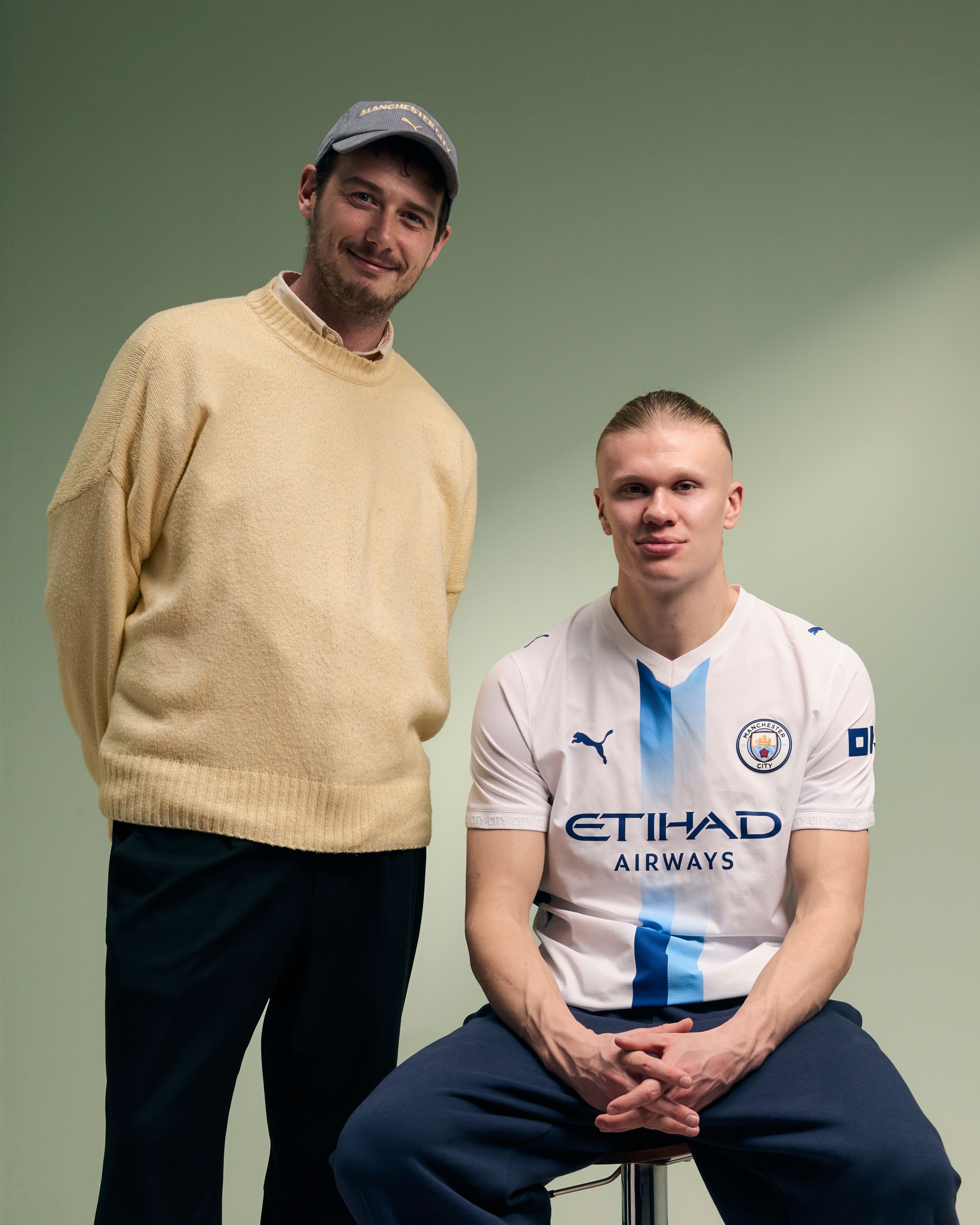
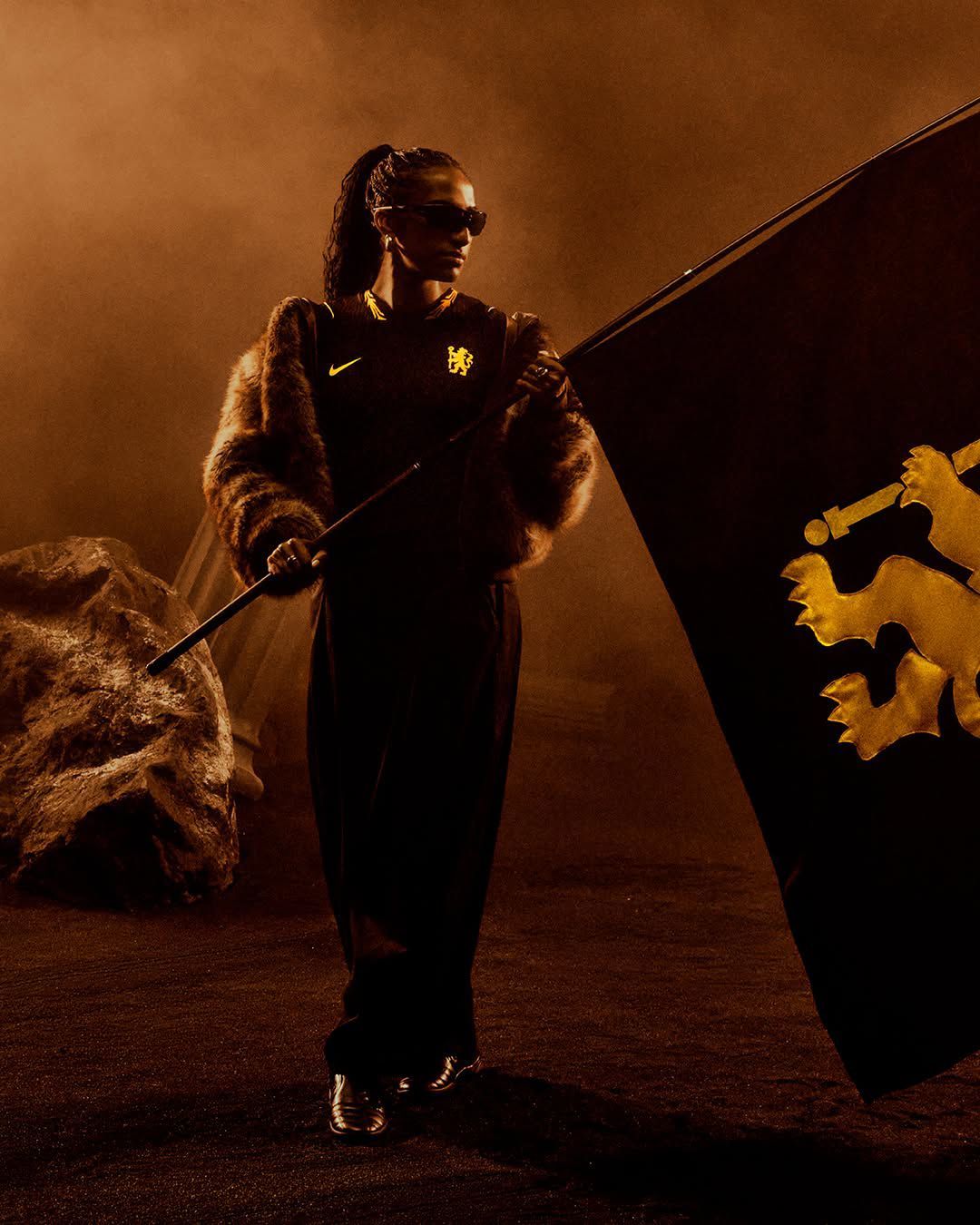
There will be nine technical sponsors represented in the Premier League during the 2026/27 season. Out of the league's 20 clubs, eight will be supplied by adidas (Arsenal, Aston Villa, Fulham, Leeds, Liverpool, Manchester United, Newcastle and Nottingham Forest), while Nike and hummel will each supply three clubs. Brighton, Chelsea and Tottenham Hotspur will wear the Swoosh, while Bournemouth, Coventry City and Sunderland will feature hummel's iconic chevrons. The remaining six clubs will each represent a different brand: PUMA (Manchester City), Joma (Brentford), Macron (Crystal Palace), Umbro (Ipswich Town), Castore (Everton) and Oxen Sports (Hull City).
The latter is undoubtedly the most intriguing case. It is rare for a Premier League club, even a newly promoted one, to entrust the production of its kits to a brand with virtually no presence in the football industry before stepping onto the biggest and most commercially powerful stage in the sport.
From Rugby to Football: The Story Behind Oxen Sports
Oxen is a British brand founded in 2019 by Shane Miller. As stated on the company's official website, "the team behind OXEN is based in the UK and has been operating in the sports industry for more than 30 years." A quick look at its website and social media channels, however, makes it clear that football is far from the brand's primary focus. Rugby is by far its strongest discipline: alongside technical apparel, Oxen produces all official kits for England Rugby League. Fitness and running follow closely behind, while football still occupies only a marginal place within the company's portfolio.
The brand's first football partnership dates back to the 2022/23 season with Doncaster Rovers, then competing in League Two. Lincoln City joined the following year. Today, the club plays in the Championship after securing promotion at the end of the 2025/26 campaign, and Oxen Sports now supplies five football clubs across League One, the Championship and the Premier League.
How Oxen Reached the Premier League with Hull City
Oxen's arrival in the Premier League is primarily rooted in geography. The company was founded in Hull, more specifically in the Fruit Market district, which the official website describes as "a unique, vibrant and cultural place where people live, work and play." While this definition captures the area's present-day identity, it overlooks a history deeply intertwined with the city's economic development.
For centuries, the Fruit Market was Hull's commercial heart thanks to its proximity to Humber Dock, the city's historic port. As fruit and vegetable trading became the district's dominant activity, the area naturally adopted the name by which it is still known today. This industrial heritage remained intact until 2009, when a consortium formed by Wykeland Group, Beal Homes and Hull City Council launched an extensive urban regeneration project. Today, the Fruit Market has become one of Hull's leading cultural and creative districts, home to a growing mix of businesses, independent retailers and innovative companies.
The Return of the Historic HCAFC Wordmark
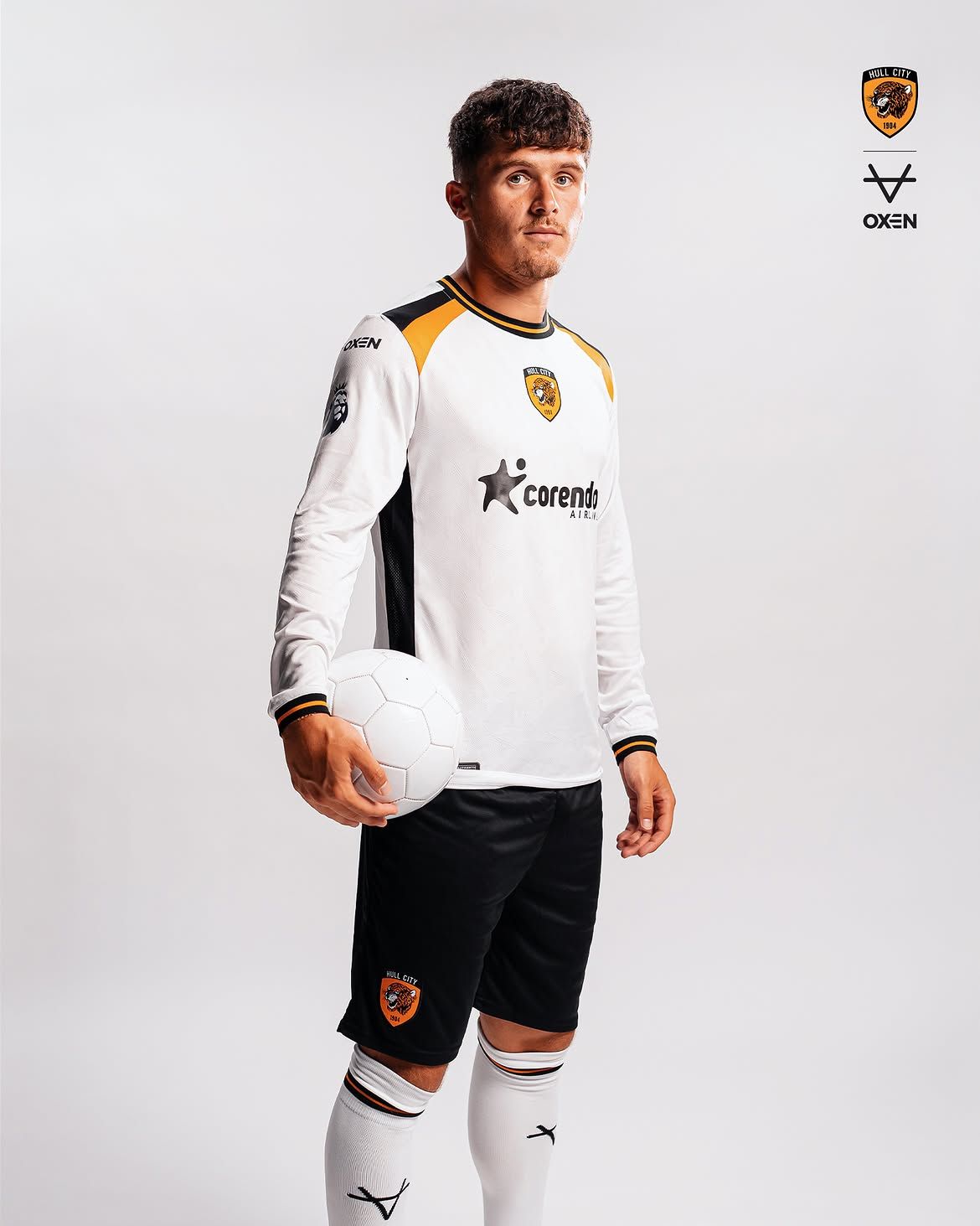
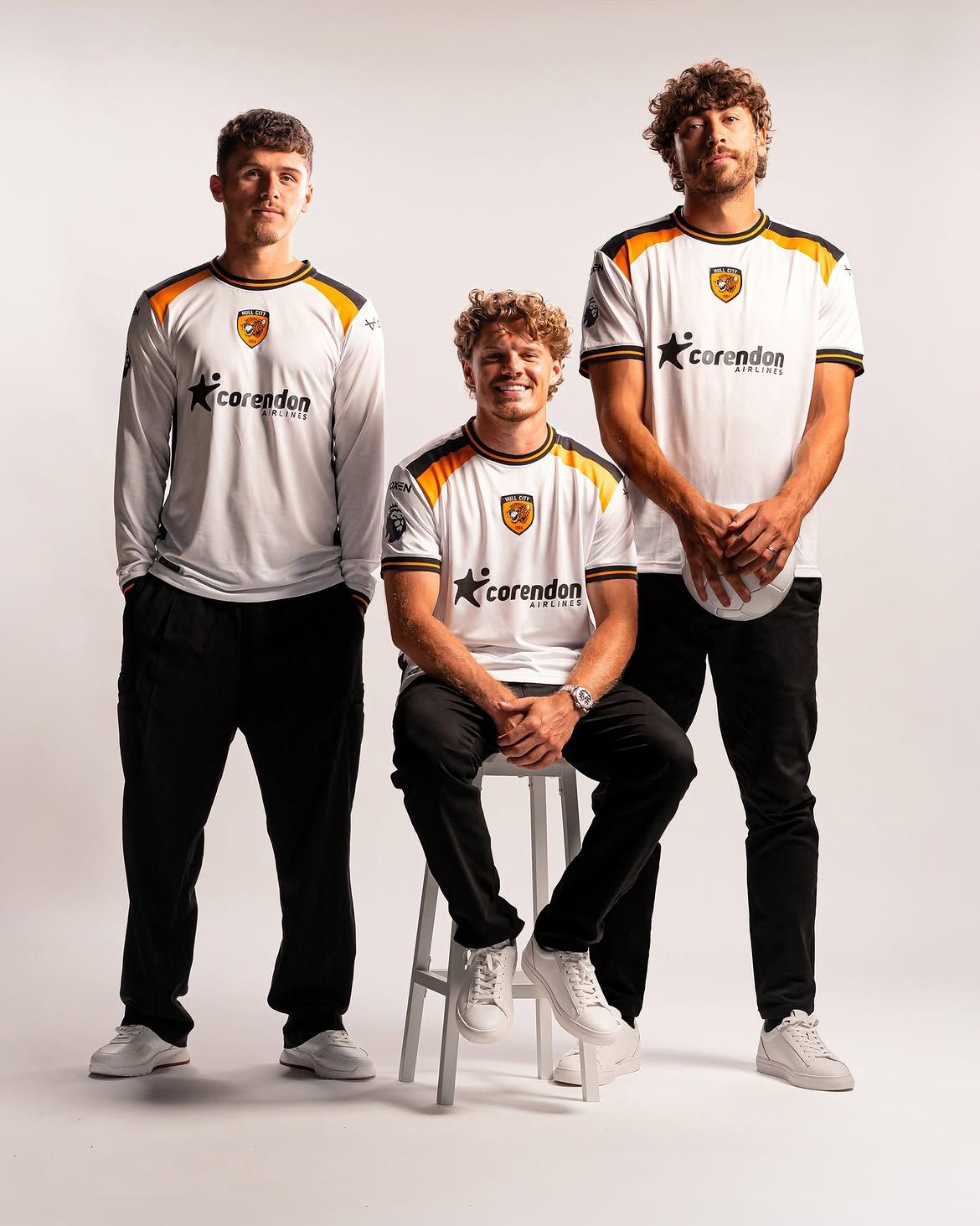
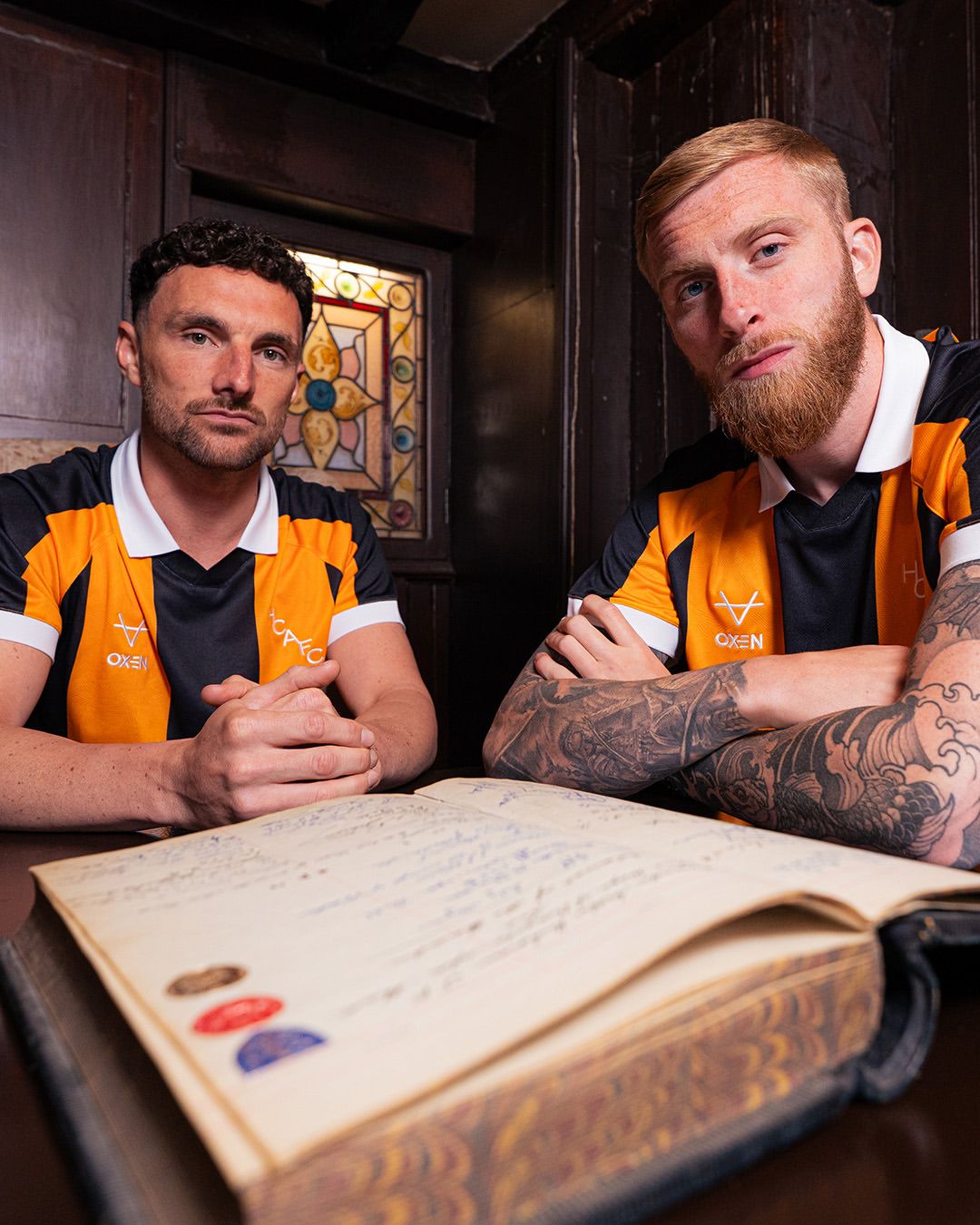
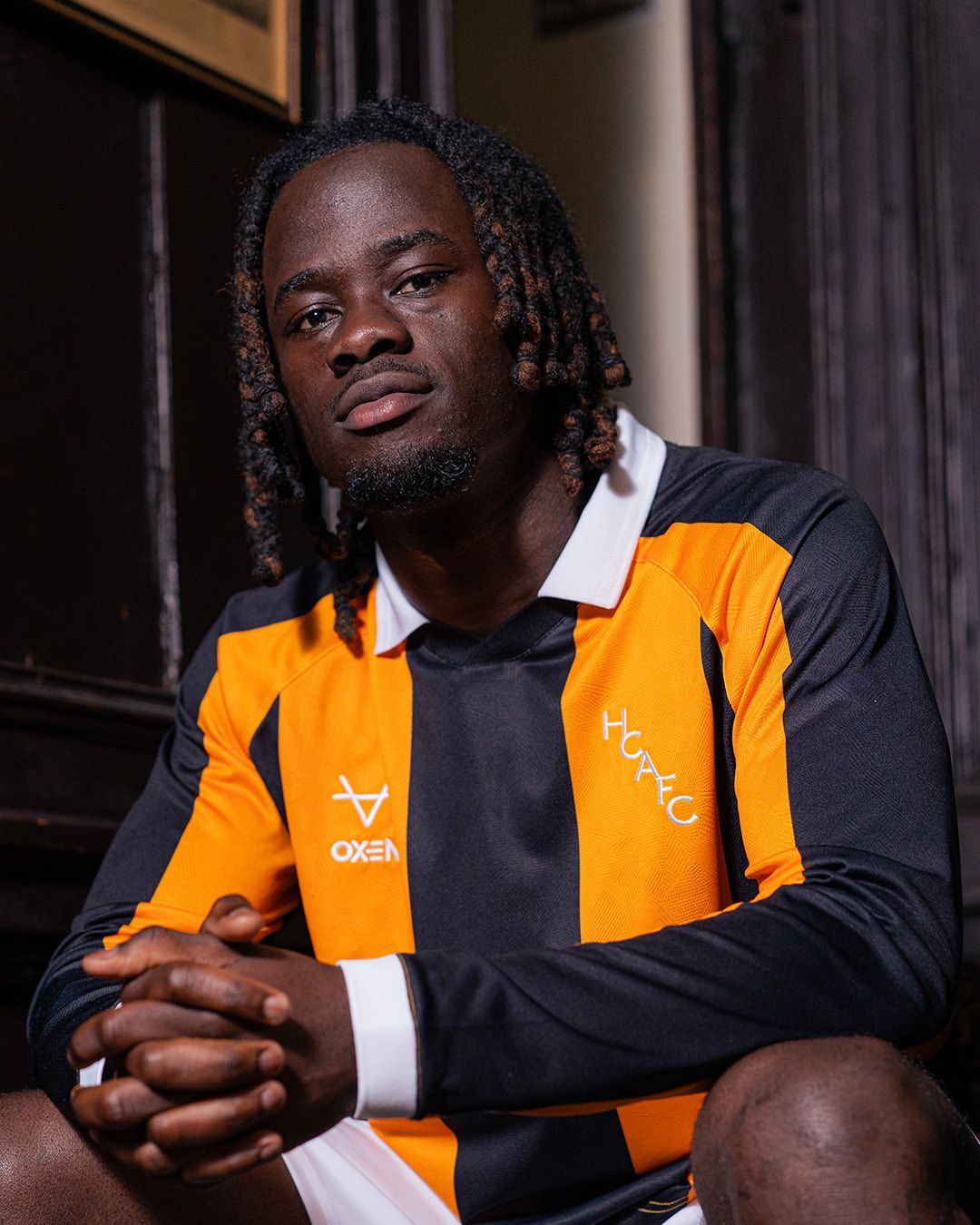
On June 10, Oxen officially became Hull City's new kit supplier, taking over from Kappa Türkiye, the Turkish division of the Italian sportswear brand that had dressed the club from 2023 to 2026. The multi-year agreement covers the production of all match kits, and the first collection, launched with the 2026/27 Home jersey, has already delivered an unexpected statement.
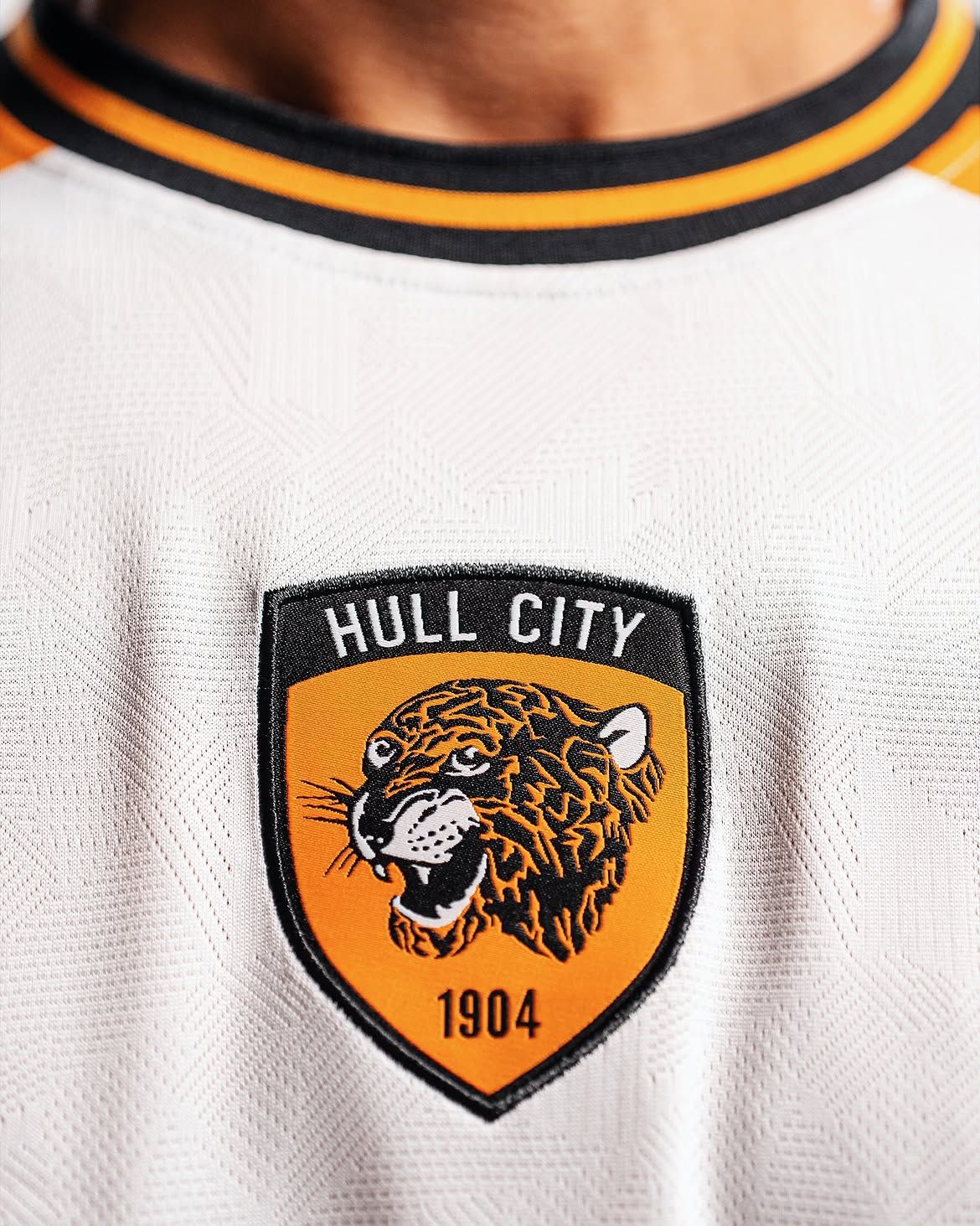
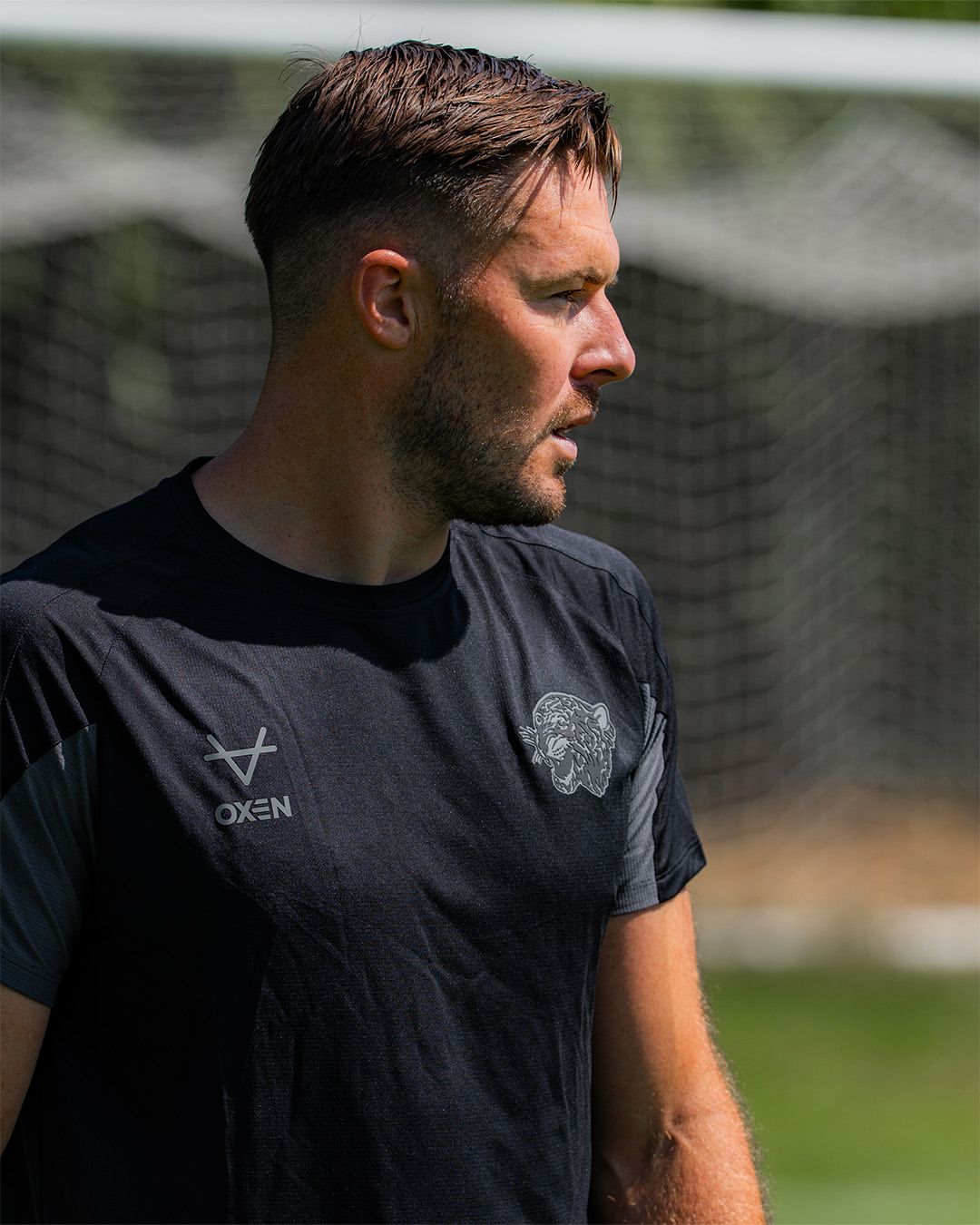
For its Premier League debut, Oxen opted for a clean and understated design approach, bringing Hull City's traditional black and amber vertical stripes back to the forefront. The most significant change, however, is the return of the historic "HCAFC" wordmark, originally used between 1975 and 1979, replacing the club's familiar crest featuring the tiger, long considered the club's defining symbol. The tiger has not disappeared entirely, though. It remains present across the club's training apparel in a tonal version and has also been used as the central graphic element on the new Away jersey.
Why Oxen's Arrival Won't Start a New Premier League Trend
It is difficult to imagine Oxen's arrival marking the beginning of a broader trend. The Premier League's financial power and global exposure will continue to attract the biggest names in sportswear, brands capable of investing on a scale and offering an international distribution network that companies of Oxen's size simply cannot match. It is no coincidence that, in recent years, the only comparable exception has been Wolverhampton Wanderers' decision to partner with SUDU.
And yet, this is precisely why Oxen's presence feels refreshingly nostalgic. It evokes memories of the Barclays Premier League in the early 2000s, when English football was still populated by smaller British sportswear brands capable of building a visual identity that was deeply intertwined with the clubs they supplied. It was an era before football shirts were shaped by global catalogue strategies, when kits were often designed specifically for each team, becoming a genuine extension of a club's history and personality. In that sense, Oxen's arrival in the Premier League feels less like the beginning of a new trend and more like the return of a spirit that once defined English football.