
All the American owners in Italian football How US investment funds became a familiar presence across Italy’s football leagues
Sixty percent of Serie A clubs are controlled by foreign owners. Of these twelve, eleven come from Canada and, above all, the United States. American influence over Italian football clubs, however, is not limited to the top flight, with several examples also found in Serie B and Serie C.
The trend began during the previous decade, when the first American investment funds and other entities entered the Italian market, interrupting a century-old tradition of family-run ownership. We all remember the era of powerful owners such as Moratti, Berlusconi, Sensi, Della Valle and Preziosi dominating the football landscape, and it feels strange to consider how quickly the corporate map of Italian football has changed. Between failed ventures and scepticism on one side, major investments and enthusiasm on the other, America’s presence in Italian football remains at the centre of debate.
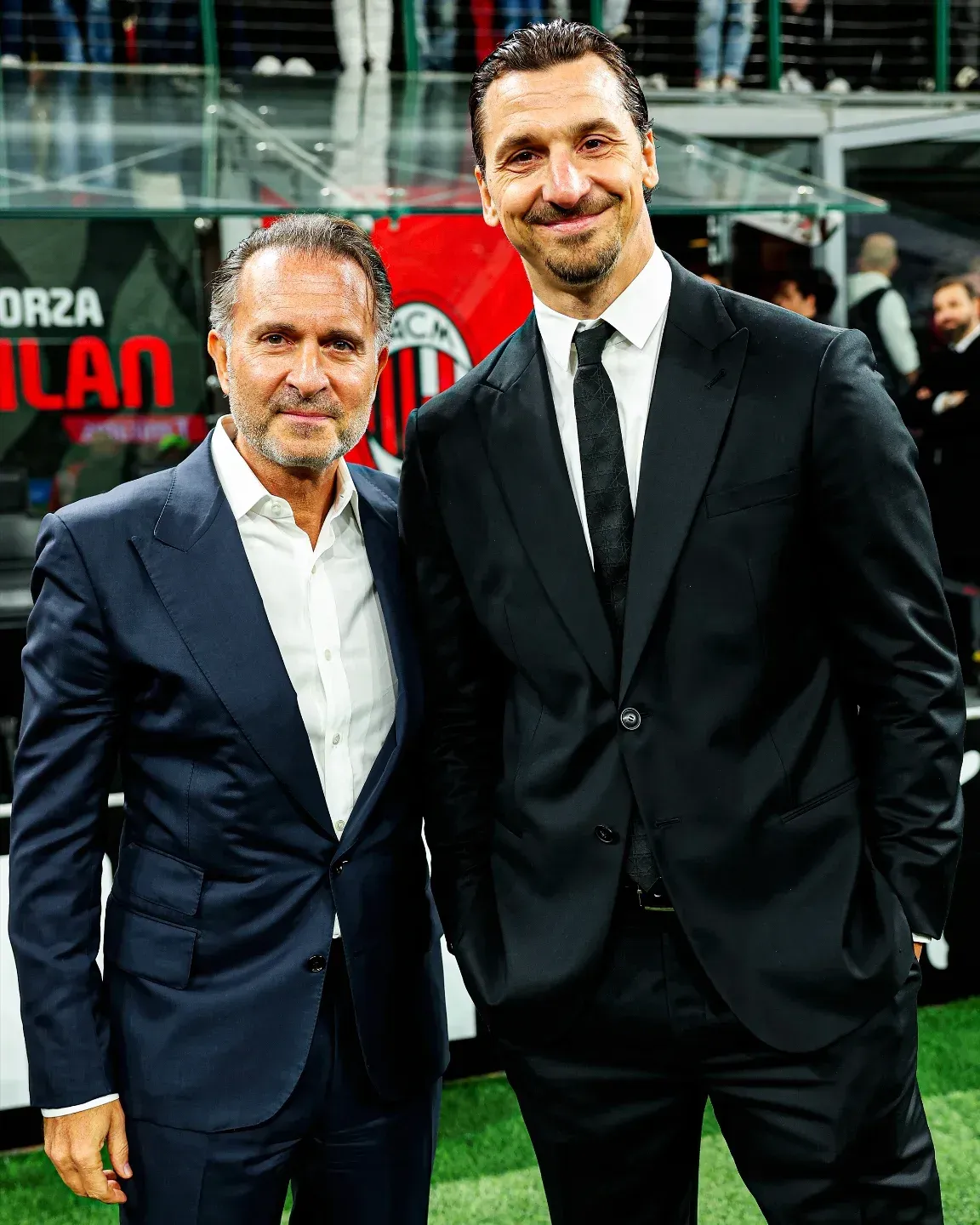
The Milan clubs: RedBird and Brookfield
AC Milan’s first American owner was Elliott Management Corporation, better known in the Italian media as the Elliott Fund, which took control of the club in July 2018 from Chinese businessman Li Yonghong, who had overseen the historic purchase of the club from Silvio Berlusconi. The New York-based fund, one of the world’s leading investment management firms, stepped in after Li failed to repay the loan it had provided, beginning a four-year ownership that ended with the 2022 Serie A title.
On August 31 of that year, another company operating in the same sector, RedBird Capital Partners, led by Gerry Cardinale, acquired the Rossoneri through a vendor loan agreement, under which the seller itself financed the buyer to complete the deal. Born in Philadelphia to a family from Abruzzo, Cardinale immediately made several major decisions within the boardroom, particularly on the sporting side, generating discontent among a significant part of the Milan fanbase and prompting major protests. Last January, RedBird also repaid the remaining debt early, definitively ending Elliott’s involvement in the club.
Much like their city rivals, Inter were acquired by a US investment firm following the failure to repay a three-year loan granted to the Zhang family, who owned the club at the time. This is how Oaktree Capital Management, a Los Angeles-based fund, became the club’s new 99.6% owner in May 2024, immediately appointing Beppe Marotta as president. It was later succeeded by Brookfield Corporation, one of Canada’s largest investment companies, which recently acquired 100% of Oaktree and consequently inherited control of Inter.
The Emilia-Romagna clubs: Krause and Saputo
Moving to Emilia-Romagna, Parma have been under American ownership since 2020. The club is controlled by Krause Group, a holding company led by Iowa businessman Kyle Krause, who has Sicilian roots and interests across several industries. Krause acquired 90% of the club, which had been purchased in Serie D following its rebirth by the Nuovo Inizio group, before adding another 9% in 2024. During six years of ownership, Krause has invested half a billion euros, while the team has alternated between Serie A and Serie B.
In Bologna, meanwhile, a North American investment group led by Brooklyn-born lawyer Joe Tacopina, whose family has roots in Rome and Palermo, acquired the club in the autumn of 2014 with the financial backing of Italian-Canadian businessman Joey Saputo. One year later, following disagreements between the two, Tacopina left the club and Saputo took full control. The owner of the eponymous dairy industry giant, the Montréal businessman has brought financial stability to the club, but above all historic qualifications for the Champions League and Europa League, as well as victory in the 2025 Coppa Italia. After reducing expenditure during the summer transfer window, the next objective is to begin the redevelopment of the Stadio Dall’Ara.
The rest of Northern Italy: Atalanta, Venezia and Genoa
Returning to Tacopina, his departure from Bologna did not coincide with an exit from football. That same year, he purchased a majority stake in Venezia, which had been rescued by an American group led by businessman James A. Daniels and restarted from Serie D. During his five-year presidency, Tacopina achieved two consecutive promotions in his first two seasons, before consolidating the team in Serie B and beginning the club’s international expansion through major investments in its image. In February 2020, Venezia were fully acquired by another American consortium led by Duncan Niederauer, the former CEO of the New York Stock Exchange. In the summer of 2024, the club was saved from bankruptcy by a network of North American investors brought together by none other than Drake, who helped drive a change in the club’s image and its commercial partnership with NOCTA. Last May, the Canadian artist once again played a crucial role in attracting important new shareholders such as Missouri businessman Tim Leiweke, whose daughter Francesca Bodie became the first female president in the club’s history, replacing Niederauer.
In 2021, Enrico Preziosi’s 18-year era at Genoa came to an end. It was welcomed almost as a liberation by the club’s supporters, whose relationship with the Italian businessman had reached a point of no return. The club was acquired by the investment fund 777 Partners for around 150 million euros, including the debts accumulated under the previous ownership. The holding company’s adventure came to an abrupt end in 2024 following the financial collapse of both the fund and its main creditor, which were investigated for fraud. The arrival of new shareholders and the acquisition of the club by Romanian businessman Dan Șucu in November of the same year prevented Genoa from going bankrupt, bringing a turbulent three-year period to an end.
By 2022, the Atalanta of the Percassi family had been one of the brightest stories in Italian football for seven seasons, thanks to a solid organisation and unprecedented sporting results. Nevertheless, in search of fresh energy and financial resources, 55% of the club was acquired that February by a group of American investors led by Stephen Pagliuca, a private equity investor and co-chairman of Bain Capital. Of Abruzzese descent but entirely raised and educated in New York, he was also a co-owner of the Boston Celtics before the franchise’s record-breaking sale for more than six billion dollars. In Bergamo, Antonio and Luca Percassi retained their roles as president and CEO, while Pagliuca took responsibility for the club’s financial and commercial operations.
Rome under the Stars and Stripes
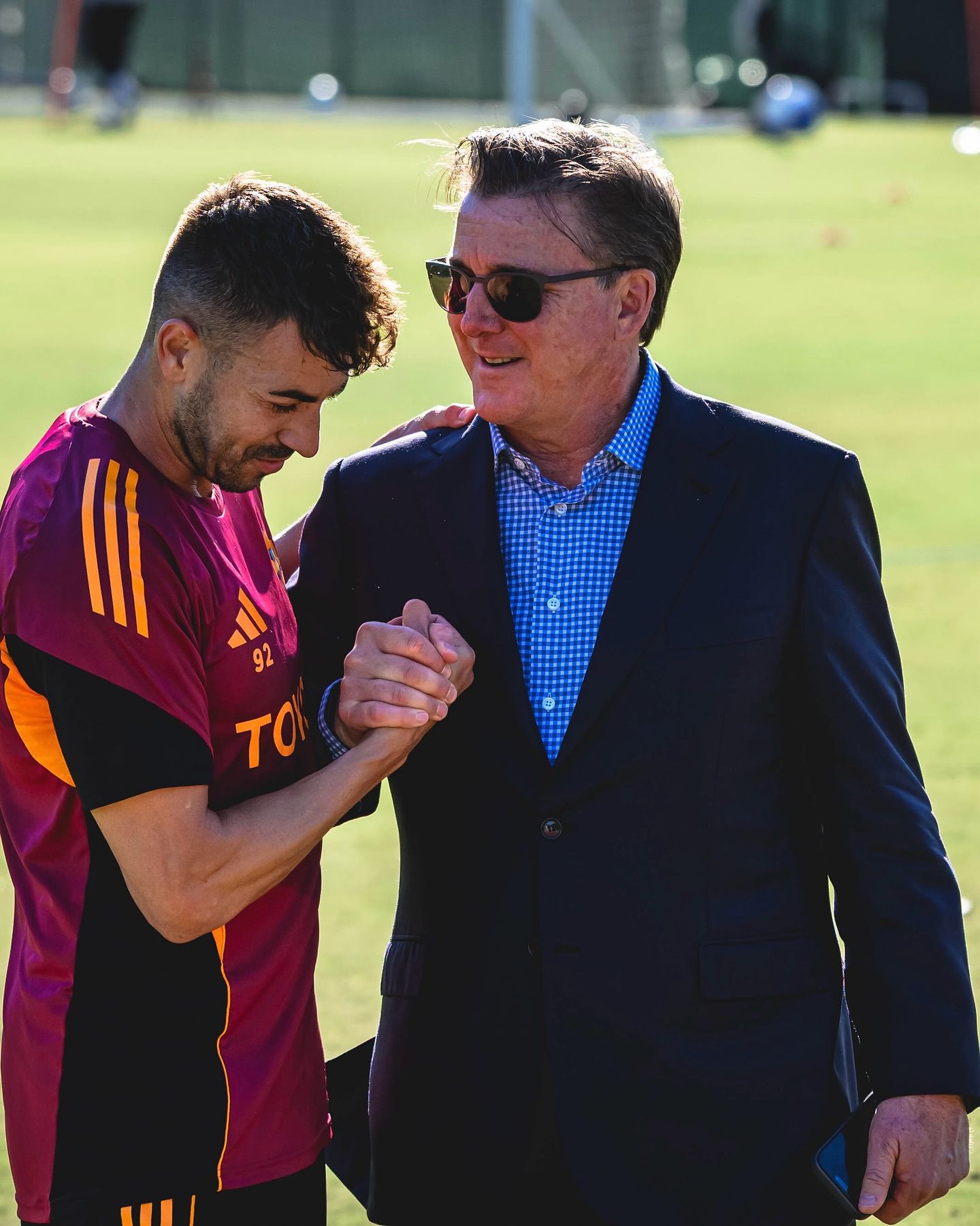
Another historic change of ownership took place in Rome in August 2011, when the Giallorossi, controlled by the Sensi family for eighteen years, were sold to an American consortium led by Thomas DiBenedetto. Massachusetts native James Pallotta, whose family has roots in central and southern Italy, soon became president and was targeted by a large section of the fanbase, which was dissatisfied with his management. During his nine years in charge, Roma reached a Champions League semi-final and suffered a painful defeat against Lazio in the Coppa Italia final, while club legends Francesco Totti and Daniele De Rossi both said goodbye.
Financial difficulties and the stalled stadium project led to another sale in August 2020, this time to an American owner: The Friedkin Group, led by Texan billionaire Dan Friedkin, acquired the club for 591 million euros. The private consortium operates across several sectors, from the automotive industry and luxury hospitality to entertainment and cinema, before further expanding its football interests by acquiring Everton and Cannes. The appointment of José Mourinho and victory in the Conference League initially thrilled the Giallorossi fanbase, but criticism followed over the Friedkins’ perceived lack of presence and closeness to the team, as well as controversial decisions such as the dismissal of De Rossi. The current sporting results under Gian Piero Gasperini have helped keep the situation calmer.
Commisso’s Fiorentina
In June 2019, with the relationship between Florence and the Della Valle brothers having reached breaking point, Rocco Commisso acquired Fiorentina through Columbia Soccer Ventures, part of the JMCC Corporation holding company, which also owned the New York Cosmos at the time. Born in Marina di Gioiosa Ionica and having moved to New York with his family at the age of twelve, the Italian-American businessman founded Mediacom, a major US telecommunications company. From his first day until his death in January 2026, he remained deeply attached to Fiorentina and the city of Florence.
His tenure left a bitter taste in terms of results on the pitch, with the Viola reaching three finals - the 2023 Coppa Italia and the 2023 and 2024 Conference League finals - without ever lifting a trophy. At the same time, the construction of the state-of-the-art Viola Park training centre and the efforts made alongside his right-hand man Joe Barone, who died suddenly in 2024, created a significant legacy for the club. The family’s relationship with Fiorentina has not ended, however. His son Giuseppe Commisso kept his promise to continue the work begun by his father, introducing himself with a major transfer campaign and spending an extended period in Florence as one of the leading figures around the club.
The latest arrivals: Monza, Cagliari and Frosinone
In Monza, the sale of the club by Fininvest to New York-based venture capital firm Beckett Layne was completed in September 2025. Its founder, Brandon Berger, is a Kentucky-born sports marketing specialist who initially acquired 80% of Monza for around 45 million euros before purchasing the remaining 20% last June. The club was selected because of its proximity to Milan and the city’s commercial potential as the home of the famous Formula 1 Grand Prix. In their first season under the new ownership, with Paolo Bianco as head coach, the Biancorossi secured promotion to Serie A. The next few months will reveal how the project develops following Ivan Jurić’s arrival on the bench last summer.
As for Cagliari, 20% of the club’s shares passed into the hands of the American fund Praxis Capital Management at the end of 2025. The leading figures involved included Sardinian Managing Director Maurizio Fiori and Chicago businessman Prashant Gupta. In February, the consortium acquired additional shares to reach 49%, before taking its stake to 90% in July 2026, with Tommaso Giulini retaining the remaining 10% and his role as president.
In July 2026, sports investment platform Clara Vista Investment Partners also made a significant move into Italian football, acquiring 80% of Frosinone for around 40 million euros. Already a shareholder in Ipswich Town, the New York-based group also acquired a majority stake in the company that manages the Stadio Benito Stirpe, named after the founder of the family that had owned the club since 2003. Maurizio Stirpe retained a 20% stake and will remain president for another two years.
The Serie B cases
Italy’s second division is also fertile ground for American investment. Palermo, for example, belongs to the multi-club ownership network of the City Football Group. The organisation is controlled by Sheikh Mansour, but California-based Silver Lake, one of the world’s leading private equity firms, holds a 14.54% stake.
In January 2021, meanwhile, 75% of Pisa was acquired for around twelve million euros by Anglo-American billionaire Alexander Knaster through AK Holdings, with the Corrado family retaining the remaining 25%. Since then, the Nerazzurri have secured a historic promotion to Serie A, renovated the Arena Garibaldi and begun work on a new training centre in the Gagno district. Texan private equity fund Presidio Investors, meanwhile, acquired 100% of Hellas Verona in January 2025 for an estimated fee of between 120 and 130 million euros. Despite this, the club was relegated the following season.
The list continues. An American consortium led by New York-based JRL Investment Partners LLC and Mike Melby’s holding company Sunday Ventures acquired 60% of Cesena in December 2021, bringing new momentum and enthusiasm - despite a few errors of judgement - to a club that returned to Serie B after a six-year absence. The North Sixth Group’s experience at Ascoli, where it acquired a 31% stake in 2021, was shorter. Less than a year later, the group reduced its shareholding to 19%, before leaving completely in May 2024 at the end of a season that concluded with relegation to Serie C.
Even shorter was Brera Holdings’ spell in charge of Juve Stabia. The Nasdaq-listed fund acquired 52% of the club in June 2025, only to sell the shares for the symbolic price of one euro in April 2026. In between came a corporate earthquake that resulted in the club being placed under judicial administration following evidence of mafia infiltration. Finally, there is the Corsi family’s Empoli, which appears to be in advanced negotiations with a New York investment fund. Nothing has yet been finalised or formalised, while the historic ownership is still expected to retain a minority stake after seeking new capital for the club’s sporting infrastructure projects.
Serie C and the lower divisions
Further down the pyramid, Serie C also features several interesting American owners. The North Sixth Group, led by former Ascoli co-owner Matt Rizzetta, acquired Campobasso in 2022. Following a remarkable rise from Eccellenza, the club returned to the third tier with two consecutive promotions. Already a minority shareholder under the previous ownership structure, Rizzetta revived the club from the Molise capital and helped actors Kelly Ripa and Mark Consuelos acquire a minority stake in the holding company.
In 2021, Gabriele Volpi sold Spezia to the American Platek family, which specialises in fund management and financial analysis. The family remained in Liguria until 2025, when it sold the club to a transitional Australian group, before the entire share capital was acquired in April by RAM Spezia Holdings LP, controlled by Boston-based private equity investor Thomas Roberts.
Among the more short-lived ownerships was former MLB player Mike Piazza’s spell at Reggio Emilia, where he was the majority owner of Reggiana from 2016 to 2018. It was a turbulent two-year period marked by enthusiasm, scepticism and disappointing results, ending with legal disputes. At Lecco, meanwhile, businessman Joseph Cala acquired 79% of the club’s shares in 2012, but his experience ended just 42 days later. That was still not enough to beat the record he had set one year earlier with Salernitana: eleven days. Cala’s name returned to the news in 2016, when he was arrested after counterfeit banknotes were found inside a suitcase.
Remember Tacopina? Between 2021 and 2025, he was once again involved in Italian football as the owner of SPAL, which he tragically led into bankruptcy following a profound corporate crisis. The ownership groups that acquired Ravenna and Picerno have been of a very different calibre. Ravenna were acquired in 2024 by New Yorker Ignazio Cipriani, son of the founder of the eponymous restaurant group. His partners include Black Duck, an Anglo-international investment fund, and, since last August, Canadian businessman Basil Bouraropoulos, who acquired a 5.2% stake. Under their leadership, the club returned to Serie C and attracted international attention after bringing in Ronaldinho.
Finally, we come to the most romantic story on the list: that of Donato Curcio and his Picerno. Born in 1942 in the small town in the province of Potenza, Curcio emigrated at the age of nineteen, settling in several European countries before sailing to the United States to pursue the American dream. After moving to Buffalo, he founded a company that designs and manufactures machinery for decorating plastic, which grew exponentially. Having made his fortune, he became the owner of AZ Picerno in 2007 and donated one million euros towards the construction of the town’s new stadium, which was named after him. He took the team from Eccellenza to the previously unimaginable achievement of Serie C, where it still competes today. For Curcio, Picerno is purely a matter of the heart, an act of giving back to the hometown where everything began.