The great return of hairbands in football Vitinha’s celebration, Nico Paz’s look and the memories that resurface every time we see an elastic band holding a player’s hair back
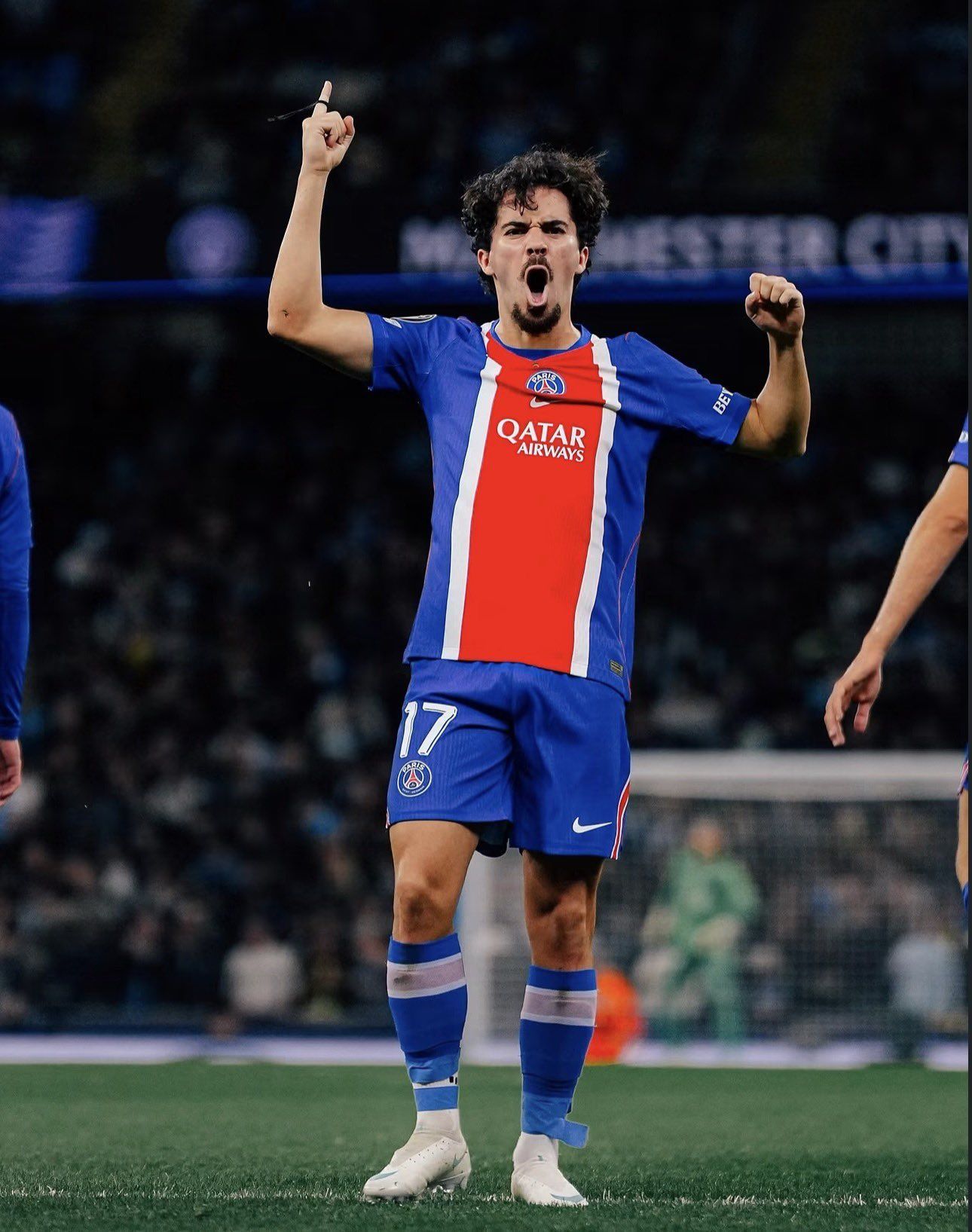
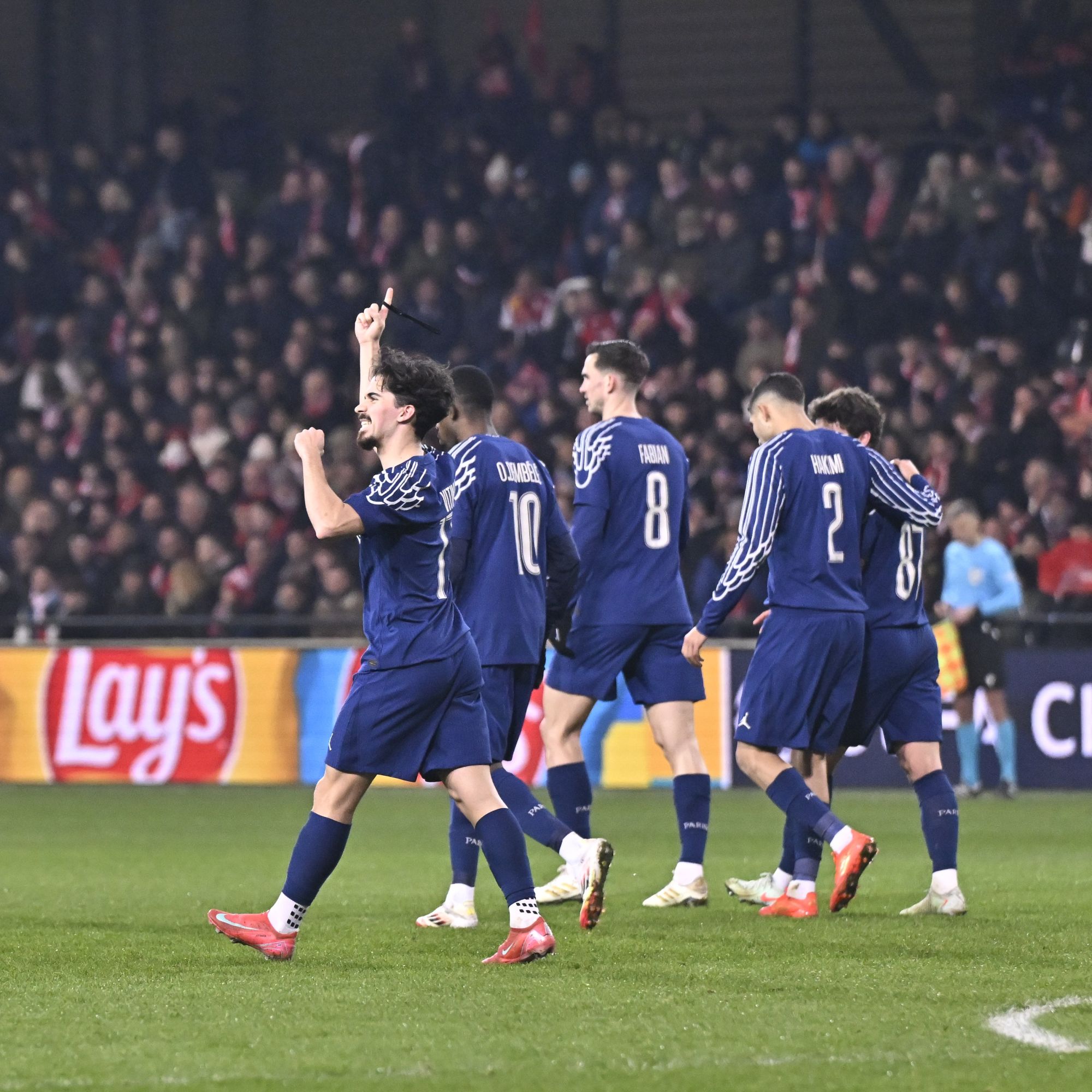
A couple of weeks ago, after scoring the goal that made it 3-2 in PSG-Barcelona, Vitinha ran towards the stands to celebrate with his supporters, jumping over the advertising boards and removing the hairband he uses to keep his hair back. Anyone who regularly watches the Parisians was already familiar with the Portuguese midfielder’s relationship with that elastic band, which he often removes and spins around his index finger after scoring.
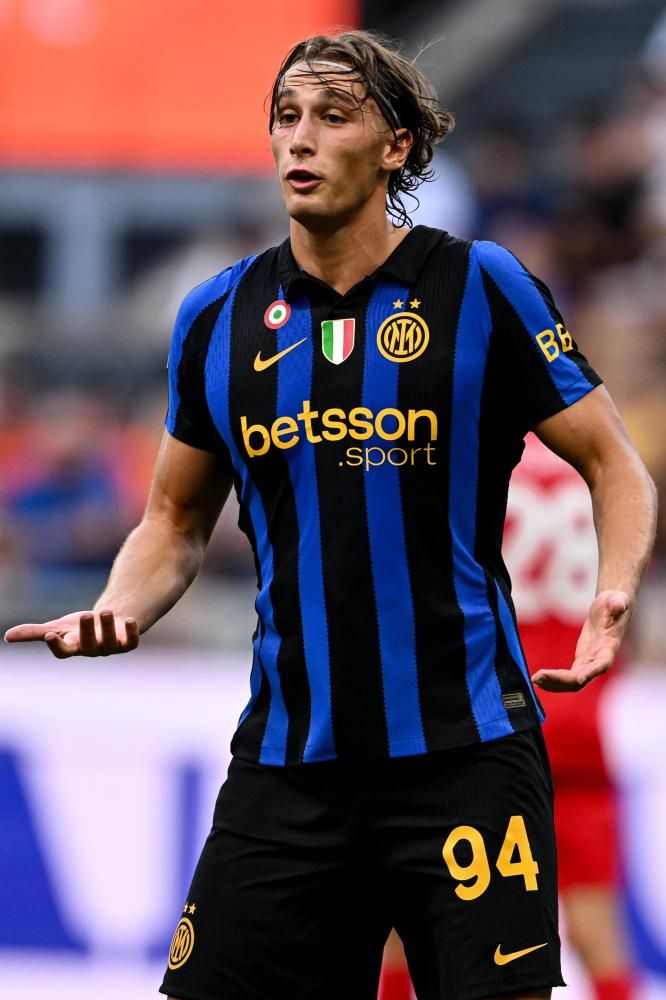
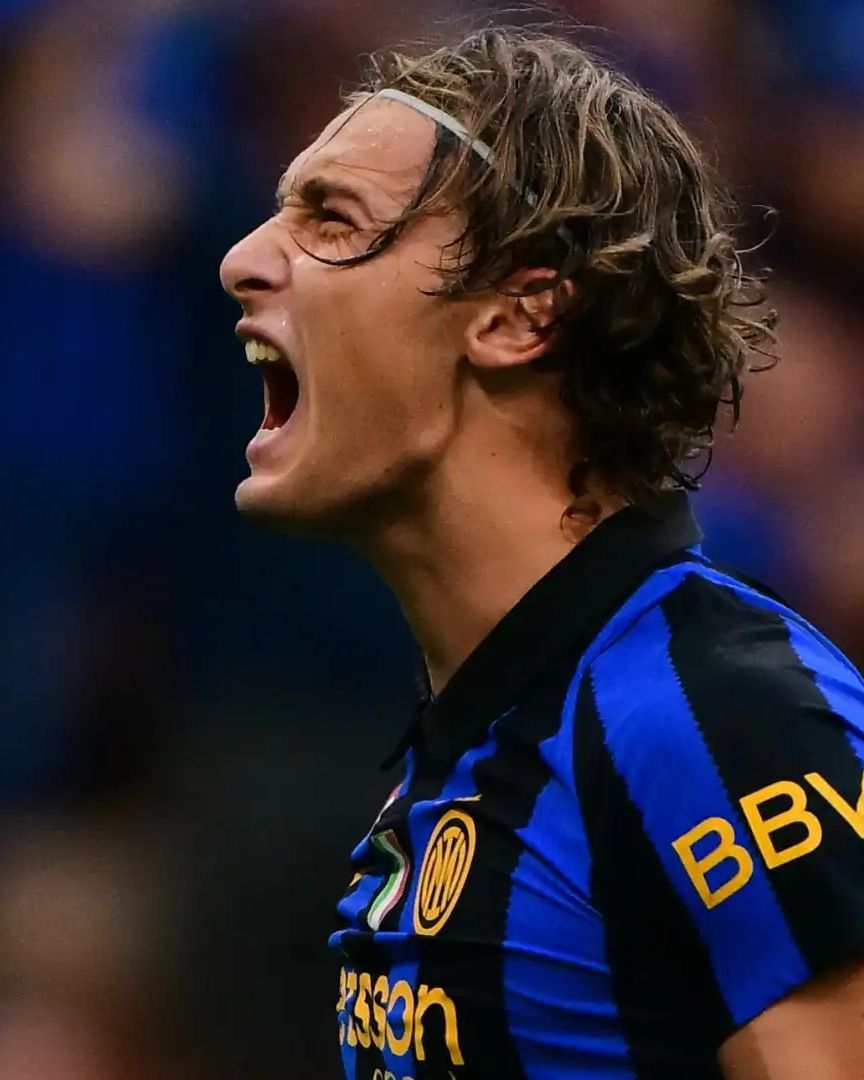
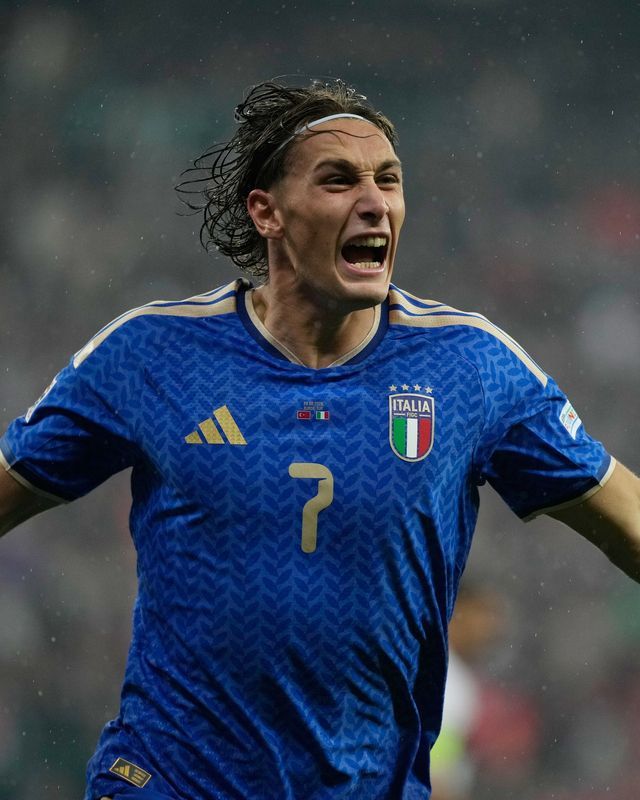
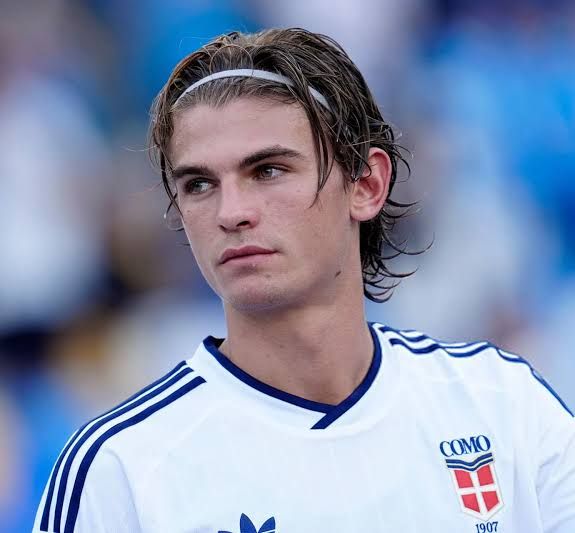
Meanwhile, Nico Paz, Pio Esposito and Ricardo Mangas are bringing back to our Serie A Sundays an accessory – the elastic hairband – capable on its own of evoking another era. Over the decades, we have associated it with players including Maldini and Vieri first, then Torres and Forlán, right through to today’s generation.
Their return – sometimes white, but more often black – is also expressed through a series of familiar gestures. Readjusting them after a challenge, taking them off when leaving the pitch, running both hands underneath to push the hair back, removing them during a celebration – whether it is Vitinha’s carefully choreographed gesture, now a signature move, or Vieri’s competitive trance: a matter of style and temperament.
Sono giorni che mi spacco la testa cercando di capire che flash mi abbia sbloccato l'esultanza di Vitinha che si toglie la fascetta, e oggi finalmente ci sono arrivato: la trance agonistica di Bobo Vieri Inter-Samp 3-2. Stasera finalmente si dorme sereni. https://t.co/eiC2JdQANz
— Andrea Lamperti (@a__lampe) November 4, 2026
The world of football hair accessories, however, is much broader: over the decades we have seen the wide headbands worn by Ronaldinho and Saint-Maximin, the tennis-style versions favoured by Anthony Gordon and Memphis Depay, and designs closer to an Alice band, such as the one worn by Cristiano Ronaldo at Juventus. But let us focus on the thinner hairbands, which have created a decades-long aesthetic of their own in football.
Vitinha’s signature
The PSG player’s celebration predates the night against Barça. Vitinha has been using his hairband as part of his celebration for around 18 months or two years, and during a press conference in December 2025 he explained that the idea had started as a joke with members of the kit staff. They suggested that he celebrate a goal that way, as the hairband was becoming an increasingly recognisable part of his public image. The Portuguese midfielder tried it, enjoyed doing it and decided to keep it going. “It doesn’t have any particular meaning”, he confirmed a few months later. “It started as a joke at the training ground”.
23' I @vitinha récompense la bonne entame parisienne ! #SB29PSG 0-1 | @ChampionsLeague https://t.co/ZzofMYKe3d
— Paris Saint-Germain (@PSG_inside) February 11, 2025
Looking through the archives, the gesture can already be seen after a penalty against Brest in February 2025, although it is difficult to establish exactly when he first performed it. This year, an advertising campaign helped cement its status: McDonald’s Portugal’s campaign for the 2026 World Cup, in which the fast-food chain recreated his celebration and began distributing bands across Portugal so that people could imitate it.
Last January, the first disciple of Vitinha finally appeared. It was Mateus Mide, another Portuguese player, who celebrated à la Vitinha after scoring for Porto B against Farense, spinning his fita, as it is called in Portugal, around his index finger.
Hairbands and Italian football
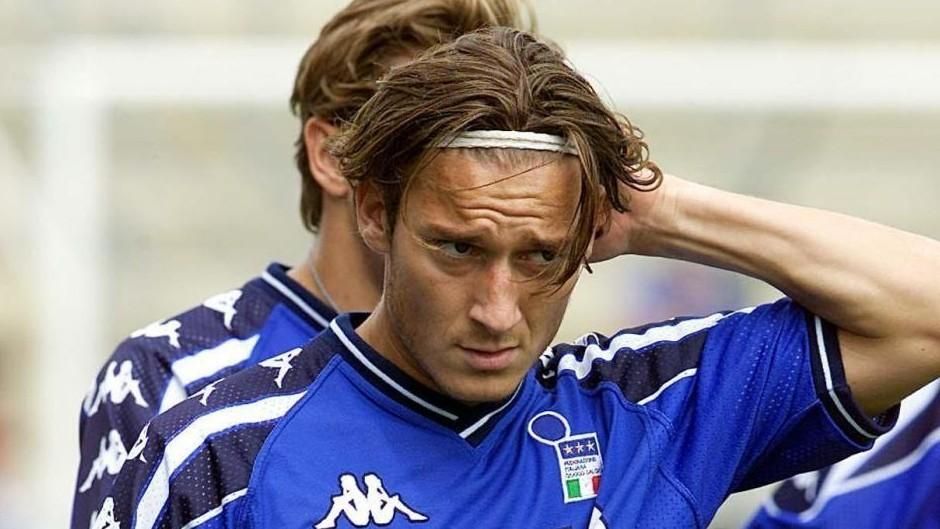
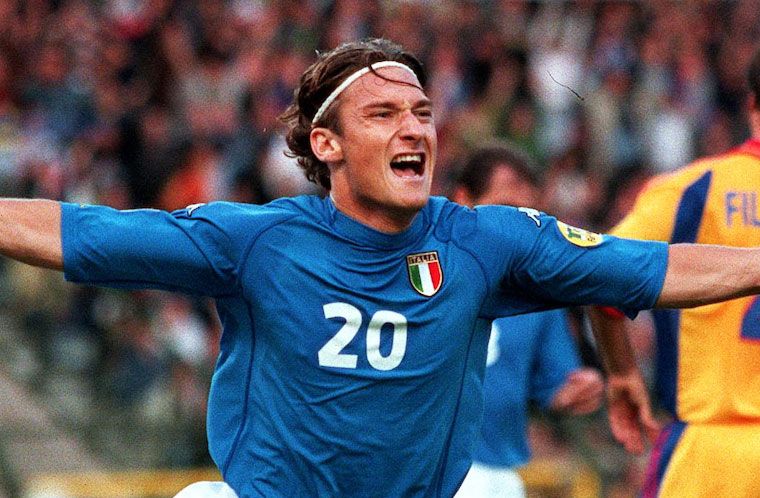
Paolo Maldini, Alessandro Nesta, Francesco Totti, Fabio Cannavaro: for Italian supporters, it is almost inevitable that these are the first names that come to mind before thinking about the players wearing them today. We remember the 1990s and early 2000s, the Italy teams of that period (the good old days!), the Kappa shirts and the long hair that constantly needed readjusting. Totti’s white hairband, in particular, had a presence of its own alongside the blue of the kit: while black could almost disappear into the hair, white created a line that could be seen even from a distance.
Riccardo Calafiori’s aesthetic brought the subject back into focus during Euro 2024. An Italian defender – and we might add: a very good and equally handsome one – with long hair held back by a white hairband almost forced us to reopen the photographic archives of Maldini and Nesta. A visual association that ended up anticipating the technical comparisons too.
In recent months, meanwhile, Pio Esposito has reminded us of Vieri. The physicality, the goalscorer’s instinct, the Inter shirt, but also the slicked-back hair and the hairband: for anyone with “Bobo” in mind, the overlap feels quite natural. Almost inevitable.
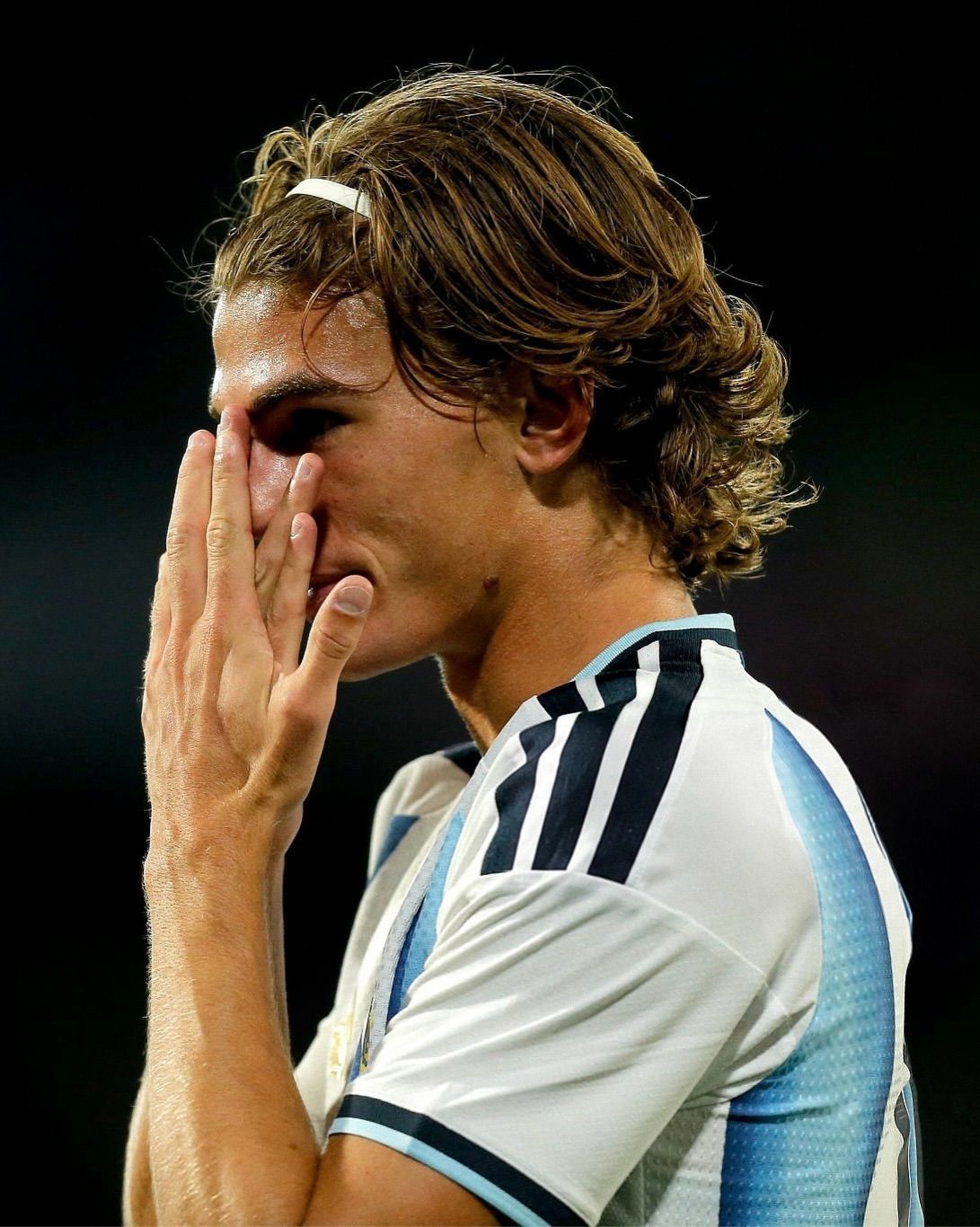
Nico Paz, however, evokes something different. His blonde hair held back by a hairband complements the way he caresses the ball and a certain Latin football mythology, positioning the Como attacking midfielder as the heir to the many Argentinians who wore the accessory before him – but we will return to them in the next section.
Ricardo Mangas, finally, takes us even further back. Between the hairband, curls, mullet and moustache, his look transports us half a century into the past. “Football in the 1970s and 1980s was more fascinating”, Mangas himself confirmed in an interview a few months ago, perhaps also referring to aesthetic details of this kind.
Outside Italy
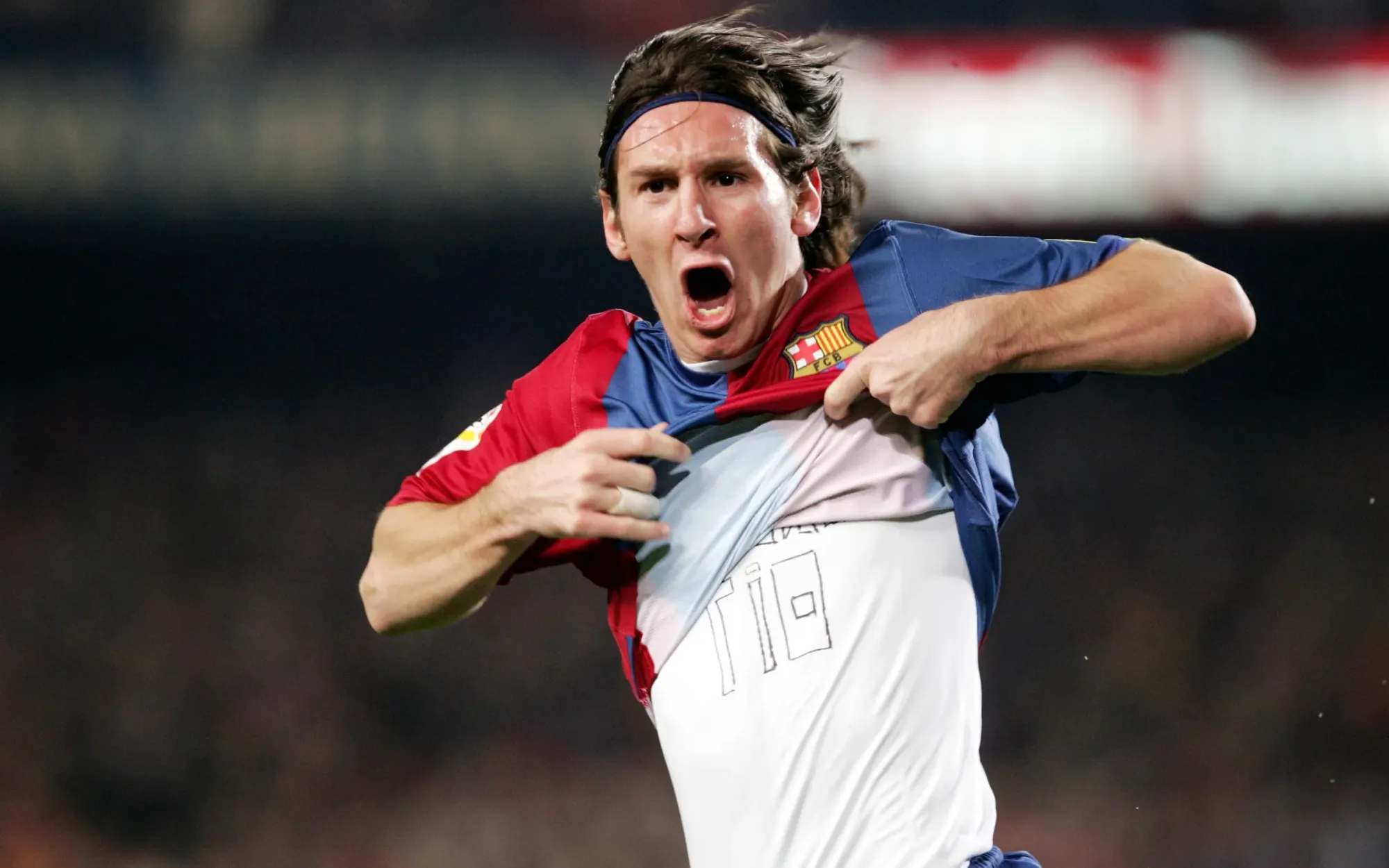
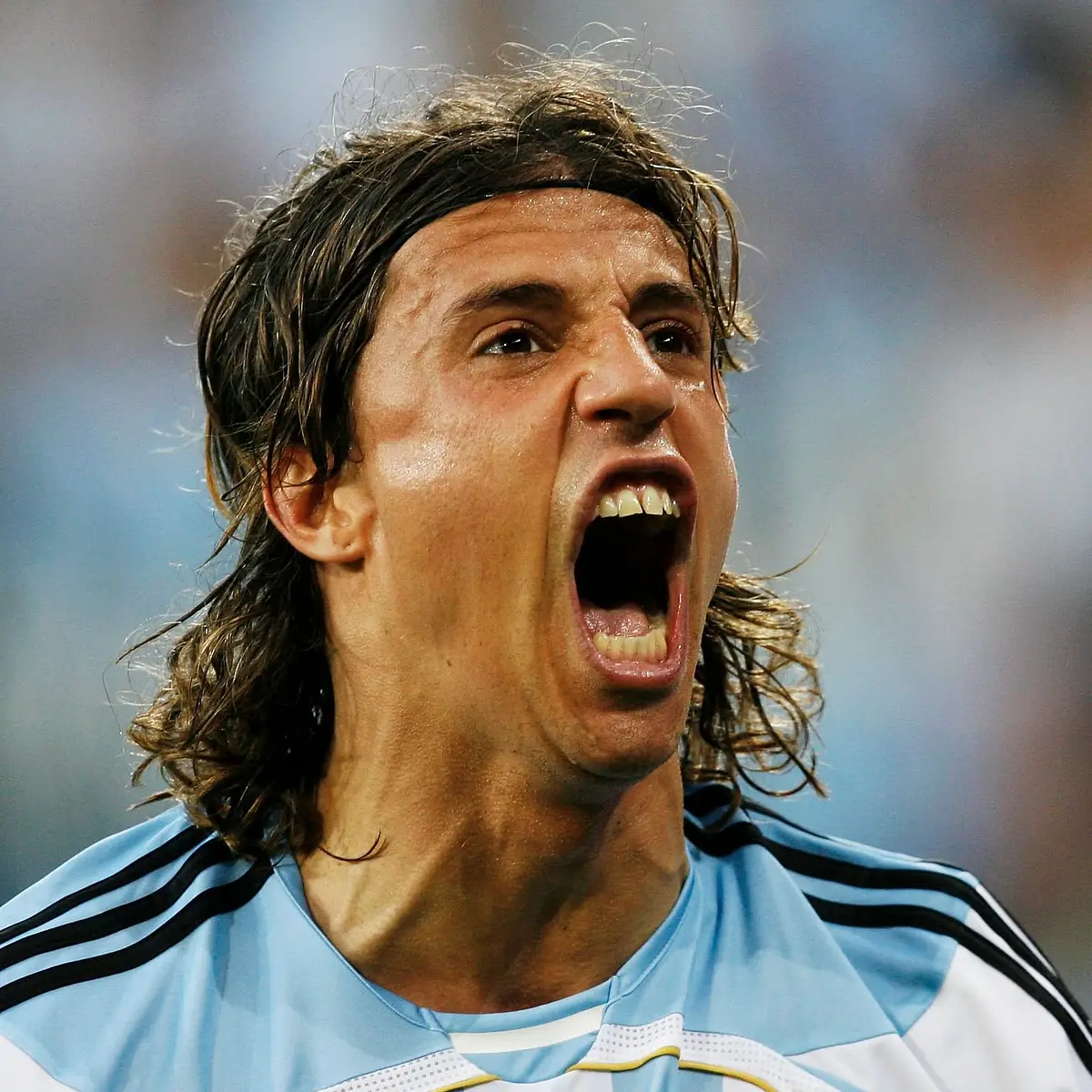
Working backwards, we begin with the images closest to home before moving further afield. In photographs from Italia ’90, Claudio Caniggia’s blonde hair is held back by a thin white hairband: the vincha – as it is called in Argentina – worn by “El Pájaro” is undoubtedly one of the accessory’s most recognisable examples, and belongs to a long tradition of Argentinian hairstyles that followed him. From Hernán Crespo to Juan Pablo Sorín, through Matías Almeyda and a young Lionel Messi.
At the beginning of the new millennium, meanwhile, David Beckham and Fernando Torres are two of the names that most readily come to mind. For the Englishman, the hairband was one of countless variations in his obsessive relationship with hairstyles, cuts and looks; for “El Niño”, meanwhile, it became a permanent part of his image, particularly during his years at Liverpool. Blonde hair, long sleeves, Total 90s, a hairband and “sliding like a matador in front of the Kop” – who could forget?
Fernando @Torres will make a return to Anfield next month when he lines up for #LFCLegends against AFC Ajax Legends in the annual @LFCFoundation charity match Get your tickets now
— Liverpool FC (@LFC) February 15, 2024
Last but not least, one example even ended up inside a museum display case. After the 2010 World Cup in South Africa, Diego Forlán donated the hairband he wore during the tournament, personalised with his embroidered initials, to the FIFA Museum. Describing it, he explained: “I never bought a proper hairband; at first, I used a piece of string”. In other words, homemade versions fashioned from socks or shoelaces. According to the Uruguayan striker, he preferred them because they were less tight and did not pull his hair like rubber elastics.
Today, finding a top-level footballer who makes his own hairbands at home would be almost impossible, with technical products now available in the catalogues of every major sportswear brand. From the Nike Flex Classic Slim to the adidas Multiple Width, they are often made from stretch fabrics combined with silicone inserts to improve their grip.
Meanwhile, international stars such as Luka Modrić and Jack Grealish have kept the hairband tradition alive, even during the years when it seemed less cool. Right up to its recent return and Vitinha’s celebration, which forced us to retrace this long history.
What to read next
Every fashion brand dressing Europa League clubs in 2026/27
Elegance is mandatory on Thursday nights, too
Ascoli Calcio’s growth is no coincidence
Club stability, a strong bond with supporters and interesting commercial partnerships have brought enthusiasm back to the city
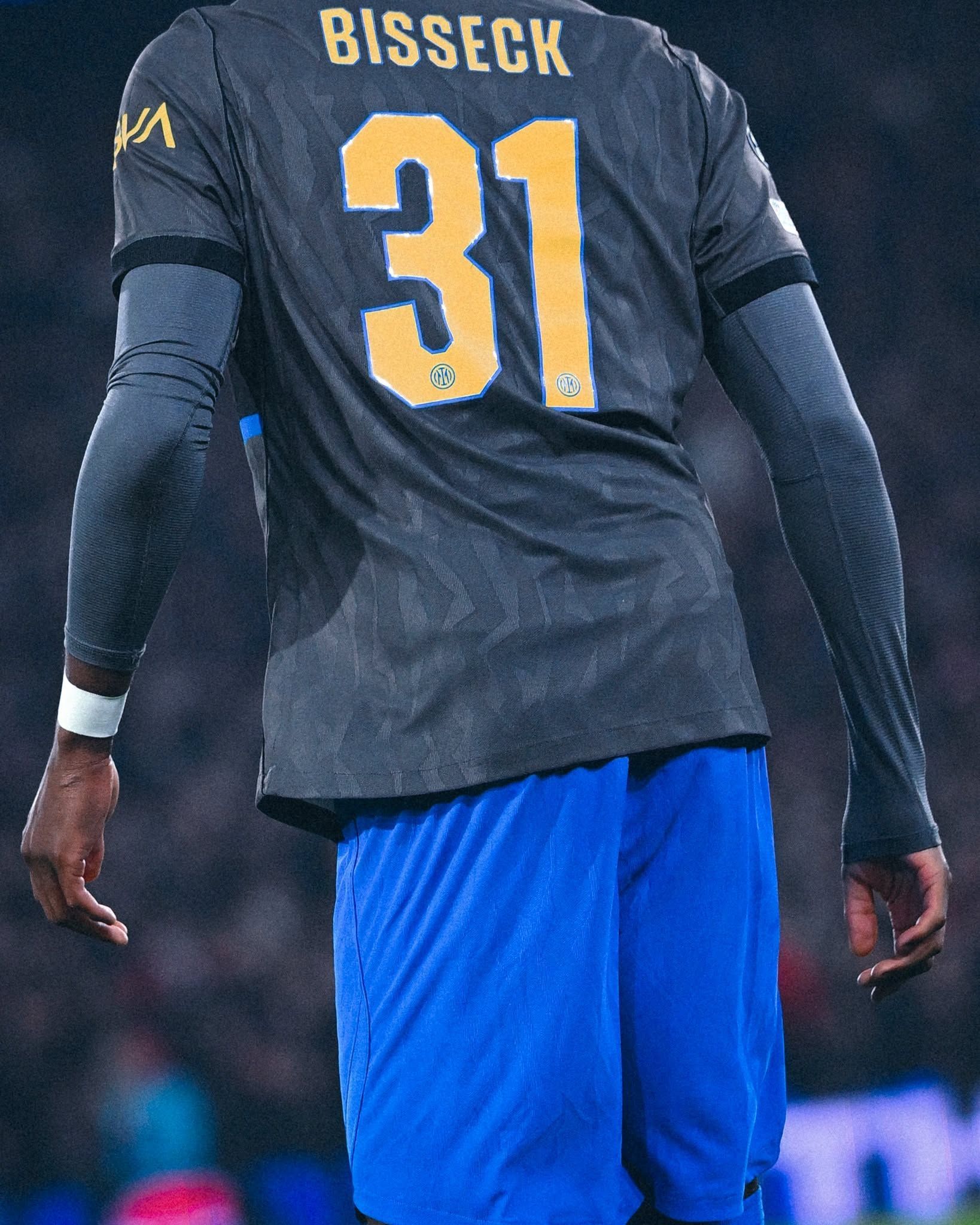
Why did Inter wear light blue shorts again?
The kit clash with Feyenoord produced an unusual combination, but one with several precedents in the Nerazzurri’s history