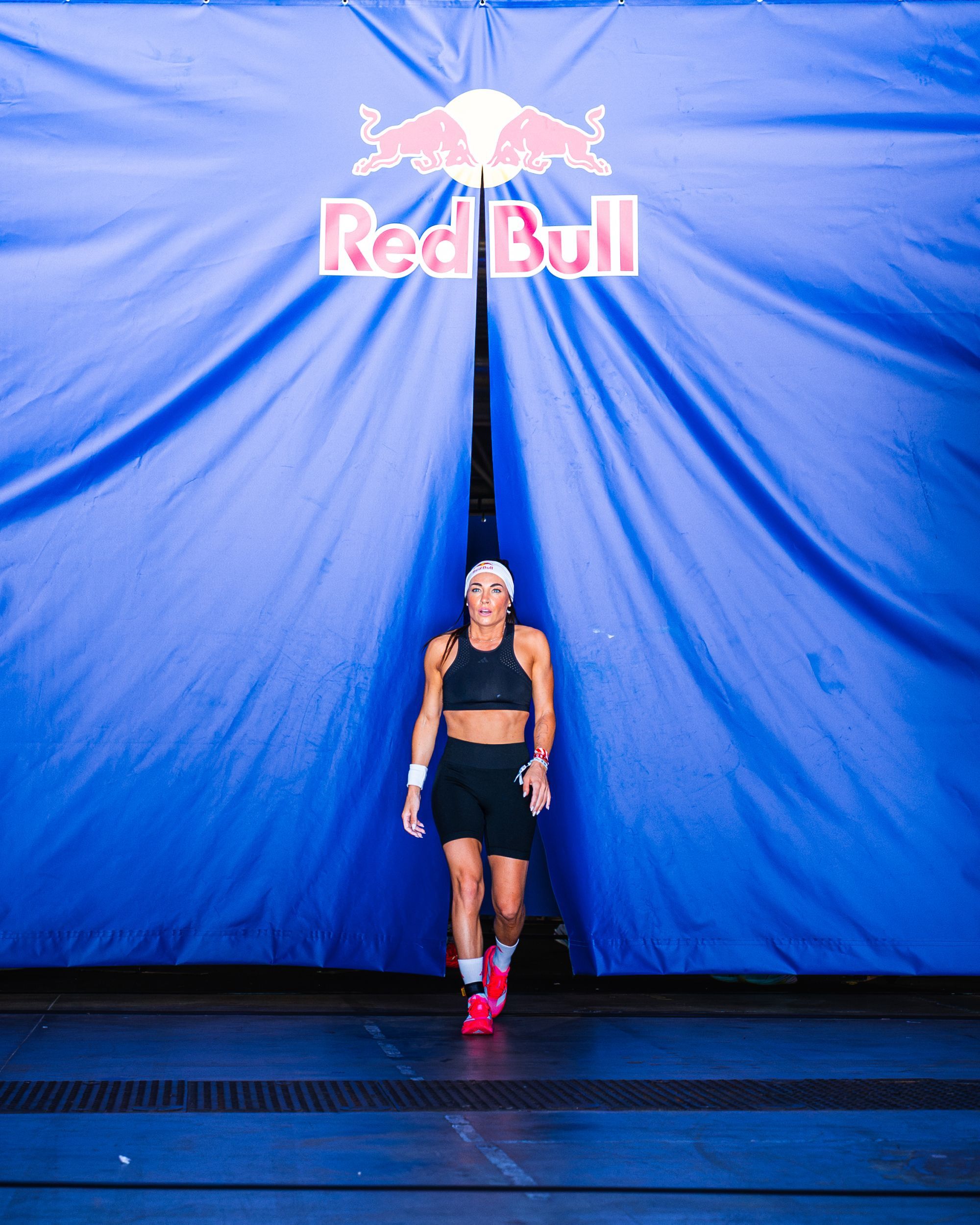


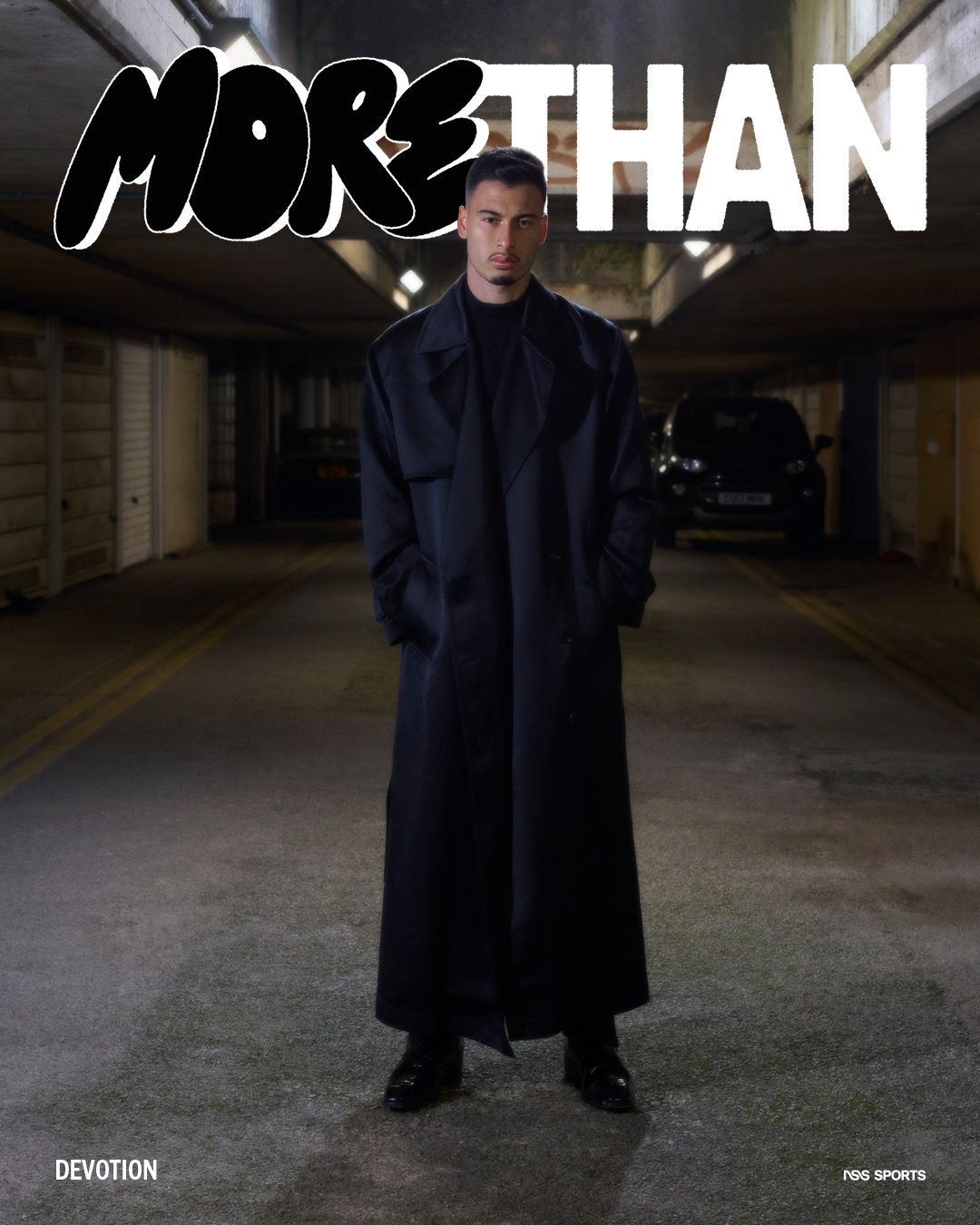
Now footballers wear tennis knot headbands Anthony Gordon, Serge Gnabry, Antoine Bernede, and many others as well
There was a moment, about eight seasons ago, when a simple stylistic choice sparked an unprecedented case in the football world from an aesthetic point of view: we’re talking about the decision by Allan Saint-Maximin, then at Nice and soon after moving to Newcastle under the even brighter spotlight of the Premier League, to play wearing a Gucci-branded headband. A very wide headband, in other words—an accessory you’d expect to see more on Rafa Nadal than on a winger. And yet, in no time at all, that headband became a full-fledged style icon: partly because it reflected the flair and uncommon skills Saint-Maximin showed on the pitch, and partly because, even today, no one—when it comes to footballers’ aesthetics and personal style—has ever brought a luxury brand directly onto the field of play.
After all, if jewelry is forbidden, a Gucci-branded headband was perhaps the most immediate way for a footballer to flex and create a unique personality. But Allan Saint-Maximin’s style also helped further popularize an otherwise fairly common item like the headband; the results are still visible today, with many footballers who, while obviously able to tie their hair back with a thin band, instead prefer a much wider headband, practically “tennis-style.” And even if none of them wears a Gucci one, there are nonetheless several versions available nowadays.
Anthony Gordon’s tennis headband
Among the most significant cases is that of Anthony Gordon, who wears the same adidas headband you’ve seen many times on Tsitsipas or Zverev, alternating it, to be fair, with a plain black, unbranded hairband. Gordon’s headband—also commonly worn by Serge Gnabry—features a knotted closure at the back, while the black one is a classic elasticated band. This can’t be a coincidence: behind this choice lies, first and foremost, the Newcastle player’s passion for tennis (just like Saint-Maximin). Unsurprisingly, Gordon was in the front row at Wimbledon this July.
Anthony Gordon’s case also shows how tennis and football are becoming increasingly interconnected: recently, both Sinner and Alcaraz took to the court showcasing collaborations from the T90 line, respectively with Slam Jam and Palace Skateboards.
Noni Madueke and Raphinha
Leaving aside the specific case of Anthony Gordon’s “tennis-style” headband, Leon Bailey, Noni Madueke and Raphinha usually wear a black headband very similar to the one Gervinho sported during his golden era with Roma.
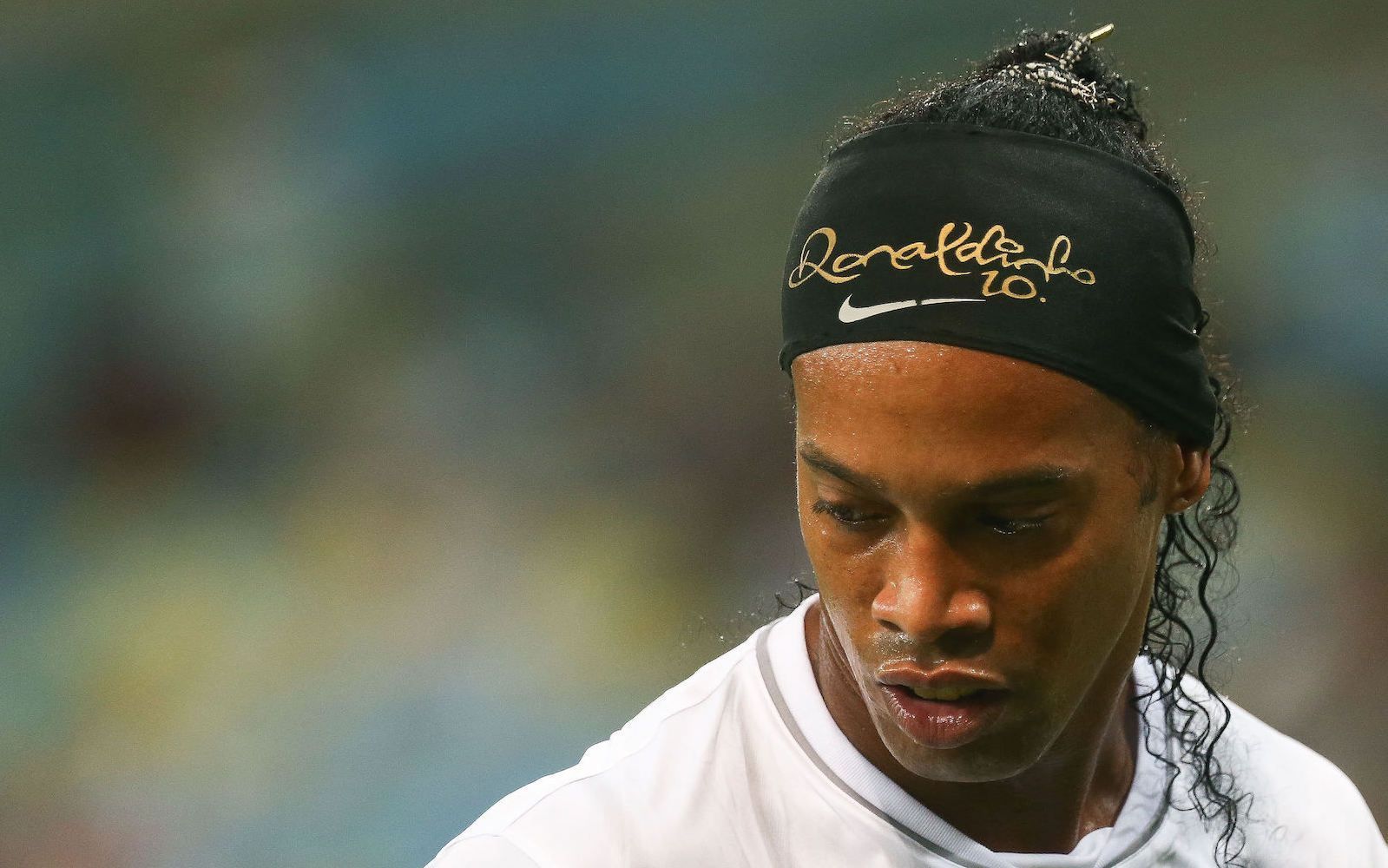
Today, among footballers, there is a clear stylistic divide between those who wear wide headbands and those who opt for thinner bands: the most classic example in this column is obviously Luka Modrić, who has turned this detail into a defining trait. The list then extends to many other players, such as Riccardo Calafiori, often associated with the aesthetic of Italy’s national team players from the 2000s: Vieri, Maldini, Nesta, Totti.
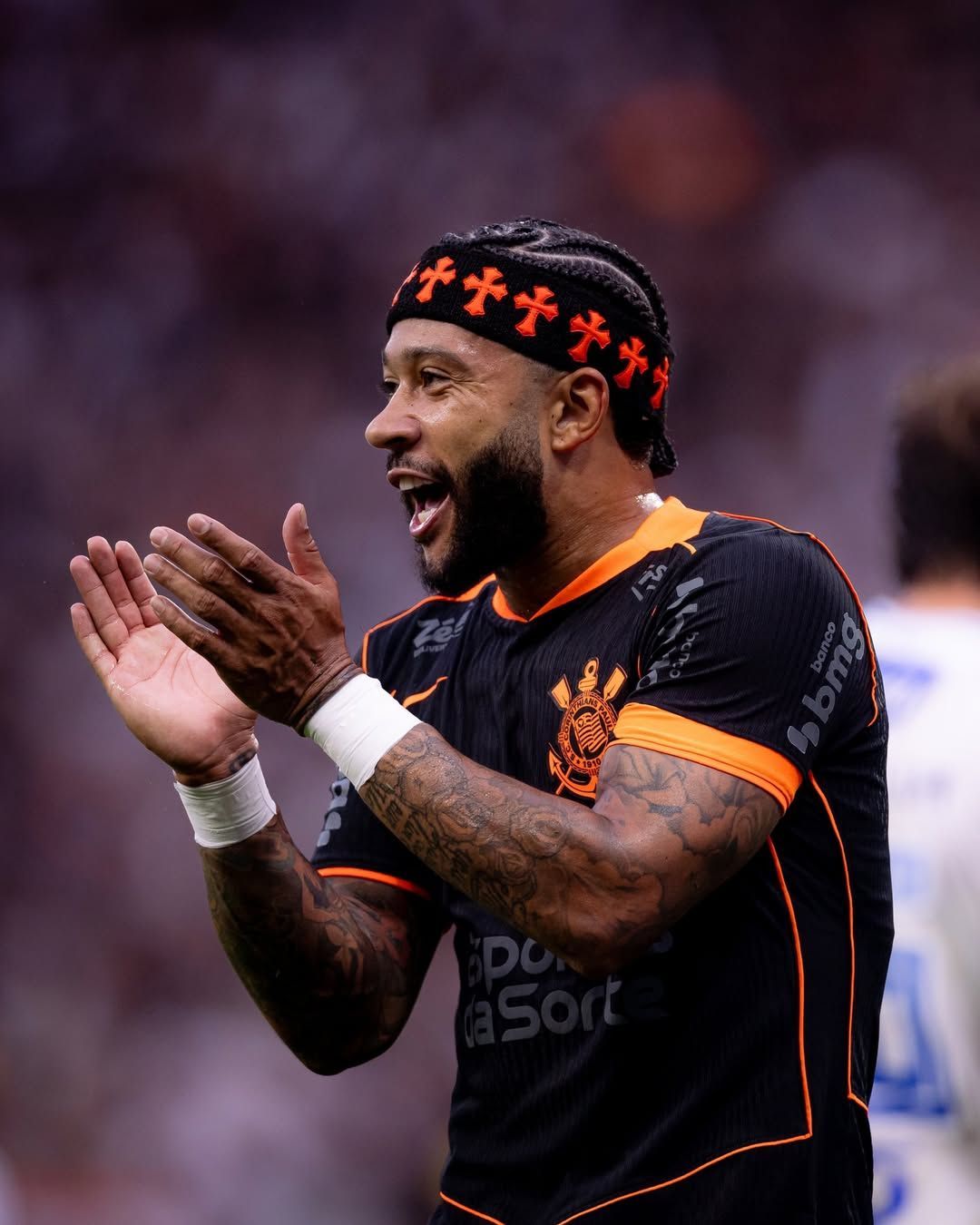
The Chrome Hearts custom piece for Memphis Depay
Speaking of a name that sounds almost like an institution when it comes to headbands worn by footballers. In the match against Cruzeiro, lost 1–0 on December 14, Memphis Depay took to the field wearing a custom Chrome Hearts headband, entirely black with red crosses. A rather singular choice by the Dutchman, who opted for a brand defined by a symbol very similar to the one found on the Vasco da Gama crest, the historic rivals of Corinthians in the match known as the Clássico Vascorinthians.
“Tennis-style” headbands have also made their way to Serie A thanks to Hellas Verona player Antoine Bernede: he too has chosen a terry-cloth version, marking the definitive consecration of an old-fashioned item.