Ascoli Calcio’s growth is no coincidence Club stability, a strong bond with supporters and interesting commercial partnerships have brought enthusiasm back to the city
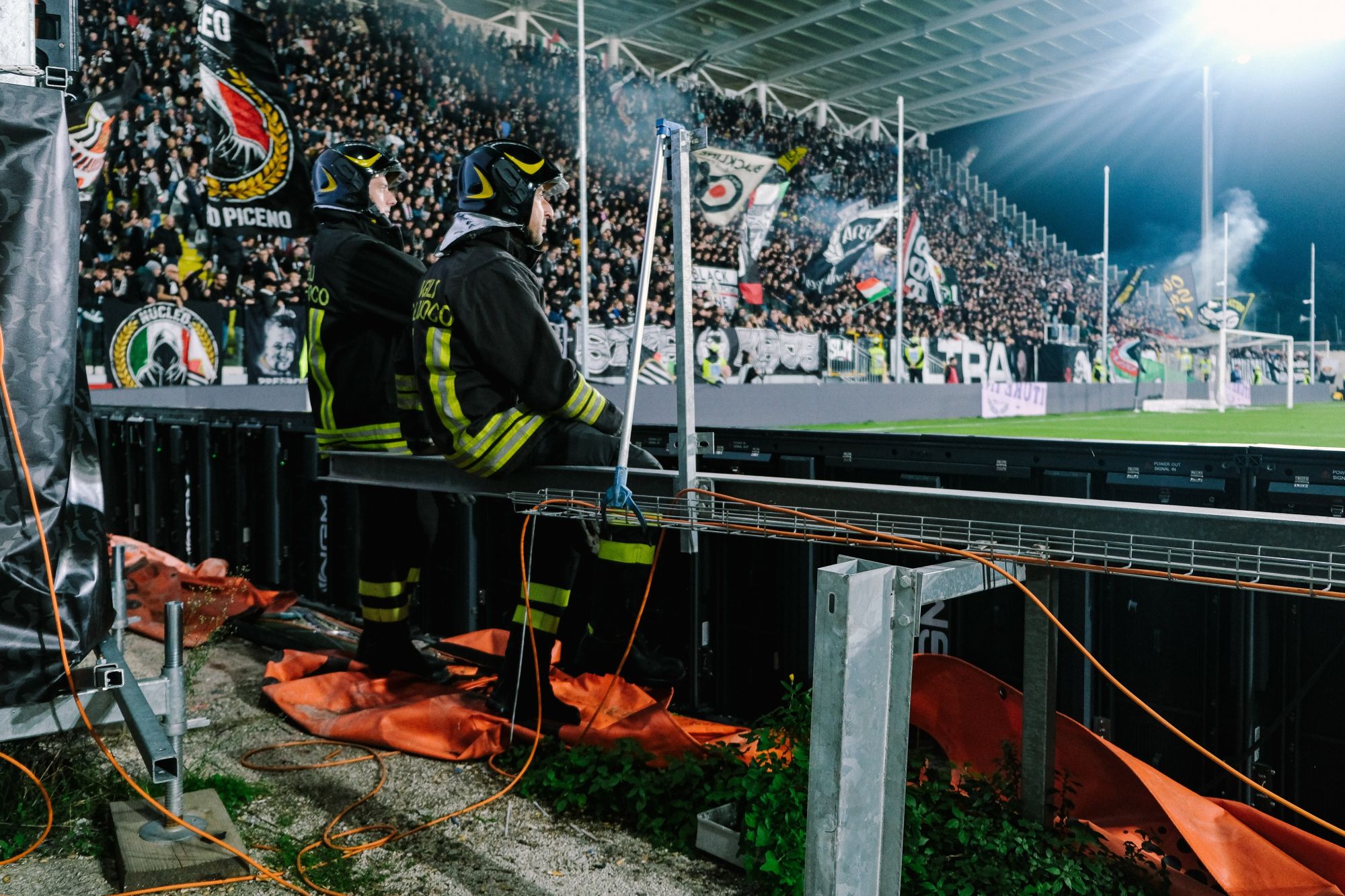
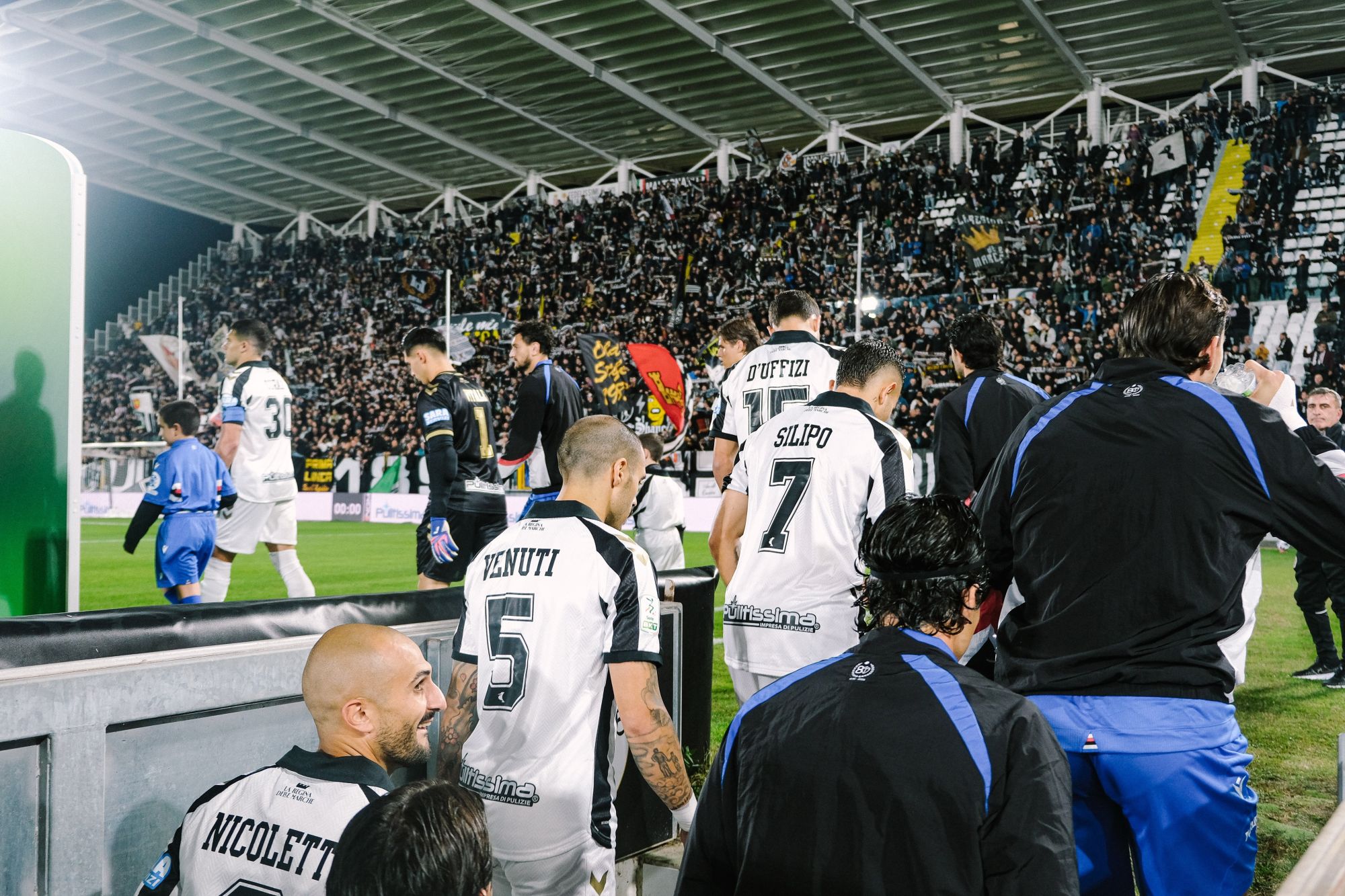
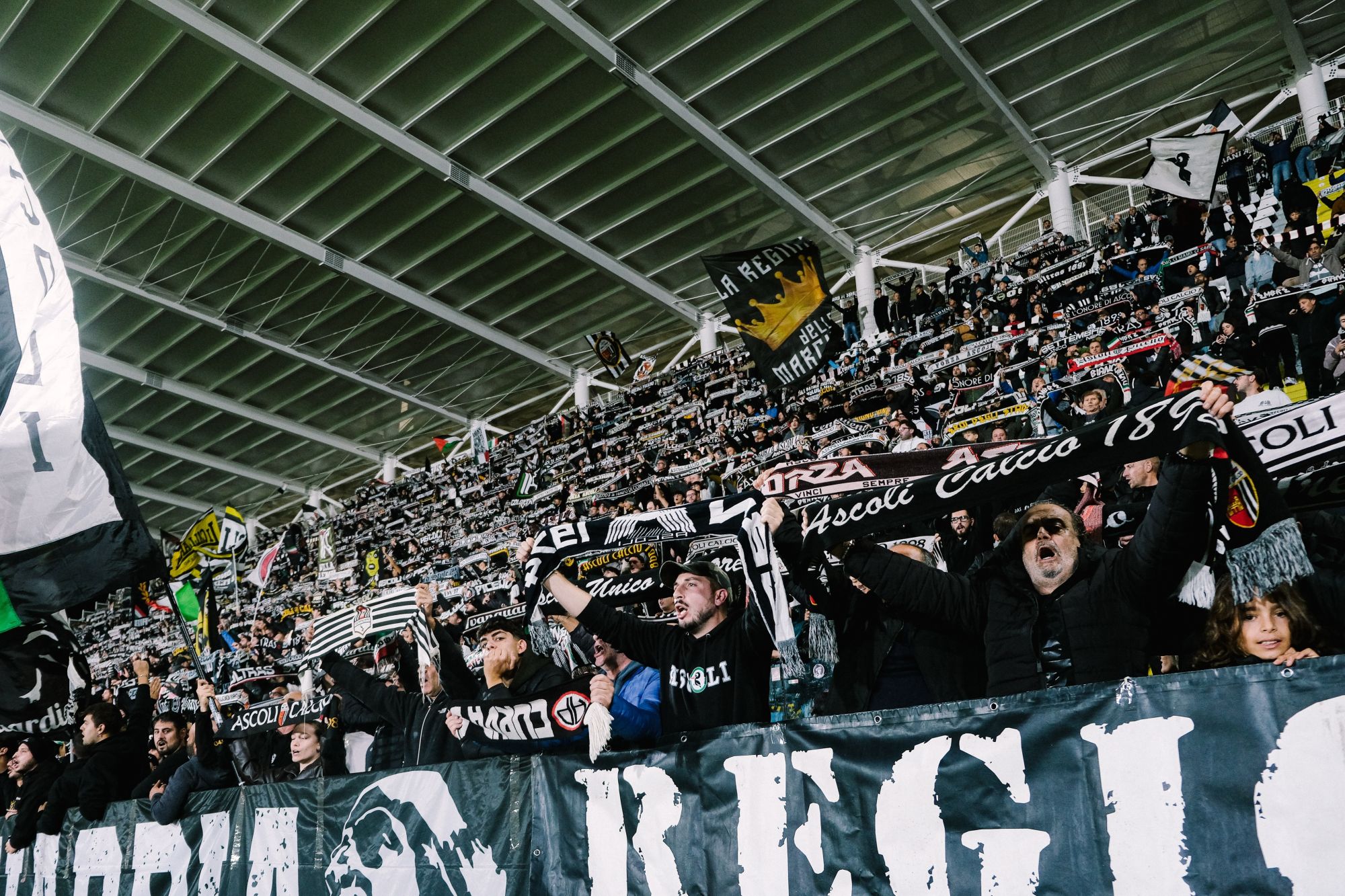
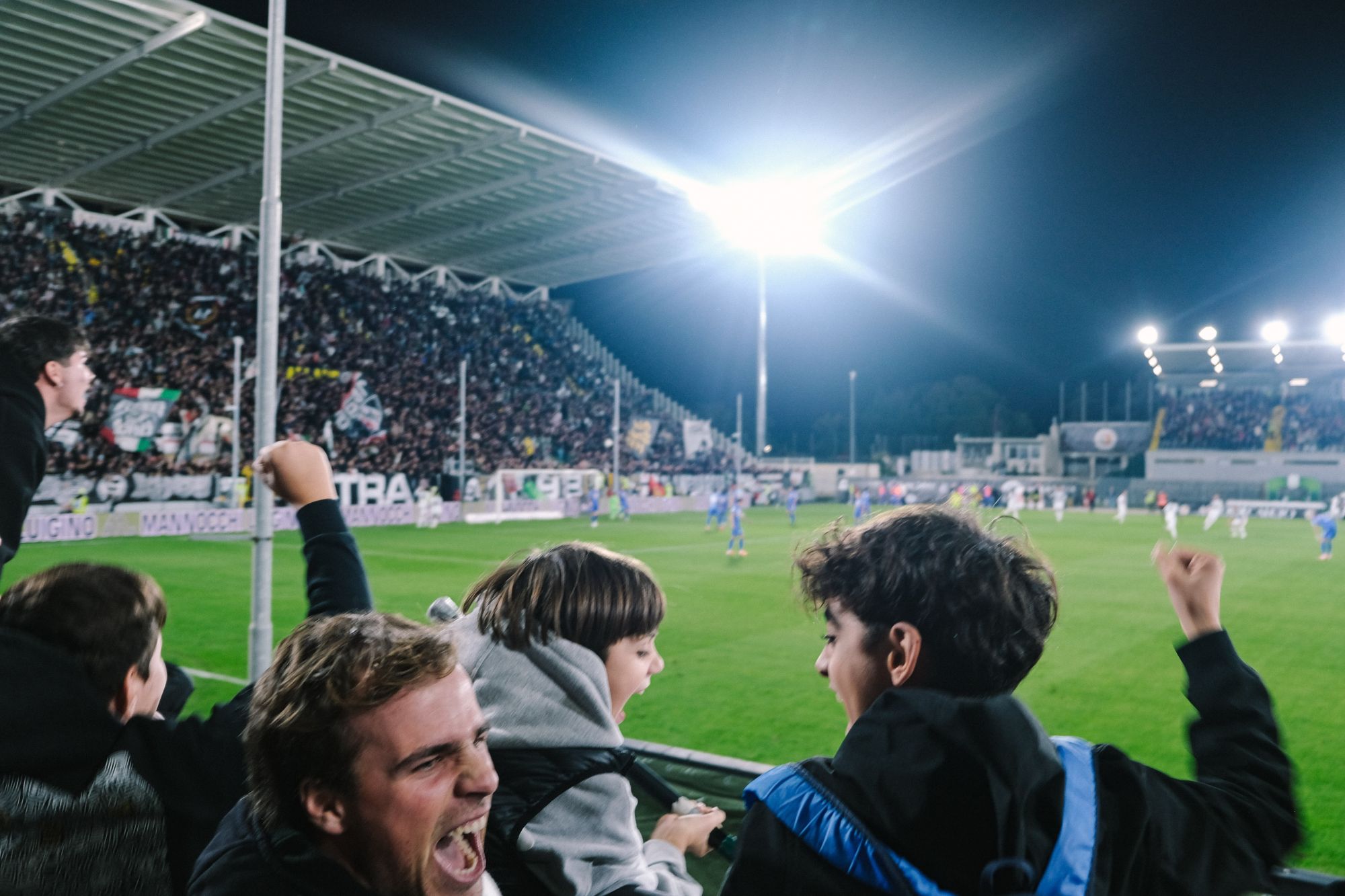
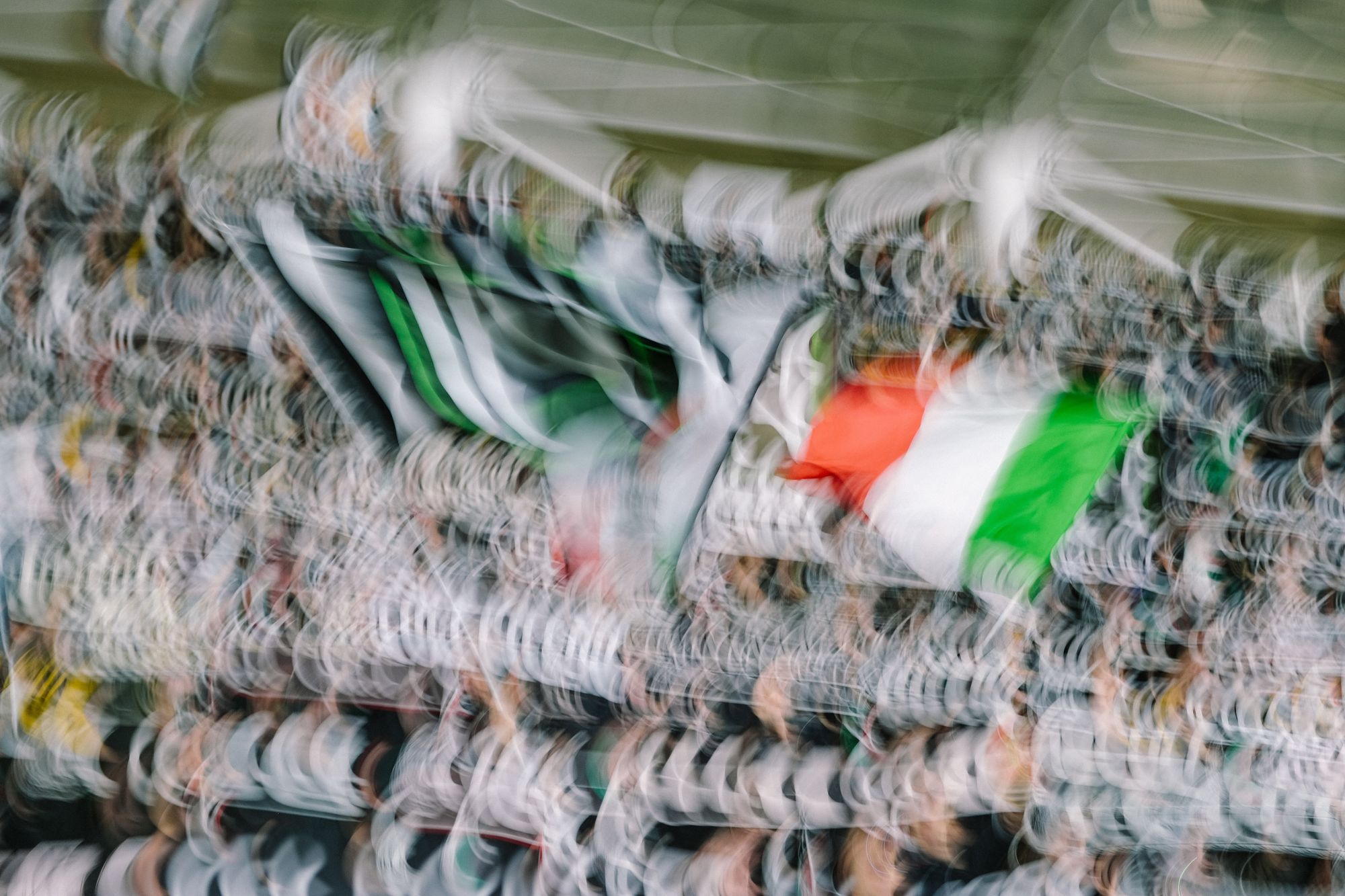
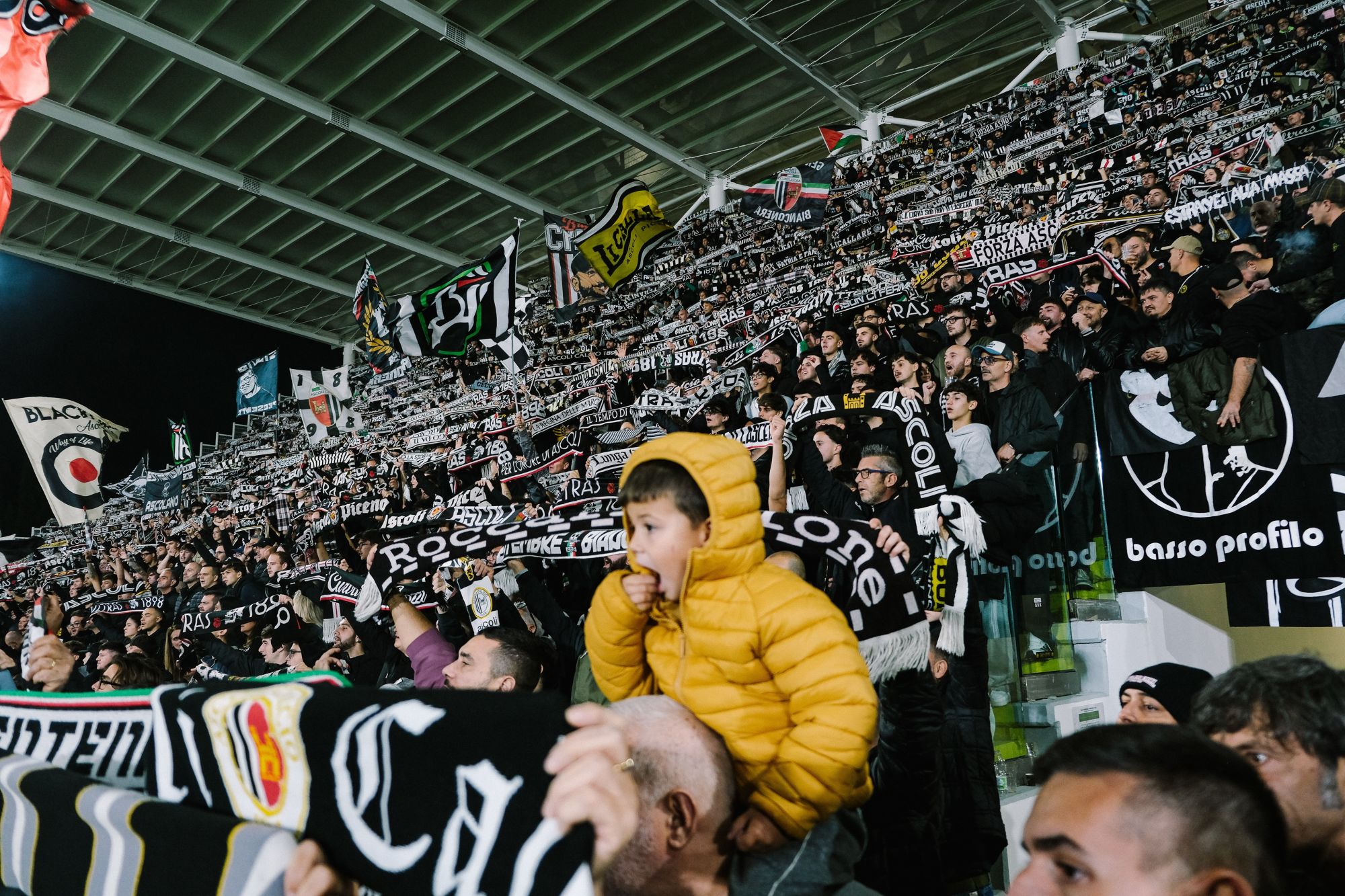
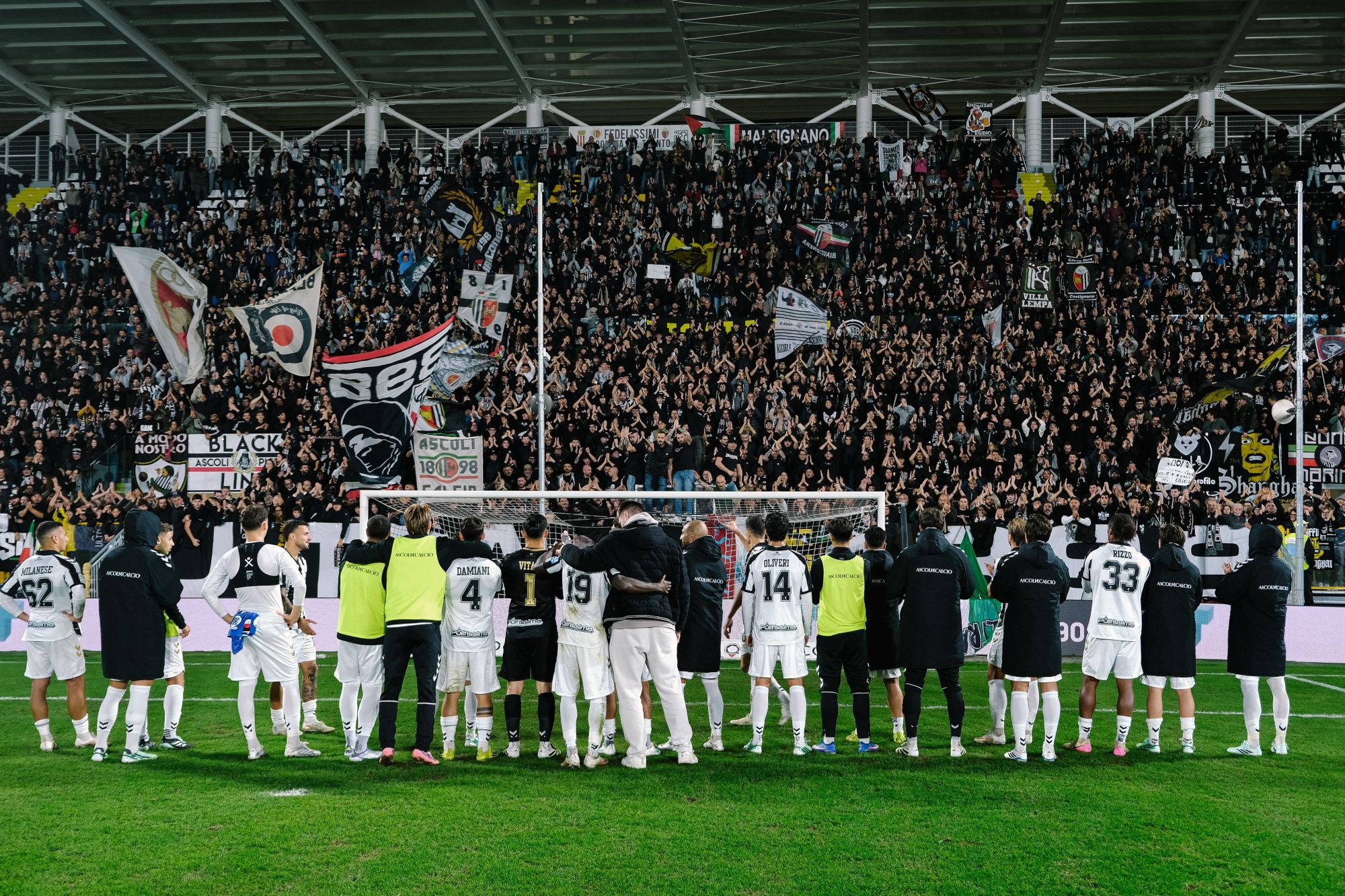
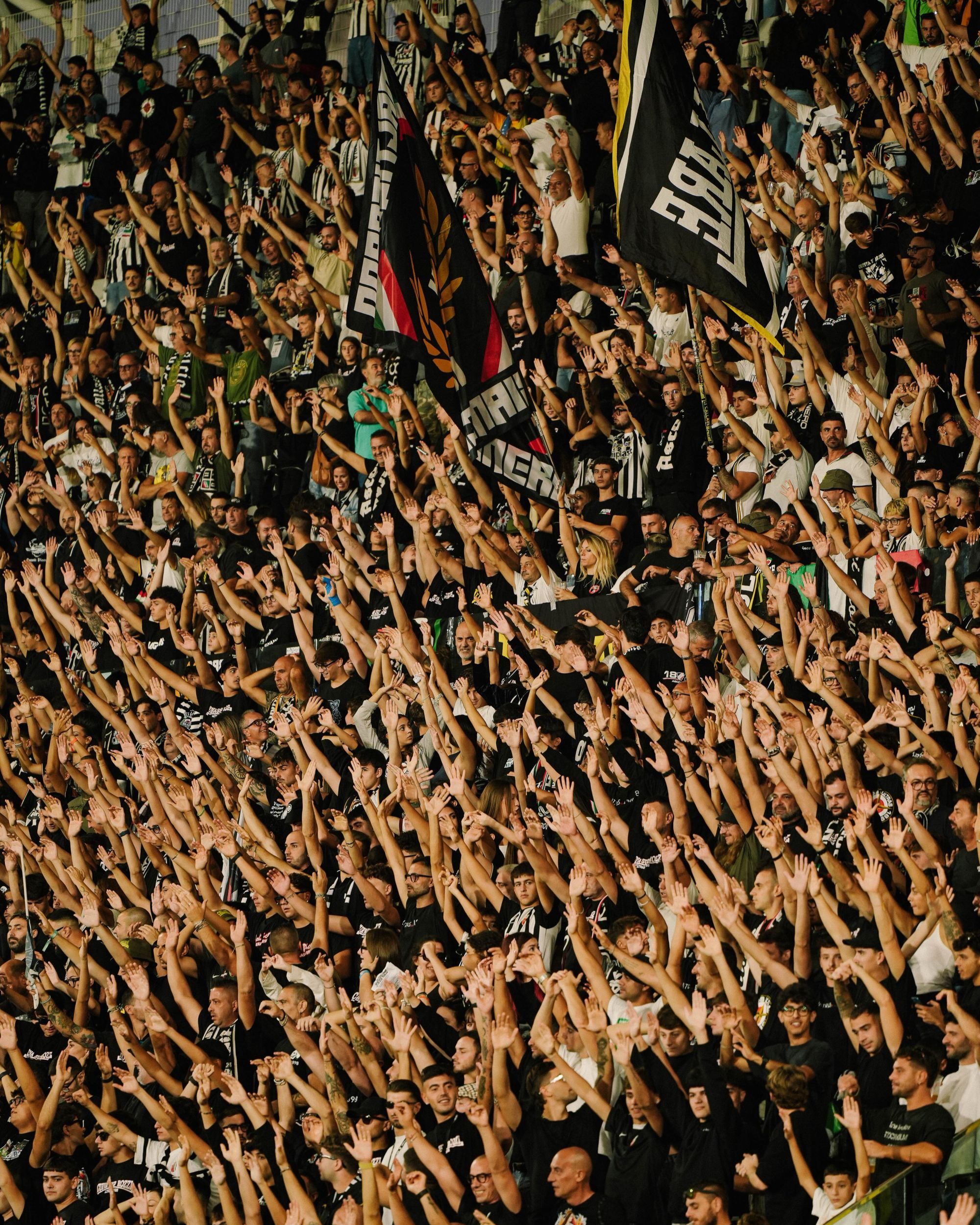
On 10 May 2024, the Stadio Del Duca was filled with supporters in tears. Ascoli had just beaten Pisa, but it was not enough: after nine consecutive seasons in the second division, their time in Serie B came to an end that evening. Two years later, the same stadium has more than 10,000 season-ticket holders, the highest figure in the club’s history, while home matches average around 14,000 spectators.
In the meantime, a great deal has changed: the ownership, the crest, the kit, the clothes worn by the team when travelling and the curva that drives the players on. On the pitch, Ascoli are back in Serie B and have made an excellent start to the season, sitting near the top of the table. But an important part of this story has been written elsewhere.
Who is behind Ascoli today?
In June 2025, ownership of the club passed to the Passeri family, with Bernardino becoming president and his son Andrea taking on the role of strategic director. Sporting director Matteo Patti and head coach Francesco Tomei, both appointed immediately, renewed their contracts until 2029 a few days after promotion. What stands out above all is the way the club’s senior management makes itself visible to supporters and stands alongside them.
In September 2025, Passeri explained that the club had chosen Tomei the man before Tomei the coach, while personally apologising for problems with the stadium’s food and drink facilities during the same period. One year later, the club acknowledged issues involving access points, turnstiles and refreshment areas in an official statement. And when presenting the new crest, Passeri reiterated that the local community remained the club’s primary point of reference. The project’s strength lies precisely here: in a club that makes itself available, speaks to its people and does not hide its difficulties.
How was Ascoli’s crest created?
The rebranding was a crucial step in this journey. It was developed by Modì, a Ferrara-based agency that first made its name on social media through its analysis of football design and branding. In 2024, together with Ezeta, it completed its first official project for a professional club, Latina.
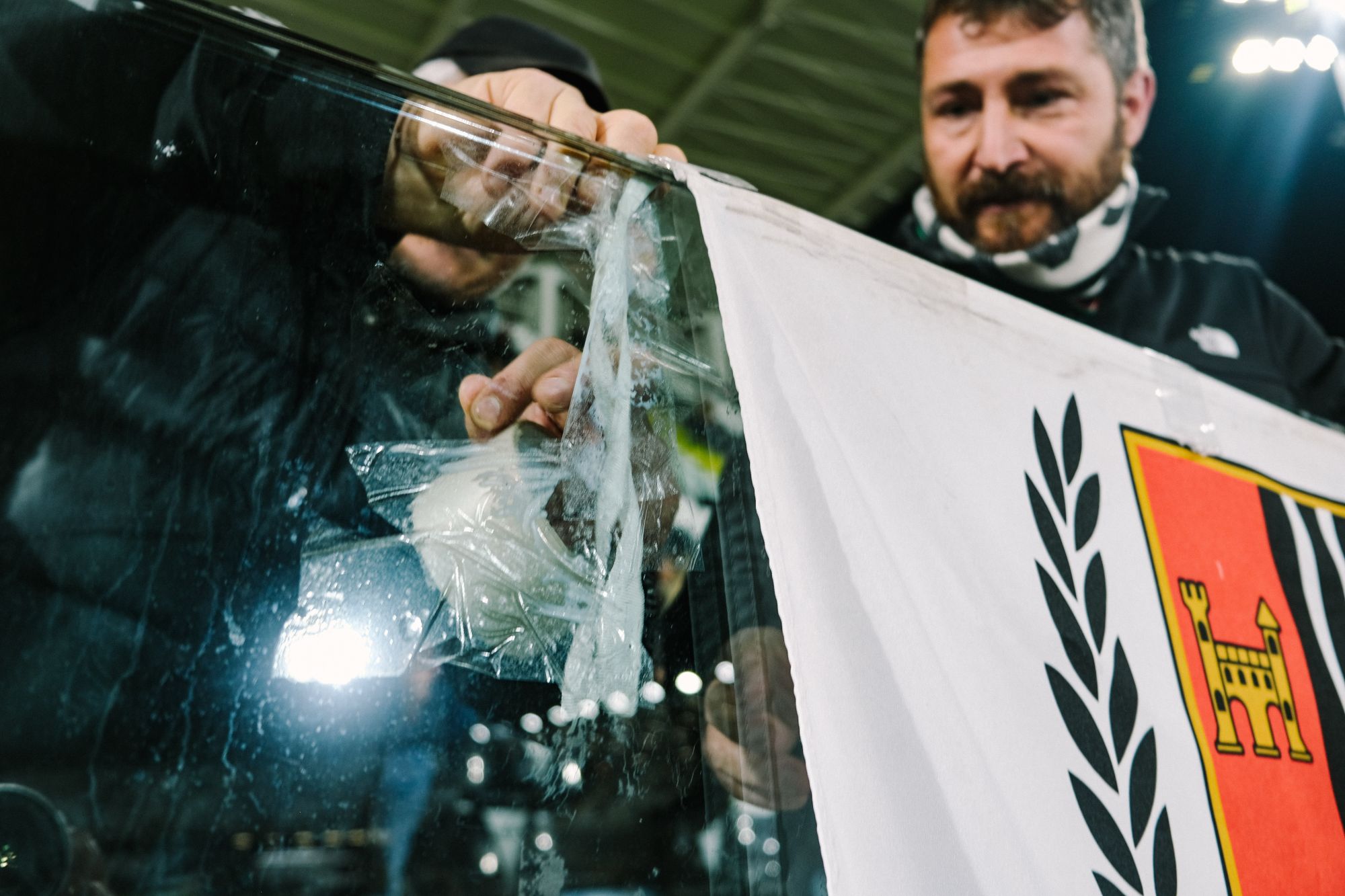
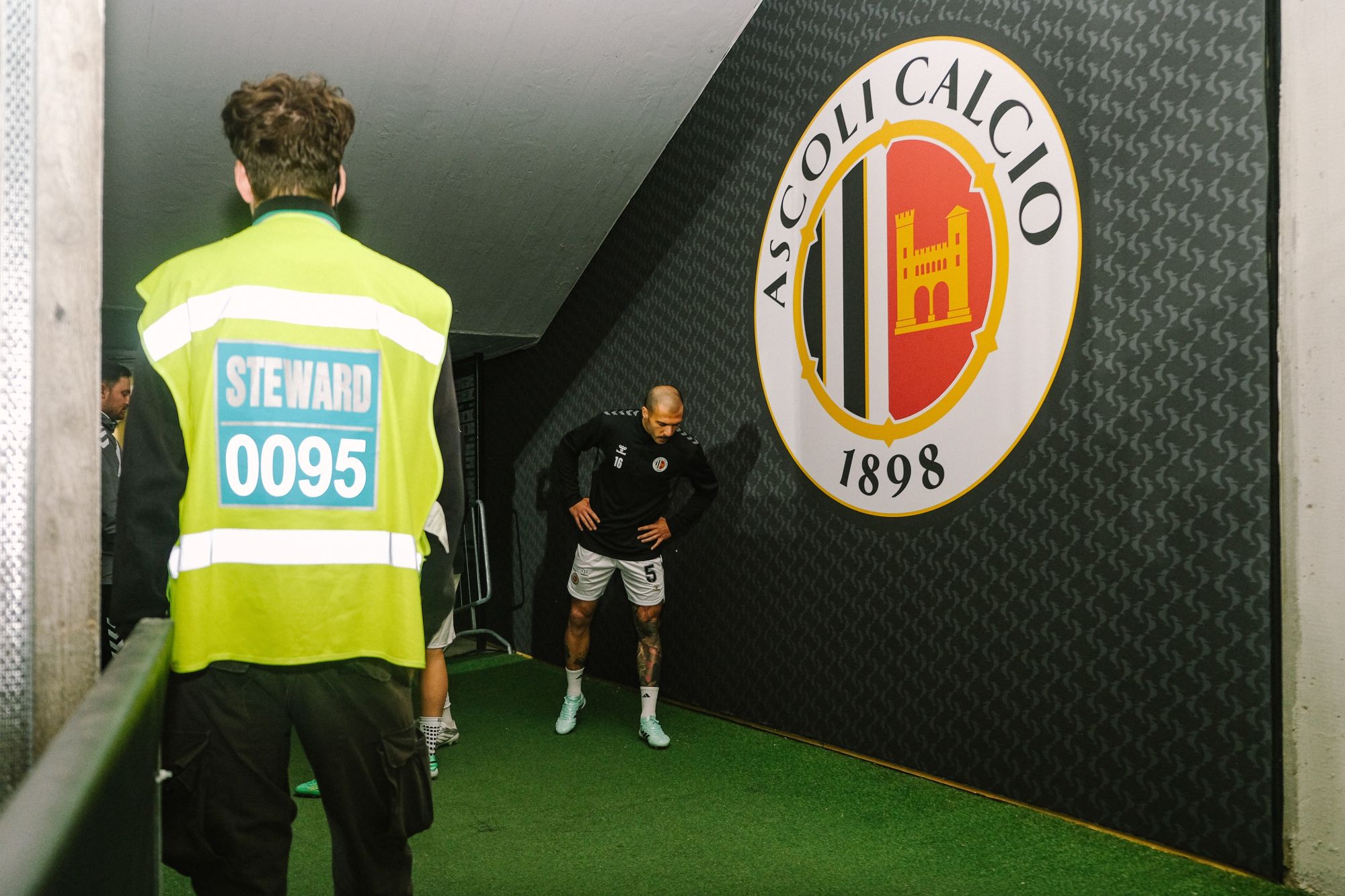
The process began around a year before the presentation, with three days in Ascoli spent engaging with the club’s shirt museum, organised supporter groups, long-serving kit staff, the city’s Councillor for Sport and several journalists. The result is the 20th crest in the club’s history, with its return to a circular shape recalling Ascoli’s Serie A years and the era of Costantino Rozzi. The Armilla Picena appears inside, while the Cassero fortress has been redesigned: the tower on the left references the City of a Hundred Towers, while its summit becomes a crown, symbolising the Queen of the Marche. The black-and-white stripes have also returned to the crest, separated by a thin yellow line.
The colour palette is built around local references. The yellow from the city’s crest replaces gold, red recalls the socks worn during the Rozzi era, travertine takes the place of white and green officially enters the club’s palette as a tribute to the basil of Sant’Emidio. The new typeface draws on the ligatures found in inscriptions on the bas-reliefs around the city centre, with the letter “I” crossed by the Picchio. The Passeri family also completed the process of reclaiming the historic Picchio trademark from the 1980s, accompanied by a modern version designed for merchandising and a younger audience.
The presentation took place on 30 June, the day the previous season officially came to an end. A teaser video had kept the city waiting before the crest was unveiled live on Modì’s Twitch channel, where Andrea Passeri answered questions directly from connected users. He described it as a restyling rather than a revolution, based on genuine symbols of the area that the club wanted to bring back to life. He added that, as far as he was concerned, the crest would always belong to the people, not to him or the agency. He also shared an anecdote: during the playoffs, at Caffè Meletti, the mayor had given his father a pin depicting the Armilla Picena. Passeri replied that the symbol would be seen again very soon, anticipating its appearance on the new crest.
Local partners and businesses alongside Ascoli
One of the first partners to change was the technical supplier. After nine years with Nike and one season with Kappa, Ascoli signed a four-season agreement with Hummel, which now supplies the first team, academy sides and staff. Andrea Passeri linked the decision to the recent redesign of the crest. The crown, meanwhile, is a recurring motif: it was already the symbol of the 2025/26 season-ticket campaign, “Long Live the Queen”, and has now appeared on the back of the Away shirt, beneath the words “The Queen of the Marche”.
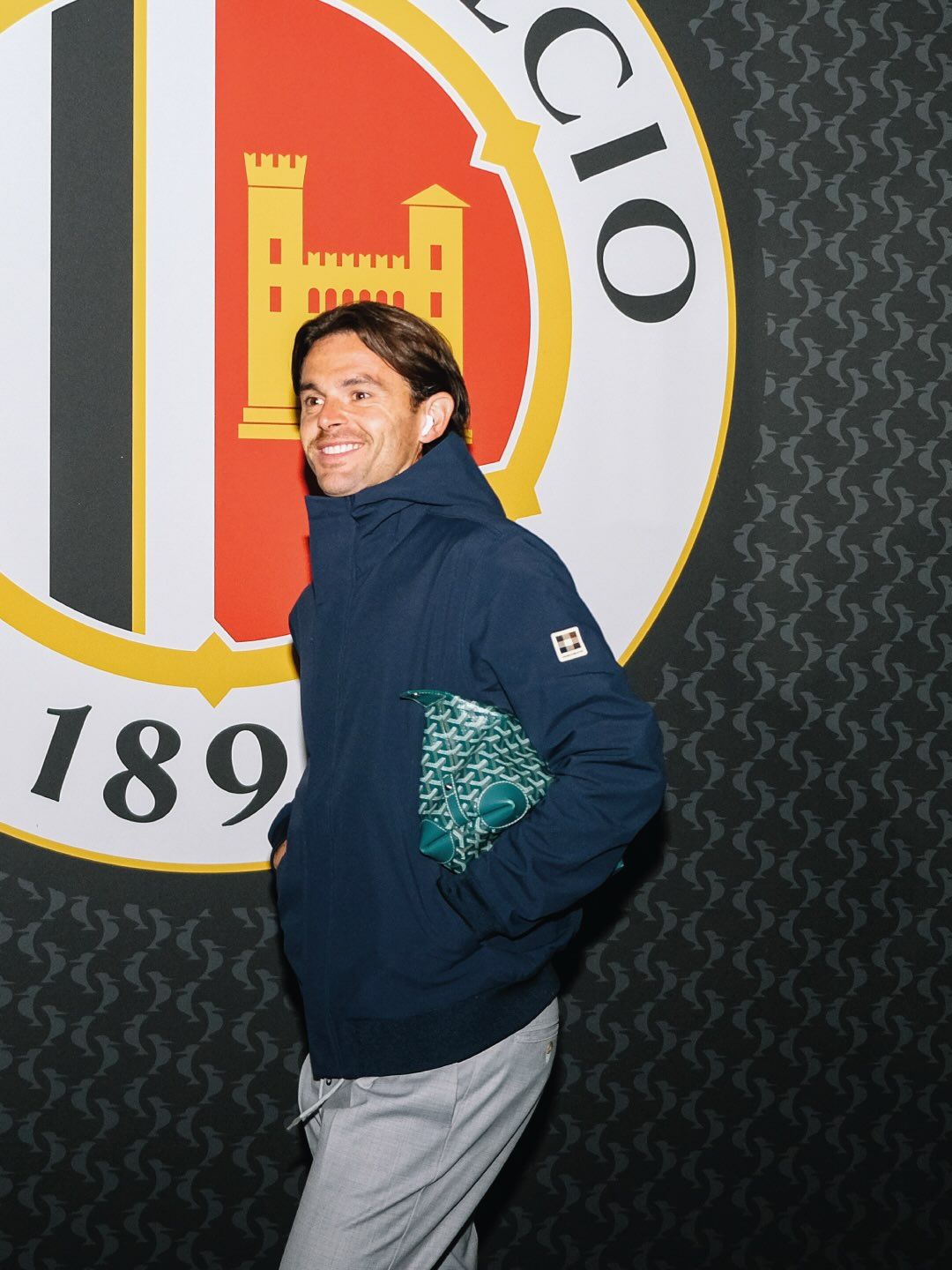
Off the pitch, the club announced Maglificio Gran Sasso as its fashion partner in July. The company was founded in 1952 in Sant’Egidio alla Vibrata, in the province of Teramo, and the club’s statement described the partnership as a return rather than a debut. Directors, staff and players wear Maglificio Gran Sasso clothing and footwear for official occasions. The autumn-winter collection was presented at the company’s factory: long-sleeved merino wool polo shirts, wool trousers and shoes with wool uppers produced using the same machinery employed for knitwear. Partnerships with Ezeta and Aquascutum Active have also been announced, with a preview appearing on the club’s official social media channels just a few days ago.
The relationship with local businesses has also developed through the supporters. In September 2025, the club opened its sponsorship campaign to everyone, after many fans came forward with their own companies, creating dedicated spaces around the Stadio Del Duca to give them visibility. A few days later, five local businesses – Turla Costruzioni, Sofer Carpenterie, Ubaldi Costruzioni, Gruppo Gabrielli and Pulitissima – signed a three-season agreement with the club. Fainplast, which has supported Ascoli for many years, also renewed its partnership and became the main sponsor.
The relationship between supporters and the club’s social media
The club’s bond with the city is also connected to its organised supporters and, consequently, to Ascoli’s curva. The 2026/27 season-ticket campaign was titled “It Won’t Be Just a Fling”, presented by the club as “a promise” rather than a slogan. On 17 July, the day the priority-sales period opened for the new Curva Sud (Costantino Rozzi), more than 4,000 season tickets were purchased in a single day. It was the starting point for breaking the club’s old, very old season-ticket record: 8,050, set during the 1979/80 Serie A campaign. After the first three sales phases, the total had reached 9,286. A five-day extension and another 753 subscriptions then took the final figure to 10,039. A new historic record.
This idea of the city and the relationship between club, team and supporters can also be found across the Marche-based club’s social media channels. It begins with the choice of a conversational and distinctly local language and minimal graphics, often in black and white like the club’s colours, and extends to the season-ticket campaign, which clearly drew inspiration from life in the stands. The supporters themselves are often the protagonists, while videos produced during matches provide a perspective closer to the experience of those watching from the stands than to traditional television highlights.
Ascoli have not played in Serie A for almost 20 years, since the 2006/07 season. Following the latest promotion, president Passeri described it as a “starting point”, while avoiding any grand declarations. It will take more time to understand where the current journey will lead, but a city beginning to recognise itself in its team again is already a promising sign.
What to read next
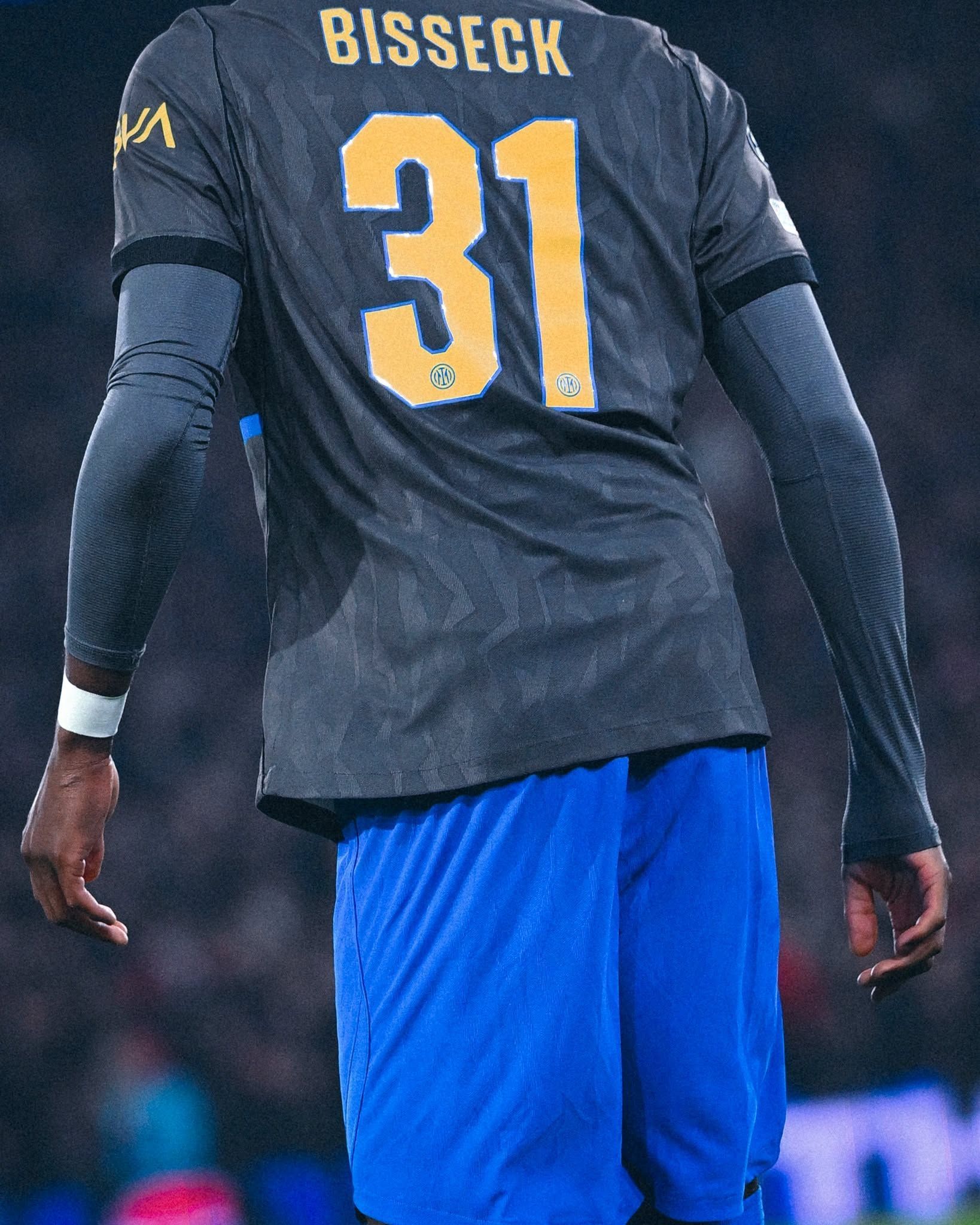
Why did Inter wear light blue shorts again?
The kit clash with Feyenoord produced an unusual combination, but one with several precedents in the Nerazzurri’s history
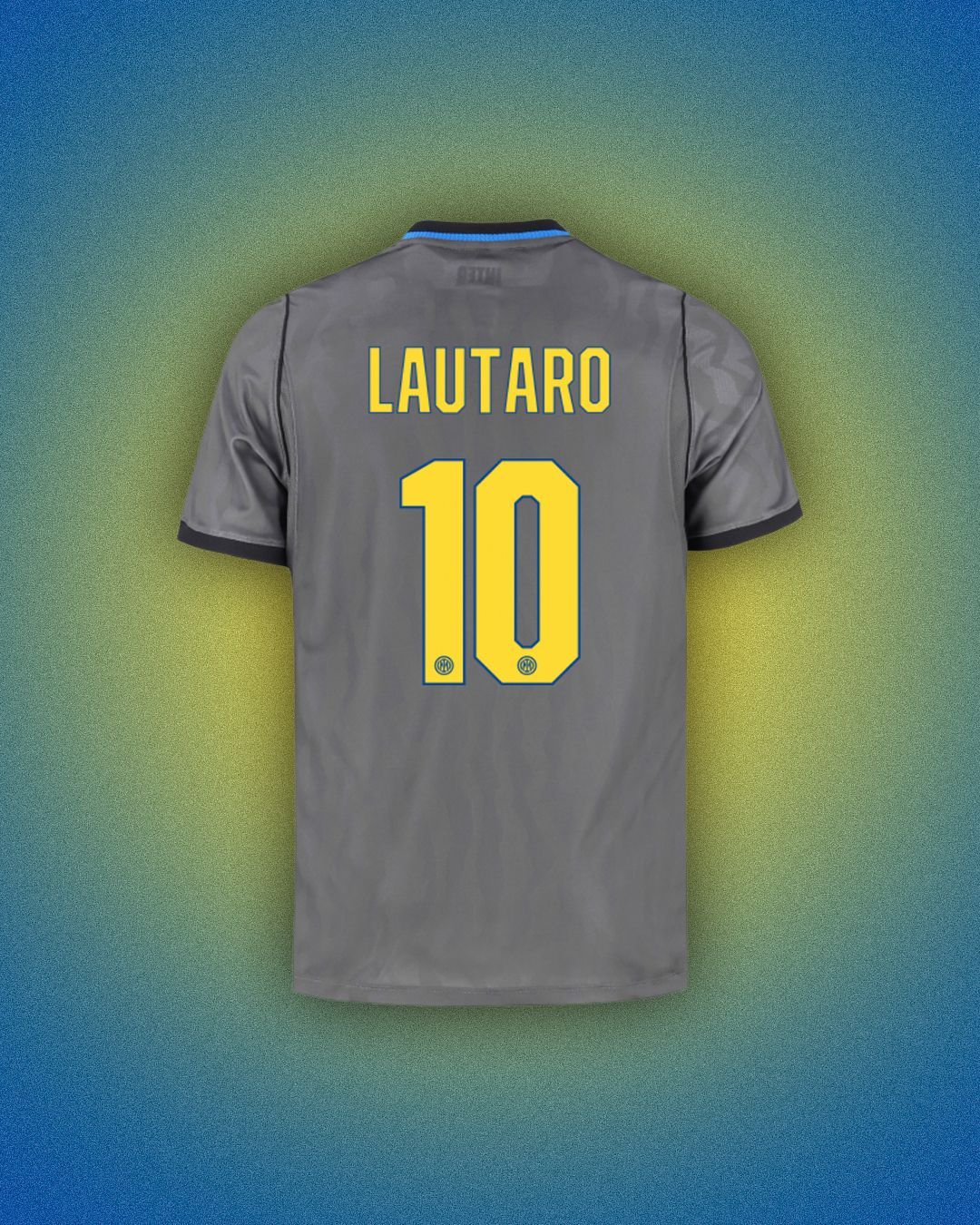
Inter will introduce a special Champions League font
It will be only used with the 2026/27 Third kit