All the new rules for Serie A football kits They will come into effect from the 2027/28 season and remain in place until 2030
Serie A has introduced a new set of regulations governing football kits. The rules will come into effect from the 2027/28 season and remain in place until the end of the 2029/30 campaign. The most significant change in aesthetic terms concerns collaborations. Put simply, from next season onwards, teams will be allowed to take to the pitch wearing kits created through collaborations between their technical sponsor and another brand. A practical example would be a partnership like the one between PUMA and C.P. Company, which resulted in a special Manchester City kit for the Champions League, now potentially possible in the Italian league as well.
Co-branding: Serie A opens the door to collaborations between technical sponsors and fashion brands
Under the new regulations, clubs will be allowed to integrate another brand's logo into that of their technical sponsor. More specifically, paragraph 7 of Article 10 states that: "In the case of match kits produced through a collaboration between the technical sponsor and another brand, the latter may be incorporated into the technical sponsor's logo, provided that the combined area occupied by the two adjacent, non-separated elements falls within the limits established in the preceding paragraph 3."
The paragraph 3 mentioned above is the section of the regulations that outlines how a technical sponsor is allowed to display its logo. On shirts, it may appear exclusively on the front, with a maximum area of 20 cm²; on shorts, the logo or lettering must not exceed 20 cm², while on socks it may occupy up to 20 cm² on each sock, or be reproduced twice, with each instance limited to 10 cm².
These provisions effectively formalise a scenario that has already played out over recent seasons, most notably with AC Milan and the collaborations introduced by PUMA with Nemen, Koché, Off-White and Slam Jam. On each occasion, the brand's name appeared beneath the PUMA logo, presumably following a special exemption granted by Serie A. These new provisions, however, could pave the way for different solutions, closer to the one adopted by Napoli in the 2020/21 season, when Marcelo Burlon's logo was incorporated into Kappa's emblem.
Commemorative crests: greater creative freedom for clubs
The new regulations also give clubs greater creative freedom when it comes to commemorative crests. Paragraph 5 of Article 9 states: "In the case of commemorative or celebratory patches marking an anniversary or other significant events for the Club, these may replace the club crest or be incorporated into it (provided that the combined area does not exceed the maximum dimensions permitted for the club crest), subject to approval by Lega Calcio Serie A. These commemorative crests may be surrounded by letters, numbers and/or decorative elements (e.g. laurel wreaths), provided that the total usable area does not exceed the maximum permitted size of 100 cm²."
Anthem Jackets: new rules for pre-match tops
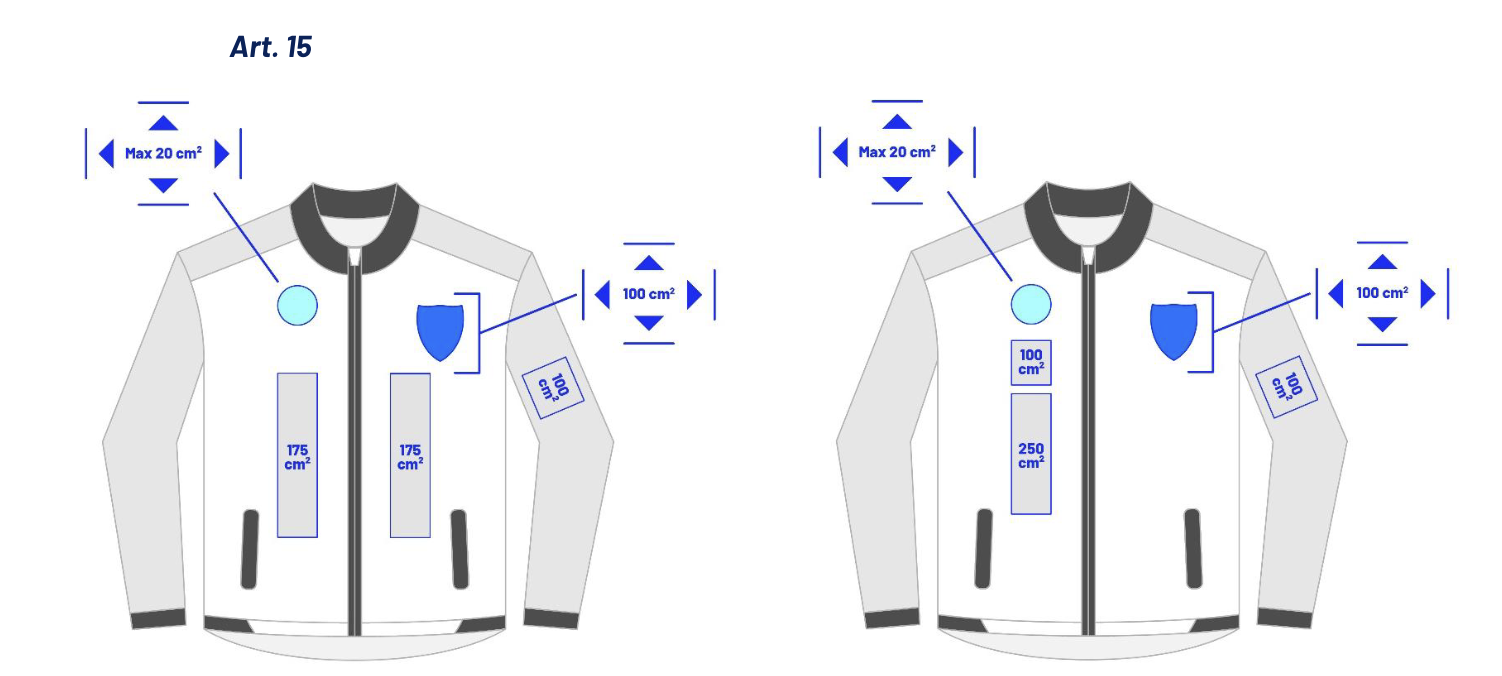
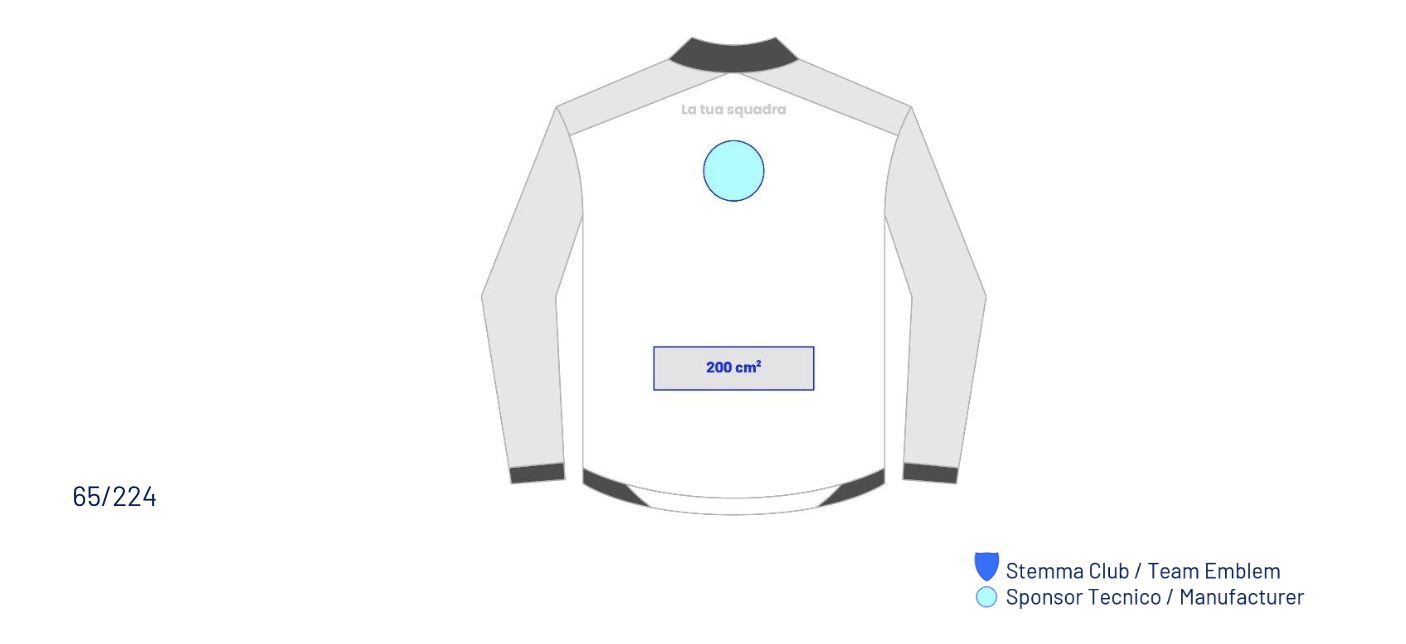
The rules governing pre-match tops and Anthem Jackets, worn by players as they make their way onto the pitch, have also been updated. Commercial logos are permitted, but Article 15 specifies that: "The total area occupied by advertising must not exceed 650 cm², distributed as follows: a. front: 350 cm², which may be divided between two sponsors (with a maximum of 250 cm² allocated to a single sponsor); b. back: 200 cm²; c. left sleeve: 100 cm²." As for the club crest, the regulations state that: "The club crest may also be applied to the front, with a maximum area of 100 cm², while the same crest or one of the variations provided for under Article 9, paragraph 4, may be placed on the back of the top."
Shirt numbers: gold and silver are now banned
One of the most significant changes concerns the colour of shirt numbers. Paragraph 5 of Article 6 explicitly states that: "The use of gold and silver colours is prohibited." The rest of Article 6 further specifies that numbers must be rendered in a single colour and clearly stand out against the background on which they appear. They must not contain lettering, advertising or graphic elements other than those expressly permitted. The club's official crest, or another symbol clearly associated with the club itself, may be incorporated. Paragraphs 6 and 7 also add that: "A contrasting outline must be provided around the number (not tone-on-tone). Any patterns within the numbers must be rendered tone-on-tone and must never compromise or reduce their visibility, either in person or on television. Under no circumstances may they reproduce the club's logo, or any part of it, the club's name, or any part of it, nor any designs, graphic elements, lettering or phrases associated with the club."
Green kits and the checkerboard effect: what's changing?
For colour-related reasons, the League has also confirmed the ban on green match kits and introduced a ban on the checkerboard effect. The term appears in paragraph 4 of Article 5, which states: "If the home team wears a non-monochromatic kit, in which the shirt, shorts and socks feature two or three different colours, the away team, where an alternative is available, is encouraged to wear a contrasting monochromatic kit in order to avoid a 'checkerboard' effect between the two teams on the pitch."
The aim is to avoid mismatched kits and favour monochromatic solutions. This is why paragraph 1 of Article 4 states: "Every Club must have a first-choice match kit in its official colours, to be worn in home matches and away matches where there is no risk of confusion with the opposing team's colours, as well as a second-choice kit (and any additional kits), which must be significantly different from and contrasting with the first. By way of example, kits are considered significantly different and contrasting when they do not create colour confusion when worn by two opposing teams. If one kit is predominantly dark, the other must be predominantly light; similarly, if one shirt features hoops, stripes or checks, the other must not contain any of the colours present on the first shirt, except as a minor reference."
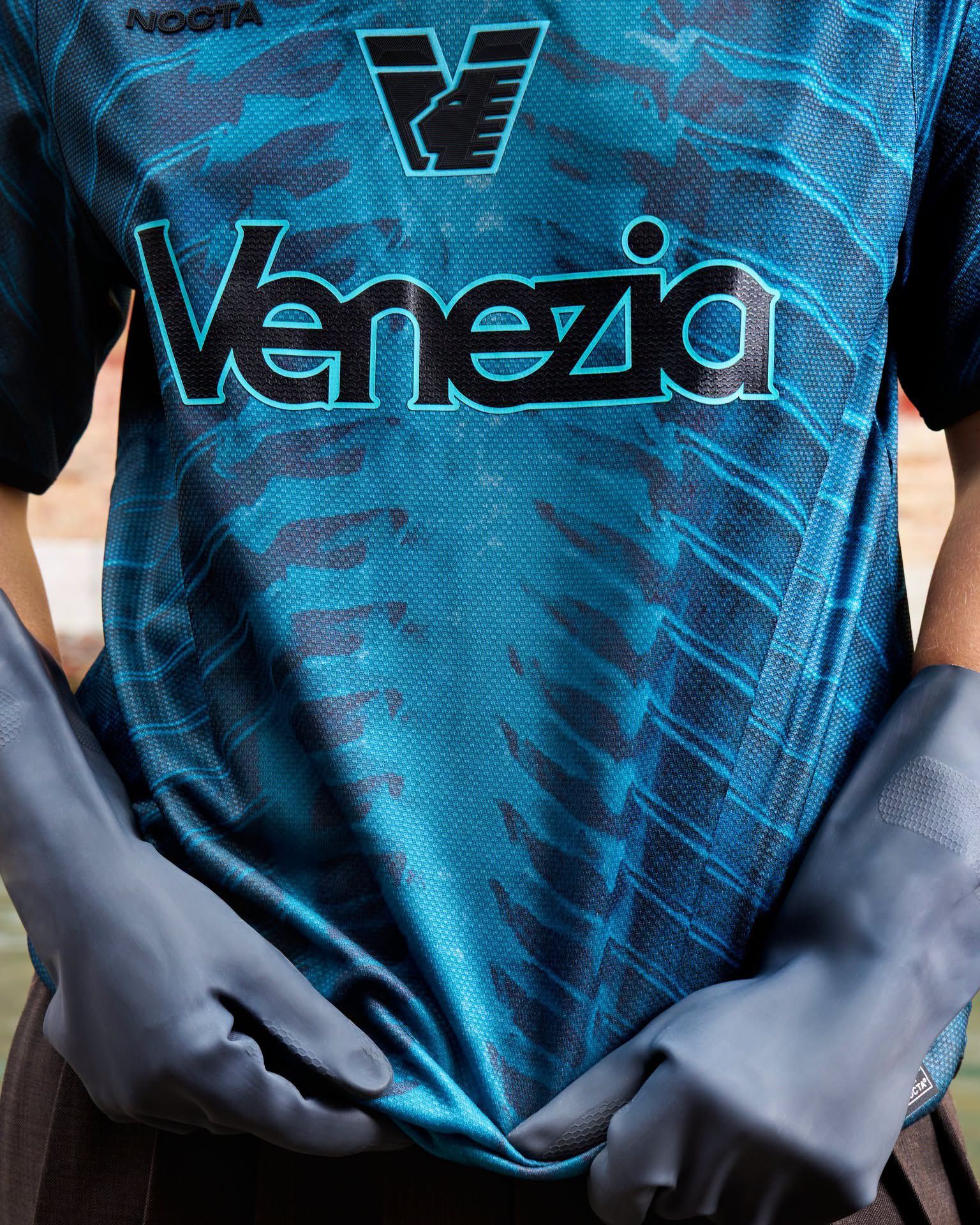
Finally, a small clarification that helps explain a misunderstanding surrounding the away shirt worn by Venezia this season. The shirt features an orange insert on one sleeve and a green one on the other. Paragraph 6 of the regulations requires that "both sleeves of the shirts must be identical in colour and design", but paragraph 7 adds that "where a differently coloured band is featured on the upper part of the match shirt, it must not compromise the visual perception of the shirt's dominant colour."
Technical sponsors face an earlier kit approval deadline
The final change worth highlighting directly concerns technical sponsors. The League has brought forward the deadline for submitting kit designs for approval: whereas the cut-off date was previously set at 31 March, from next season onwards it will be moved to 15 February. By this date: "renderings of all match kits (front and back, including player names, shirt numbers and Pantone colour codes – or equivalent – for each individual kit) available to each Club (first-choice, second-choice and any additional kits, including goalkeeper kits) must be submitted to the Competitions Office of Lega Calcio Serie A by 15 February of the sporting season preceding the one in which the garments are to be used; physical samples, meanwhile, must be submitted by 30 June", as stated in Article 2.
Article 2 further adds: "Should any changes be made to previously approved samples, a new sponsorship agreement be entered into after the aforementioned deadlines, or specific patches be added, the relevant samples must be submitted to the League's Competitions Office within 72 hours before the match in which they are to be worn. The League will communicate its approval or the reasons for rejection within seven days of receiving the garments. This period is reduced to 24 hours for submissions made within 72 hours of the match. All decisions made by Lega Calcio Serie A during the approval process shall be considered final."
What to read next
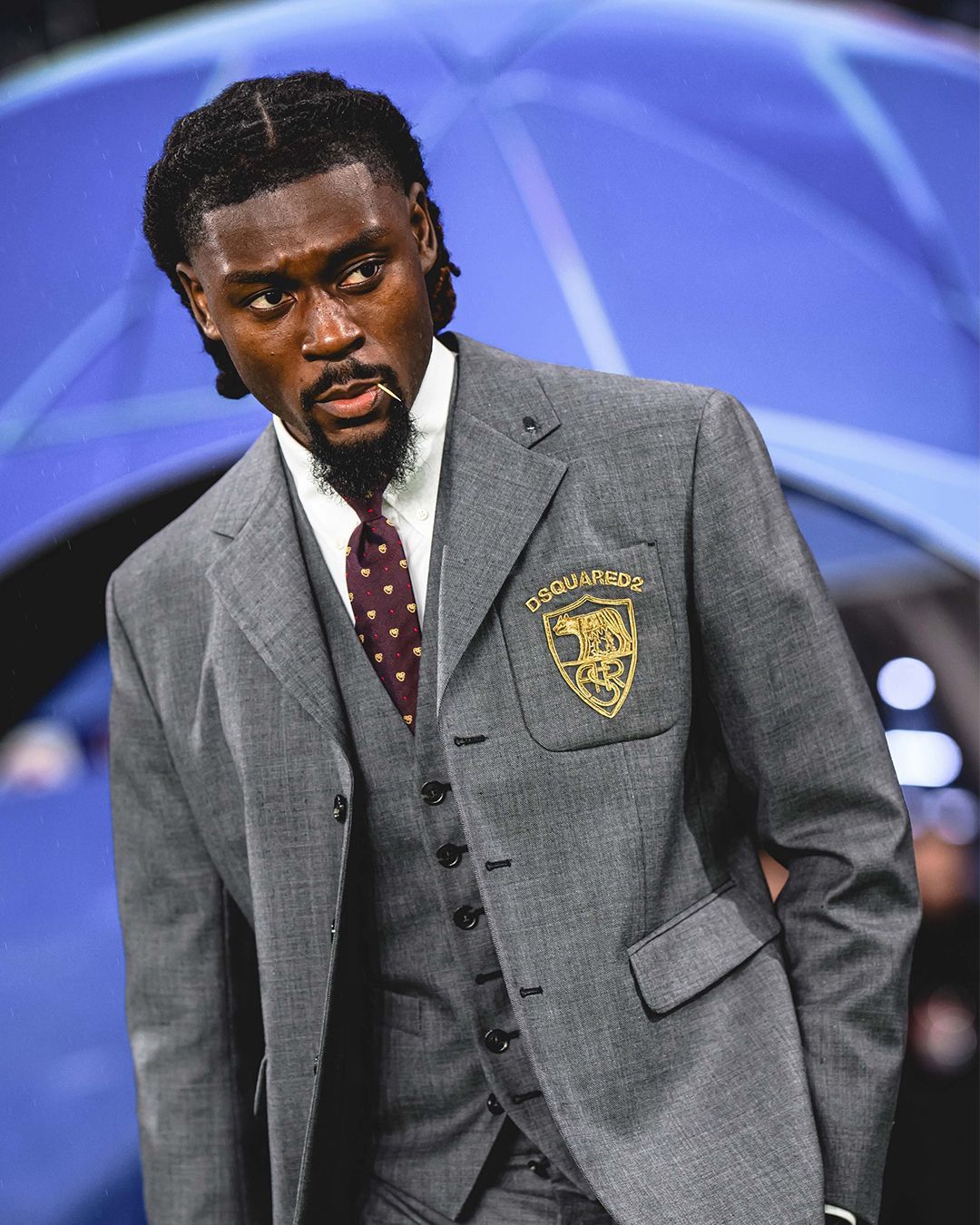
Roma x DSQUARED2 is 2026's most surprising football fashion collaboration
Tailored suits and casual looks have transformed Roma's aesthetic
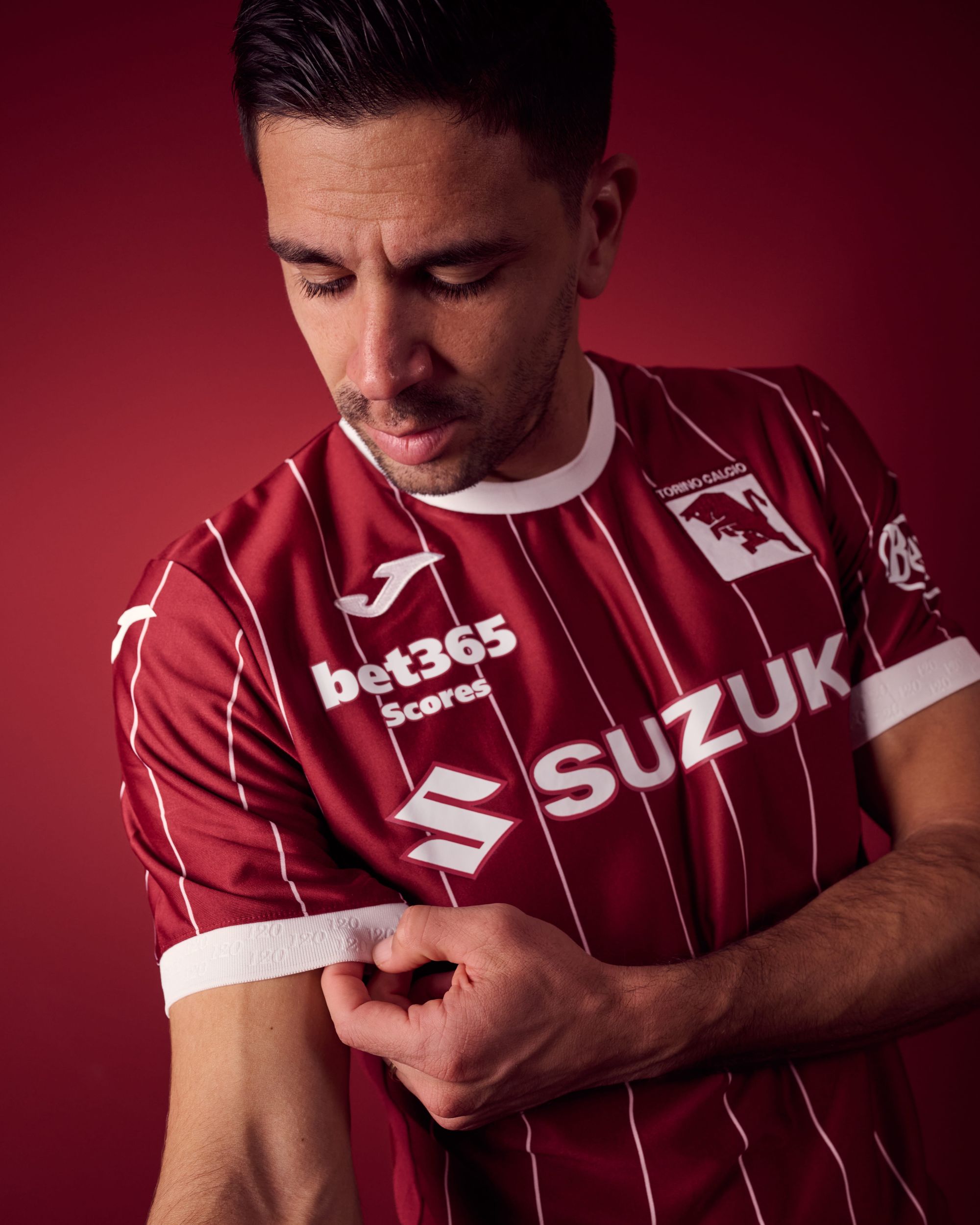
Only 1906 pieces of Torino's new Anniversary Kit have been produced
Designed by Joma to celebrate the club's 120th anniversary, the jersey pays tribute to an aesthetic cherished by the fans
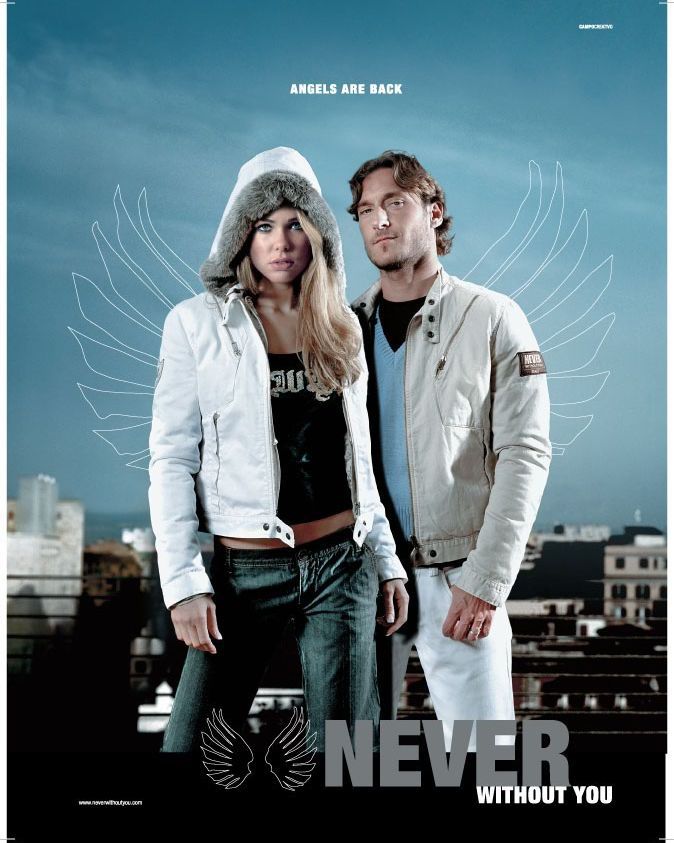
The forgotten story of Francesco Totti and Ilary Blasi's fashion brand
It was called Never Without You