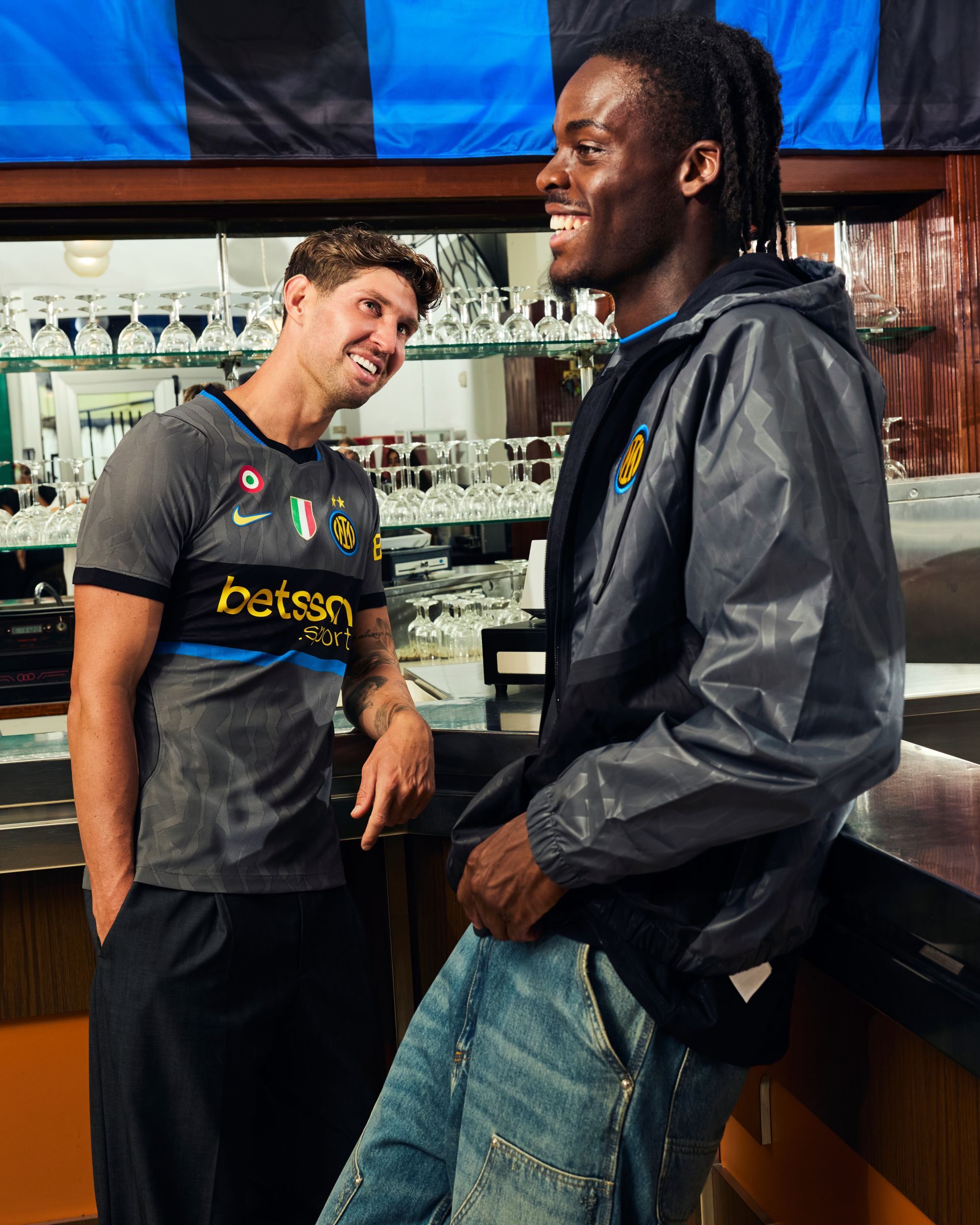
The return of jersey in football shirts Blending nostalgia, aesthetics and football culture
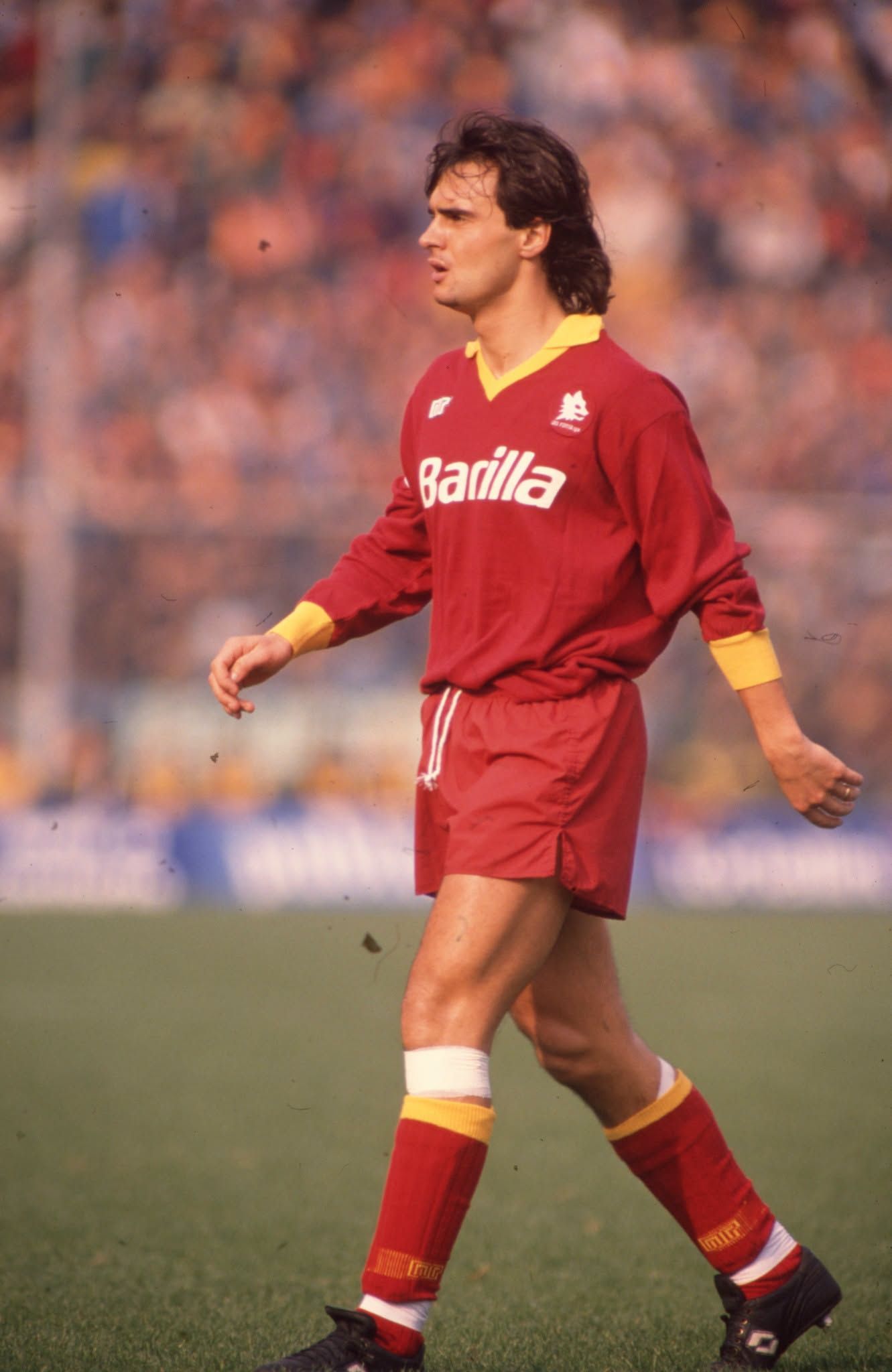
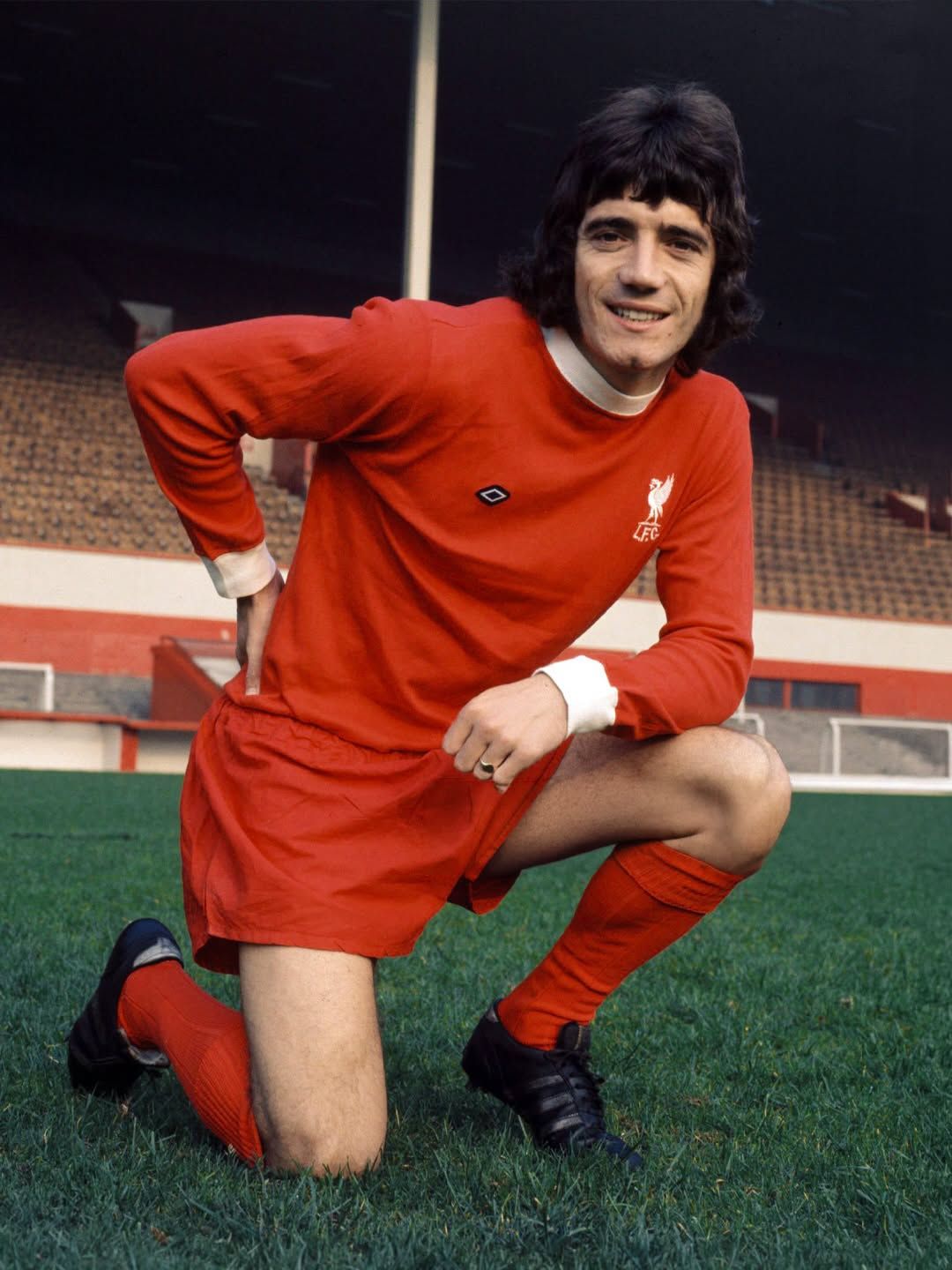




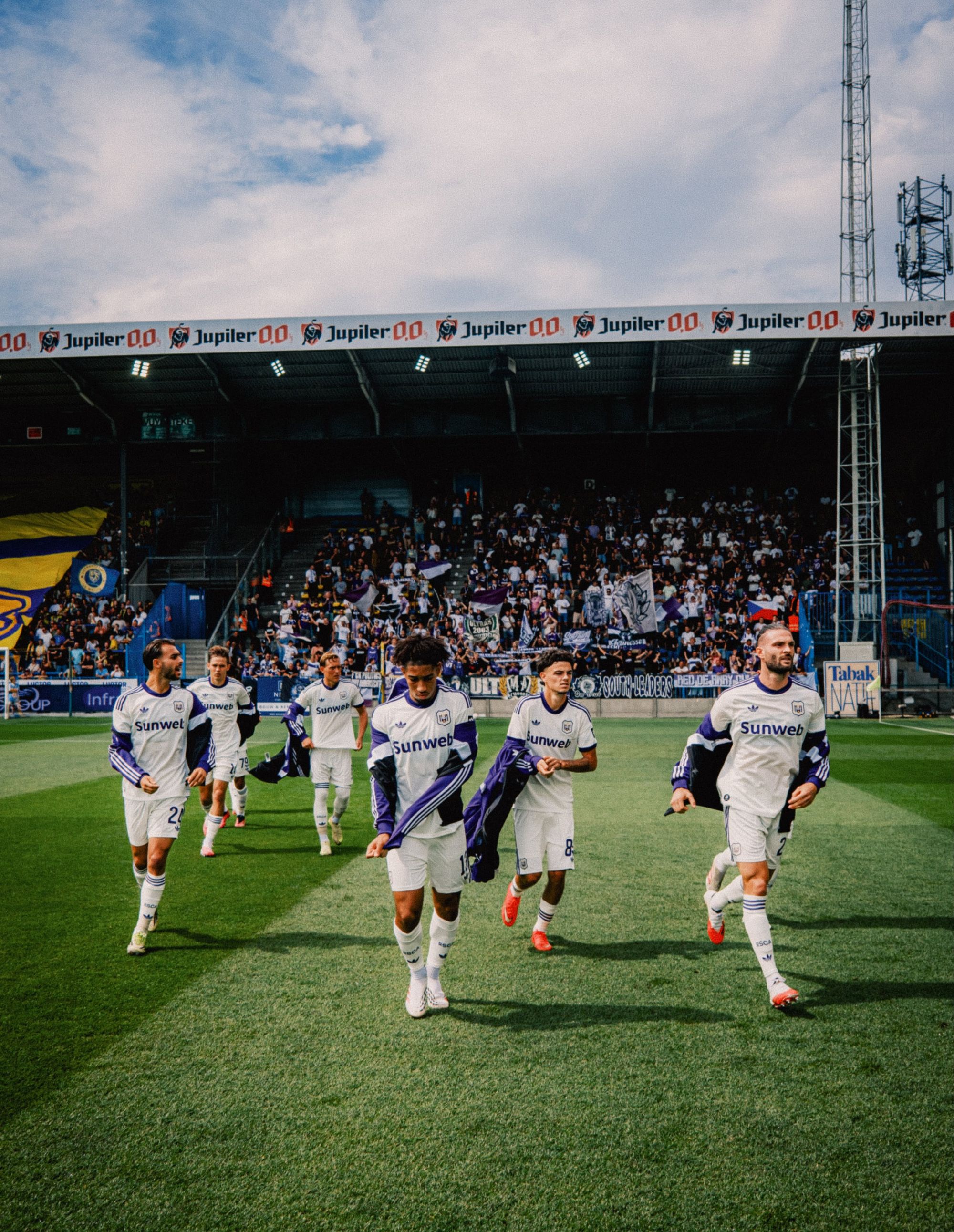
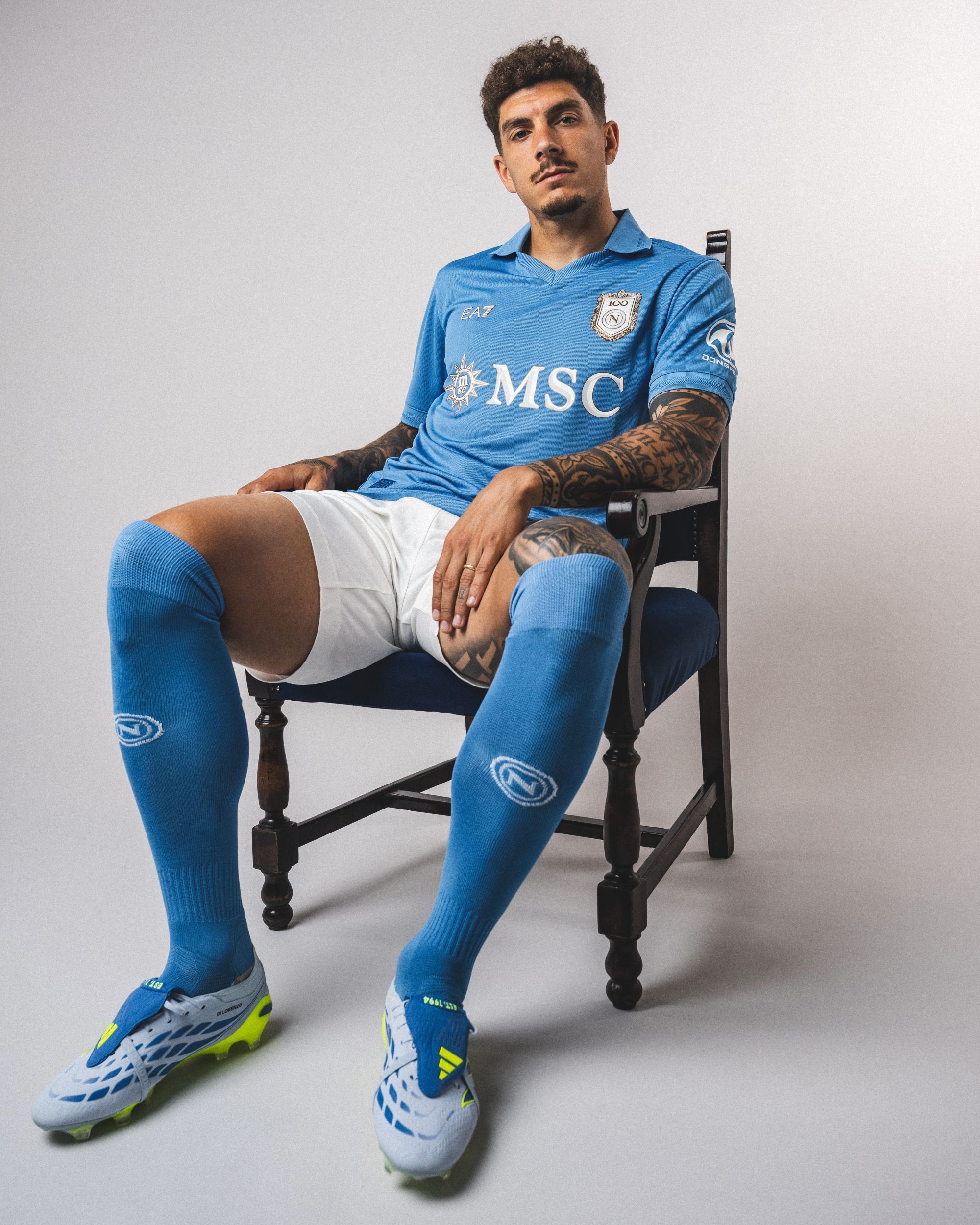
This is not a passing trend, but rather a powerful way to evoke memories and the glory of the past, combining them with an undeniable aesthetic appeal. Modern materials bring back the soul of fabrics such as jersey, also known in Italy as lanetta or maglina, and are used for new team kits. Creating vintage garments with the retro appeal of the Seventies, Eighties or Nineties has now become an easy commercial win, appealing to collectors and enthusiasts who are always looking for rare pieces to add to their wardrobes. While patterns that add details to classic designs are certainly not off the table, the feeling is that kits inspired by designs from past seasons are appreciated above all for their faithfulness to the original.
The history of jersey
The term maglina is the Italian adaptation of jersey, a fabric that takes its name from the eponymous British island in the archipelago located in the English Channel. It was initially a heavy and durable fabric, used to make clothing for local fishermen, who wore it out at sea while facing the elements. It later evolved into something quite different: a soft, stretchy, comfortable and very lightweight fabric, so much so that it was considered unsuitable for tailoring and largely restricted to underwear. It was Coco Chanel who brought it into the spotlight, using this smooth, finely knitted fabric in her creations and helping to make it socially acceptable as a fashion material.
Produced using specific circular knitting machines with a single row of needles, jersey is smooth and compact on the outside and rougher on the inside. The fibres used are varied: wool was used initially, followed by cotton and synthetic blends, then rayon or viscose, and eventually the modern fibres that include Lycra, spandex and elastane. The latter, in particular, found its place in the sportswear sector, especially in football shirts from past decades.
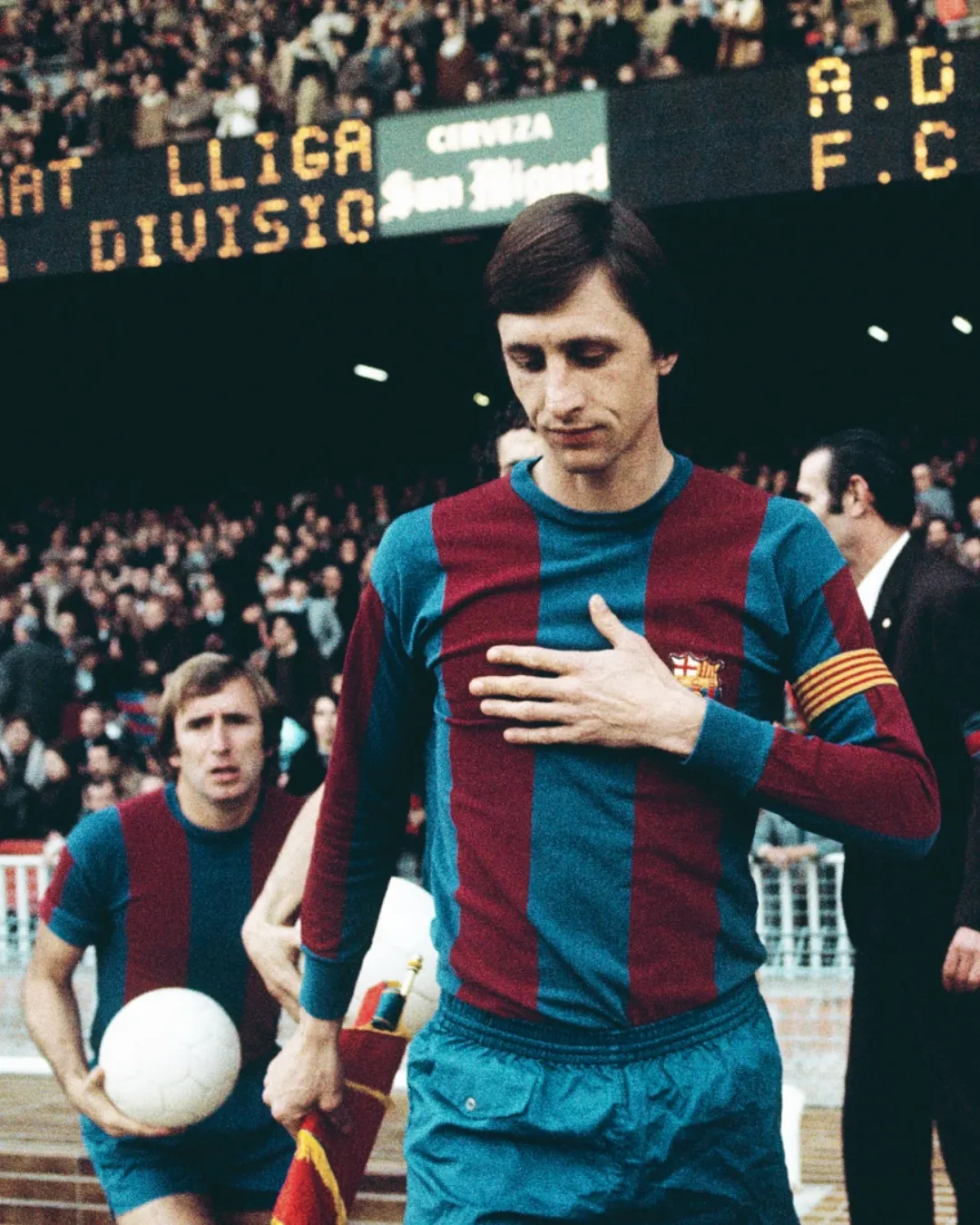
In Italy, jersey had its pop-culture moment between the late 1970s and much of the 1980s, when the country's long-standing knitwear tradition brought its production to the highest levels of aesthetics and functionality. Some of the most iconic Serie A shirts date back to this period, with great players wearing lightweight, slim-fitting shirts, initially featuring crew necks and also known as lanetta shirts.
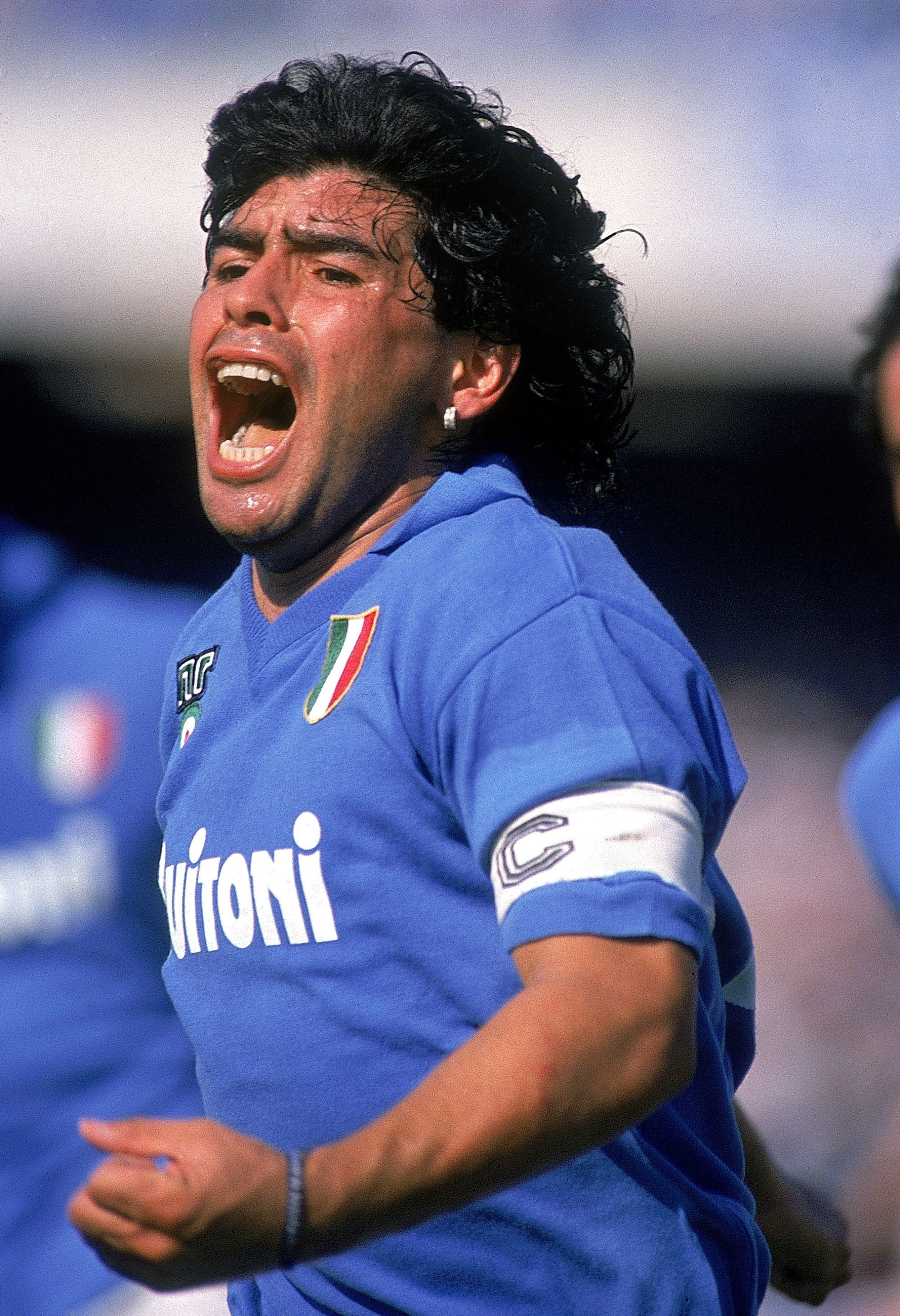
They were joined by kits featuring prominent V-necks and open collar flaps, similar to those of polo shirts. These were shirts without many details, showcasing almost exclusively the unmistakable colours of the team wearing them. Their minimalism got straight to the point, avoiding the intricate details and elaborate patterns common today. For example, most Italian clubs' kits from the 1980s were made from jersey. Towards the end of the decade, however, kits with the same designs but made from shiny or matte satin began to appear alongside them, particularly during the warmer months. Maradona's Napoli adopted this alternation, limiting jersey to the winter season and favouring different fabrics for the rest of the year. In other European leagues, for example, the use of jersey had already been phased out several years earlier. Today, the term jersey has become so widespread that it generally refers to a football kit, losing its original meaning as a specific type of fabric.
This summer's "tributes"
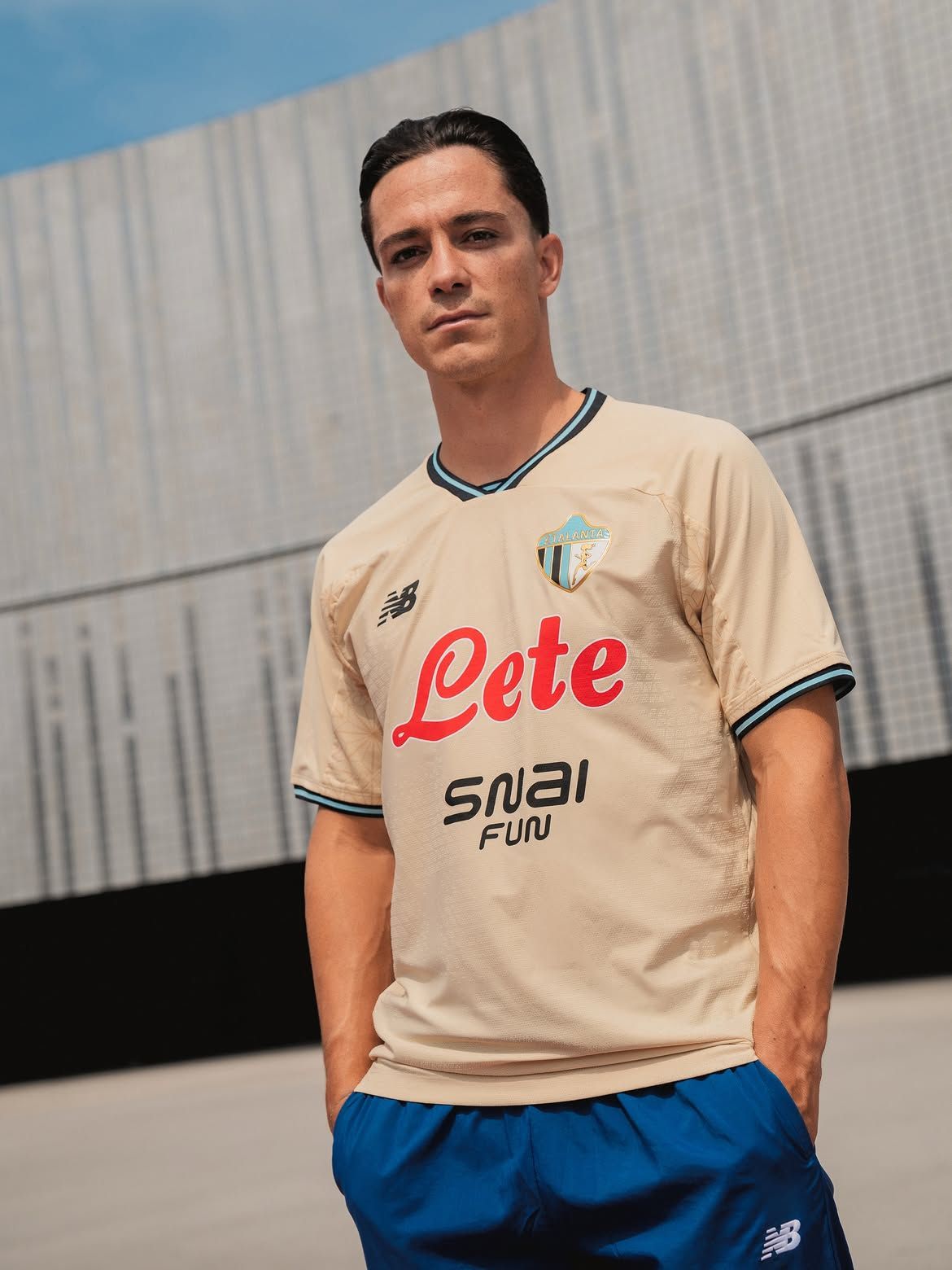
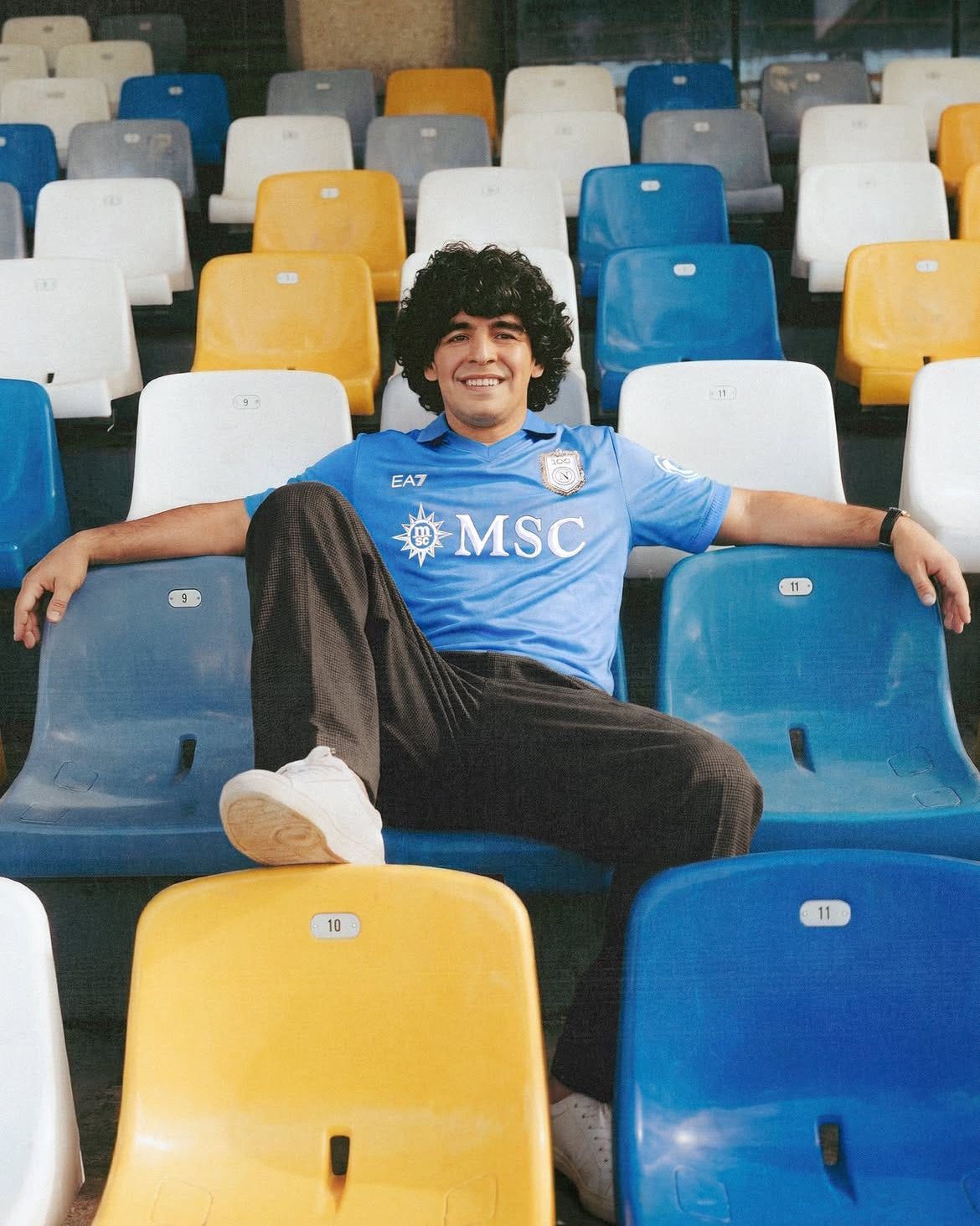
The obvious starting point has to be the Napoli home and third shirts, which, for the club's centenary, draw on the aesthetics of the Maradona era in the 1980s. On the home shirt, light blue takes centre stage, with an open polo collar reminiscent of the kits worn between 1985 and 1990, when the iconic Buitoni and Mars sponsors appeared across the chest. The third shirt, meanwhile, pays tribute to the 1986-87 season: a red base featuring the club crest and technical sponsor logo switched from their usual positions, alongside thin light blue and white stripes on the collar and cuffs. Although both are made from lightweight polyester, the reference to the texture of knitted fabric is clearly intentional.
Staying in Italy, Udinese also wanted to take a vintage trip down memory lane with some pieces from its "travel" collection. The polo shirt and travel tee share the same design, featuring the logo celebrating the club's 130th anniversary, made up of a white star that appeared on the very first black-and-white shirt, and should not be confused with the one associated with Casale. The cuffs and central section are dominated by black, while the sleeves and collar are white. In this case, cotton and elastane were used, materials that are now more suited to off-pitch clothing than match kits. The result is an elegant outfit that can be worn at any time, thanks in part to the fabric from which the pieces are made.
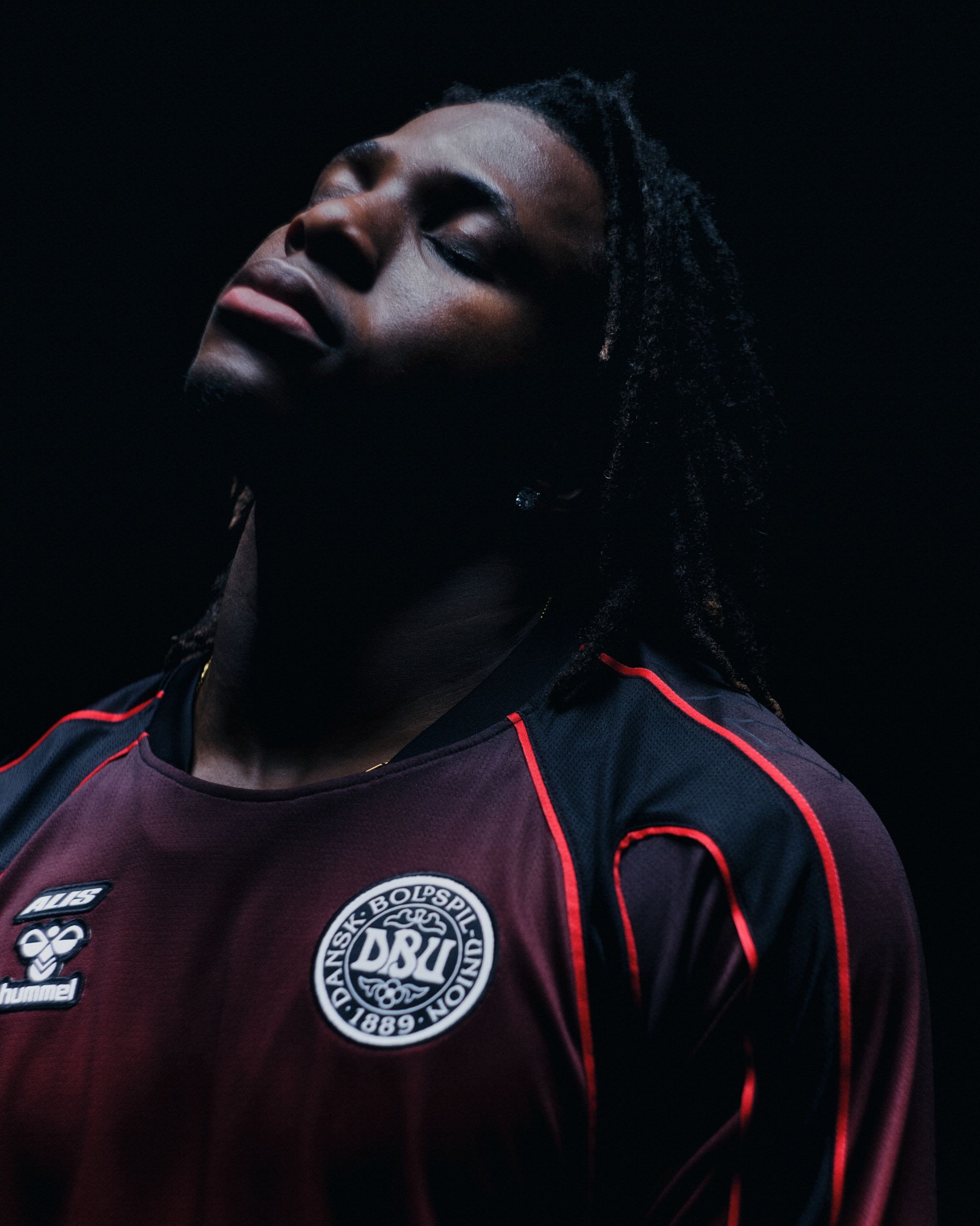
adidas' choices follow the direction the German brand has been taking for several years now. Just as with its footwear, bringing back kit designs from previous decades is a formula that works. In its home market, Germany, the Trefoil has dug into its archives to revive kits from the late 1970s and first half of the 1980s, updating them for the present day. Clean designs, with the historic logo replacing the modern one and minimal detailing. Particular attention is paid to the collars, the feature that most clearly defines the vintage look and, in some cases, the knitted-fabric effect. The polo collar appears on the away kits of Bayern Munich, Fortuna Düsseldorf, Hamburg and Schalke 04, while the layered crew neck features on the elegant kits of Cologne and Eintracht Frankfurt. According to German newspaper Bild, the Gelsenkirchen club's shirt sold 40,000 units in the first two and a half hours after its release, further confirming the success of the vintage aesthetic.
The same designs were introduced in other leagues for Paris FC, Sevilla and Legia Warsaw, all made from recycled polyester. Even simpler and more classic are the short- and long-sleeved pre-match shirts, again featuring the Trefoil logo. In this case, alongside the German teams already mentioned, Arsenal, Manchester United, Nottingham Forest and Celtic are among those included. After all, it was in Great Britain that casual style, brought to the stands by hooligans and onto the stages by Britpop bands such as Oasis and Blur, established adidas as a reference brand. A genuine cultural movement that reshaped lifestyle from head to toe, providing the perfect setting for this type of sportswear.
Other successful examples
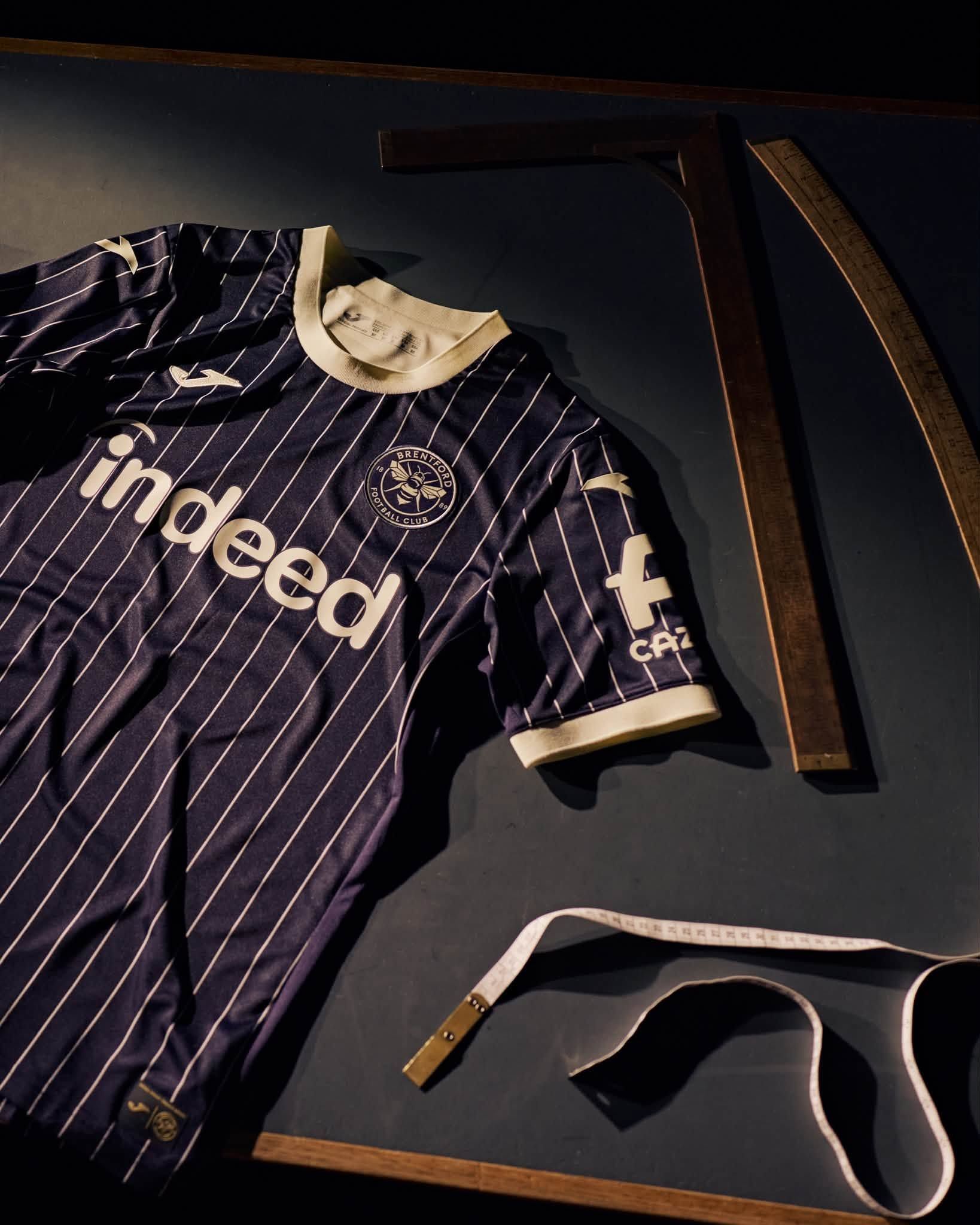
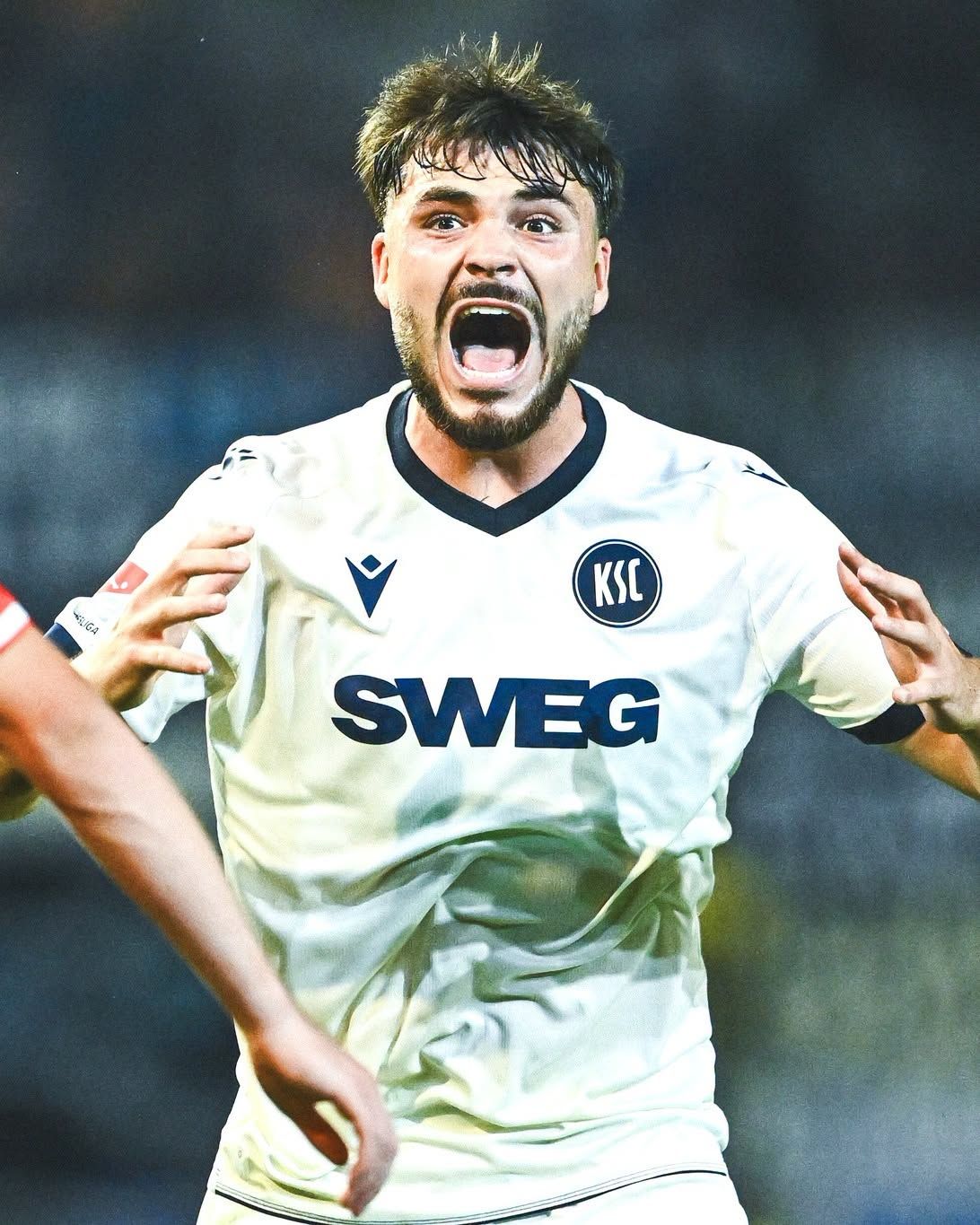
The work carried out by the Herzogenaurach-based company does not end there, however. The first rumours are emerging about several anniversary kits that we will see throughout the season, celebrating the anniversaries of Roma, Fenerbahçe and Real Madrid with instant classics made from fabrics reminiscent of those used in the past. Liverpool's away shirt is pure Seventies, just like the Anfield tickets that inspired it. The red V-neck and vintage logo complete the look, resulting in a product that is both simple and elegant. The shirt Anderlecht will wear away from home features a crew neck, with off-white and purple combining perfectly across an extremely clean design. It comes as no surprise to see how carefully this club approaches aesthetics, given its strong visual identity. The same type of collar used by the Brussels club can be found on Karlsruhe's away shirt, produced by Macron, and Brentford's, made by Joma, which uses recycled polyester and spandex here.
PUMA brings its retro touch to the kits of several teams from "minor" leagues, where significant work has gone into their designs. We are talking about the home shirt of Bulgaria's Lokomotiv Plovdiv, Lommel's shirt from Belgium and the third shirt of Ireland's Waterford. All three feature polo collars, with each design differing slightly from the others. For example, in the first two kits, the main colour is broken up by vertical pinstripes, typical of the 1980s. Even more understated is the third shirt, which looks particularly effective in its long-sleeve version, with a blue collar and cuffs complementing the white base.
It is precisely in this last case that we can see how effectively references to classic fabrics and designs can work, regardless of the club. Waterford is a modest Irish team about which little is known, and even less is known about its past kits. Yet that did not stop these tradition-inspired shirts from selling out. The fascination with vintage has also led to the specialised production of retro kits. Established brands reproduce the most glorious and iconic seasons of various clubs using recycled cotton, and even collaborate directly with football clubs to curate retro collections sold in their official stores. Copa Football, for example, has collaborated with Roma, Nantes and Porto among others, producing beautiful pieces ranging from track jackets to match kits.
What to read next

Why Barcelona will wear its 2025/26 Third kit against PSG?
It's due to UEFA's kit clash rules